
Toyota's Koji Sato: Japanese brands need to work together to take on Chinese EVs
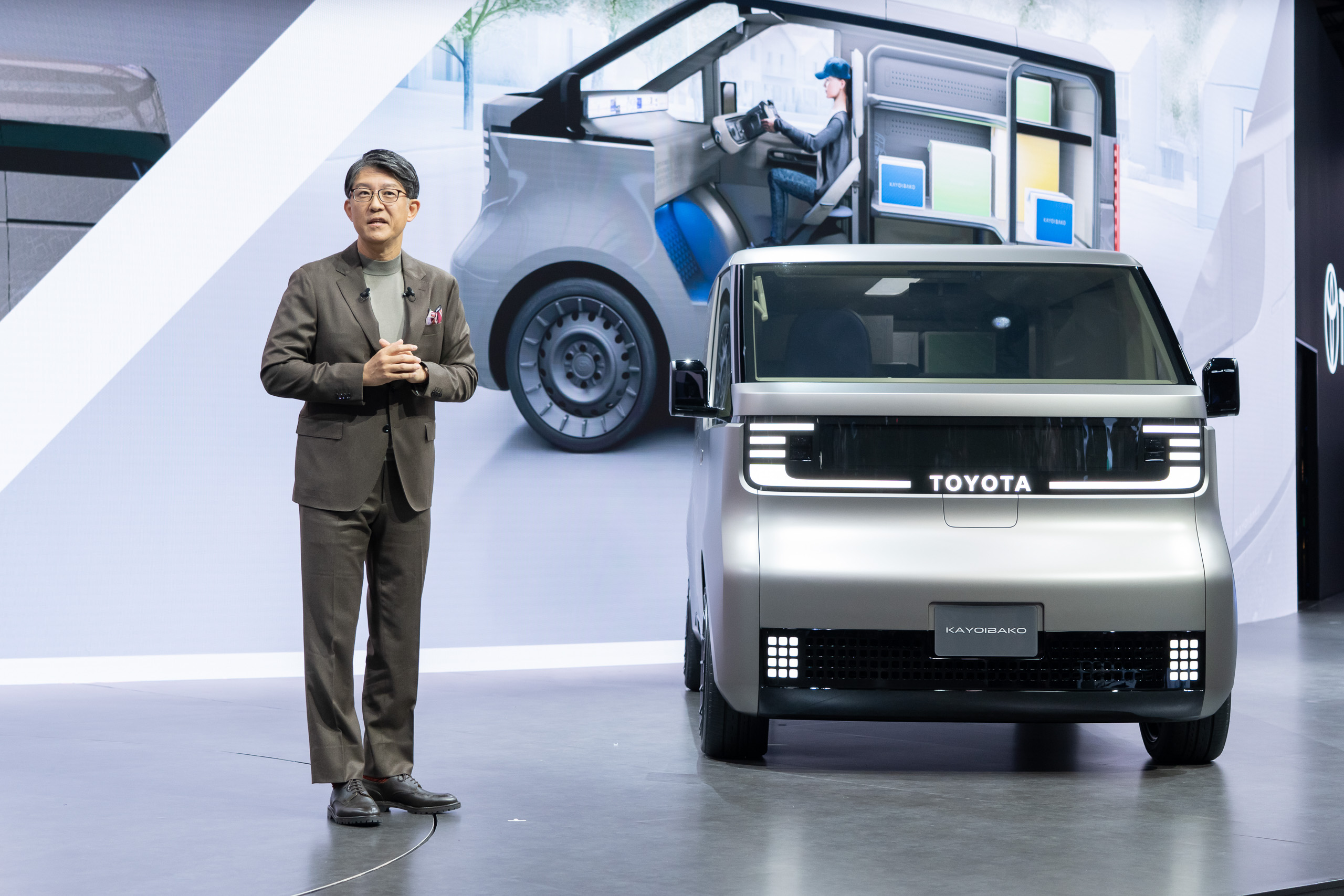
Toyota's Koji Sato: Japanese brands need to work together to take on Chinese EVs
Toyota Chief Industry Officer Koji Sato says Japanese brands need to compete less and collaborate more

Toyota may still be the leading automaker worldwide after selling a total of 11.32 million vehicles in 2025, but that doesn't mean they haven't seen the meteoric rise of Chinese brands in the past couple of years.
As Chinese brands continue to get a bigger slice of the automotive pie in key global markets, Toyota is sounding the alarm. In fact, Toyota Chief Industry Officer Koji Sato (who is also the Chairman of JAMA – Japan Automobile Manufacturers Association, Inc.) recently came up with a unique solution that he believes will help the Japanese brands beat Chinese EVs.
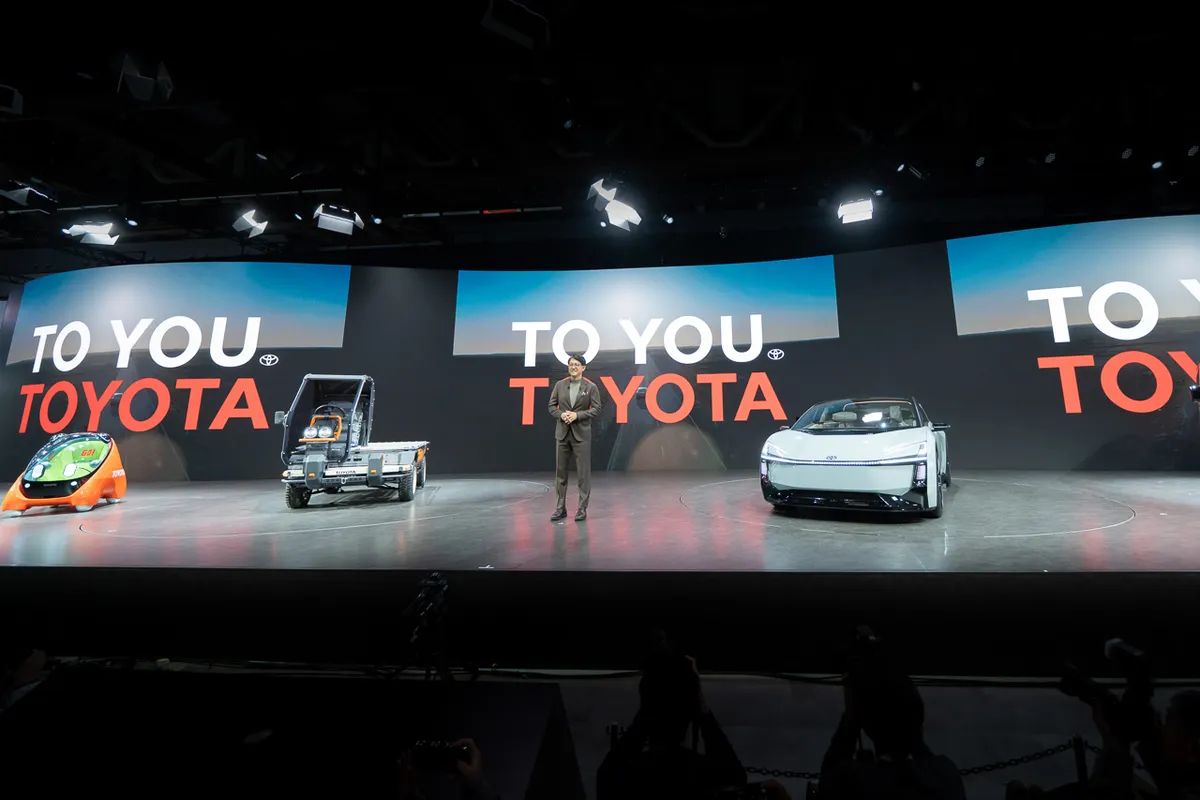
Instead of competing with one another, Sato proposed to Japanese automakers to standardize certain automotive components across different brands to cut costs and boost efficiency. These include steel grades, wiring harnesses, and plastic components across all major Japanese car brands. If approved, this will allow each brand to free up important resources to be used for more advanced factories, new technologies, and better productivity.
With Chinese brands continuing to release more high-tech EVs and plug-in hybrids (PHEVs), complete with cutting-edge features and fast-charge capability at competitive prices, Saito says that Japanese brands need to make drastic changes.
“Unless things change, we will not survive,” said Sato.
With Sato also leading JAMA, Japan's equivalent of CAMPI in the Philippines, the drive to make car production and parts supply chain more efficient could be one of the most ambitious attempts yet to change the supply base of Japanese automakers, which spans Honda, Mazda, Mitsubishi, Nissan, Subaru, Suzuki, and Toyota.
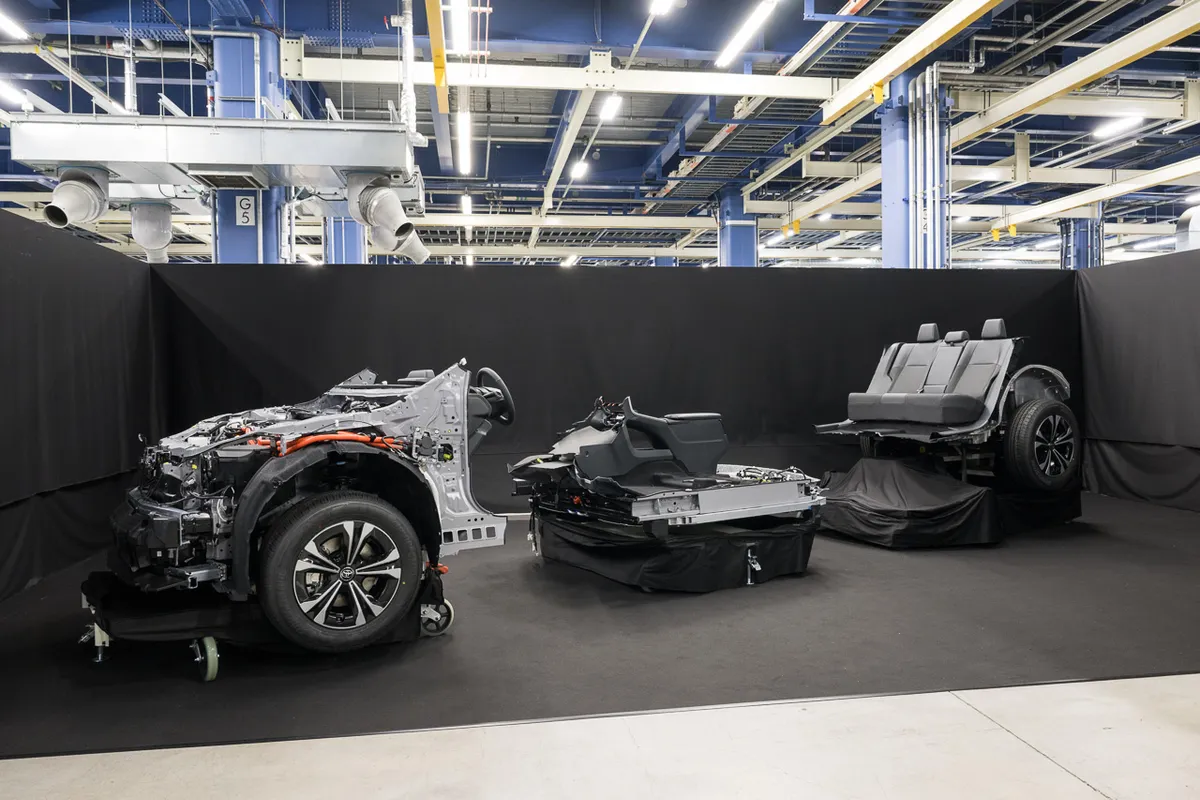
But what could standardizing certain components lead to in the long run? Well, having a new Japanese standard may result in parts that suppliers worldwide might lead to. In addition, standardizing certain automotive parts means brands will get to focus more on what buyers are looking for now, like software systems, intelligent driver aids, fast-charge capability, and perhaps a wider choice of powertrains.
For now, the proposal remains as that, a proposal. However, with Chinese brands continuing to disrupt the automotive market, we're curious as to how Sato will be able to convince the Japanese brands to get on board with his ambitious plan, which will likely disrupt the parts supply chain, production lines, and even factory line assembly.
Sources: Automotive News, InsideEVs
Related Posts
EVs, HEVs, PHEVs are exempted from EDSA odd-even scheme
MMDA, DOTr confirm that EVs, PHEVs, and HEVs can use EDSA during rehabilitation works
 Marcus De Guzman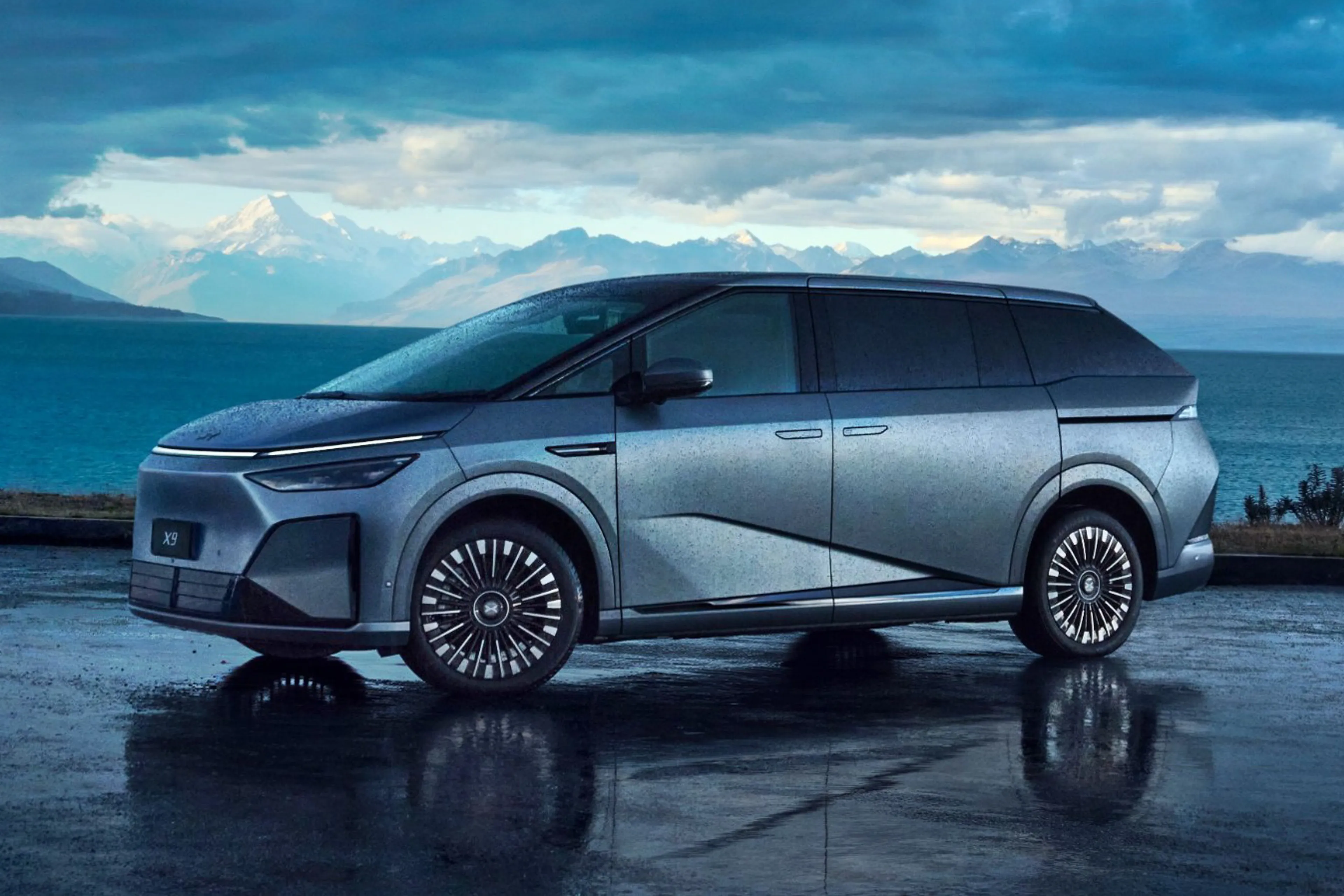
XPeng to enter Philippine market in Q3 2026
XPeng will be bringing its lineup of smart AI-driven EVs to the Philippines very soon
 AutoIndustriya.com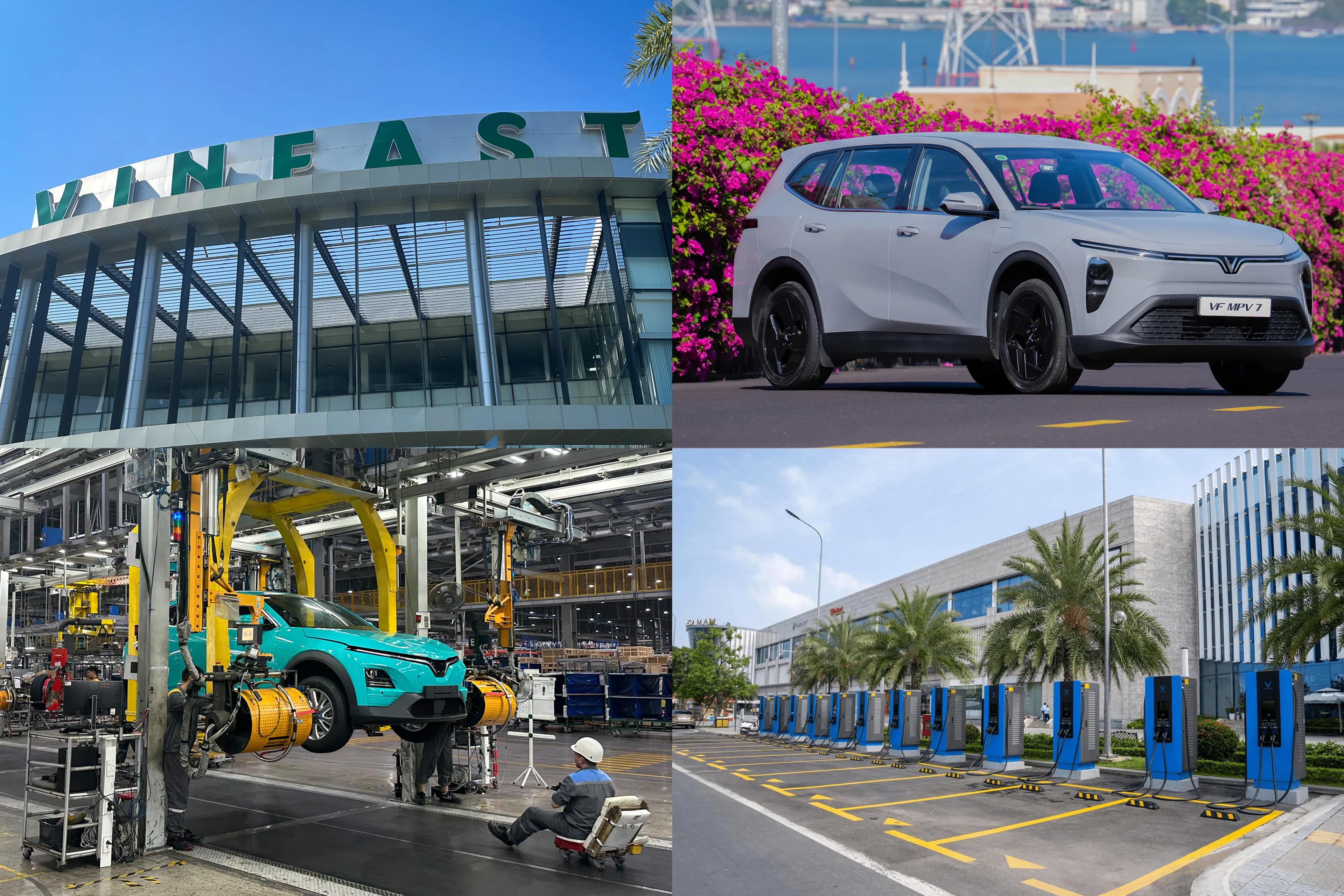
Welcome to VinLand: Can VinFast succeed in building EV universe?
We fly out to Vietnam to see how VinFast is building an entire ecosystem around EVs
 Jamil Lacuna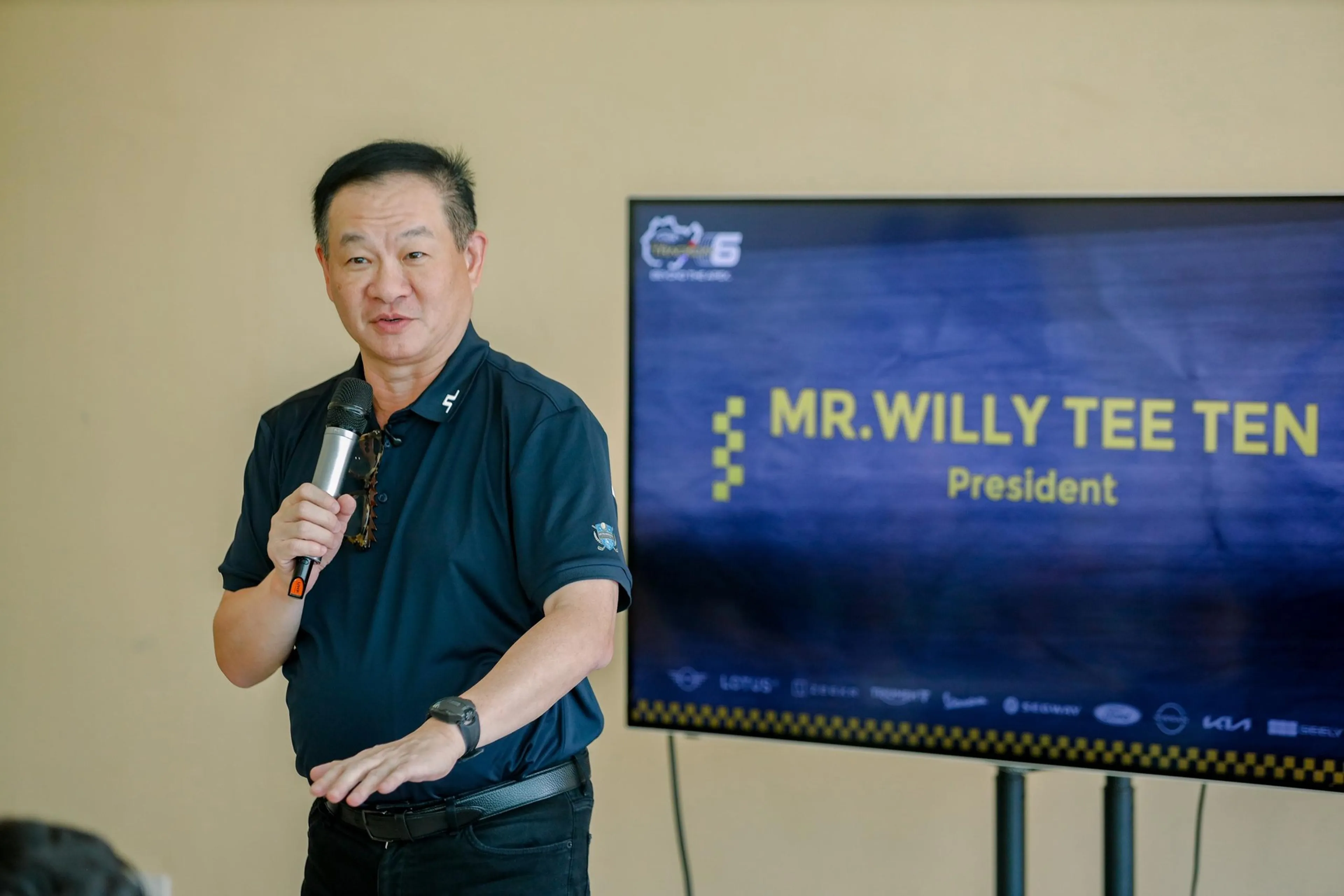
Electric Vehicle Association of PH has a new president, board of directors
Ferdie Raquelsantos and Rommel Juan will remain as chairman emeritus and chairman, respectively
 Brando Rosales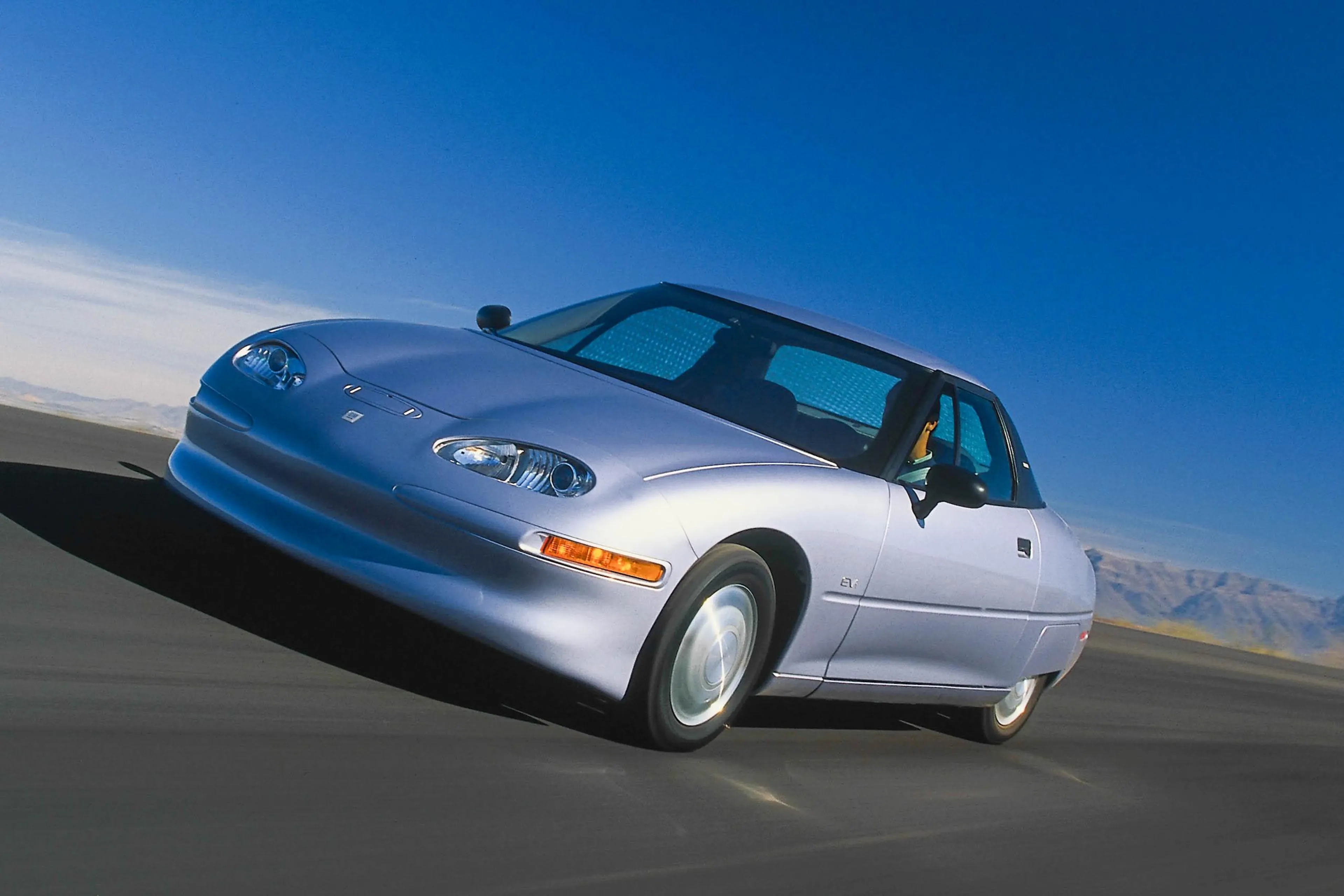
How the 1997 GM EV1 shaped modern EVs today
1997 General Motors EV1 and its innovations paved the way for today's electric vehicles.
 Francis Pallarco
Honda Heritage Works: Preserving Honda Classics
Honda launches Honda Heritage Works with car restoration programs
Francis Pallarco