
Shell unveils EV concept with sub 10-minute charging, 10 km/kWh efficiency
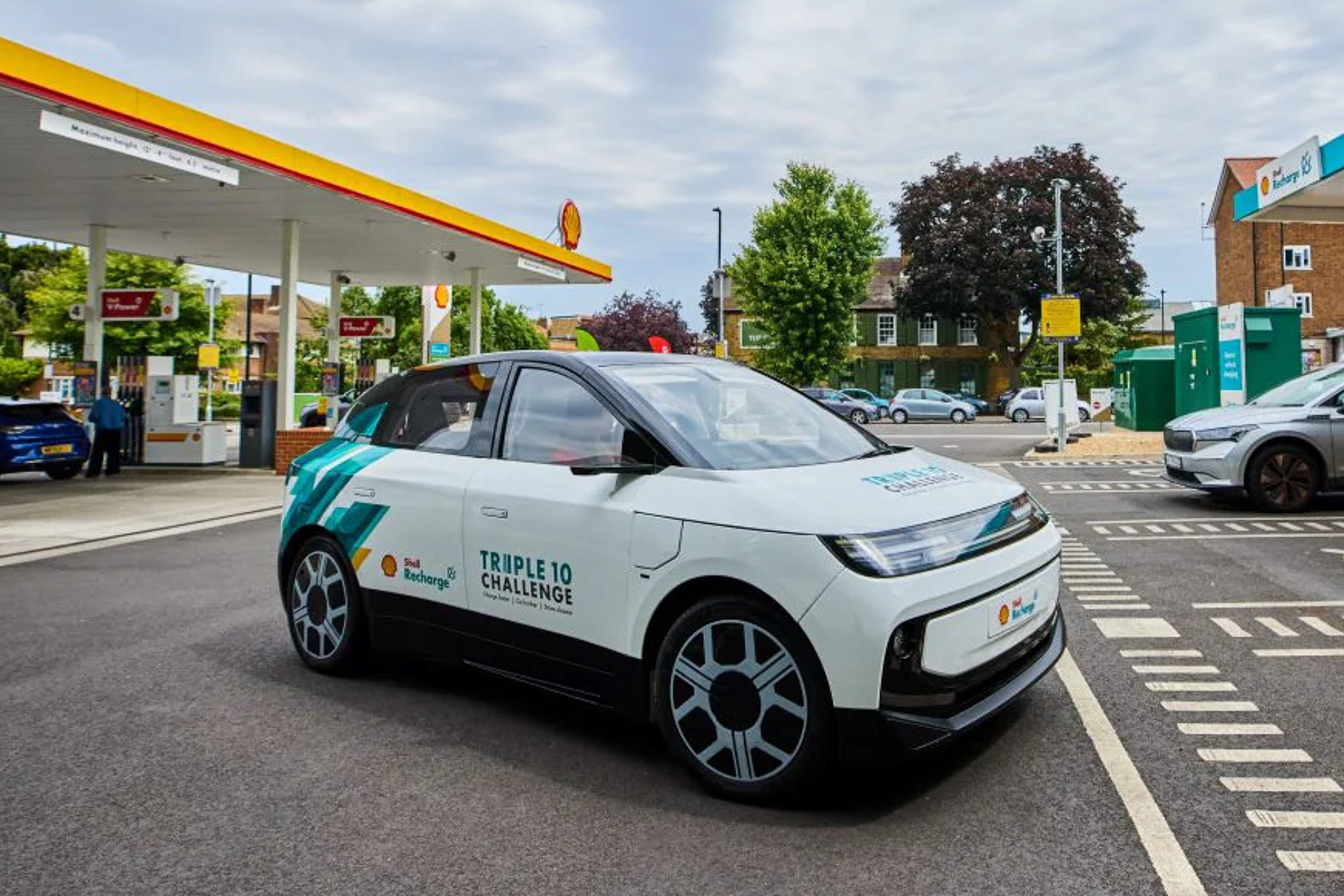
Shell unveils EV concept with sub 10-minute charging, 10 km/kWh efficiency
Shell reveals Triple 10 Challenge EV with sub-10-minute charging on a 175 kW charge

Yes, you read that headline correctly. One of the biggest fuel companies has released an EV concept.
Shell has unveiled the Triple 10 Challenge concept car, a proof-of-concept EV that explores a different path toward improving EV efficiency. Instead of increasing battery size, the project focuses on advanced thermal management to deliver faster charging, higher energy efficiency, and lower lifecycle emissions.
Designed as a compact EV for the mass market, the concept was built around three key targets: charging from 10% to 80% in under 10 minutes, achieving an energy consumption of 10 km/kWh, and limiting its estimated lifecycle carbon footprint to around 10 tonnes of CO2 equivalent.
Shell says the Triple 10 Challenge is the first road-worthy vehicle to demonstrate a simplified single-circuit cooling system capable of managing the thermal demands of the battery, electric motor, and power electronics, even under repeated fast-charging conditions.
“With the Triple 10 Challenge concept car, we have unlocked the potential for faster charging, lighter systems, and improved lifecycle efficiency by using our advanced thermal fluids,” said Cara Tredget, Shell vice president for Mobility & Lubricants Technology.
“Together with our co-engineering partners, we are proud to develop alternative options for sustainable EV development, leveraging technologies that are available today and are scalable to support customers into the future.”
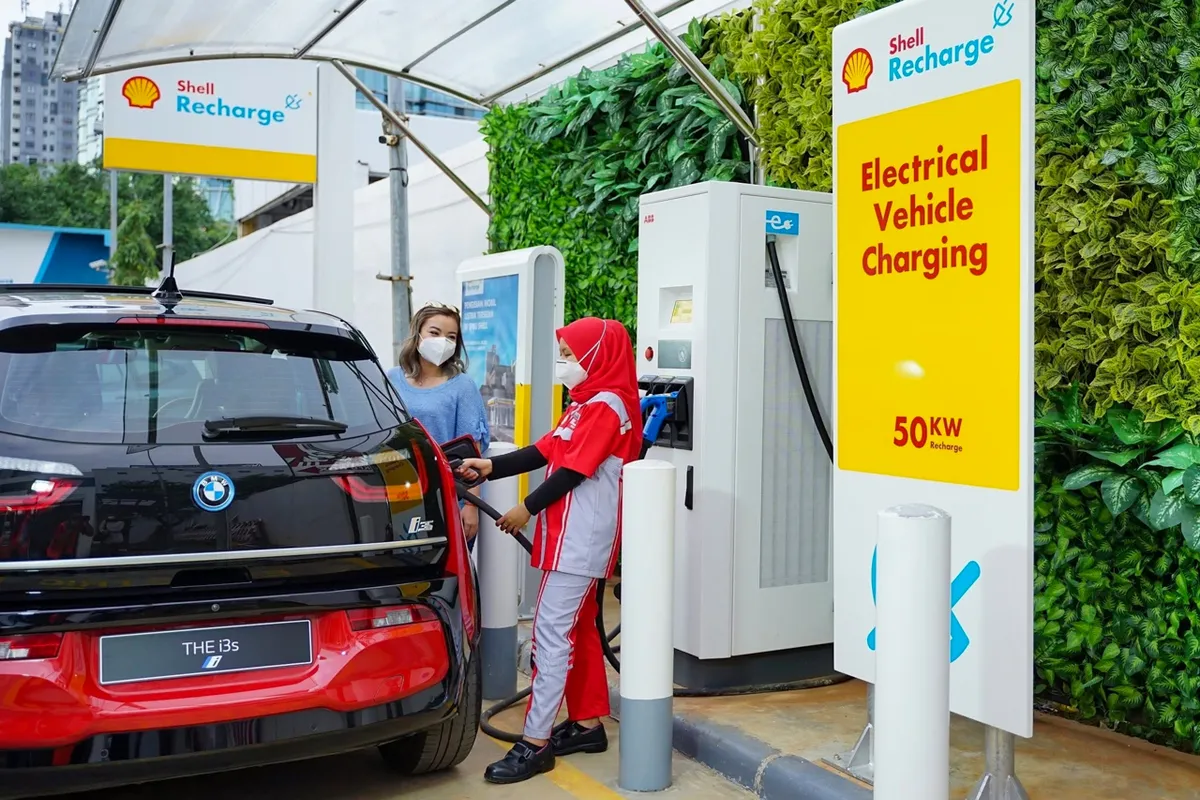
An example of a Shell EV charging station
According to Shell, the concept can charge from 10% to 80% in 9 minutes and 54 seconds using a 175 kW DC fast charger. While some production EVs can achieve similar charging times, they often require chargers capable of delivering more than 300 kW. Shell claims its concept can add up to 24 km of driving range per minute of charging on a 175 kW charger, compared to an average of 13 km per minute for many battery electric vehicles using the same charging power.
The company says the vehicle’s 10 km/kWh efficiency target is made possible by pairing a smaller battery pack with its thermal management technology. Shell estimates this delivers more than a 30% improvement in overall energy efficiency compared to many current-generation EVs.
Shell also estimates the concept’s lifecycle carbon footprint at approximately 10 tons of CO2 equivalent. It says the reduction comes from a lightweight vehicle design, a right-sized battery pack, the use of recyclable and low-carbon materials, and charging with renewable electricity. Based on its estimates, this represents about a 50% reduction in lifecycle emissions compared to a typical battery electric vehicle sold in Europe.
A key part of the project is Shell Recharge thermal fluid, a dielectric coolant that replaces conventional water-glycol systems. Because it is electrically non-conductive, the fluid can directly immerse the battery, electric motor, and power electronics, allowing for more efficient heat transfer while simplifying the vehicle’s cooling architecture.
Shell says the redesigned battery pack uses fewer modules and a simpler housing, helping cut battery pack costs by an estimated 25% compared to a conventional EV.
The Triple 10 Challenge concept made its public debut at Horiba MIRA’s proving ground in the United Kingdom. Alongside the vehicle, Shell announced that it is consolidating its EV charging, thermal fluids, and battery solutions under the Shell Recharge brand. As part of the transition, the Shell EV-Plus brand will be retired.
Related Posts
ACMobility, Shell open 8 more EV charging hubs in PH
ACMobility and Shell Pilipinas working together to expand charging infrastructure in PH
 AutoIndustriya.com
Tackling range anxiety: UAAGI Mobility previews 'EZ Charge' solutions at SM Megamall
UAAGI Mobility gave eventgoers a sneak peek at its upcoming EZ Charge brand of electric vehicle charging solutions during the 5th leg of the UAAGI On the Move roadshow
AutoIndustriya.com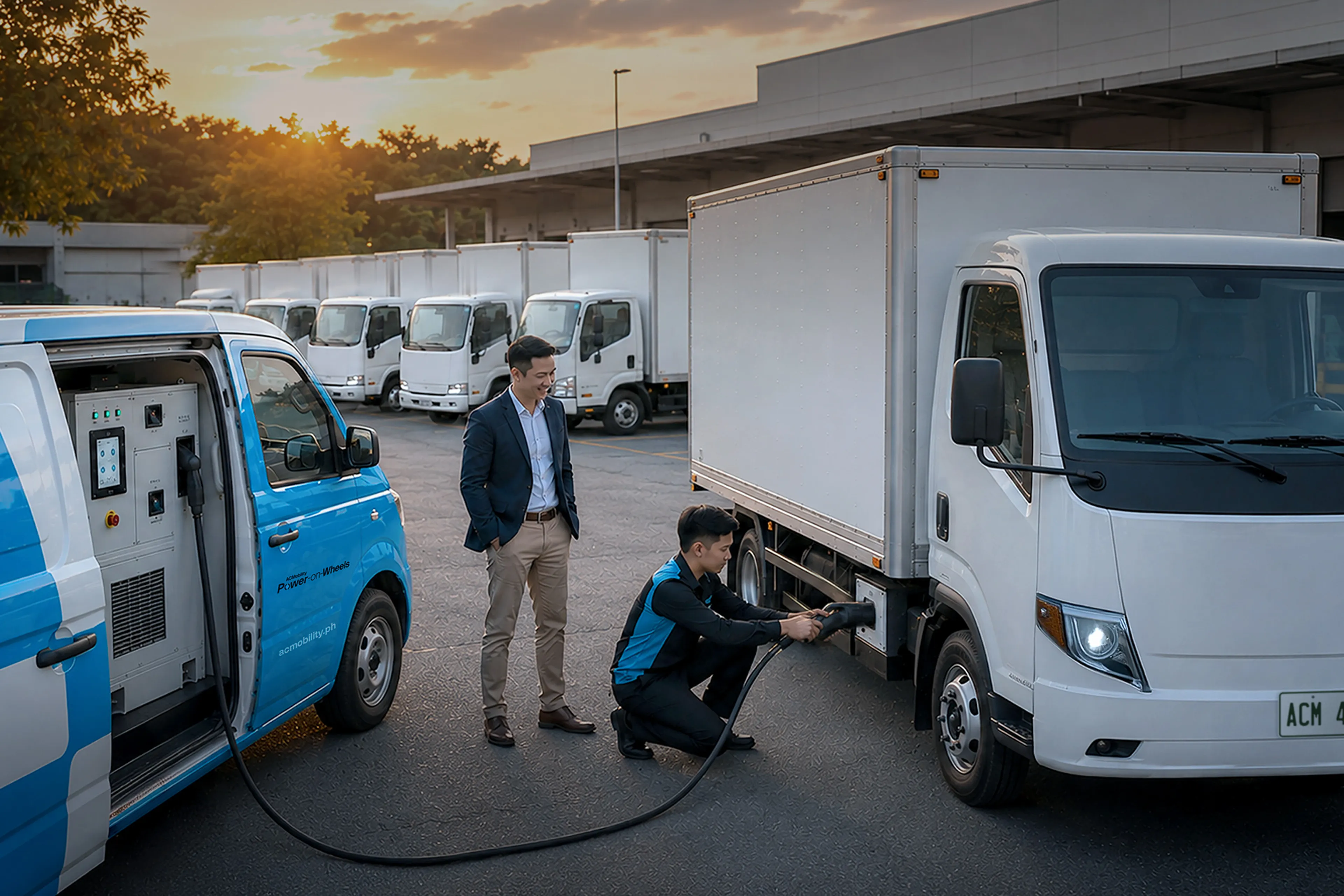
Ayala's Power-on-Wheels mobile EV charging now available for businesses, fleet operators
Power-on-Wheels mobile EV charging now offering its services to fleet operators, offices & tenants, and also to dealerships
AutoIndustriya.com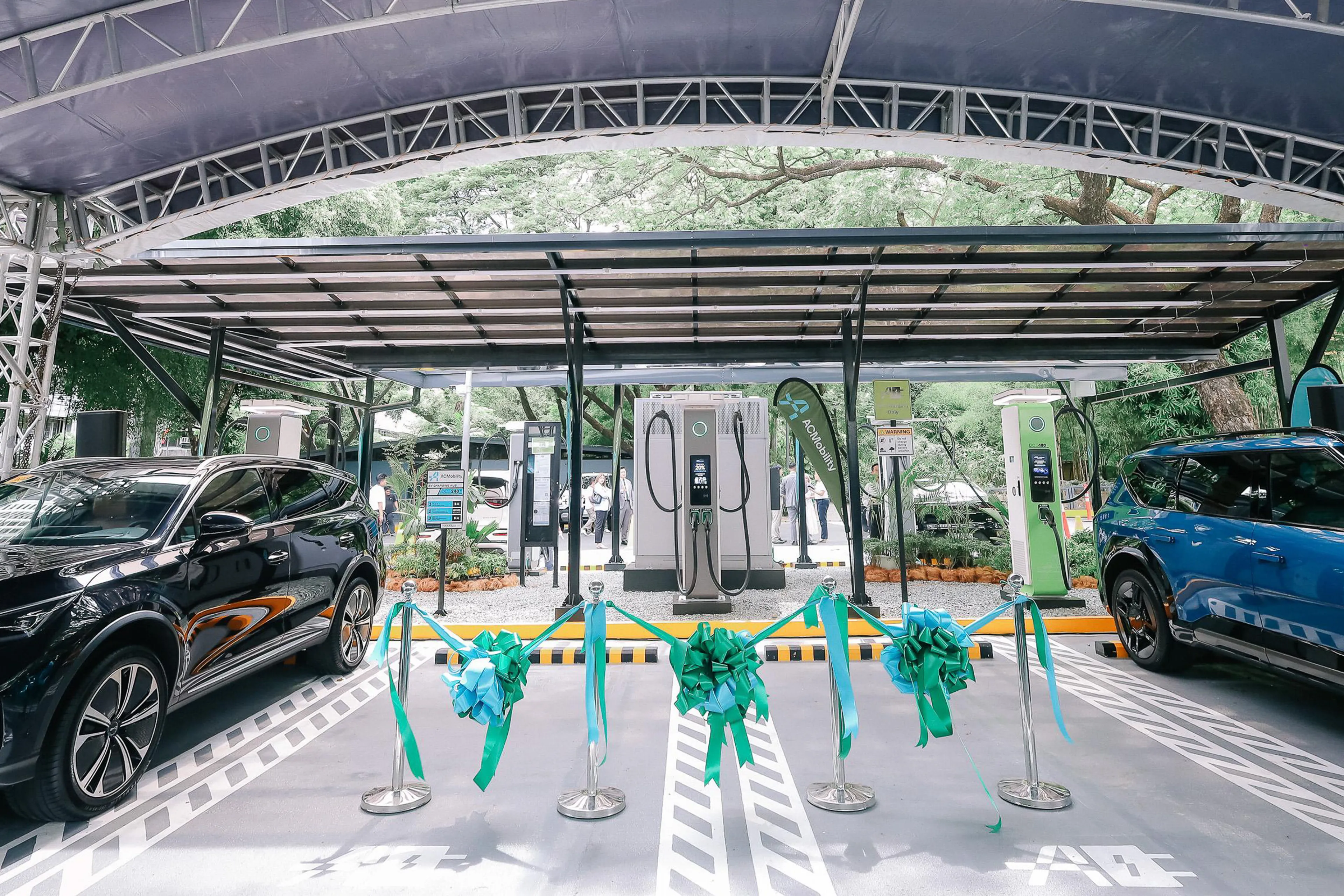
ACMobility, Robinsons Land partner up to deploy over 200 charging stations
Upcoming ACMobility charging stations for Robinsons Land Corp. will mostly consist of 7kW and 22kW charge points
AutoIndustriya.com
ACMobility relaunches membership offers as ChargePlus; no expiry on charge credits
Tiered discounts, no expiry on charge credits, and other perks are now available in ACMobility's ChargePlus
AutoIndustriya.com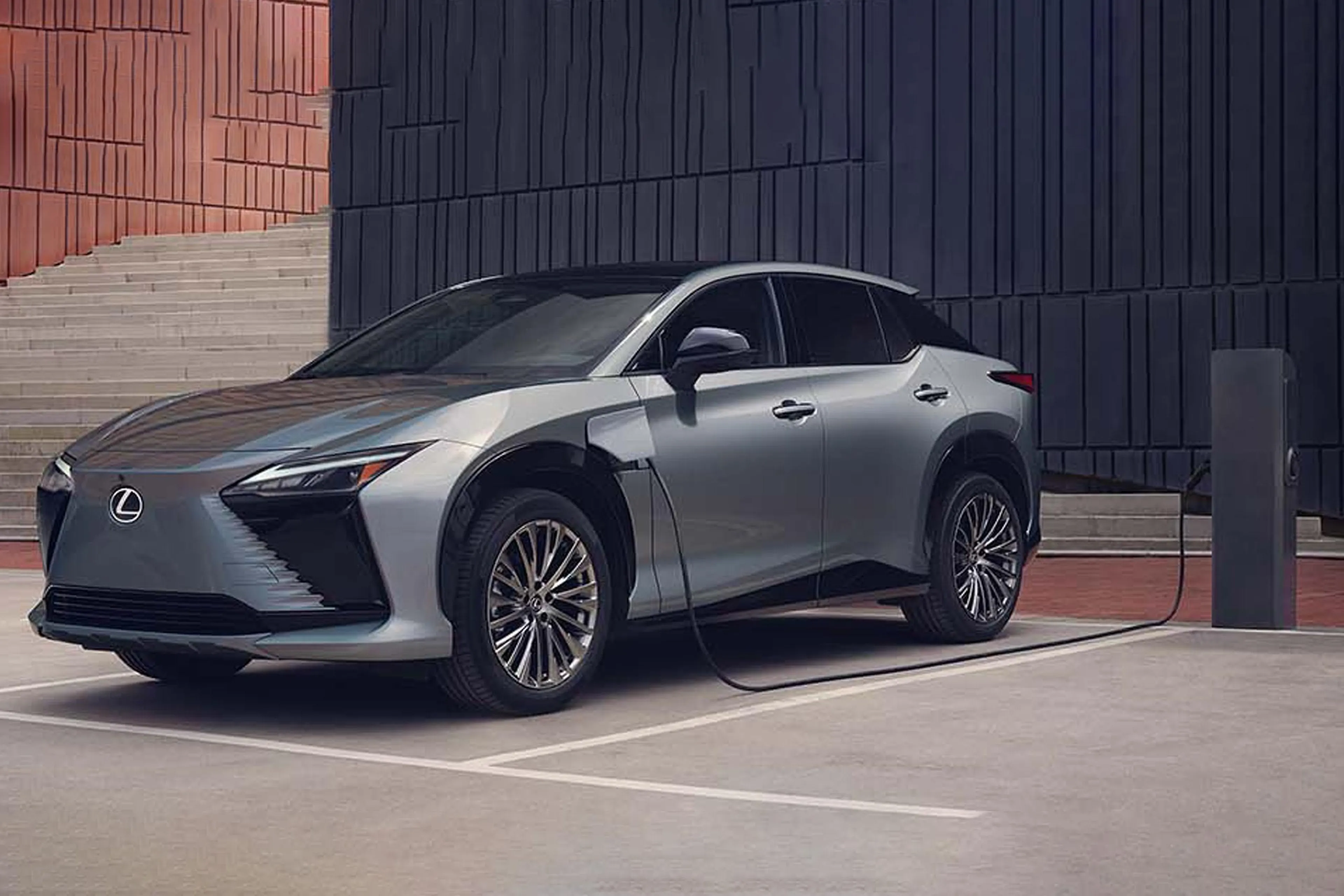
Lexus PH highlights EV charging hubs, further expansion underway
Lexus and Toyota commit to grow BEV dealerships and charging stations in PH
AutoIndustriya.com