
EV makers facing added cost pressure as China brings back lithium ion battery tax
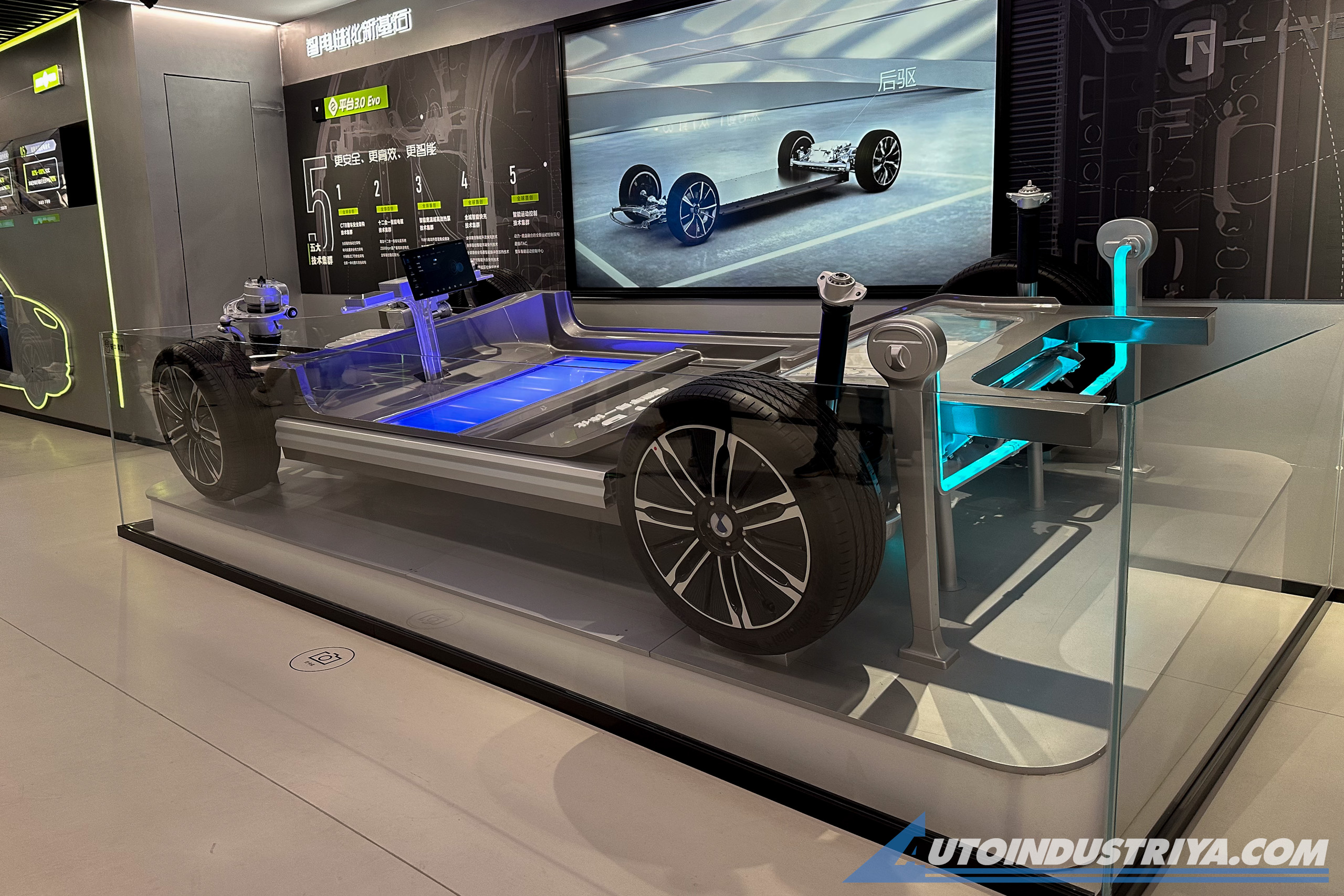
EV makers facing added cost pressure as China brings back lithium ion battery tax
China ending tax breaks on lithium ion batteries

China is the world’s largest EV market, and this latest development could shake up not just the country’s massive electric vehicle industry and battery supply chain, but the global industry as a whole.
China has brought back its consumption tax on lithium-ion batteries after an 11-year exemption. Domestically made lithium-ion batteries are now subject to a 2% consumption tax since September 1, 2026, but the rate will increase to 4% beginning September 1, 2027, effectively restoring the tax treatment that had been suspended for the battery category since 2015.
The new policy is particularly relevant to the automotive industry, where lithium-ion batteries remain the dominant technology for EVs. That said, the additional tax is imposed on qualifying battery products rather than the entire vehicle, meaning it will not translate directly to a 2% or 4% increase in the price of an EV.
However, the added cost could still work its way through the supply chain depending on how battery manufacturers and automakers divide the expense. Battery manufacturers have sought to pass the new tax on to their automotive customers, while EV makers are pushing back against absorbing the additional cost amid intense competition and pressure on margins.
It’s not just the lithium-ion batteries in EVs that are affected by this reinstated policy. Since lithium-ion batteries are also used in consumer electronics, batteries supplied for products such as smartphones and laptops will also be subject to consumption tax.
However, the impact on the final price of these devices is expected to be much smaller than the headline tax rate suggests, since the tax applies to the battery product rather than the entire smartphone or laptop.
Interestingly, China's policy also creates a tax advantage to pave the way for next-generation battery technologies. Sodium-ion batteries, solid-state batteries, and fuel cells will be exempt from the consumption tax from September 1, 2026, through December 31, 2028, which could provide another incentive for battery manufacturers and automakers to develop and commercialize alternatives to conventional lithium-ion technology.
Related Posts

iCaur V23 EV, V27 REEV to come in three variants for PH market?
The EV and PHEV market is about to get busier this October after iCaur V23 and V27 models get DOE approval
 Marcus De Guzman
XPeng reveals retail prices of L03, X9 EVs for PH
XPeng reveals retail prices of L03, X9 EVs ahead of Philippine market launch
 AutoIndustriya.com
XPeng: Driving into a New World Order
XPeng is establishing itself in the Philippines. What can we expect from this AI-driven auto manufacturer?
 Vince Pornelos
Audi A2 e-tron debuts as brand's smallest and most efficient EV yet
Audi has revealed the all-new A2 e-tron, a highly aerodynamic compact electric car featuring up to 646 km of range, smart interior features, and bidirectional charging tech.
AutoIndustriya.com
VinFast VF 6 gets extra water protection for flood-prone PH roads
The electric crossover with an IP67-rated powertrain starts at PHP 1.409 million
AutoIndustriya.com
Larger Kia PV7 electric van spotted preparing for September debut in two weeks
Ahead of its world premiere at IAA Transportation in Hanover on September 14, 2026, our spies have spotted the Kia PV7 testing anew.
AutoIndustriya.com