
XPeng: Driving into a New World Order
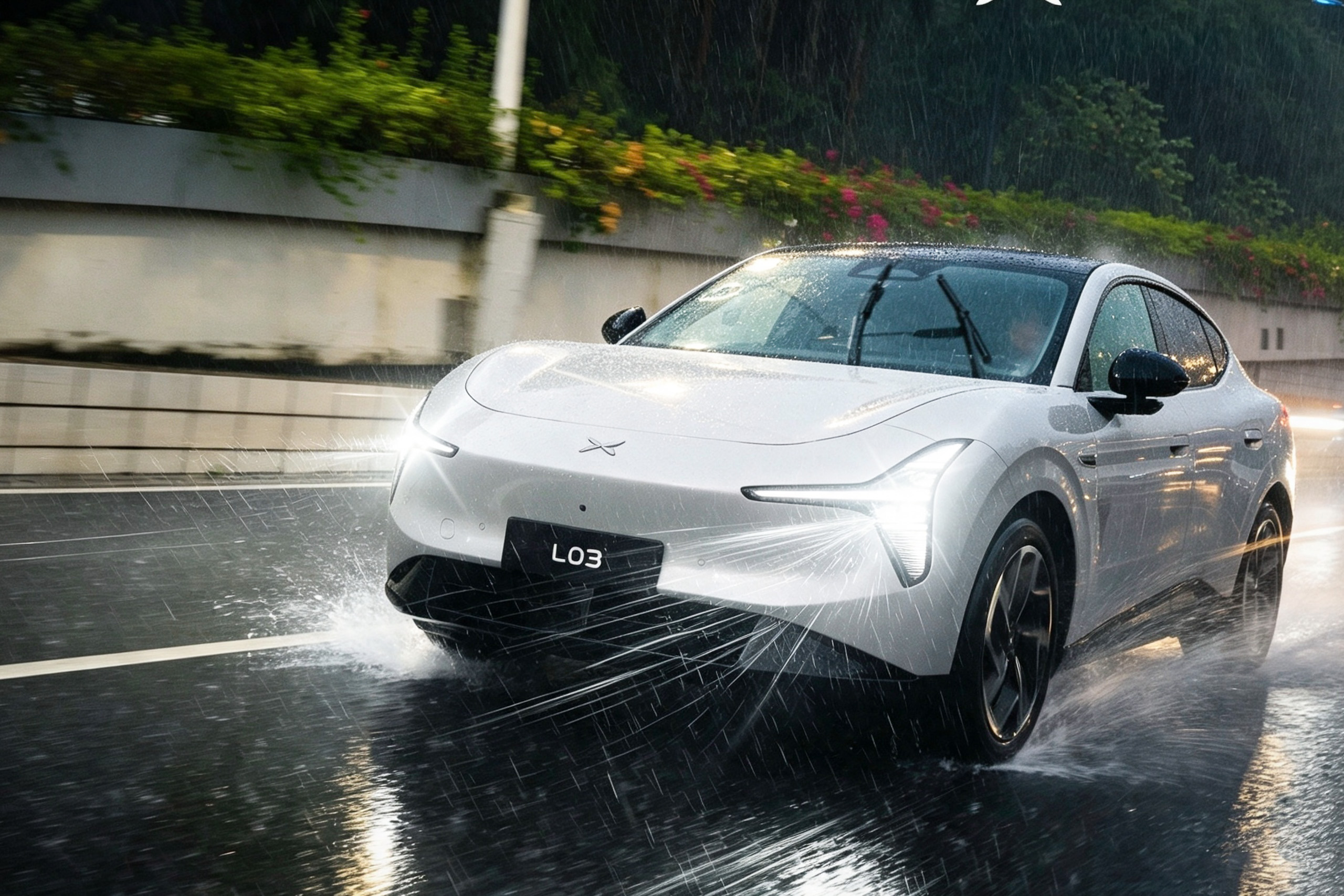
XPeng: Driving into a New World Order
Why is XPeng different, and why we should be paying attention

When you hand the steering wheel to someone else, it’s always a strange feeling.
Whether it’s your newly licensed significant other in the driver’s seat, your staffer who volunteered to drive in traffic, or your kid full of excitement thanks to that brand-new student’s permit, you’ll find a strange sense of pride, accomplishment, and -let’s face it- anxiety as you observe from the passenger seat.
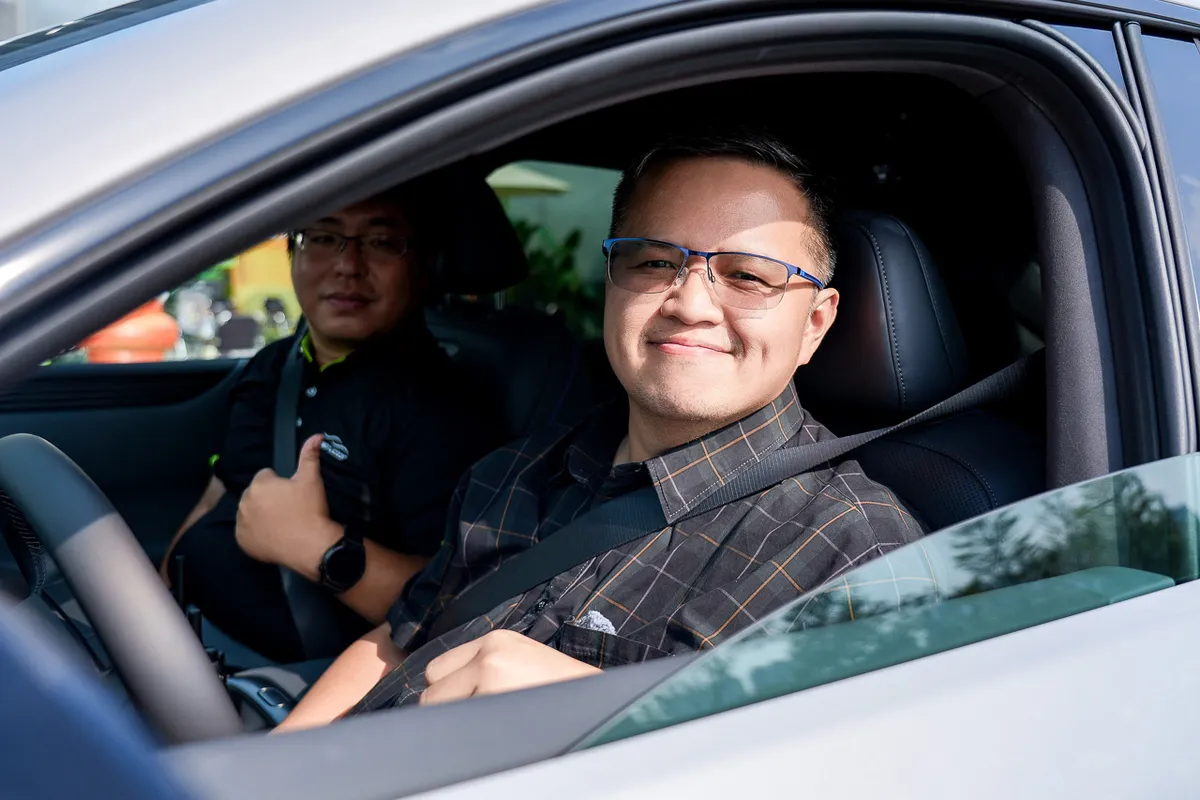
But what if you’re not handing over the wheel to anyone at all? What if it’s the car that is doing it all on its own, and you’re sitting there still in the driver’s seat, being told and shown that you can trust the system?
That’s the experience we got when we visited XPeng, and they handed us the keys to all of their models. But we just sat there, as the vehicles took us around a preprogrammed route, negotiating intersections, traffic lights, and motorcycles.
And we’re still here to tell the tale.
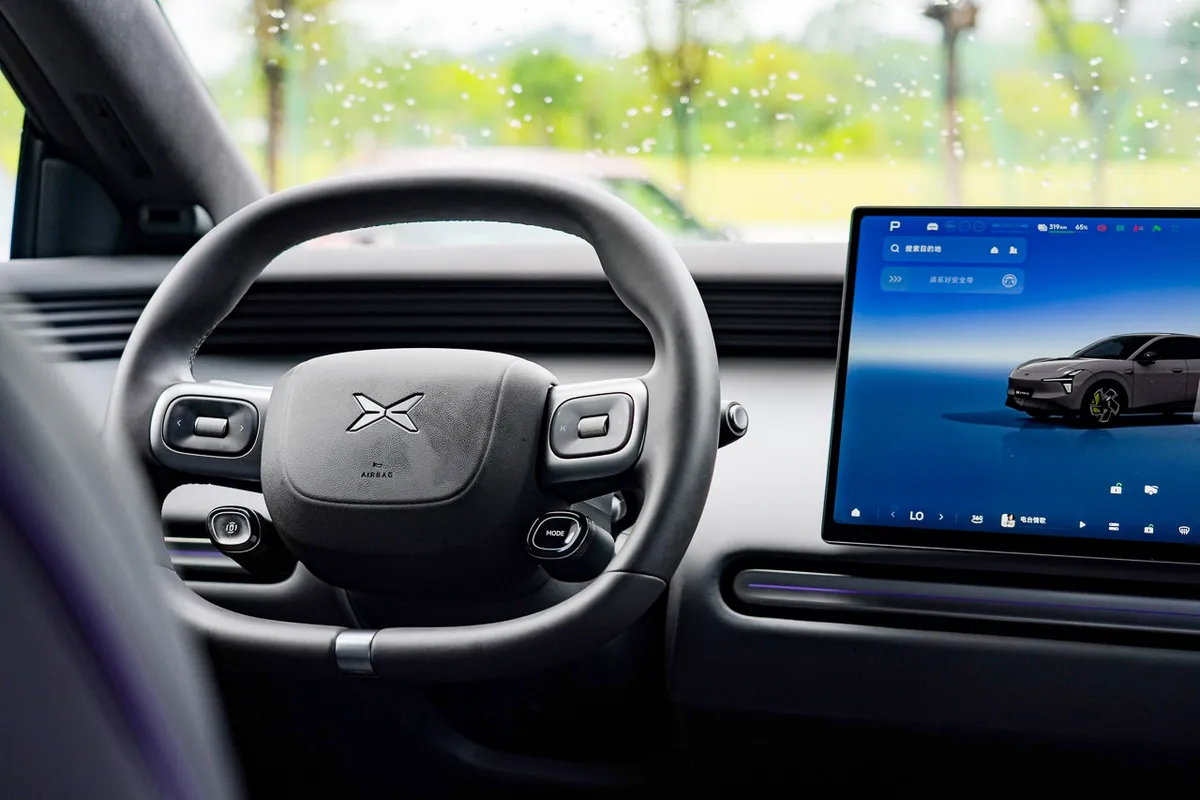
Guangzhou is fast becoming my favorite city in China. Huge, planned, and with lots of amazing choices for food. Dimsum, in particular. Formerly known as Canton, Guangzhou is arguably the historical home of Chinese trade and the capital of Guangdong province, which is home to BYD, GAC, and XPeng.
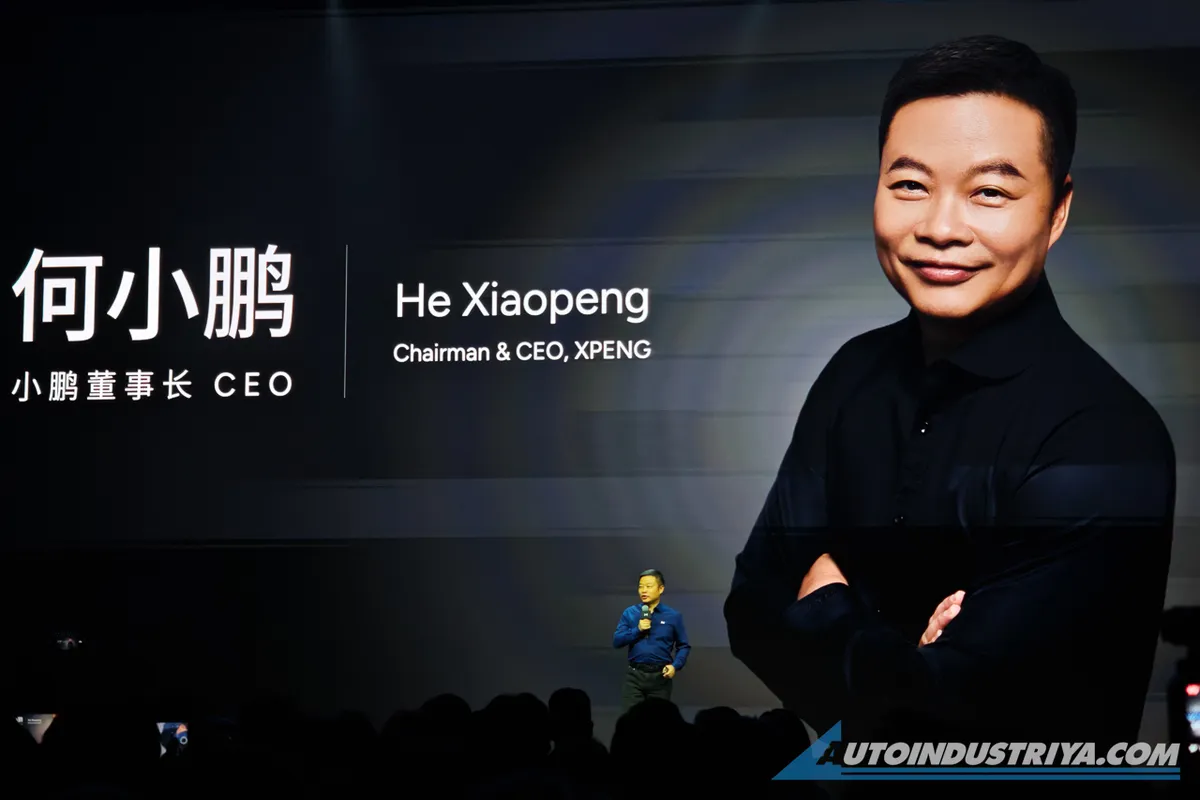
Even when compared to many of China’s fast-moving auto industry and gargantuan automakers, XPeng is one of the newest, having been founded in 2014 by executives from both the tech sector, such as Alibaba and Xiaomi, and the automotive sector. The name XPeng comes from one of their founders: He Xiaopeng. He still runs the company as chairman and still actively presents the products during the premieres.
They wanted to do it their way, so they went and designed, engineered, and built a new car for an entirely new brand from scratch: the G3 battery electric vehicle. We never saw it outside of China, but it showed us that they were serious. Gradually, XPeng built itself up, establishing its own factory and expanded.
They already had experienced talent from many of China’s automakers. Many came from GAC, from Chery, from Great Wall, and many other people, bringing automotive research, design, and manufacturing expertise to the company. The collective talent and experience accelerates their development, elevates overall quality, and gives their vehicles credibility.
XPeng’s approach wasn’t quite the same as a typical automotive OEM. Rather, they went about it as a tech company would, and all it takes is a casual walk around the facility in Guangzhou to realize that.
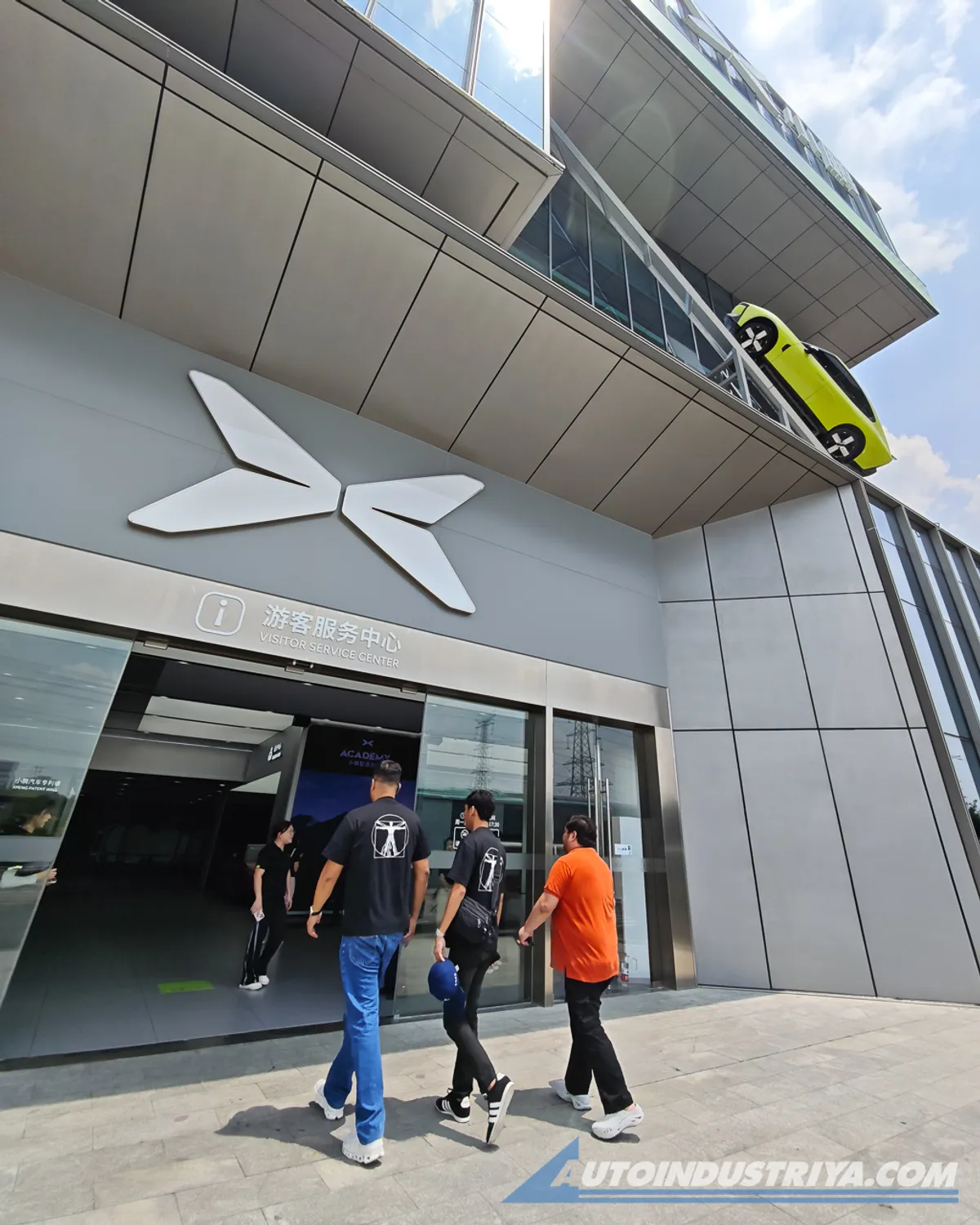
There are no tall walls or imposing security guards manning the gates like a fortress. It’s an open facility for a headquarters, but they don’t call it that. It’s called a campus, much like how many tech giants call their home base. Everyone walks around as if it were a university, chatting and going about their day with a coffee in hand, while some R&D technicians are testing the visual camera and sensing technology for their bipedal robots. It’s like Hogwarts, but instead of wizards, they’re all IT people. They even have their own Chagee on campus; thankfully, my Alipay was up to date.
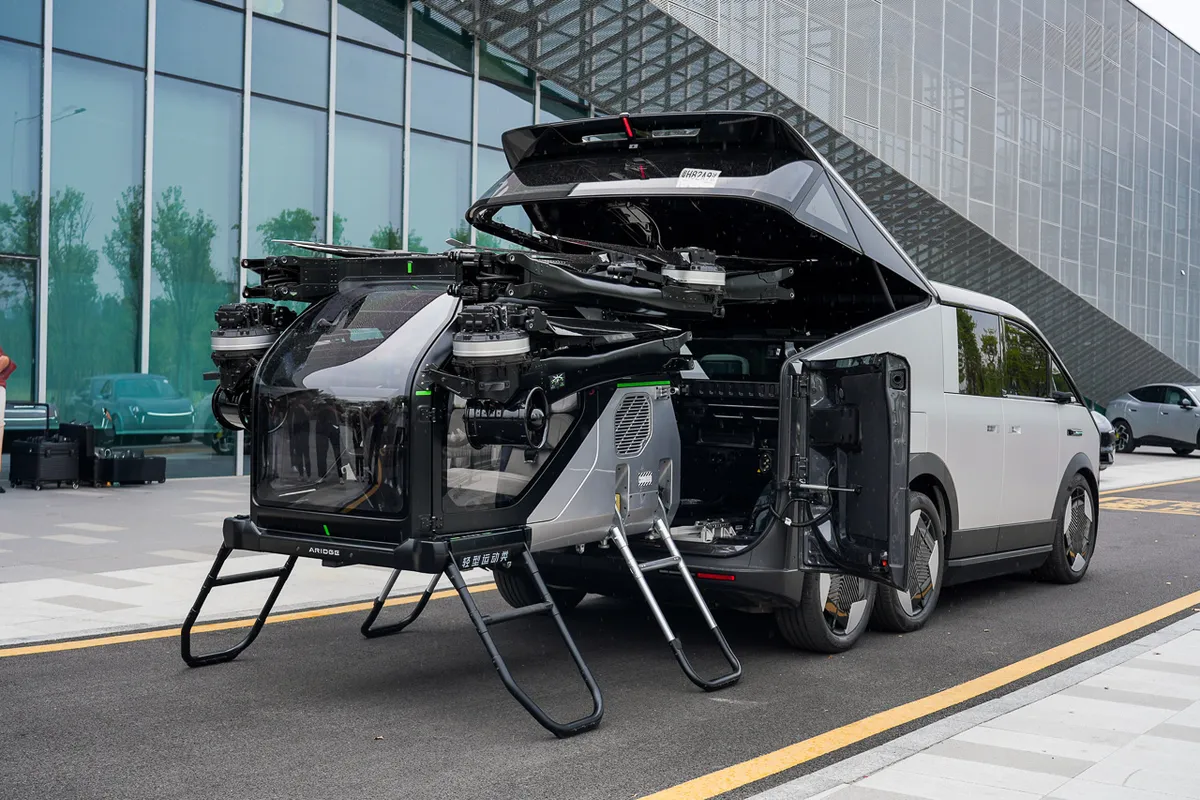
The place is more than a campus actually; it’s also a technology park. People -not necessarily XPeng people- were out jogging, walking their dogs, or even taking their kids outside. They even have pads where they can have their aerial arm Aridge lift off in one of their multi-rotor vehicles. They’ll have to get permission from the control tower at the airfield nearby, but it shows what’s possible, especially with their Land Aircraft Carrier: a hybrid van with a deployable six-rotor 2-seater aerial vehicle.
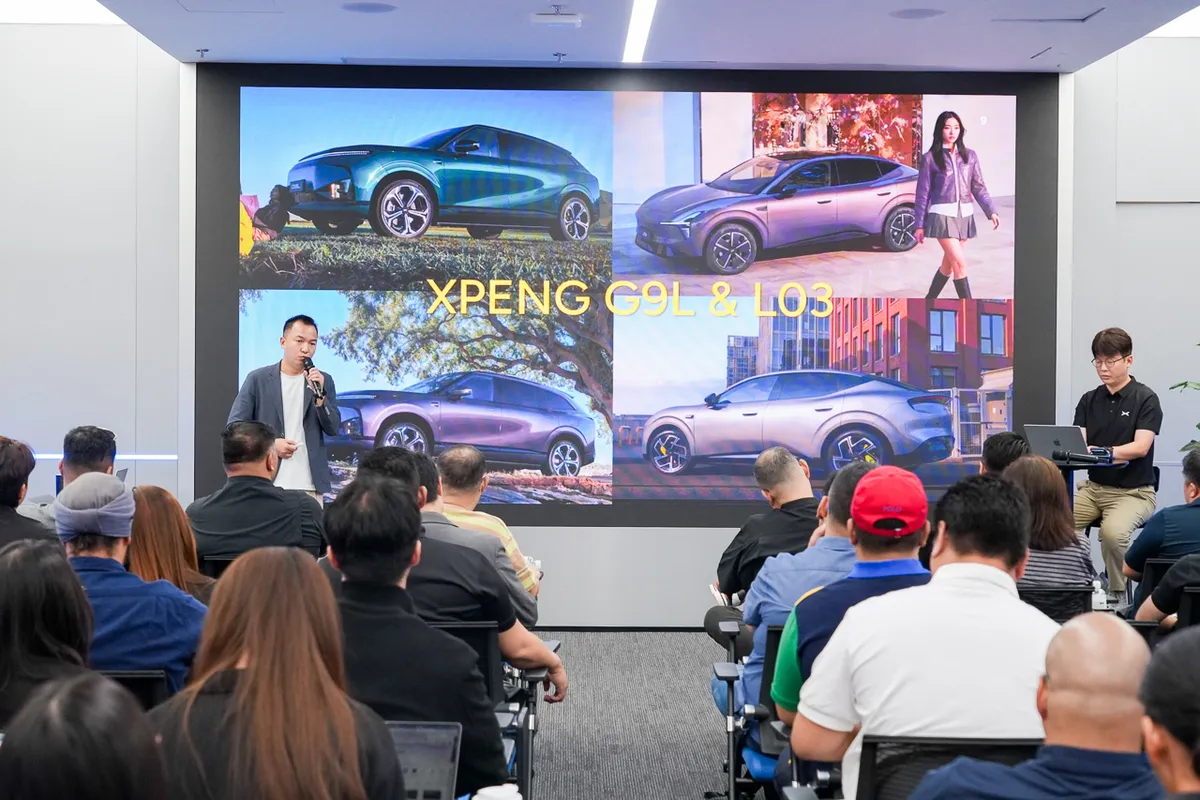
We entered a room for a presentation on the vehicles, something I’ve done many times before. But this was different, as there was very little discussion of the things we’ve come to expect from an auto manufacturer, like how engineers tweak the suspension, the high-strength steel they used, and whatever special sauce they have sprinkled all over the motor and batteries to achieve 0-100 km/h in 2.2 seconds with the L03 all-wheel drive.
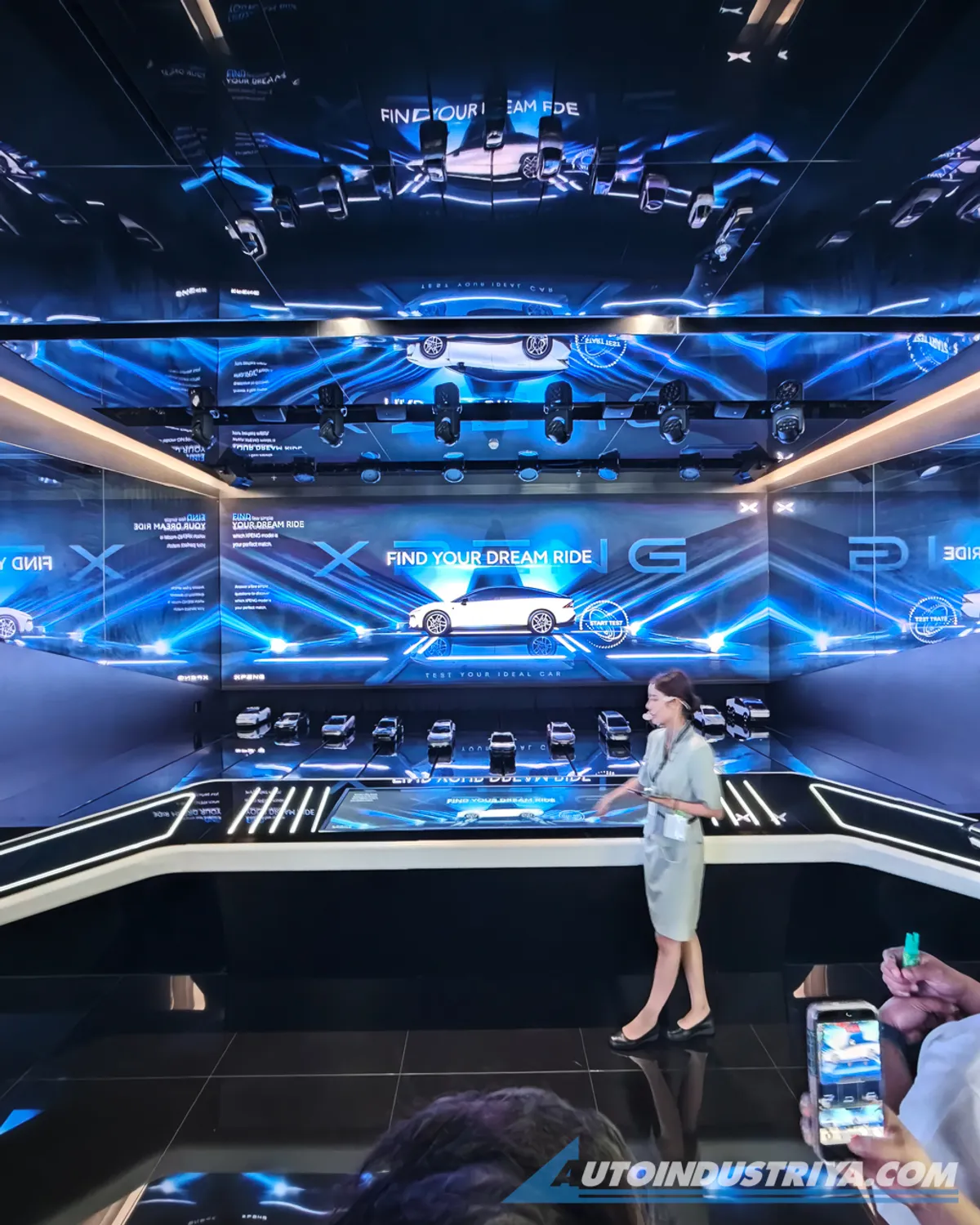
90% of the discussion was on the software, how it could all be updated over the air (OTA), and the AI-driven Vehicle Language Action architecture, or VLA, and how it empowers their Navigation Guided Pilot that I told you about earlier. I asked if the people giving the briefing were automotive engineers in the traditional sense, and they said no. They were tech people.
Sure, when we walk around their factory, it all seems familiar with the security and layout. We’ll see assembly lines with a complex orchestra built around the traditional principle of just-in-time (JIT), made more efficient with high-precision robotics and artificial intelligence; both of which are specialties of XPeng. But underneath what we see, we realize the difference is really the people.
This tech-first approach means they look at everything a little differently. From manufacturing to architecture, to systems, and just the way people move around, it’s all different from the traditional OEM. They leverage the technology they have to make everything more efficient and cut the corporate red tape to enhance productivity. For instance, XPeng employees can access company services like HR and transport (DiDi, or their equivalent of Uber/Grab) via a central XPeng app that makes it easy to do so. We know of no other auto manufacturer that does this, as many state-owned (partially or otherwise) auto manufacturers in China (or from anywhere in the world, for that matter) tend to have a high level of bureaucratic red tape that one must navigate.
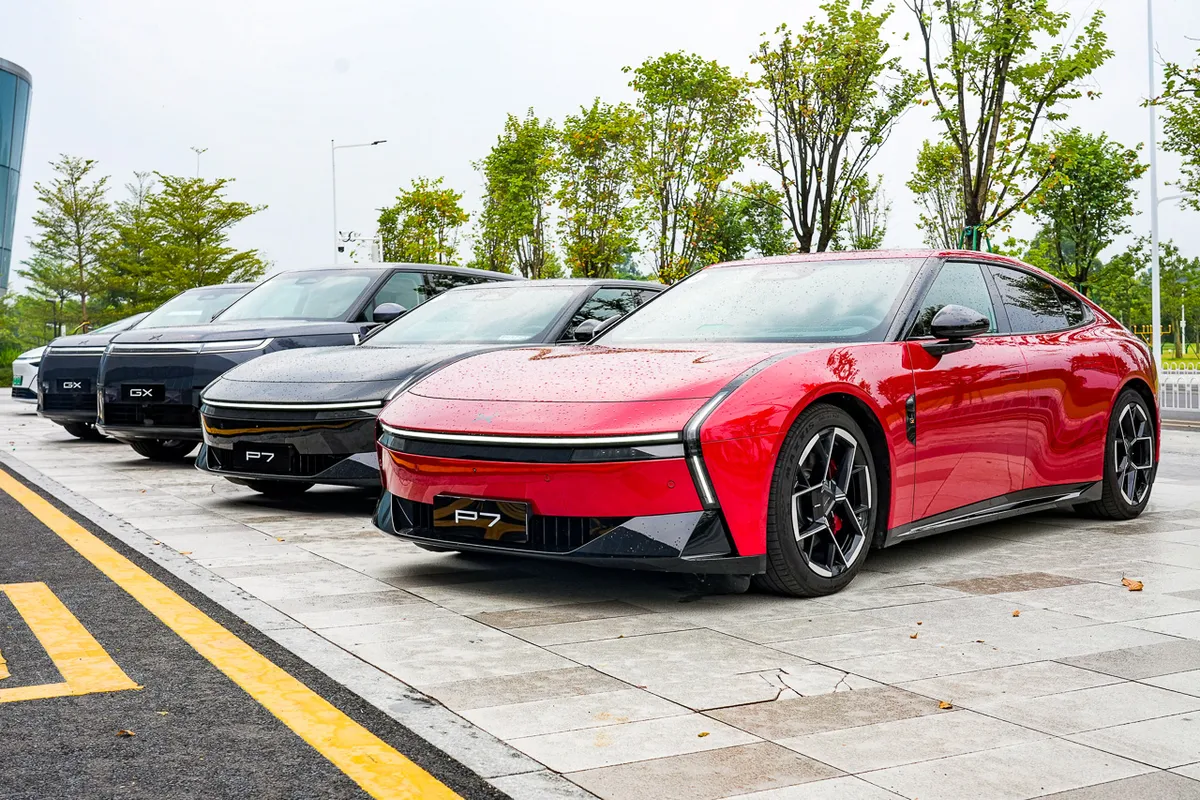
As far as cars go, what stands out is how the vehicles openly express XPeng’s ambition to offer a premium, tech-forward experience. Premium means it has to drive and ride comparably to traditional premium marques like BMW, Mercedes, and Lexus, all while offering the technology one would expect from companies like Apple, Nvidia, and Xiaomi. On these yardsticks, XPeng certainly delivers on expectations when you sit inside and drive models like the XPeng L03 crossover and the XPeng X9 luxury minivan, as well as the larger flagship such as the XPeng GX. The standout for me, however, was the P7; a sleek and sporty fastback 4-door that looks far more proper and striking even when compared to the Luce… yes, the BEV that has EV enthusiasts and Prancing Horse enthusiasts up in arms.
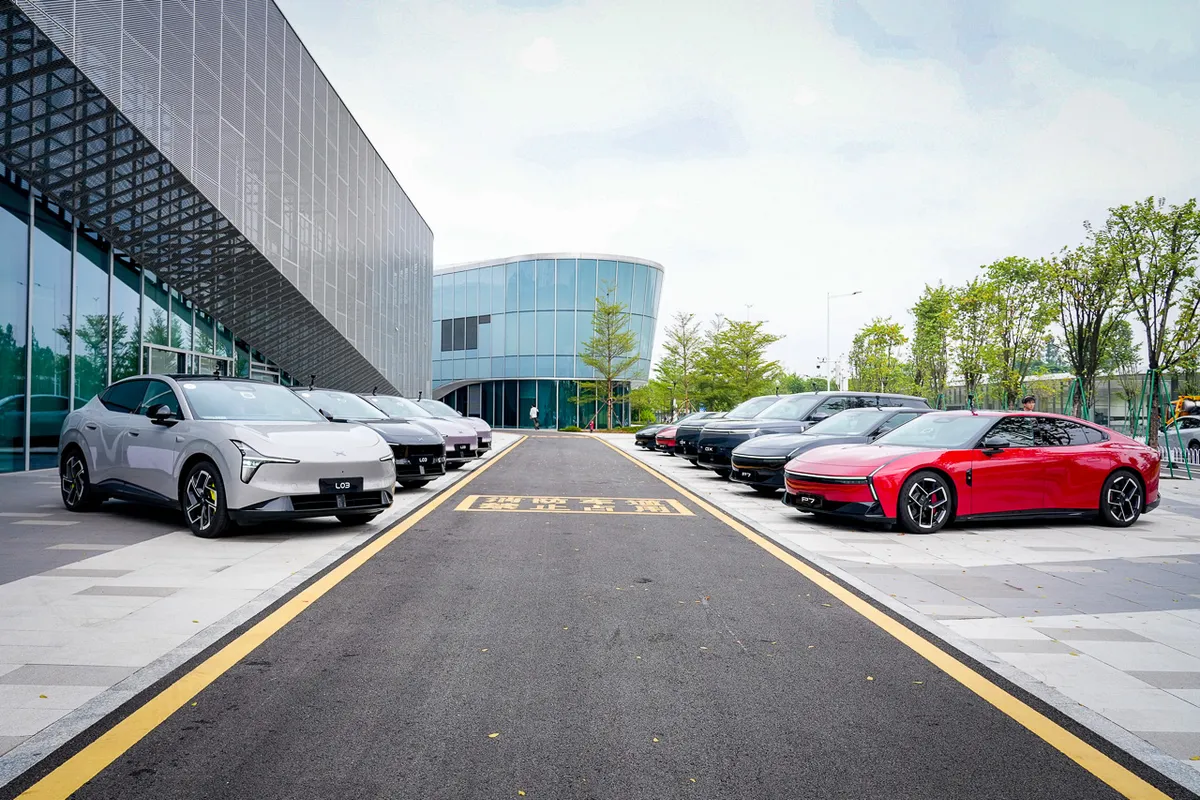
Many automakers try to have different brands that they try to differentiate through branding and target markets, but XPeng is different because they are different. This is a company that tends to do its major launches at CES rather than Auto China in Beijing or Shanghai. The only similar automaker is Tesla, though XPeng will deliver high quality and luxury on top of software, technology, and AI.
Right now, XPeng is establishing itself in the Philippines, with a team experienced in building a dealer network, ensuring a service network is supplied with parts, and taking care of customers and their cars by listening and delivering.
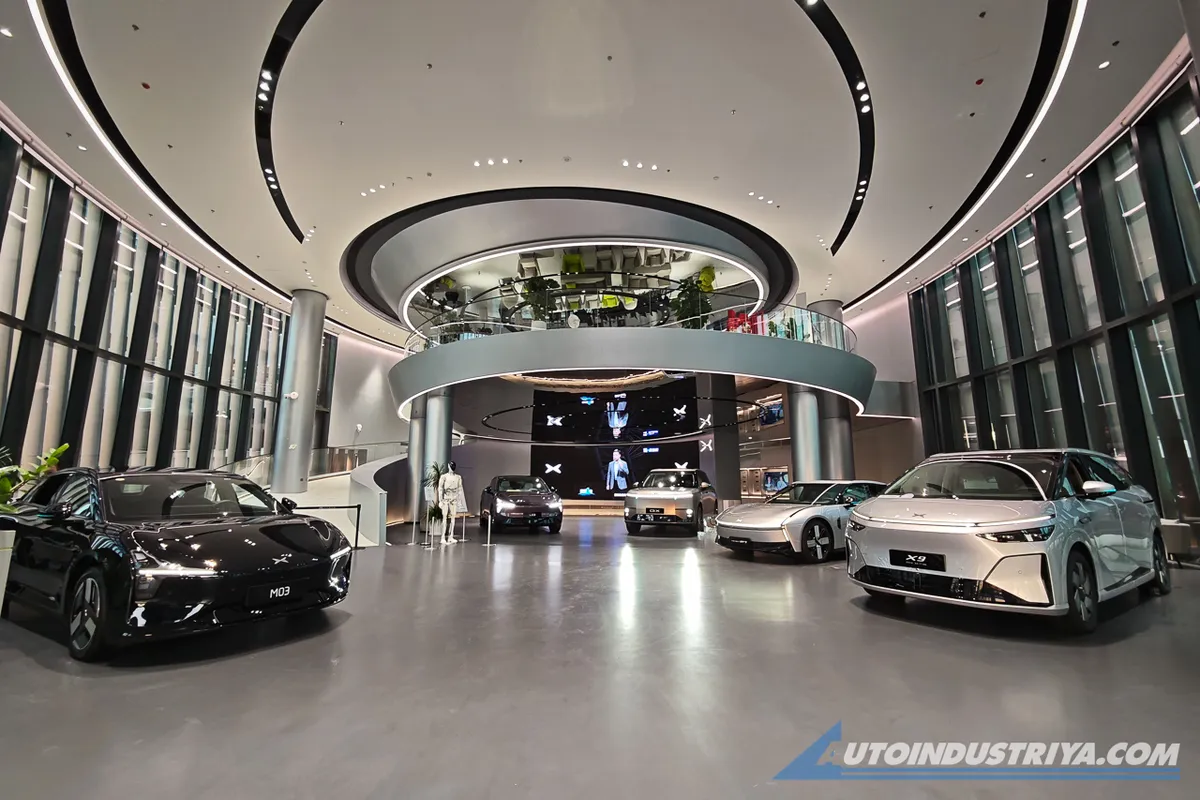
This company moves differently because it is different, and it’s a refreshing change of pace. XPeng is charging into a new world order of automotive mobility, and we can all watch and enjoy the ride from the driver’s seat.
10 photos
Now, I’ll just take the wheel from the AI pilot on the P7 and hope I don’t get any speeding tickets in Guangzhou.
Related Posts
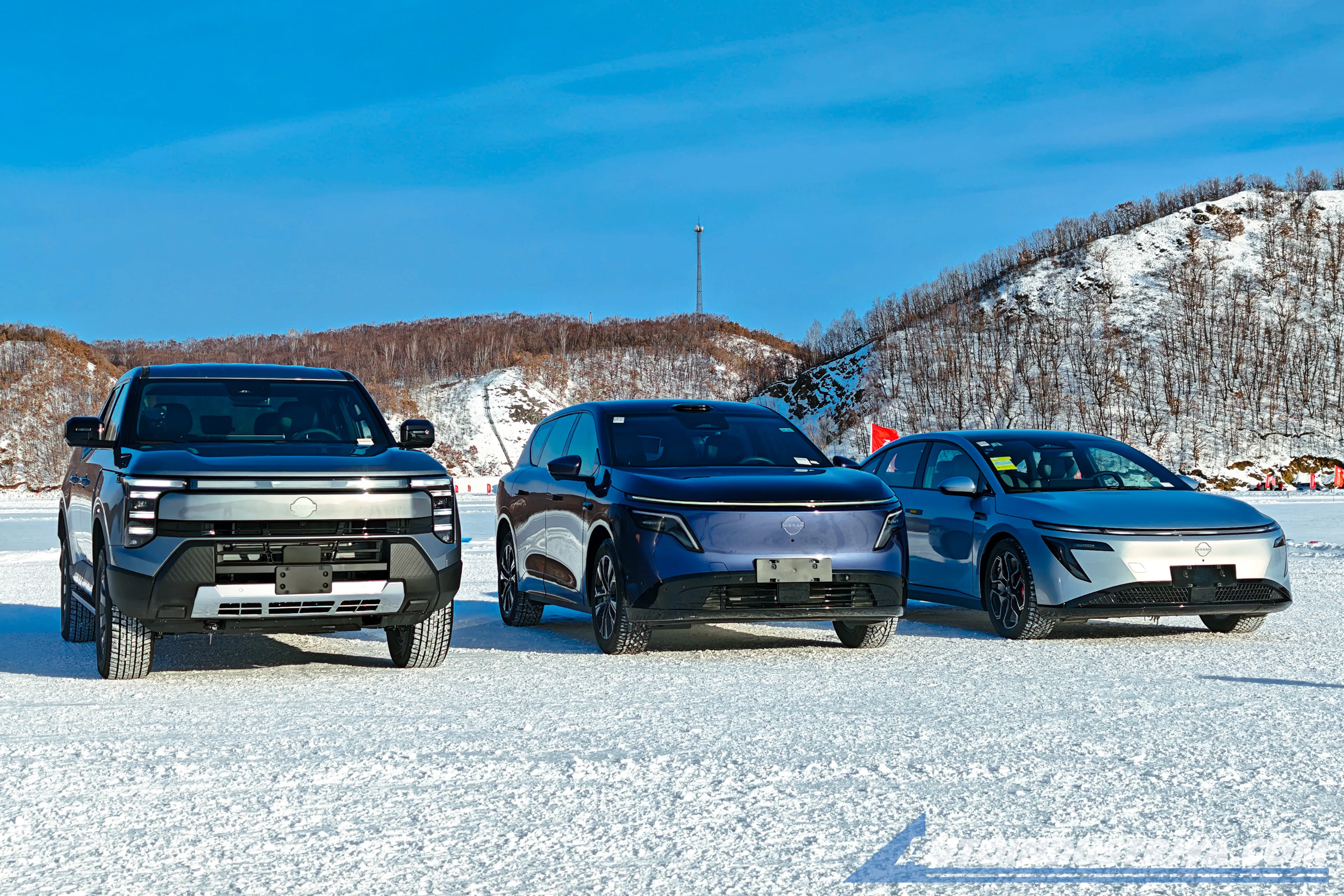
The Crane and the Dragon: Nissan’s China strategy for the Philippines
Nissan Philippines is banking on China for export markets. Is it the right way to go?
 Vince Pornelos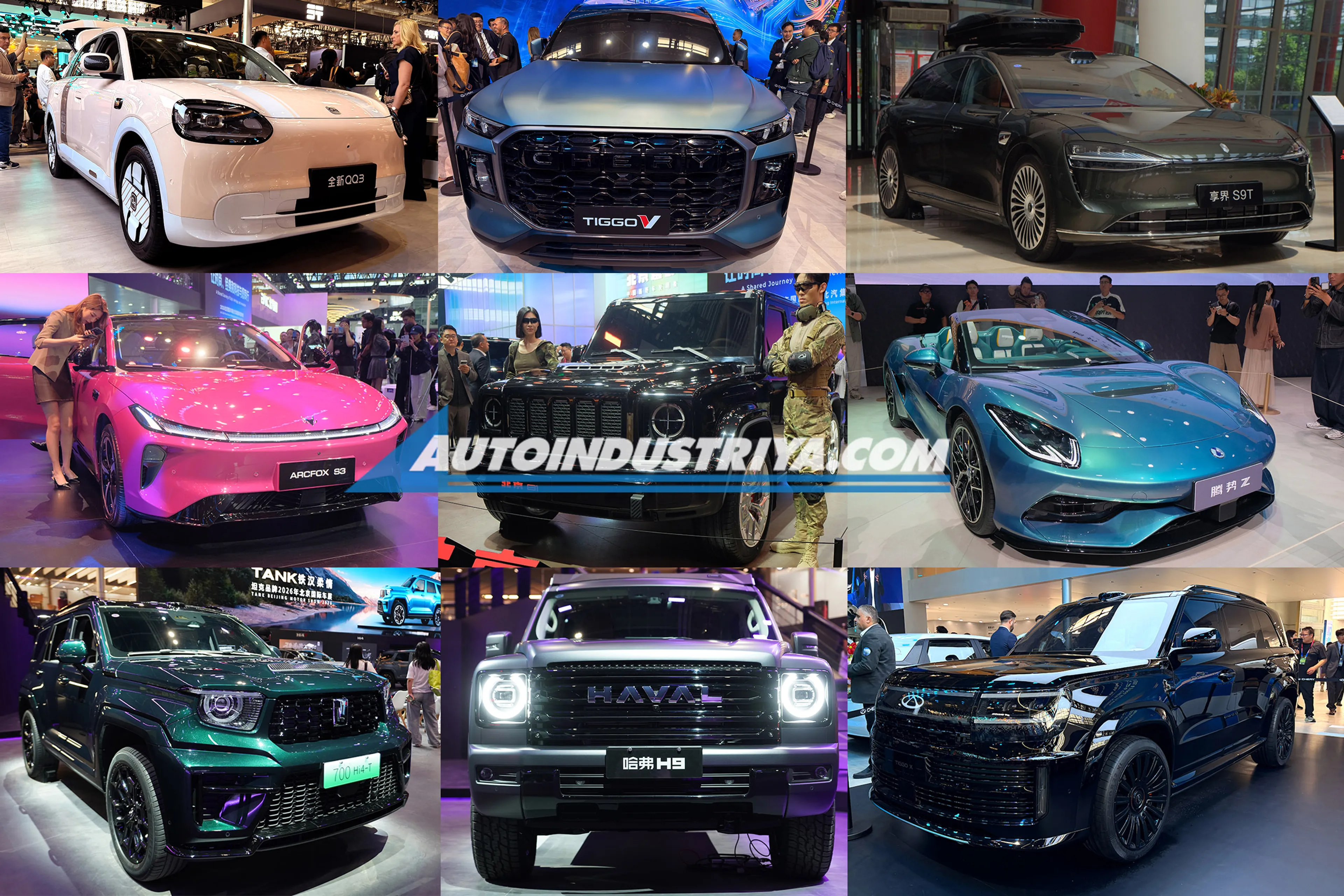
How China’s auto industry is going to win the Philippines (and the world)
A ground-level look at how China can dominate the global auto market (and ours)
Vince Pornelos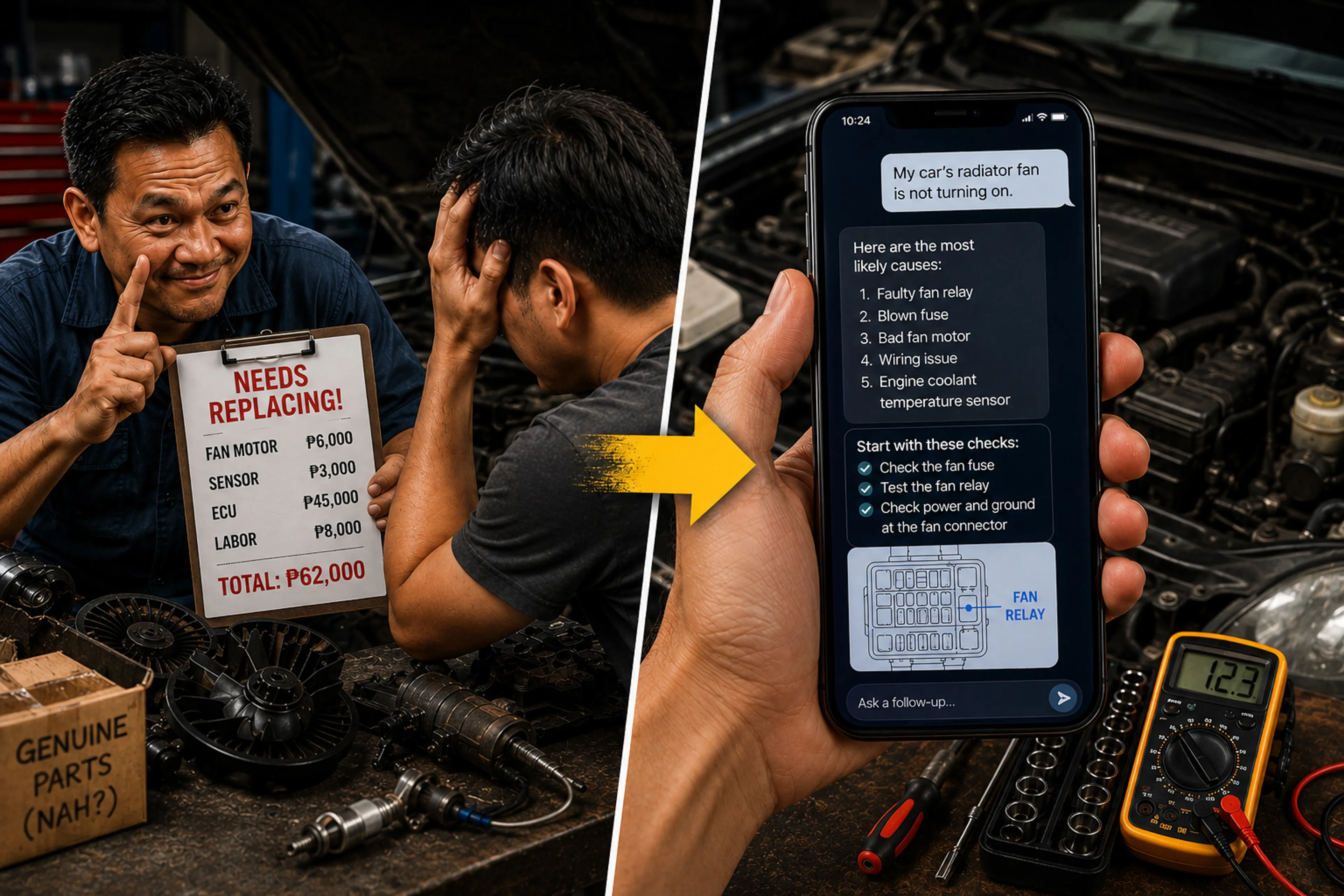
Virtual Car Doctor: Can you use AI to help diagnose your car?
Beat budol mechanics with a little help from AI
 Brando Rosales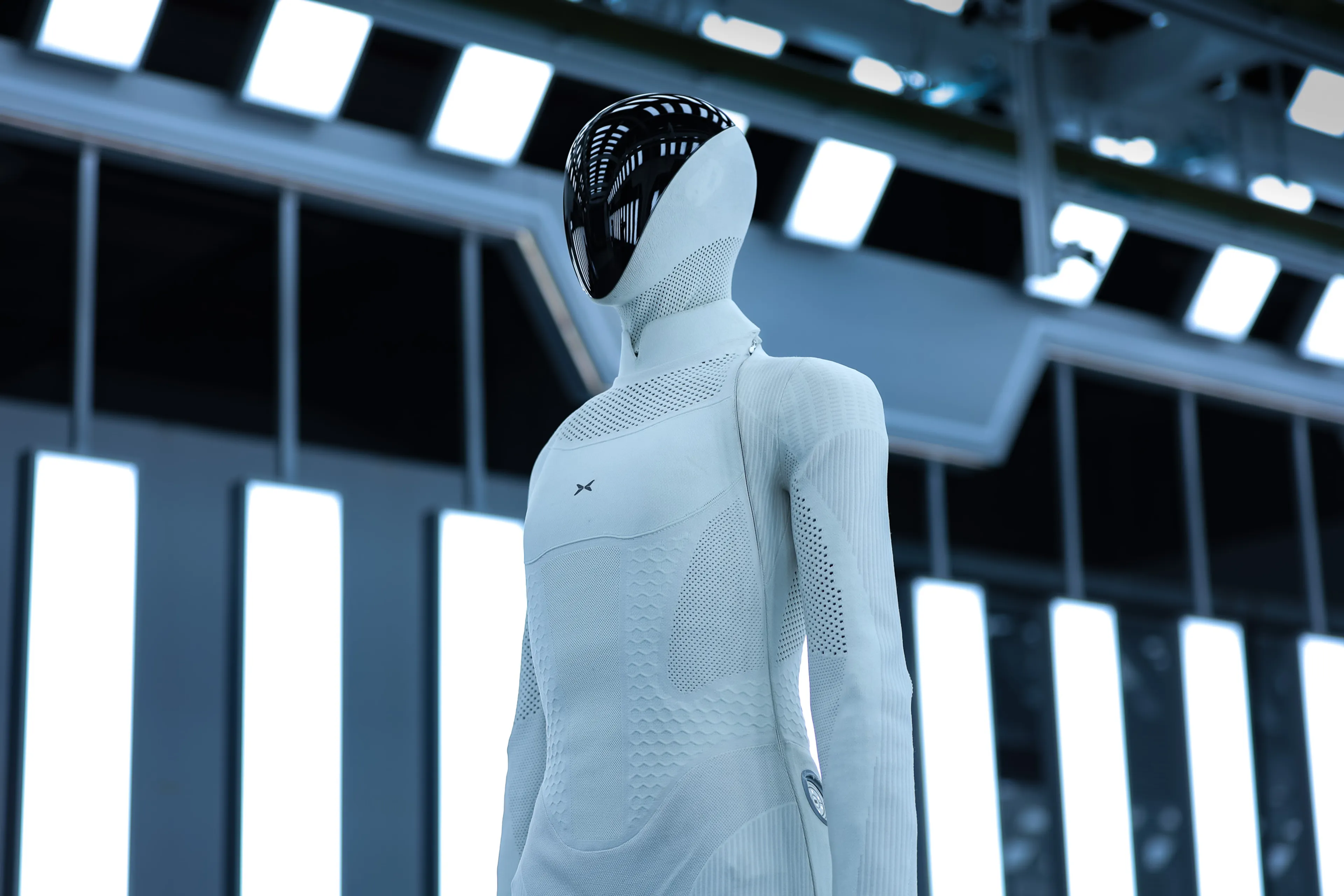
XPeng's humanoid robot IRON walks off production line
XPeng is banking on its AI technologies and new humanoid robot IRON to make mass production feasible
 AutoIndustriya.com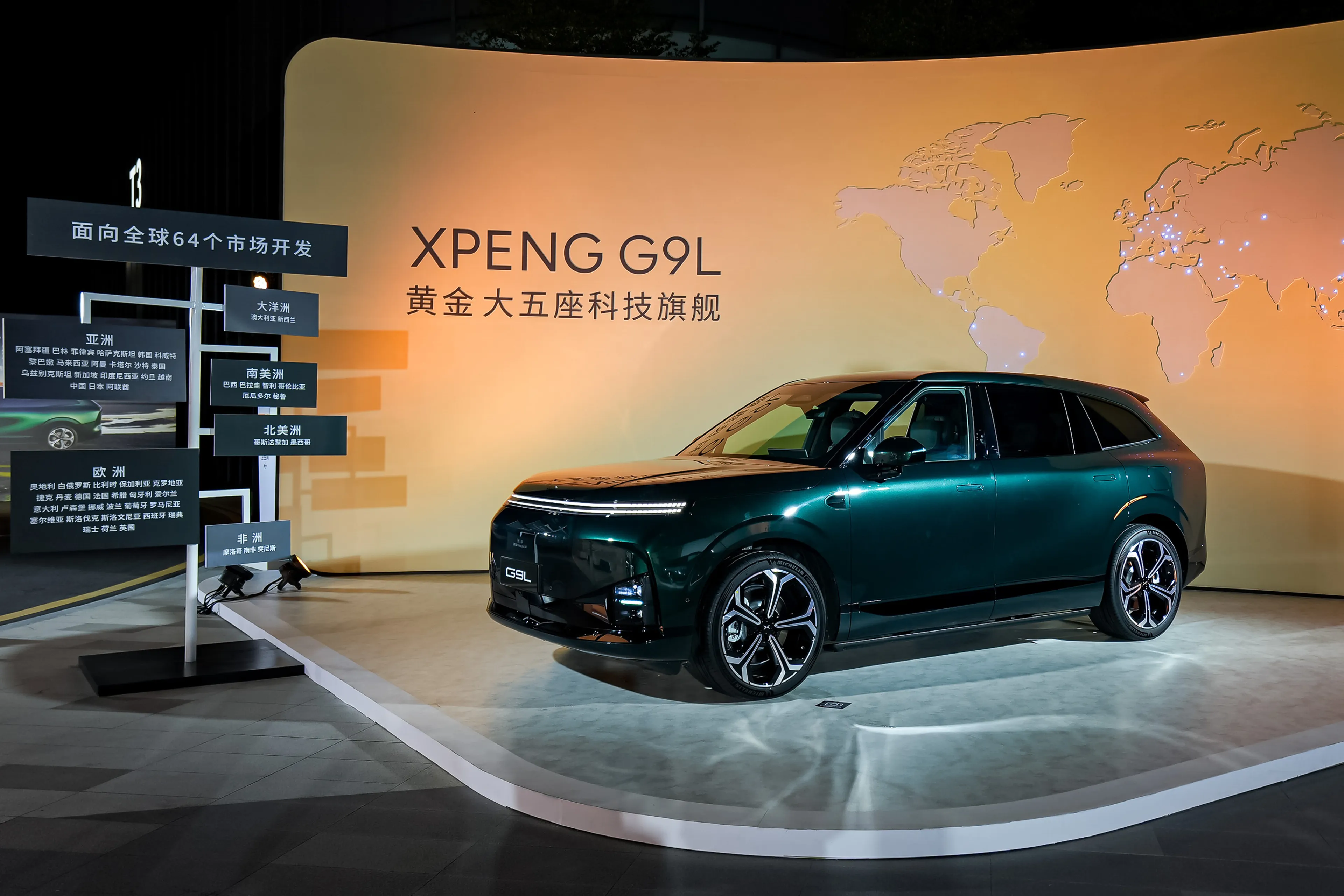
XPeng hosts world premiere of G9L flagship SUV
XPeng G9L makes its world premiere in China
 Jamil Lacuna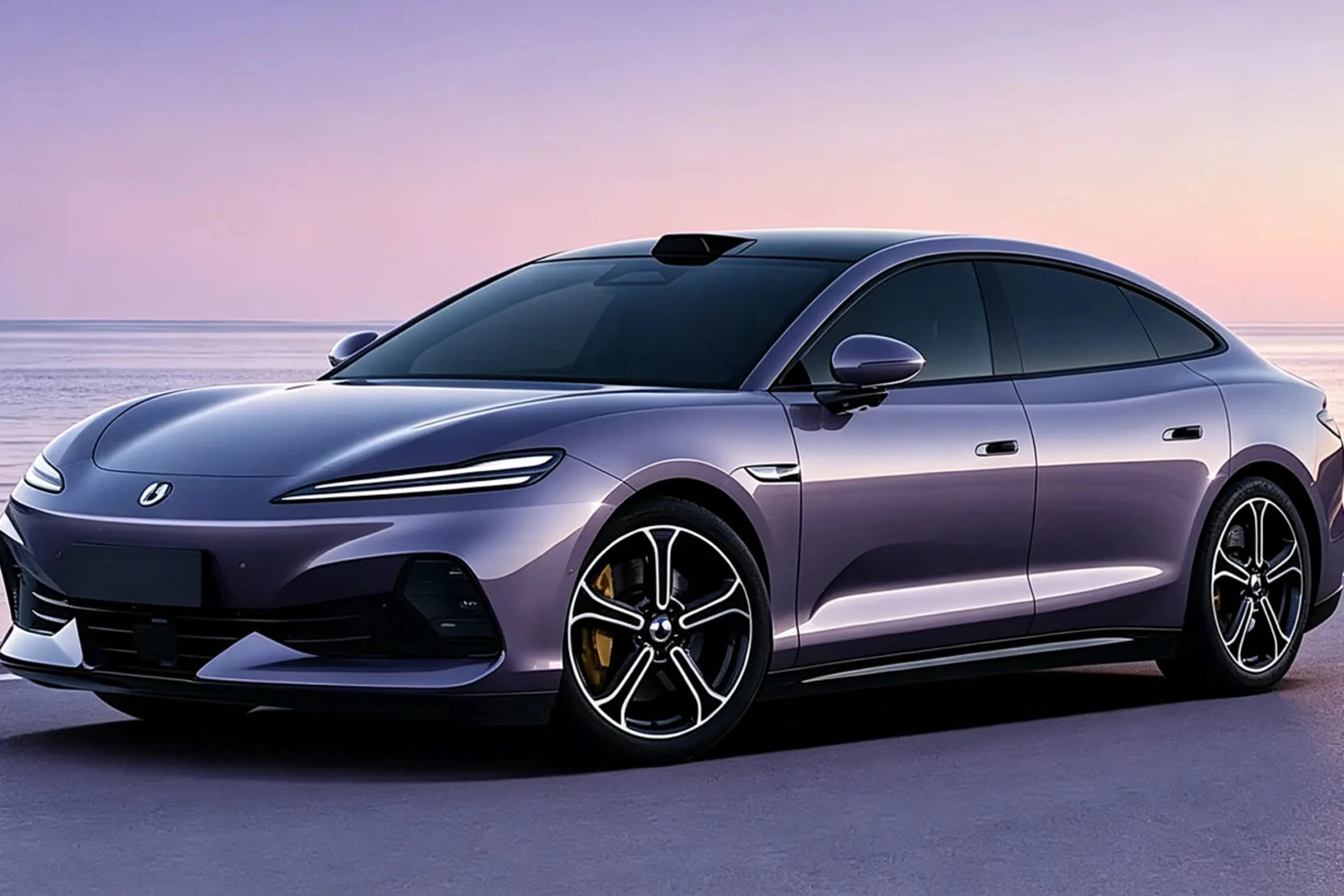
Z9S: Denza reveals sedan version of the Z9 GT
Denza expands Z9 model lineup with new Z9S sedan model
 Marcus De Guzman