
Road crash now the #1 cause of death among children, young adults
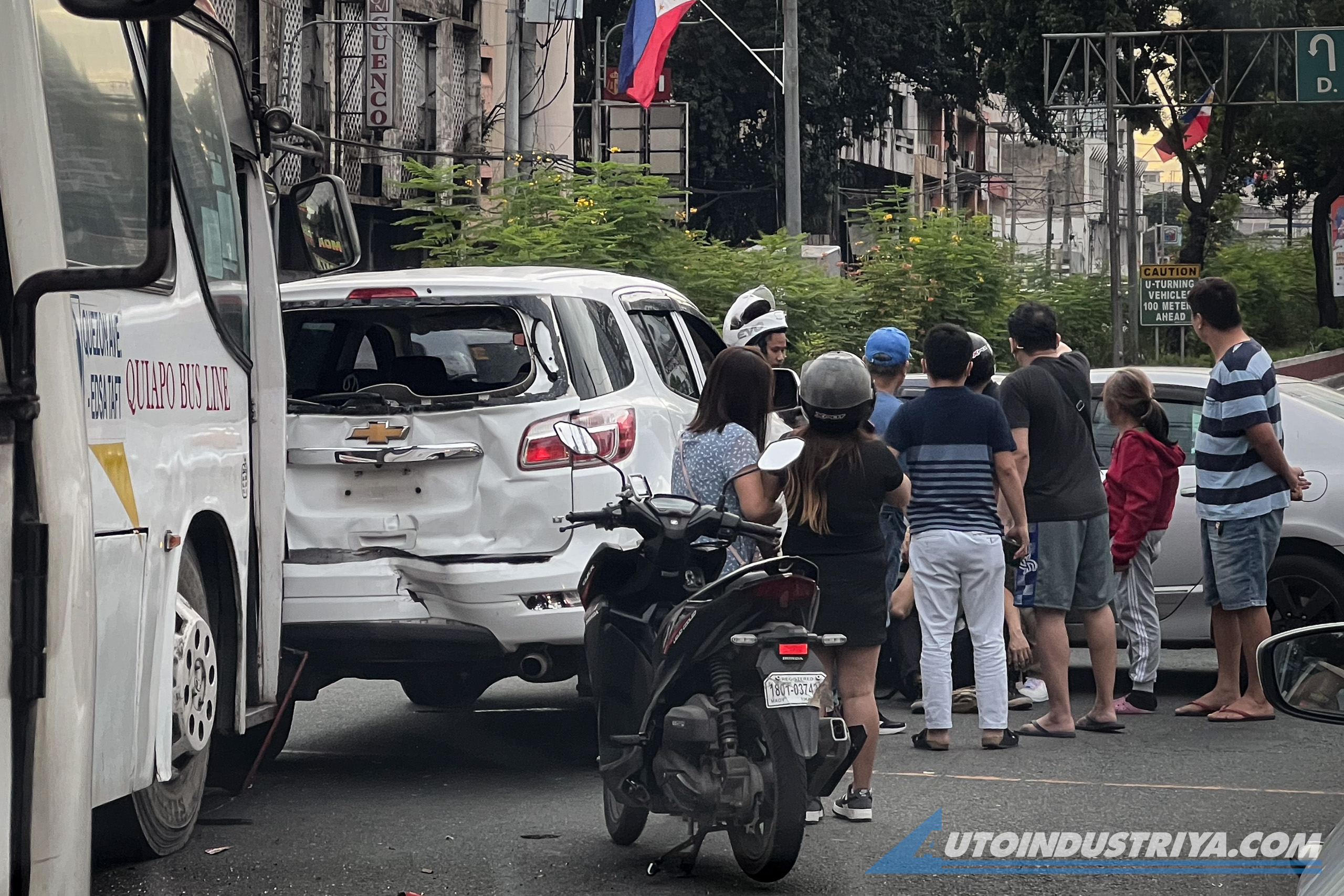
Road crash now the #1 cause of death among children, young adults
Road safety crisis grows as crashes become top youth killer

Here in the Philippines, whenever people witness an incident involving motorists, motorcycles, or even pedestrians, the first word often used is “accident.” But by definition, an accident is something unexpected and unavoidable, an event nobody intended and could not have been prevented.
And road safety experts unanimously disagree about using that A-word.
In fact, this publication was part of the push to re-label the term accident as road crash, as agreed upon in a road safety forum with the DOTr about the same time last year, while citing an editorial about the same topic.
Most so-called “accidents” are preventable, often caused by human error, negligence, speeding, distraction, or reckless behavior behind the wheel or handlebars of a motorcycle. That is why safety advocates prefer the term “road crash” instead of “road accident,” because, unlike true accidents, many of these incidents could have been avoided in the first place.
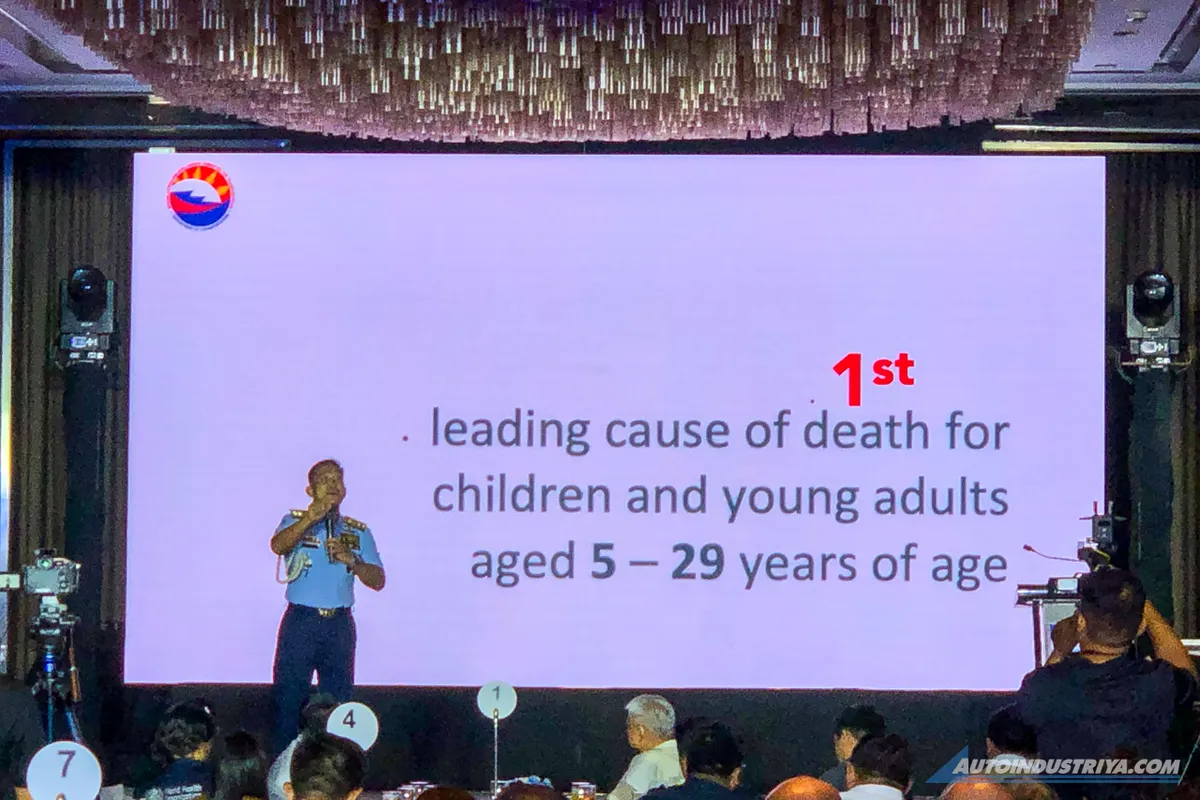
Speaking of road crashes, a grim reality was highlighted during the recent Philippine Road Safety Summit: road crashes are now the leading cause of death among children and young adults.
During the summit, Philippine Coast Guard Rear Admiral Oliver Tanseco cited a report from the World Health Organization showing that road crashes are now the top cause of death among people aged 5 to 29 years old. The numbers paint a troubling picture, as this means road safety is becoming a bigger problem in many parts of the world, and most especially here in the Philippines.
Tanseco is also the Commander of the Philippine Coast Guard-Special Action and Intelligence Committee for Transportation (PCG-SAICT).
He added that these statistics are not just numbers on paper; they represent children crossing roads, students riding bicycles to school, and young professionals commuting daily through public transportation, with many of them involved in what could have been preventable road crashes.
Meanwhile, during his speech, DOTr Undersecretary for Road Transport and Infrastructure, Mark Steven Pastor, briefly went off-script to share the heartbreaking story of a colleague from the Transportation Department who died in a road crash, which could have been prevented had a motorist yielded to a traffic light.
According to Pastor, their colleague, who was also a family breadwinner, was crossing the street near the DOTr office on the way to a PUV station when a speeding motorcycle, allegedly trying to beat the traffic light, struck the victim at full speed. The tragedy carried a painful irony, as one of the very people working under the agency tasked with improving road safety had become a victim of the very problem they were fighting against.
Authorities agree that even a single death on the road is already one too many, which is why regulators have recently intensified efforts against motorists who should never have been behind the wheel, or handlebars, in the first place. They also keep stressing that road safety is non-negotiable and that achieving Vision Zero, or zero road fatalities, will require a shared effort from everyone, and that includes you, a motorist, a cyclist, a pedestrian, a commuter, as well as government agencies and the private sector alike.
But if children and young adults are among the biggest victims of preventable road crashes, then perhaps road safety education should no longer be treated as optional. The real question is why hasn’t it become part of the school curriculum years ago? This could have equipped children with critical life skills, teaching them how to safely navigate roads, understand traffic signs, and become more responsible pedestrians, cyclists, commuters, and eventually, drivers themselves.
Back in 2019, then Senator Ramon “Bong” Revilla Jr. filed Senate Bill 451 seeking to integrate road safety and driver’s education into the K-12 curriculum, largely because road crashes were already among the leading causes of death among young Filipinos.
During the 19th Congress, Davao del Sur Rep. John Cagas also pushed House Bill 3077, which sought to include road safety and traffic education in elementary and senior high school curricula. Senator Mark Villar filed a similar proposal in 2025 through Senate Bill 98.
Yet despite years of proposals and rising road deaths, road safety education still isn’t mandatory in schools. To be fair, the government did establish the Road Safety Interactive Center (RSIC) inside the LTO headquarters in Quezon City, inaugurated in 2022. But like many government projects, it eventually hit a rough patch after the Commission on Audit (COA) flagged the half-billion-peso facility over low public utilization and the absence of clear operational guidelines.
So, when will road safety finally become part of the school curriculum? Maybe once lawmakers stop treating politics like an endless teleserye and start passing laws that could actually save the next generation of Filipinos from dying on the road.
Related Posts

DOTr, Muntinlupa City open Philippines’ first-ever Road Safety Park
The park has been designed as a model infrastructure for the next generation of road users
 Brando Rosales
Sideswipe: A road nightmare you're forced to chug everyday
Driving around this road can give you a story worthy of being told in a drinking session
 Jamil Lacuna
Driver in San Juan hit-and-run crash gets 3-month suspension
The driver may face the revocation of their driver's license
Brando Rosales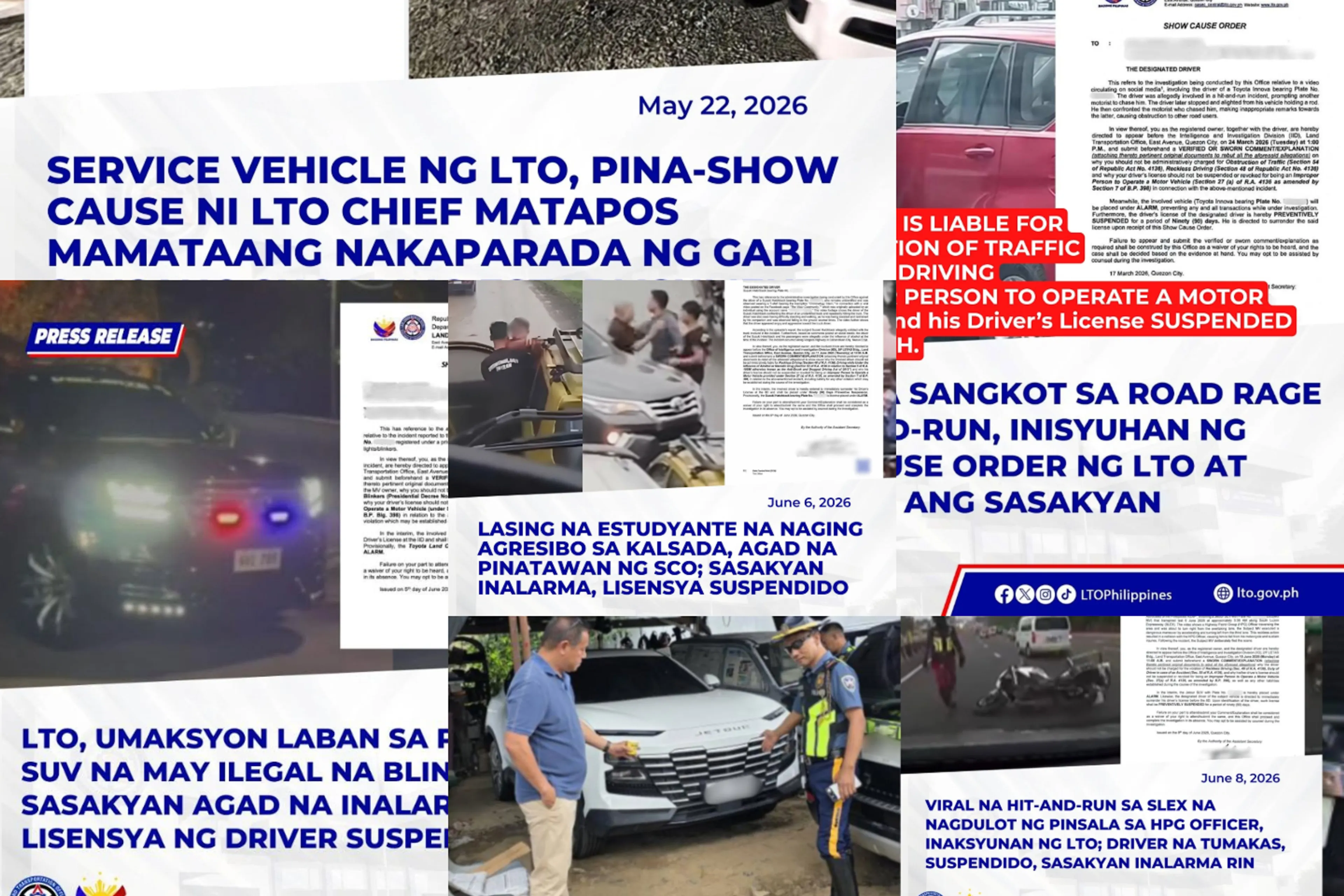
LTO: Suspended & revoked licenses now at 830 (and counting)
LTO steps up enforcement against unruly motorists
Brando Rosales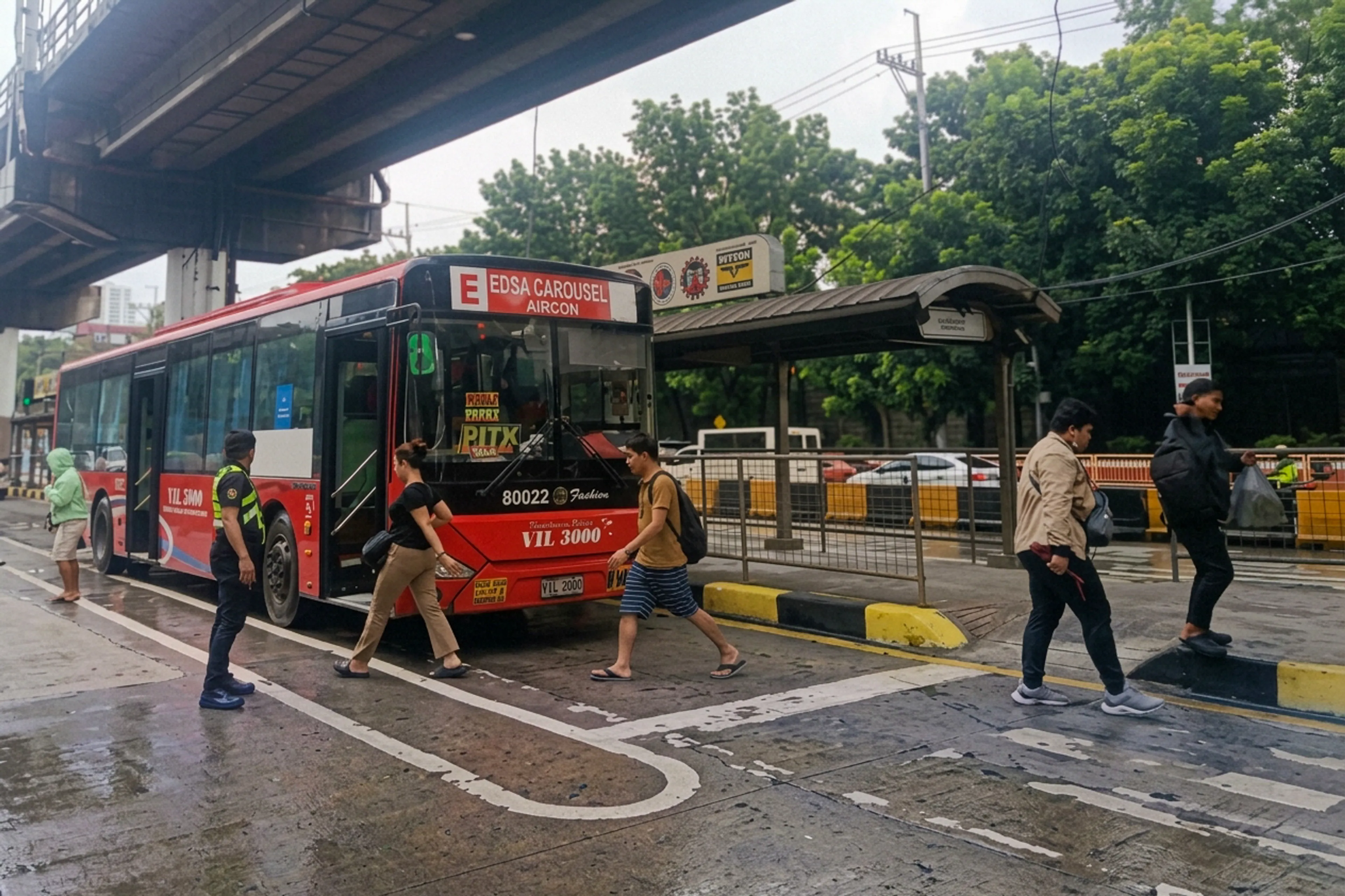
DOTr seeks PHP 300.96-B budget for 2027 but no allocation for EDSA Busway?
Transportation Secretary Lopez explains why DOTr faces 2027 budget cuts
Brando Rosales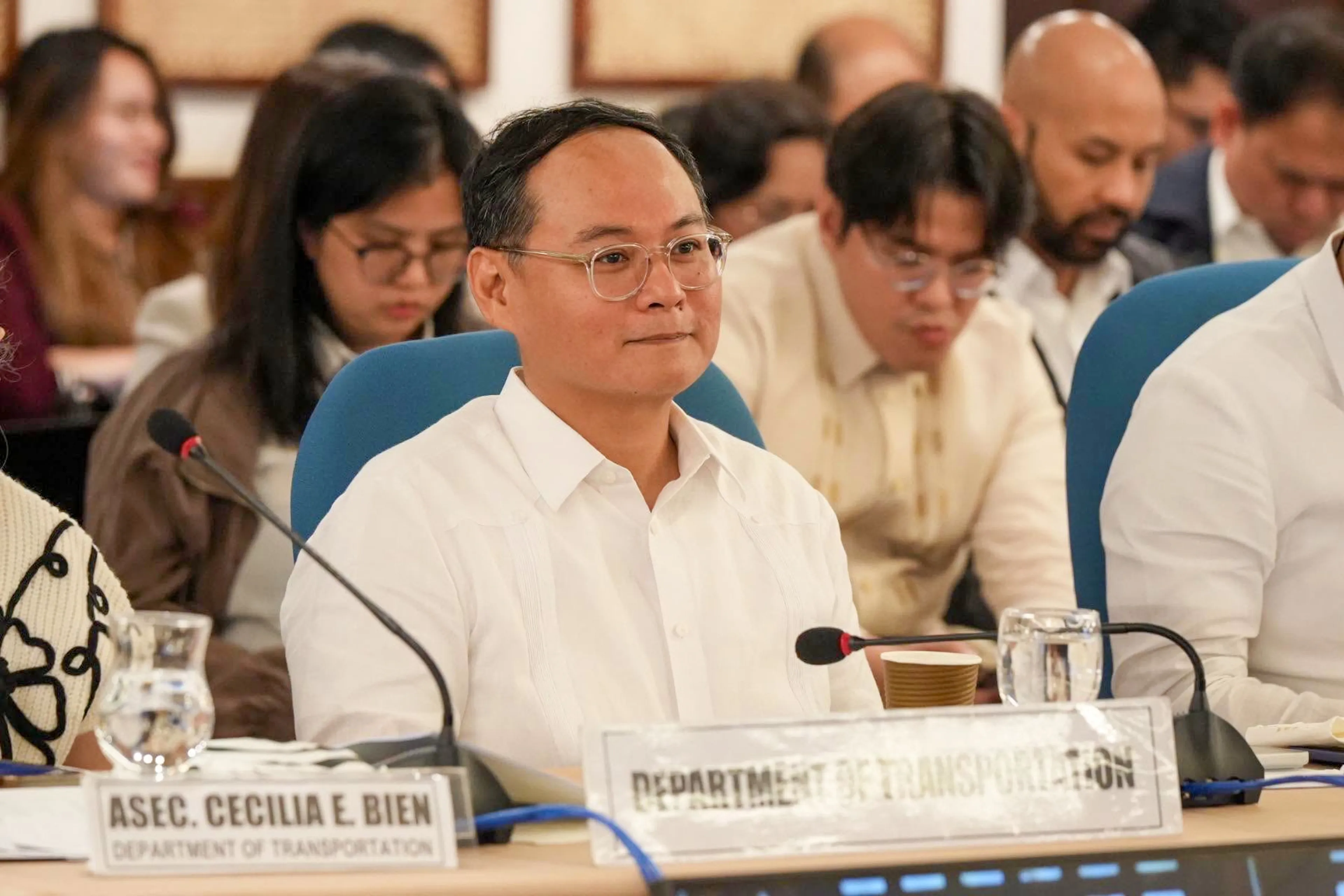
DOTr seeks PHP 300.9-B budget for 2027; LTO eyes PHP 17-B allocation
The DOTr’s 2027 budget proposal heavily favors railways, while bike lanes face a 97% cut and road safety gets zero.
Brando Rosales