
Hyundai exoskeletons to help factory workers soon
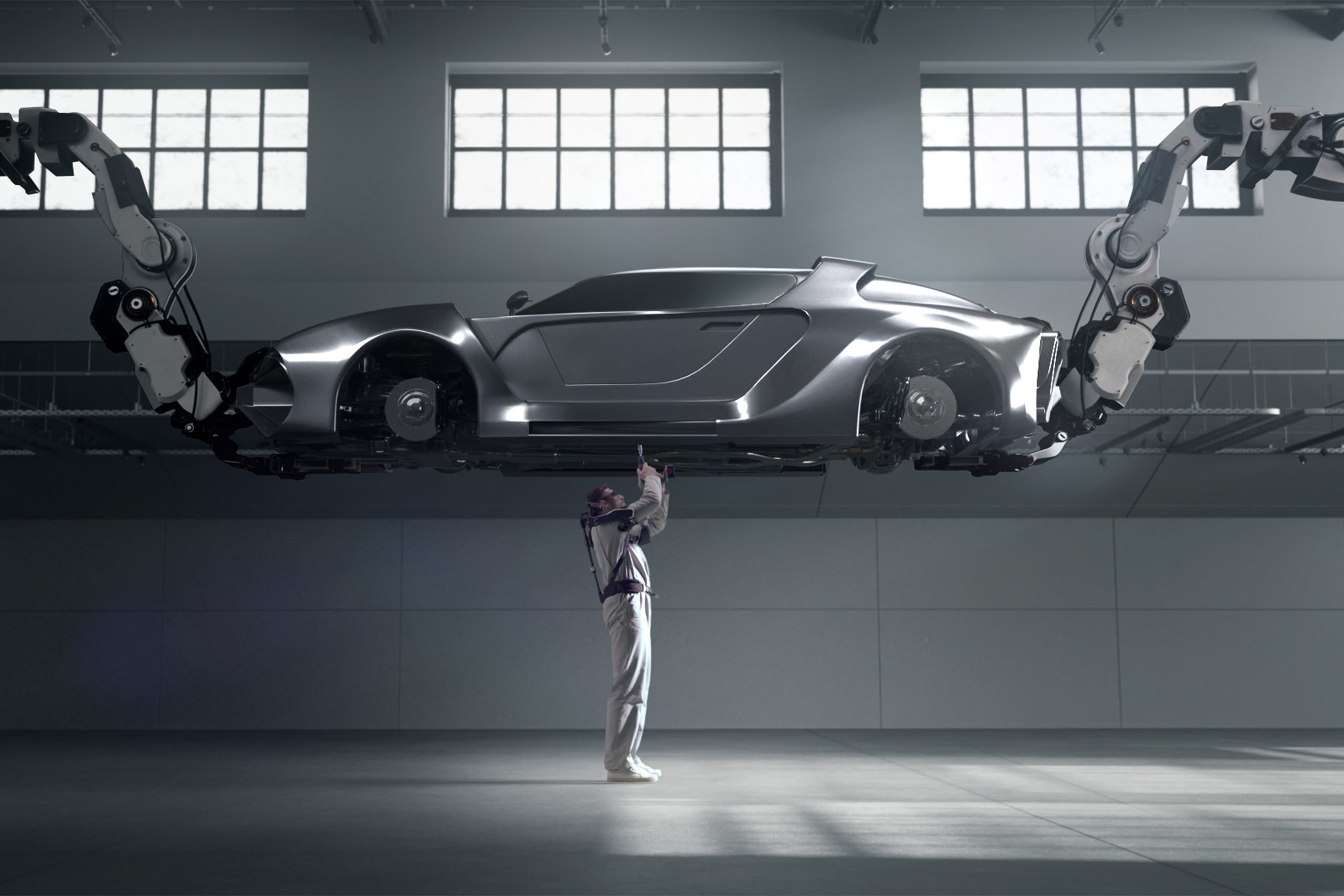
Hyundai exoskeletons to help factory workers soon
Hyundai introduces the VEX and CEX exoskeletons, to be introduced to the workforce by the end of 2019

While we are in the age of automation, manufacturing and assembling cars is still no easy feat. Aside from a business standpoint of maintaining and developing vehicles, factory workers are also hard at work assembling and building automobiles.
Despite the prevalence of automated machines factories, human workers still play a big role when it comes to building cars. But for workers that have to endure long hours performing overhead tasks, it can be quite laborious.
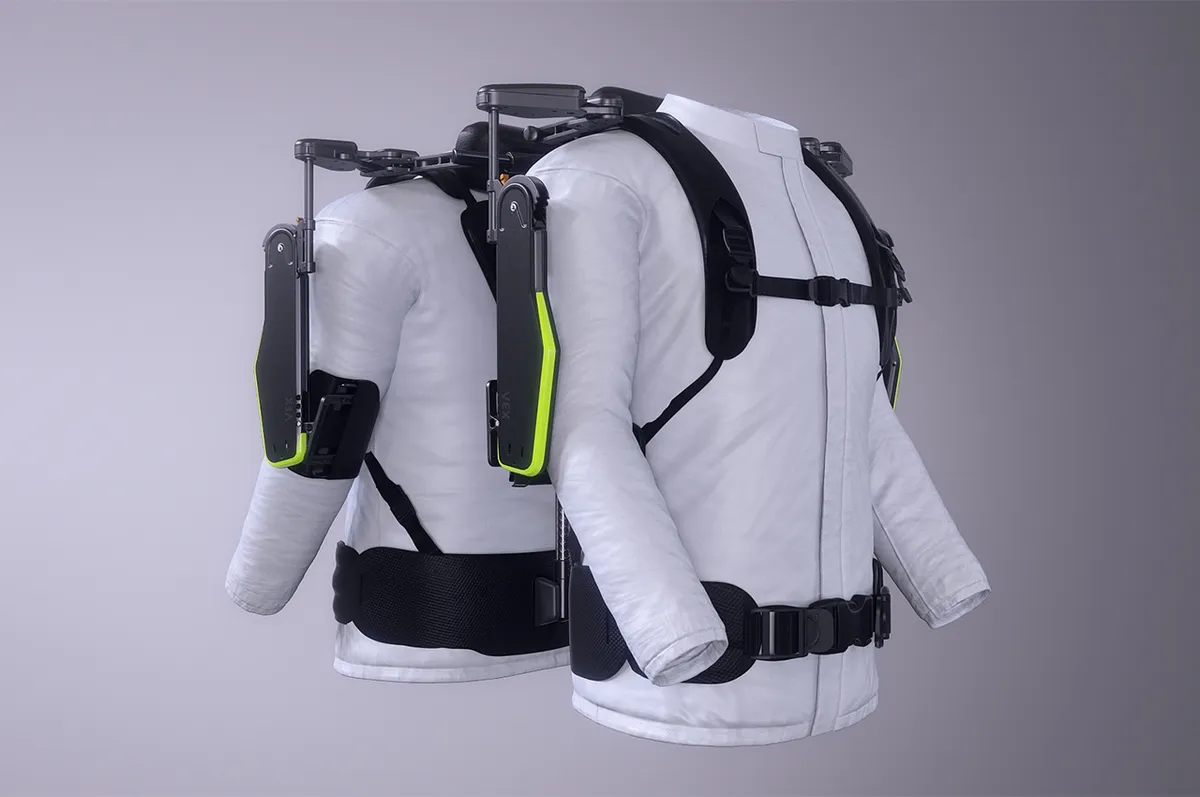
Hyundai Motor Group wants to alleviate factory workers from that type of stress with this; the Vest Exoskeleton (VEX). It's a wearable robot that was purpose-built to assist industrial workers in overhead working environments. According to the company, VEX will enhance productivity, and reduce fatigue by imitating the movement of human joints to boost a worker's load support and mobility.
“VEX gives workers greater load support, mobility, and adaptability when operating in overhead environments. Workers will also appreciate how light VEX is to wear and work with,” said DongJin Hyun, Head of Robotics Team at Hyundai Motor Group.
It can be worn like a backpack and it only weighs 2.5 kg. It has no battery pack and instead works on a system of multiple pivot points that help and provide muscular assistance. In addition, it has six levels of force assistance which can help factory workers in various assembly-line factoring.
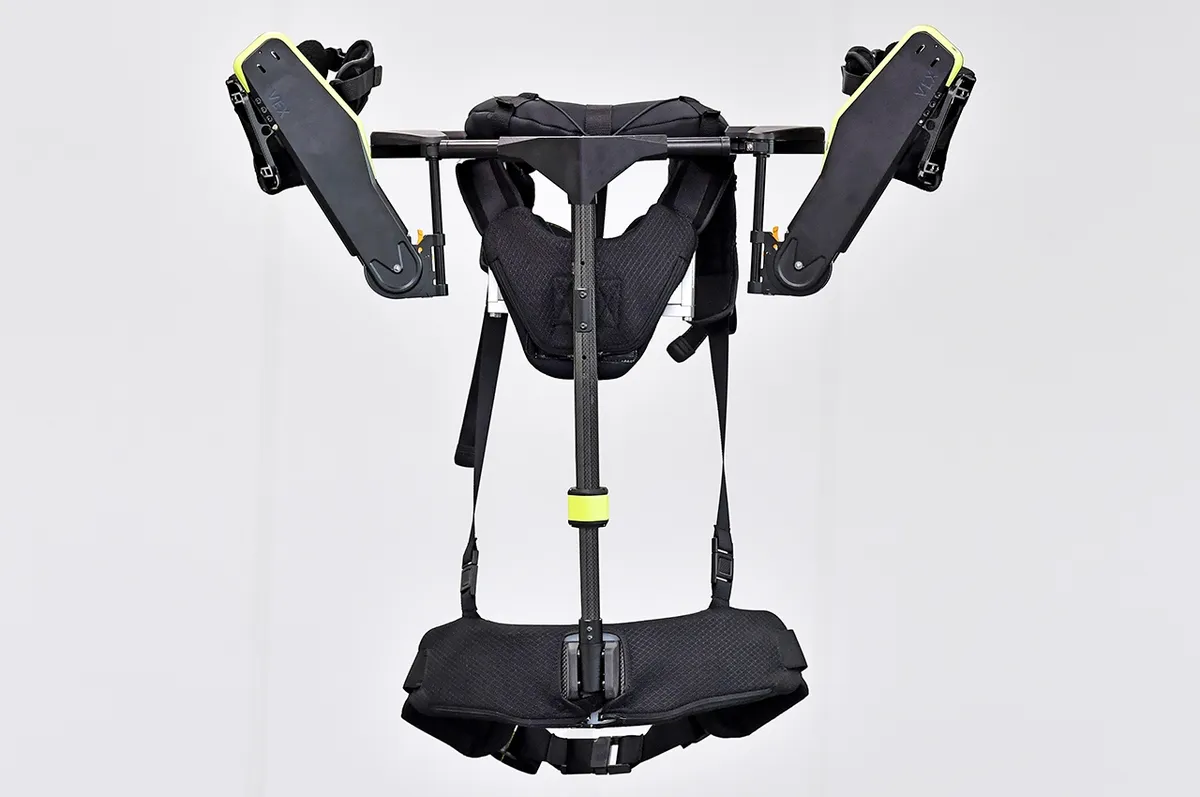
When officially introduced, the VEX is primarily aimed to help workers whose job is to bolt the underside of the vehicles, fitting brake tubes, and attaching exhausts. Trial testing of the VEX was widely successful and it is expected to go into production some time in December 2019.
Aside from the EX, there is also the 'Chairless Exoskeleton' (CEX). From its namesake, it is a lightweight, wearable device that will be able to support a worker's weight while in a sitting position. This negates the need for a stool or chair while the worker is working overhead. This translates to reduced fatigue, improve efficiency, as well as lessen the stress on a worker's back and lower body.
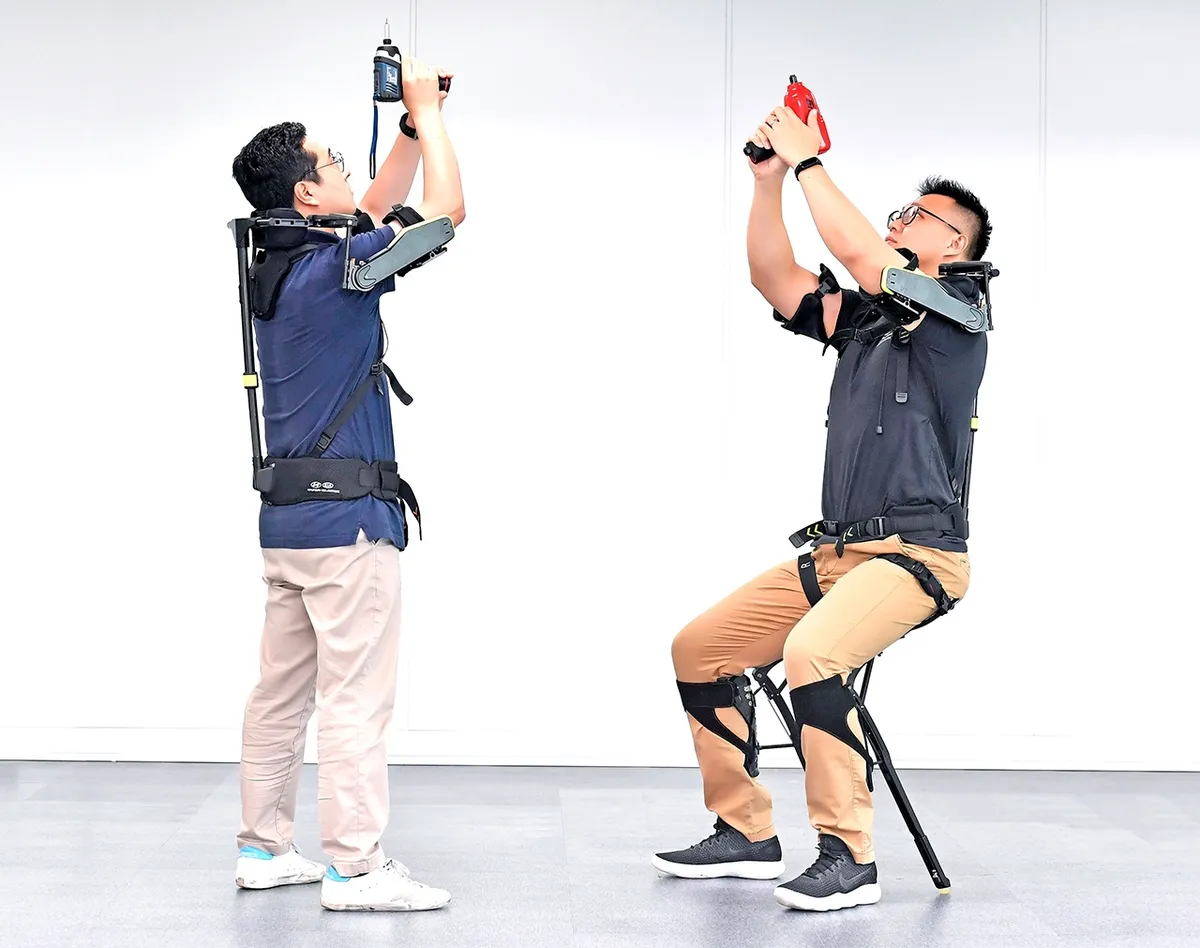
With both the VEX and CEX at their disposal, Hyundai Motor Group (along with Kia) plan to introduce this wearable exoskeleton to its workforce around the globe as a way to let their workers be more relaxed while on the factory floor.
Related Posts
Philippines-South Korea free trade deal drops car tariff to 0%
New FTA takes effect dropping tariffs on Philippine and Korean products including cars
 Vince Pornelos
Kia EV3 debuts with over 500 km of range, intro price of PHP 1.868M
After launching the EV9 and EV5, Kia Philippines reveals the EV3 as its smallest EV yet
 Marcus De Guzman
Kia goes big on EV vans with all-new PV7
Kia reveals the PV7 in Cargo and Passenger van versions
Marcus De Guzman
Kia EV3 to make PH debut this September; PV5 set for October reveal
Kia PH distributor ACMobility is doubling down on its EV offerings
Marcus De Guzman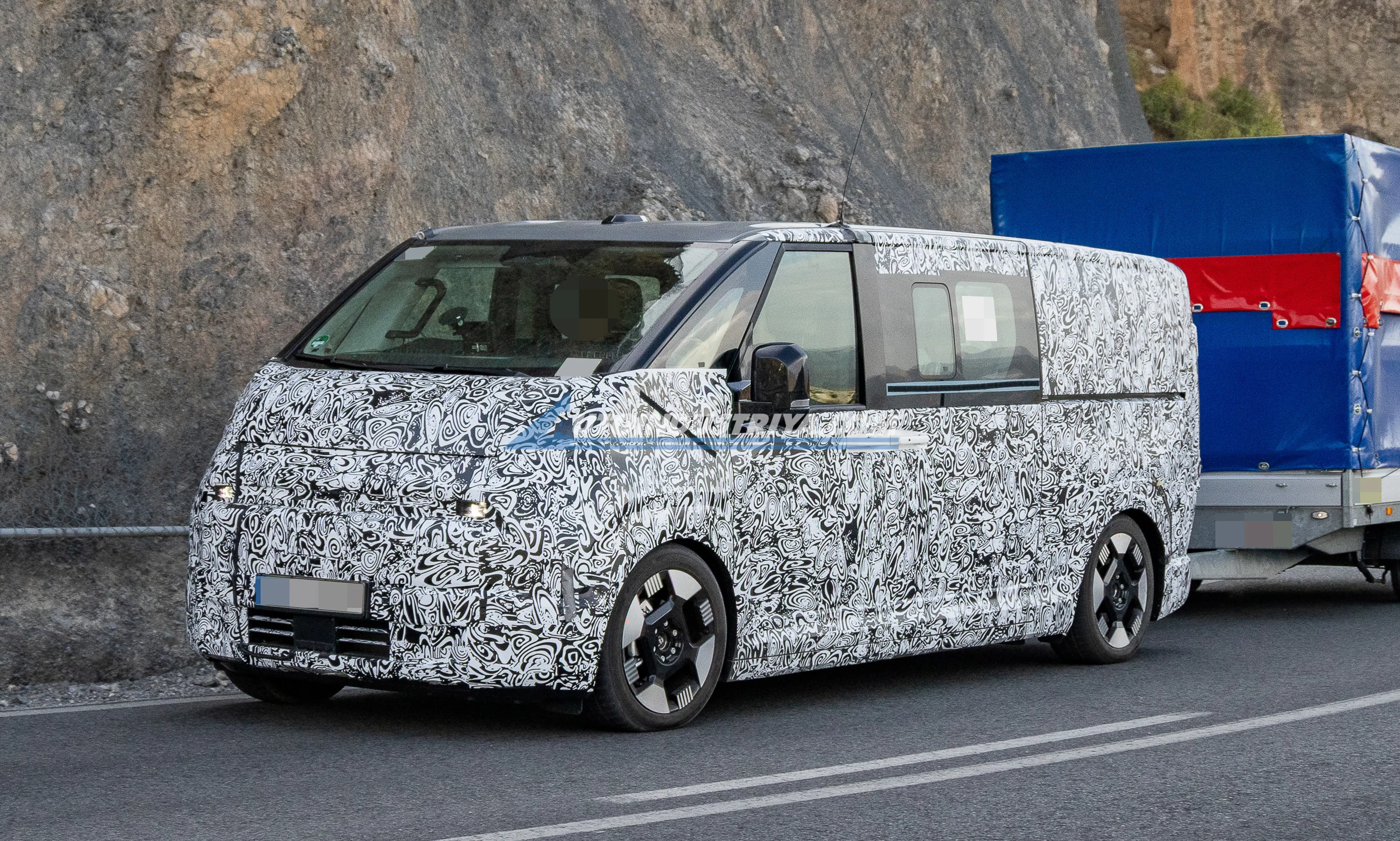
Larger Kia PV7 electric van spotted preparing for September debut in two weeks
Ahead of its world premiere at IAA Transportation in Hanover on September 14, 2026, our spies have spotted the Kia PV7 testing anew.
 AutoIndustriya.com
Next-Gen Kia Sportage Prototype spied testing in Spain revealing angular exterior
Spy shots from testing in Spain suggest the upcoming Kia Sportage facelift will adopt a more upright, angular profile alongside updated hybrid powertrains and modern cabin technology.
AutoIndustriya.com