
60 years later: Are Pinoys taking Road Safety seriously?
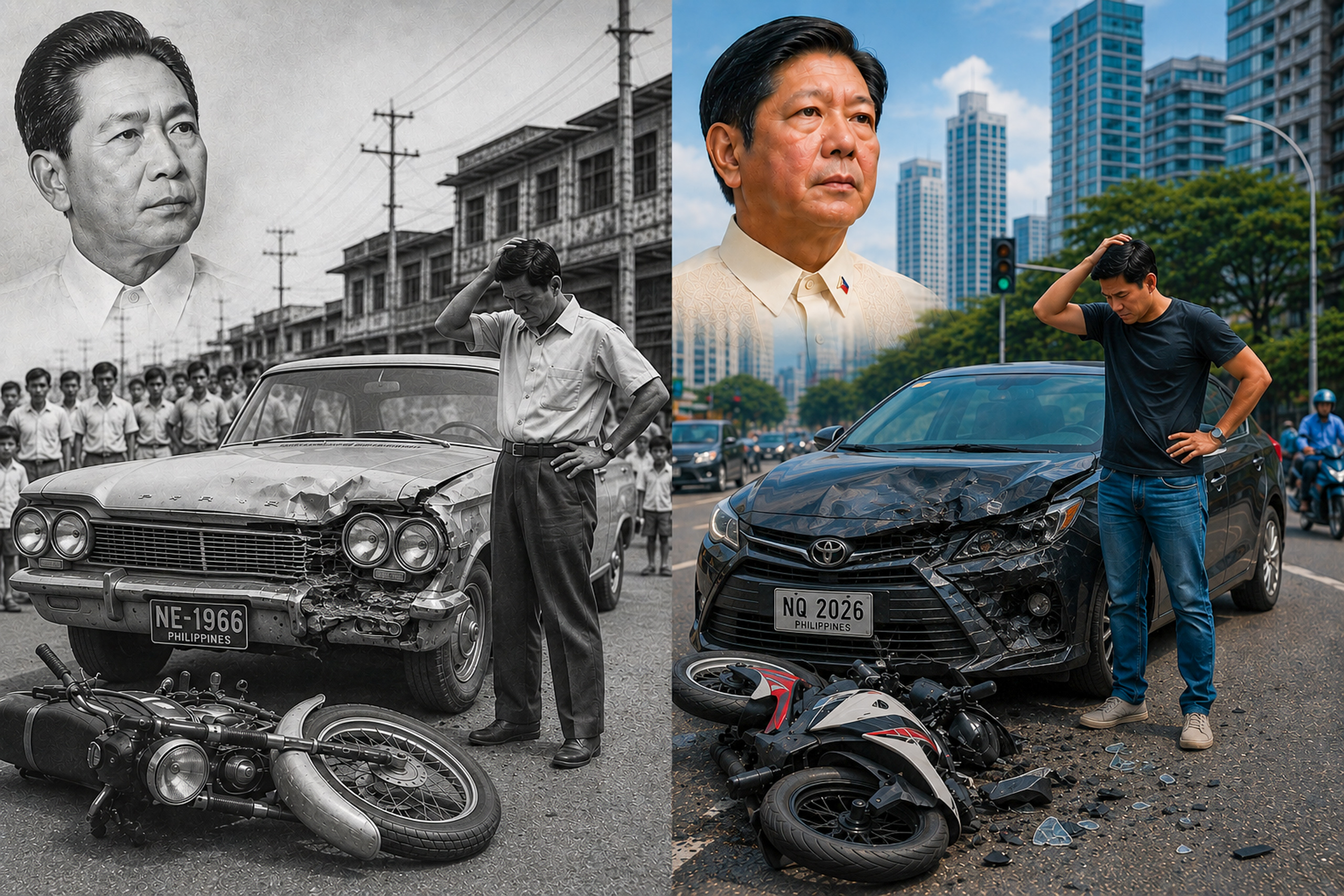
60 years later: Are Pinoys taking Road Safety seriously?
Road Safety could be the lesson Pinoys still haven’t learned

Back in 1966, President Ferdinand Marcos Sr. declared every month of May as Land Transportation Safety and Crash Prevention Month, a.k.a. Road Safety Month, through Proclamation No. 115-A. Even then, the government was already alarmed by what it described as the “considerable rise” in incidents occurring not only on highways, but also in schools, homes, and workplaces.
Yet 60 years later, and with Marcos Jr. now sitting in Malacañang, road safety remains one of the country’s biggest public safety failures. We may have newer vehicles, more traffic laws, and better technology, but many of the bad habits remain exactly the same. Drivers still fight for every inch of road space, pedestrians still dart across busy highways instead of using footbridges, and many road users continue to act as if traffic rules don’t apply to them.
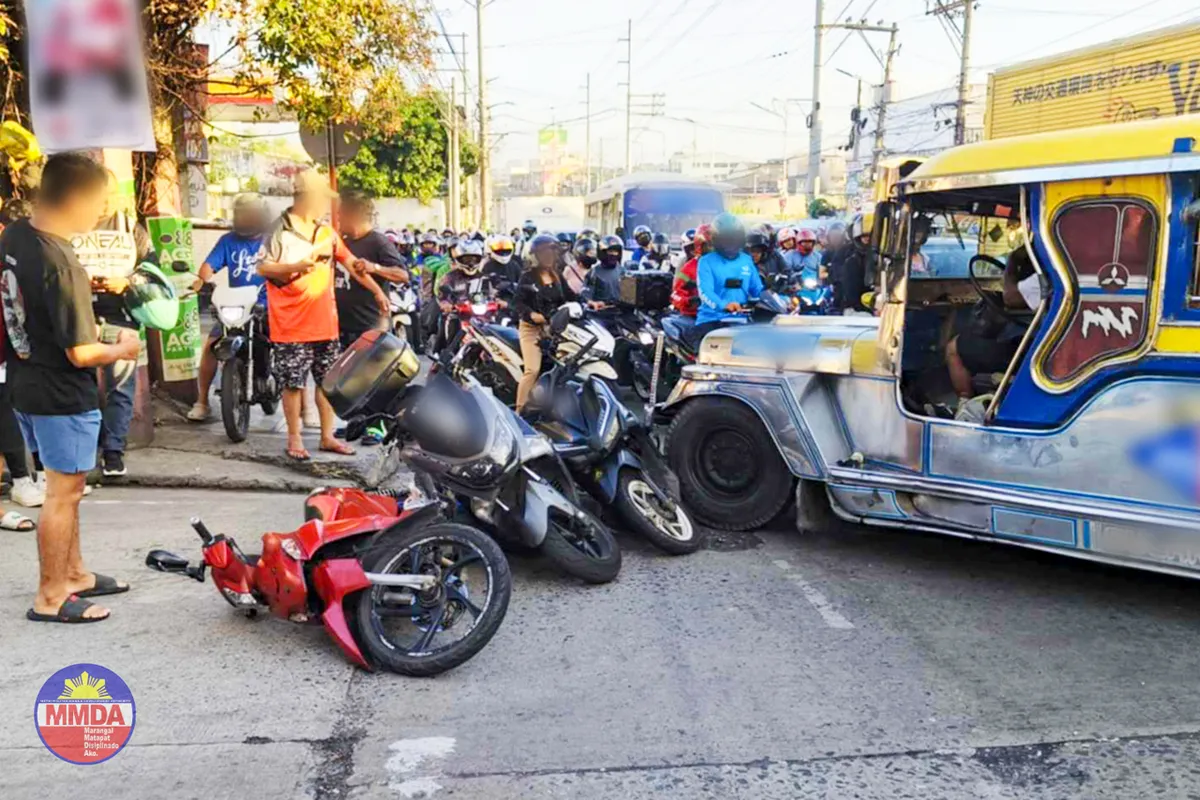
According to data cited by the Department of Health and the World Health Organization, road crashes remain among the leading causes of death in the Philippines. Even more alarming, road crashes are now the leading cause of death among young people aged 5 to 29 years old. It’s not diseases, viruses, or the bad effects of our collective love for fast food and sugary foods, it’s road crashes.
Every statistic represents a person who failed to make it home. A father. A mother. A son. A daughter. Someone whose life was cut short because another person made a bad decision behind the wheel or handlebars. The thing is, many of these crashes are preventable.
Road safety advocates have long argued that most so-called accidents are not accidents at all. They are often the result of human behavior. Speeding, distracted driving, drunk driving, road rage, ignoring traffic signs, refusing to wear helmets and seatbelts. The list goes on and on.
Personally, and I think many of you would agree, that part of the problem is the bad Pinoy mindset.
Many older-generation motorists, including myself, learned to drive during a time when road safety wasn’t on the checklist. In fact, many of the habits passed down to younger drivers today would probably fail an international-standard driving assessment.
Anyone remember being taught by dad or uncle that “kapag naka-nguso ka na, ikaw na ang may right-of-way,” or some absurd reasoning like that? Well, you can still see that bad Pinoy mindset today.
Turn on your signal light because you need to change lanes, and the driver who tails you from the other lane suddenly steps on the gas. Try merging into traffic, and someone immediately closes the gap. Reach an intersection, and everybody acts like they have a God-given right of way.
Many Pinoys still view giving way as losing and road courtesy as weakness. Then we wonder why road rage incidents keep happening.
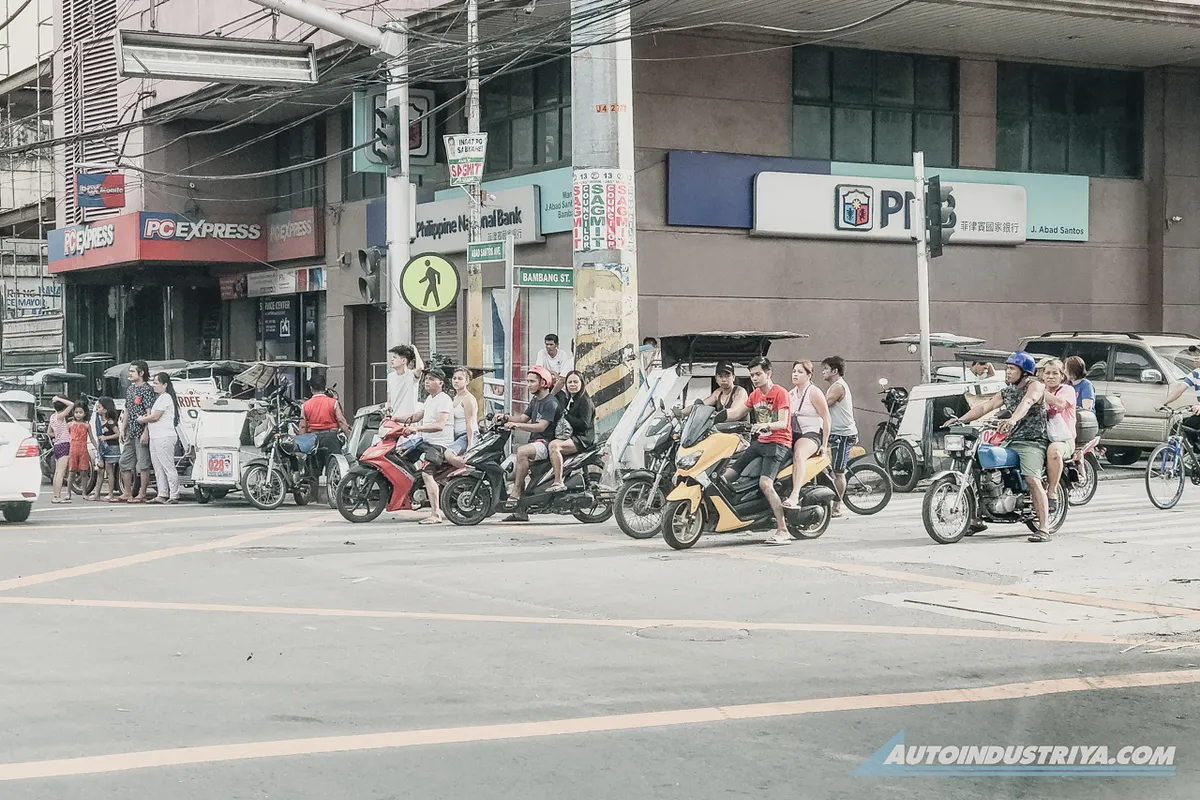
Motorcycle riders not wearing crash helmets
The same mindset is applied to safety equipment. Many people grew up believing seatbelts and standard motorcycle helmets were uncomfortable and unnecessary. Proper vehicle maintenance means to use it until it fails. It was just normal to see children sitting on motorcycle fuel tanks, or entire families squeezed onto a single motorcycle, or passengers riding unsecured in pickup beds. PUVs continue to drive their routes with worn-out brakes and bald tires.
It’s not just drivers who suffer from this mindset. Back when I was still commuting, I saw a woman go ballistic at a jeepney driver for refusing to drop her off at the corner of an intersection because it was the most convenient spot for her.
Never mind that it wasn’t a designated loading and unloading area. Never mind that stopping there would have blocked traffic and put her, the other passengers, and even other road users at risk. All that mattered was convenience.
Unfortunately, that mindset is all too common among Filipinos. Commuters demand to be picked up and dropped off wherever they please. Pedestrians dart across busy roads instead of using footbridges or crosswalks. Many Pinoys refuse to walk an extra few meters if it means following the rules. Much like a lot of Pinoy motorists, they have convinced themselves that the rules should adjust to them, and that road safety is somebody else’s responsibility.
And don’t even get me started on (a lot of) cyclists and e-bike users.
Then there’s the licensing system. Let’s stop pretending that fixers do not exist. In fact, for decades, fixers have always been part of the conversation whenever people talked about the LTO. The existence of fixers meant there were people inside the system benefiting from them, as well as would-be motorists who tolerate this system because the mindset is that everything has a shortcut. And the result was predictable, as a lot of motorists obtained licenses without fully understanding traffic laws, road signs, defensive driving, or even basic road courtesy.
A driver’s license became something that could be bought instead of earned. Perhaps that is one reason why so many motorists today drive with a sense of entitlement, treating public roads as their personal property rather than a shared space where everyone has a responsibility to look out for one another.
To be fair, the reforms currently being implemented by the Department of Transportation and the LTO deserve recognition. For years, people complained that reckless drivers kept getting away with dangerous behavior. These days, that is becoming harder to do. The LTO has become more aggressive in running after irresponsible motorists with the help of CCTVs, as well as netizens. People involved in road rage incidents, reckless driving, drunk driving, dangerous stunts, and other unsafe behavior are now finding themselves facing Show Cause Orders, license suspensions and revocations, and Cease and Desist Orders.
The agency has also started cleaning its own house. In recent months alone, dozens of LTO personnel have been dismissed, suspended, or sanctioned for various offenses. That may not grab as much attention as a viral road rage video, but it is just as important. Road safety reforms cannot work if unqualified motorists can simply buy their way into a driver’s license. As they say, give credit where credit is due.
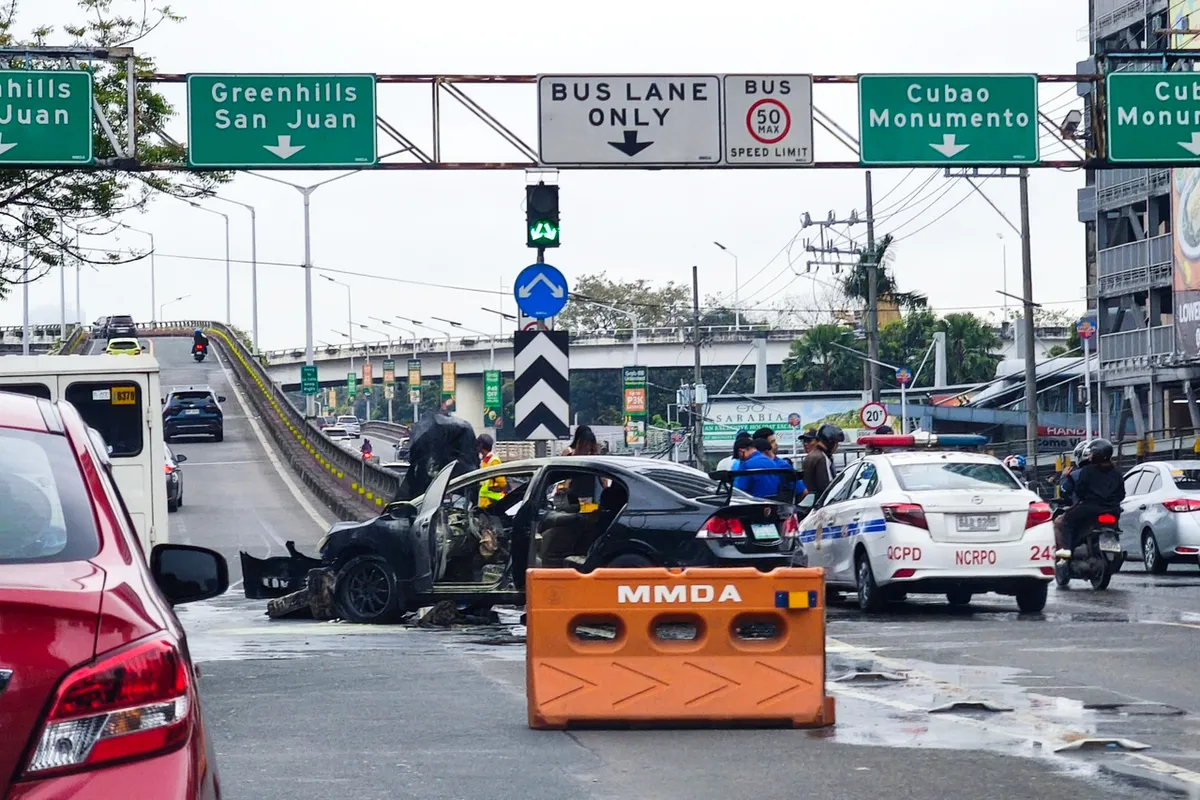
Every reckless driver removed from the road is potentially a crash prevented. Every fixer removed from the system helps restore public confidence in the licensing process. But enforcement alone cannot solve everything. The LTO can remove reckless drivers from the road, but that’s only half the battle. People will continue getting hurt as long as utility poles stand in the middle of roads, road construction zones remain poorly marked, and pedestrians are forced to gamble with their lives just to cross the street. Road safety is not the DOTr or the LTO’s job alone. The DPWH and local governments have just as much responsibility.
Road safety education also remains just as an afterthought. If only children were taught road safety at an early age, not just how to cross a street, but how roads work, what traffic signs mean, why helmets matter, and why driving is a privilege rather than a right, by the time they apply for a driver’s license, many of those lessons would already be second nature.
There have been proposals to teach road safety in schools for years, as well as proposals for fair accountability in road crash incidents, yet they remain stuck in the legislative pipeline. If lawmakers are serious about reducing road deaths, these should have been implemented long ago. Unfortunately, too much of our political discourse has become focused on spectacle rather than solutions. While elected officials engage in what often feels like teleserye-style politics, practical measures that could help save lives continue to sit on the back burner, and we taxpayers continue to pay the bill.
The country could also benefit from a dedicated road crash investigation board whose sole purpose is to determine why crashes happen and recommend ways to prevent them from happening again. Too often, investigations end with assigning blame, and rarely do we discuss what can be learned from the incident.
Speaking with AutoIndustriya.com, MMDA STAG Commander, road safety advocate, and fellow petrolhead, Edison “Bong” Nebrija Jr., pointed to what may be the biggest challenge of all, which also goes back to what I was saying earlier. It’s the Pinoy mindset.
Too many Pinoys still view helmets, seatbelts, and traffic laws as compliance requirements rather than life-saving tools. As Nebrija puts it “Magsuot ka ng helmet, baka mahuli ka ng MMDA. PHP 1,500 din yan! MALI!” The point is not to avoid a fine, but to avoid ending up in a hospital or a cemetery.
A helmet is there to protect your head. A seatbelt is there to keep you alive. Traffic rules are there to protect not just you, but everyone sharing the road with you. Nebrija perhaps summed it up best when he said that “Discipline on the road saves lives. Tandaan sa bawat biyahe natin, ang finish line ay laging sa bahay.”
For 60 years, since the country began observing Road Safety and Crash Prevention Month, Filipinos have continued to die on the roads in alarming numbers. Awareness is important, but awareness alone is not enough. Safer roads require realistic and aggressive government policies, consistent enforcement, better infrastructure, proper education, discipline, and a culture that refuses to accept road deaths as normal.
For us motorists, it starts with acknowledging that many of the habits we learned were wrong. Roads are not racetracks. Yielding is not losing. Courtesy is not weakness. It is never too late to leave our pride at home, correct our bad habits, and remember that the goal of every trip is not to get there first, but to get home safely.
The same goes for everyone else who uses the road. Your safety is your responsibility.
60 years have passed since the country first recognized road safety as a national concern. The vehicles have changed. The roads have changed. The laws have changed. Have we?
Related Posts
Sideswipe: A road nightmare you're forced to chug everyday
Driving around this road can give you a story worthy of being told in a drinking session
 Jamil Lacuna
GAC AION UT scores five-stars in Euro NCAP
The GAC AION UT earns a five-star rating in the Euro NCAP 2026 tests thanks to a strong body structure, 7 airbags, and ADAS safety features, among other attributes
 AutoIndustriya.com
One Crash At A Time
Is road transport in the Philippines in a state of anarchy? Is it fixable?
 Vince Pornelos
Road crash now the #1 cause of death among children, young adults
Road safety education is still absent from the school curriculum despite rising fatalities
 Brando Rosales
DOTr, Muntinlupa City open Philippines’ first-ever Road Safety Park
The park has been designed as a model infrastructure for the next generation of road users
Brando Rosales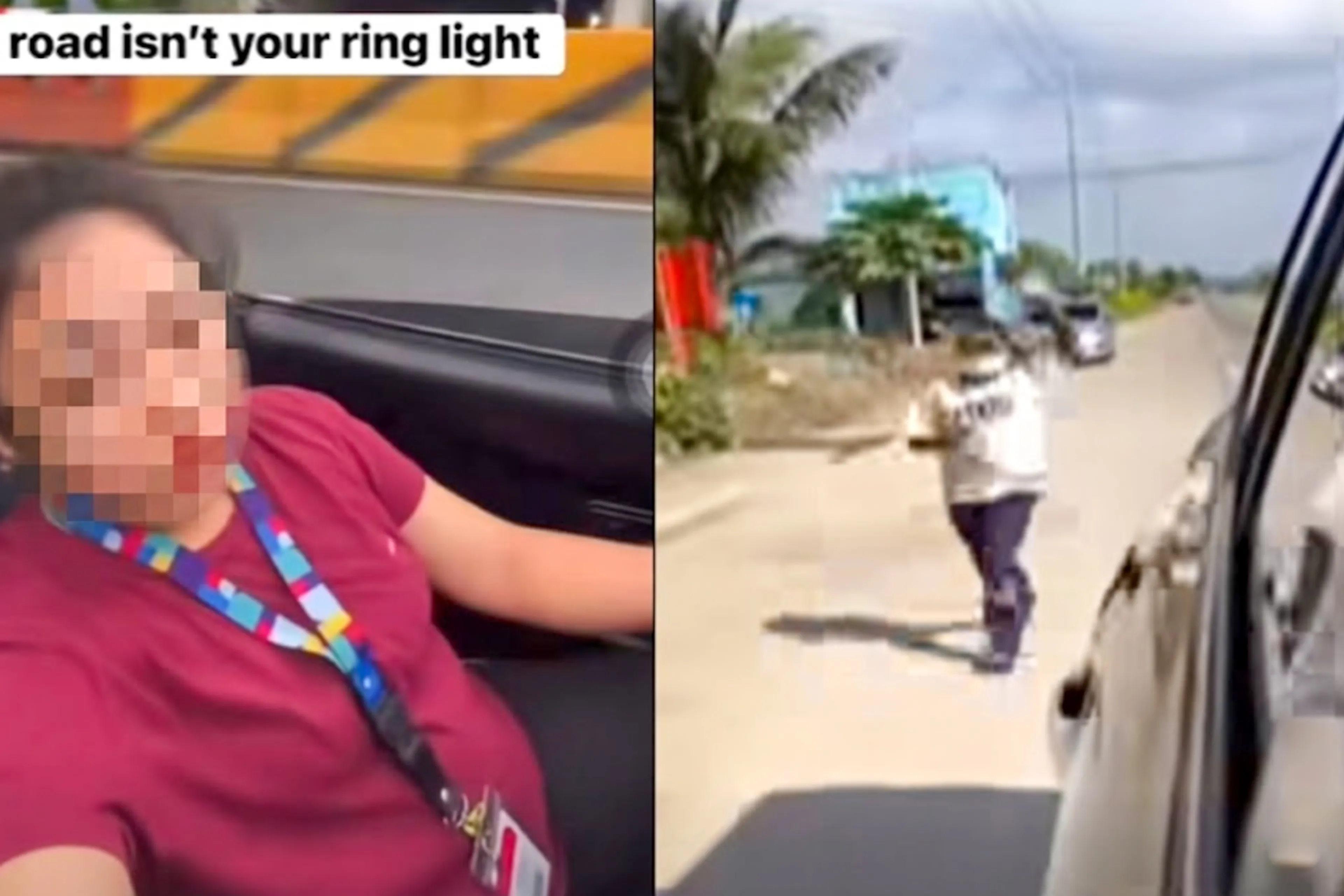
LTO issues DL suspension, revocation order vs kamote vloggers
No to kamote vlogging
Brando Rosales