
Sideswipe: A road nightmare you're forced to chug everyday
Sideswipe: A road nightmare you're forced to chug everyday
When road management feels a little too tipsy

There are many ways to enjoy driving.
You can take your car to a racetrack, attend an autocross event, or simply find an empty stretch of winding road and enjoy the scenery.
But what if you don’t need to do any of those things? What if the road brings the autocross experience to you? And unlike a racetrack, you have no option but to pay and take part?
For the purposes of this piece, let’s imagine this hypothetical road exists somewhere in the Philippines.
The first challenge is the pavement itself.
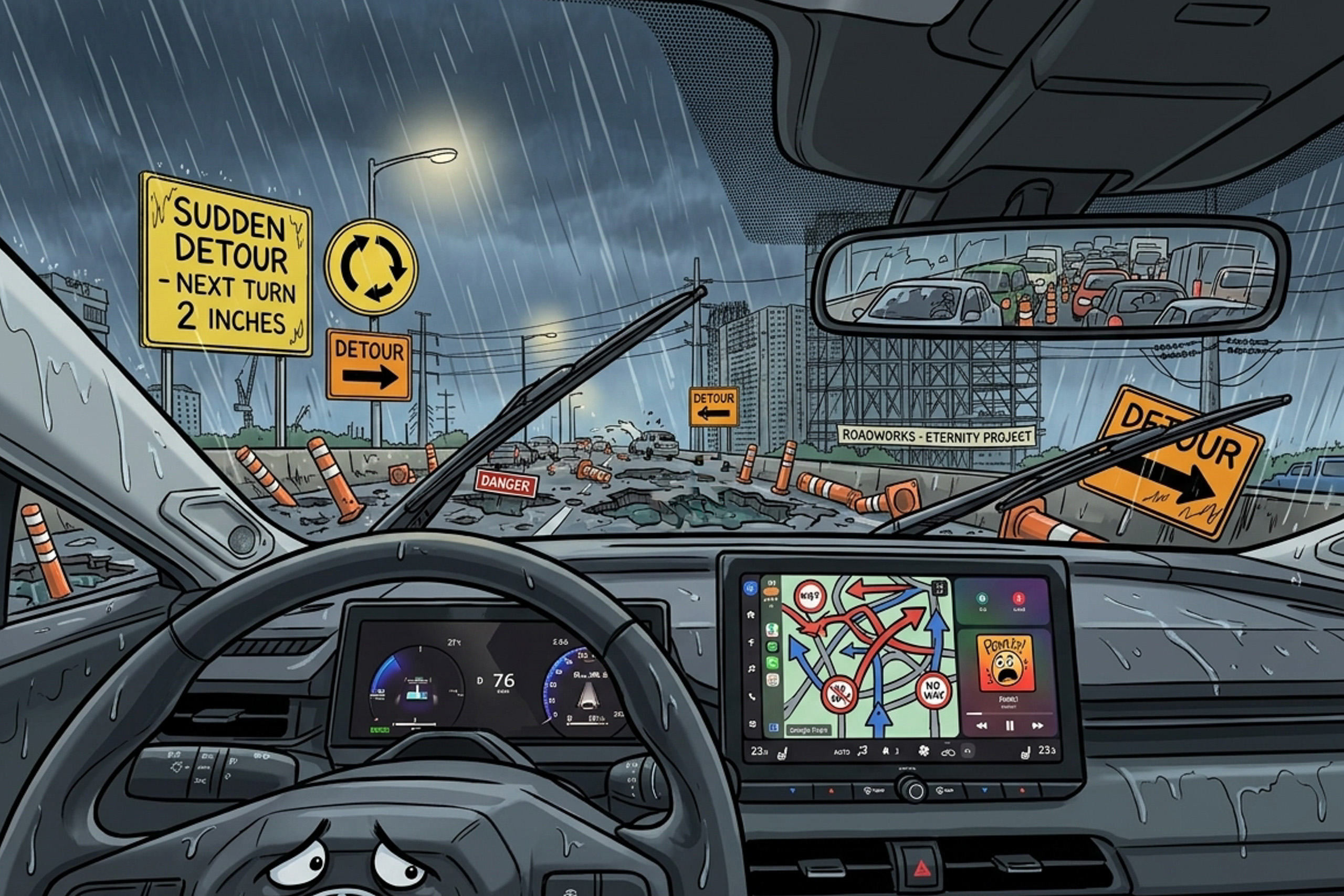
This stretch of road has uneven sections scattered throughout the route. And when it rains, just like the previous weeks, portions of the road turn into a collection of potholes and craters. Some are shallow enough to shrug off, while others look like they could swallow a wheel whole. You pass by these road sections frequently enough, and you’ll find yourself replacing tires or suspension bits as part of your yearly maintenance – just pick which one you can live with.
Then there's the stretch that deserves its own category, squeezed between the boundaries of two provinces. Think of it as an impromptu autocross course, except nobody bothered to tell the competitors, or in this case the daily motorists, where the course layout was.
One moment you're cruising along normally; the next, you're confronted with a sudden detour or lane change. Unforgiving concrete bollards sit dangerously close to the action, ready to punish anyone who gets their line slightly wrong. You hit those, and a minimum punishment would be a flat tire or a broken rim. It can only get worse from there.
The irony here is that the road has also been getting wider. More lanes should mean better traffic flow, right? Not necessarily.
Some of the newly widened portions remain as bare concrete, still waiting for the final asphalt surface (which in itself deteriorates with any downpour). What makes it worse is that the widened road eventually funnels motorists onto bridges that retain the previous lane configuration.
So after giving motorists several additional lanes to work with, the road suddenly reminds everyone that the bottleneck is still there. It's almost like giving someone a bigger funnel, but keeping the same-sized opening at the bottom.
And since it’s still a work-in-progress, construction adds another layer to the experience. Road debris left around work areas poses nasty surprises for motorists. It’s like playing Mario Kart. But instead of hitting a banana, you get rebars, metal sheets, and sharp screws.
A piece of metal or other debris might look insignificant from behind the windshield, but at highway speeds, it’s an expensive piece of shrapnel. And for the unlucky motorists, it’s an extended stay on the roadside, with hefty repair bills thrown in.
It only gets worse at nighttime, and it’s raining. With limited lighting in majority of the sections, visibility is a genuine challenge. It seems like street lighting is the least of the priorities of whoever hypothetically is operating this road section.
With rainwater combining with reflections and spray from trucks and cars, the simple act of getting home becomes a game of identifying what's road, what's puddle, and what's about to ruin your evening.
What makes all of this more frustrating is that motorists aren't exactly keeping quiet about it. There are social media groups where drivers regularly share photos, videos, and stories of their experiences (or nightmares?) traveling on this road.
Potholes, damaged tires, confusing lane arrangements, construction hazards, and traffic nightmares are being documented by the very people who use the road every day.
And yet, sometimes it feels like these complaints exist in a parallel universe—highly visible to motorists, but somehow invisible to the people who have the authority to do something about them.
You would think that a steady stream of photographs, videos, and firsthand accounts would eventually get someone's attention, but apparently, the algorithm hasn't reached the right government office yet.
Of course, there's another little detail that makes all of this particularly painful: You pay a hefty fee for this particular hypothetical road – it’s actually far more expensive than another piece of road that actually gives a better experience, except that this road heads to another location in the country.
These aren't free roads where motorists simply have to accept whatever condition they're given. We're paying toll fees every time we use them, and they're certainly not insignificant.
Perhaps that's why this entire experience of this hypothetical road is worthy of a drinking session. And considering that the hypothetical company responsible for managing the road is better known for a certain beverage, perhaps the best way to describe the entire experience is that motorists have no option but to chug. Chug through the potholes. Chug through the bottlenecks. Chug past the unfinished roadworks. Chug through the rain and darkness.
After spending hours navigating the drive, you inevitably end up with a story, and someone else might even have a worse one. One friend damaged a wheel. Another got stuck in traffic for hours. Someone nearly clipped a concrete bollard in the dark. Someone else found themselves in a lane that seemed to disappear without warning.
The difference is that this isn't a Friday-night drinking session where we're voluntarily reaching for another bottle. We're chugging because we have somewhere to be—and we're paying for the privilege.
Jokes and hypothetical scenarios aside, I believe motorists don't need a racetrack experience on their daily commute.
If this hypothetical road does exist in real life, a major road should be predictable, properly maintained, and safe, particularly during the rainy season. If ordinary motorists can see the problems clearly enough to photograph them, post them, and complain about them online, surely the people responsible for fixing them can see them too.
The LTO has proven that social media can be an effective tool for calling out unruly drivers and issuing them with SCOs. We just wish the DPWH could also do a similar thing and issue their own SCOs to contractors, operators, or whoever is being corrupt, aside from cursing through one substandard government project at a time.
Until then, if you somehow encounter a road similar to this, bring patience. Keep your eyes open. Check your tires before leaving, and remember that you have no option but to chug.
Related Posts
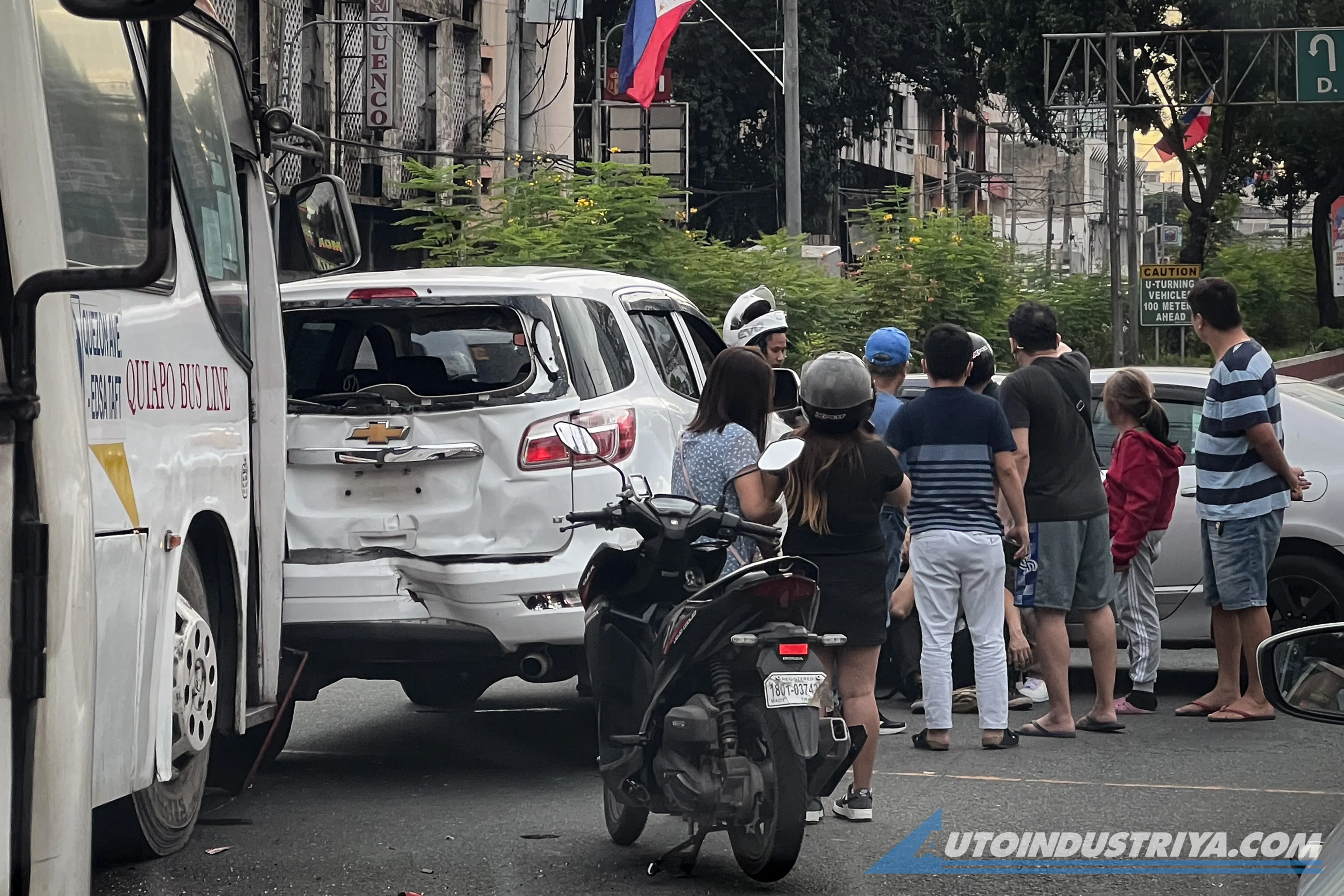
Road crash now the #1 cause of death among children, young adults
Road safety education is still absent from the school curriculum despite rising fatalities
 Brando Rosales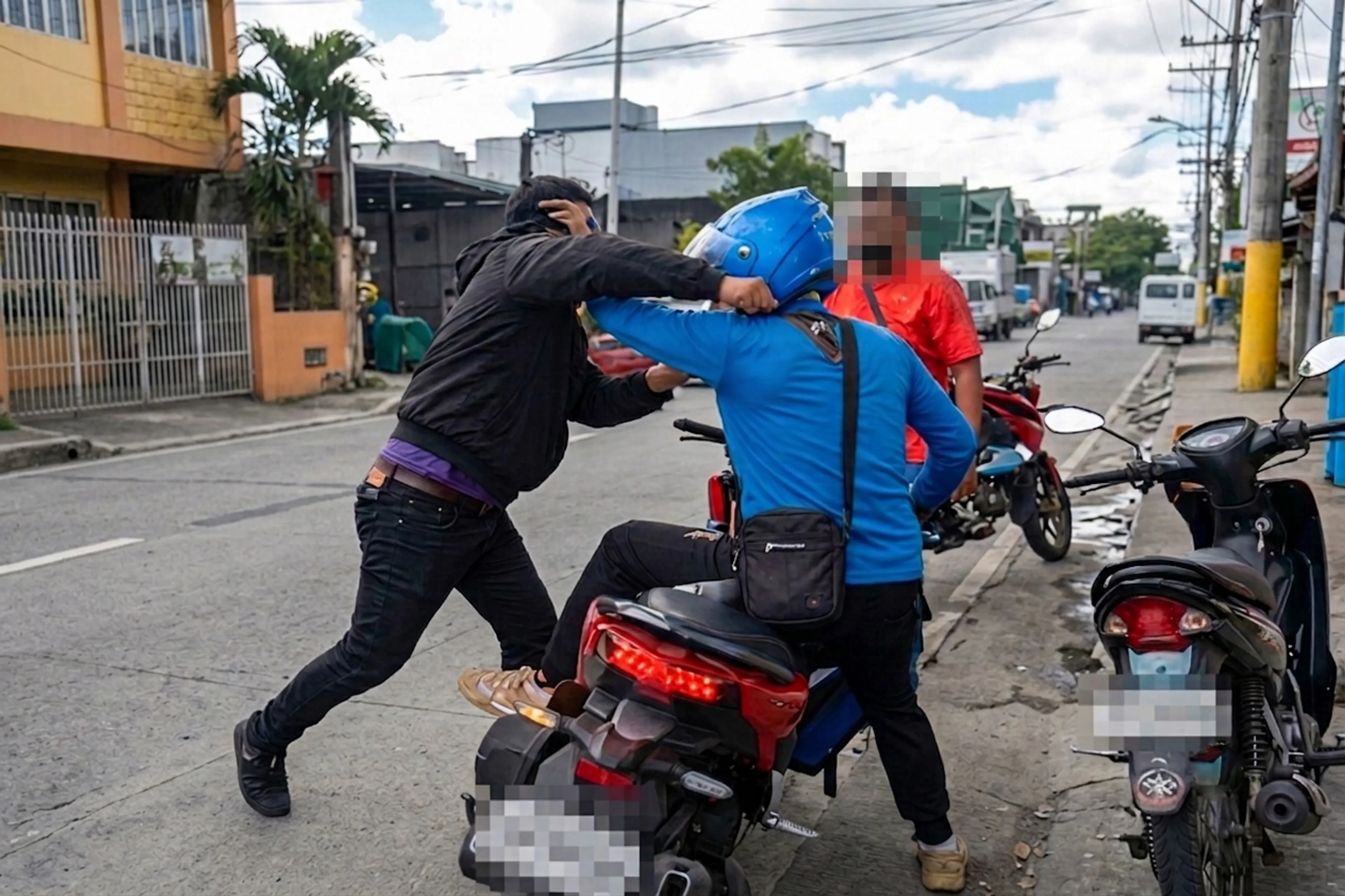
LTO Chief signs up to 100 Show Cause Orders a week vs reckless drivers
And this includes weekends and holidays
Brando Rosales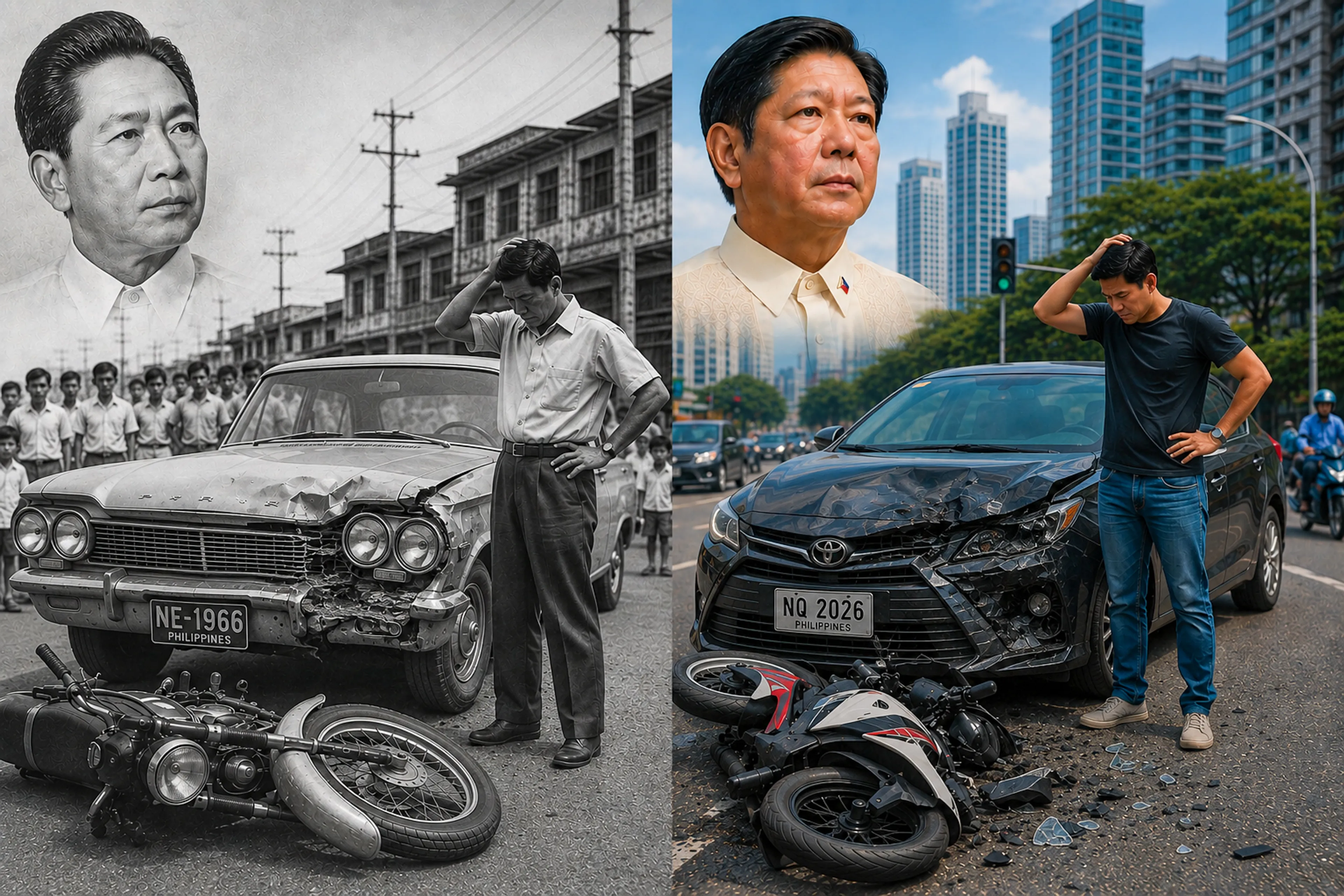
60 years later: Are Pinoys taking Road Safety seriously?
May has been declared as Road Safety Month in 1966. Problem getting worse though.
Brando Rosales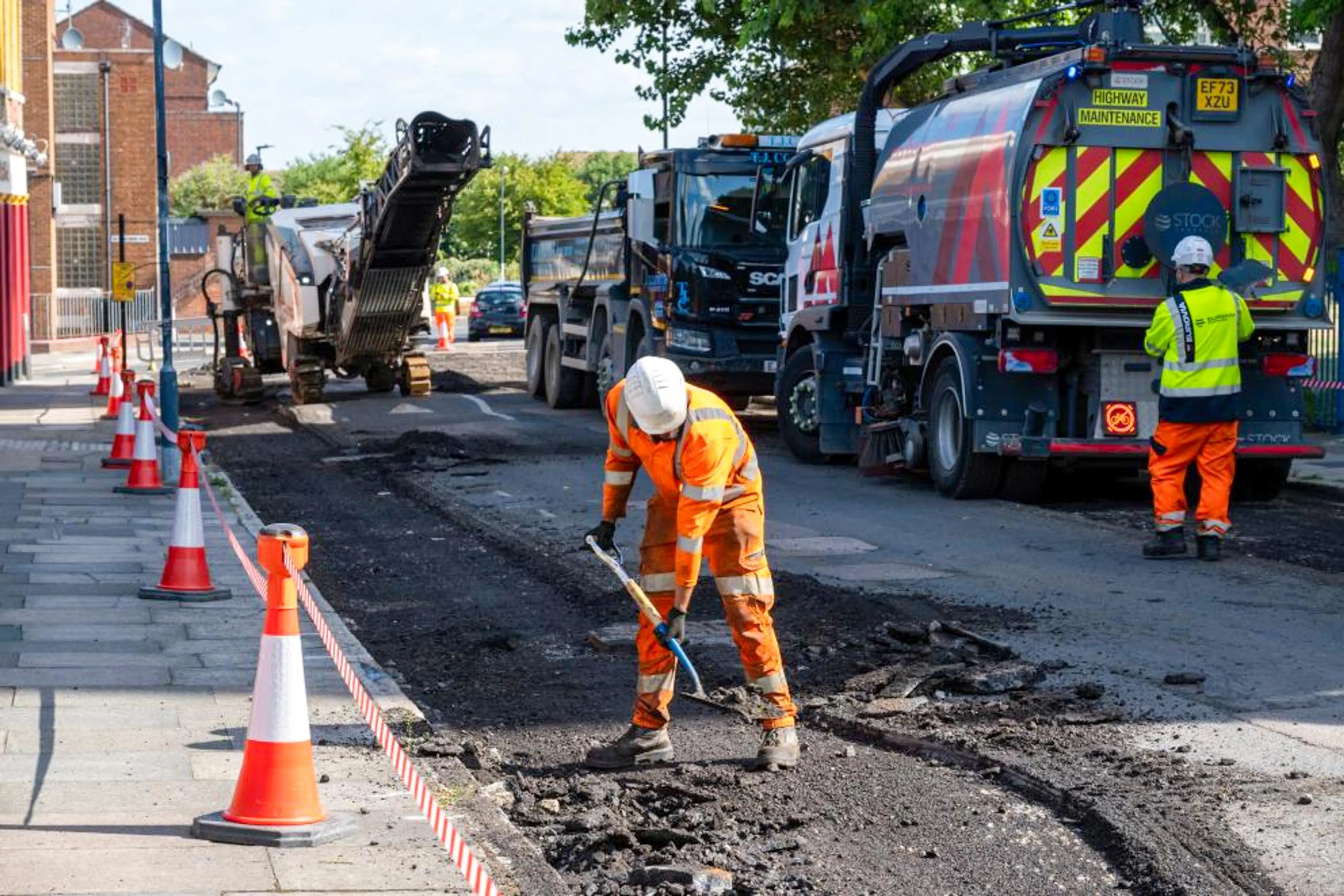
UK's "DOTr" makes LGUs accountable with pothole repair map
UK wants its people to see how well their local councils fix their roads
Brando Rosales
Motorsport-proven Landsail Tires now available in PH for value-driven motorists
Manufactured by Sentury Tire using 4.0 Smart Factory technology, Landsail Tires makes its Philippine debut through exclusive distributor Tiara Commercial and Industrial Corporation.
 AutoIndustriya.com
10 Years Strong: PartsPro celebrates a decade of serving PH automotive community
PartsPro celebrates 10th anniversary as a leading online automotive parts store in PH
 Jamil Lacuna