
Toyota says local manufacturing remains key to PH economic growth
Toyota says local manufacturing remains key to PH economic growth
Toyota sees local manufacturing as vital to PH economy

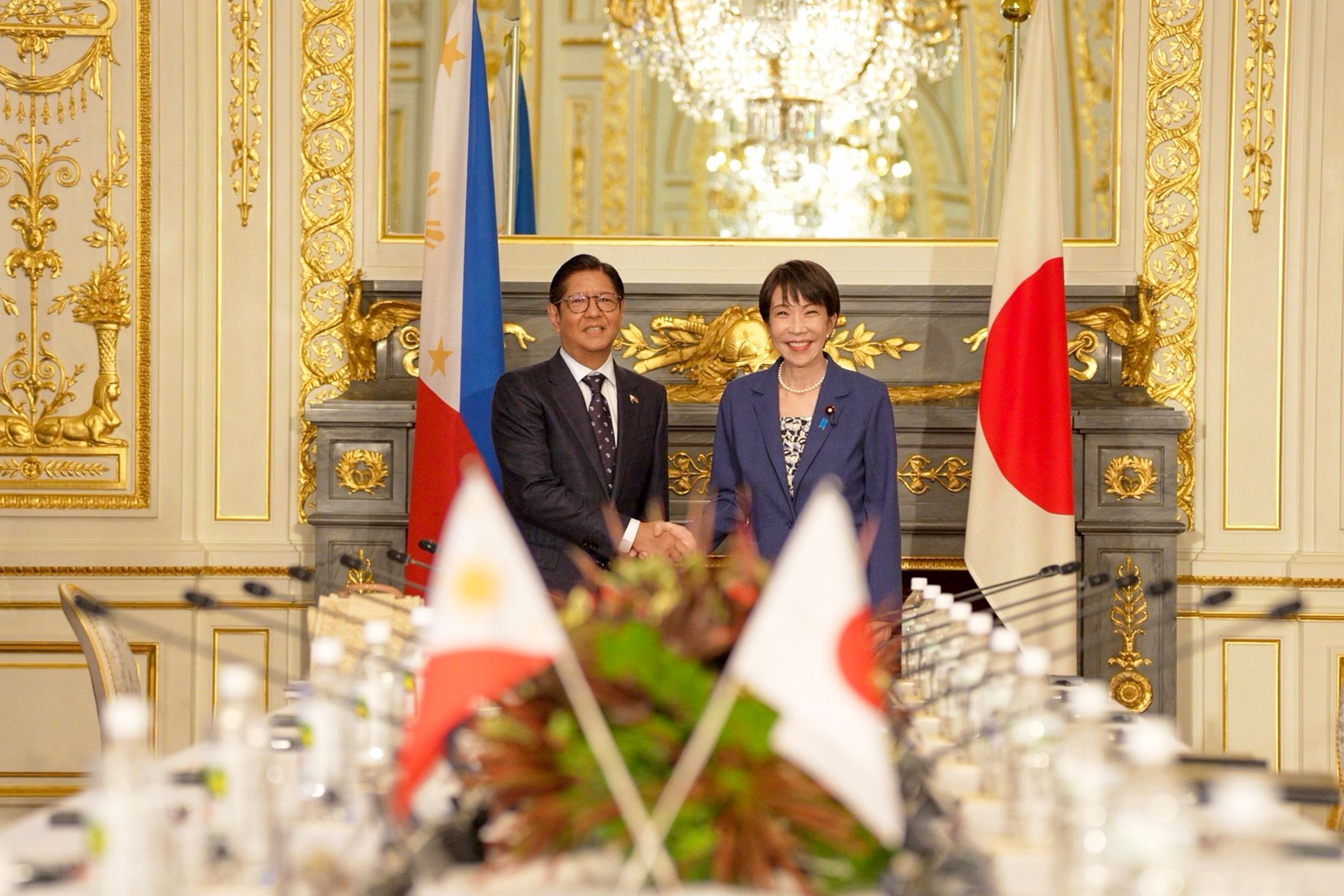
Toyota Motor Philippines (TMP) says local manufacturing continues to play an important role in economic growth, job creation, and industrial development in the country, following discussions held during President Bongbong Marcos’ recent state visit to Japan.
The discussions brought together Philippine and Japanese government officials, as well as business leaders, focusing on economic cooperation and investment opportunities between the two countries.
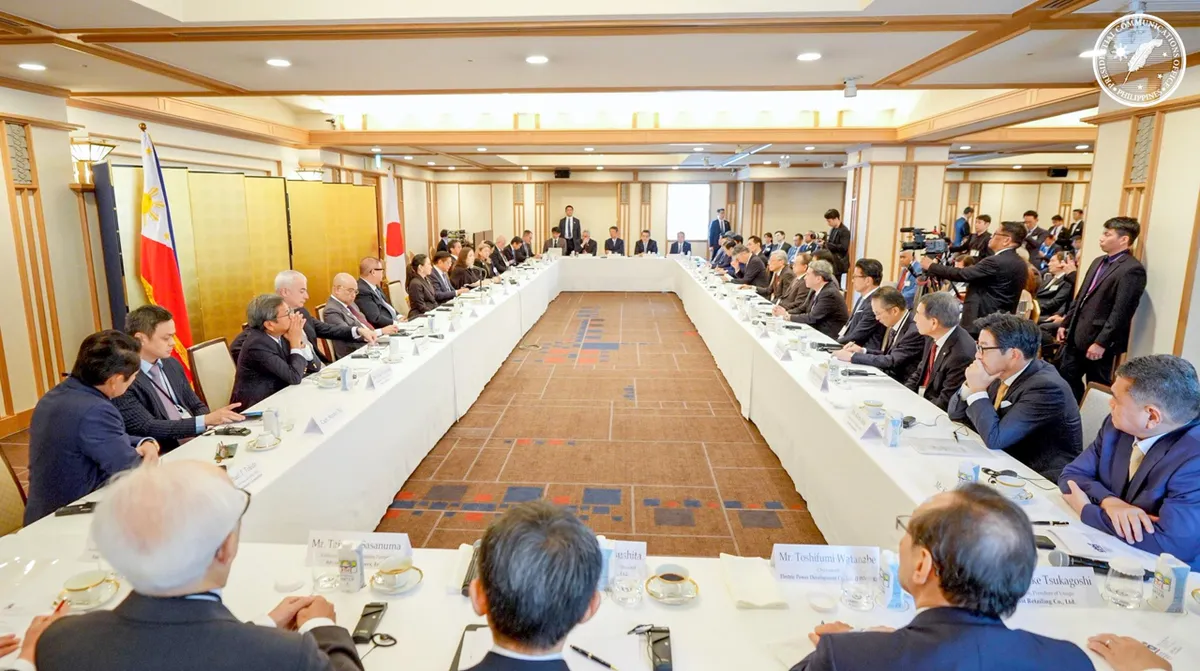
Speaking before Japanese business executives, President Marcos acknowledged the contributions of Japanese companies to the Philippine economy.
“Japanese companies have long been part of the Philippine story. But today, I want to say this clearly: you are no longer just investors in our economy; you are the builders of our economy. Across infrastructure, manufacturing, energy, mobility, logistics, digital transformation, trade, tourism, and services, Japanese enterprise has become deeply embedded in the Philippine development journey,” said the President.
Representing Toyota Motor Corporation (TMC) at the roundtable was Masahiko Maeda, CEO of Toyota’s Asia Region. Maeda pointed to Toyota’s nearly 38 years of operations in the Philippines and spoke about the company’s continued support for the country’s industrial development.
“Toyota remains committed to being a reliable, long-term partner to the Philippines, supporting industrial development and ASEAN cooperation,” said Maeda.
Maeda also urged the Philippine government to continue promoting completely knocked-down (CKD) vehicle manufacturing across various technologies.
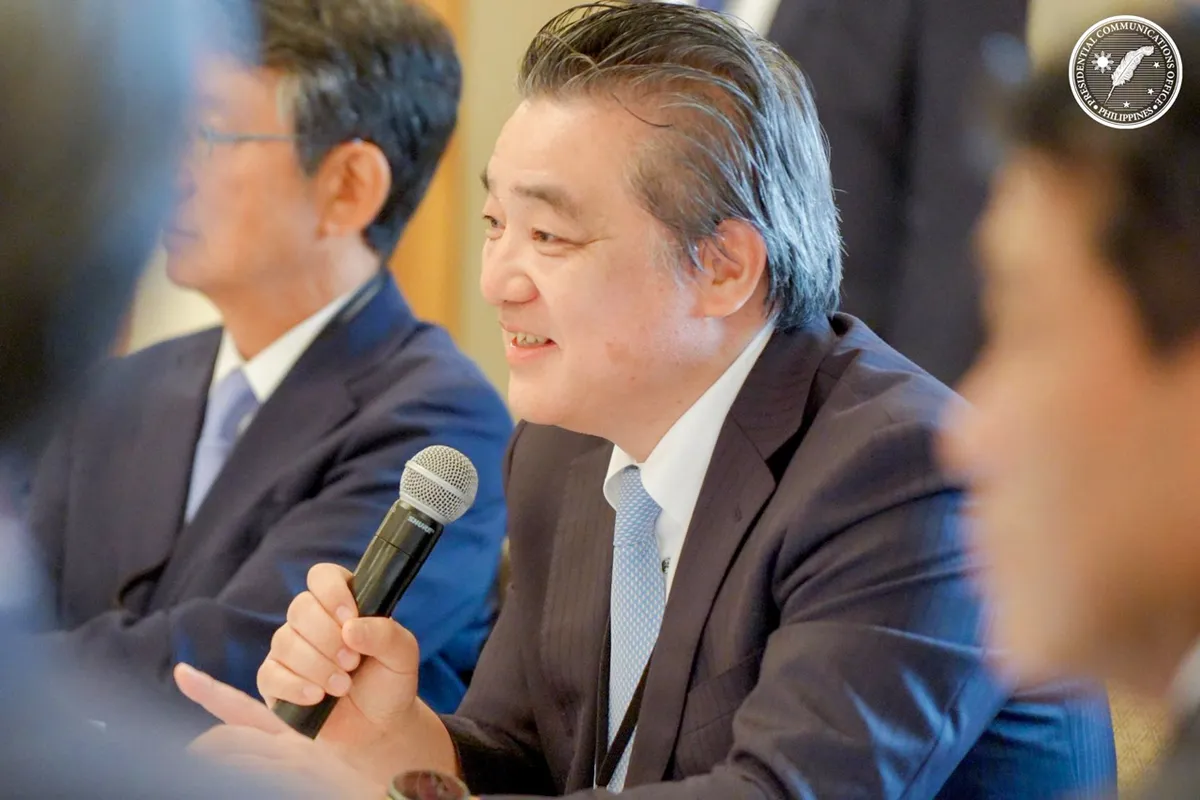
Toyota Asia Region CEO, Masahiko Maeda
"We encourage the government to promote CKD-based local manufacturing across all technologies. This will help micro, small, and medium enterprises (MSMEs), deepen localization, strengthen local suppliers, including conversions, attract investment, and sustain employment,” he added.
Toyota’s message comes at a time when the local automotive industry is seeing increased competition from imported vehicles and a growing number of electrified models, more particularly, from China. According to Toyota, local manufacturing remains an important part of building a stronger automotive sector because it creates thousands of jobs, develops technical expertise, supports local suppliers, and generates export revenues.
One example is Toyota Aisin Philippines (TAP), which manufactures manual transmissions for export markets. According to Toyota, cumulative transmission exports have already exceeded USD 3.8 billion. That’s roughly PHP 235 billion at current exchange rates.
Another topic raised by Maeda was the role of biofuels in strengthening both energy security and the local economy. He pointed to higher biofuel blends such as E20 (gasoline with 20% ethanol) and B5 (5% coconut-based biodiesel) as practical ways to reduce dependence on imported fuel while creating new opportunities for Filipino farmers to become part of the country’s energy supply chain.
The roundtable ended with Japanese companies expressing confidence in the Philippines’ economic direction. For Toyota, continued cooperation between government and industry remains key to sustaining investments, creating jobs, and ensuring that the long-standing partnership between the Philippines and Japan continues to deliver benefits for both countries in the years ahead.
Related Posts
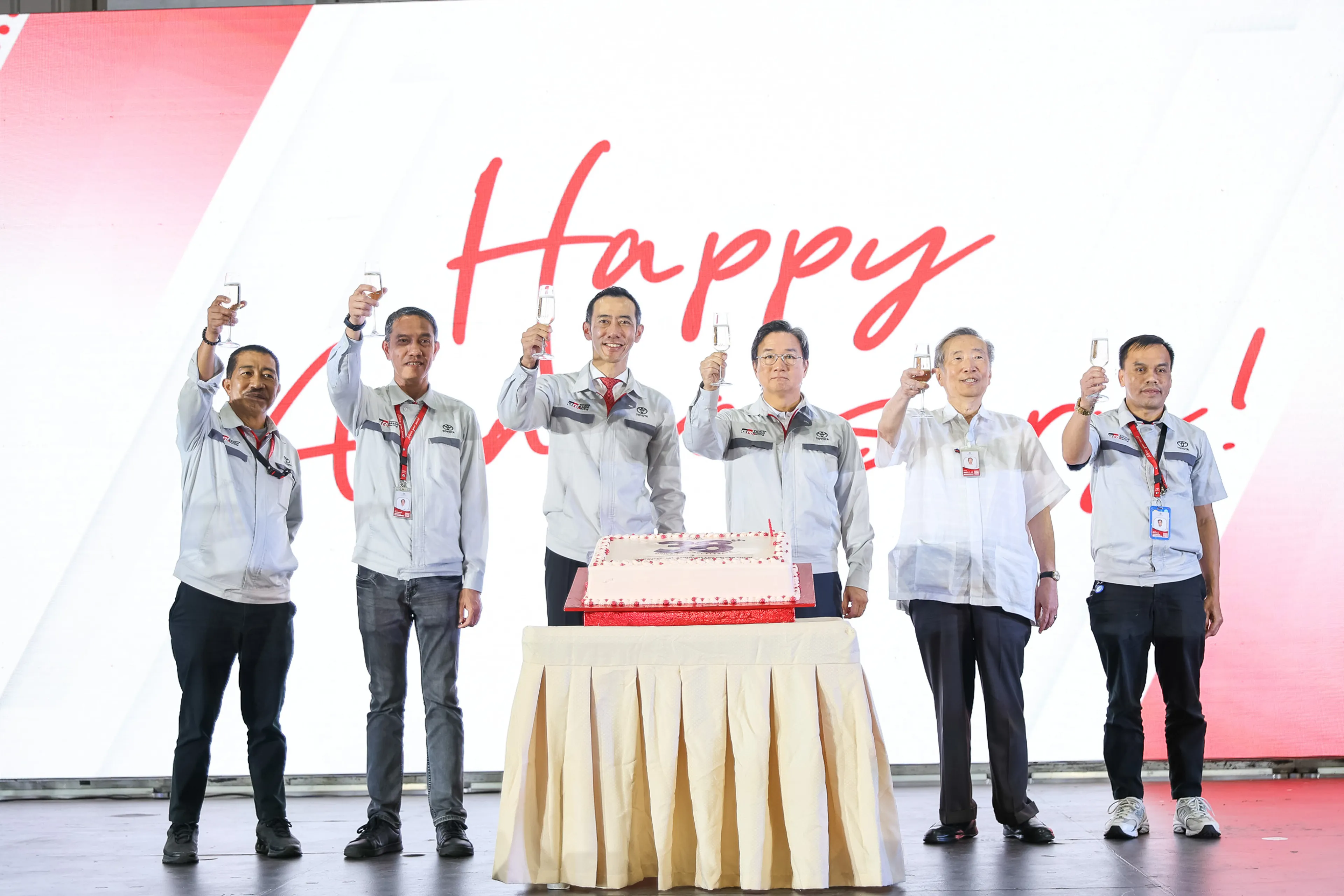
Toyota PH celebrates 38th anniversary; targets 3 million cumulative sales
The leading automaker in the country celebrates in a big way for its 38th anniversary
 AutoIndustriya.com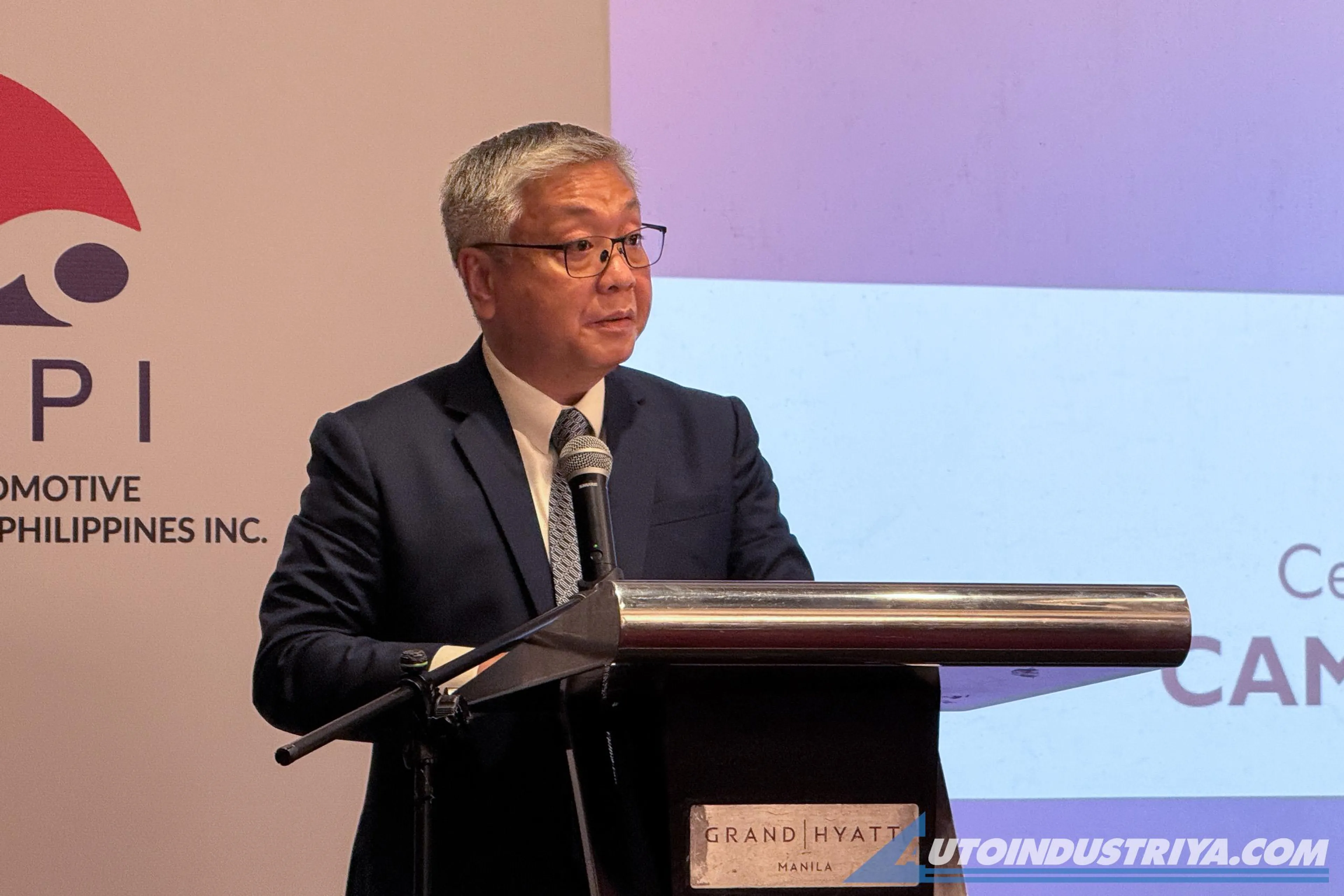
Toyota EVP Jing Atienza takes new post as CAMPI president
Jing Atienza succeeds Atty. Rommel Gutierrez who served as CAMPI president for over a decade
 Jamil Lacuna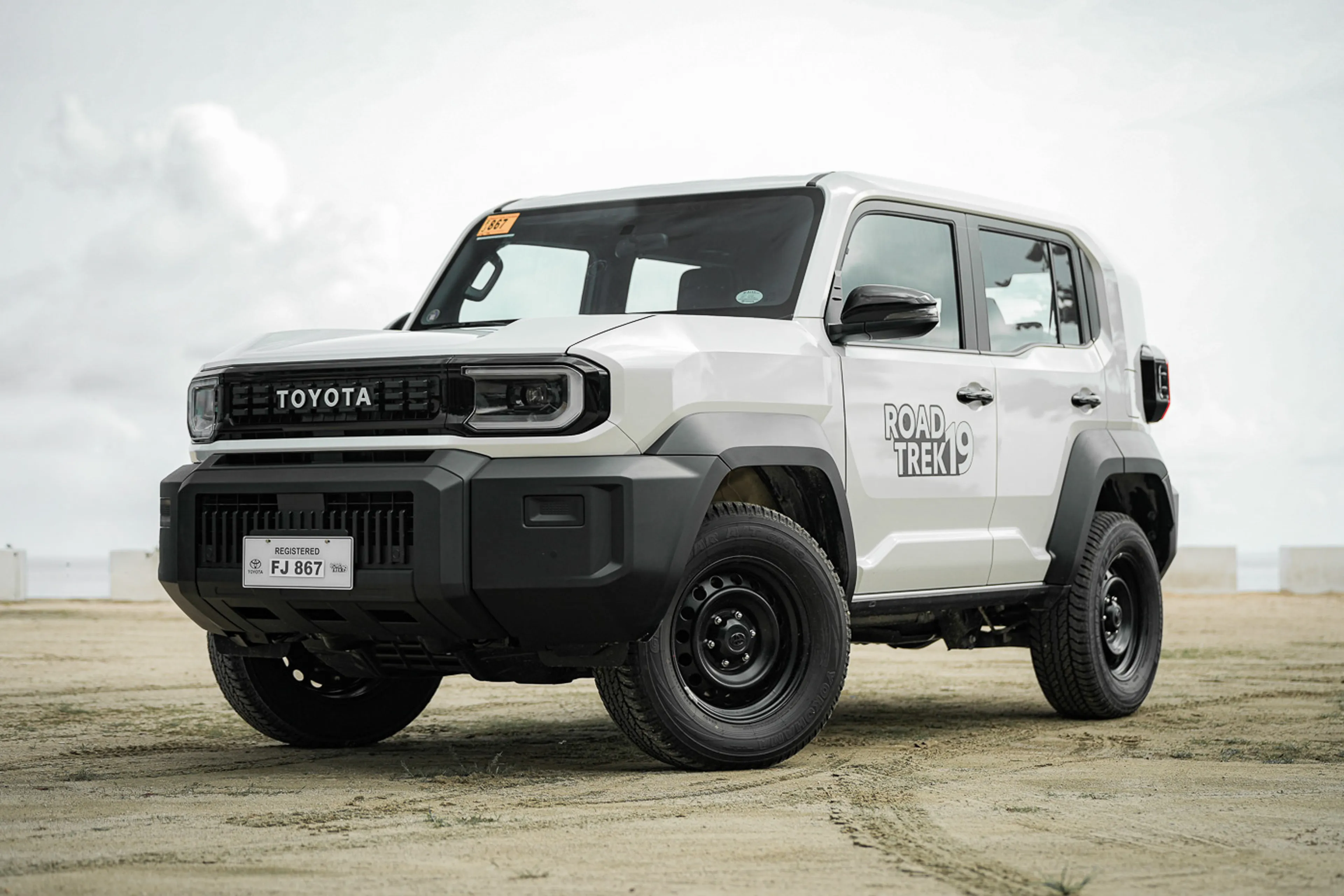
Toyota PH begins retail sales of Land Cruiser FJ
Toyota Land Cruiser FJ starts at PHP 2.235 million
AutoIndustriya.com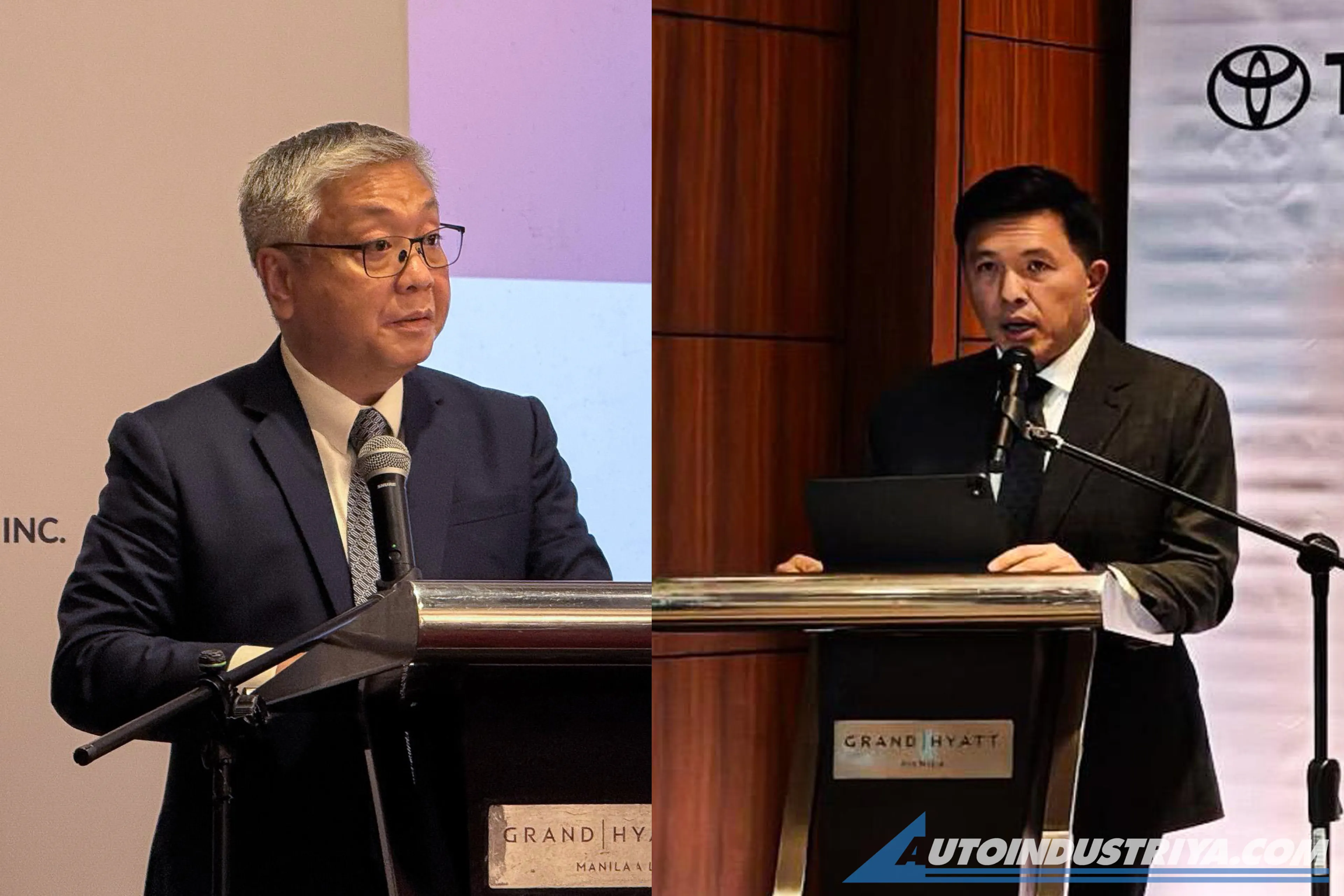
Toyota Motor PH realigns leadership with Jing Atienza taking on new CIO role
Toyota Motor Philippines appoints Jing Atienza as new CIO, with Sherwin Chua-Lim getting expanded role as SVP
Jamil Lacuna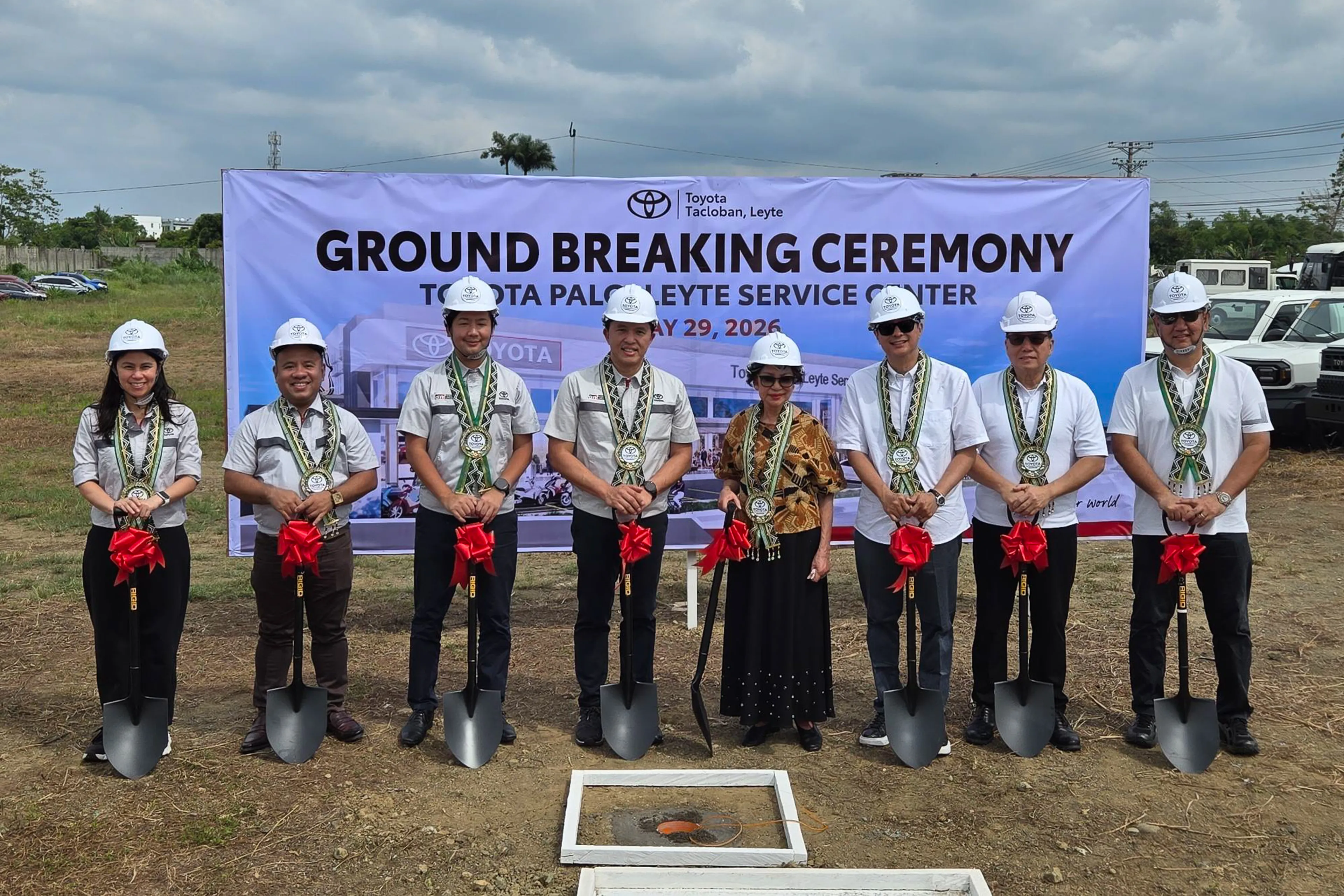
6,000 square meter Toyota Service Center in Palo, Leyte breaks ground
The upcoming Toyota Service Center in Palo, Leyte is expected to be operational by mid-2027
AutoIndustriya.com
Toyota Choice Ambassadors Ben&Ben to Perform Live at PIMS 2026
Fusing Filipino music with modern mobility, Toyota Choice ambassadors Ben&Ben will treat car show visitors to an exclusive live set on the second day of PIMS 2026.
AutoIndustriya.com