
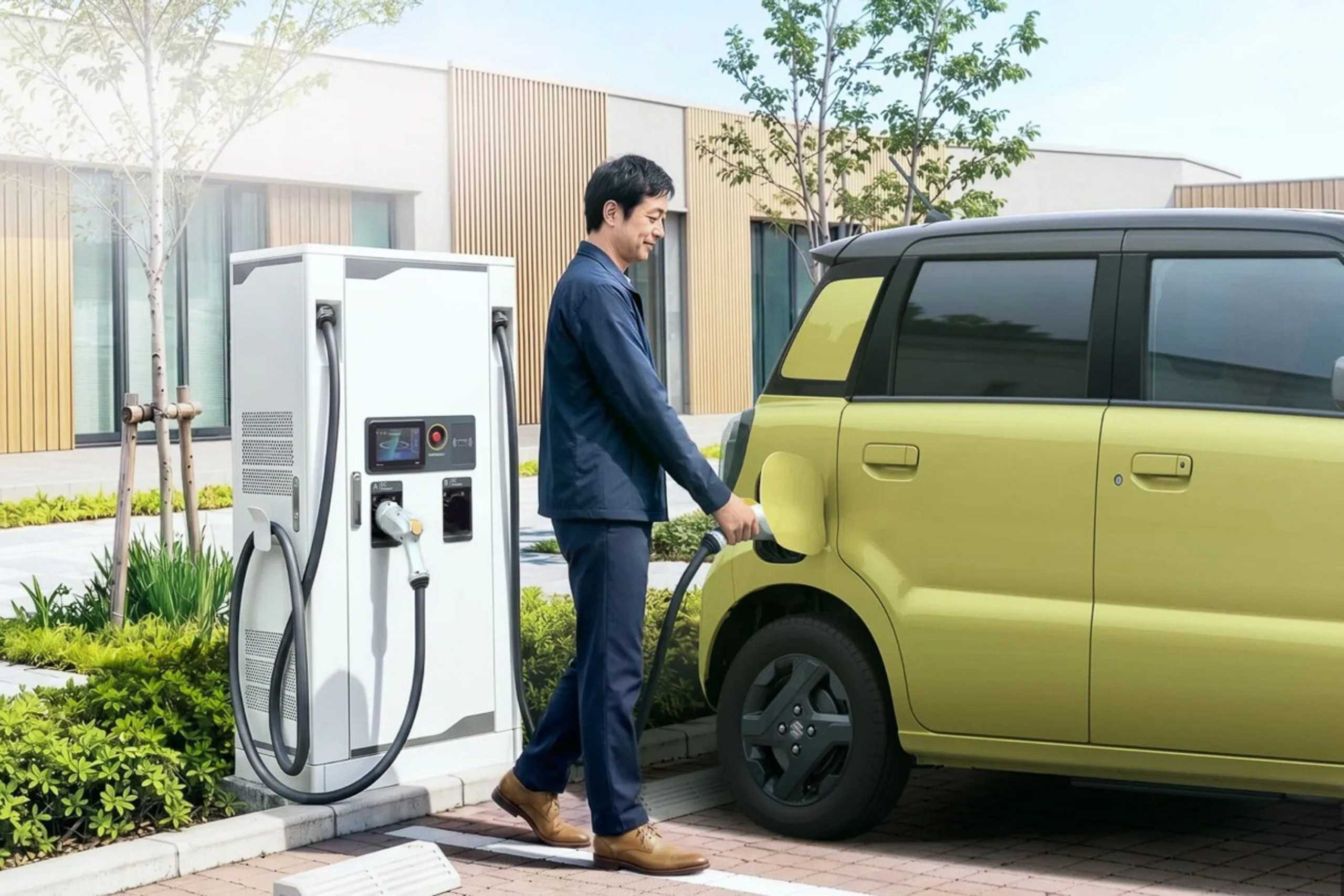
Suzuki confirms it will build series HEV, range-extended EV powertrains
Suzuki confirms it will build series HEV, range-extended EV powertrains
Suzuki reveals 10-year tech roadmap, faster vehicle development strategy

Suzuki plans to develop and produce vehicles and powertrain technologies faster after the Japanese automaker announced its 10-year tech roadmap. Not only that, but Suzuki shared that it will also develop new e-Axles that can be used in next-generation electric vehicles (EVs), hybrid electric vehicles (HEVs), and light range-extended EVs (REEVs) or plug-in hybrids (PHEVs).
Starting with vehicle development, Suzuki said that by 2030, it will cut new vehicle development lead time by half, while also improving development efficiency by 30% and manufacturing efficiency by 50%. Suzuki will also strengthen its global business foundation in Japan and India by optimizing product development and mass production development for each market by leveraging technologies developed in Japan.
Meanwhile, India will be strengthened further as a manufacturing and export hub for delivering products to customers around the world. In fact, Suzuki aims to achieve an annual production capacity of approximately 4 million units in fiscal year 2030 and beyond.
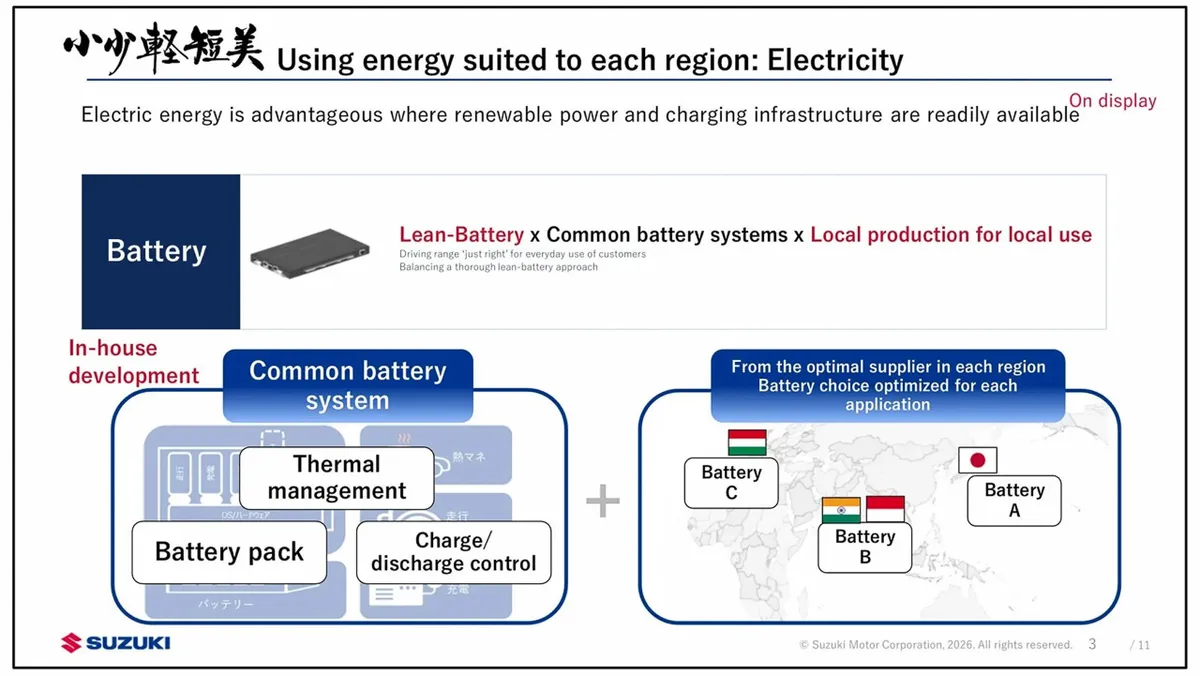
As for Suzuki's new e-Axles, the automaker said that the e Sky's 3-in-1 e-Axle system will evolve into a 6-in-1 modular system. This can then be used in larger EVs and HEVs under the brand's “Right x Light Mobile Tech”. Moreover, the 6-in-1 e-Axle system can be used in small and larger vehicles.
Suzuki says that in mini and A-segment vehicles, the e-Axle comes with 70 kW (or 95 PS) in 2WD applications. In larger vehicles, however, Suzuki is looking at the motor to produce up to 130 kW (or 177 PS). In the future, there will also be an additional motor to deliver electric 4WD (e 4WD), which will produce an additional 10 kW (or 14 PS) in smaller vehicles and up to 30 kW (or 41 PS) in bigger vehicles.
Suzuki will also improve its mild-hybrid (MHEV) system by targeting to lower their carbon emissions by up to 15%. This also translates to 150kg of fewer CO2 emissions per 10,000 km. The MHEV will be used in smaller cars and superminis.
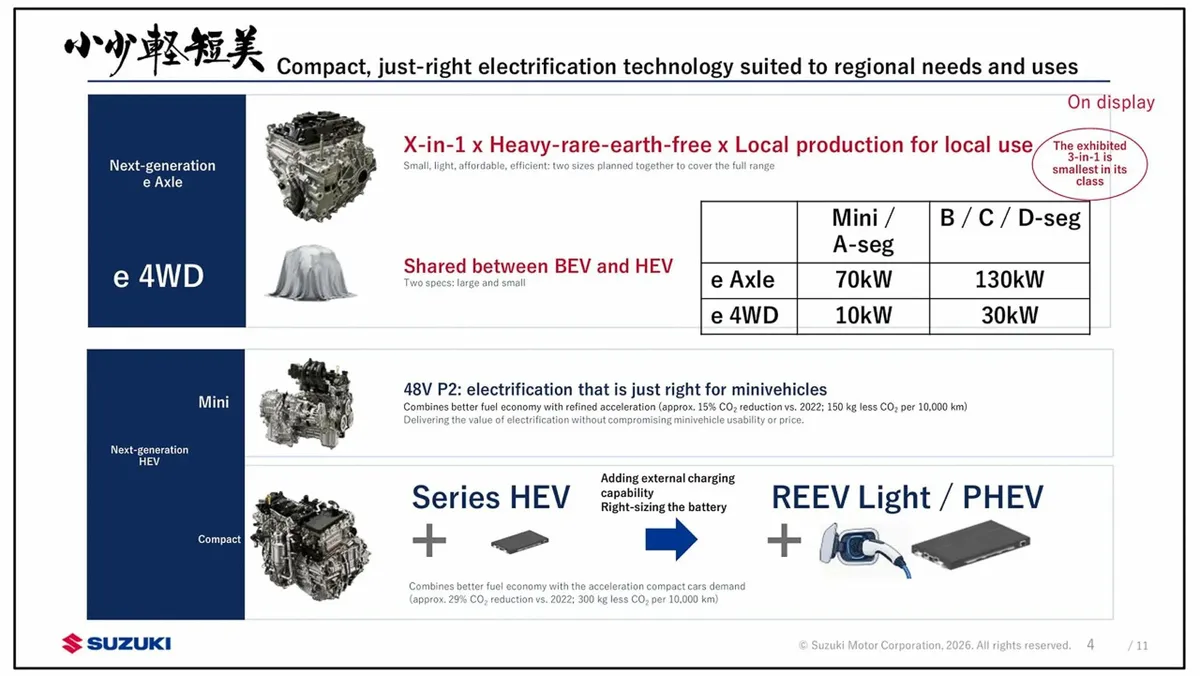
As for the HEV, Suzuki says they will use a series hybrid, which means it may likely function like Nissan's e-Power. The engine will mostly serve to recharge an onboard battery, while an electric motor drives the wheels. Suzuki is aiming for its Series HEV to have a 29% reduction in CO2 emissions, which translates to CO2 savings of up to 300 kg per 10,000 km.
Beyond the series hybrid, Suzuki engineers also plan to evolve the HEV system into a light REEV powertrain, turning it into a plug-in hybrid. Suzuki claims that the REEV system will not include a heavy battery and will instead serve to keep range anxiety at bay for customers who want an EV but prefer to also have a self-charging system on the go.
There are no exact models yet as to which Suzuki cars will get the new HEV and REEV systems. However, there are rumors going around that the Fronx might get the series hybrid powertrain. Meanwhile, the REEV system could be used in bigger vehicles that will suit certain markets.
With Chinese automakers leading the charge with EVs and PHEVs, perhaps Suzuki's multi-pathway strategy will work in their favor. But with their long-term plan set for 2030, the ship might have already sailed by then. Whatever the case may be, it's high time Suzuki joined the EV, HEV, and PHEV/REEV arena with their own electrified powertrains.
Related Posts
Ford PH to get HEV, PHEV models from Changan joint venture?
It looks like Ford is banking on bringing more electrified vehicles via the Changan joint venture
 Vince Pornelos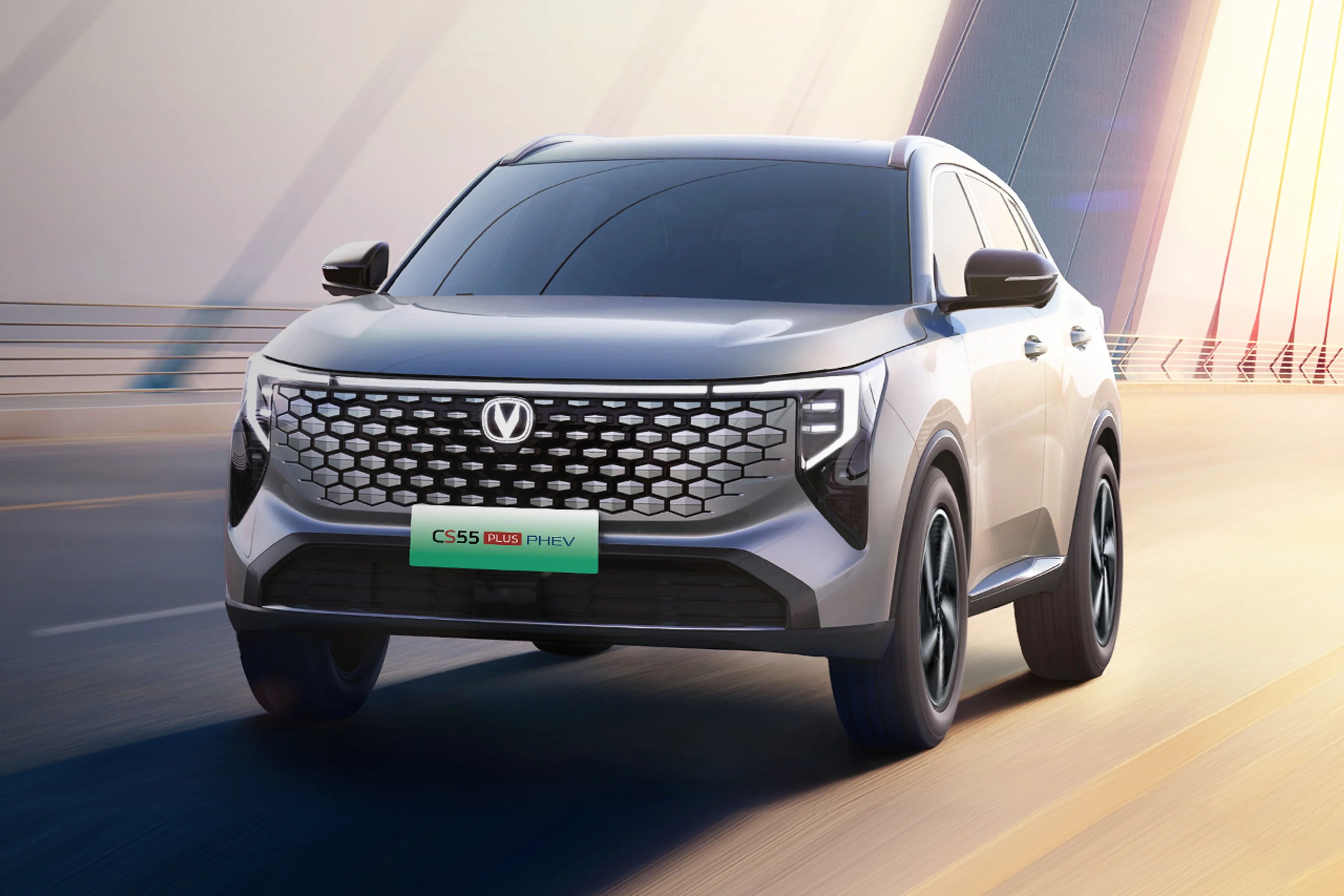
Refreshed Changan CS55 to get HEV & PHEV variants in PH?
It looks like Changan is set to launch more electrified models as it moves away from the Changan partnership
 Marcus De Guzman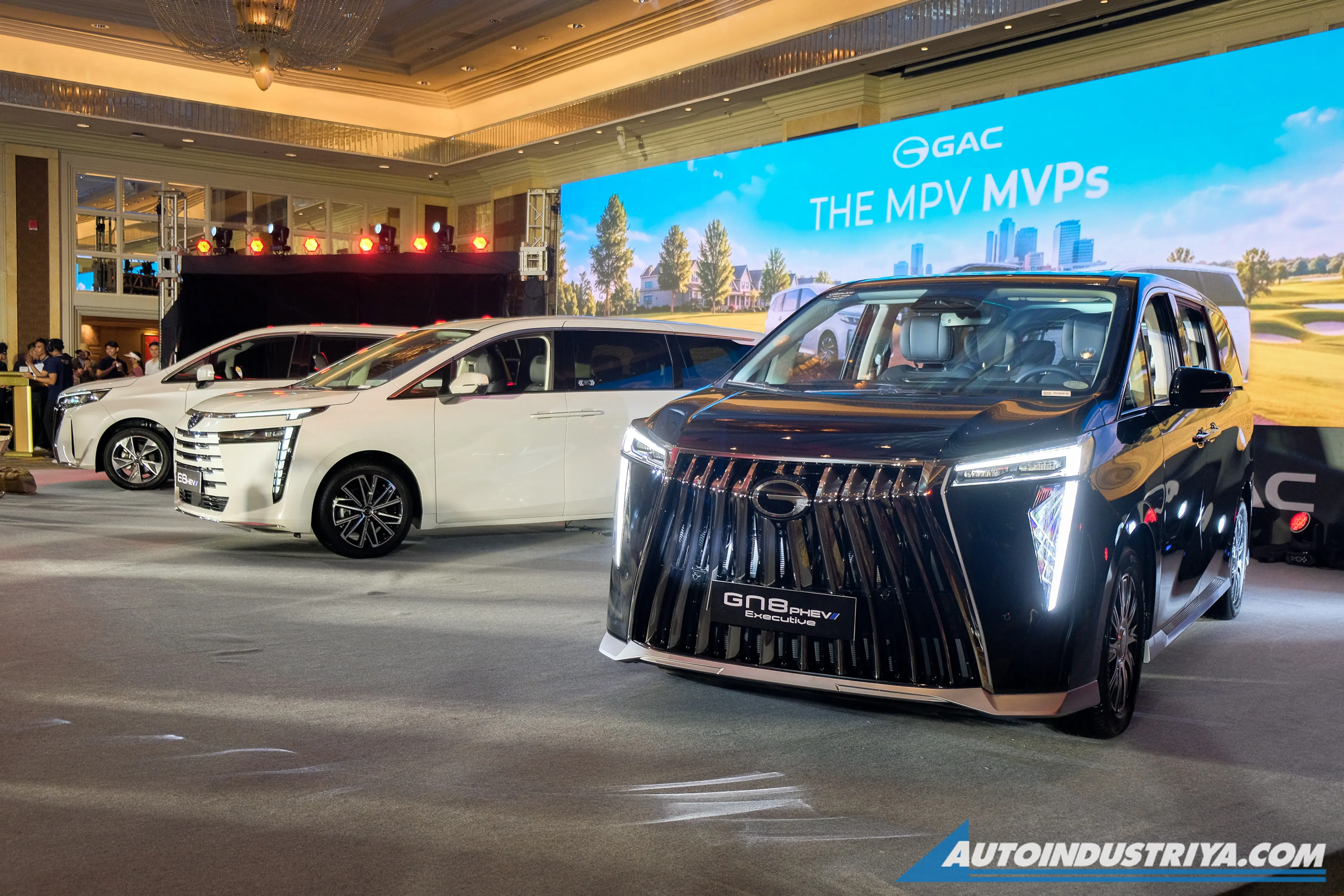
GAC launches GN6, E8 HEV, and GN8 PHEV three-row MPVs in PH
GAC GN6, E8 HEV, and GN8 PHEV now available in PH
Marcus De Guzman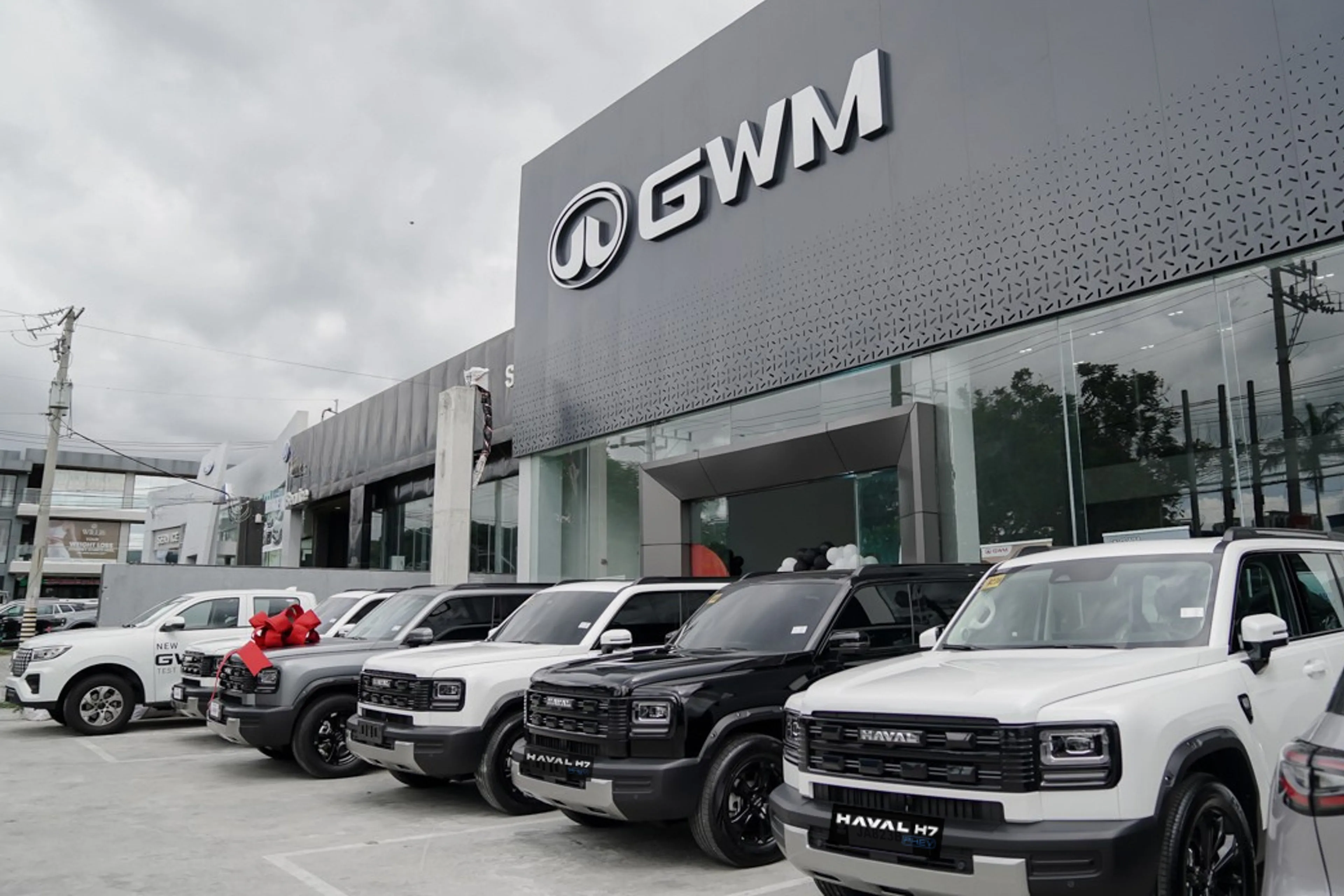
GWM starts rollout of 2026 Haval H7 to nationwide dealers
GWM Philippines begins nationwide delivery of 2026 Haval H7 units
 AutoIndustriya.com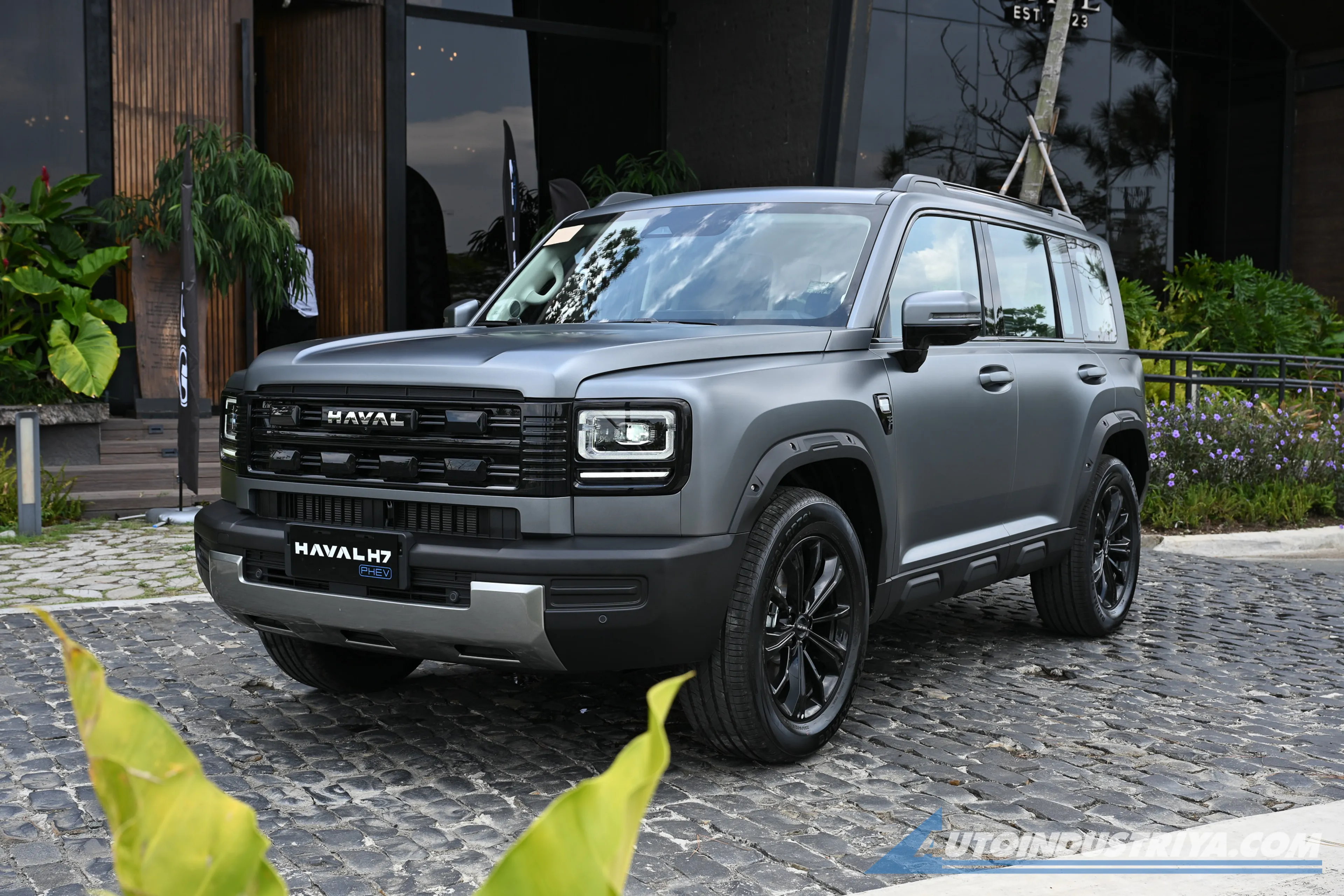
2026 GWM Haval H7 begins at PHP 1,298,888
GWM Haval H7 is available in HEV and PHEV variants
Marcus De Guzman
After MIAS preview, GWM Haval H7 HEV & PHEV to debut next week
GWM is set to disrupt the electrified crossover SUV market with the Haval H7
Marcus De Guzman