
Kia to have 14 EV models, aims for 1 million EV sales by 2030
Kia to have 14 EV models, aims for 1 million EV sales by 2030
Kia is doubling down on EV target sales, production, and accessibility

Yesterday, we reported that Kia plans to have 1.1 million units of hybrid electric vehicles (HEVs) by 2030. These include launching 13 HEV models by 2030, including a body-on-frame pickup truck with HEV or extended-range EV (EREV) powertrains. Last but not least, the Korean automaker targets to have annual sales of 4.13 million units or 4.5% market share by 2030.
All well and good, but Kia will not only be relying on internal combustion and HEV models to achieve its goals. To complement this, Kia also announced to enhance its EV portfolio and competitiveness.
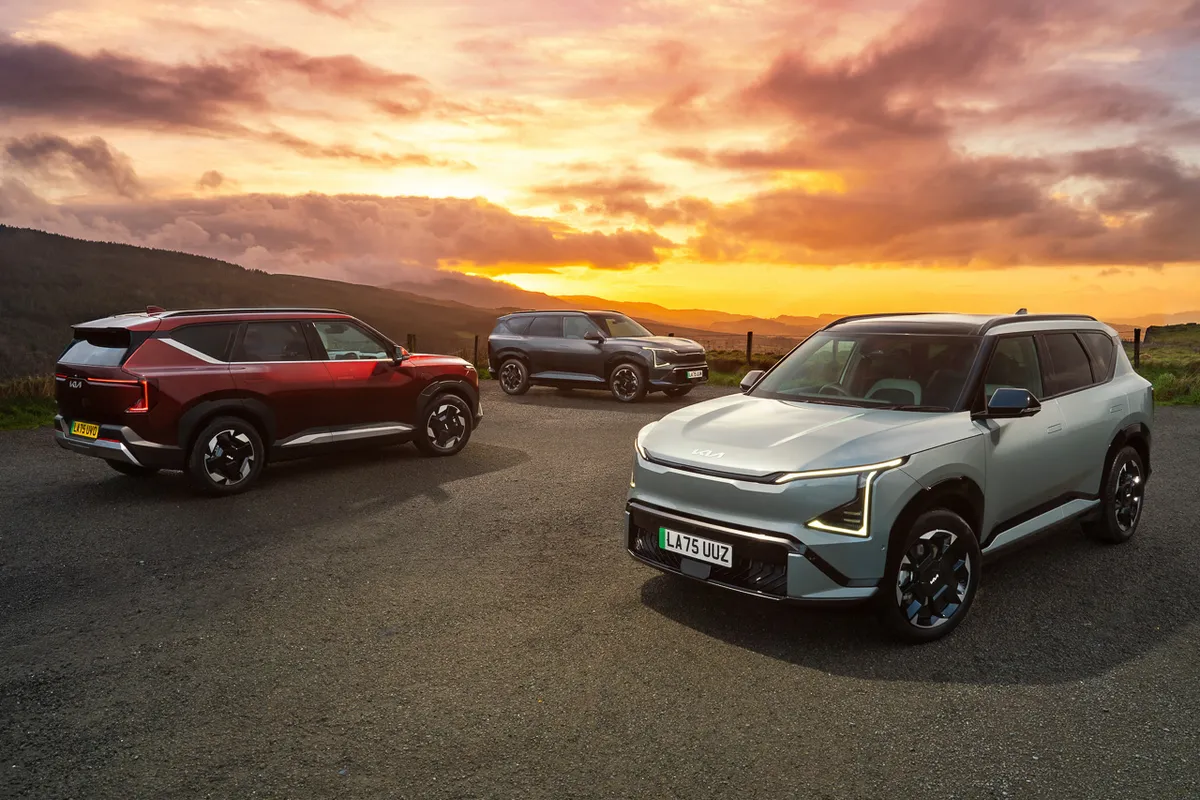
Kia aims to achieve annual EV sales of 1 million units and a 3.8% market share of the global EV market by 2030. To do this, the Korean automaker is focusing on three strategic pillars:
-Enhance EV product competitiveness
-Improve EV accessibility
-Strengthen EV supply chain
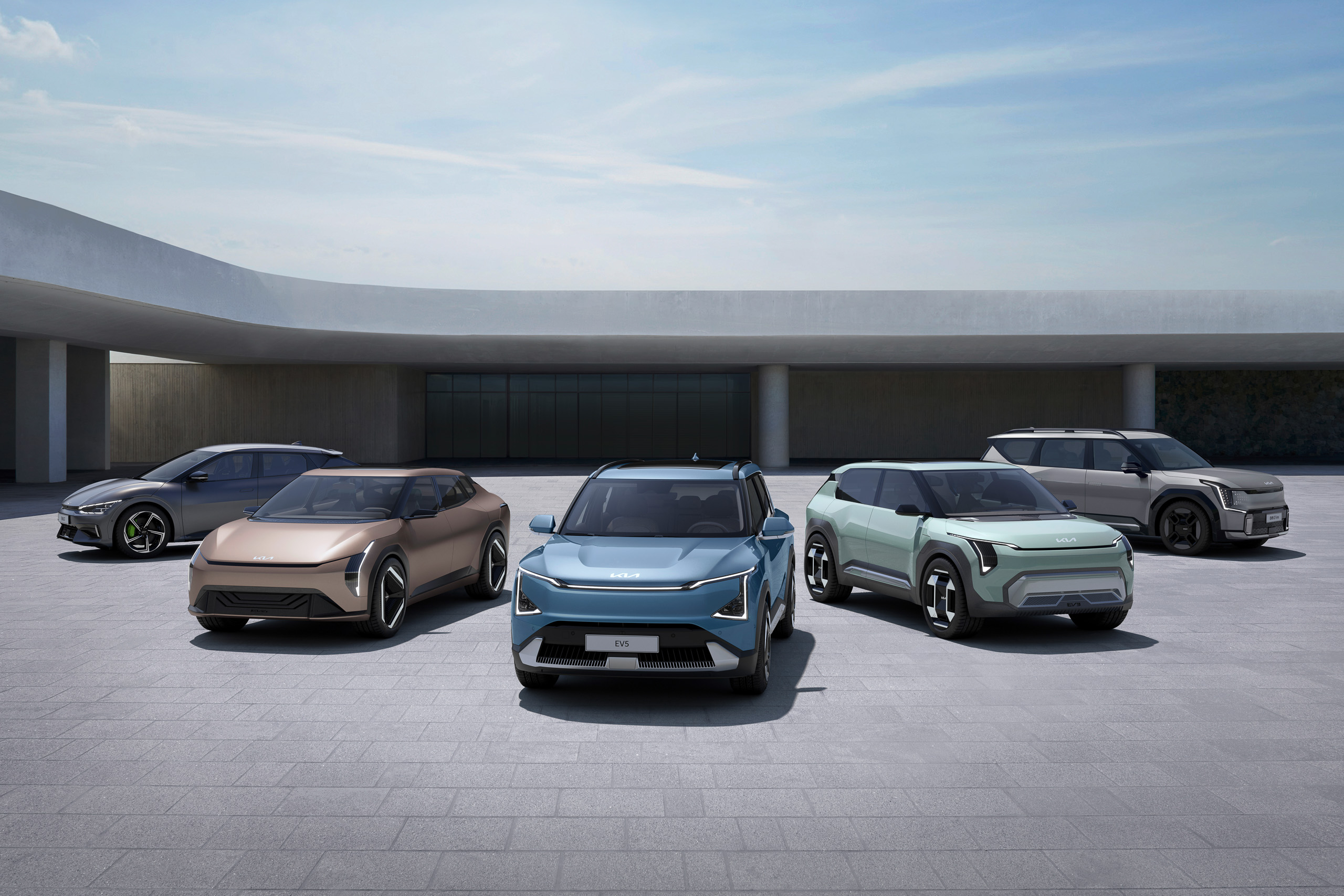
From having 11 EV models in 2026, Kia plans to expand its EV lineup to a total of 14 models by 2030. It will comprise two passenger vehicles, nine SUVs, and three Platform Beyond Vehicles (PBVs). Starting this year with the launch of the Kia EV2 and Syros EV, the company will continue to launch high‐volume EV models, alongside new offerings such as a C‐segment SUV EV and expanded PBV lineup, to broaden customer choice across key market segments.
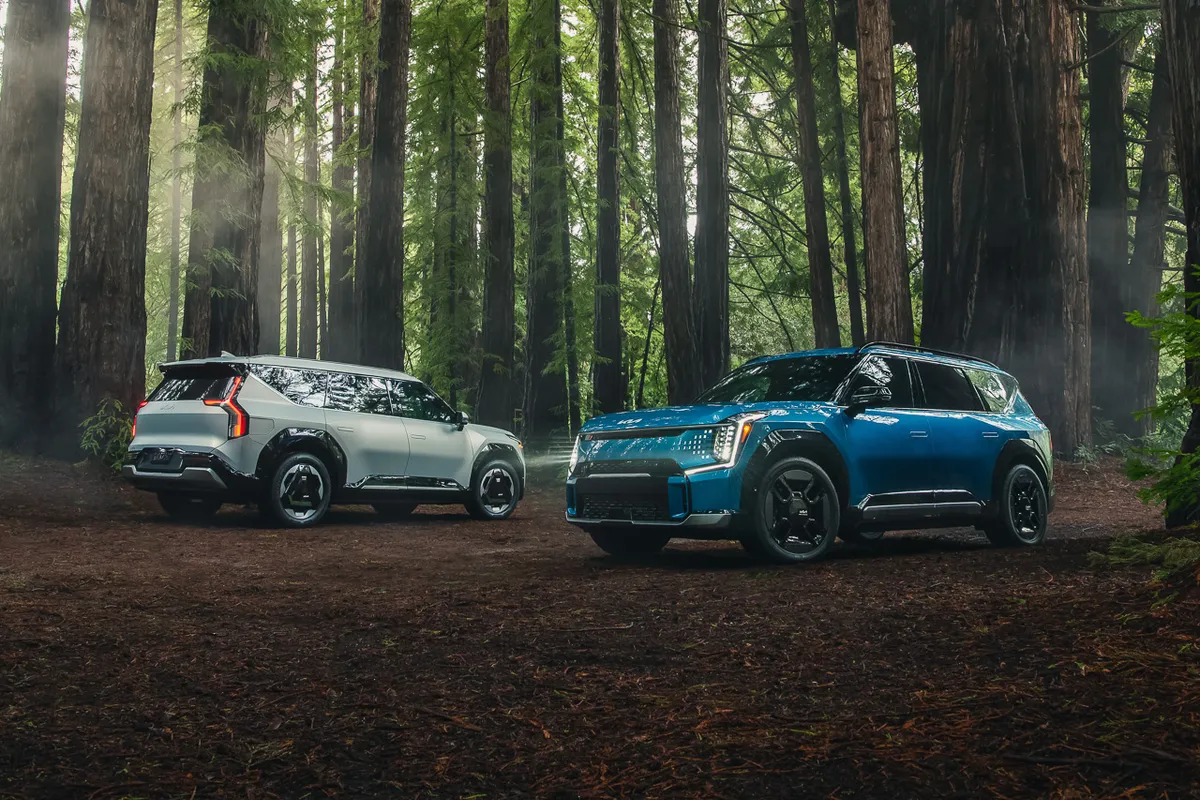
Not only that, but Kia is also developing its next-generation EV platform to significantly enhance both product performance and cost-effectiveness. Key improvements will include:
-Up to 40% increase in battery capacity
-A 9% improvement in motor output
-Introduction of fifth-generation batteries, delivering up to 15% higher energy density.
Another aspect Kia wants to improve is making EVs more accessible. The brand is also priotirizing the expansion of the charging infrastructure through strategic partnerships with major charging alliances in key markets, including fast-charging networks.
Last but not least, Kia will strengthen its supply chain in order to ensure the availability of EVs through the years. Korea will serve as Kia’s global hub for EV development and production, manufacturing EVs across all vehicle segments for distribution to global markets. In particular, Kia will maximize production efficiency at its Gwangmyeong and Hwaseong EVO Plants, strengthening cost competitiveness for high‐volume EV models.
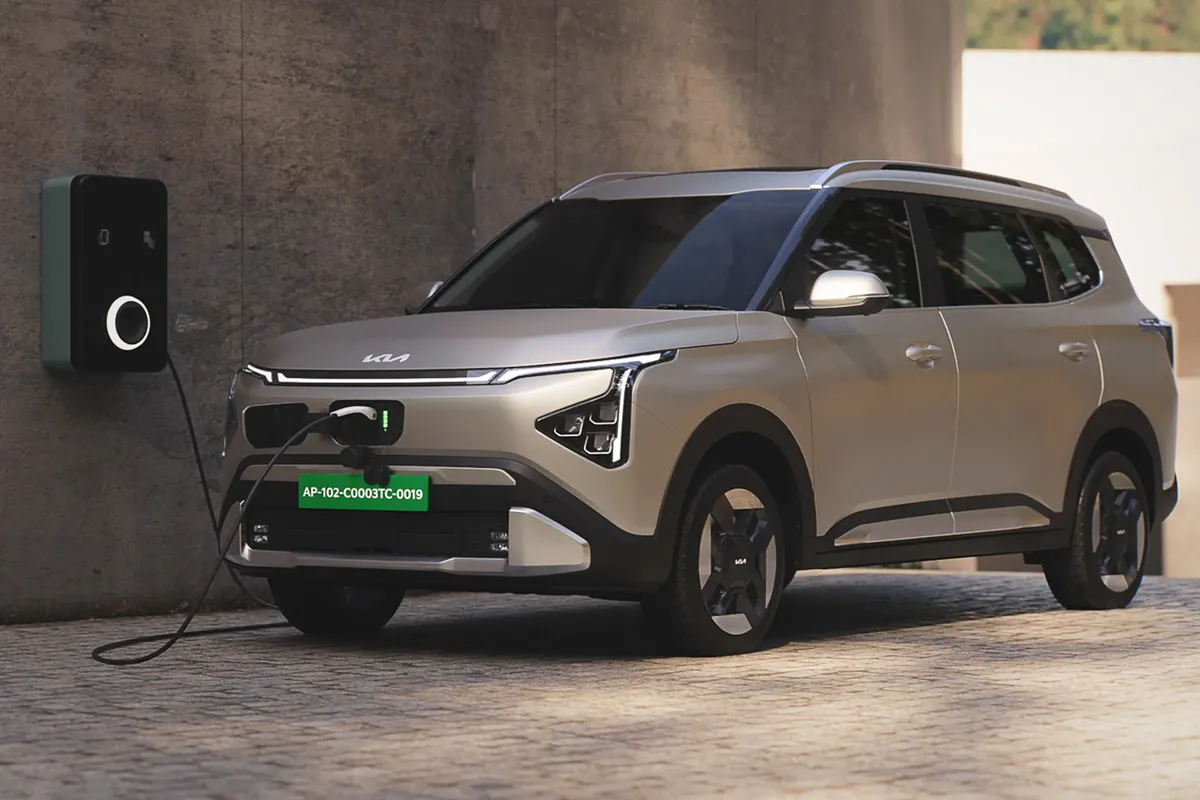
In addition, Kia will implement a localized production strategy aligned with regional demand and policy environments. This includes producing EV2 and EV4 in Europe, EV6 and EV9 in the U.S., and locally optimized EV models (Syros and Carens EV) for emerging markets in India, further enhancing supply chain resilience and market responsiveness.
Related Posts
BYD's Stella Li: We can beat Toyota in 5 years without the US market
Tesla done. Toyota next?
 Brando Rosales
Larger Kia PV7 electric van spotted preparing for September debut in two weeks
Ahead of its world premiere at IAA Transportation in Hanover on September 14, 2026, our spies have spotted the Kia PV7 testing anew.
 AutoIndustriya.com
How the 1997 GM EV1 shaped modern EVs today
1997 General Motors EV1 and its innovations paved the way for today's electric vehicles.
 Francis Pallarco
Kia EV3 to make PH debut this September; PV5 set for October reveal
Kia PH distributor ACMobility is doubling down on its EV offerings
 Marcus De Guzman
BAIC PH builds strong momentum in 2026 with strong HEV, EV sales
B30e Dune and B60 Beaumont lead BAIC PH's increase in sales
AutoIndustriya.com
Kia EV3 now on DOE's list of recognized EVs; PH launch soon?
Once revealed, the Kia EV3 will serve as the brand's smallest EV offering yet
Marcus De Guzman