
Ioniq 3 is Hyundai’s new EV hatch for Europe
Ioniq 3 is Hyundai’s new EV hatch for Europe
Ioniq 3 is the new baby BEV in Hyundai's Ioniq lineup

Ever since Hyundai rolled out the Ioniq 5, the company’s direction towards its Ioniq lineup of electric vehicles has been about getting bigger. But now, Hyundai has gone the other way around.
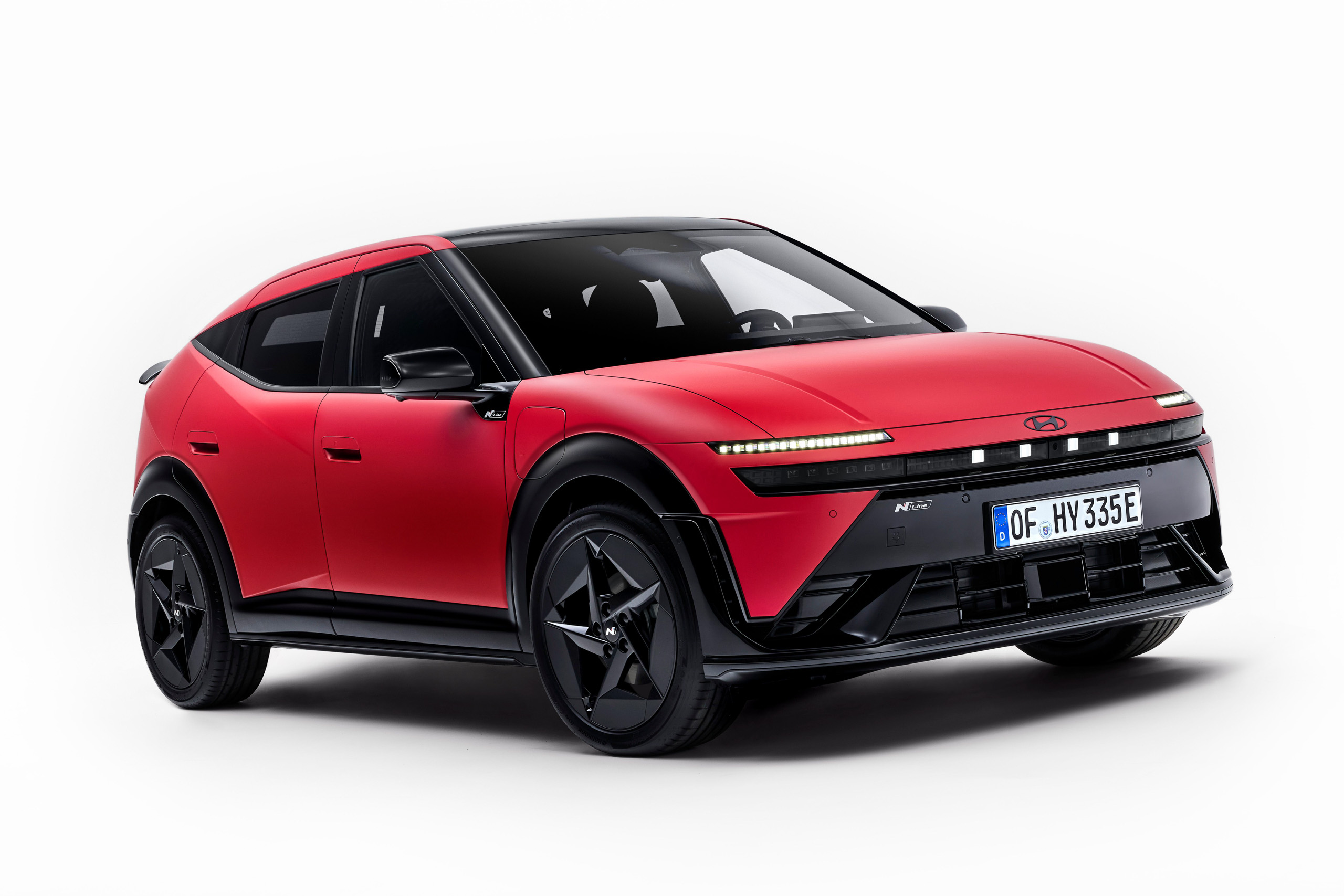
The Korean manufacturer has launched the new Ioniq 3. As the name suggests, it’s now the smallest BEV in Hyundai’s Ioniq lineup, and just a step bigger than the Hyundai Inster.
The Ioniq 3 is underpinned by the 400V E-GMP architecture, which means it shares platforms with the Kia EV3 and the locally available EV5. With a five-door layout and a unique silhouette called by Hyundai as “Aero Hatch”, the design does not just look futuristic, but also maximizes interior roominess with its distinct roofline.
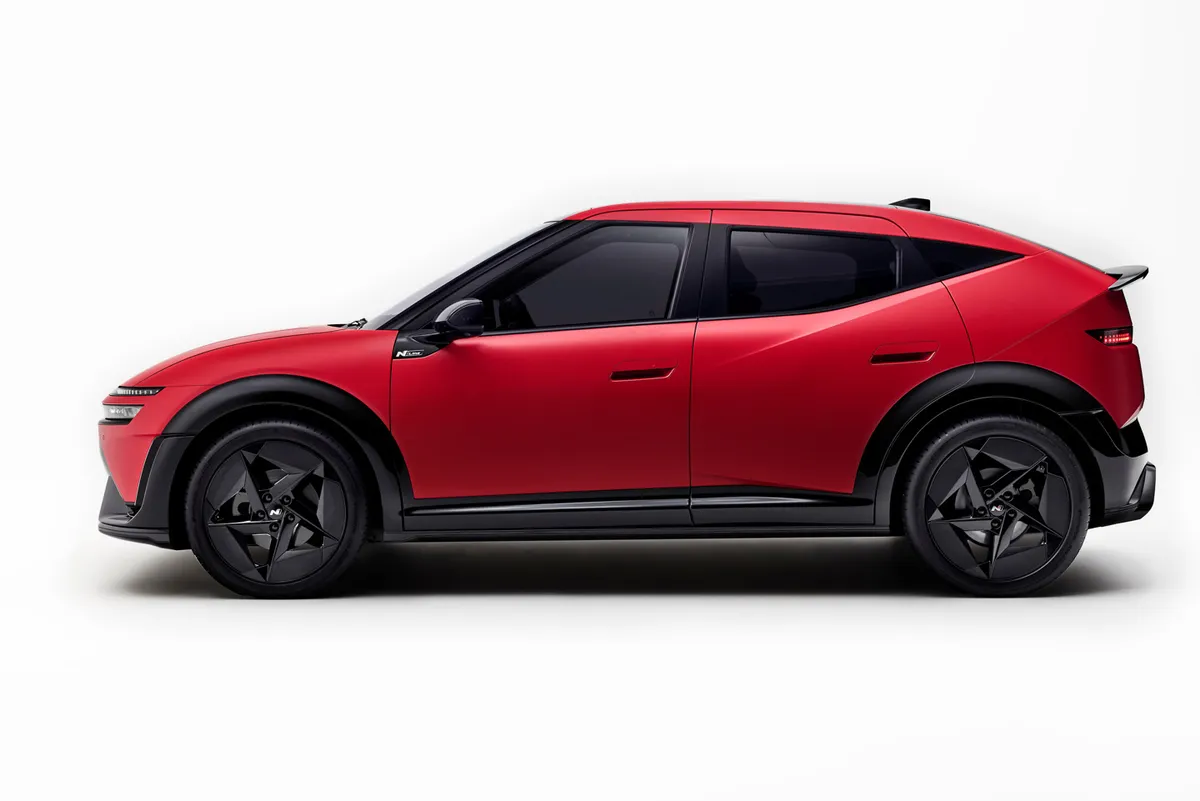
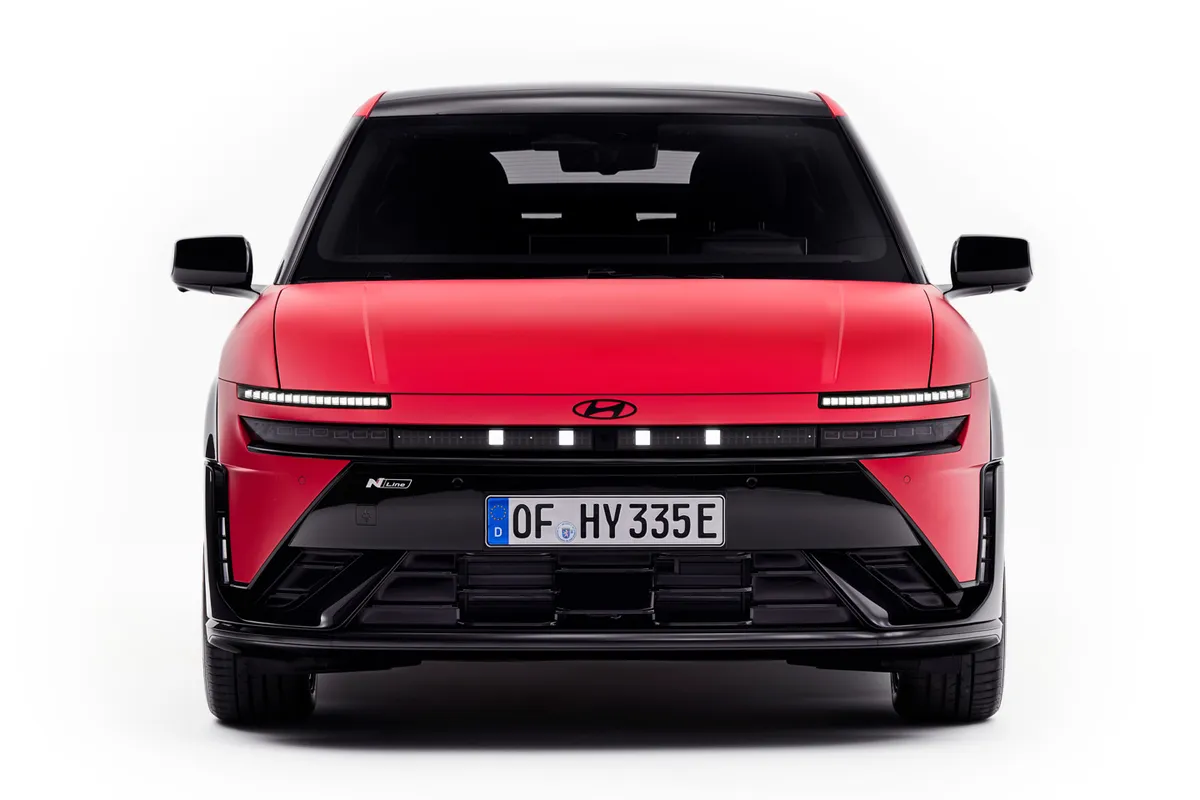
Hyundai presented the Ioniq 3 in its N-Line variant. As expected from a Hyundai Ioniq model, the Ioniq 3 features signature pixel lighting elements, which go a step further as the solid grille is fitted with four LED dots, referencing the letter H in Morse code. That unique light element also finds its way to the rear. Speaking of which, the rear end reminds us of a futuristic take on the split rear tailgate window design of the Honda CR-X and the Pontiac Aztek.
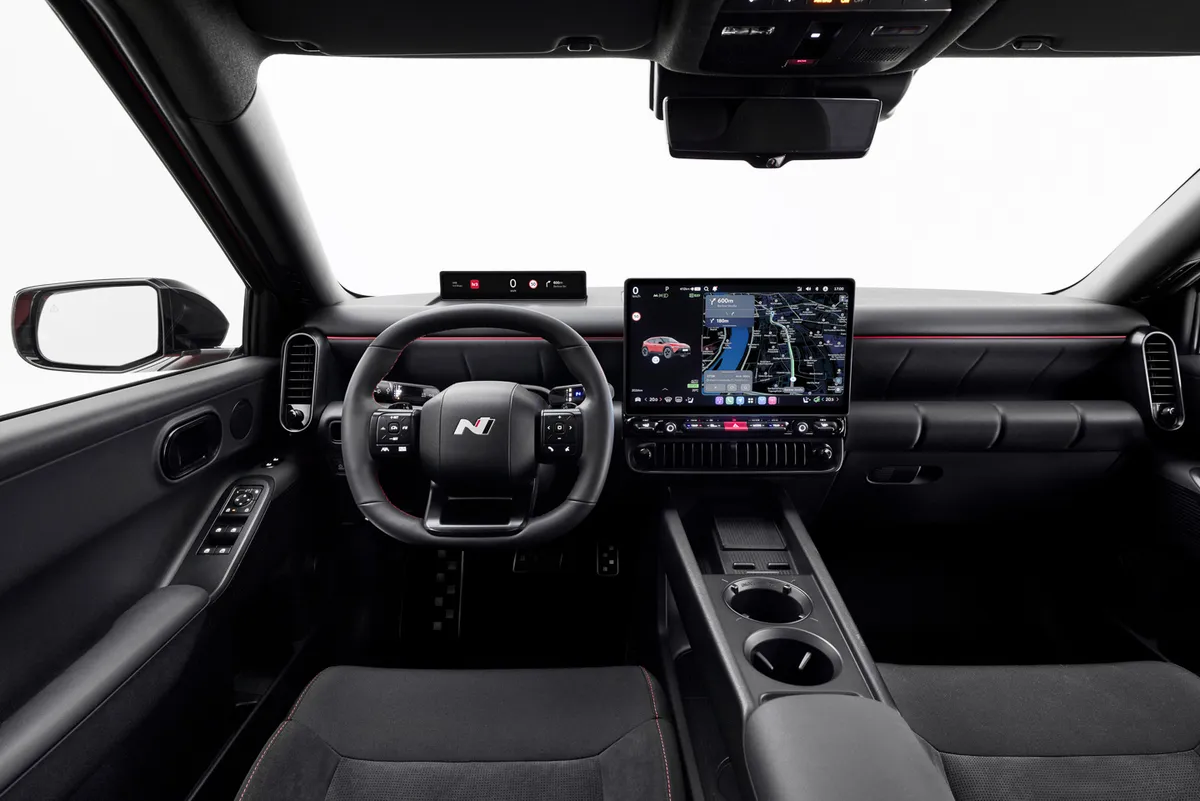
Inside, the Ioniq 3 gives us a first glimpse of the Boulder concept’s dashboard design in a production-ready phase. The 14.6-inch touchscreen runs Hyundai’s new Google-based Pleos infotainment system for intuitive access to vehicle functions, navigation, and connectivity.
Despite the bigger screen, there’s still a row of physical switches mounted above the climate vents, and steering wheel buttons still feature tactile controls. Other features include a Bose sound system, a slim two-story center tunnel for cup holders, storage cubbies, and a wireless charging pad.
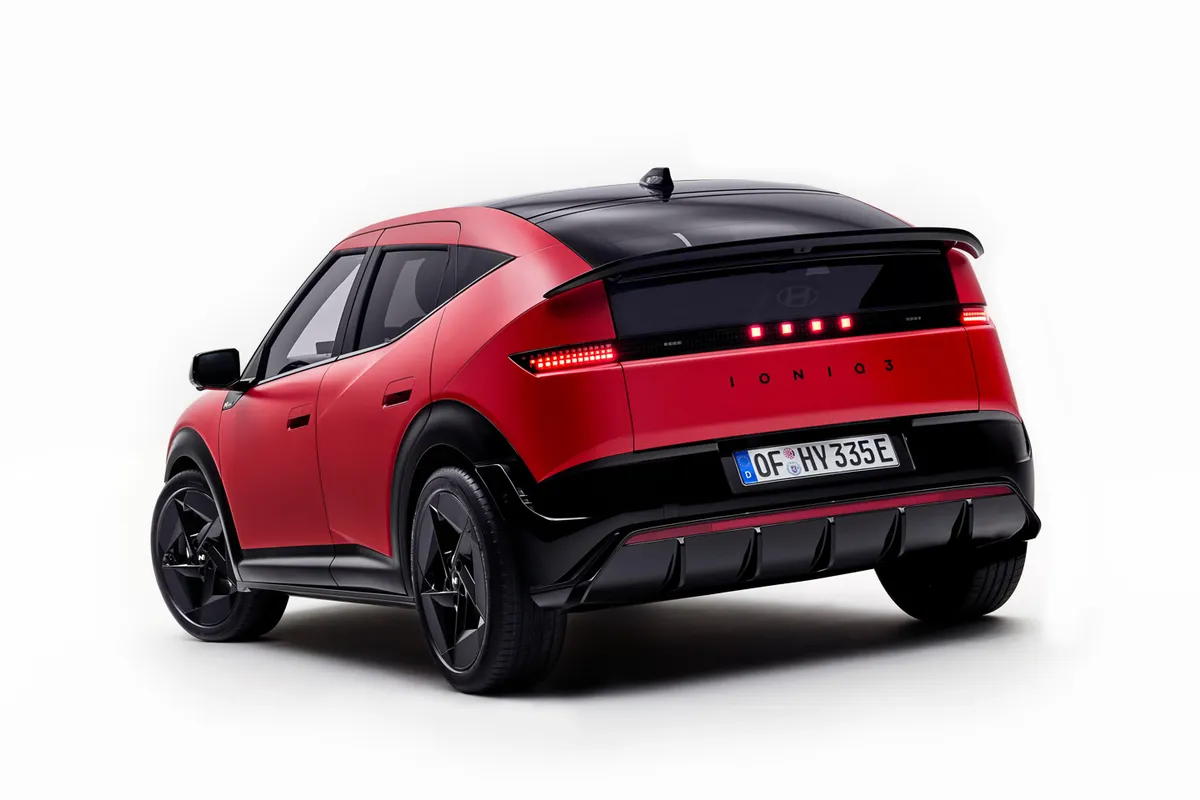
The Ioniq 3 comes in two single-motor, front-wheel drive configurations. The first is the Standard Range model, fitted with a 42.2 kWh battery that powers a 147 PS / 250 Nm electric motor. This gives the Ioniq 3 a range of up to 344 km using the WLTP standard. On the other hand, the Long Range model has a slightly less powerful 135 PS /250 Nm electric motor, but runs a larger 61 kWh battery, giving up to 496 km of range on a full charge.
While it’s not yet in the conversation, the Ioniq 3’s platform already supports dual motor setups. This makes us think it could potentially spin a hot hatch version made by the Hyundai N division.
Hyundai is set to launch the Ioniq 3 in Europe later this year, and it will be produced at Hyundai Motor Turkey’s Izmit plant.
Related Posts
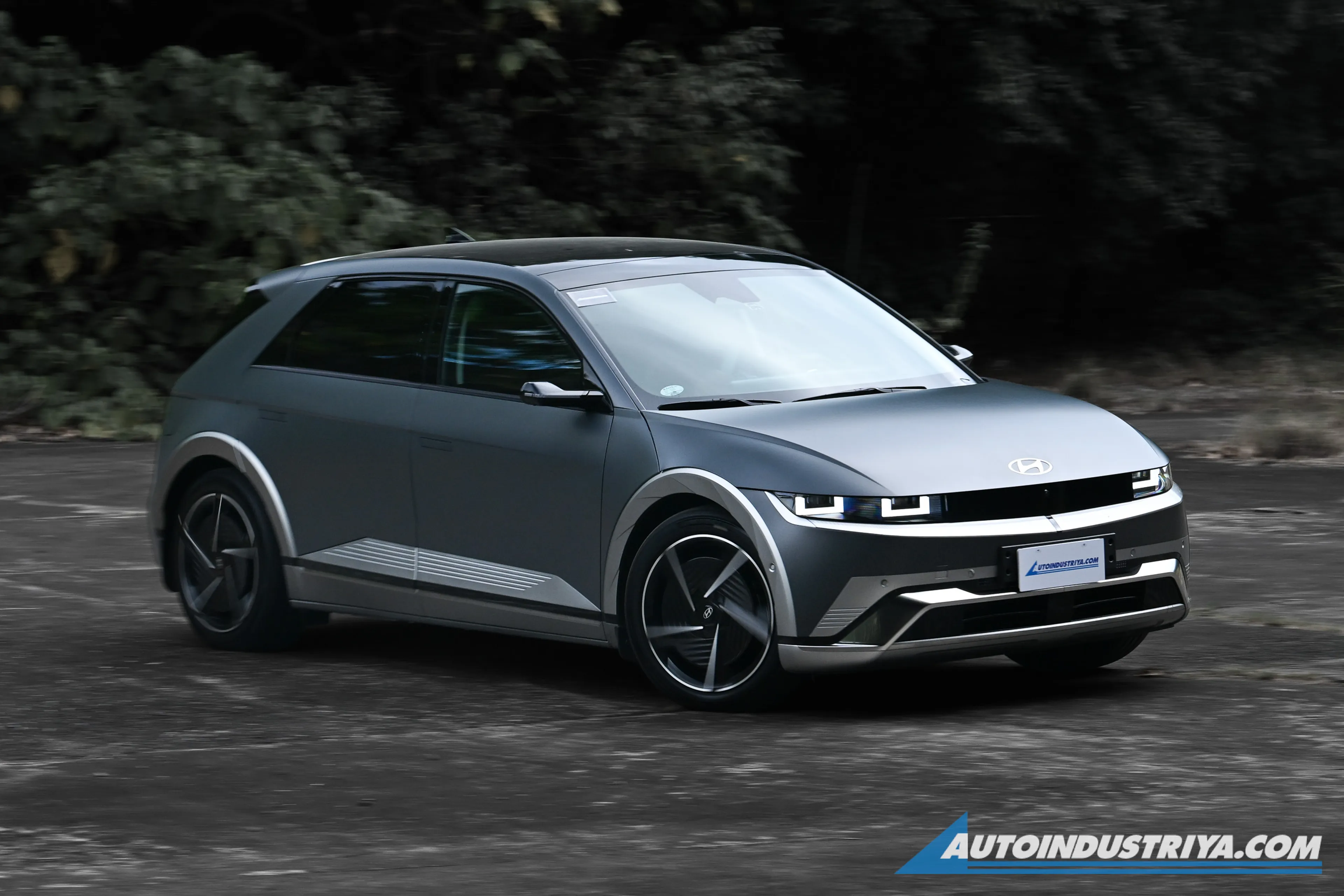
2026 Hyundai Ioniq 5 GLS Long Range BEV
The Hyundai Ioniq 5 was a world-renowned BEV when it first came out. Is it still the case in 2026?
 Jamil Lacuna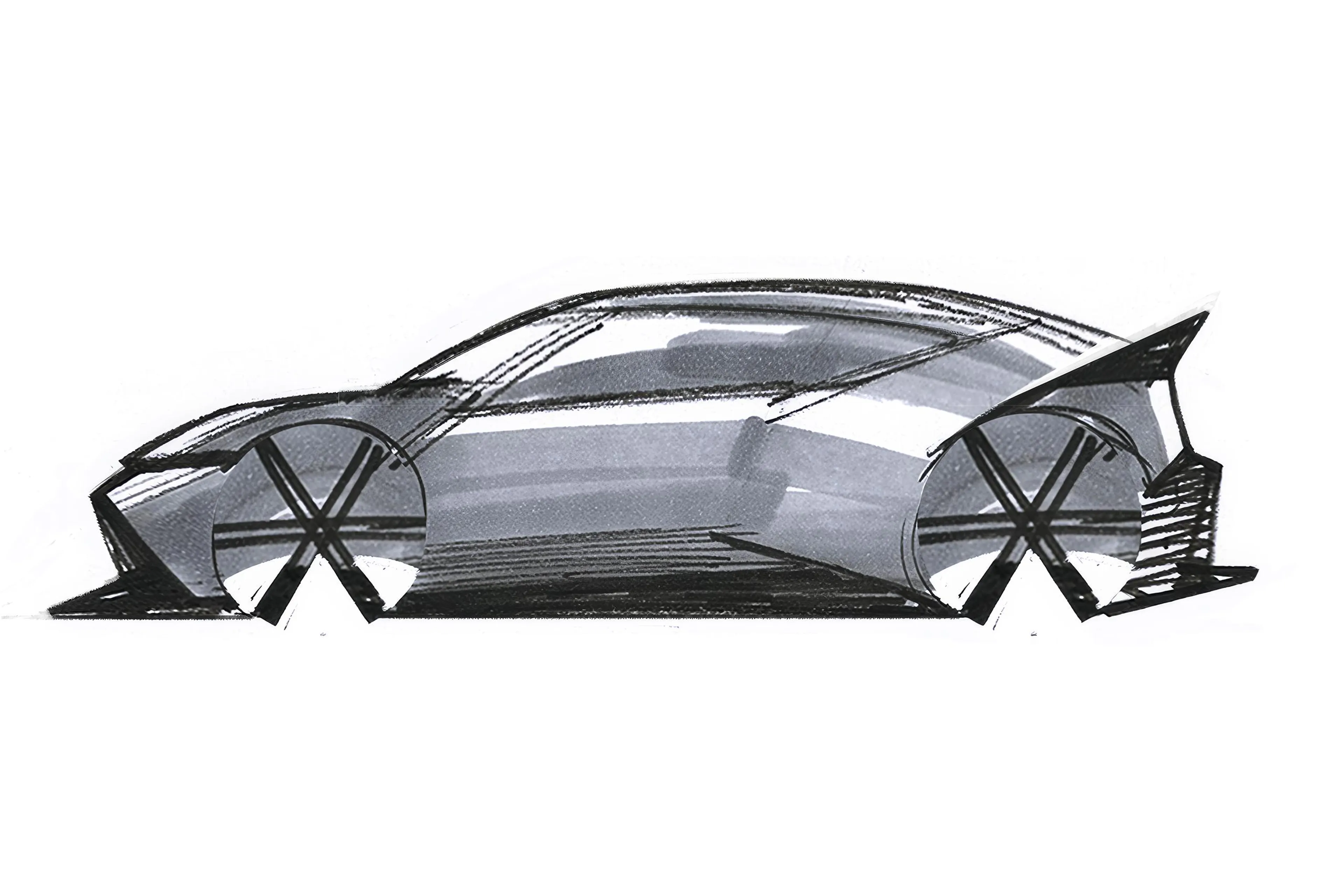
Is the Concept THREE our best look yet at Hyundai Ioniq 3?
Concept THREE will be the brand's first-ever compact EV concept
 Marcus De Guzman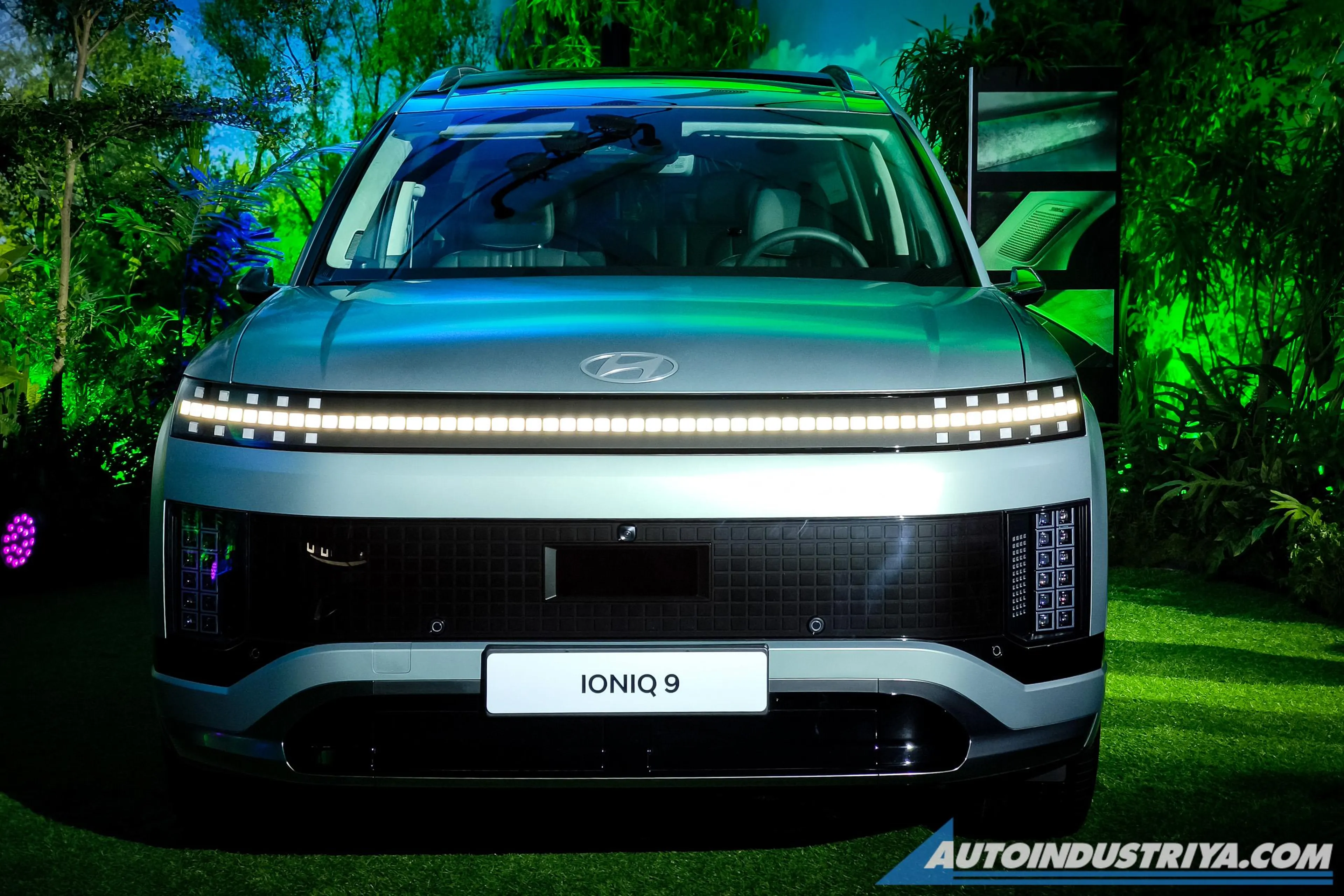
Look out EV9: 2026 Hyundai Ioniq 9 debuts with PHP 4.58M SRP
Hyundai Motor PH pulls a surprise with launch of the Ioniq 9 flagship EV SUV
Marcus De Guzman
All-new Hyundai Tucson N Line wows at Paris Motor Show
Hyundai further gives the all-new Tucson a sleek and daring look with new N Line appearance pack
Marcus De Guzman
Geely PH announces all kinds of discounts, freebies at 2026 EX2 BEV launch
Geely’s super special (discount) reveal for the EX2!
 Vince Pornelos
Hyundai Motor CEO: 100 new models by 2030
Hyundai doubles up on its aggressive push for vehicle rollout on 2026 CEO Investor Day
Jamil Lacuna