
2026 Hyundai Ioniq 5 GLS Long Range BEV
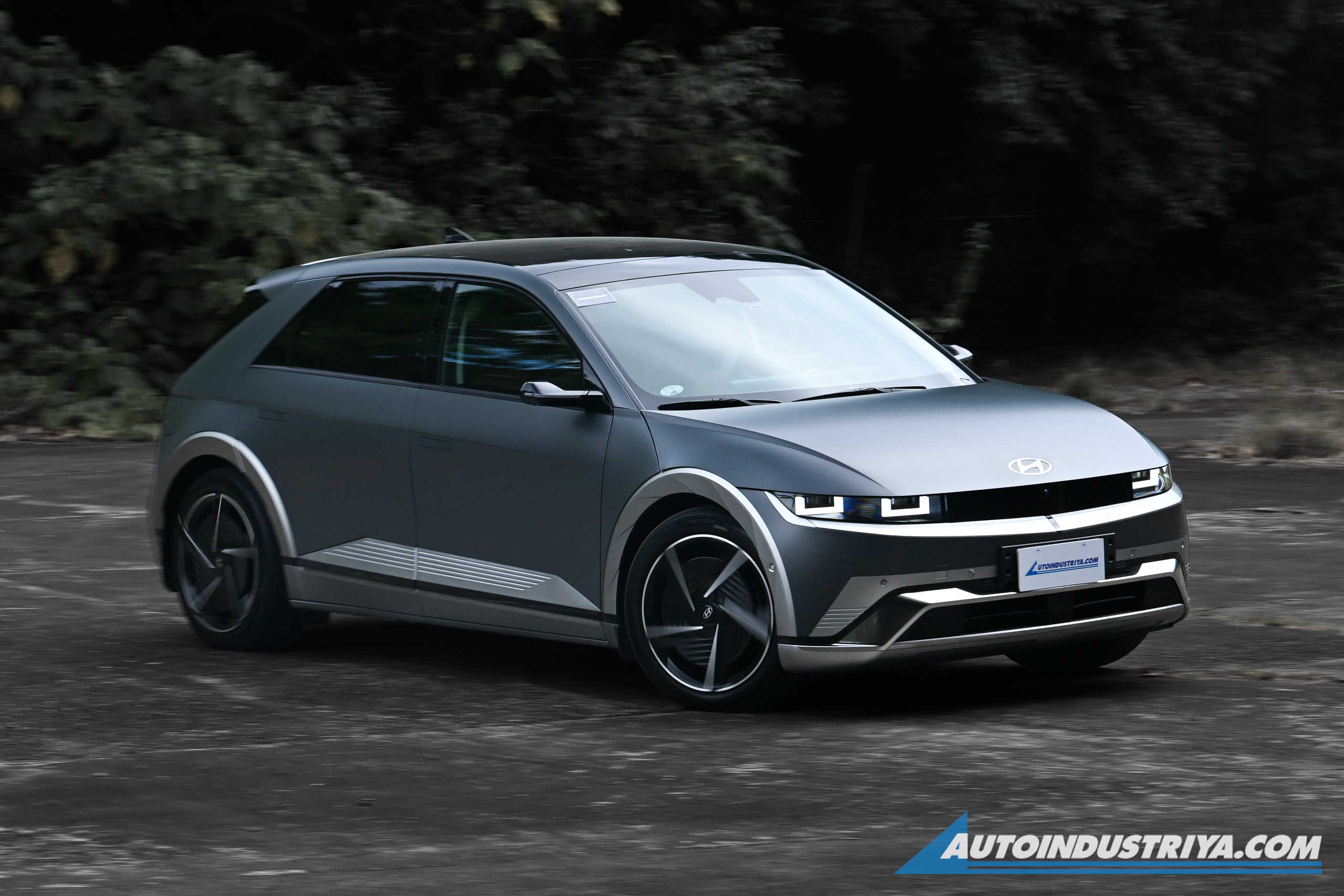
2026 Hyundai Ioniq 5 GLS Long Range BEV
Still brilliant, but pricey

The Hyundai Ioniq 5 was one of the models that defined the early years of the post-pandemic, modern EV era.
When it made its global debut, it swept the industry's biggest awards, taking home titles such as World Car of the Year, World Electric Car of the Year, and World Car Design of the Year in 2022. Those accolades cemented the Ioniq 5’s place as one of the most important electric vehicles of its time.
Four years later, however, the landscape has changed dramatically. The Philippine market is now filled with electric crossovers from both established automakers and new brands, giving buyers far more choices than before.
Hyundai responded by giving the Ioniq 5 a series of updates rather than a complete redesign. But the question is, will the updates keep the Ioniq 5 a compelling buy in 2026?
4 photos
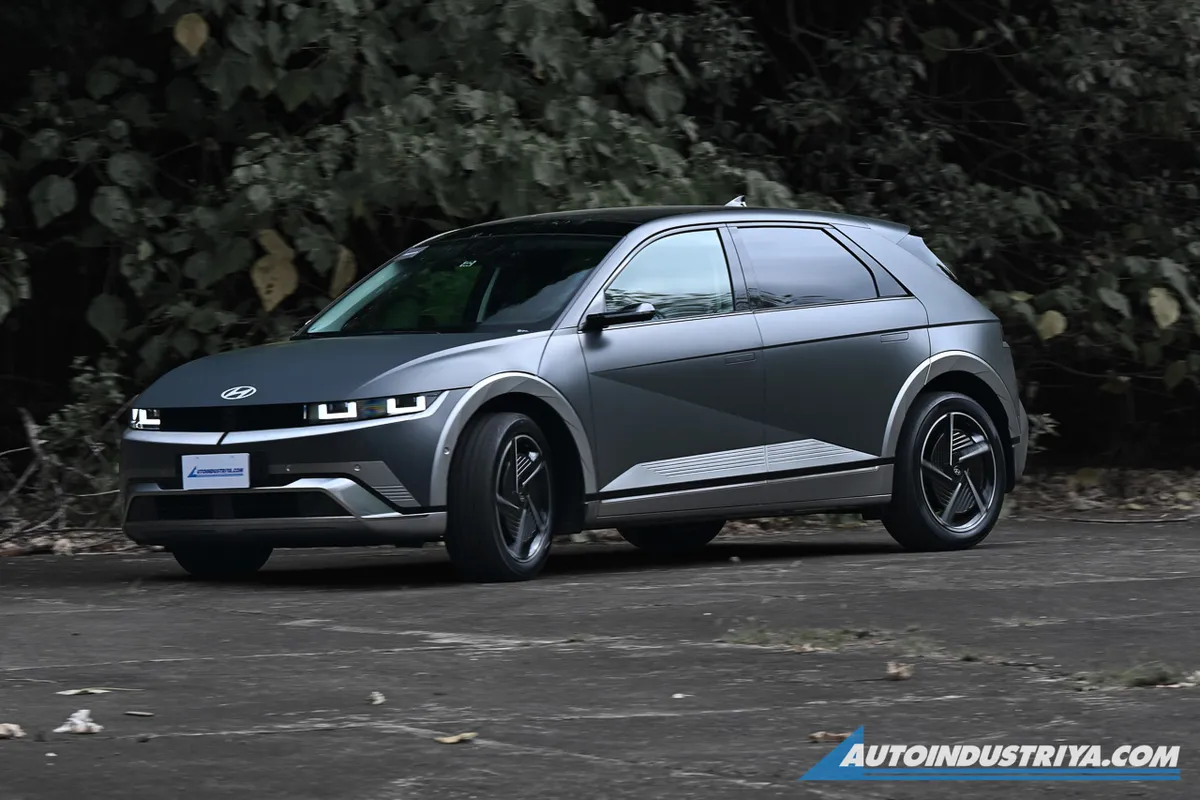
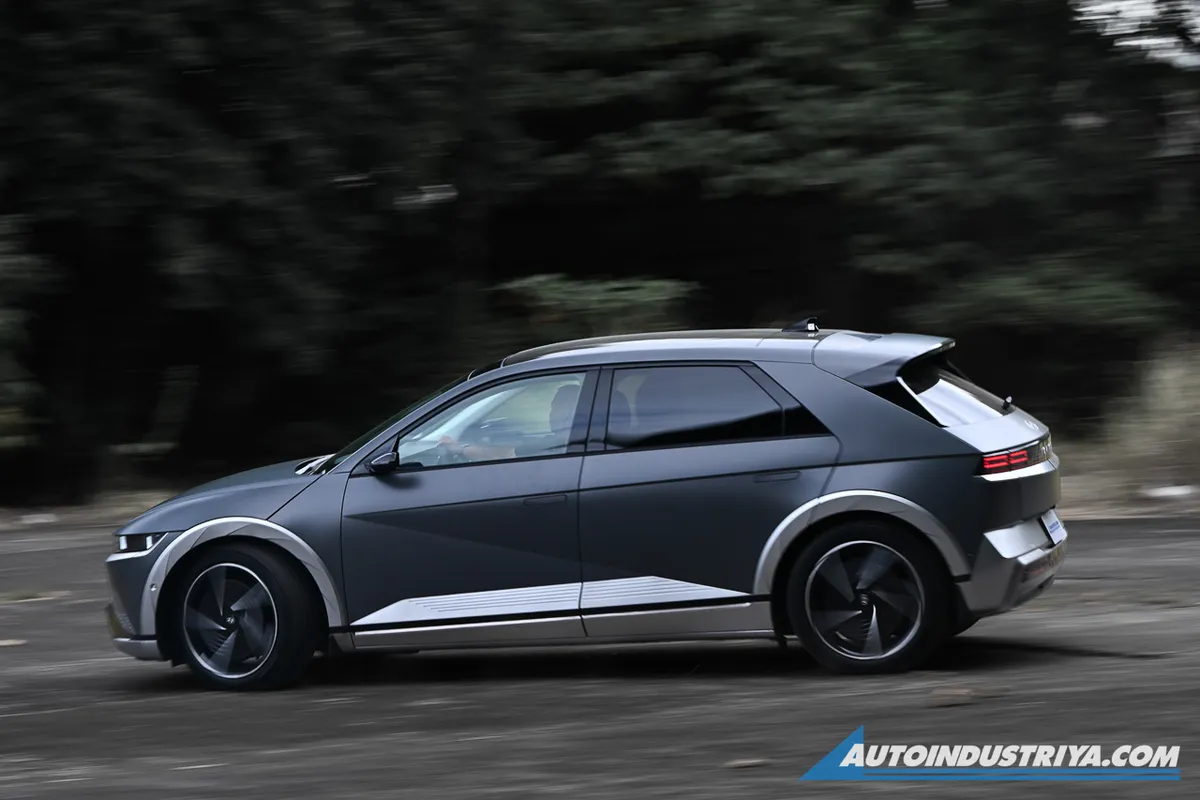
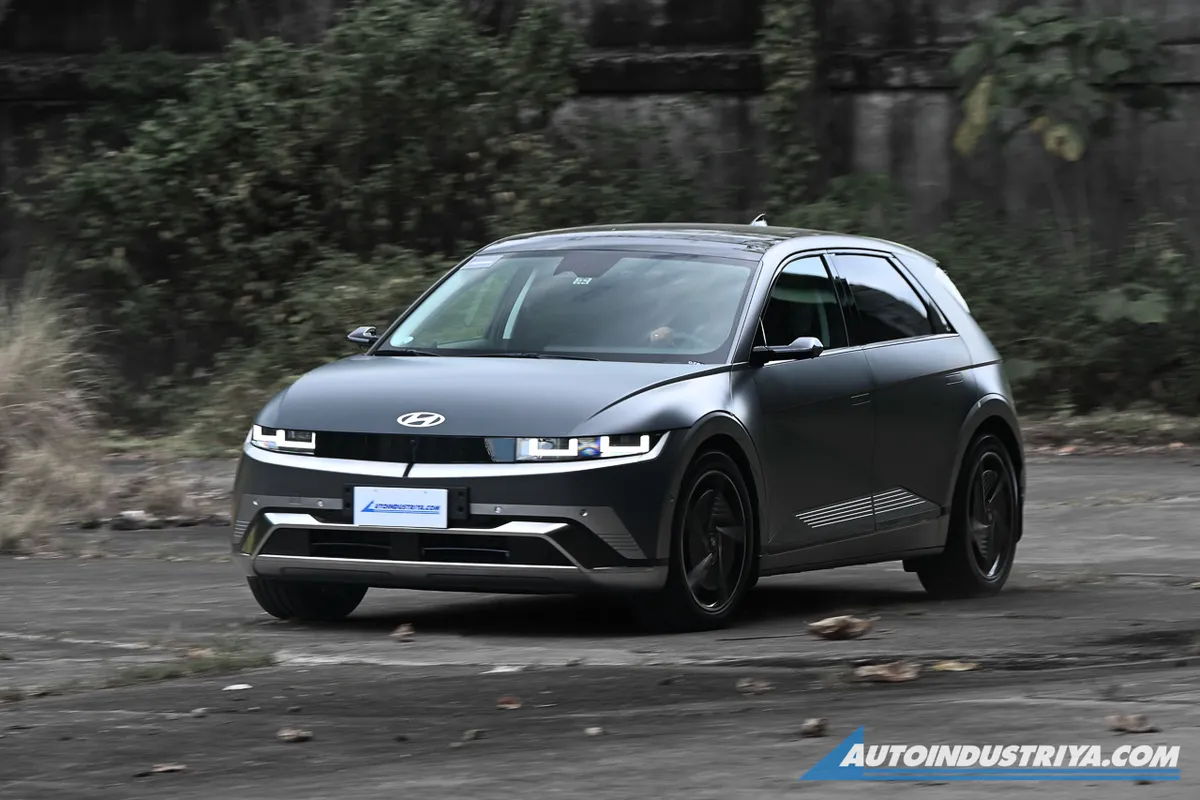
From the outside, the Ioniq 5 still looks well into the future. The biggest reason it still turns heads these days is that Hyundai resisted the temptation to drastically alter its design. Inspired by the original Hyundai Pony, its retro-futuristic styling remains unlike anything else on the road. The pixel-themed lighting signatures, sharp body lines, and hatchback proportions continue to make it look like something straight out of a science fiction film.
Hyundai only made subtle revisions to the front and rear bumpers, giving the crossover a slightly cleaner appearance, but retaining the same identity. The 20-inch alloy wheels also feature a new design, and they're wrapped in Michelin Pilot Sport EV tires. While the large wheels certainly contribute to the Ioniq 5's premium stance, they surprisingly don't compromise ride comfort as much as you'd expect.
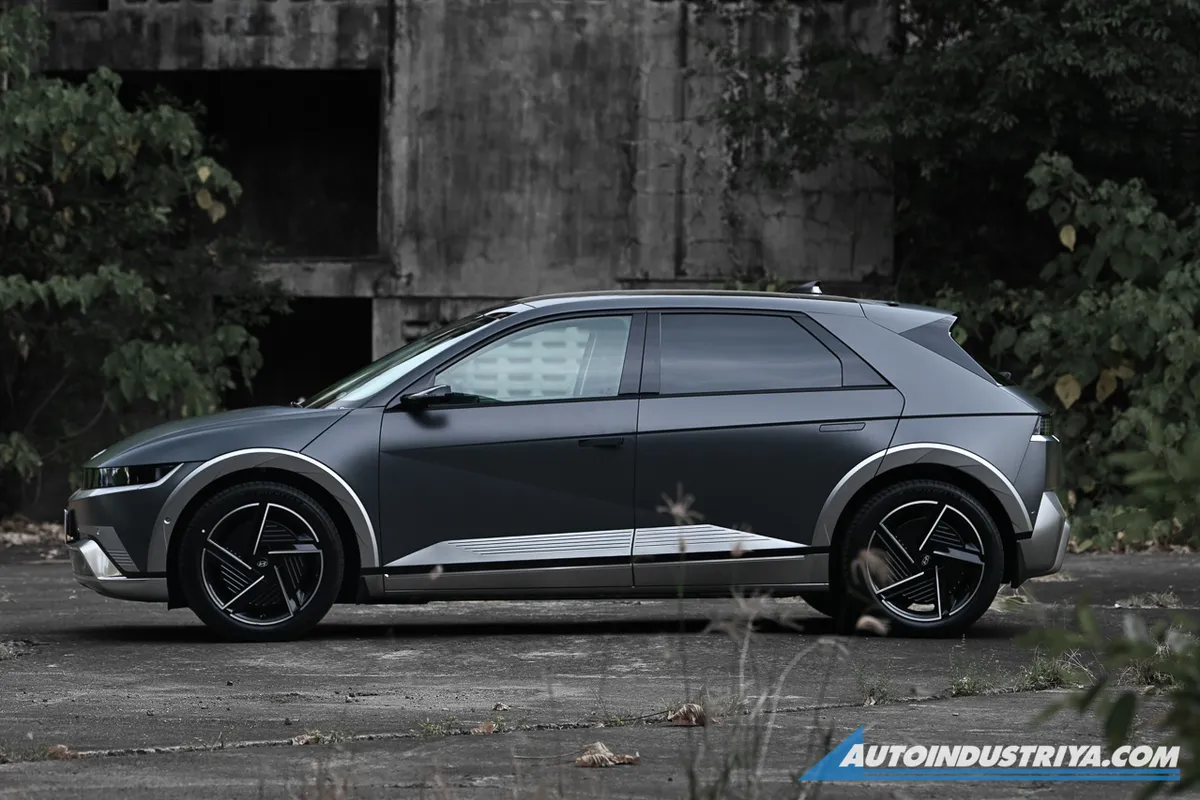
Size-wise, the Ioniq 5 measures nearly 4.7 meters long, with ground clearance rated at 169 mm (6.1 inches), which practically makes it a hatchback crossover fusion with its ride height.
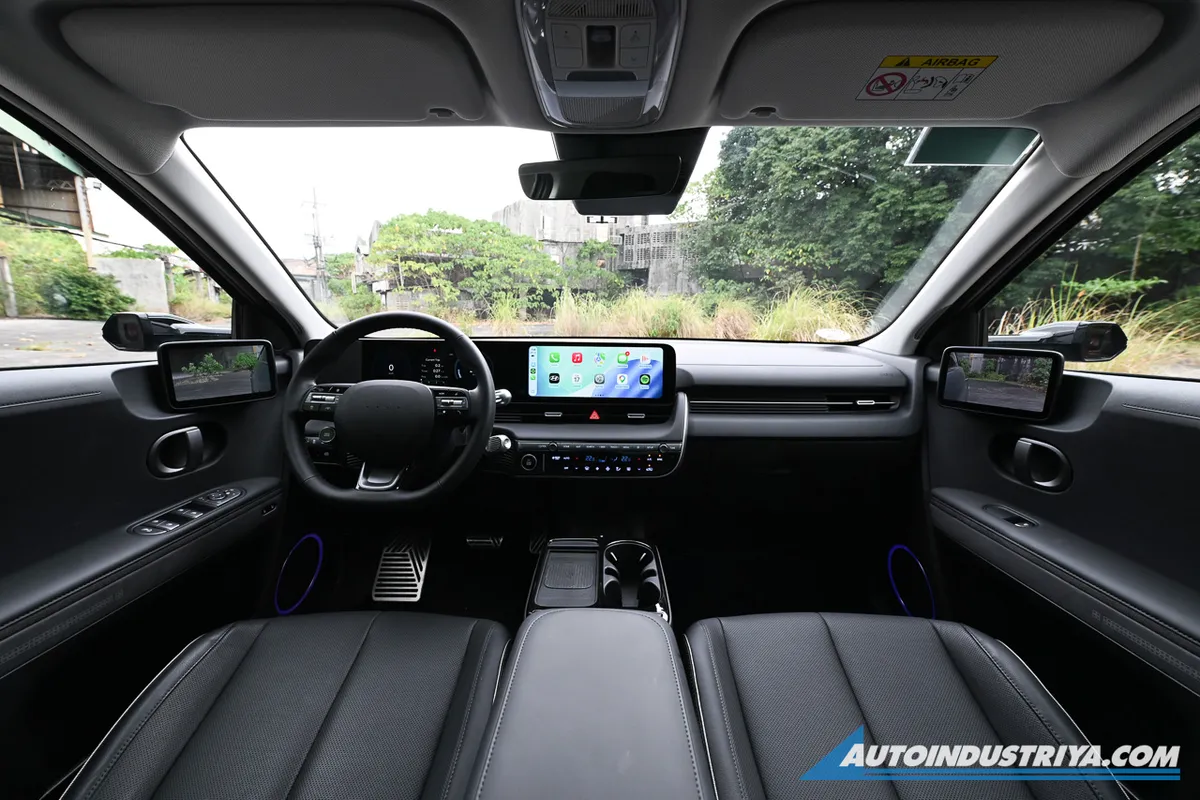
If you’ve hopped aboard the early version of the Ioniq 5, you'll immediately notice that Hyundai has refined several aspects of the cabin of this refreshed version. The welcome improvement is the darker gray upholstery. The previous lighter shade looked elegant, but required more effort to keep clean. The updated color simply feels more practical for daily use without sacrificing the cabin's airy atmosphere.
4 photos
Features-wise, most have been carried out from the original model, such as the dual 12.3-inch screens, wireless Apple CarPlay and Android Auto, heated and ventilated seats, and a Bose premium audio system. The unique sliding center console is still there as well.
2 photos
Perhaps the most polarizing feature of the new Ioniq 5 is the digital mirrors. Instead of traditional ones, cameras mounted outside the vehicle display live feeds on OLED screens inside the cabin. The technology certainly looks futuristic, but it will take time to adjust. The display appears slightly more zoomed in compared to conventional mirrors, making objects in the mirror feel much closer than they actually are.
During the first few days, judging distance requires some recalibration. But once you become accustomed to it, the benefits become more apparent, particularly in poor weather and nighttime driving where visibility remains consistently clear.
4 photos
Meanwhile, passengers in the back are treated exceptionally well. Window shades, generous legroom, and accessible buttons to slide and recline the front passenger seat make the Ioniq 5 have the makings of an executive shuttle. In terms of cargo space, our measurements recorded length at 97 cm, width at 104 cm, and height at 73cm. The one-touch power folding feature on the rear seats extends cargo length to 162 cm.
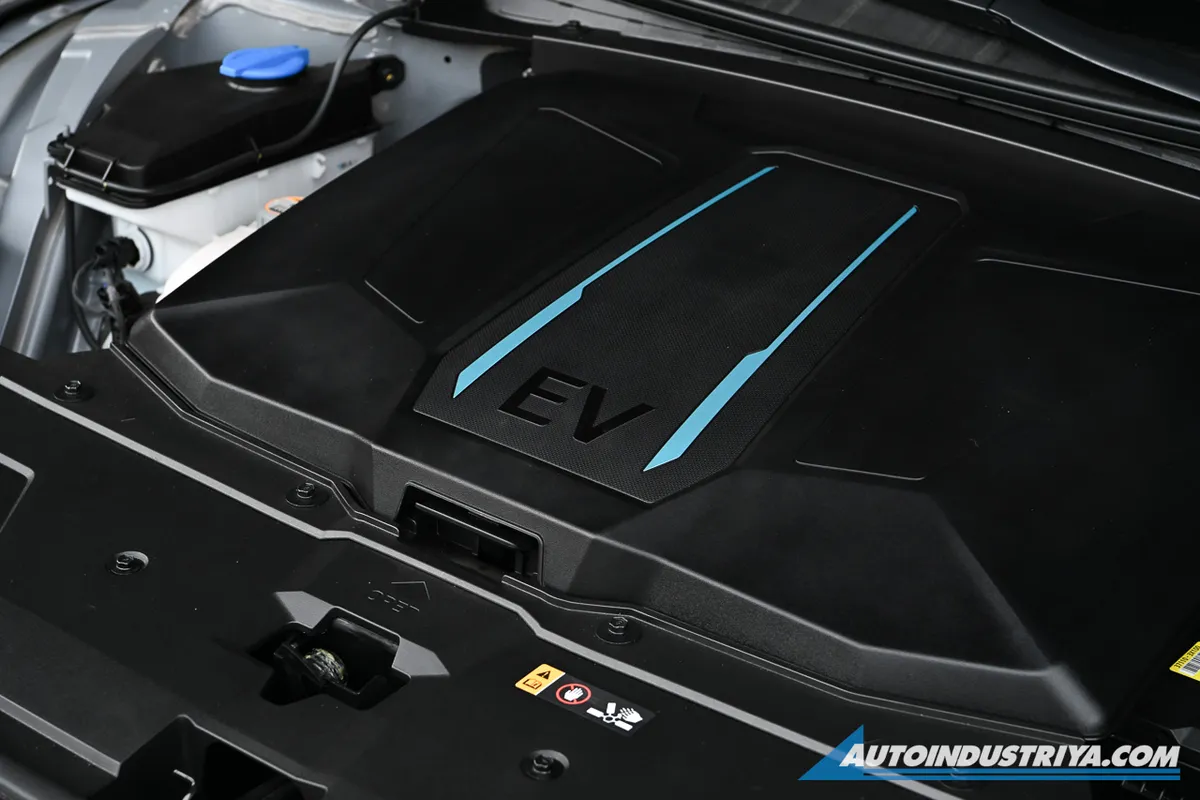
Popping the hood of the Ioniq 5 will reveal a plastic trim that looks like an engine cover, but that’s actually the lid for the 57-liter frunk where you can store things like portable chargers and basic tools. The Hyundai Ioniq 5’s single motor setup delivers 229 PS and 350 Nm of torque, and it’s paired to an 84 kWh battery for this Long Range variant.
Behind the wheel, the Ioniq 5 continues to excel where it matters most—daily driving refinement.
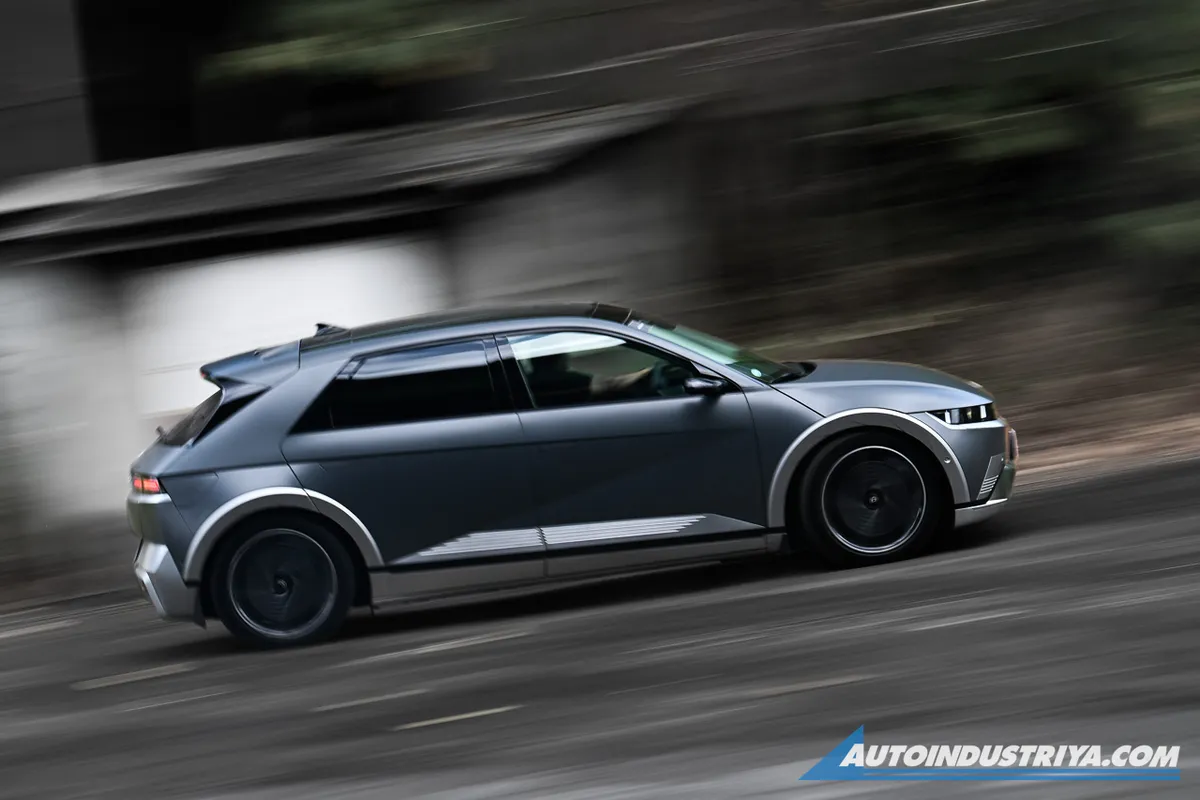
Being an electric vehicle, cabin noise is naturally minimal, but Hyundai deserves additional credit for its impressive build quality. There are virtually no rattles, road impacts are well isolated, and the suspension absorbs imperfections exceptionally well despite the large 20-inch wheels inflated to the manufacturer-recommended 38 psi. The result is a driving experience that feels remarkably composed both in city traffic and when cruising along the expressway.
As for efficiency, Hyundai claims a maximum driving range of up to 530 kilometers for the Long Range variant. And based on my time with the EV, that figure appears entirely achievable with disciplined driving and a steady right foot.
The Ioniq 5 consistently returned around 7 km/kWh, as I maximized the regenerative braking feature of the EV. Considering its usable battery capacity, I have a feeling I could reach 530 kilometers before the juice in the battery runs out. Realistically, maintaining around 6 km/kWh could be attainable for most drivers, which still allows the crossover to travel close to 500 kilometers before needing to recharge.
Speaking of which, driving the Ioniq 5 also reminds you that maximizing an EV requires slightly different habits compared to a conventional gasoline-powered vehicle.
Instead of depending heavily on the brakes, you'll quickly learn to use regenerative braking to control your speed. Simply easing off the accelerator allows the vehicle to slow naturally while simultaneously recovering energy back into the battery.
In the Ioniq 5, Hyundai offers four levels of regenerative braking. And for everyday city driving, Level 1 struck the best balance for me as it provided enough energy recovery without making every lift-off feel abrupt.
The stronger regeneration settings can feel as though the vehicle is constantly in first gear, producing noticeable forward weight transfer every time you release the accelerator. While that may become tiring in normal traffic, the higher settings prove useful when descending mountain roads in places such as Baguio, Tagaytay, or Tanay, where stronger regenerative braking helps reduce reliance on the mechanical brakes.
As for advanced driver assistance systems, the Hyundai Ioniq 5 is equipped with the full SmartSense suite. Based on my experience, Lane Keeping Assist performs well whenever needed, although I personally prefer driving with the feature switched off. Forward Collision Avoidance is similarly well calibrated and intervenes only when necessary.
However, the one system that could still use refinement is Rear Cross-Traffic Collision Avoidance Assist. It just really tends to intervene too early, occasionally braking even when approaching motorcycles or vehicles that were still a comfortable distance away. In practice, I found myself disabling this particular feature and relying on my own judgment when reversing.
Overall, it’s safe to say that even though the automotive world has changed considerably since the Hyundai Ioniq 5 first appeared, it hasn't lost much of what made it special.
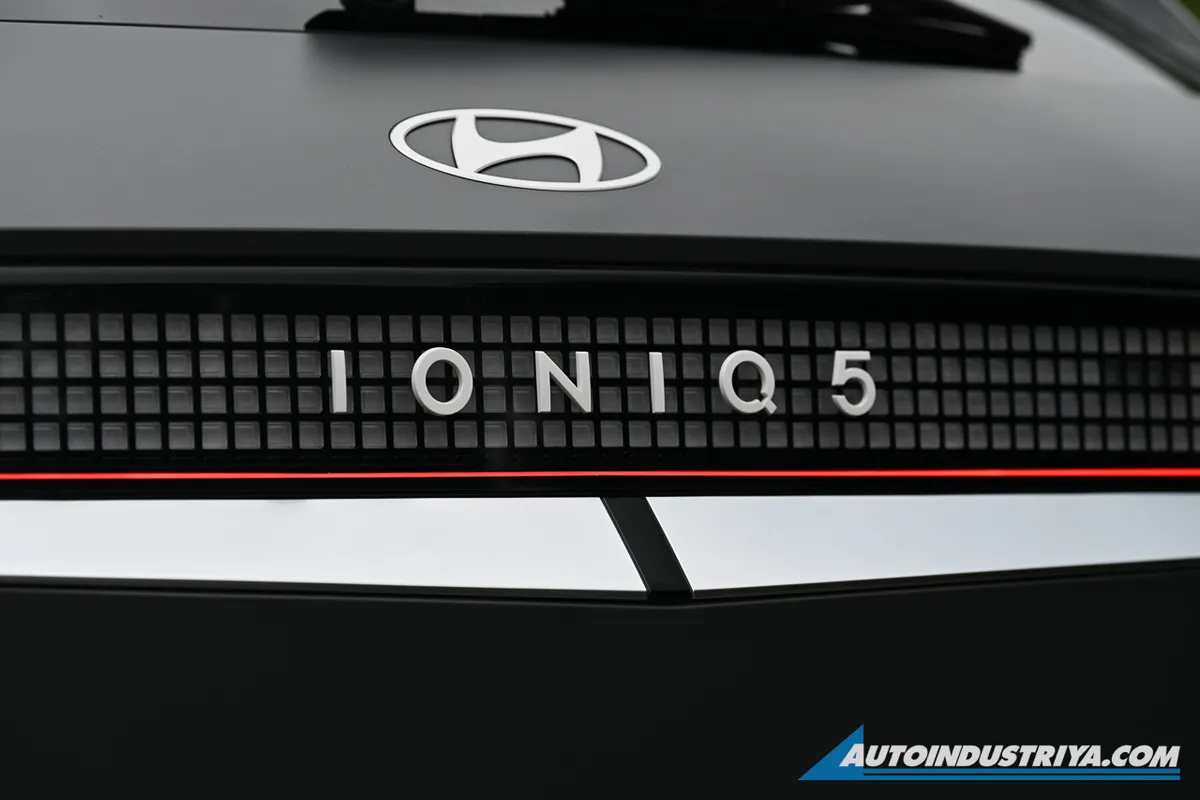
The futuristic styling remains distinctive, the cabin continues to feel genuinely premium, ride comfort is among the best in its class, and its efficiency allows it to cover serious distances on a single charge. Most importantly, it drives naturally and effortlessly, making the transition from an internal combustion vehicle to an EV far less intimidating.
The biggest challenge of Hyundai today isn't the vehicle itself—it's the competition.
At PHP 3,698,000 for this Long Range variant, buyers can now find several electric crossovers that offer similar or even longer driving ranges for considerably less money. Case in point – the Tesla lineup.
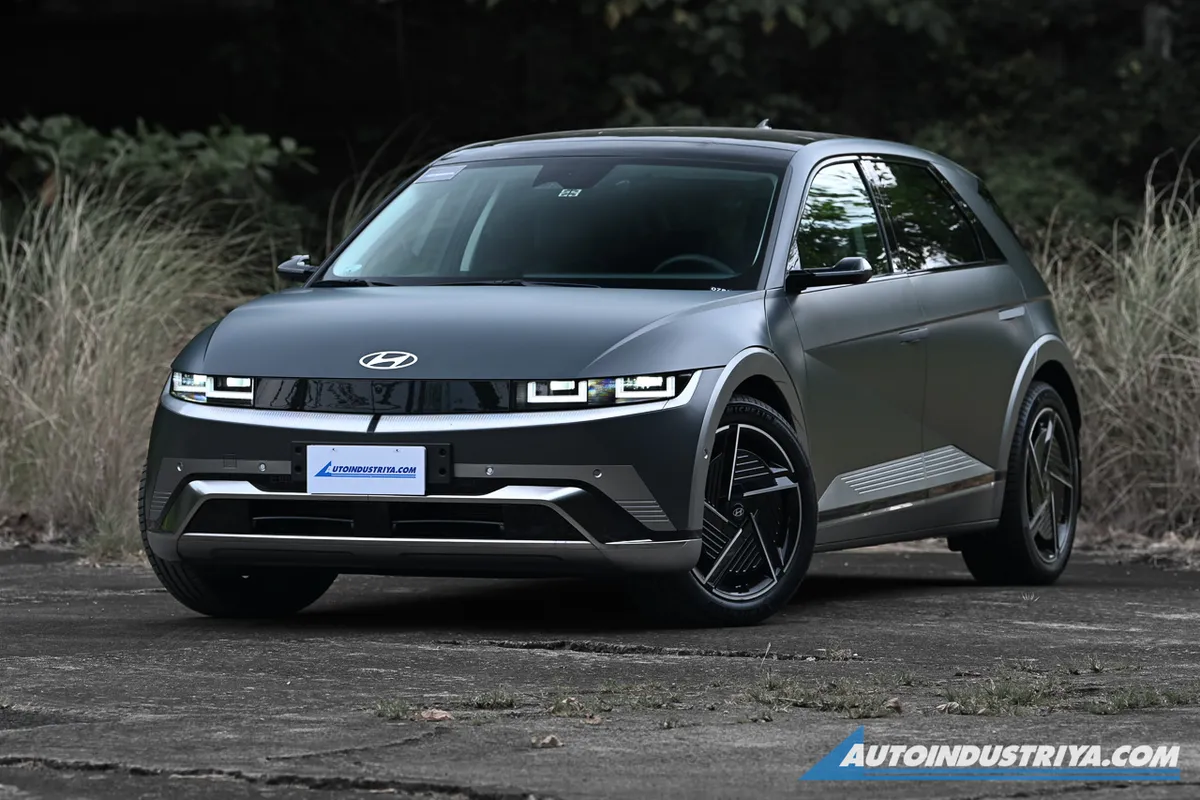
If your priority is simply getting the most kilometers per peso for an EV, there are simply more value-oriented alternatives available today. However, if you're looking beyond range figures and want a complete package that combines refinement, technology, comfort, and unmistakable design, the refreshed Ioniq 5 is still a compelling premium electric vehicle you can buy.
Heck, if I were shopping in this price range for an EV, I might even go all the way and take the Ioniq 5 N. That costs about PHP 500K more, but the power and the driving experience will likewise be on another level. That could be a price I could live with.
4 photos
Related Posts
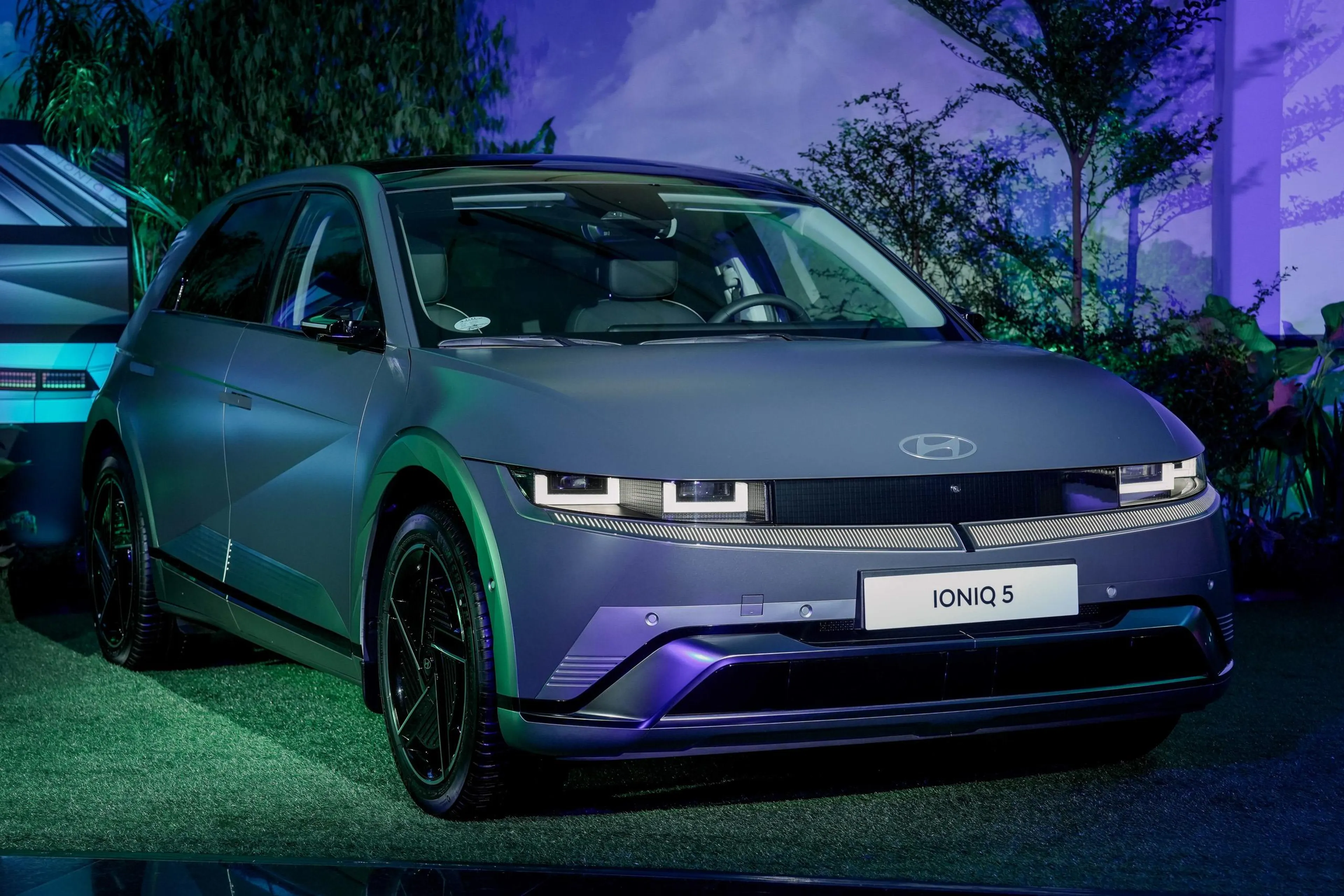
2026 Hyundai Ioniq 5 gets an update, new entry-level variant for PH
Hyundai Motor Philippines launches updated Ioniq 5 EV with new GL variant
 Jamil Lacuna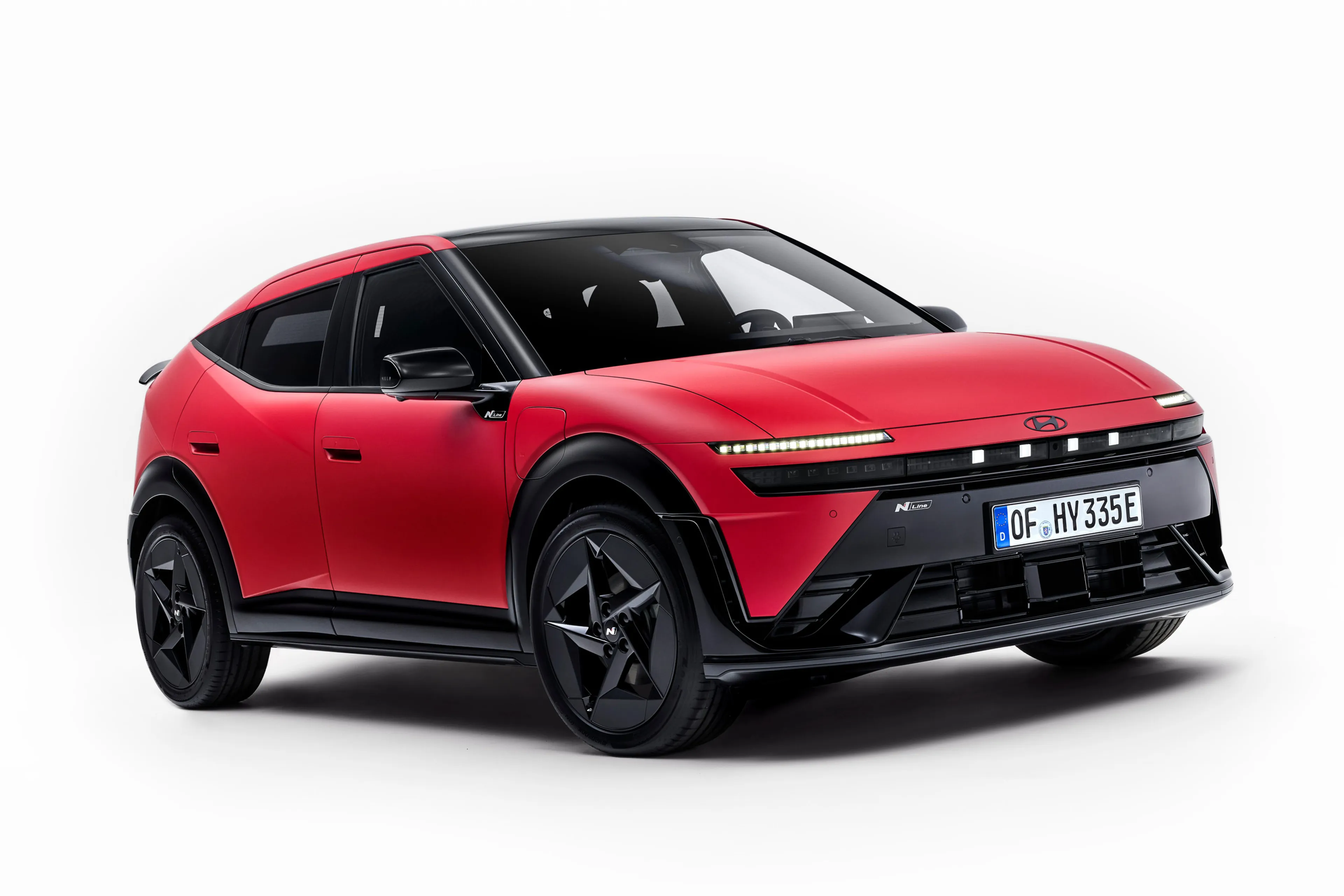
Ioniq 3 is Hyundai’s new EV hatch for Europe
Hyundai Motor reveals Ioniq 3 BEV hatchback, which will be made for the European market
Jamil Lacuna
Full EV camping: What could possibly go wrong?
EV car camping may not be a good idea just yet
 Brando Rosales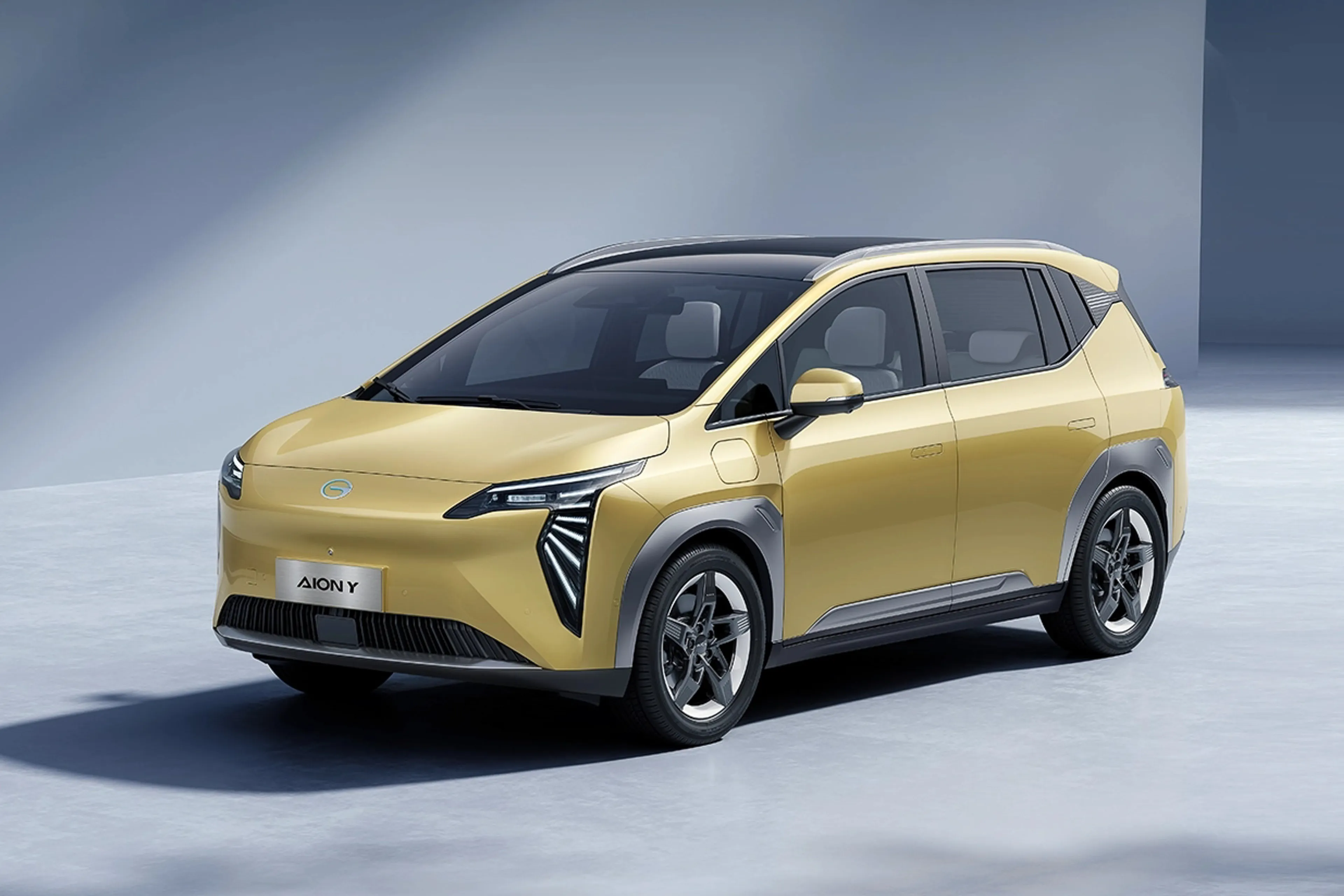
GAC AION Y now on DOE's list of recognized EVs
After AION V and UT, GAC's next EV for PH could be the AION Y
 Marcus De Guzman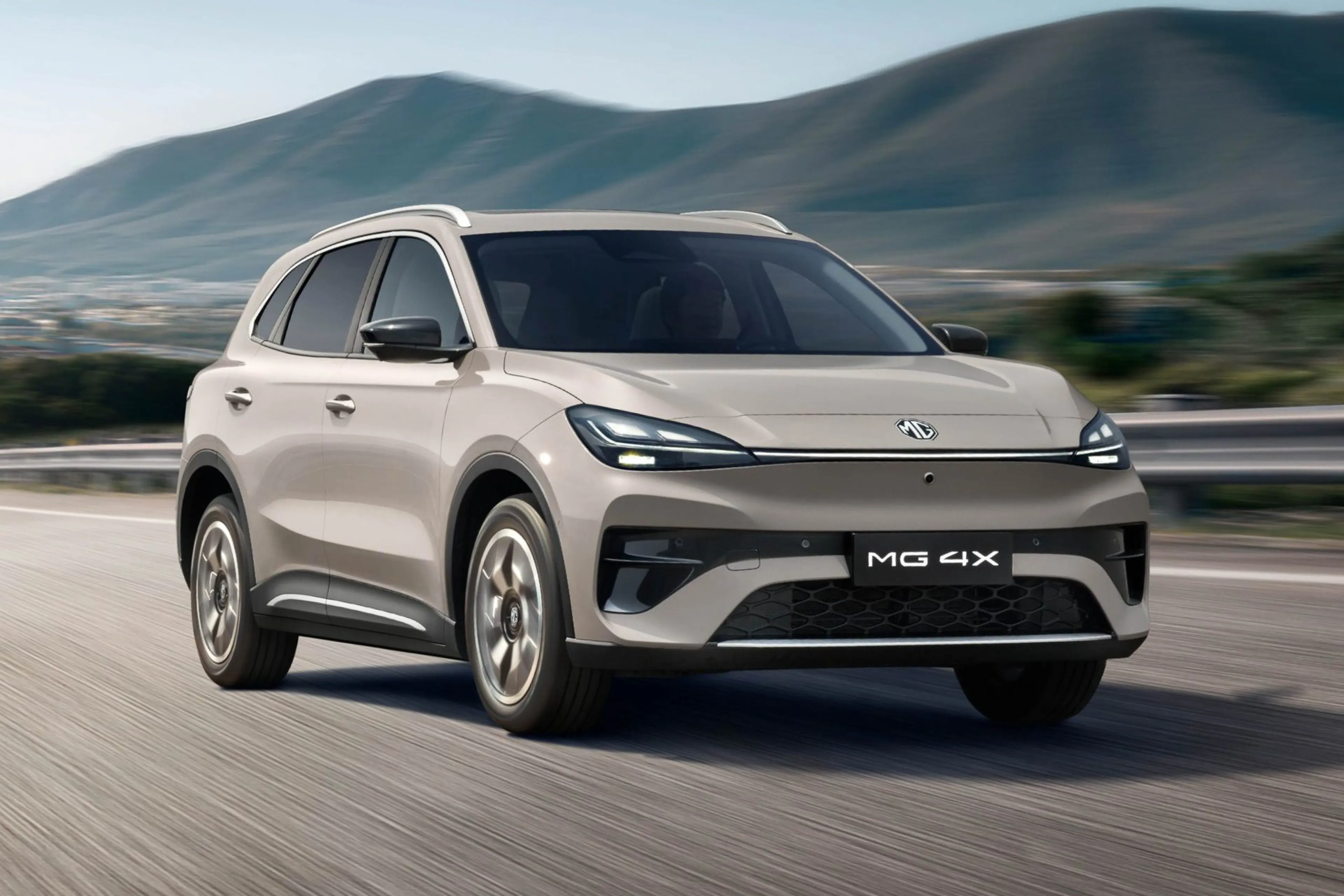
MG4X revealed as compact EV crossover with up to 610 km of range
MG4 transforms into a crossover EV as the MG4X; will PH get it?
Marcus De Guzman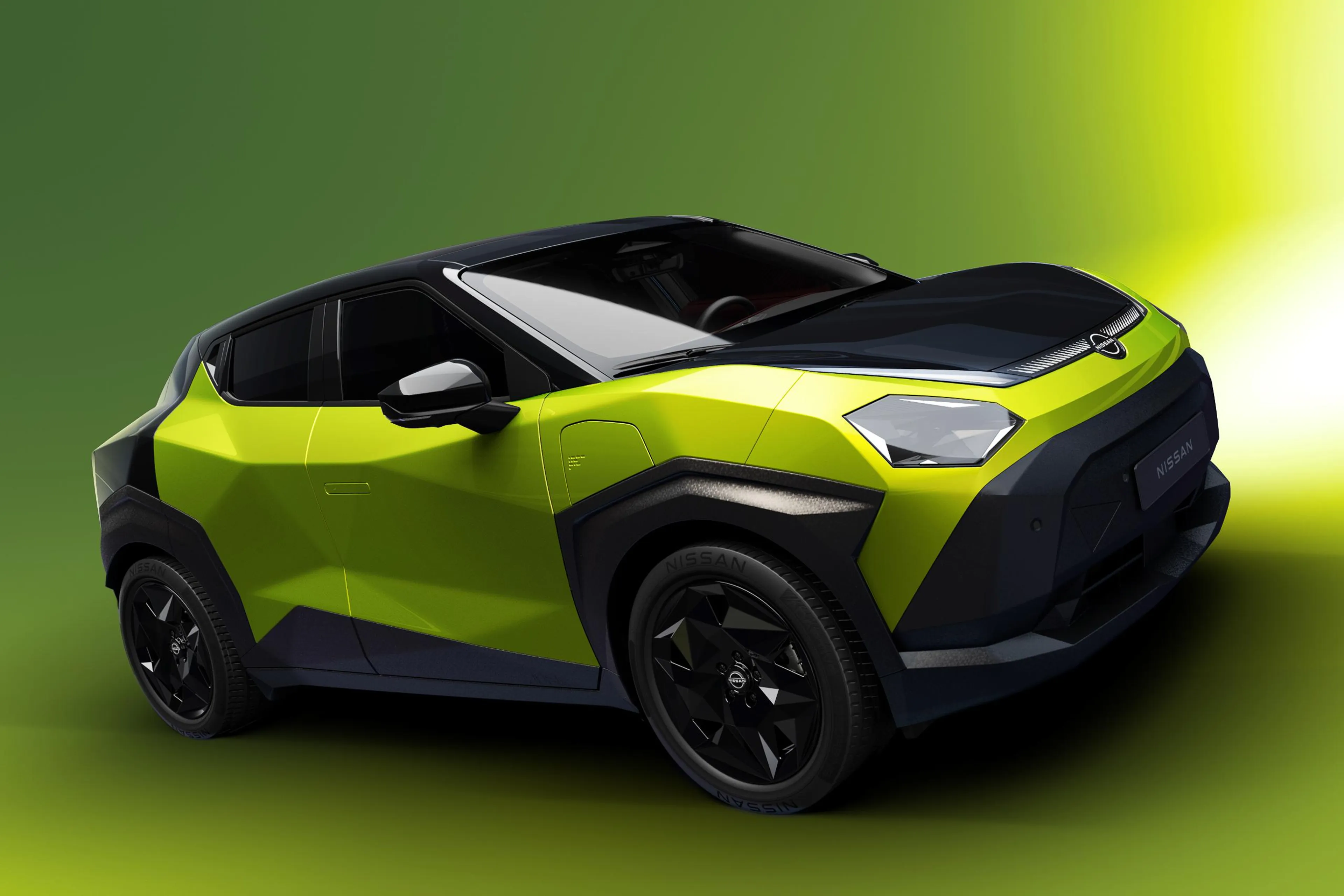
All-new Nissan Juke trades internal combustion for electric power
Nissan Juke transforms into a stylish EV for its third generation
Marcus De Guzman