
Product Review: Blue Chem Oil System Cleaner
Product Review: Blue Chem Oil System Cleaner
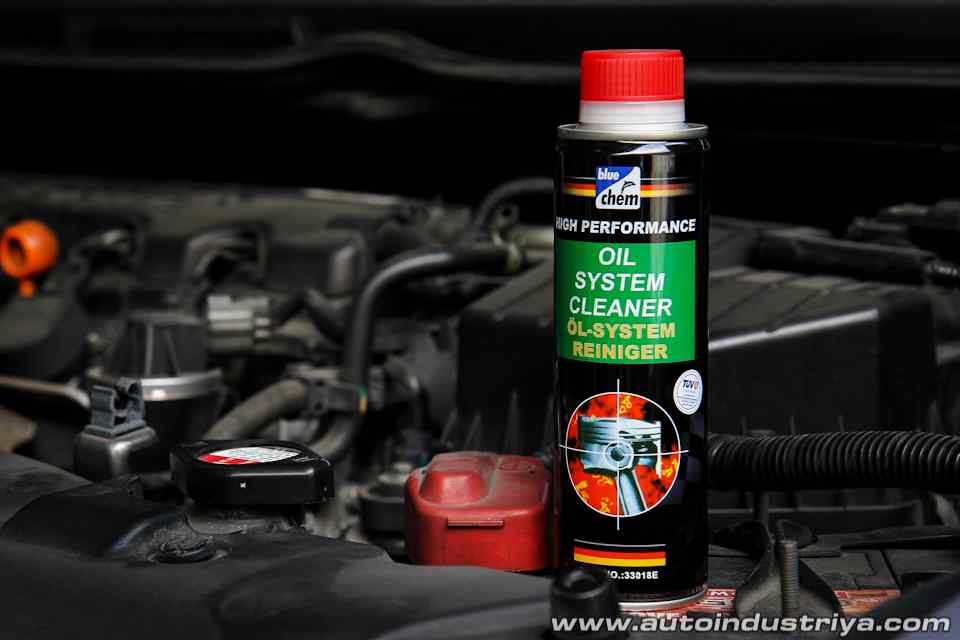
Blue Chem's Oil System Cleaner brings some life back into your engine

As our cars continue to age, the chances of the parts breaking and the car losing engine power increases. Despite the proper maintenance, a car will slowly loses its factory performance over time. Blue Chem however, gave Autoindustriya.com their oil system cleaner to test, which is said to bring some life back into the engine our ever aging vehicle.
Blue Chem Oil System Cleaner.
Even with regular oil changes and proper maintenance of the engine, chances are gunk and deposits will accumulate over time. These deposits and residues that are left behind usually cause reduced power, torque, and increase fuel consumption. In our case, despite the car having run relatively low mileage, it had un-even compression on cylinders 2-3-4.
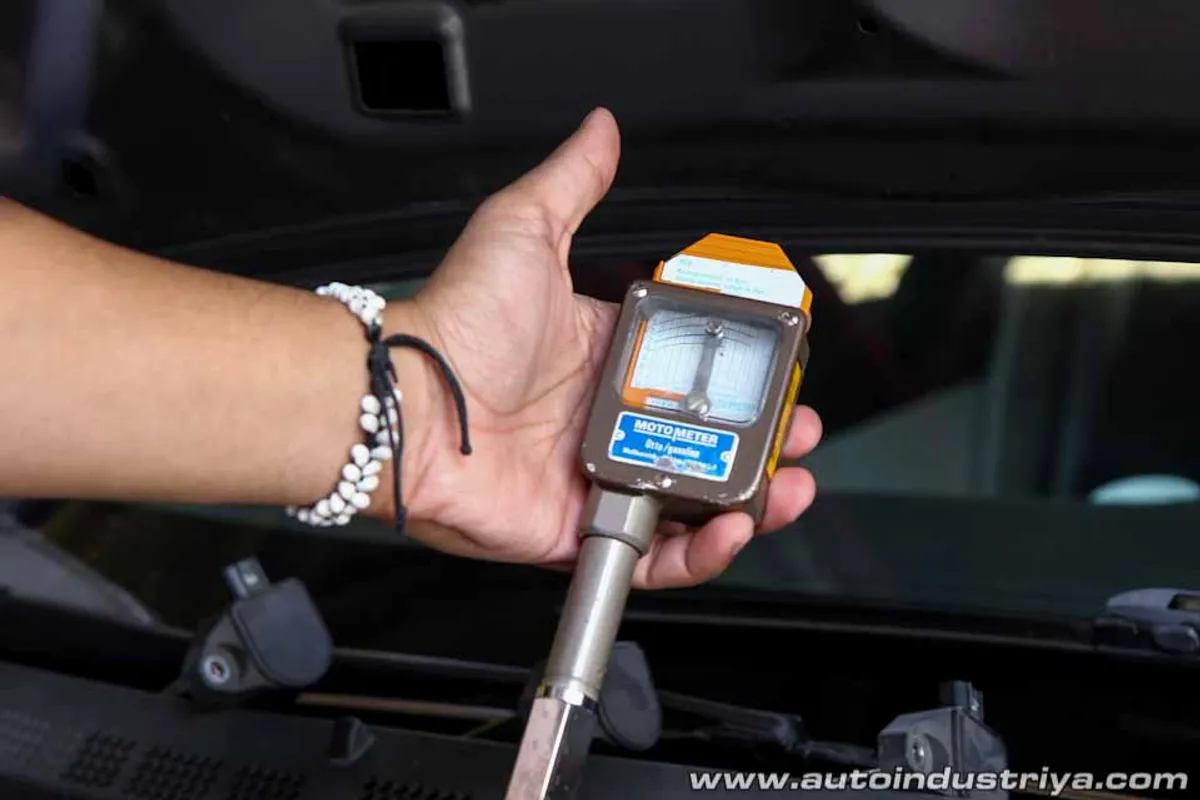
As seen during the compression test, cylinder 1 was at 14bar while the rest were lagging behind at the 13.5 range. Even with cylinders 2-3-4 lagging behind, the result of 13.5 to 14 bar on all cylinders means the engine is still in healthy condition despite being 10 years old. Do note the car used for testing also had its oil changed just 2000km before, so it would have also contributed to the healthy output on the test. The guys over at Blue Chem said that using the engine would still yield improvements over the baseline compression test.
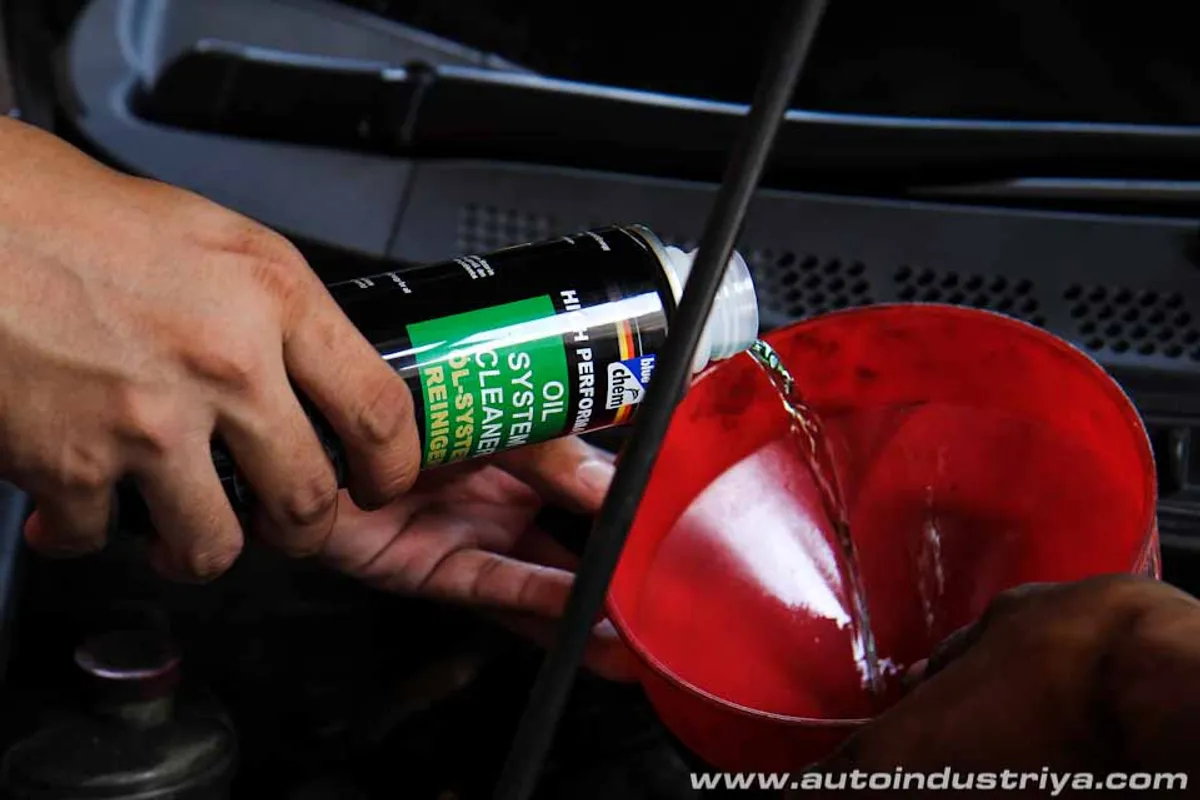
Blue Chem’s Engine cleaner is used just like most proper engine flush wherein the solution; you pour it in and have the engine run for about 15 minutes. One bottle of the oil system cleaner is good for one engine. Unlike a regular engine flush however, this particular cleaner uses an oil based solution unlike other similar products that use chemicals which could damage engine internals when left for too long. This allowed us to use the cleaner then drive it around without having to change the oil (given the fresh oil, we didn’t want to change it just yet). Blue Chem local representatives claim that the cleaner is safe to be left in the engine for two weeks at most.
-
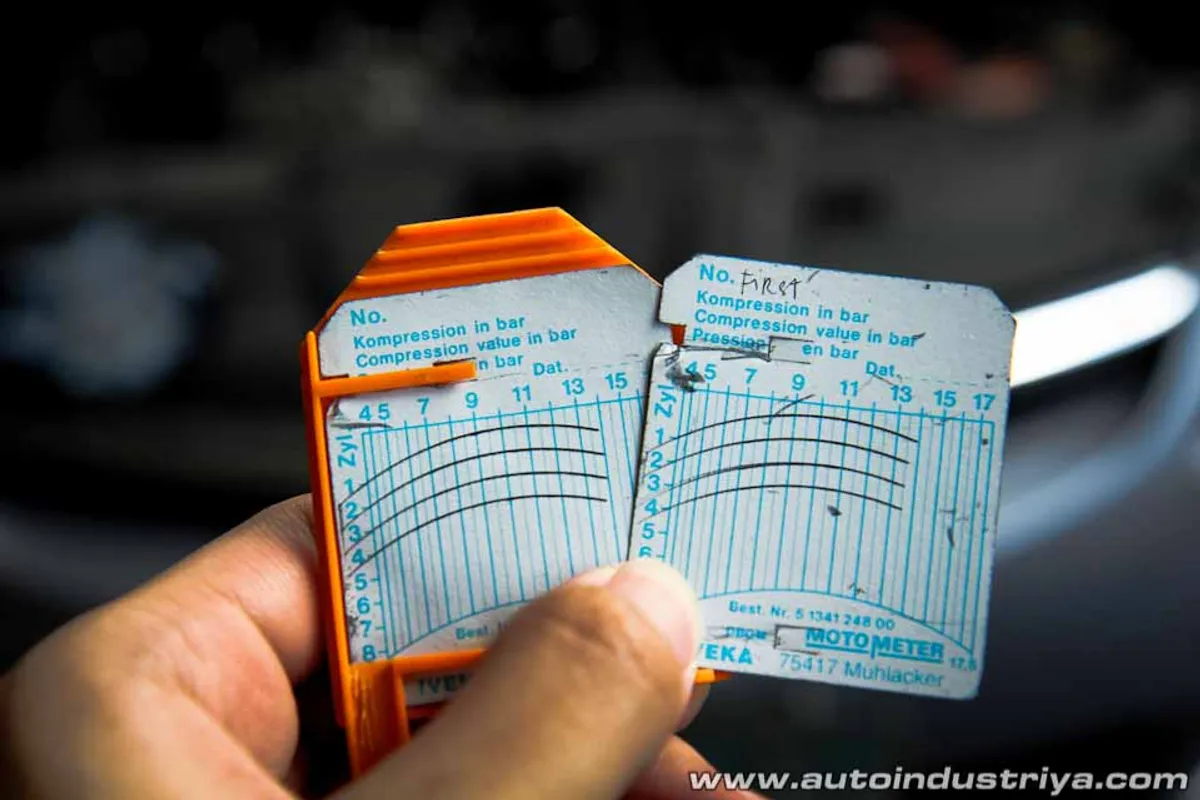
After 15 minutes of running the engine with the engine cleaner, we did another compression test to see if there was any changes. It showed a slight improvement on the three cyclinders (2,3,4) which came out 14bar. This meant that we had approximately equal compression on all four cylinders. We took the car out for a short drive and immediately noticed more torque and response on low rpms. Driving the car over the course of a few days, fuel consumption seemed to have improved as well.
Overall, the Blue Chem Oil System Cleaner was able to live up to their claim of bringing some life back to the car. The SRP for a bottle of Blue Chem Oil System Cleaner costs from Php 850 to Php 950 per bottle. Yes, it is a tad bit more expensive than your average engine flush. But hey, at least this product actually works better than your average engine flush by showing results, and eventually extending your engine's life span. Currently Blue Chem Oil System Cleaners are available at select retail shops, but is hoping to expand to more in the coming months.
Related Posts
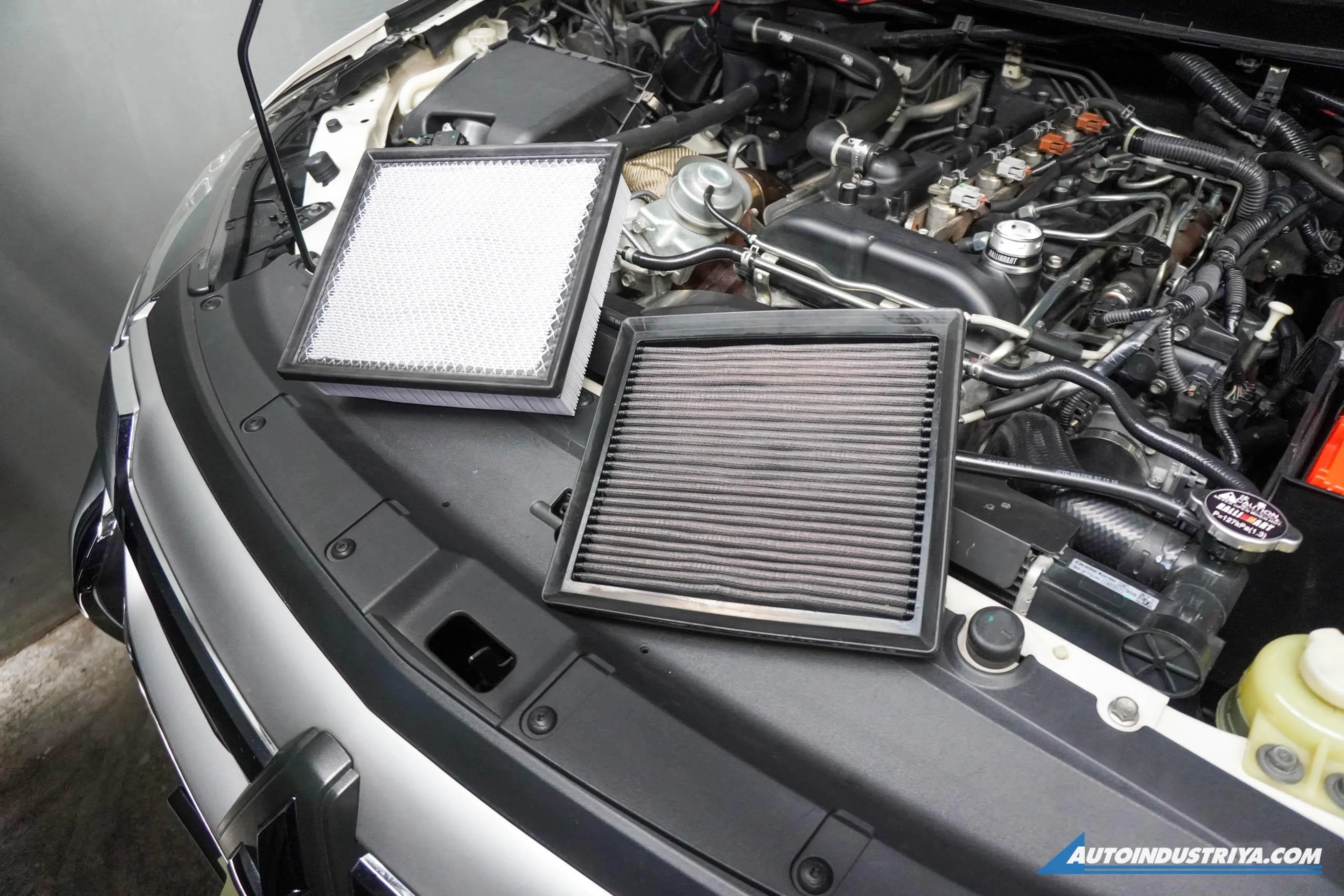
Air Filters - Dry vs. Oiled: Which works better?
Pros and cons between using dry OEM-style filters or aftermarket oiled filters.
 Francis Pallarco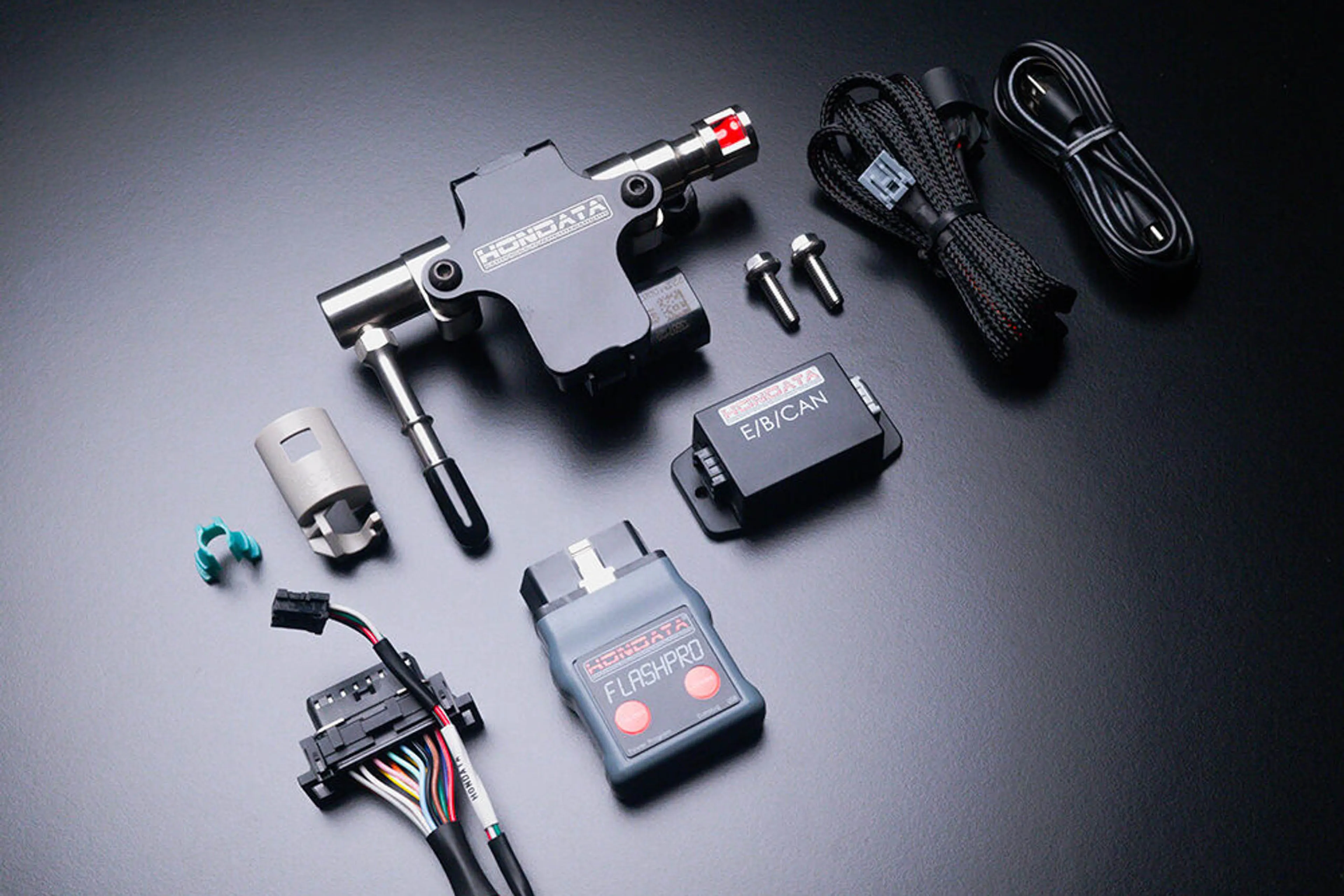
Hondata has been acquired by Engineered Performance Technologies
Hondata, one of the most respected names in Honda and Acura engine management, has been acquired by Engineered Performance Technologies (EPT), expanding the performance group's growing portfolio of enthusiast-focused aftermarket brands.
Francis Pallarco
A Lost Art: How modern tech eliminated the skill of engine tune-ups
Here's a look back at how engine tune-ups were done back in the day to restore lost engine power.
Francis Pallarco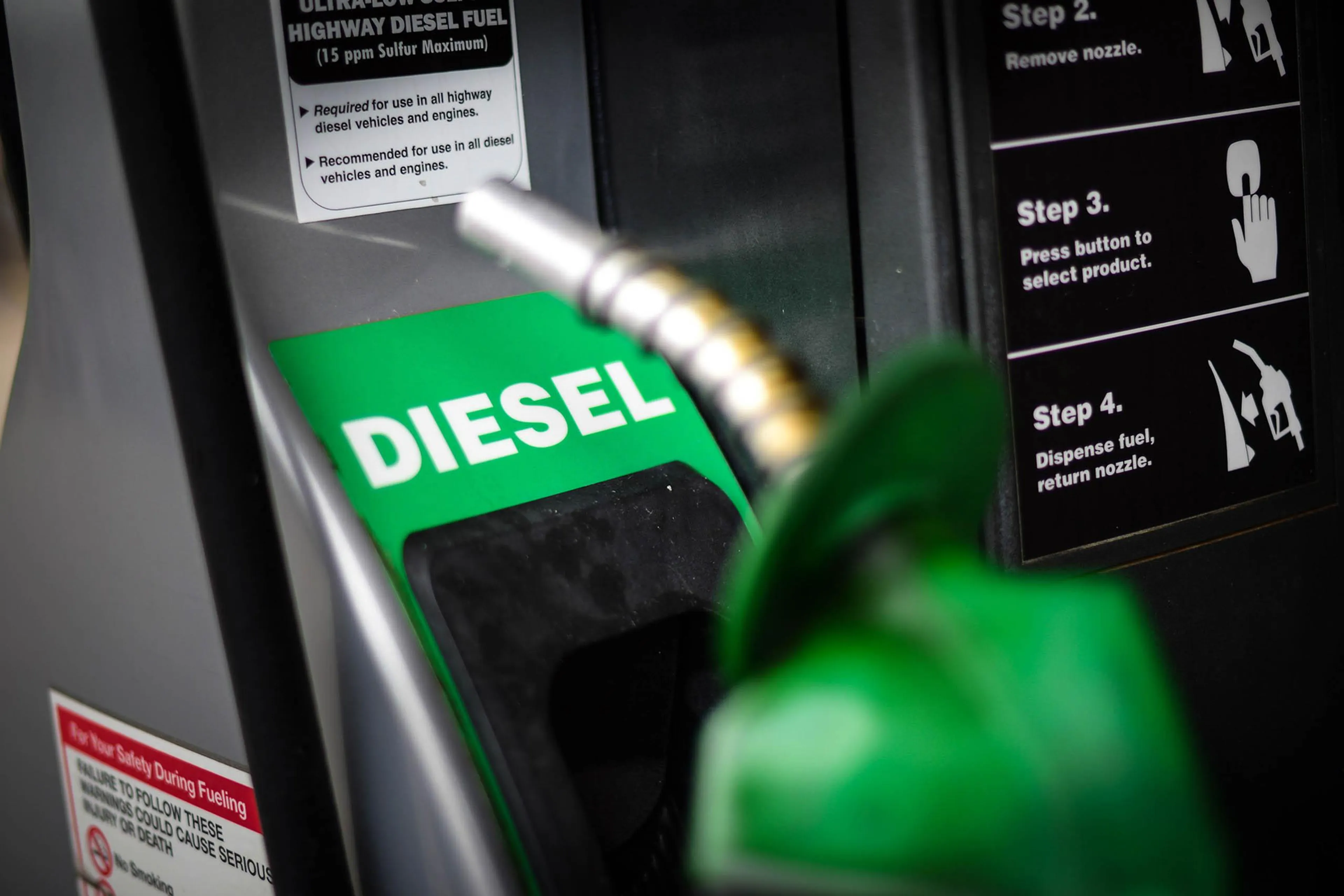
Bad Batch: How to tell if you filled up on contaminated diesel
Symptoms and effects of using bad diesel and what to do
Francis Pallarco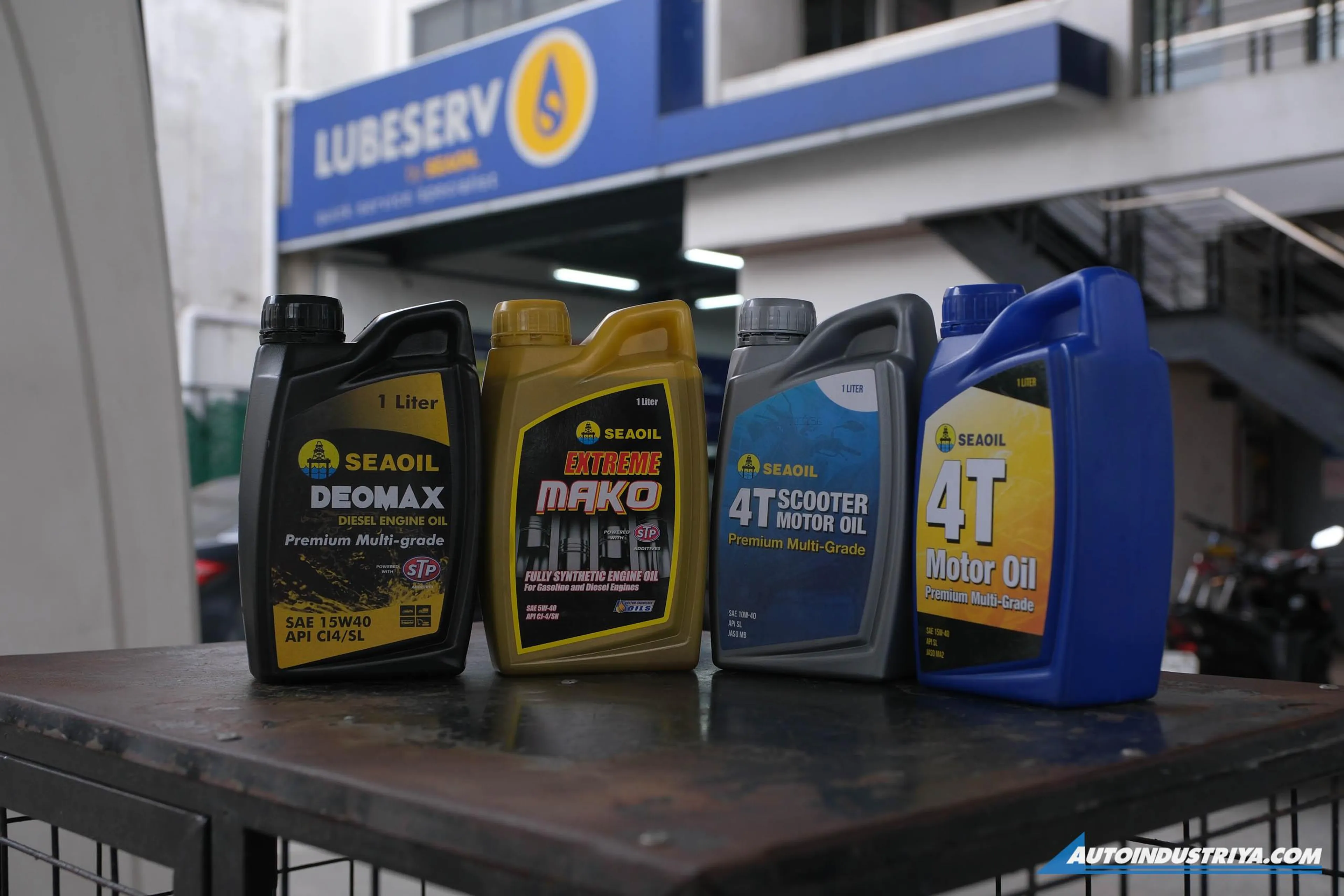
SEAOIL Lubricants: Double Engine Protection, Tibay Sa Mahabang Panahon
Get total engine protection for your car or motorcycle by using SEAOIL Lubricants with STP additives

Auto 101: Do we still need to let car engines warm up?
Given today's crop of modern machinery, is it still necessary for this time-honored automotive ritual to be practiced and does it still hold true?
Francis Pallarco