
Air Filters - Dry vs. Oiled: Which works better?
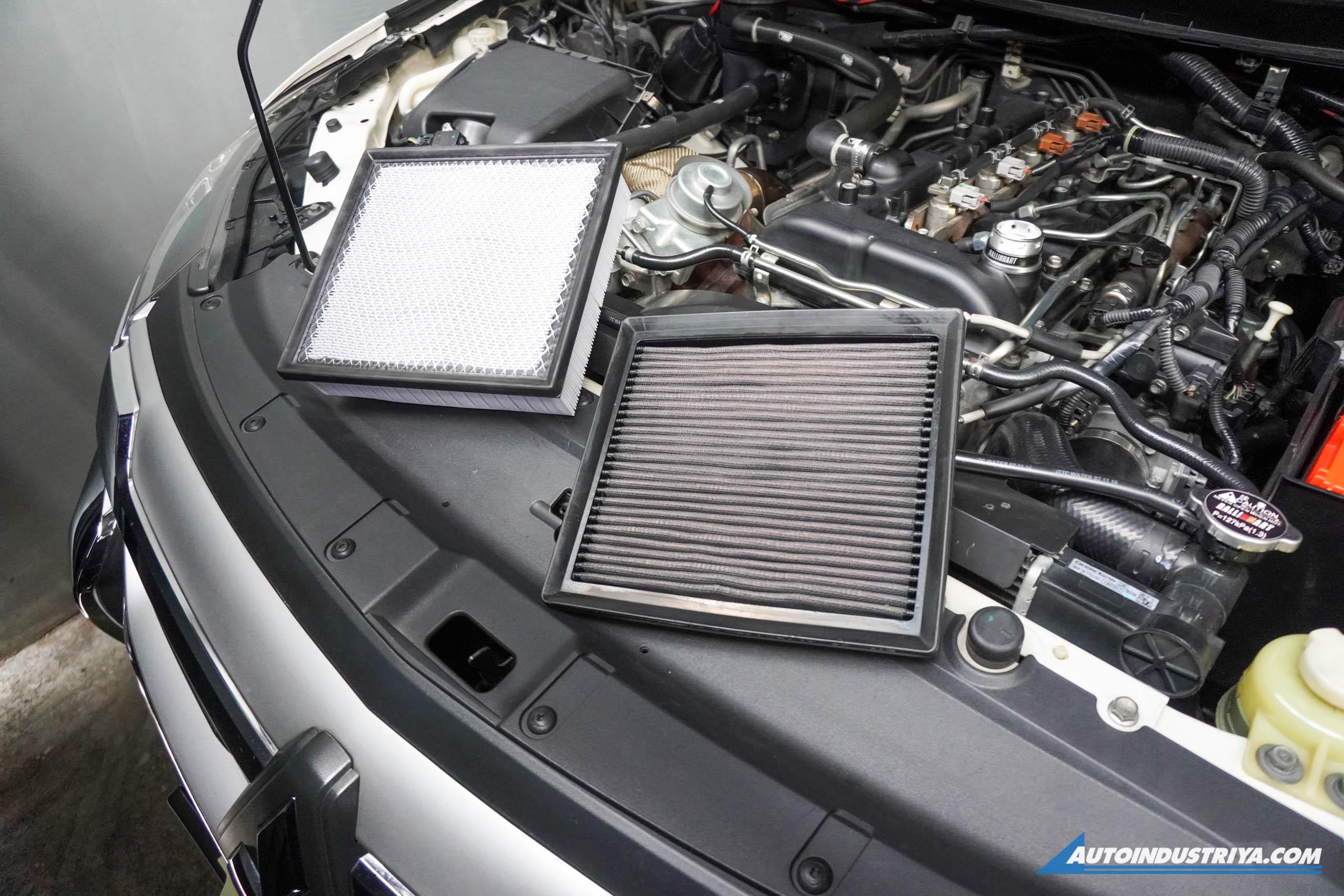
Air Filters - Dry vs. Oiled: Which works better?
Same purpose, but which one works best and gives better value

Airflow is the lifeblood of an internal combustion engine. Without a steady supply of clean air, fuel can’t burn efficiently, leading to reduced engine power and torque. That’s why enhancing airflow is a key aspect of vehicle maintenance and often one of the first upgrades considered when extracting more engine performance.
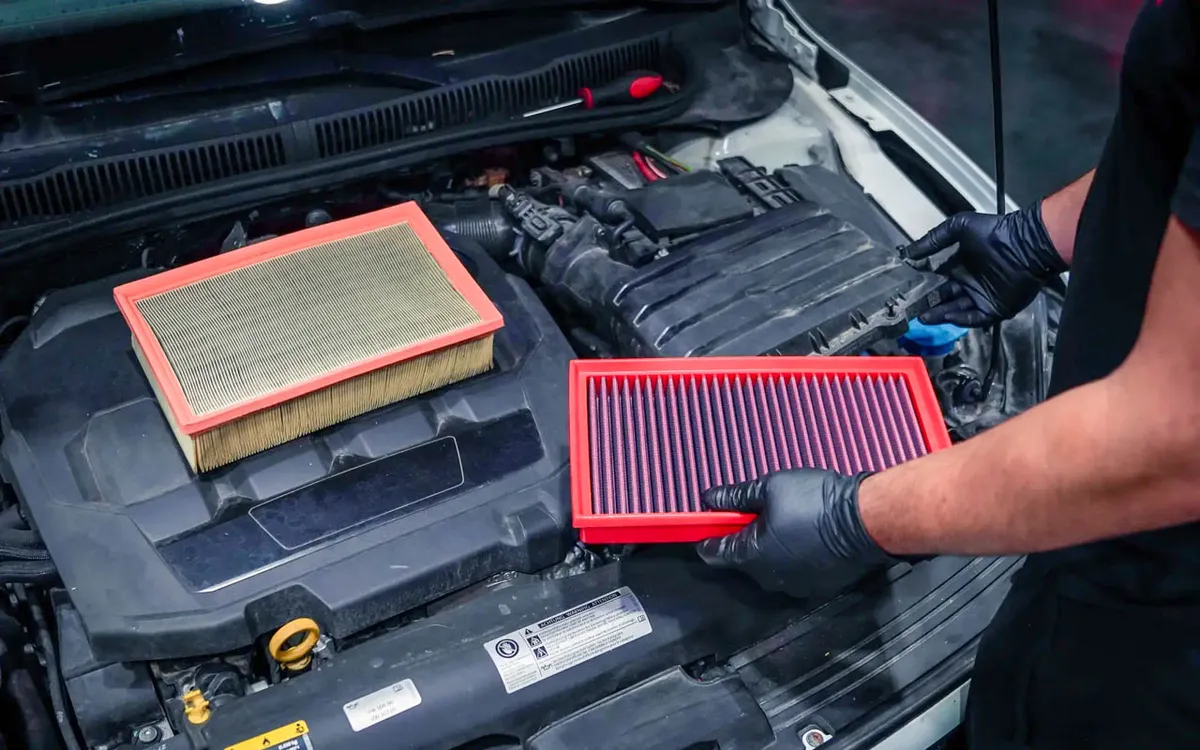
One of the simplest ways to do this is by ensuring that the engine air filter is regularly checked or replaced if needed. It protects both the engine and, in boosted applications, the turbocharger or supercharger by filtering out dust and other damaging contaminants.
Nearly all modern engines use drop-in air filters, which come in two main types: dry OEM-style filters and aftermarket oiled filters. Although these serve the same purpose, each has its own advantages depending on the vehicle’s use, driving conditions, and the driver’s priorities.
Dry Air Filters
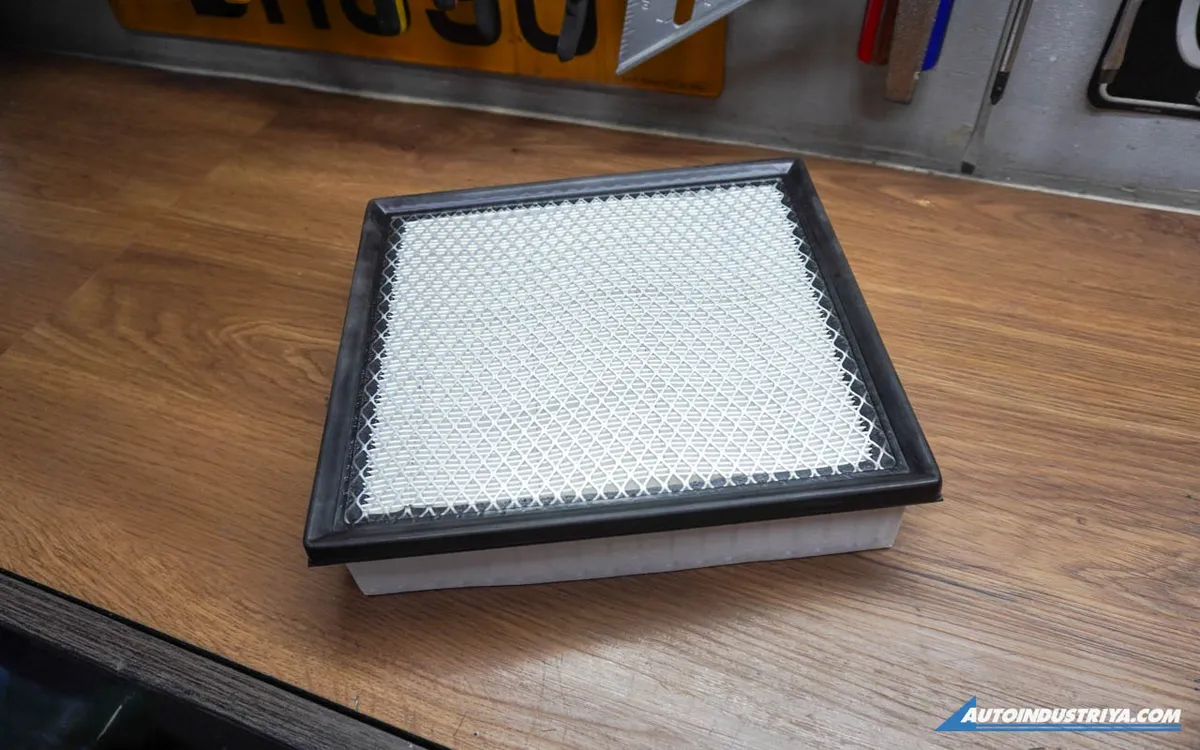
Commonly used as Original Equipment Manufacturer (OEM) replacement parts, dry air filters are typically made from layered paper, polyester, or synthetic fibers that are effective in capturing contaminants to safeguard the engine.
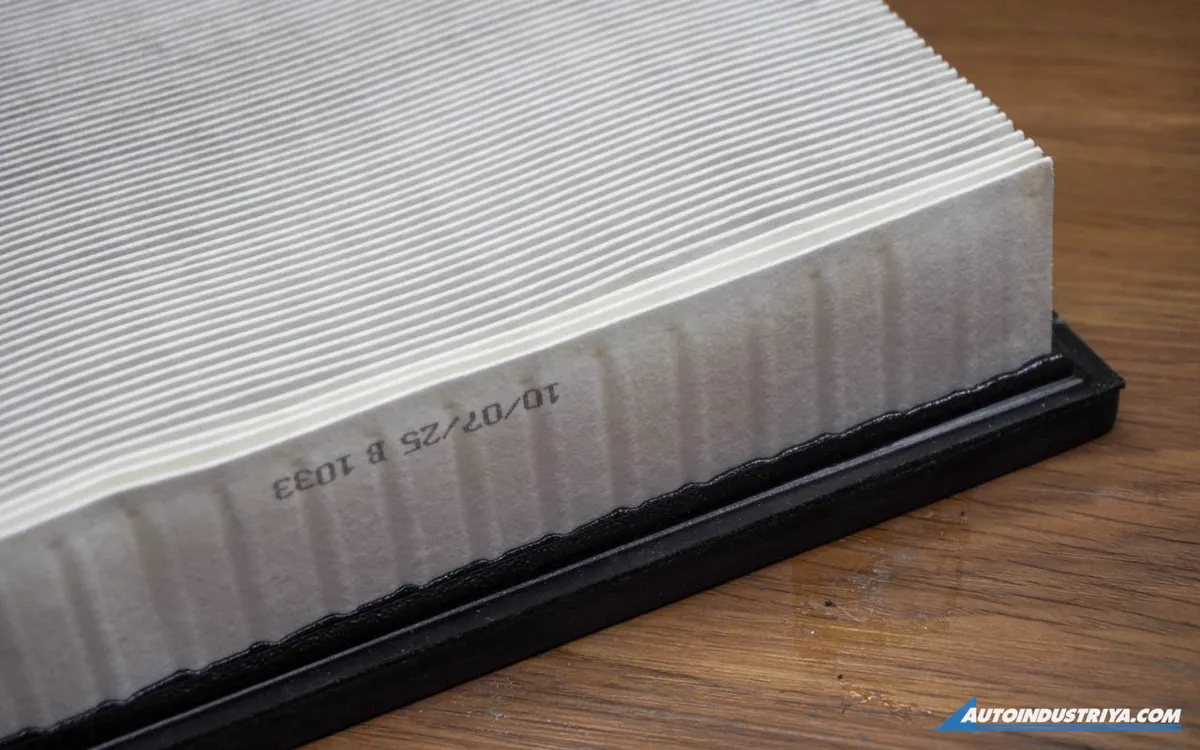
The main advantage is low maintenance. These are disposable and simply replaced at manufacturer-recommended intervals, usually every 10,000–15,000 kilometers or every oil change, though this can vary with driving conditions.
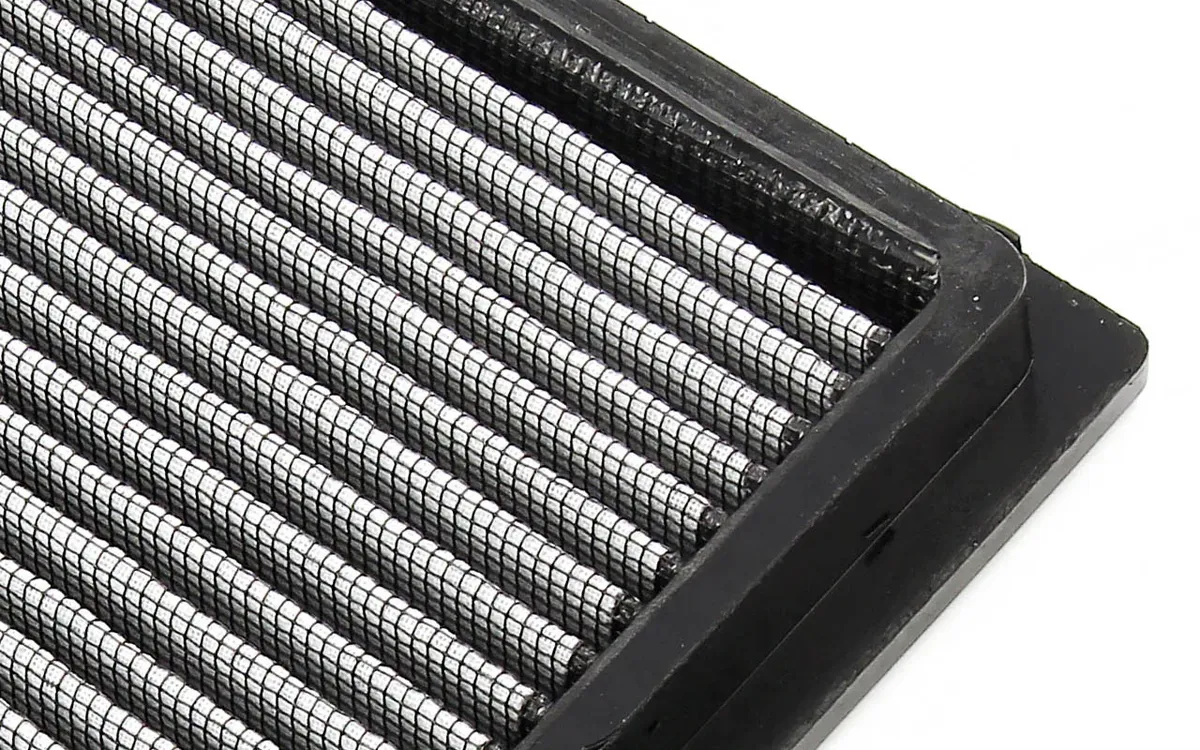
Bridging the gap between convenience and performance, another option is to use aftermarket dry washable air filters. This style provides high airflow, dependable filtration, long-lasting durability, and the cost benefits of being reusable.
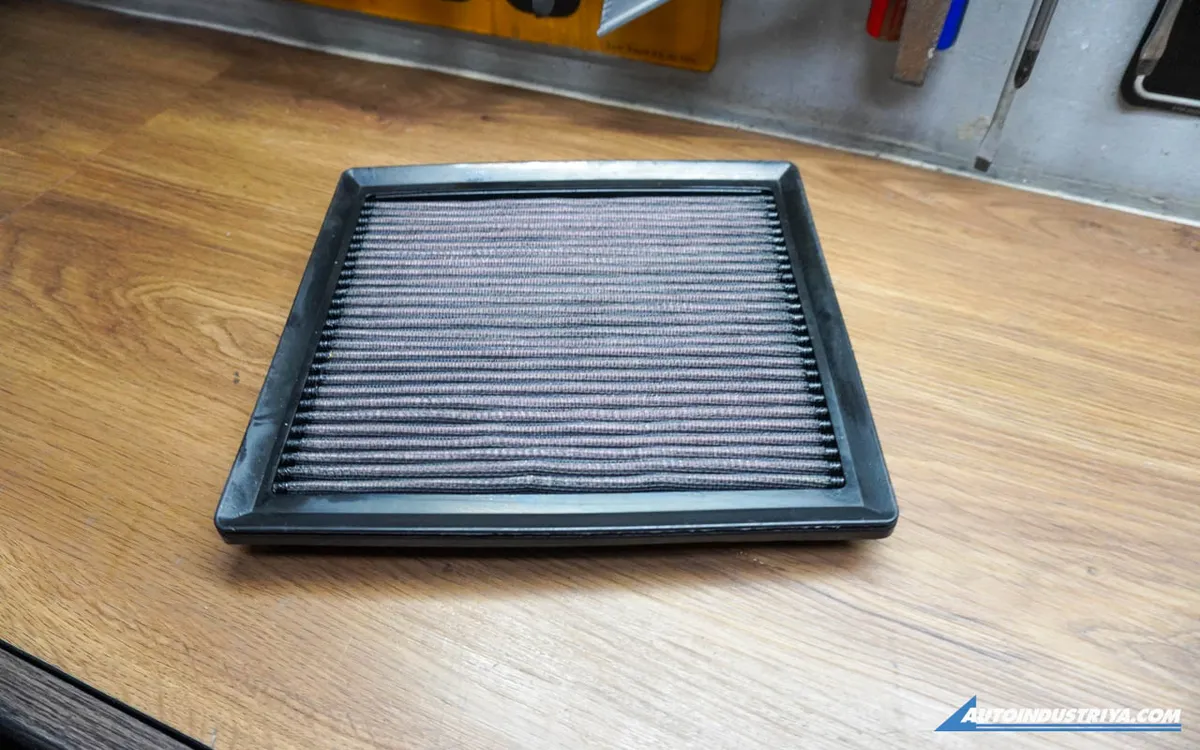
Oiled Air Filters
Aftermarket oiled drop-in air filters are widely used by performance enthusiasts and feature the same cotton-gauze material found in most cold air intake systems.
Utilizing a high-flow synthetic media coated with a thin layer of oil, it acts as a sticky barrier that traps contaminants while allowing greater airflow.
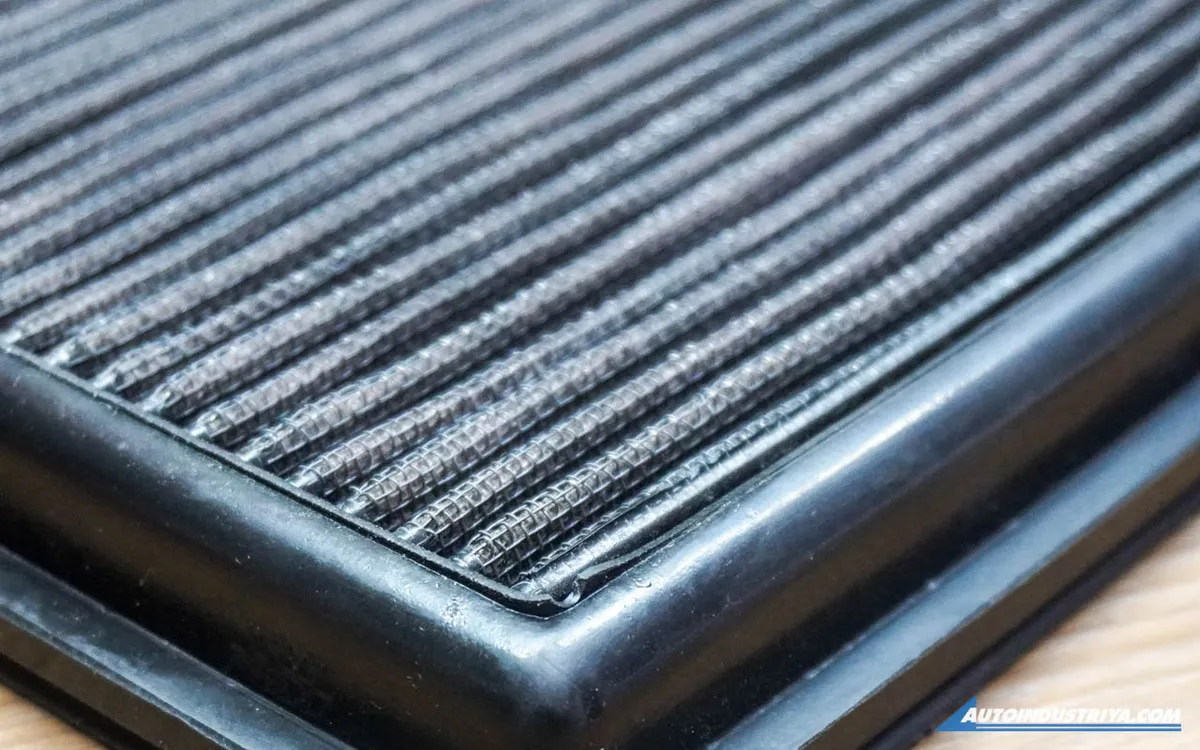
Because these create less restriction than most dry filters, oiled filters are often favored by enthusiasts looking to maximize engine performance. These are also reusable. All you need to do is wash, dry, and re-oil. That's why these have a longer service life than OEM-style disposable filters.
Cleaning intervals vary among manufacturers, but it is generally recommended every 15,000 to 20,000 kilometers, or about once a year, depending on driving conditions.
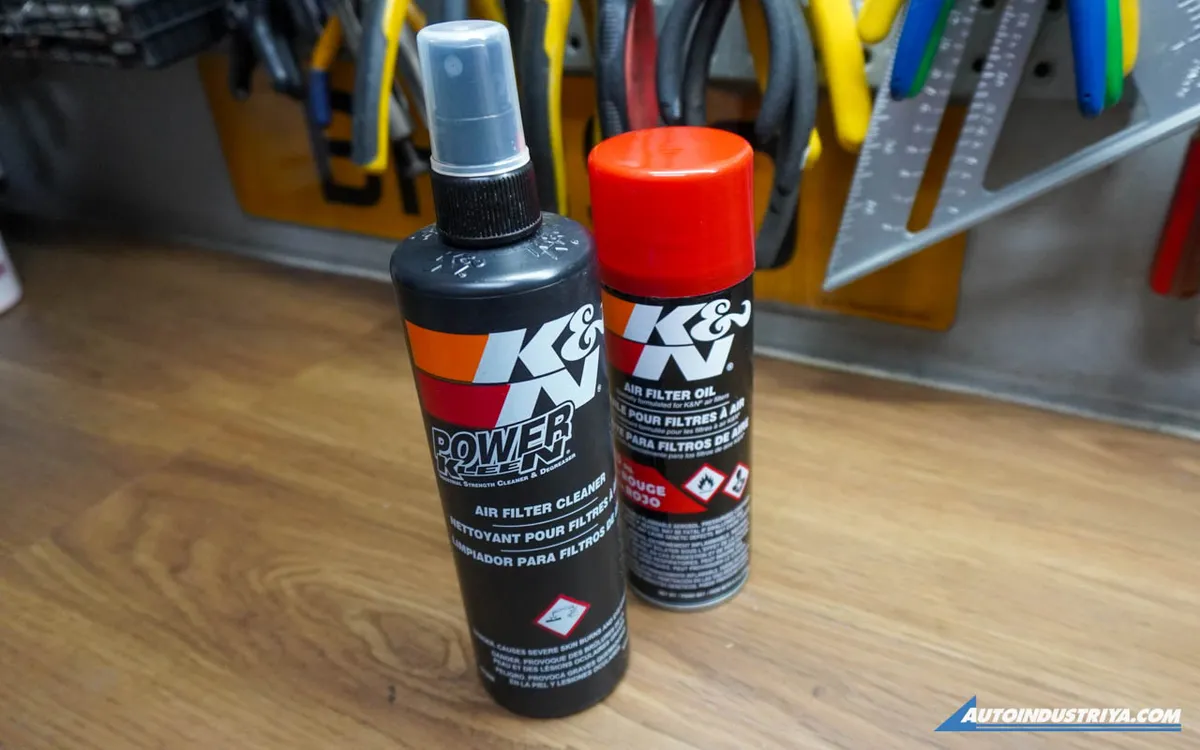
Proper maintenance requires buying a dedicated cleaning kit that includes both a cleaner and a specially formulated oil.
While the process itself is fairly simple, applying too much oil can contaminate the mass airflow (MAF) sensor, potentially causing inaccurate readings and performance issues. However, when done correctly, this rarely causes a problem.
Factors to consider
Choosing the right type of air filter ultimately comes down to four key factors: airflow, filtration efficiency, maintenance, and cost. Since there’s no one-size-fits-all answer, let’s go over the key factors to gain a better understanding of what to look for to help you decide which type suits your vehicle and preferences.
Airflow
When it comes to airflow, aftermarket oiled air filters have the edge. Built with performance-oriented, high-flow synthetic materials, these typically offer slight performance gains over traditional dry filters that use denser paper or layered fiber media.
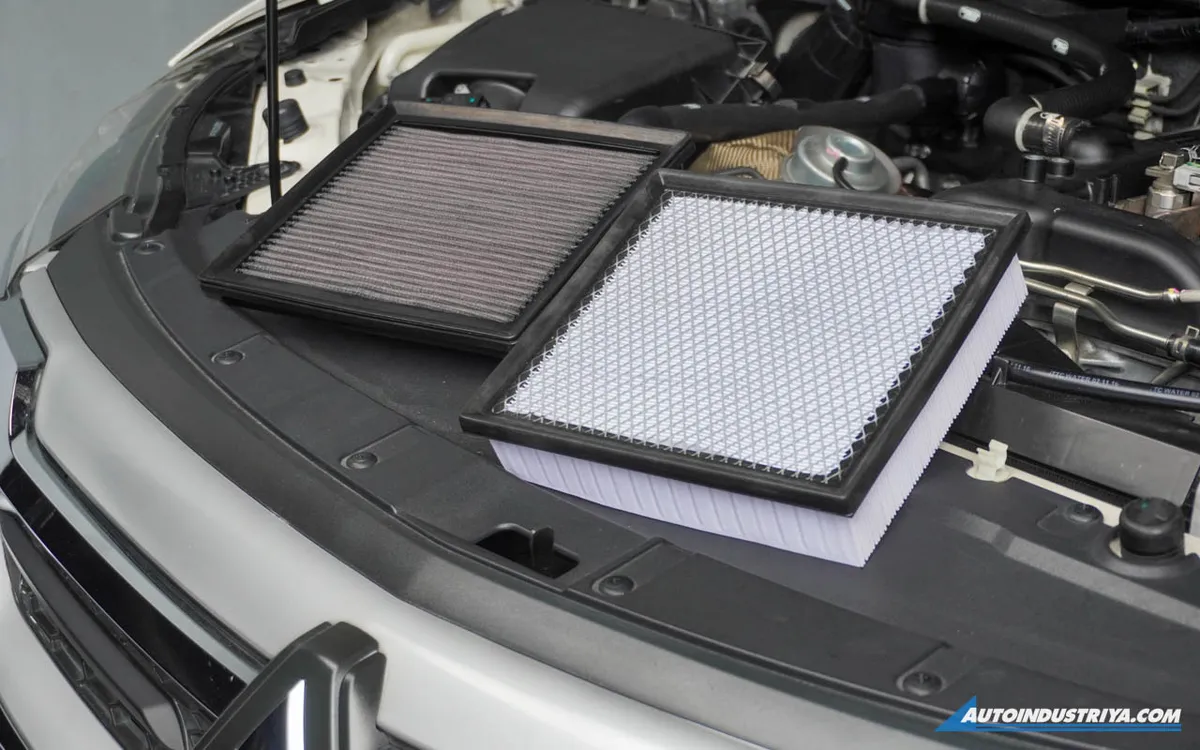
In high-horsepower or heavily modified engine setups, an oiled air filter is generally the better choice to support increased airflow demands.
Filtration Efficiency
When it comes to filtration, both dry and oiled air filters provide excellent protection against dirt, dust, and other contaminants. However, dry filters hold a slight edge, capturing roughly 99% of particles thanks to their fine, low-micron media, compared to about 98% for oiled filters.
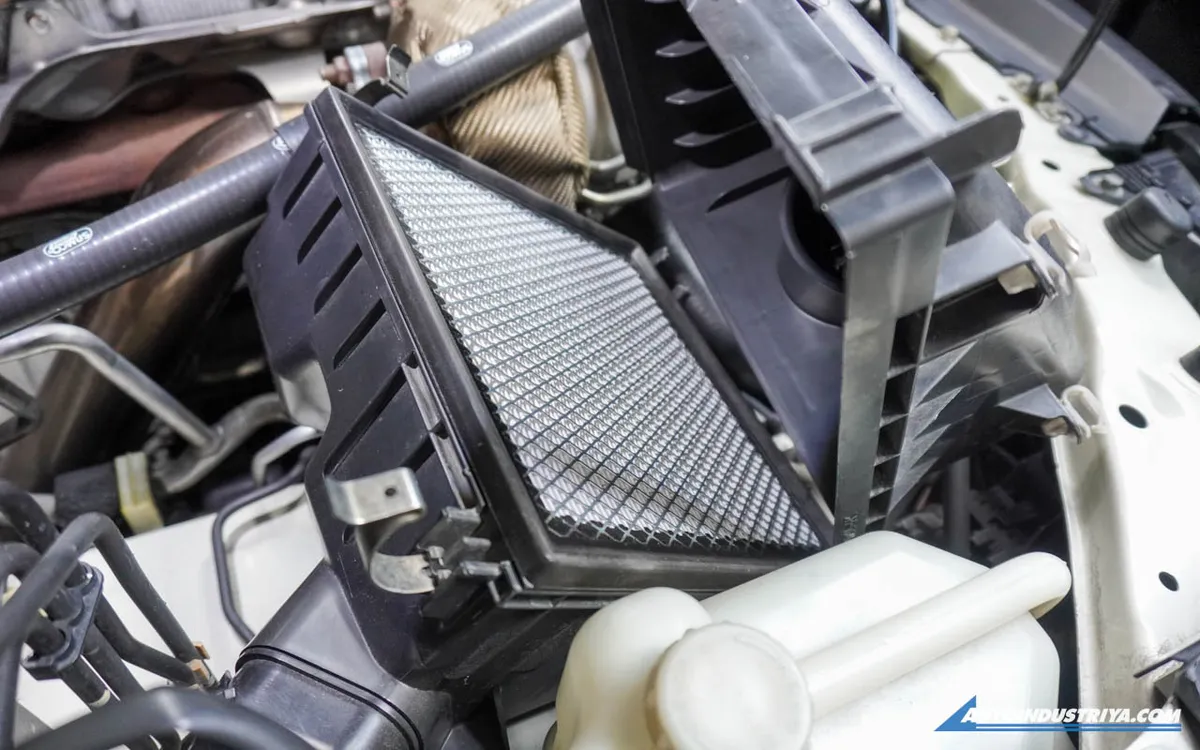
This is also true in dusty conditions, where dry filters resist clogging better than oiled filters, which tend to accumulate debris more quickly due to their tacky surfaces.
However, the difference in filtration performance between the two is minimal and generally insignificant for everyday driving.
Maintenance
Oiled air filters require regular cleaning and careful re-oiling, which demands time and attention. In contrast, dry filters are a simple remove-and-replace affair and virtually maintenance-free. This makes them a more convenient choice, especially for those with busy schedules.
While their lifespan can be extended by using compressed air to remove some dust, this is not advisable, as it depends on how dirty it is and can only be done a couple of times.
In terms of maintenance, here’s the question: are you willing to invest the time and effort to maintain a reusable oiled air filter, or do you prefer the ease of simply replacing a dry air filter?
Cost-wise
From a cost perspective, OEM and aftermarket dry air filters are more affordable upfront than aftermarket oiled drop-in filters. However, they need to be replaced regularly, whereas oiled filters are reusable.
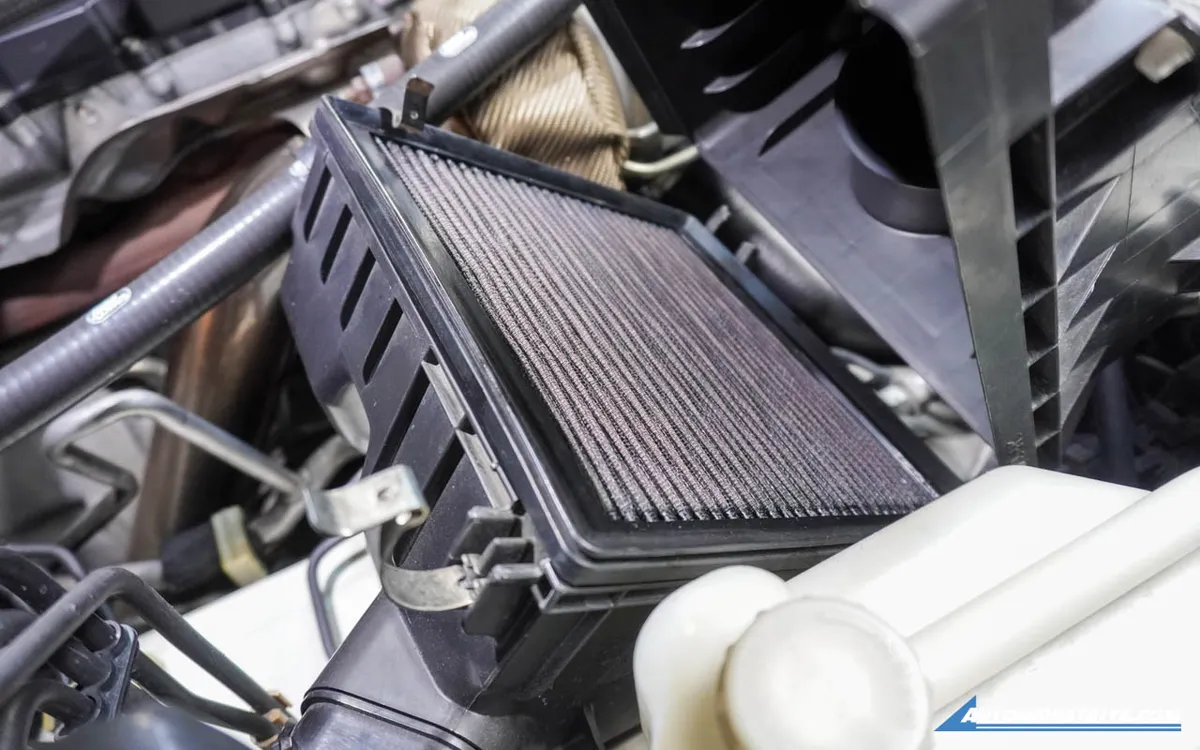
For example, for a typical Japanese SUV, a replacement or genuine OEM air filter might cost somewhere around PHP 600 to 1,900, while an aftermarket oiled drop-in filter usually costs about PHP 4,500 and up, depending on the engine type.
Although oiled filters are more expensive, their reusability can lead to long-term savings. However, it’s important to factor in the cost of specialized cleaning and recharge kits required for proper maintenance, which typically cost upwards of PHP 1,500, adding to the overall expense.
Choosing the Right Filter
For most drivers, choosing between dry and oiled filters depends on priorities. If you prefer low maintenance, lower upfront cost, and reliable engine protection, an OEM-style dry air filter is typically the best choice.
Alternatively, if improved airflow, performance, and reusability matter more and you don't mind the higher cost and regular DIY maintenance, an oiled drop-in performance air filter can be a worthwhile upgrade.
In reality, the performance difference between the two is minimal. The best choice ultimately depends on your driving habits, maintenance preferences, and whether you prioritize convenience or maximizing airflow.
Most importantly, ensuring that your air filter, whether you prefer dry or oiled, is in proper working condition is essential to achieve maximum engine performance and improve fuel mileage.
What type of filter do you prefer and why? Share your thoughts with us.
Related Posts
MAHLE partners with Atlas, Hengsons, Izuparts, and Visco to boost PH presence
MAHLE is strengthening its local presence through a strategic alliance with Atlas, Hengsons, Izuparts, and Visco, ensuring Filipino workshops have steady access to high-quality replacement parts.
Hondata has been acquired by Engineered Performance Technologies
Hondata, one of the most respected names in Honda and Acura engine management, has been acquired by Engineered Performance Technologies (EPT), expanding the performance group's growing portfolio of enthusiast-focused aftermarket brands.
 Francis Pallarco
10 Years Strong: PartsPro celebrates a decade of serving PH automotive community
PartsPro celebrates 10th anniversary as a leading online automotive parts store in PH
 Jamil Lacuna
Toyota PH launches T-OPT aftermarket brand at MIAS 2026
Toyota Motor Philippines officially introduces T-OPT, which is their latest premium regional aftermarket parts brand
 AutoIndustriya.com
A Lost Art: How modern tech eliminated the skill of engine tune-ups
Here's a look back at how engine tune-ups were done back in the day to restore lost engine power.
Francis Pallarco
Bad Batch: How to tell if you filled up on contaminated diesel
Symptoms and effects of using bad diesel and what to do
Francis Pallarco