
De Sais: What we liked (and didn’t like) in Ford Ranger, Everest V6
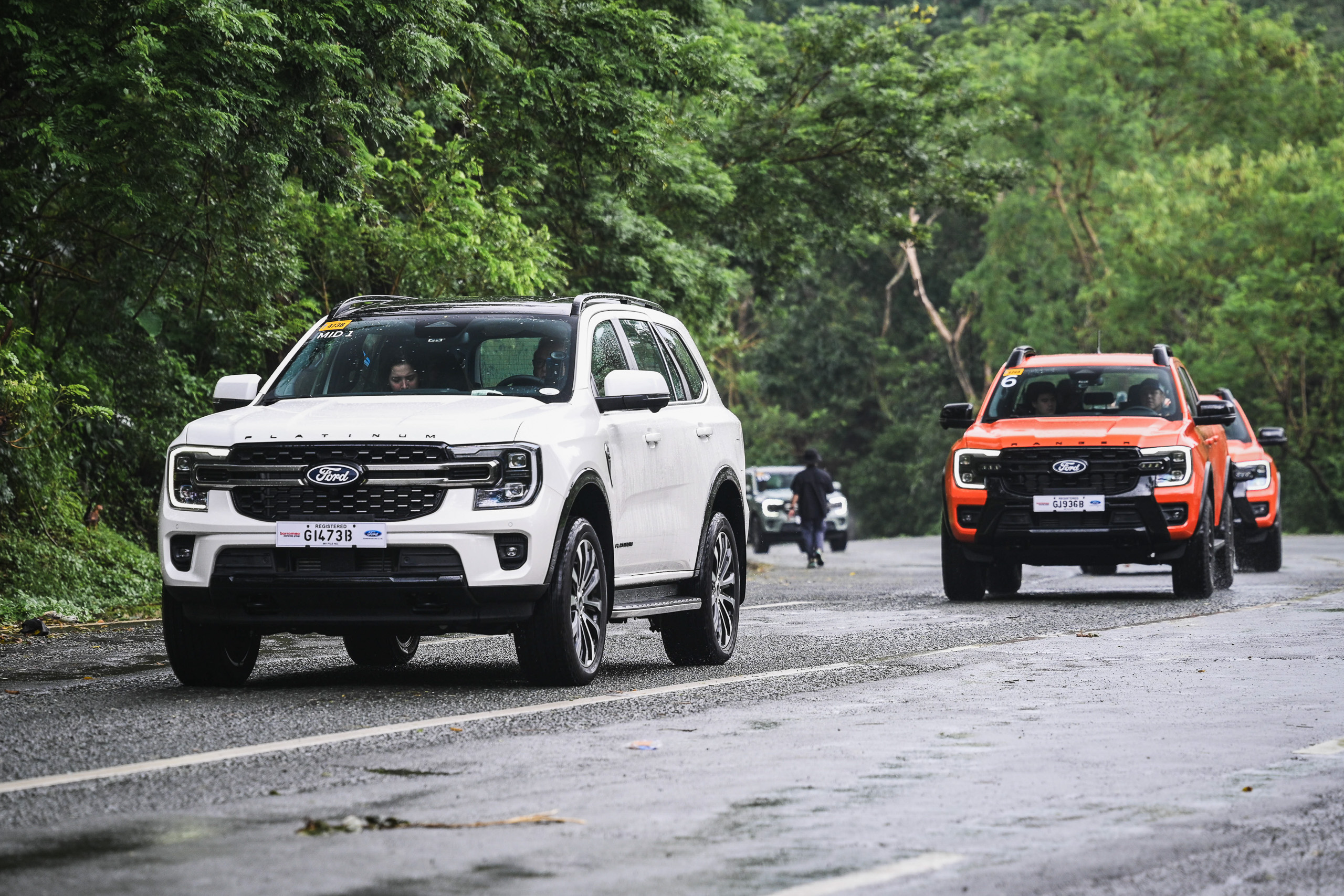
De Sais: What we liked (and didn’t like) in Ford Ranger, Everest V6
First drive of the V6-powered Ford Ranger Wildtrak X 4x4, Everest Platinum 4x4, and Everest Wildtrak 4x4

With almost every automaker constantly downsizing engines to meet stricter fuel economy figures or more stringent emissions standards, brands like Ford still want to flex their muscles. Sure, Ford Philippines may have electrified vehicles in the form of the Territory Hybrid and Mustang Mach-E, but a large chunk of their sales still comes from frame-based vehicles, particularly the Ranger and the Everest.
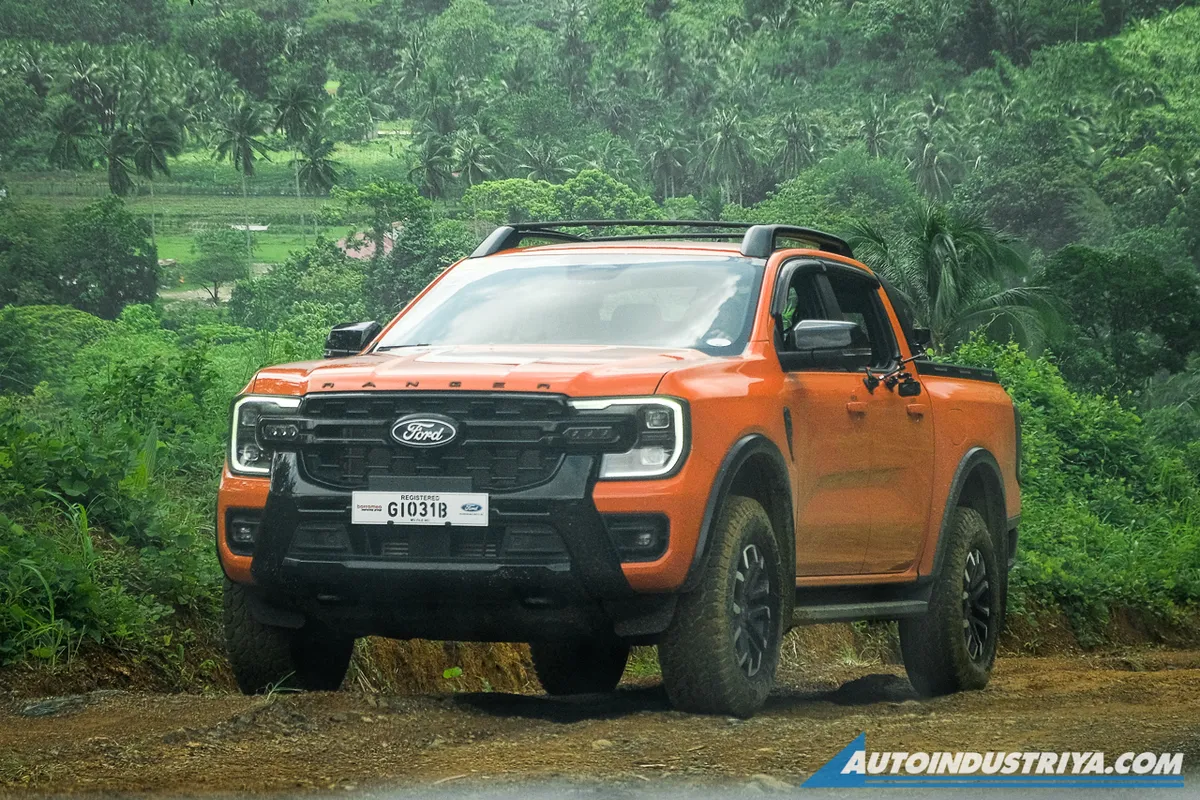
The Blue Oval marque just launched the upgraded and updated Ranger & Everest lineup, and boy, was Ford busy with both vehicles. With a new V6 powerplant, improved 4x4 capability, and a longer list of standard features & amenities, Ford wants to prove that going big is the ultimate flex.
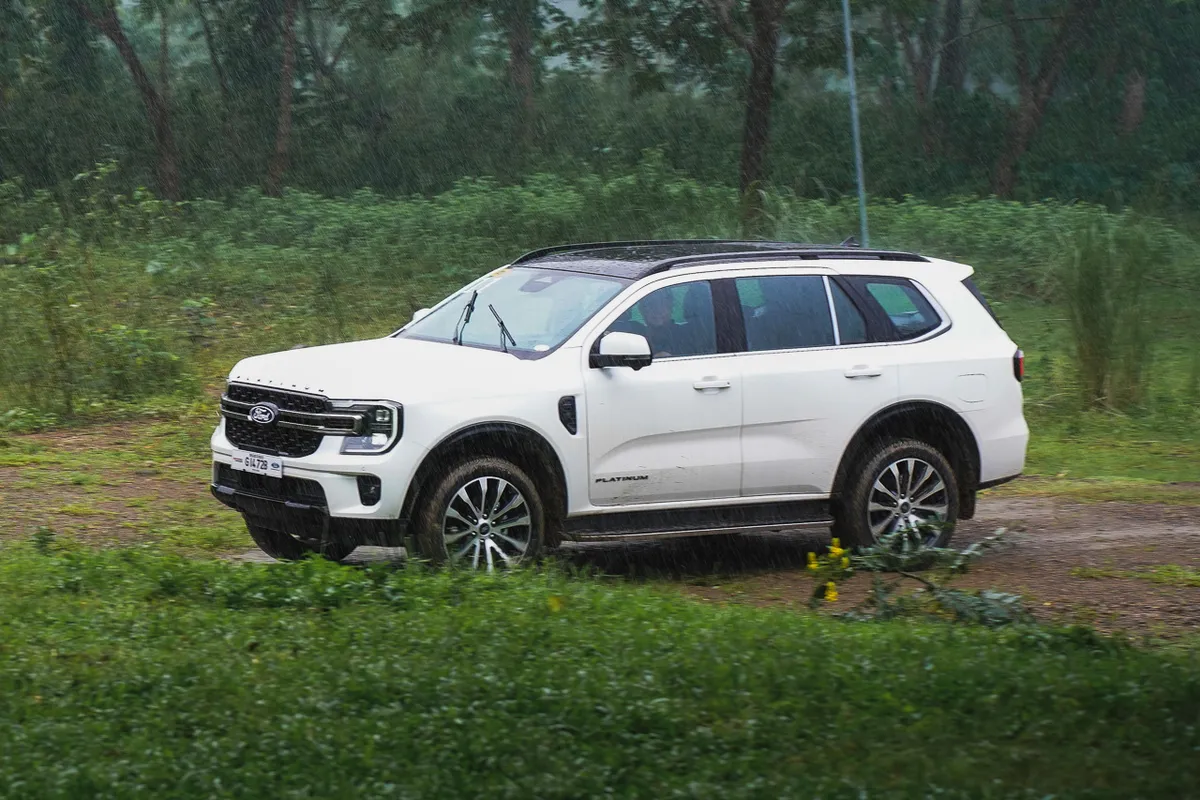
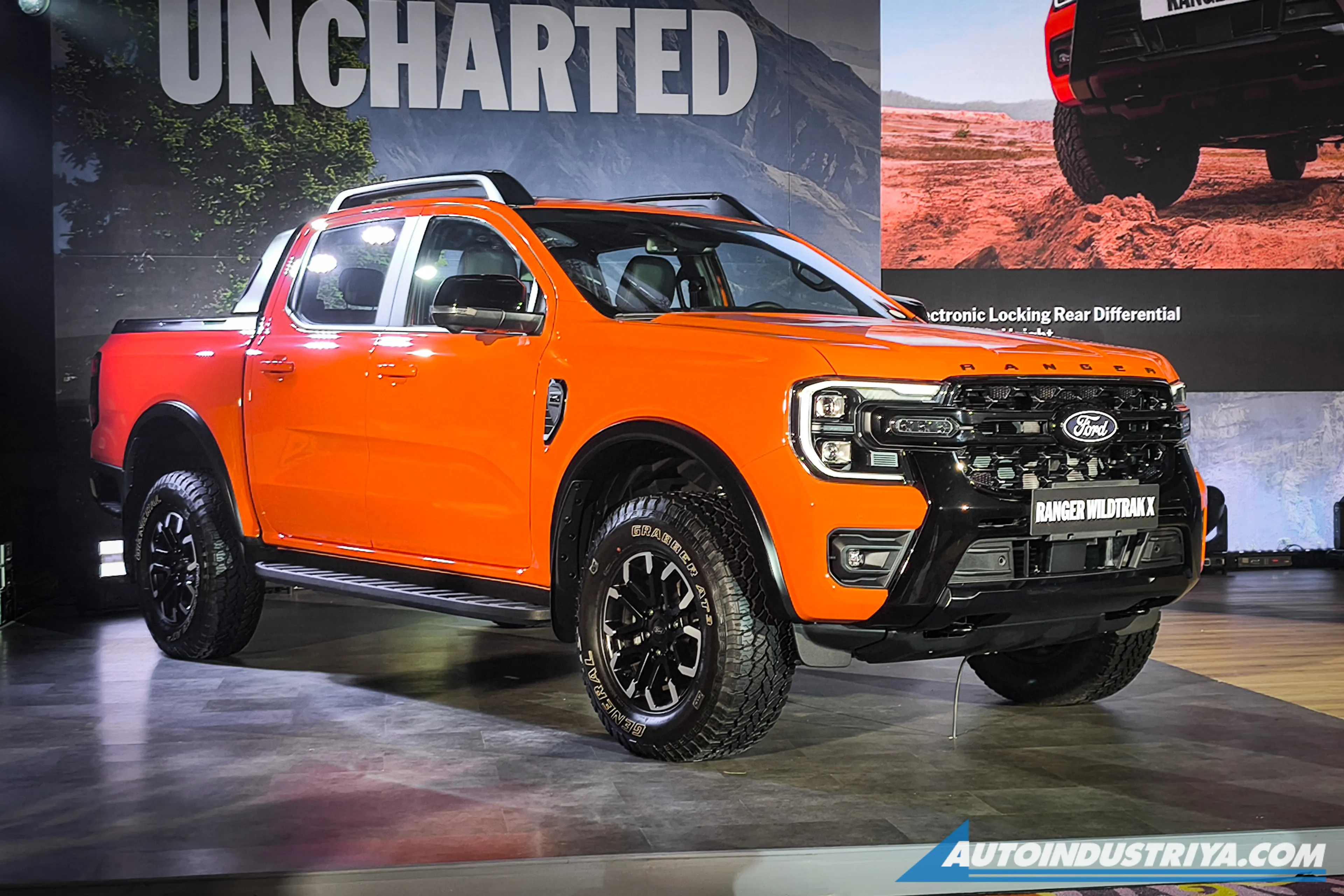
Right after, they got us to experience the Ranger Wildtrak X V6 4x4, the Everest Platinum V6 4x4, and the Everest Wildtrak 2.0L 4x4.
Lean & Mean
Let’s start with what’s under the hood: the 3.0L Powerstroke turbo-diesel V6. This is not the first time we’ve had this engine since it was first launched for the rather short-lived F-150 Diesel. But since the F-150 is no longer on sale and Ford discontinued the 2.0L bi-turbo diesel, it was only natural for Ford Philippines to give the top-of-the-line Ranger Wildtrak (and Wildtrak X), as well as the Everest Platinum, the turbo-diesel V6. Oh, I forgot to mention that, unlike the 2.0L bi-turbo's "infamous" wet belt system, the V6 makes use of a dry belt setup.
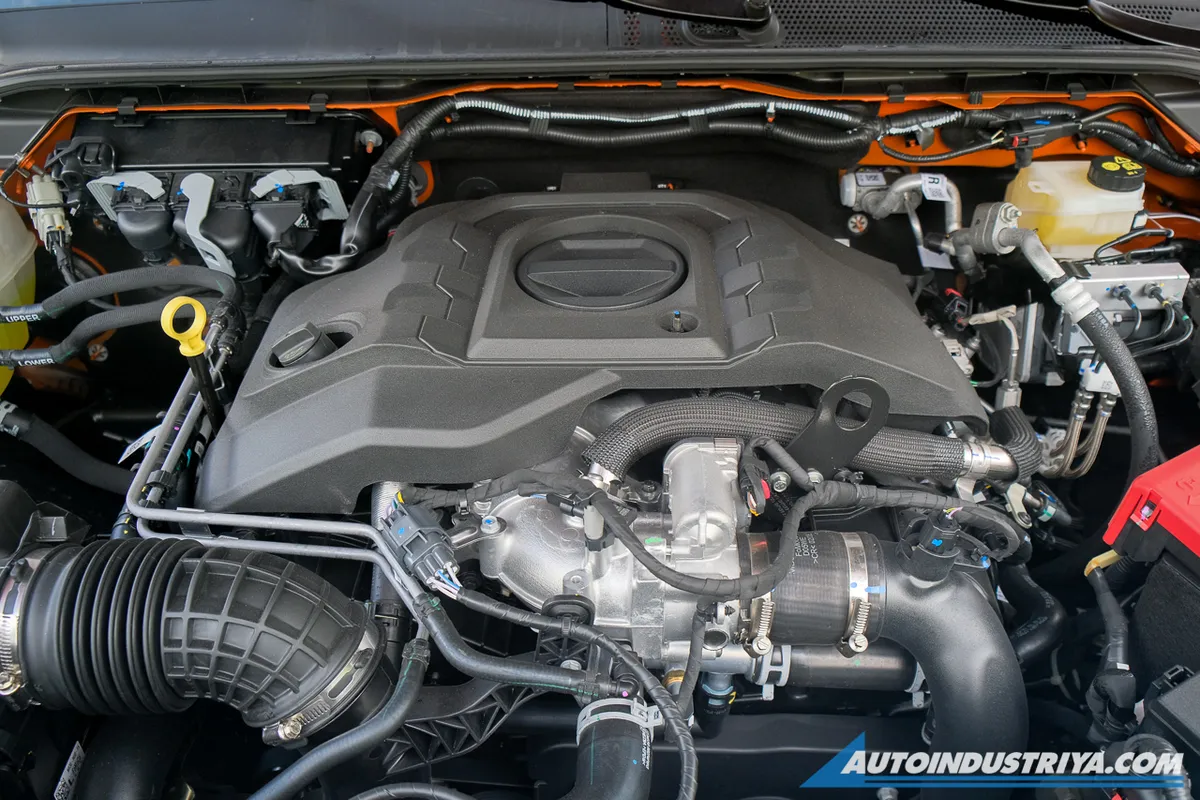
With a two-day drive of both vehicles, which covered Metro Manila, Rizal, Laguna, and Batangas, we had plenty of time to get familiar with the Powerstroke V6, and it did not disappoint. With 600 Nm of torque on tap and 250 PS to play with, mashing the accelerator pedal to overtake slower cars on the open road was an experience in itself. Even on uphill sections of the Marilaque Highway, the V6-powered Ranger Wildtrak X and Everest Platinum did not lose any steam and kept the power going.
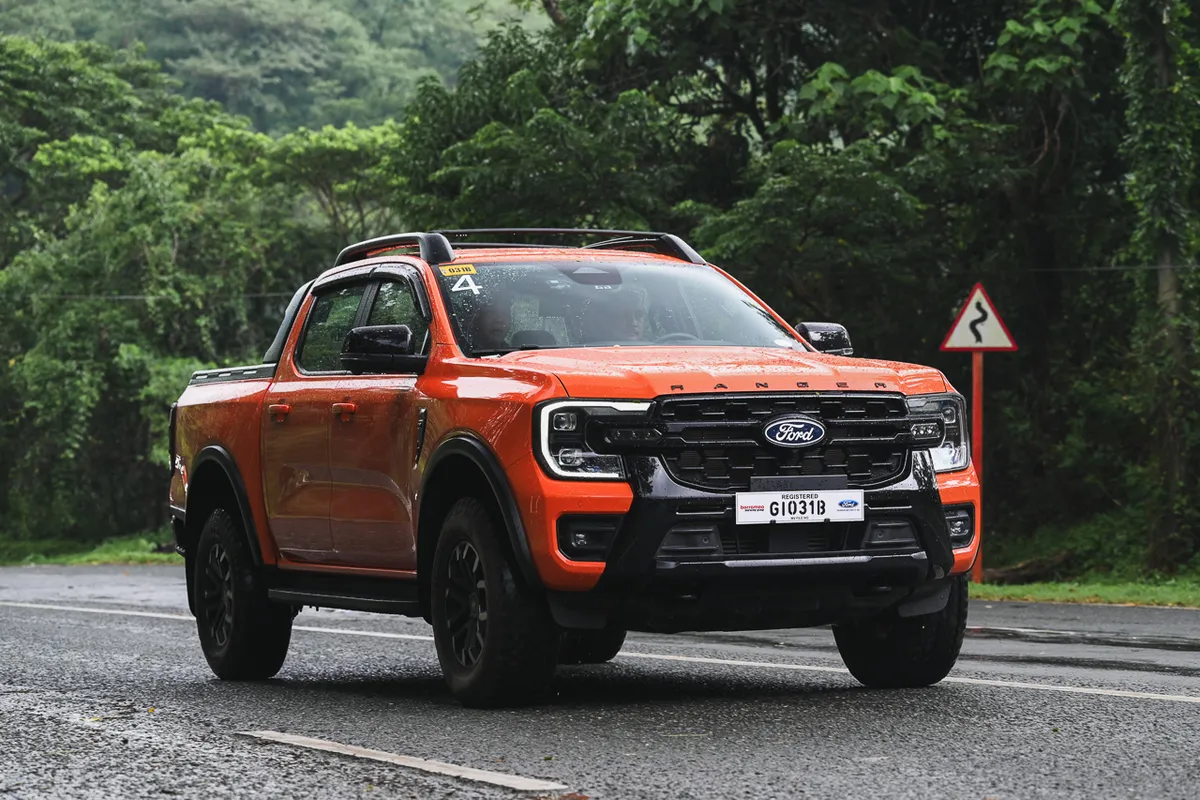
On an open stretch of road with no other vehicles or pedestrians, I pushed the pedal as far as I could, and gobs of torque were sent to the rear wheels. There’s a bit of turbo lag before feeling the raw sensation of torque. But once all that’s done, you’ll immediately have to adjust your horizon because of the sheer acceleration.
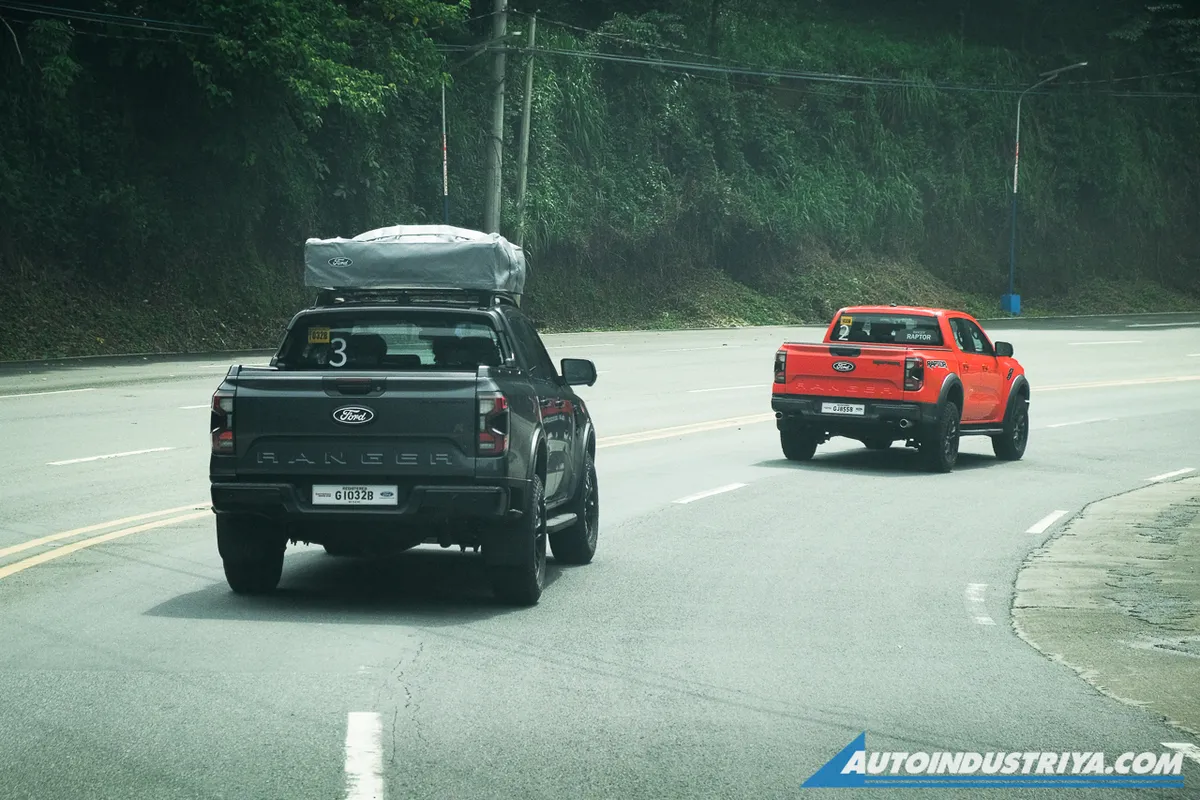
While some might say the old 2.0L bi-turbo already had plenty of pulling power, the Powerstroke V6 is a different kind of beast entirely thanks to its bigger displacement. And since it has two extra cylinders, it feels a lot smoother, which also helps the engine handle all that power across more pistons.
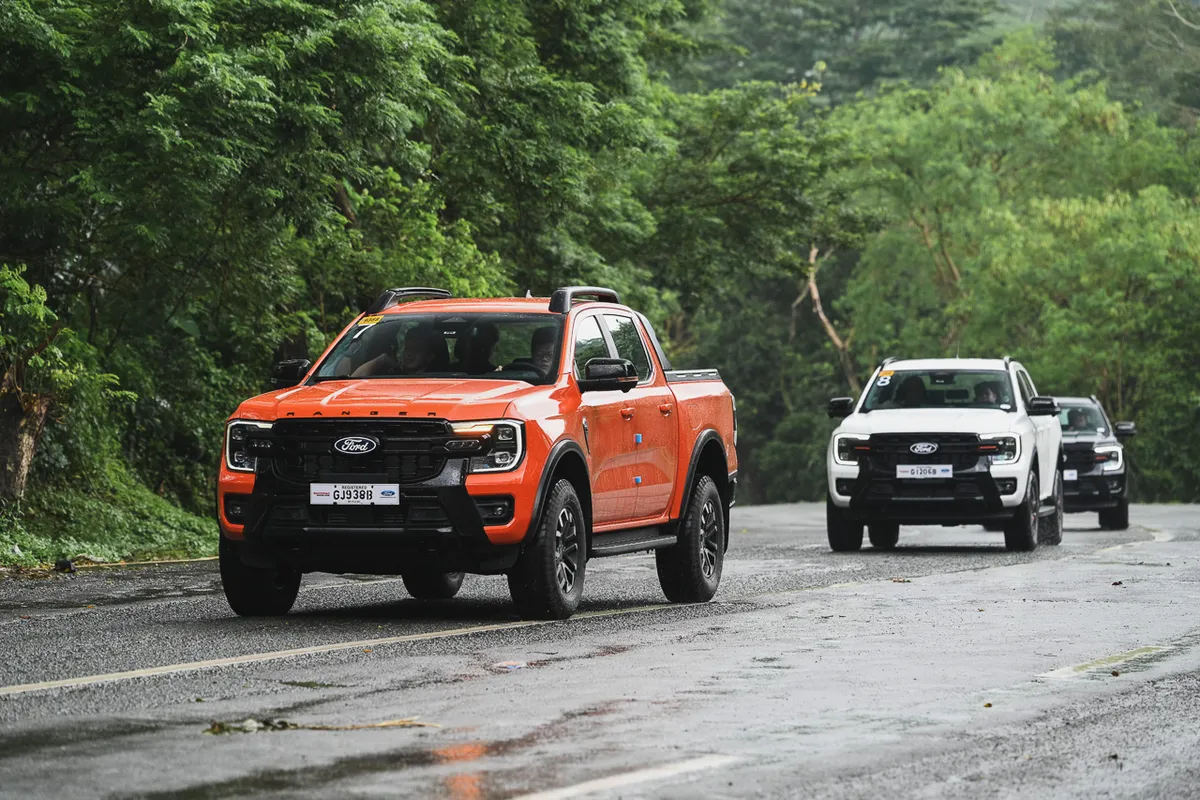
It’s one thing to feel a low-slung sports car at full tilt. But it’s also equally impressive to feel a tall, frame-based vehicle like the Ranger and Everest hit triple-digit speeds like it was nothing. And at full throttle, the 3.0L Powerstroke V6 doesn’t sound like a diesel engine and instead sounds like a performance engine.
How does the 2.0L EcoBlue hold up?
While the V6 received plenty of praise during the drive, Ford also brought the Everest Wildtrak 4x4, which replaces the Titanium series of variants. It doesn’t get the new Powerstroke V6 but still comes with the venerable 2.0L EcoBlue turbo-diesel. It continues to make 170 PS with 405 Nm of torque, but now benefits from a timing chain setup instead of the wet-belt system derived from the 2.0L bi-turbo from before. While this doesn’t translate to more power, it does make for a more reliable setup.
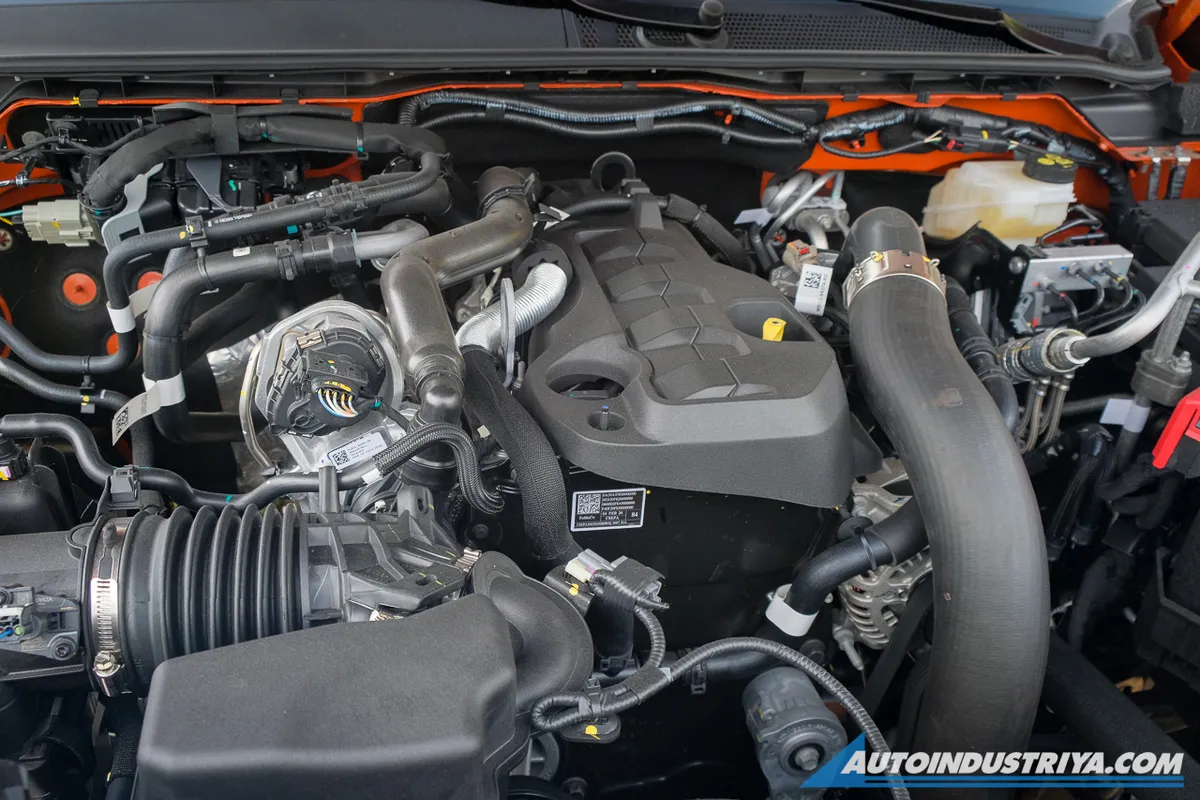
With only four cylinders to play with and having a smaller displacement, it’s slightly down on power compared to the V6, but not by much. Yes, my butt-dyno says it’s not as torquey as the V6 diesel, but it’s still relatively quick on its feet and is still a joy out on the open road. What the 2.0L inline-four lacks in sheer brute strength when compared to the V6, it makes up for in having a lighter mass. This frees up unsprung weight on the front axle, which makes the Everest Wildtrak 2.0L lighter to handle through the twisties and on tight city roads. And since it’s smaller than the 3.0L, the 2.0L can spin faster to reach the optimal powerband.
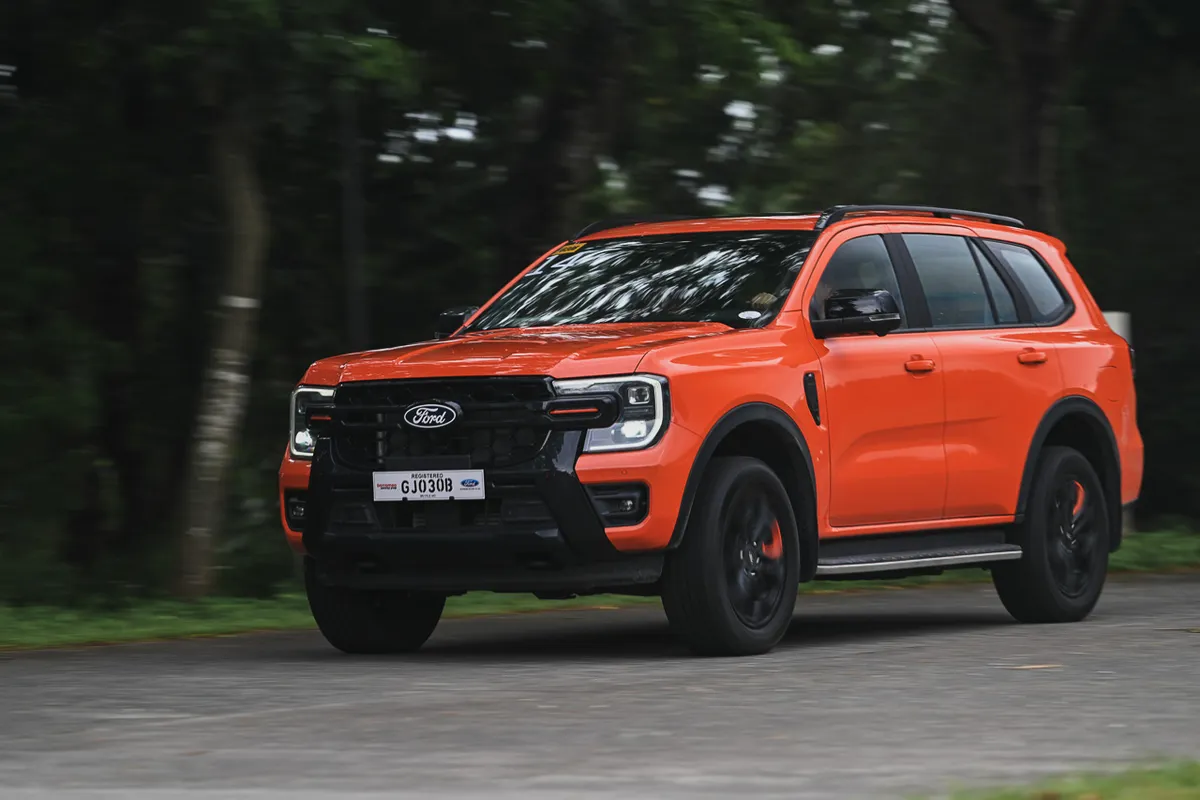
While the V6-powered Everest Platinum (and Ranger Wildtrak) can still handle itself well through the turns, it can be quite a handful, especially to those who are not used to truck-based vehicles with big engines under the hood.
Off-road with ease
Some might say that Ford may have given the Everest and Ranger a new V6, but they compromised its 4WD capability when taking the road less traveled. That couldn’t be further from the truth since Ford doubled down on the Everest and Ranger’s ability to tackle the rough stuff. Ford demonstrated this by bringing us to Tanay near River Ranch to take on muddy uphill (& downhill) trails, conquer slippery grass-filled terrain, and manage our way through rocky roads (pun not intended).
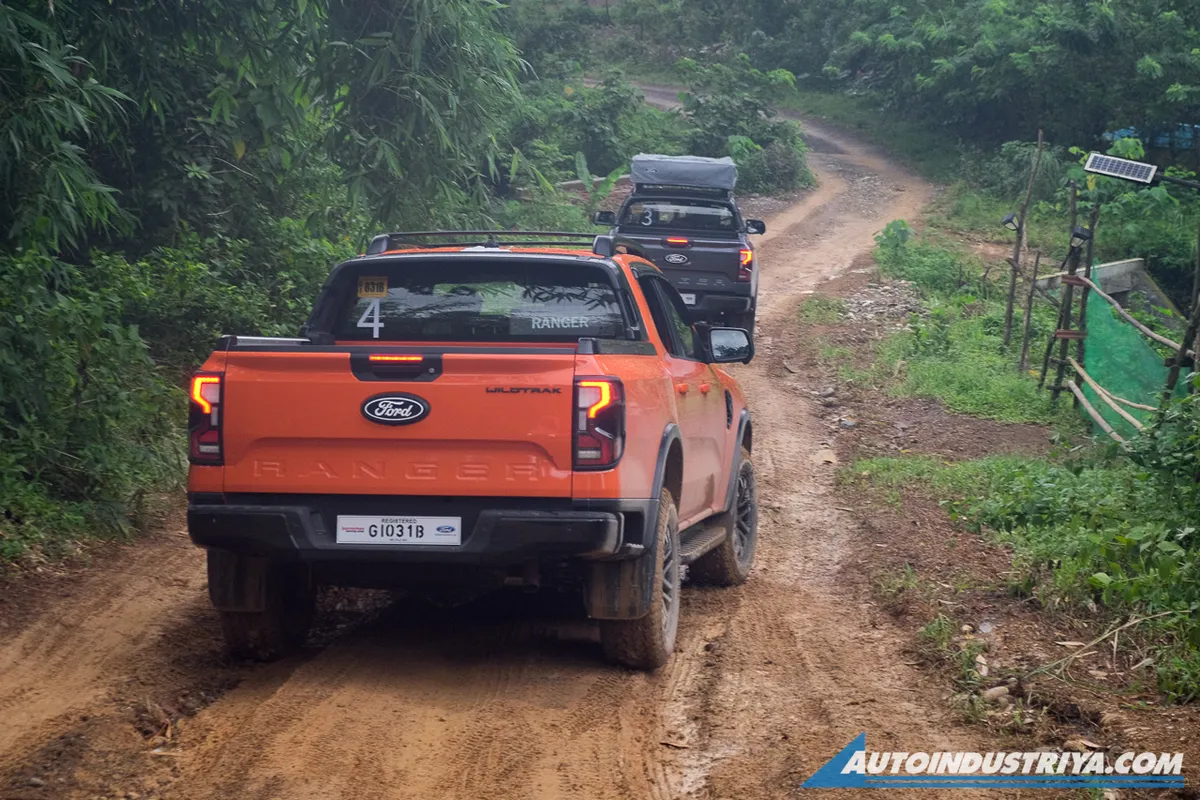
By simply switching the drive mode to Mud/Ruts, the Ranger Wildtrak X automatically switched to 4WD High (4H), turned off traction control, and locked the rear differential to deliver more traction to the rear wheels. If you want to be doubly sure when climbing up (or driving down) muddy hills, you can set the drivetrain to 4WD Low (4L) to maximize grip.
Despite the rain making the terrain more slippery, the Ranger Wildtrak X, with its new standard all-terrain tires, tackled the hillclimb without a cinch. And with 600 Nm on tap, it made short work of the steep elevation and gradients.
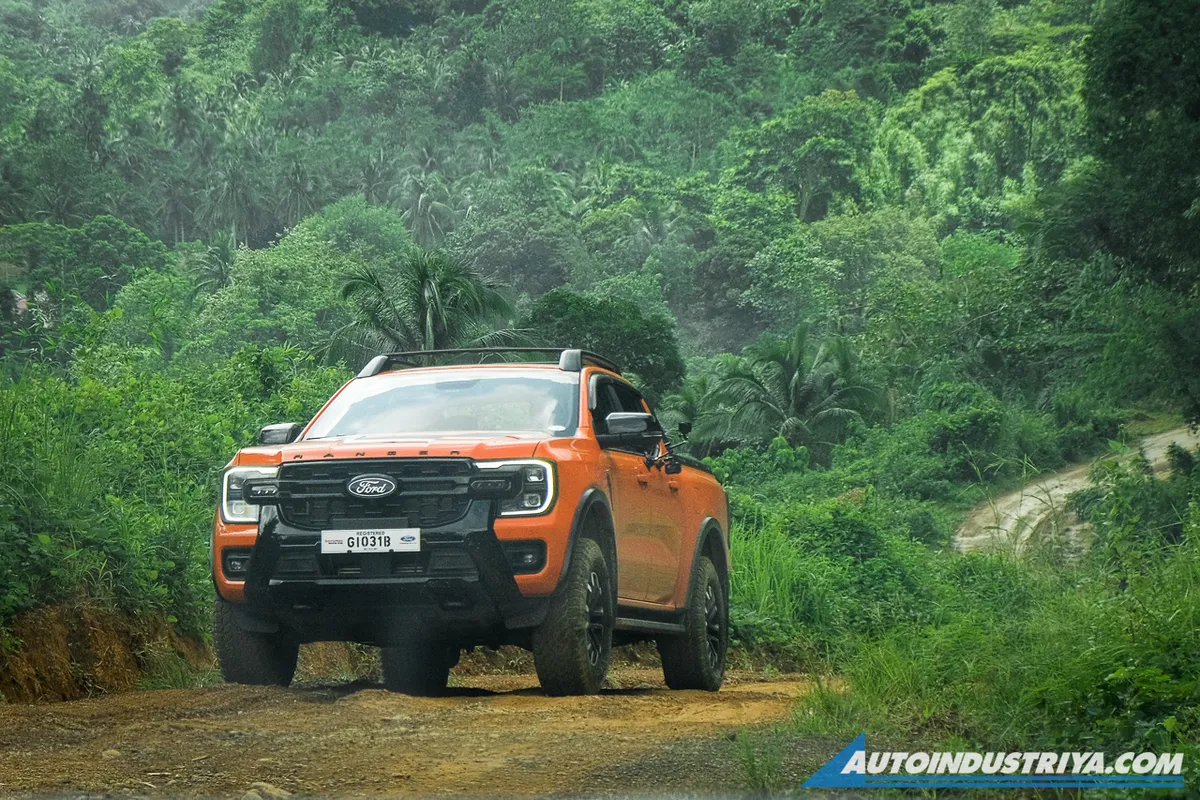
Going down steep, muddy terrain can be quite tricky if you don’t know what you’re doing. Thankfully, however, the Ranger Wildtrak X (and Everest Platinum) come with hill-descent control. Turn it on, and the vehicle will automatically apply the brakes while making the trek down. You can still press the brake pedal if you want, but the system works gracefully on its own.
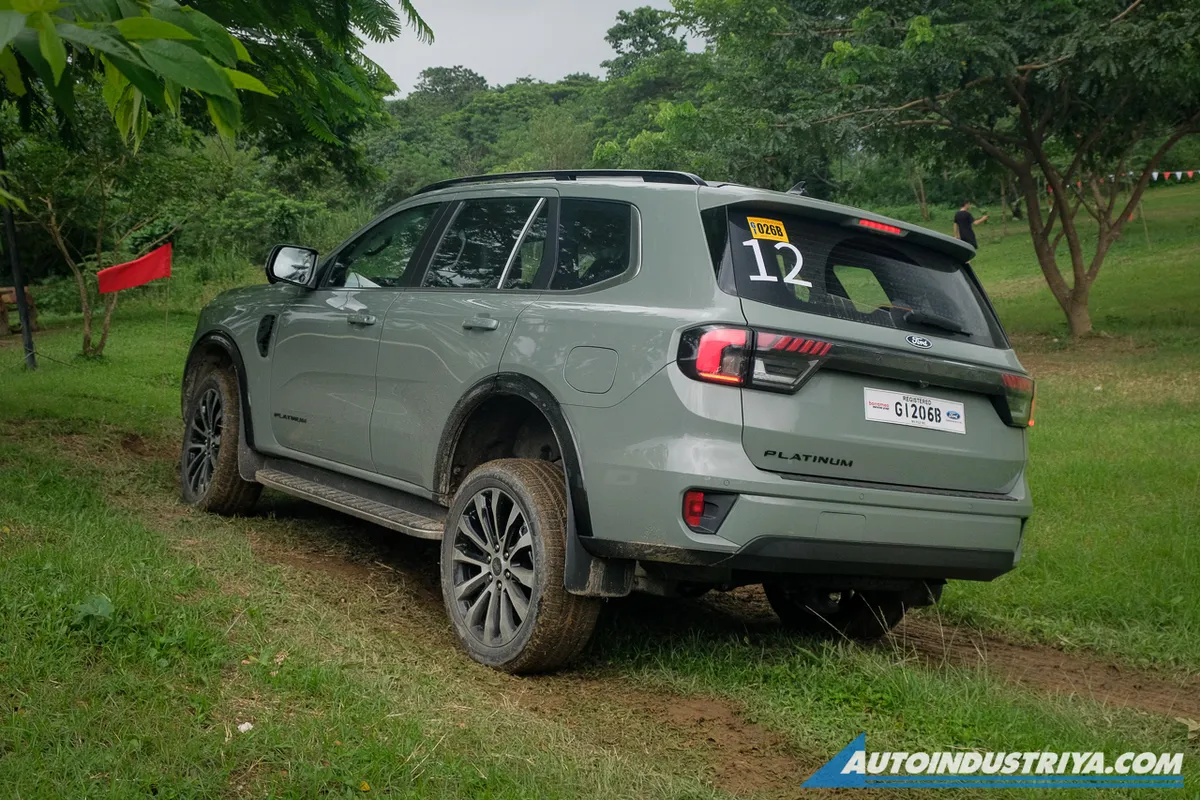
But what about the Everest Platinum and Wildtrak? Both vehicles were also present during the off-road session, but they lacked all-terrain tires. However, they were still able to tackle the rocky terrain and some slippery grass without breaking a sweat. That’s because they also come with selectable drive modes and a rear locking differential for extra traction while on the go. Sure, we didn’t get to try them on the muddy hill-climb, but they’re more than capable of handling the rough stuff. And if someone does want to take the Everest or Wildtrak off the beaten path, they can easily swap the highway tires for all-terrains to get more traction.
Easy Rider 2.0
Pickup trucks get a bad rap for having a stiff ride due to having rear leaf springs to ensure they can carry heavy cargo with ease. Even some frame-based midsize SUVs can suffer from a harsh ride despite having a multi-link coil spring rear. The same cannot be said, however, in the new Ford Ranger Wildtrak X and Everest Platinum.
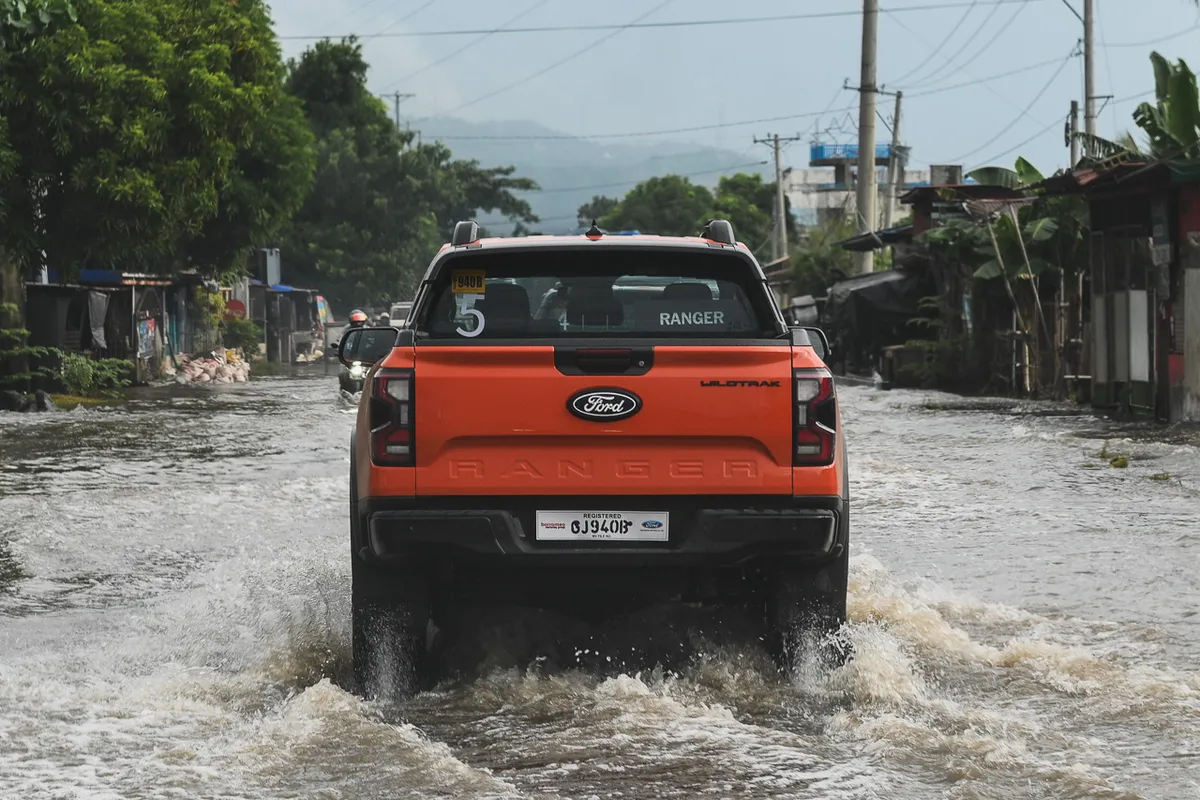
Even with a big V6 up front, Ford was still able to give the Ranger Wildtrak and Everest Platinum a relatively pliant ride. The Ranger Wildtrak X was able to achieve this thanks to Bilstein dampers, which are exclusive to the top-of-the-line version. Sure, there’s still some degree of stiffness to compensate for load carrying, but the Ranger is still one of the comfiest pickups with rear leaf springs.
With 21-inch rolling stock and slightly low-profile tires, I was expecting the Everest Platinum to be bouncy when going over bumpy roads and pockmarked streets. But I was pleasantly surprised that Ford was able to dial in the ride comfort for the V6-powered Everest. Whether you’re seated in the front or relaxing in the back of the Everest Platinum, you’ll be treated to a comfy ride. We have yet to test the ride comfort in the third row, but we’ll conduct a proper test soon once we get to borrow the test units in the future.
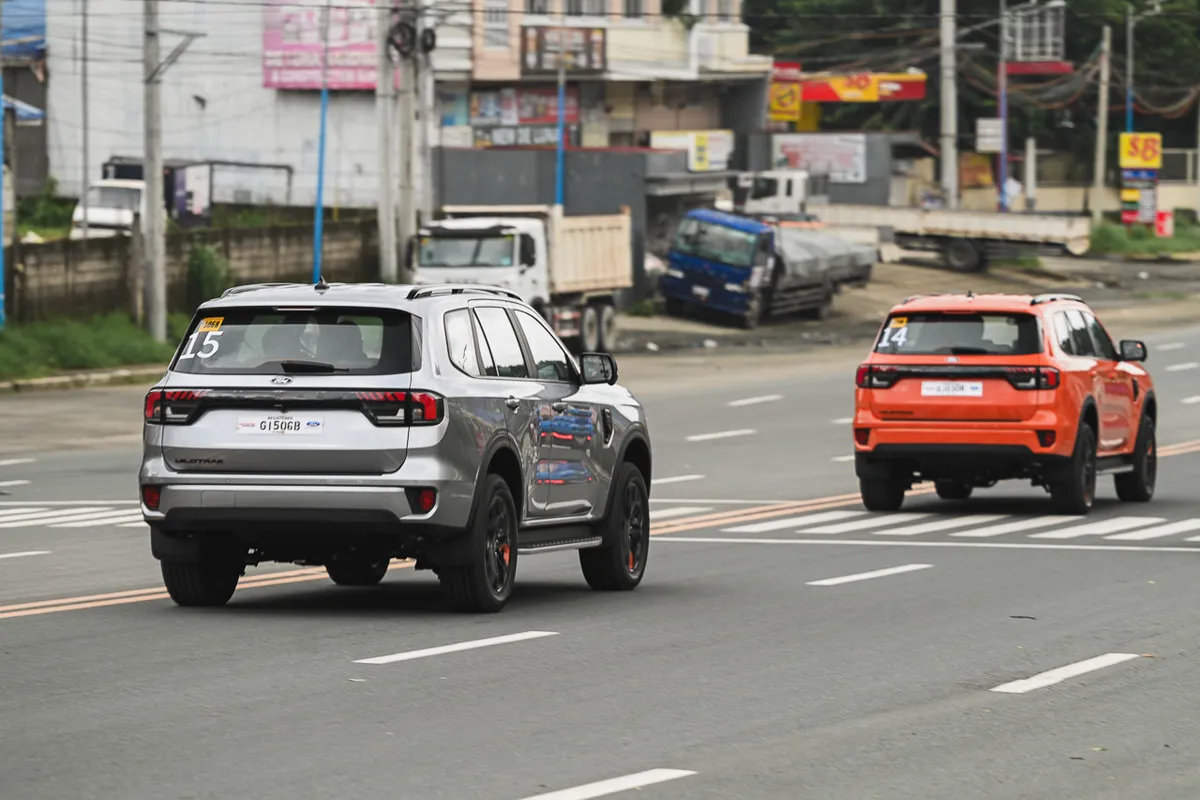
Also worth mentioning is the top-notch Noise, Vibration, and Harshness (NVH) deadening. Both vehicles may be frame-based vehicles, but the level of sound insulation and vibration dampening is akin to more premium vehicles that are selling for higher prices. Complementing all of these is a Bang & Olufsen sound system, which comes standard in the Ranger Wildtrak (10 speakers) and Everest Platinum model (12 speakers).
What needs work
Even with all of the praise we gave the Ranger Wildtrak X and the Everest Platinum (and also the Wildtrak), we did notice some aspects of the two vehicles could use some attention. For starters, the brakes on the V6 models are powerful, but the brake feel could be better since they feel spongy. When braking from highway speeds, you have to firmly step on the pedal to actually feel the vehicle slowing down. Hopefully, Ford can give the V6-powered Everest and Ranger models better brake modulation.
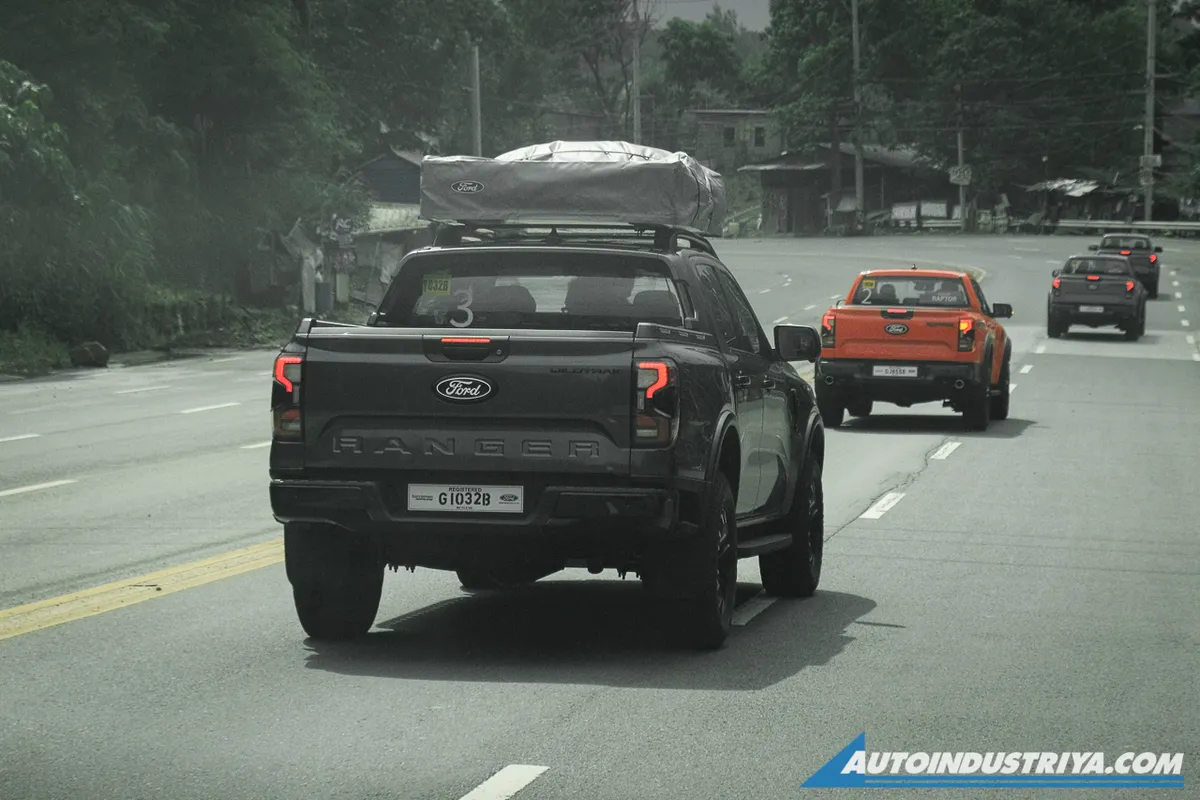
Meanwhile, the 2.0L Everest Wildtrak had better brake feel and pedal modulation. Using the brakes on the 2.0L Everest felt car-like and predictable, which translates to better confidence while on the road. But that doesn’t mean it’s free from its own issues. In fact, several of us during the drive noticed that there’s some vibration in the brake pedal of the Everest Wildtrak.
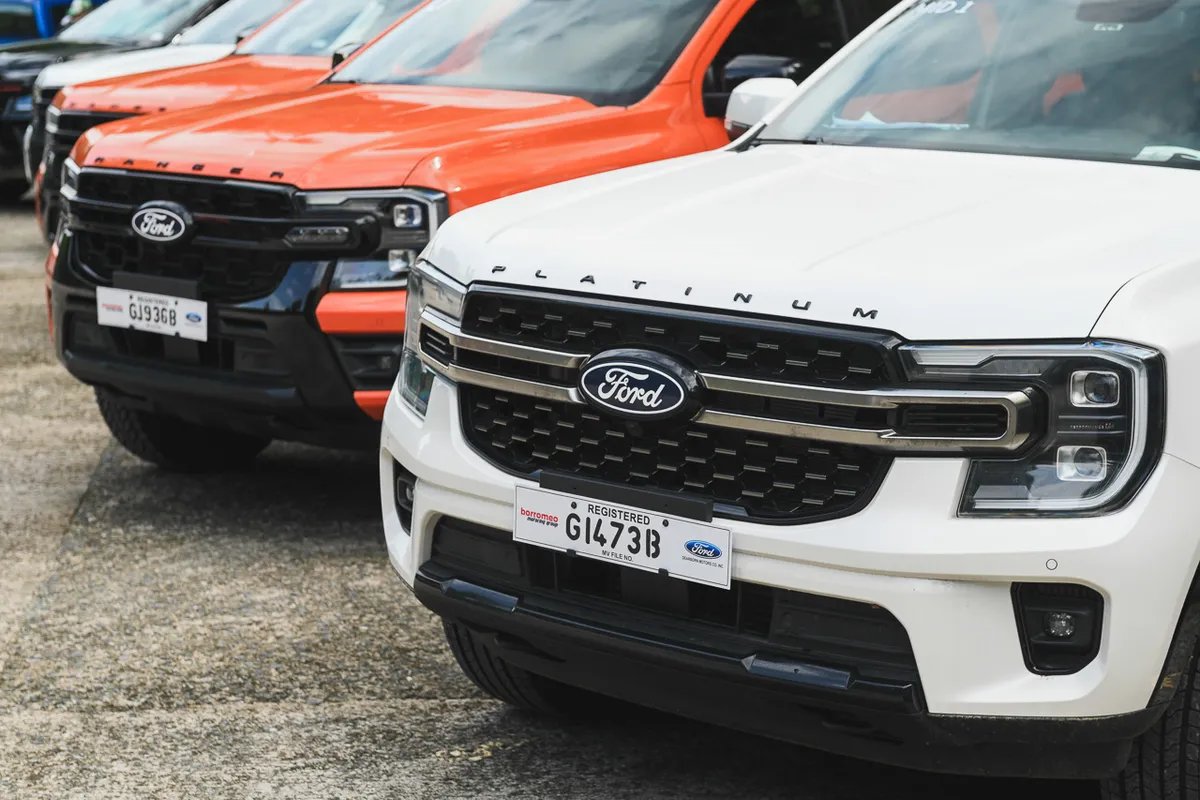
This is noticeable after you let off the accelerator pedal and switch your foot to the brake pedal. While the 2.0L Everest Wildtrak can still slow down and come to a complete stop, the vibration on the brake pedal while the vehicle is coasting can be a cause for concern for some drivers. Hopefully, it’s just an issue the NVH department can fix.
Is the V6 worth it?
After two days of driving, enjoying, and getting familiar with the Ranger Wildtrak X, Everest Platinum, and the Everest Wildtrak, I can confidently say Ford did their homework and made what are already compelling vehicles even more compelling.
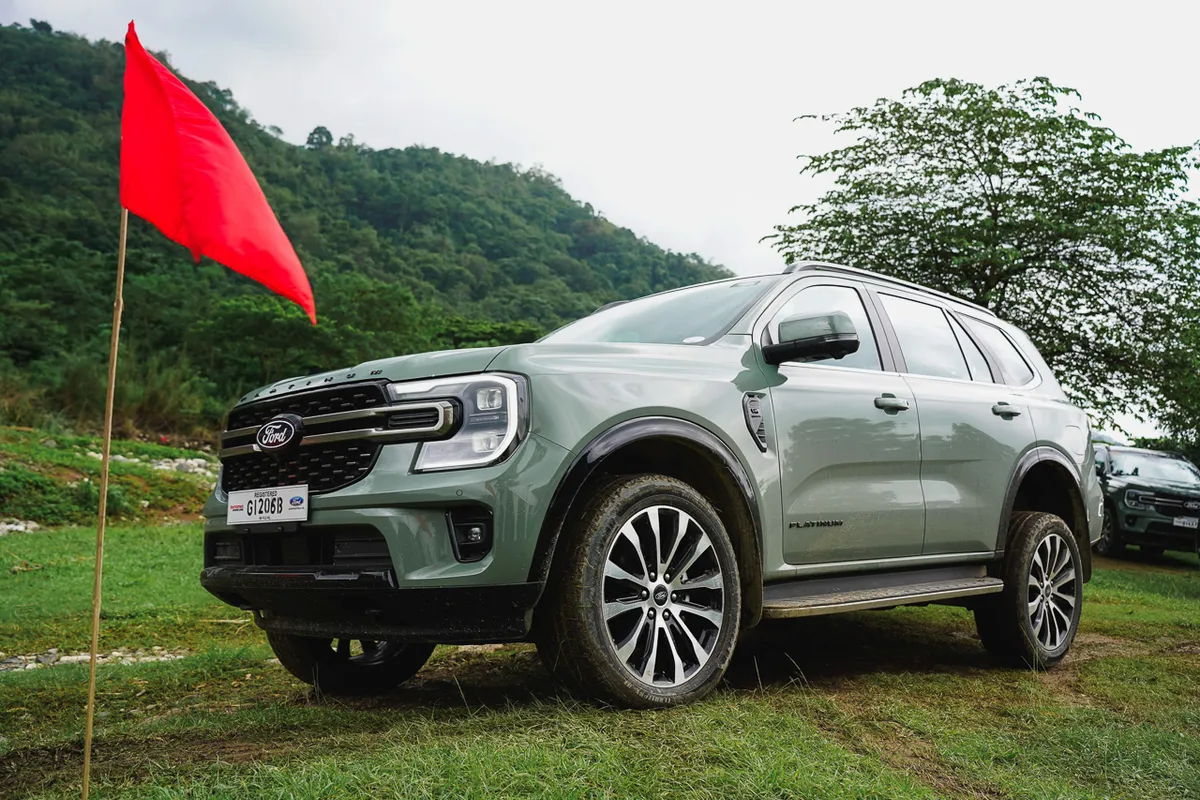
Fans of the Everest and Ranger who have always wanted more power and capability will be surprised by the added power and confidence both vehicles deliver. And for those who want a capable Everest but with a smaller 2.0L turbo-diesel, the new Wildtrak 4x4 makes for a great replacement for the Titanium models and is selling for PHP 2.669 million.
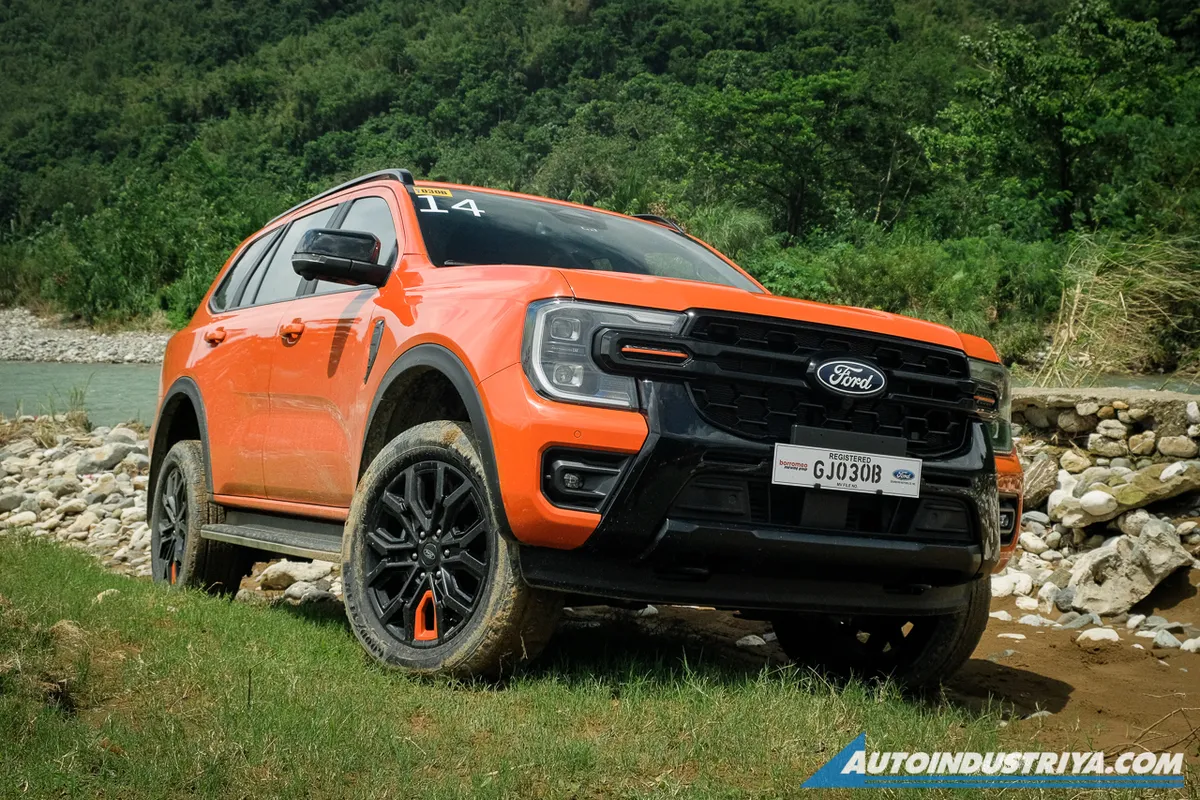
Some might argue, however, that the Everest Platinum 4x4 and the Ranger Wildtrak X are on the premium side of things when it comes to pricing. Yes, the PHP 2.849 million price tag on the Everest Platinum 4x4 is huge, but with its level of refinement, power, features, and overall packaging, I can confidently say it can take on the likes of the Land Cruiser Prado. And unlike said Prado, which comes with a 2.4L turbocharged gasoline inline-four, the Everest Platinum V6 has a 3.0L turbo-diesel V6.
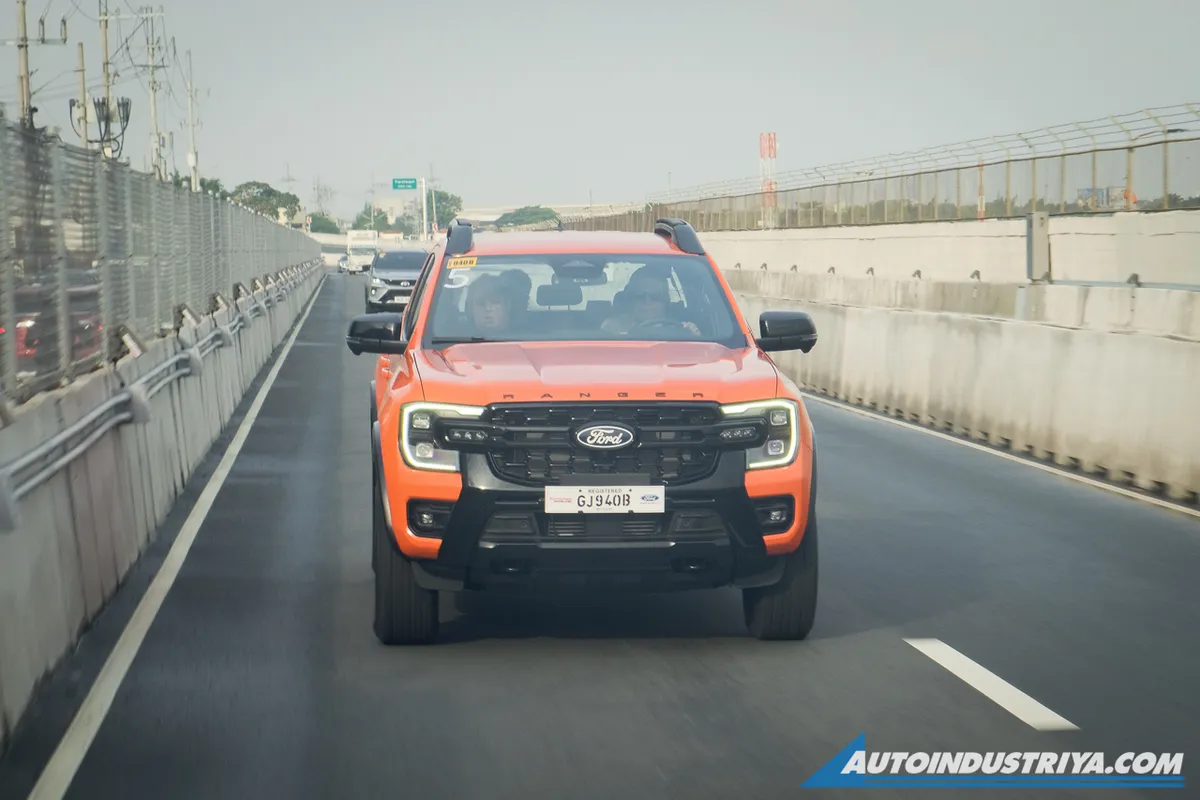
As for the Ranger Wildtrak X V6 4x4, its suggested retail price of PHP 2.609 million may raise some eyebrows. But if you want something a bit more sensible, there’s the standard Ranger Wildtrak V6 4x4, which is selling for PHP 2.468 million, sans the Bilstein shocks and all-terrain tires.
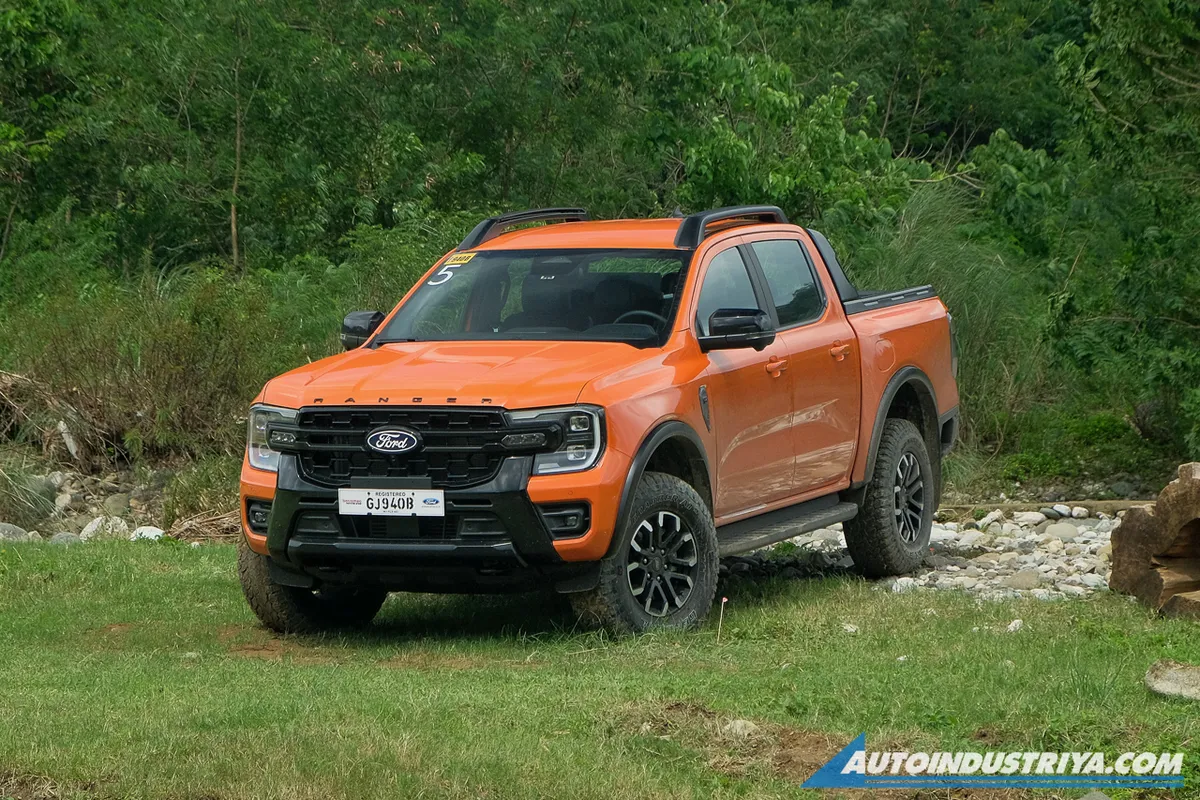
Yes, other top-of-the-line 4x4 pickups are slightly more affordable compared to the Ranger Wildtrak V6 4x4. But for only several thousand Pesos more, you get more high-tech features and the aforementioned V6, which makes Ford the only brand to have such an engine.
Overall, Ford Philippines did its homework and made sure the Everest and Ranger V6 models are compelling vehicles that make sense for those who are looking for a powerful and capable workhorse, complete with lots of features. Now, if only diesel prices could go back down to normal levels.
Related Posts
Ford PH reveals upgraded Ranger, Everest with new V6 diesel 4x4 variants
Updated Ford Ranger 4x4 lineup starts at PHP 2.469M; Everest begins at PHP 1.949M
 Marcus De Guzman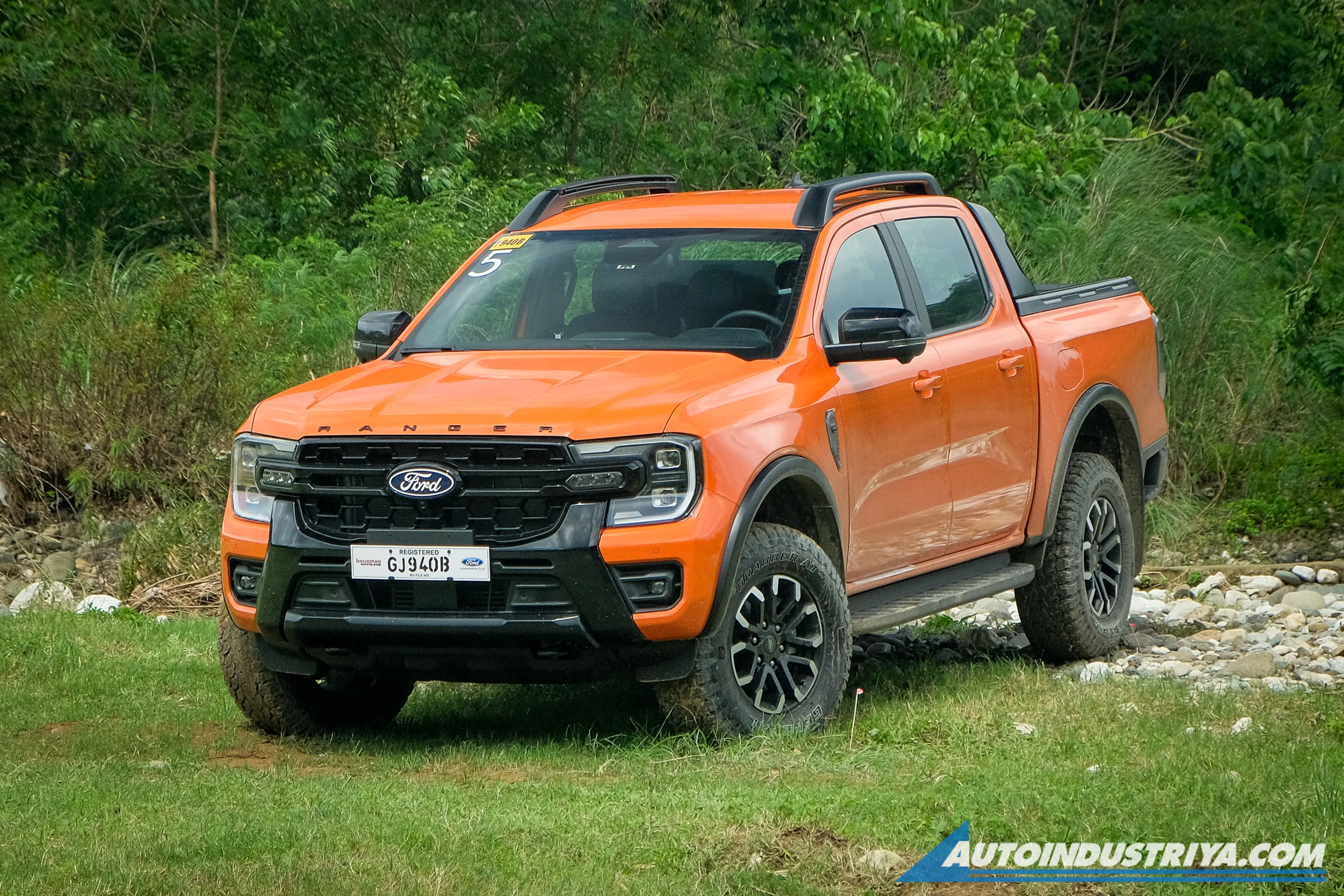
Why Ford Ranger in PH now only available in Wildtrak 4x4 V6 variants?
Ford is banking on the popularity of the Wildtrak 4x4 models in PH
Marcus De Guzman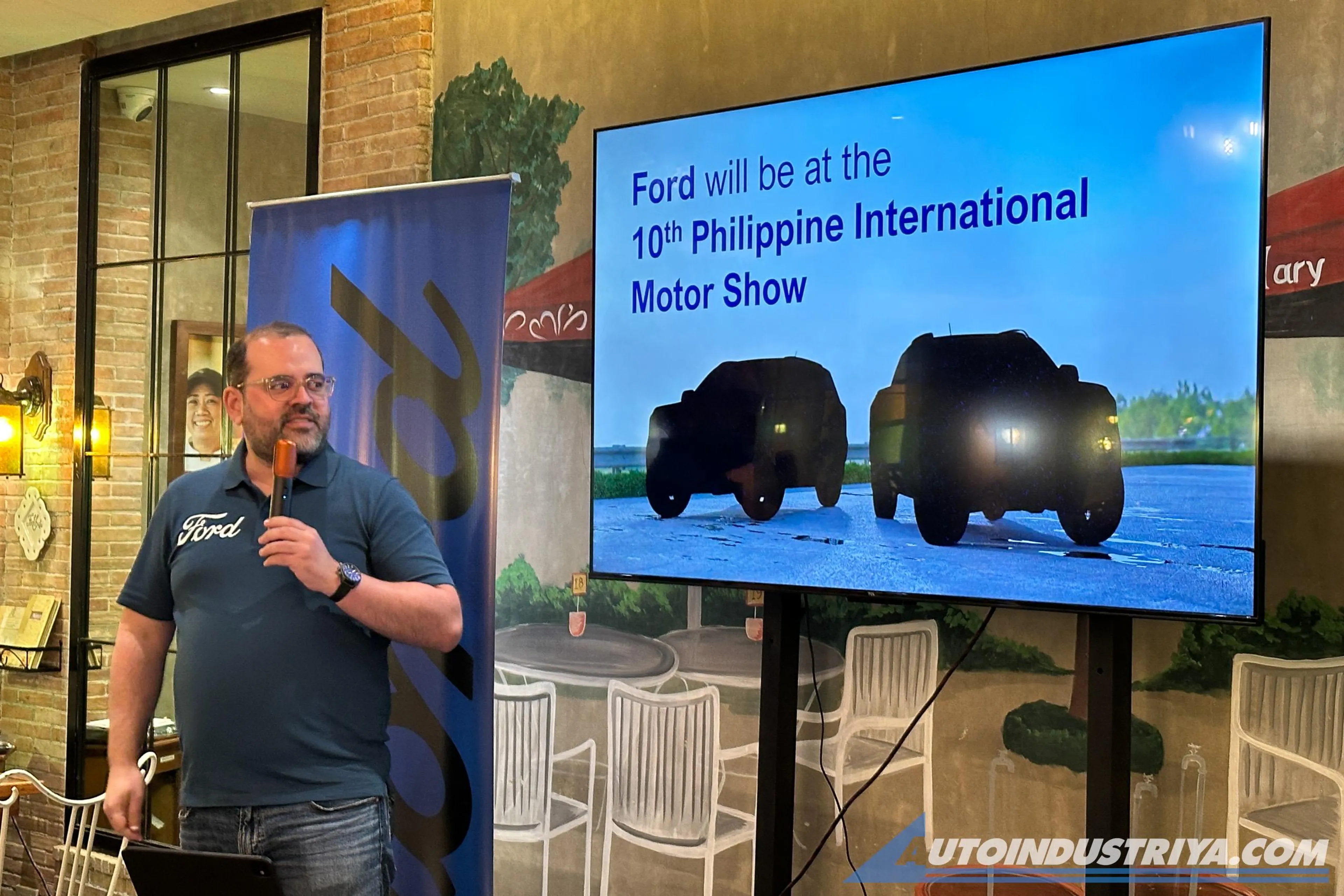
Ford PH hints at launch of two new models at PIMS 2026
Ford PH could launch updated Everest and Ranger at 2026 Philippine International Motor Show
 Jamil Lacuna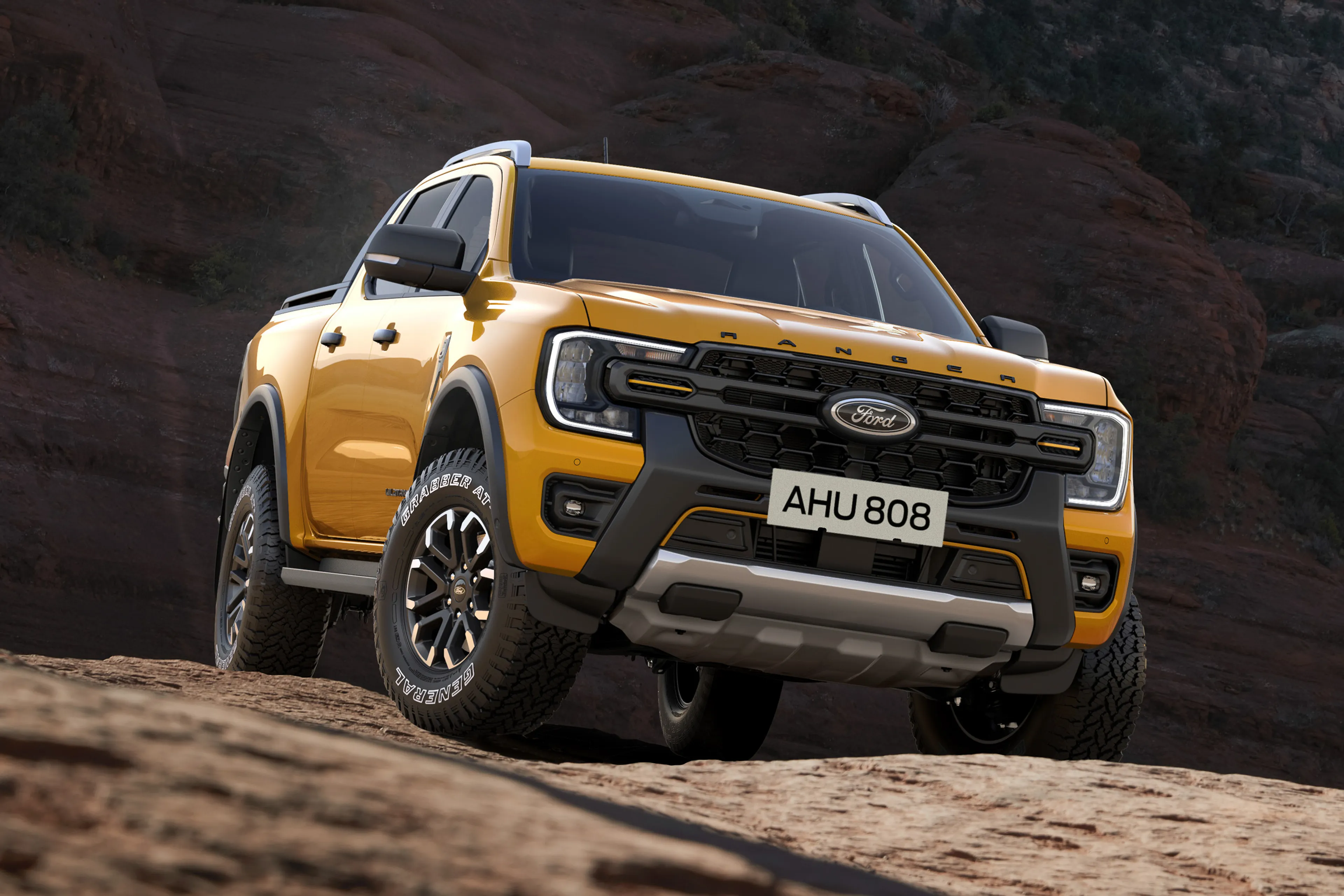
Ford Ranger Wildtrak-X 3.0L V6, 2.0L Turbo & Limited models get LTO approval
Ford PH is making the final preparations to launch the upgraded Ranger
Marcus De Guzman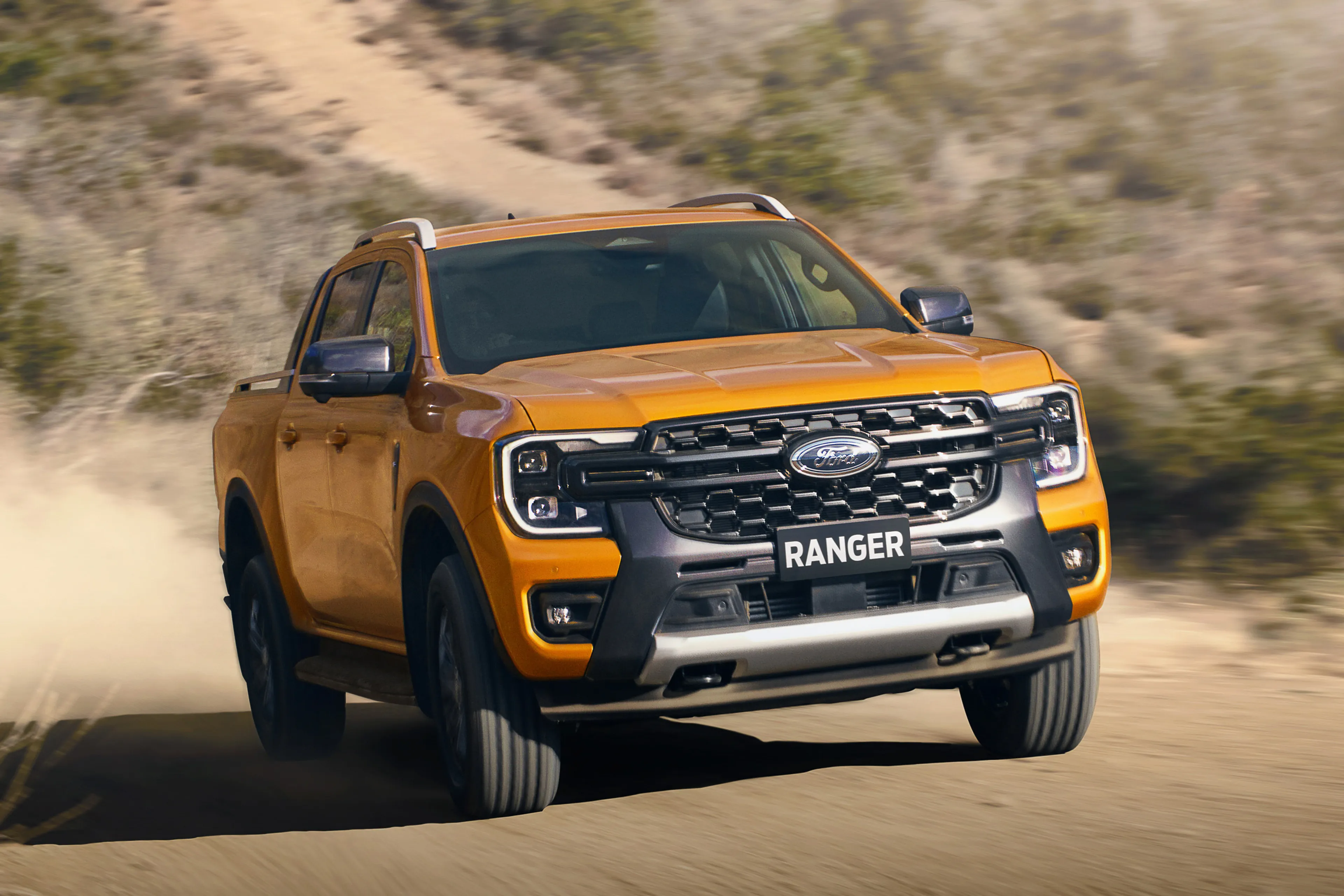
Ford receives another LTO approval for V6-powered Ranger Wildtrak
Besides the Ranger, the Ford Everest in PH will also get the Wildtrak treatment soon
Marcus De Guzman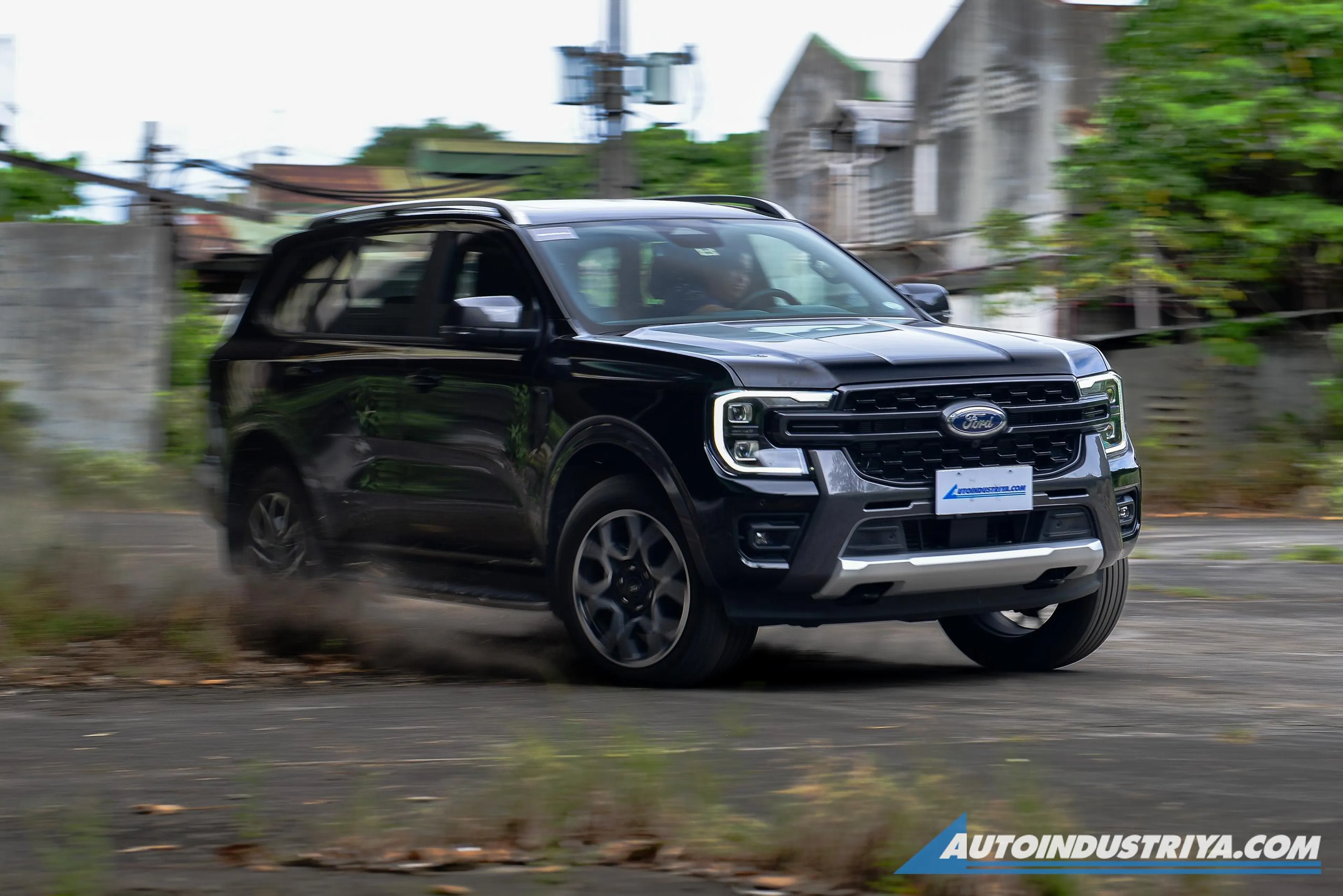
2026 Ford Everest 2.0L Wildtrak 4x4 10AT
The Wildtrak has always been connected to the Ranger, so how does it fare when applied to the Everest?
Jamil Lacuna