
An Empire Unravels: How not to sell cars in the Philippines
An Empire Unravels: How not to sell cars in the Philippines
From International Car Powerhouse to Pariah

It was supposed to be a textbook expansion. A deep-pocketed, publicly-listed International Company celebrated globally for its sweeping automotive distribution networks marched into the local market with the confidence of a conquering titan. Armed with pristine corporate decks, endless spreadsheets, and financial firepower that could dwarf local players, the regional conglomerate promised to redefine how cars were sold in the country.
Instead, the local automotive scene has been treated to a masterclass in blunders.
Having deep pockets does not matter if you are putting the money into the wrong machinery. The industry buzz is that the International Company is suffering from a classic case of corporate tone-deafness, failing to grasp the nuances of the local car market as its once-coveted portfolio crumbles brand by brand.
A Portfolio in Freefall
When this International Company planted its flag, it inherited and acquired a multinational automotive roster from one of the most respected tycoons who built the empire from a humble dealership. The stable initially boasted legendary German luxury marques, iconic British luxury and off-road icons, classic American muscle and SUV labels, a fast-rising Chinese volume brand, motorcycle heritage badges from North America, and even a dealership presence for a Japanese brand.
Fast forward to today, and the showroom floors look increasingly sparse.
First came the quiet, mutual "divorce" from the American SUV and muscle car lineup. While corporate PR spun the exit as a strategic realignment of global priorities, insider chatter tells a different story: stagnating sales, bloated inventory, and frustrated dealers tired of waiting for clear operational direction.
If losing American heritage badges was a bruise, the stumbles in their mass-market Chinese portfolio cut deeper. At a time when competing Chinese brands are snatching double-digit market share across the country, the International Company’s Chinese volume driver somehow stalled on the launchpad, ultimately leading to a complete loss of confidence of the OEM for the distributor. What should have been a slam-dunk volume generator instead suffered from mismatched pricing, bizarre trim strategies, and brand positioning that left local buyers scratching their heads.
In our line of work, we frequently stress that a great vehicle is only 20% of the equation; strategy, execution, and long-term trust carry the remaining 80%. The undeniable verdict on the International Company's stewardship is brutal, and deservedly so.

The Fast-Fashion Strategy Fiasco
So where did it all go wrong?
Industry insiders whisper that the International Company committed a cardinal sin in local automotive management: they brought in fast-fashion retail executives into a heavy-goods, emotion-driven industry.
The logic on paper was predictably corporate. They know retail. They know consumer trends. They know rapid-turnover inventory. But in practice, selling a multi-million peso vehicle that a customer will spend years of their life paying for is fundamentally different from pushing fast-fashion garments off a rack.
Instead of building long-term brand equity, cultivating dealer relationships, and establishing robust aftersales trust, the marketing playbook relied heavily on fast-fashion gimmicks. Unimaginative pop-up events in malls, superficial influencer campaigns (where they burnt about PHP 5M on one influencer alone), and "seasonal" push tactics took precedence over proper marketing, technical training, and clear value-proposition messaging.
One cannot "fast-fashion" their way out of a weak aftersales network. When a local buyer spends their hard-earned money on a vehicle, they are not looking for a seasonal trend. They are looking for a proper car buying experience befitting the premium brands they are getting into. The fast-fashion alumni treated car buyers like impulse shoppers, completely miscalculating the length and depth of the automotive buying journey.
Corporate Politics Over Capable Talent
Adding insult to injury is how internal culture crumbled behind corporate doors. Rather than retaining seasoned automotive veterans that would gladly show them the ropes such as the real engine room of technical know-how, dealer trust, and market intelligence, the office culture devolved into toxic internal politics.
Insiders reveal that qualified industry experts were sidelined or driven out, while internal politics favored underperformers and unqualified favorites in key positions. Instead of cultivating an environment built on merit and deep automotive competence, an echo chamber was formed, where internal alignment mattered more than actual sales results and aftersales performance.

The Cost of Hubris
The result of all this hubris is clear: dealers grew disillusioned, sales targets were continually missed, and OEM principals overseas began taking notice. When regional head offices see massive local resources producing a fraction-of-a-percent of market share with no prospect for growth, patience rapidly wears thin.
The local market is littered with the graves of arrogant foreign conglomerates, know-it-all foreigners, and even OEM subsidiary distributors, who assumed global scale marketing automatically translates to local growth and dominance.
The reality is that the Philippine automotive landscape is uniquely relationship-driven, fiercely competitive, and acutely sensitive to value and trust.
Unless the International Company ditches its fast-fashion mentality, cleans house of its toxic internal politics, and invests in the unglamorous work of aftersales and grounded marketing, its multi-million-dollar Philippine venture risks becoming little more than an expensive case study in how not to sell cars.
Even if they do change, it may be too late. As of last month’s sales reports, said International Company sold fewer than 90 units across all of its brands. Such a performance is not enough to keep the lights on, much less to justify International Company-level salaries.
International Company also has an interesting response to critics – cyberterrorism.
Related Posts
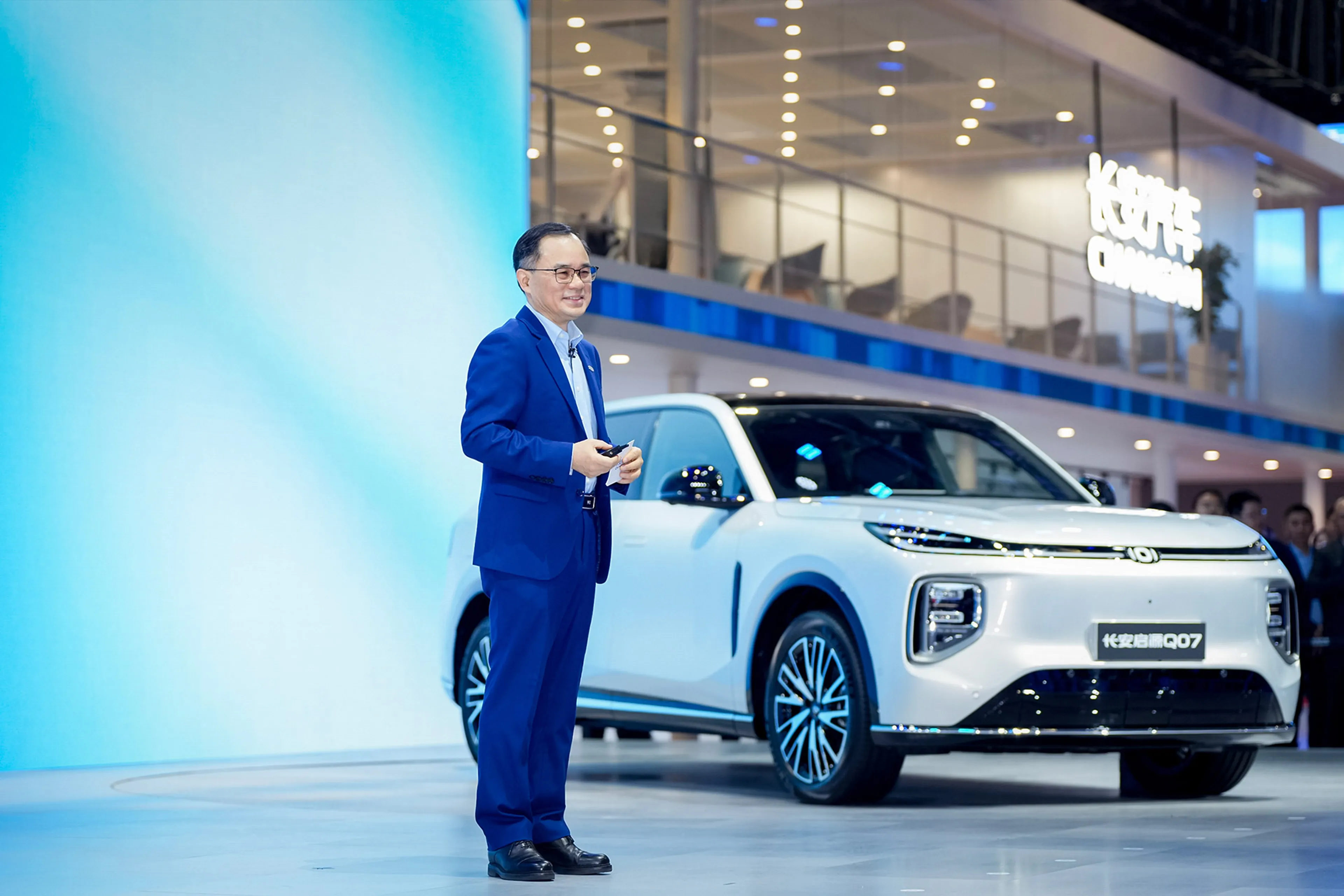
Changan takes the wheel from Inchcape for Philippine operations
Changan Auto is establishing its own local subsidiary in the Philippines to take direct control over its sales, aftersales, marketing, and dealer network operations.
 AutoIndustriya.com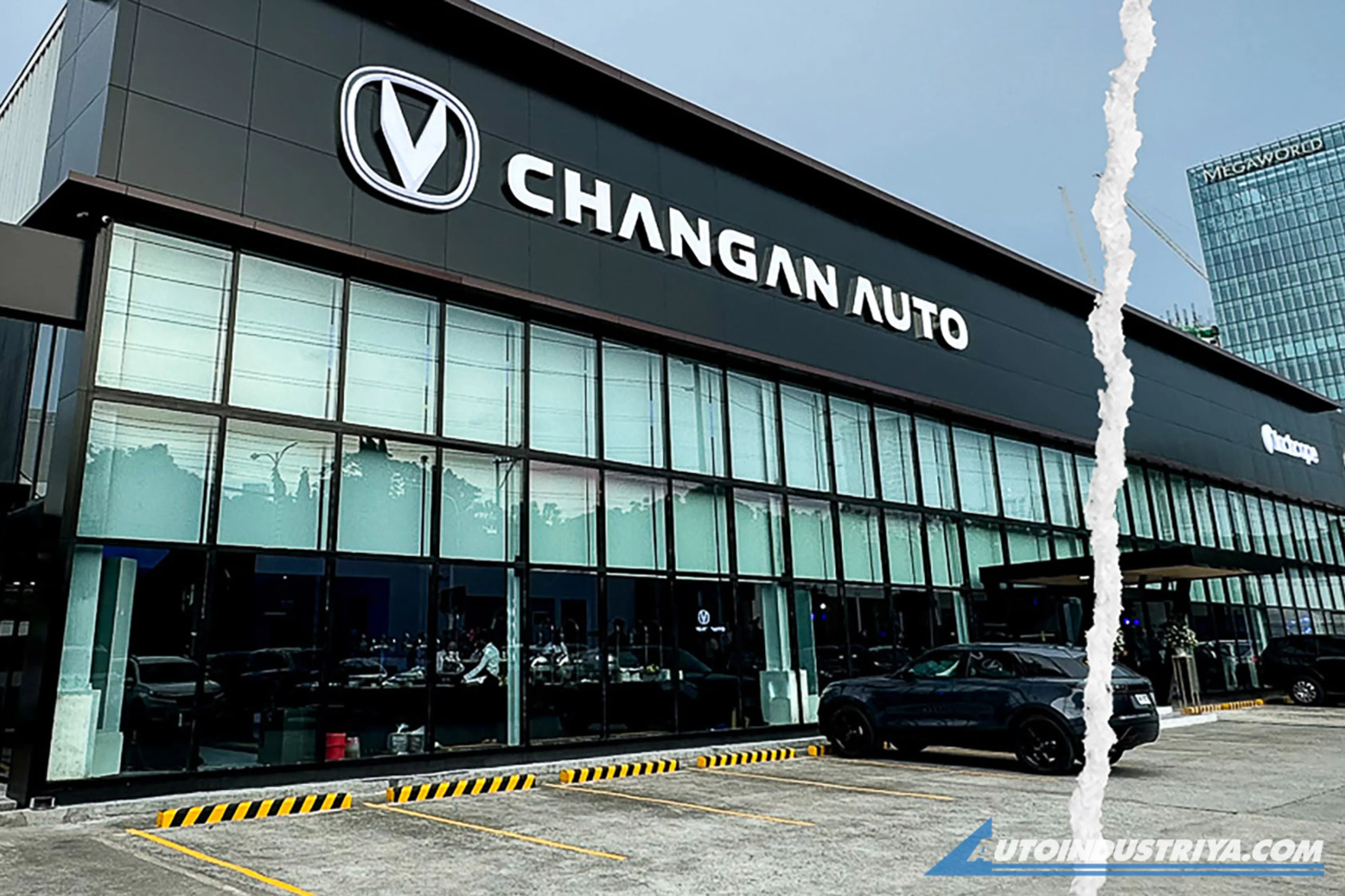
Divorce papers served: Changan terminates distributor agreement with Inchcape
Amidst lackluster sales, Changan to take over as distributor from Inchcape
 Vince Pornelos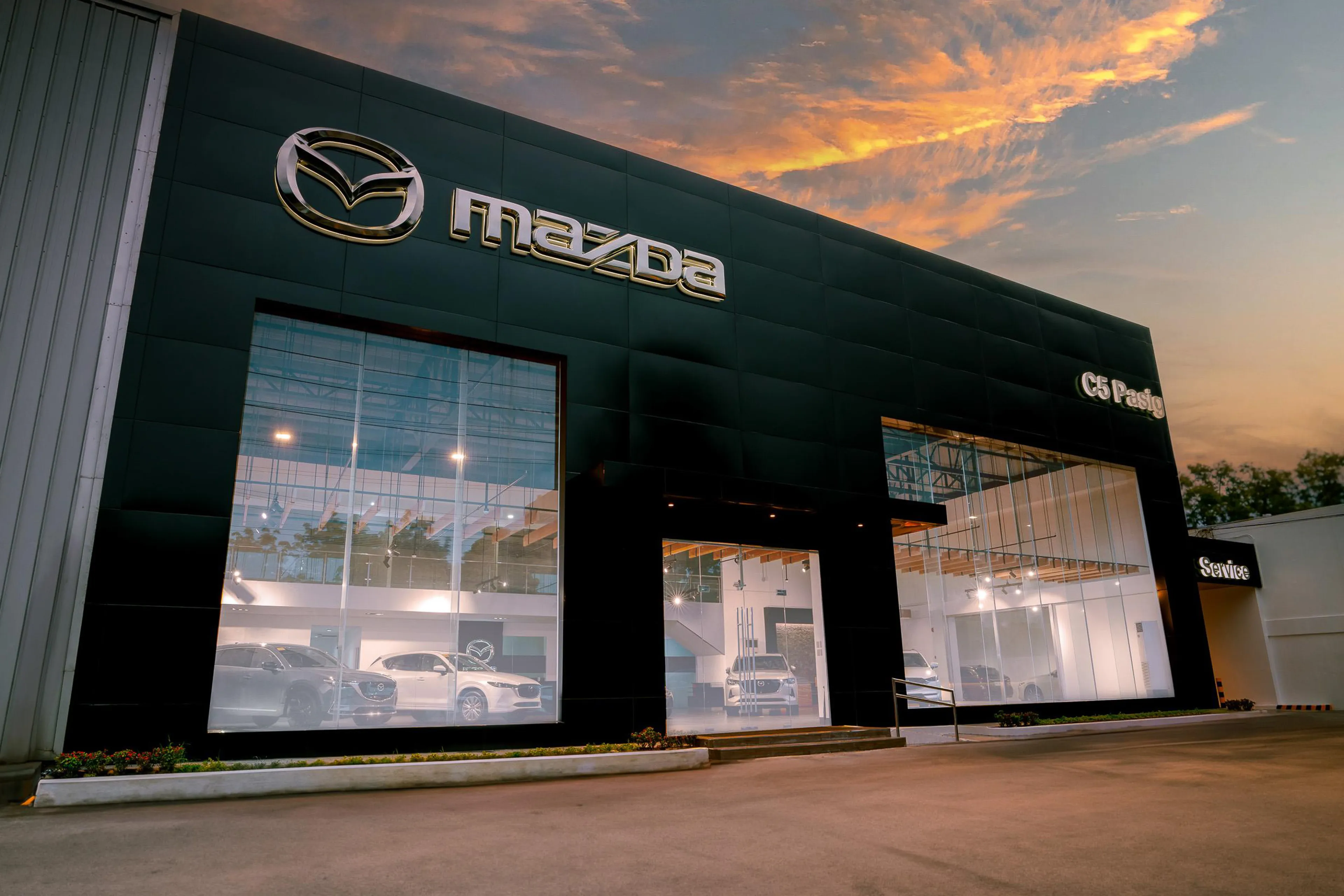
Inchcape just sold its Mazda C5 dealer to Mazda PH
Inchcape pulls out of Mazda C5 Pasig operations, hands it off to Bermaz Auto Philippines Inc.
AutoIndustriya.com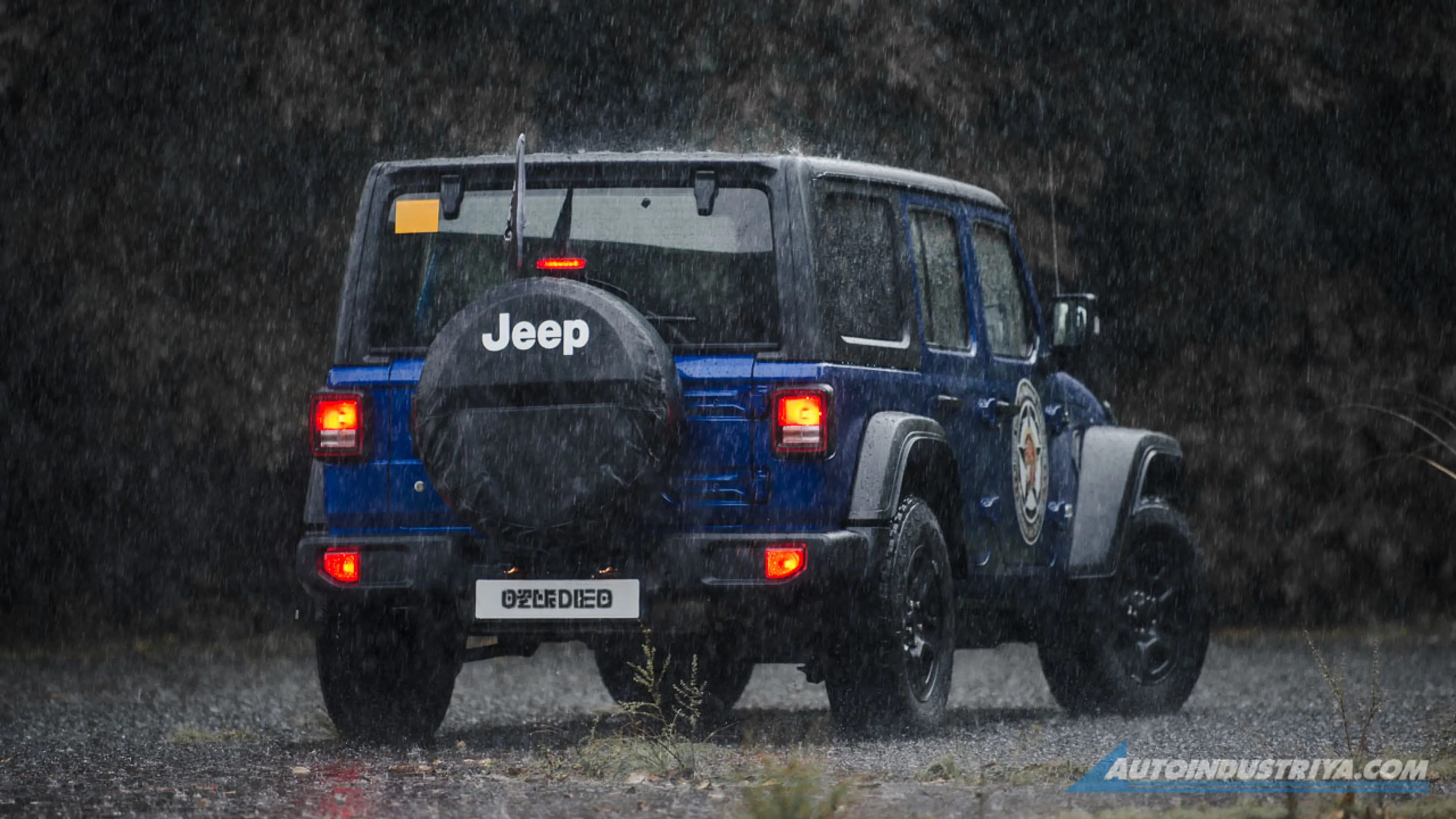
Inchcape PH to close their Chrysler, Jeep, Dodge and Ram business
Chrysler, Jeep, Dodge, and Ram models have become much harder to sell in PH
Vince Pornelos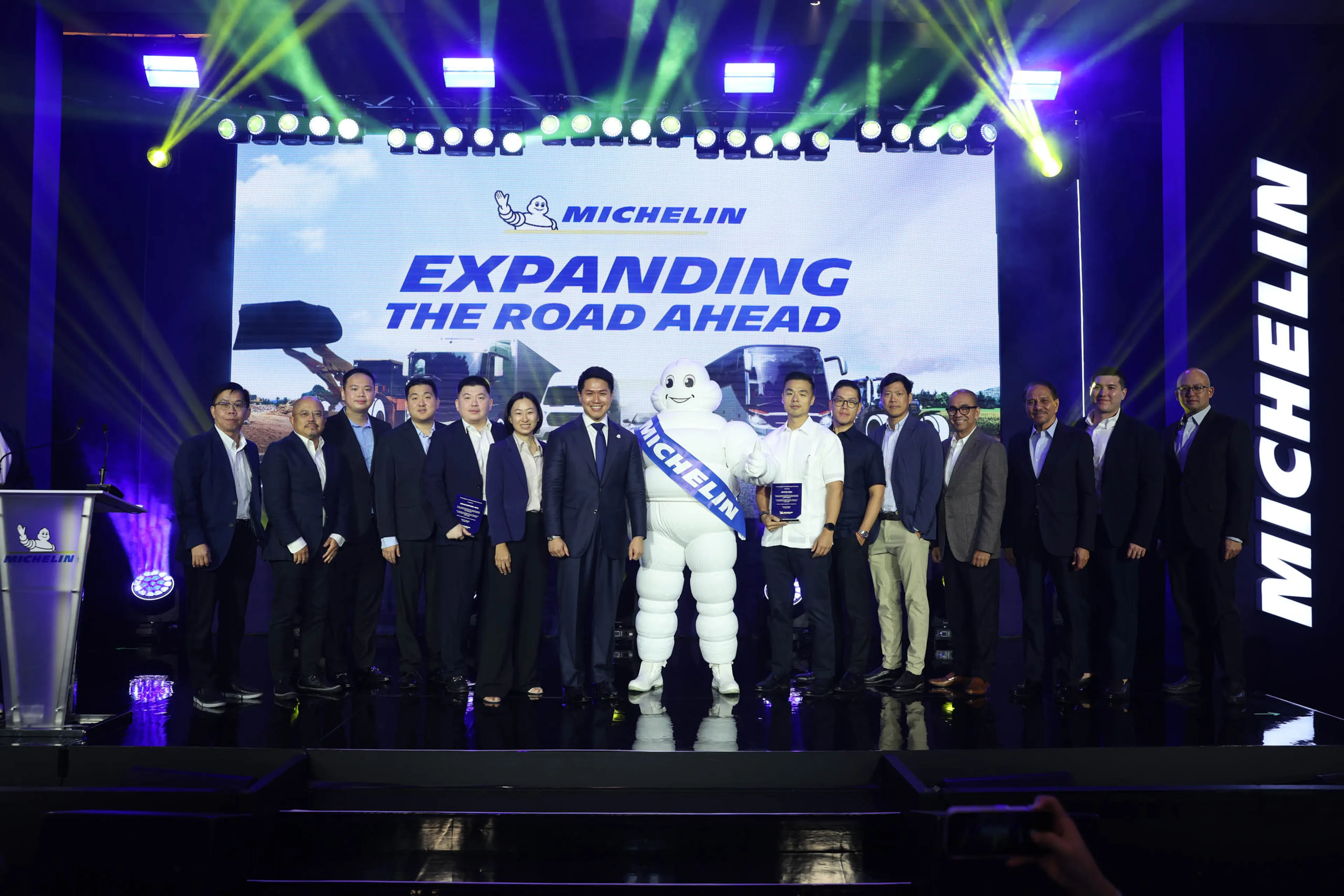
Michelin expands Philippine distribution network to strengthen mobility support
Michelin is strengthening its presence in the Philippines with an expanded distribution ecosystem aimed at improving product access, technical expertise, and customer support across key mobility and industrial sectors
 Francis Pallarco
Motorsport-proven Landsail Tires now available in PH for value-driven motorists
Manufactured by Sentury Tire using 4.0 Smart Factory technology, Landsail Tires makes its Philippine debut through exclusive distributor Tiara Commercial and Industrial Corporation.
AutoIndustriya.com