
2025 Chery Tiggo Grand Tour 1.5 Turbo DCT
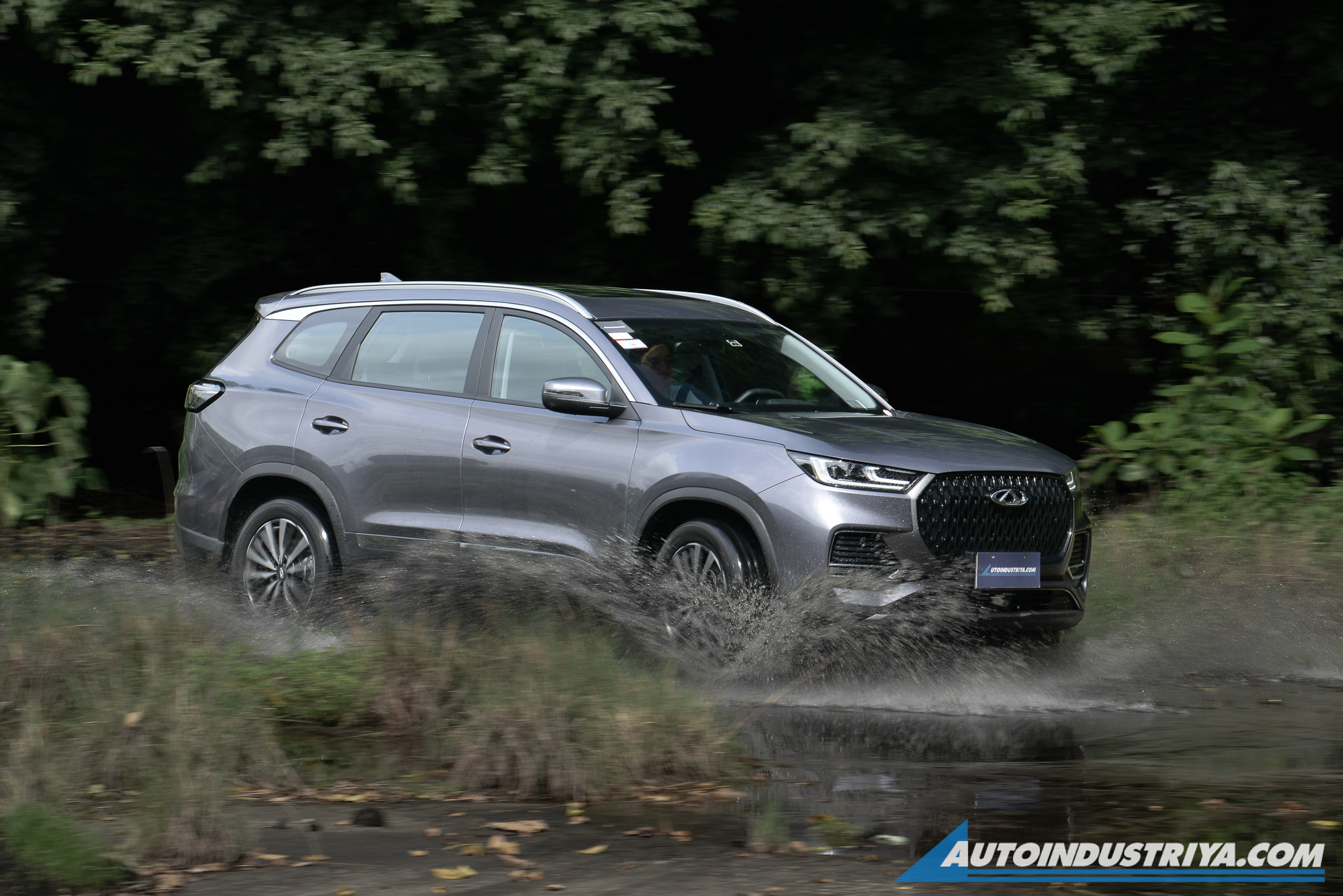
2025 Chery Tiggo Grand Tour 1.5 Turbo DCT
Budget Turbo 7-seater

If there’s one thing these new wave of Chinese cars are bringing to the table, it’s the fact that you can have plenty of car for a lot less. Whether it’s plug-in hybrids (PHEVs), electric vehicles (EVs), or turbocharged crossovers/MPVs, Chinese brands are here to stay with their competitive price tags, and they are disrupting the Philippine automotive market faster than some legacy brands can adjust.
One such brand that has become a mainstay in the industry is Chery, which has been part of United Asia Automotive Group Inc.’s (UAAGI) portfolio since 2019, and they have had several Tiggo crossover SUV models. From the humble Tiggo Touring (AKA the Tiggo 2 Pro) to the high-tech Tiggo rEV, Chery has a crossover SUV for every type of buyer and budget.
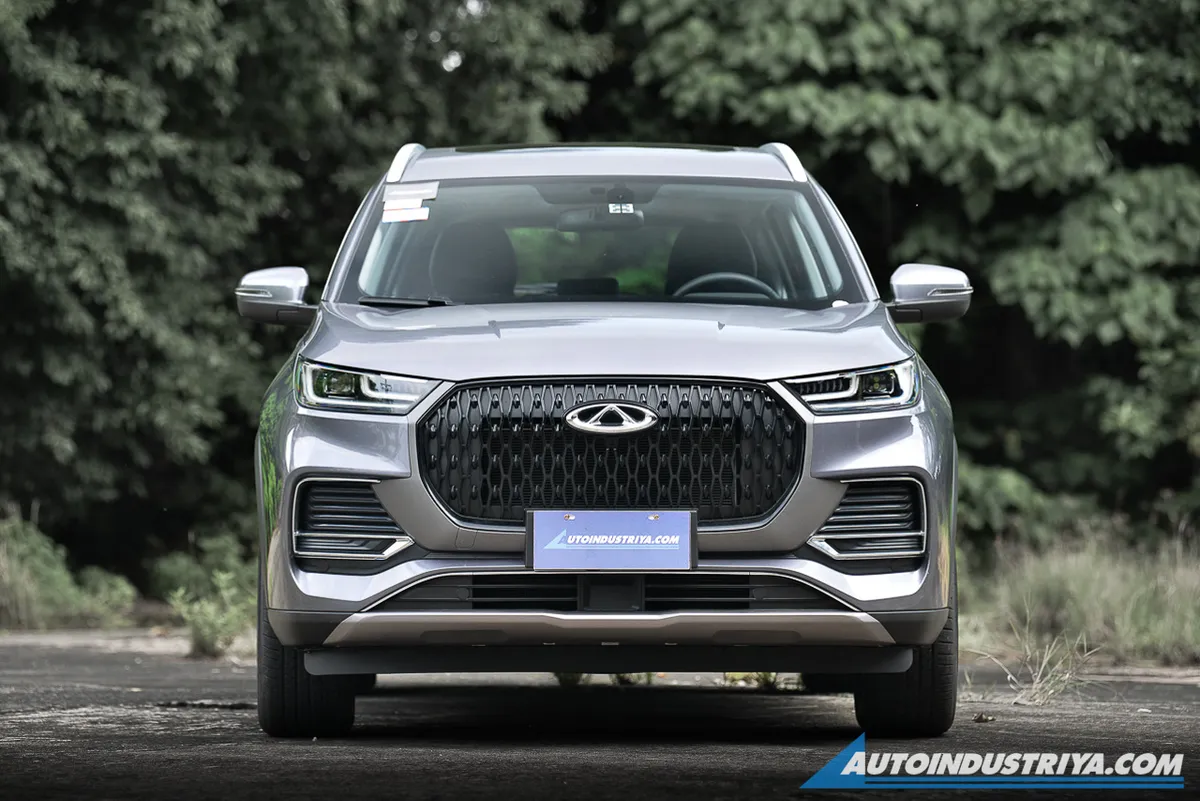
One segment that Chery Auto PH wants to expand on is the budget 7-seater SUV/MPV market, and they just have the vehicle for it. This is the Chery Tiggo Grand Tour, and it’s essentially a repackaged (and renamed) Tiggo 8 Pro. It’s over 4.7 meters long, has a turbocharged 1.5L engine, three rows of seats, and quite a list of features.
With a sticker price of less than PHP 1.2 million, can the turbocharged Tiggo Grand Tour convince buyers to get this instead of compact MPVs like the Mitsubishi Xpander, Toyota Veloz, the Suzuki XL7, and the Honda BR-V?
4 photos
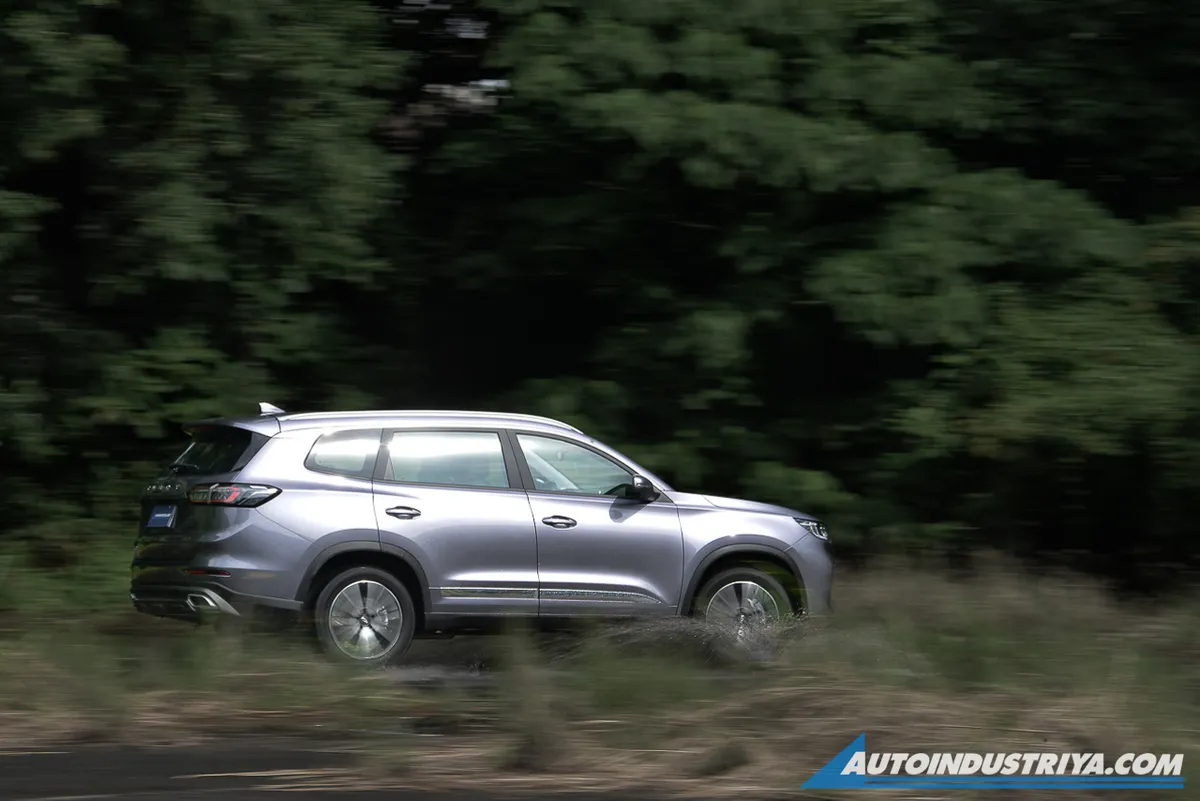
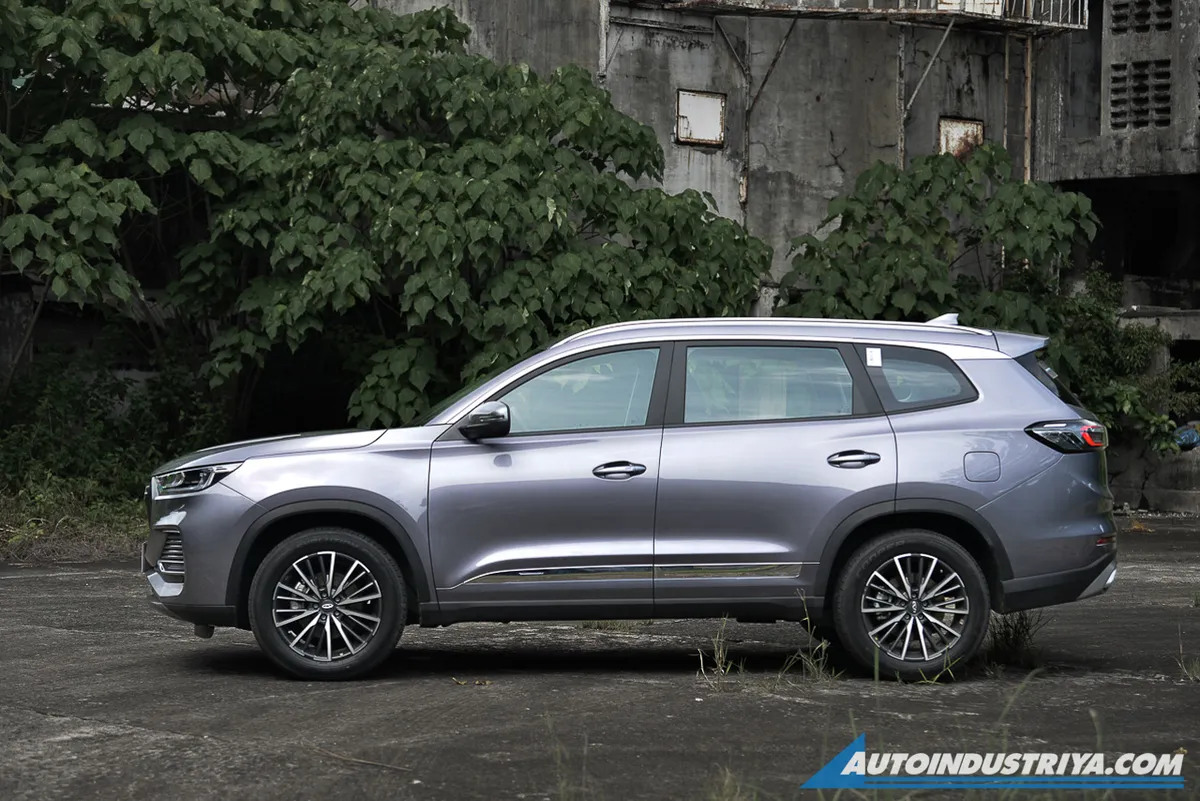
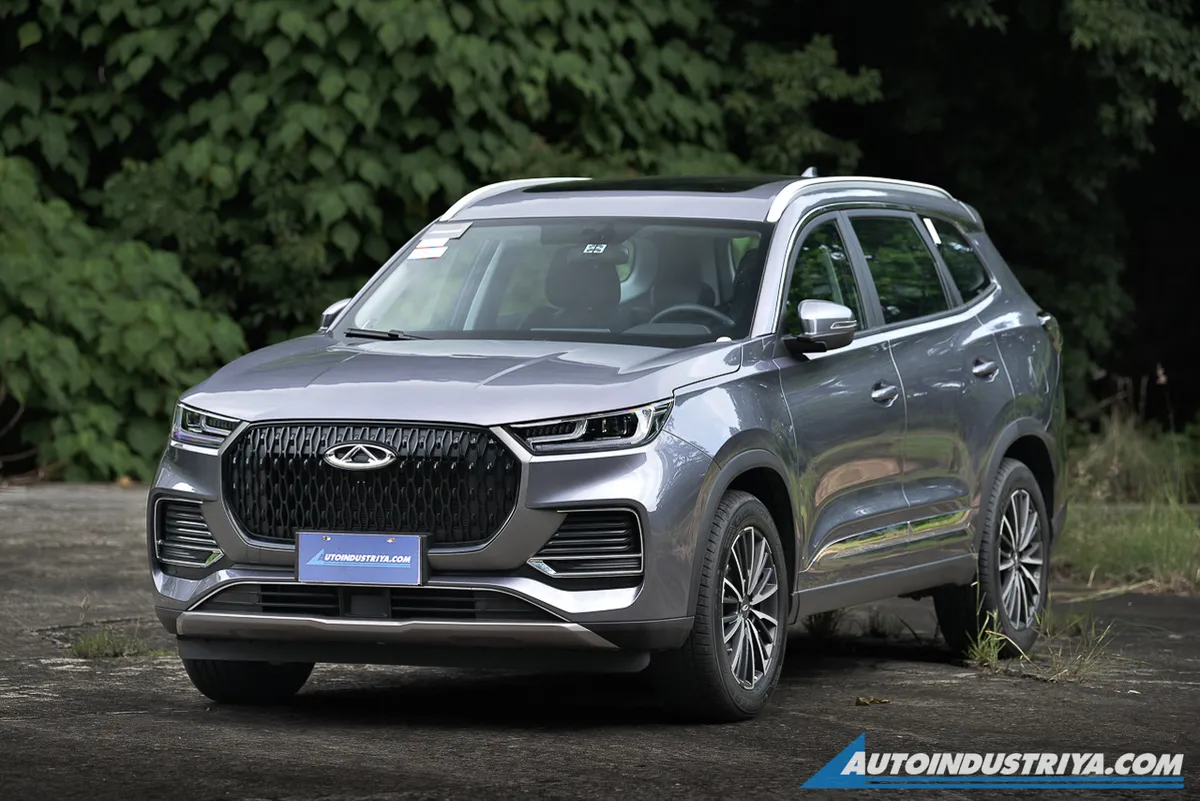
Those who are familiar with the Tiggo 8 Pro will find a similar-looking exterior in the Tiggo Grand Tour. It has an upscale & stylish design that’s pleasing to the eyes and looks nothing like a Chinese crossover. Remove the badges, park it somewhere, and no one will be the wiser that it’s a Chinese-made vehicle. From the eye-catching LED daytime running lights to the mesh-style front grille, as well as the sleek bumpers, the 18-inch alloy wheels, and the clear, elongated LED taillights, the Tiggo Grand Tour looks dashing from every angle.
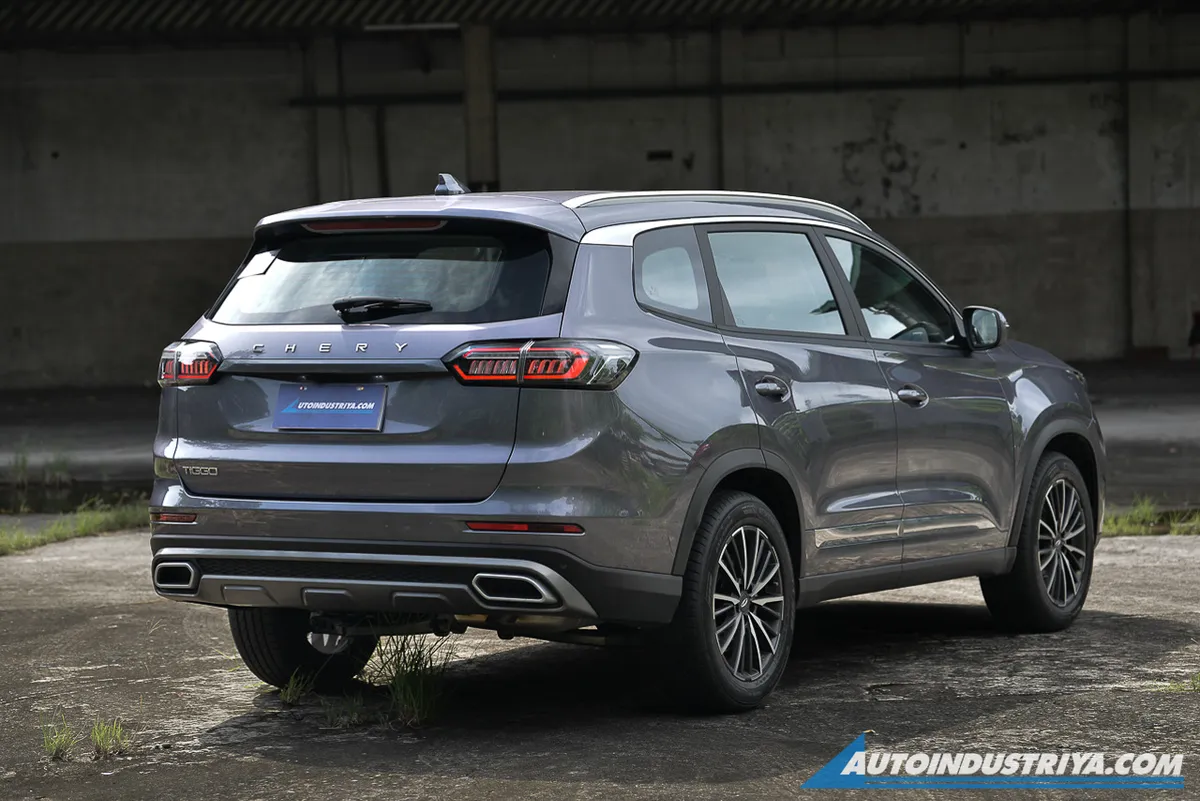
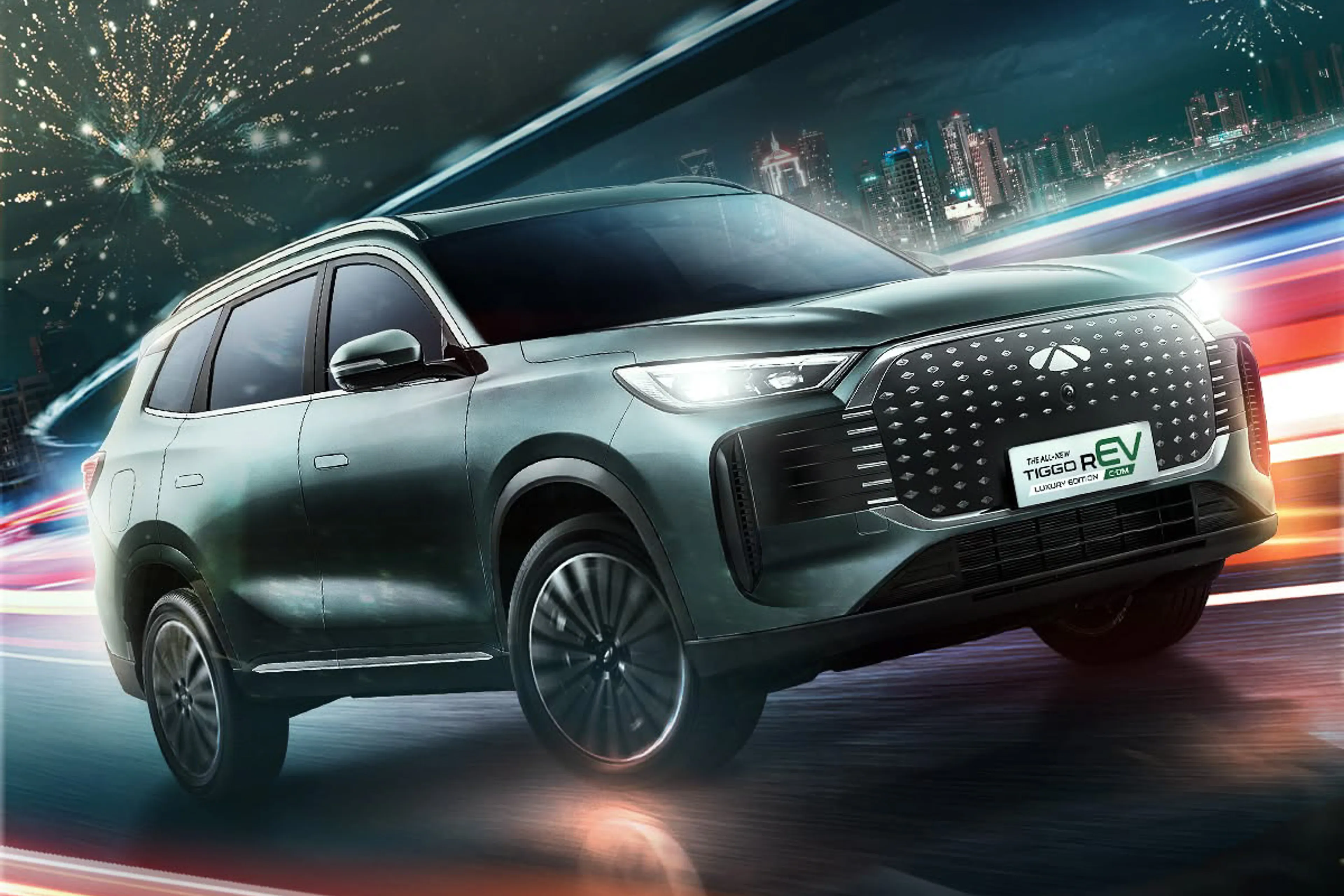
It may not be as flashy as its electrified sibling, the Tiggo rEV, but the Tiggo Grand Tour still has the hallmarks of a sleek-looking crossover SUV. Combined with its European-inspired design, the Tiggo Grand Tour impresses in the styling department. But what about the interior?
Hop inside, and the Tiggo Grand Tour welcomes you into a roomy and feature-packed cabin. There are two digital displays on the dashboard: one serves as the instrument cluster for the driver, while the other is the touchscreen infotainment system. Also present is a leather-wrapped steering wheel, acres of leather trim on the dashboard and door trim, and soft-touch materials on the touchpoints, which is a big plus.
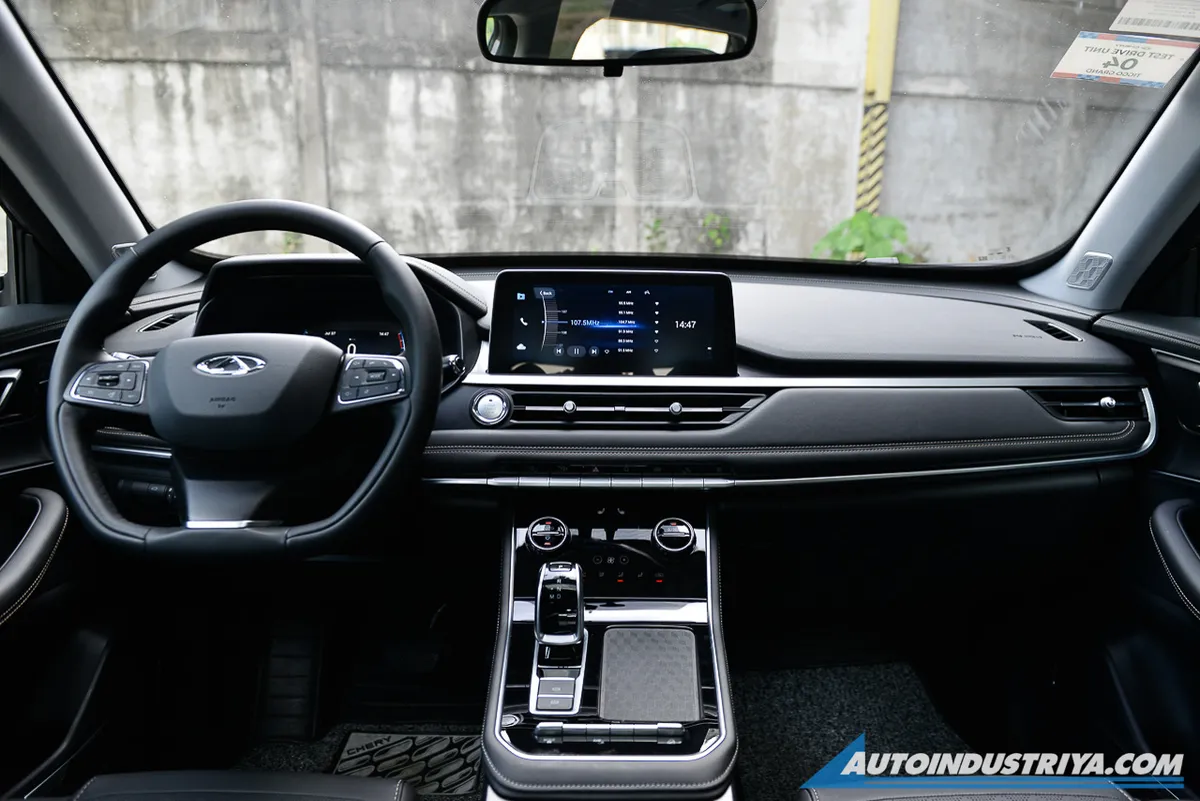
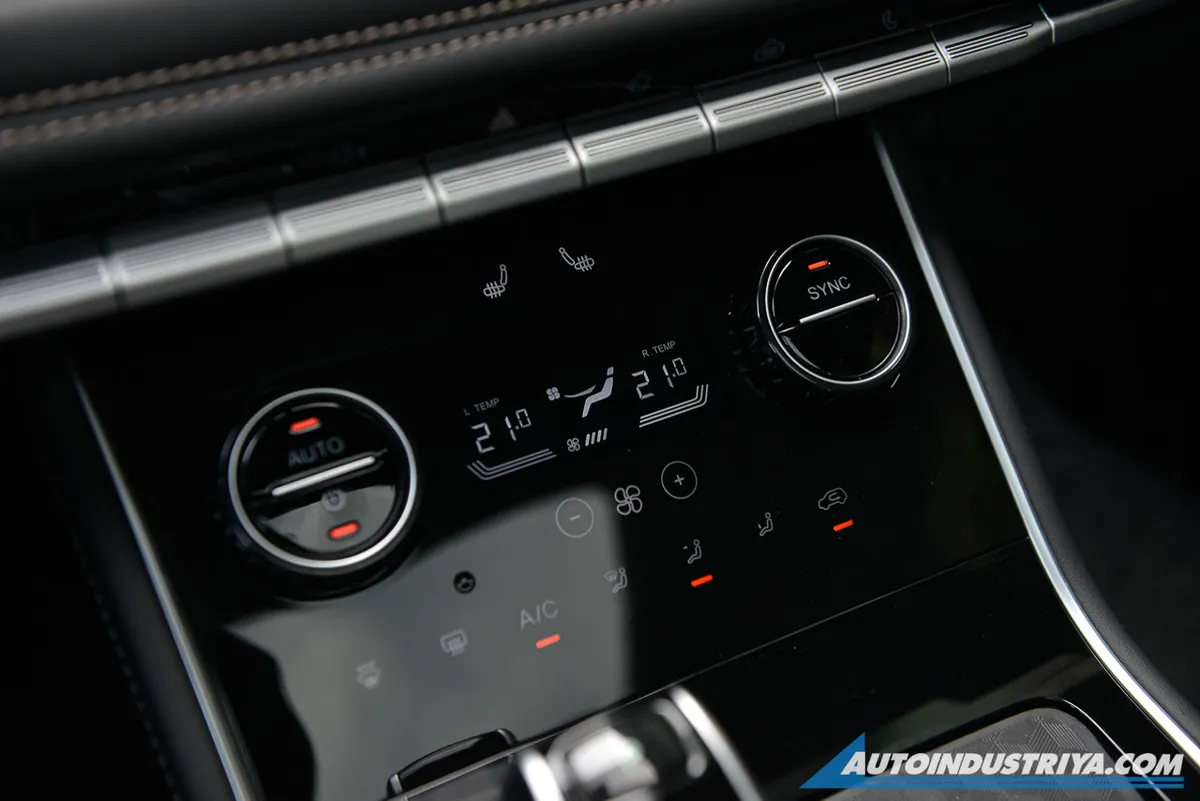
What I really liked about the Tiggo Grand Tour’s interior is that, despite having a touchscreen media display, Chery retained physical buttons for the infotainment system, just below the aircon vents. In an era where brands become obsessed with everything touchscreen, it’s nice to see brands like Chery practicing restraint. It even has physical buttons, dials, and haptic controls for the dual-zone climate control, which kept the summer heat at bay and kept the cabin cool at all times.
7 photos
The touchscreen media display also doubles as a monitor for the 360-degree camera system. When activated, you can check the vehicle's surroundings in real-time via 2D or 3D settings. While some may find this feature gimmicky, I actually like it since it's great when you have to park in tight spaces or need to navigate a narrow alley with ease. Think of it as your personal spotter.
What’s not to like about the interior of the Tiggo Grand Tour? Well, Chery decided to hide the USB ports and the 12V socket underneath the center console in a separate cubby hole. While it does make for a cleaner look, you have to get into awkward positions to plug in or remove your cables to connect your phone via Android Auto or Apple CarPlay. Yes, both are the wired kind, but at least the Tiggo has them.
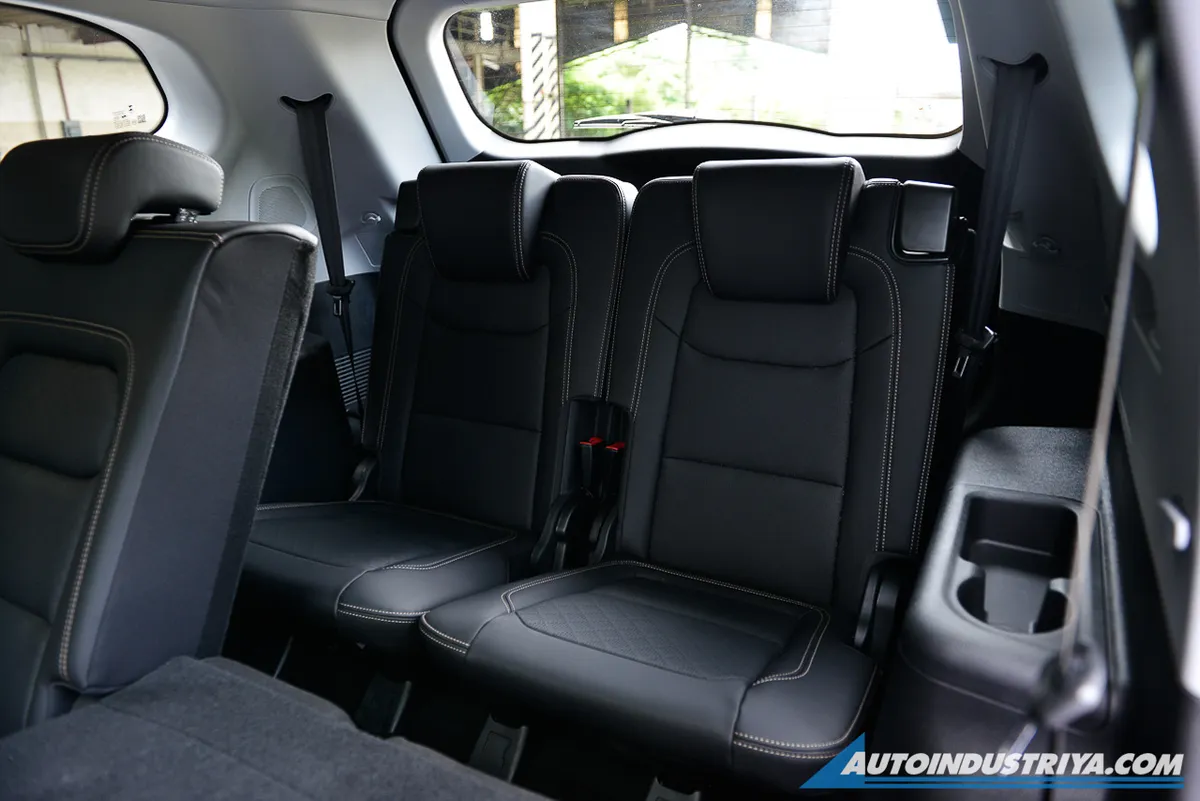
The glaring error is the lack of aircon vents for the third row. Yes, it has enough space for full-sized adults since you can slide the second-row seats forward for extra legroom, but on a hot summer day, you might need to have your personal fans with you while in the third row.
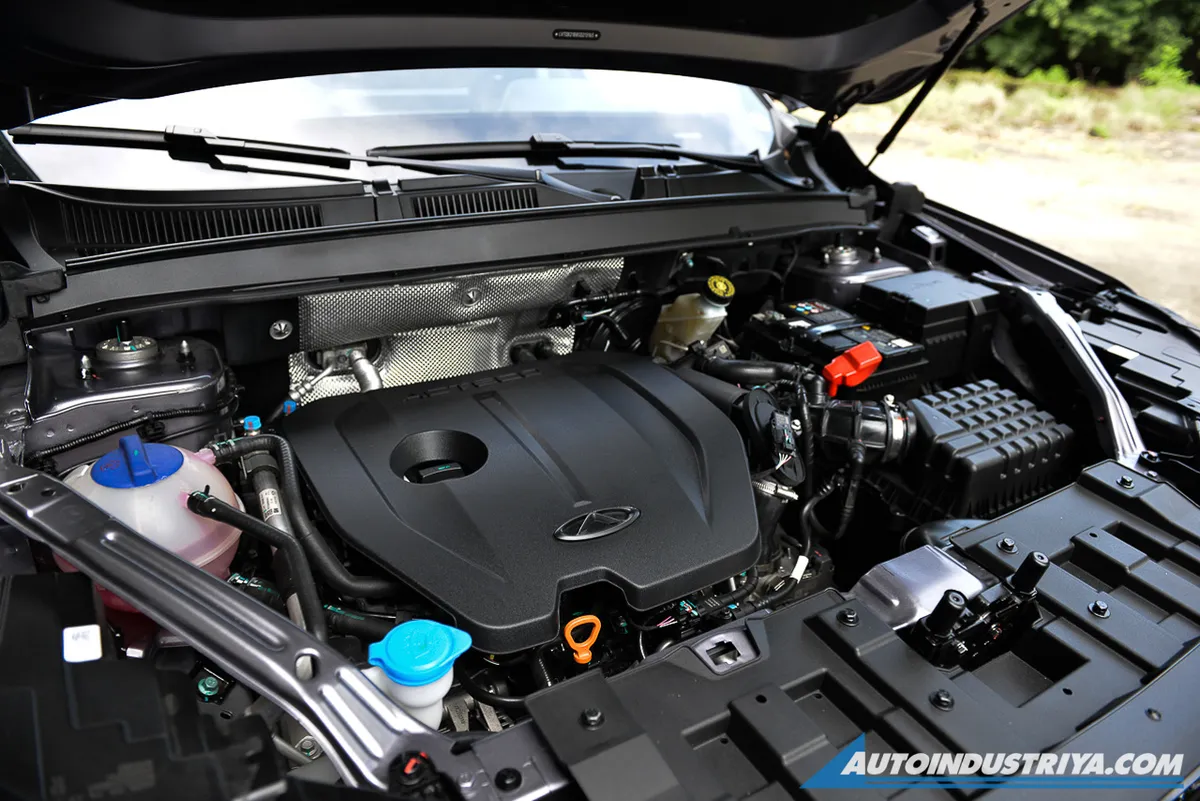
Under the hood is a 1.5L turbocharged four-cylinder engine. Despite its small size, the engine puts out a respectable 146 PS and 210 Nm of torque. This makes the rather tiny 1.5L inline-four produce the same amount of power as a naturally aspirated 2.0L, but with a bit of extra torque. It is then saddled to a 6-speed wet-type dual-clutch transmission (DCT) that drives the front wheels.
I can already sense that doubt while I’m typing this. Can the 1.5L turbocharged engine actually pull this 4.7-meter long vehicle with ease? Yes, yes, it can. With a push of a button, the turbocharged engine comes alive with a subtle vibration. Once you’ve settled in and buckled up, it’s time to set off. However, I immediately noticed the transmission wasn’t as eager to move the vehicle. Then I remembered it has a DCT, which means you have to give the pedal a bit of a prod to get the vehicle moving, especially on cold starts.
Speaking of cold starts, the DCT needs some time to warm up before it can shift smoothly. But that’s typical for almost any transmission if we’re being honest. Once it reaches working temperature, the gearbox performs more smoothly, but still has a tendency to be jerky in stop-and-go traffic. Here, the DCT can struggle at times to seamlessly change between first and second gears, and vice versa.
Once the roads open up, the DCT becomes silky smooth that I sometimes have to look at the tachometer to see if the revs drop whenever it changes cogs. That’s why DCTs can have a dual personality; they can be clunky in heavy traffic conditions, but they become surprisingly effortless once you reach highway speeds. Set the transmission to Sport Mode, and the gearbox will hold the engine in the powerband for longer and will also deliver quicker shifts. It’s not much, but it makes the most out of the 1.5L turbocharged engine.
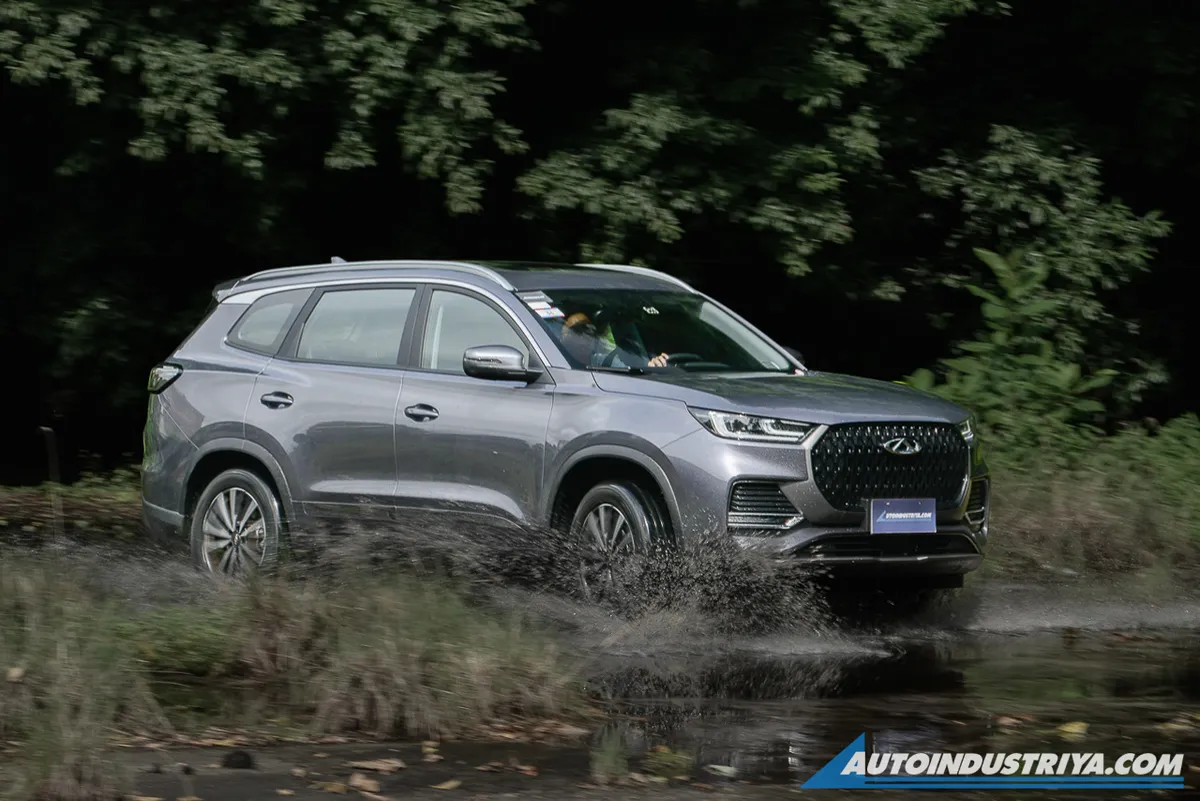
Despite its moderate output figures, the 1.5L turbo inline-four delivers more than enough pep to motivate the Tiggo Grand Tour. But what about fuel consumption? Well, despite having a turbo, the Tiggo Grand Tour is quite easy on the gas bills. In average city driving, it can easily average between 9 and 10 km/L, provided you don’t have a heavy right foot.
Out on the highway at an average speed of 90 km/h, the Tiggo Grand Tour can return up to 16 km/L. If you’re the kind of driver who likes to hypermile, you can easily average up to 17 km/L if you keep your speedometer at 80 km/h. Not bad for a seven-seater that spans more than 4.7 meters long and comes with a turbocharged engine.
Fill it up with passengers and cargo; however, expect its fuel consumption to dip to around 13 to 14 km/L when you’re on the highway. Meanwhile, city driving with extra passengers and luggage will result in an average fuel consumption of around 7 km/L.
When it comes to ride comfort, this is where the Tiggo Grand Tour shines. Whether it’s just me inside the vehicle or I’m with companions, the Tiggo Grand Tour effortlessly glides over the bumps and makes short work of rutted streets, pockmarked roads, and expansion joints on the expressway.
Also worth mentioning is its agility. Yes, it's over 4.7 meters long and has three rows of seats, but it has communicable steering and is quite light on its feet despite its size. It's no sports crossover, but it handles well enough.
With a price tag of PHP 1.188 million, the Tiggo Grand Tour undercuts several mid-grade and high-grade compact MPV variants of the Hyundai Stargazer, Mitsubishi Xpander, Honda BR-V, Toyota Veloz, and Suzuki XL7. Heck, some Chery dealerships are offering discounts, which can bring down the price of the Tiggo Grand Tour to PHP 1.088 million.
5 photos
It's bigger, roomier, and more powerful than the compact MPVs from legacy brands, while still packing plenty of features. This gives the Tiggo Grand Tour exceptional value for money when it comes to sheer price. There are really only two hurdles that Chery will need to overcome.
The first is to convince buyers who are loyal to the legacy brands that they are the way to go. The second is the fact that this has no hybrid option, much less a plug-in hybrid. For that, you'll need to spend about 400k more and look at the Tiggo ReV.
Related Posts
Chery Auto PH achieves 82% year-on-year sales increase in May 2026
Year-to-date sales performance of Chery Auto PH also increased by 55.5%, with 762 units sold from January to May 2026
 AutoIndustriya.com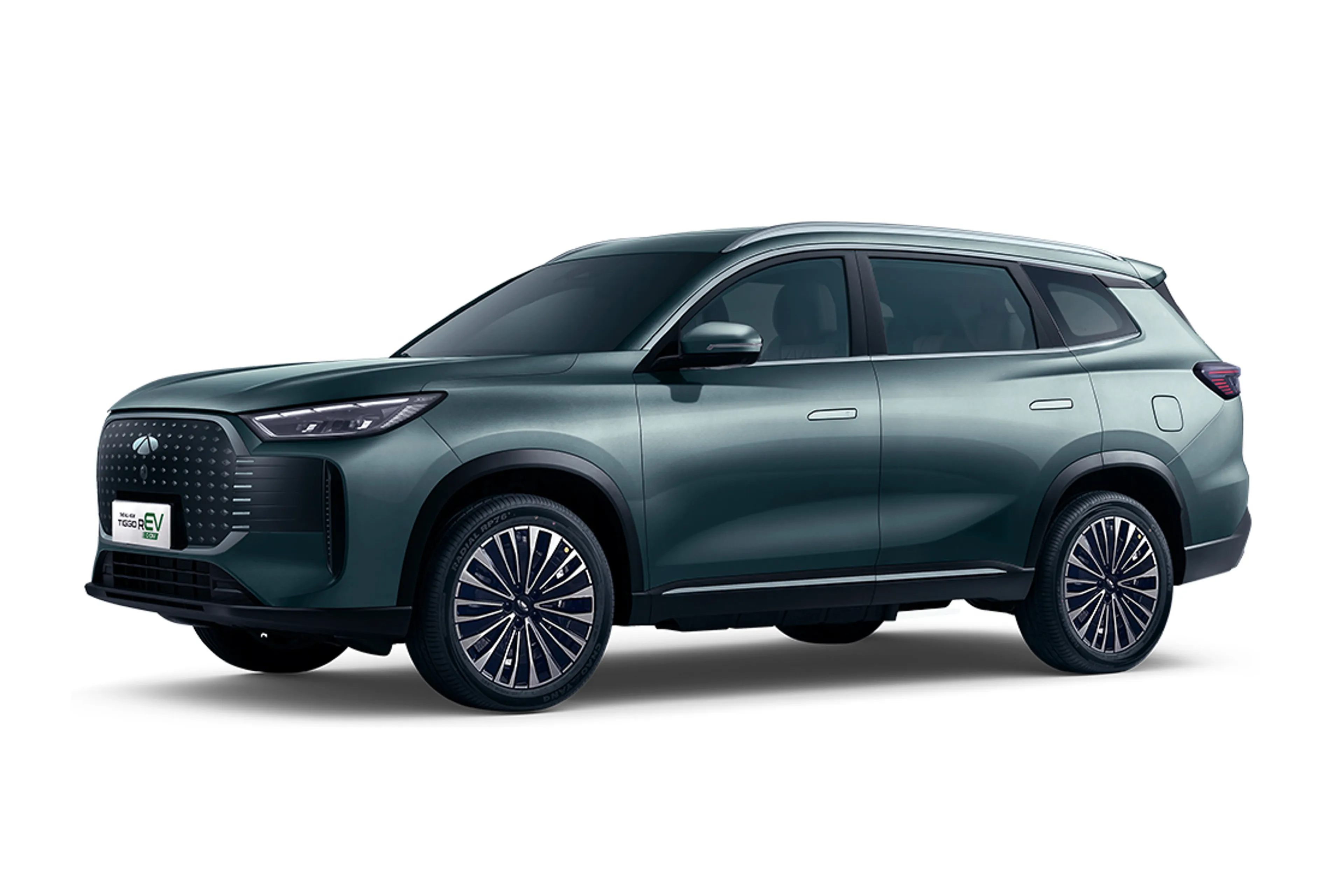
Over 1,000 Chery Tiggo rEV PHEV units now on PH roads
Chery Auto PH achieves sales milestone for Tiggo rEV; posts 69% year-on-year sales increase for June 2026
AutoIndustriya.com
Chery Auto PH recognizes top performing dealers for 2025
Chery Alabang takes 2025 Dealer of the Year honors
AutoIndustriya.com
Jetour S08 7-seater PHEV will not use Soueast badge in PH
Soueast S08 i-DM 7-seater PHEV will be sold with Jetour badge
 Marcus De Guzman
Chery previews all-new Tiggo X flagship SUV at Beijing Auto Show
Chery joins the flagship SUV bandwagon with Tiggo X
 Vince Pornelos
Report: Turbocharged GR RAV4 possible, says Toyota engineer
Toyota's 2.4L turbo fits under the hood of the sixth-generation RAV4, according to its chief engineer
Marcus De Guzman