
2026 Hyundai Palisade Calligraphy 2.5T HEV 6AT
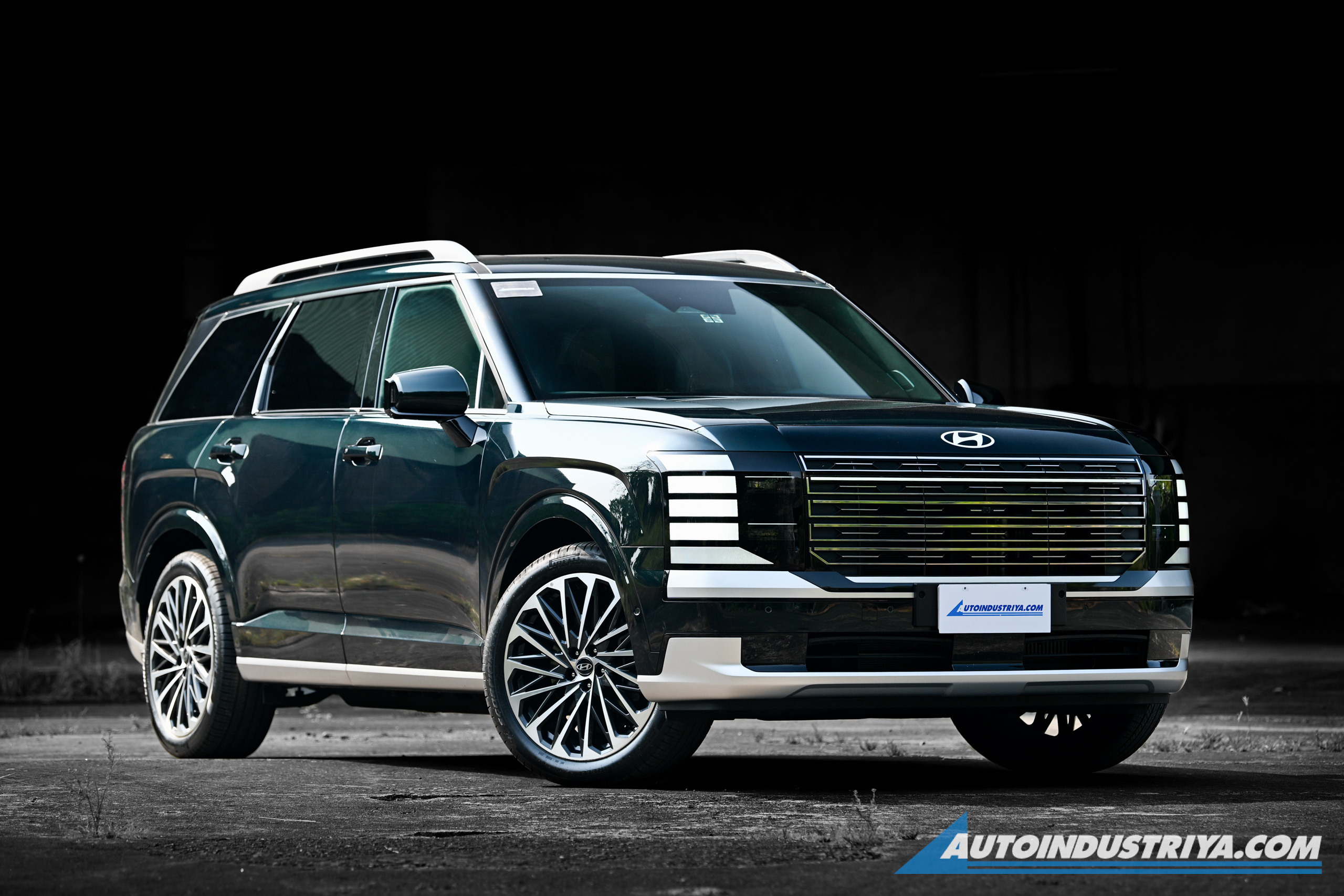
2026 Hyundai Palisade Calligraphy 2.5T HEV 6AT
Luxury under the radar

Family SUVs are viewed differently depending on the country you’re in.
When you ask someone from North America, it’s likely that models like the Ford Explorer, Honda Pilot, the Mazda CX-90, or the Hyundai Palisade are on top of their minds.
In the Philippines, however, those models are highly overshadowed by popular pickup passenger vehicles, or PPVs such as the Ford Everest, the Mitsubishi Montero Sport, or the Toyota Fortuner. That’s just the way it is when different markets have different needs for a family SUV.
So when a manufacturer brings in something that’s clearly designed to fit another market, that places the vehicle in a rather interesting situation in the country. Such is the case of the Hyundai Palisade in the Philippines.
The market clearly favors SUVs with ladder frames. And when budgets creep beyond the PHP 3 million mark, buyers start to look at vehicles with premium European badges. Where does the Palisade belong, then? Does it deserve more attention than what the market gives it?
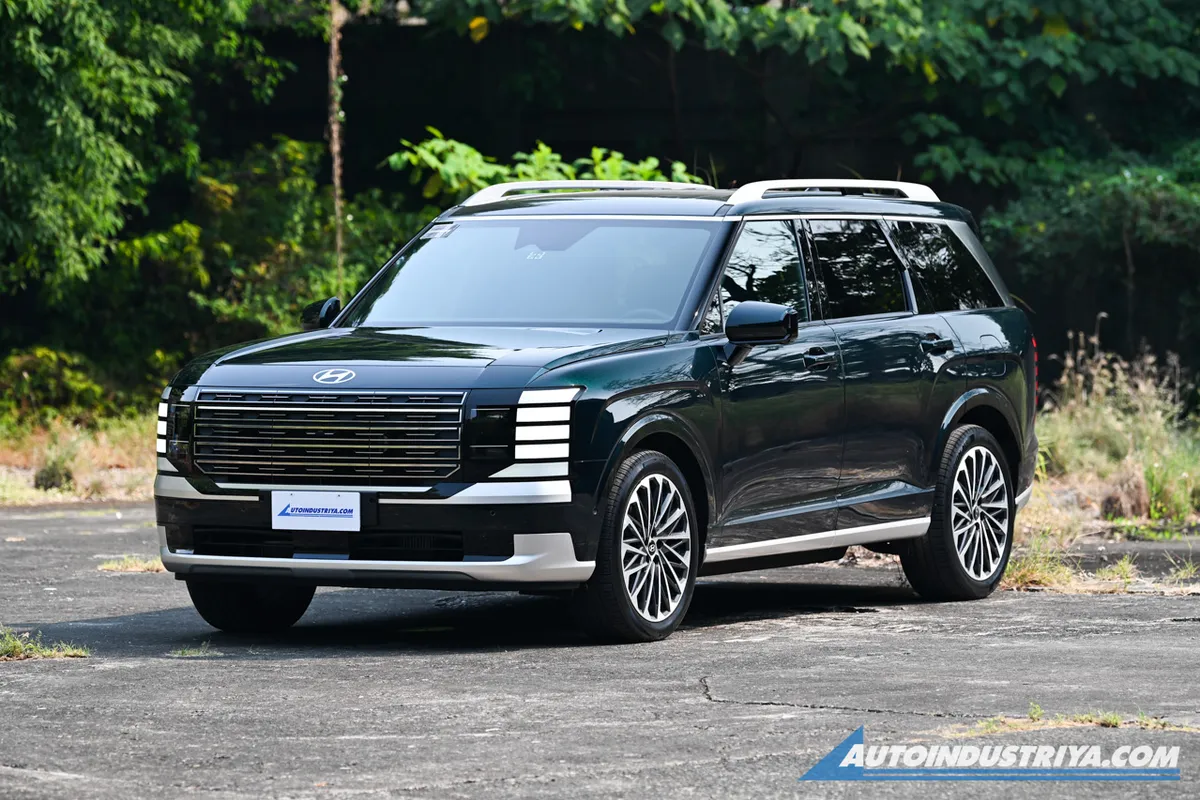
For the unfamiliar, the latest Palisade you see in Hyundai showrooms these days is already in its second generation. And yes, the first-generation model made its way here when Hyundai PH was still operating under a distributor. Some older Palisades you see on the road might have also been brought in from North America by gray market importers.
Going back to the Palisade, the latest generation has quite the upscale curb appeal to it. These are the kind of vehicles you see in suburbs around the US, and here it would probably be spotted around executive villages. It’s quite commanding with its size, and I really dig the green color of this demo unit, where the pigment only shows up when light strikes it.
4 photos
The front has rectangular LED headlights found between the vertically-stacked DRLs that flank the large grille, while the lower part has active grille shutters like the Ioniq 5. It opens to cool the powertrain, and closes to reduce drag at high speeds.
When viewed from the side, the low and wide stance of the Palisade, along with the Range Rover-ish proportions, make it all the more imposing. But with 21-inch wheels and a 187 mm ground clearance, the SUV looks more at home on the pavement than on the trail.
4 photos
Together with models like the Kona and the Stargazer, the Palisade’s rear LED taillights are similarly styled to the front lighting units. It’s the main design feature at the back as Hyundai kept it minimalist.
Stepping inside the cabin of a modern Hyundai is always a refreshing sight, since most of the vehicles we test, especially those from China, have dashboards dominated by huge touchscreen panels with cabin controls integrated to it. With the Palisade, the chunky dashboard with thick padding houses the dual 12.3-inch screens nicely.
4 photos
There are buttons and knobs placed in the right places, while material choices such as Nappa leather on the seats and soft padding exemplify Hyundai’s attention to detail and build quality. Creature comforts, as expected, are aplenty: heads-up display, dual sunroof, massage seats for the driver, power adjustment, wireless smartphone connectivity, Bose premium 14-speaker system, lots of storage spaces, ambient lighting, and even a UV sterilization system on the center console box.
4 photos
Where the Palisade clearly stands out above PPVs is the amount, or rather, the wealth of cabin space inside. With a unibody construction, the Palisade’s packaging offers much more volume for its size. Cargo space is measured at 54 cm long, 133 cm wide, and 78 cm tall with all the seats up. But use the power folding function on the 2nd and 3rd row seats, cargo length extends to 120 cm with the 3rd row seats down, and up to 183 cm with the 2nd row folded.
4 photos
Adult-sized individuals will feel like sitting inside a Carnival-sized minivan in the third row with the proper amount of headroom and legroom on the Palisade. But if you’re going to use it as a four-seater executive SUV, then you’d find that the second row captain’s chairs don’t have the Ottoman leg rest. If that’s not a deal breaker, then the space and airy feel inside will be much appreciated aboard the SUV.
Hyundai had an issue with the power folding seats of the Palisade, which caused a tragic incident in the United States. It has then been rectified through a software update, which should lessen doubts about the seat’s safety. During our time with the SUV, we found no issues operating the power seats, so I think newer units should be fine by now.
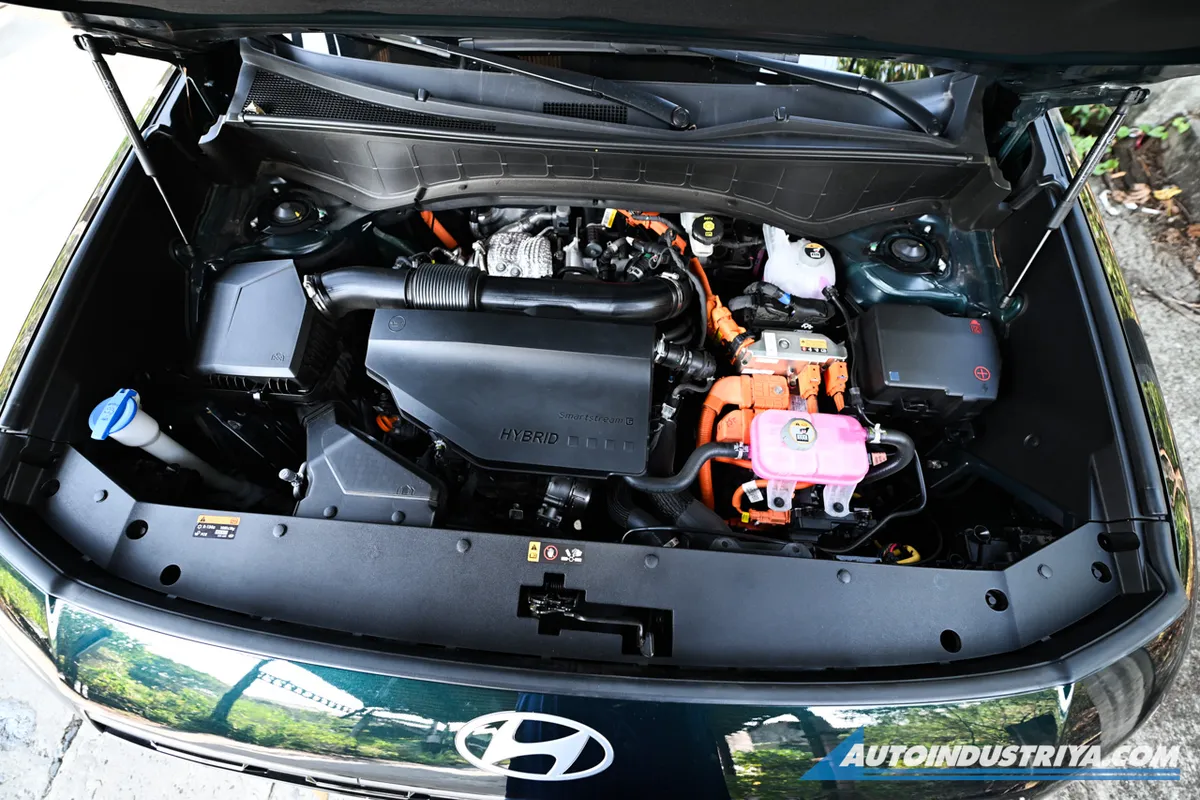
The older generation of the Palisade used to be powered by a turbodiesel engine. But for the latest generation, Hyundai has put in a gasoline turbo hybrid powertrain for better efficiency. The combination of the 2.5-liter turbo-four and dual electric motor makes a healthy 334 PS and 422 Nm of torque. Along with a 6-speed automatic and an all-wheel-drive system, the Palisade has plenty of oomph on tap to pull its large body.
City fuel consumption during my time with the SUV was 9 km/l, while highway consumption yielded 18.6 km/l. On mixed use, you can expect the Palisade to do about 12 to 13 km/l on average, which is rather respectable for an SUV of this size.
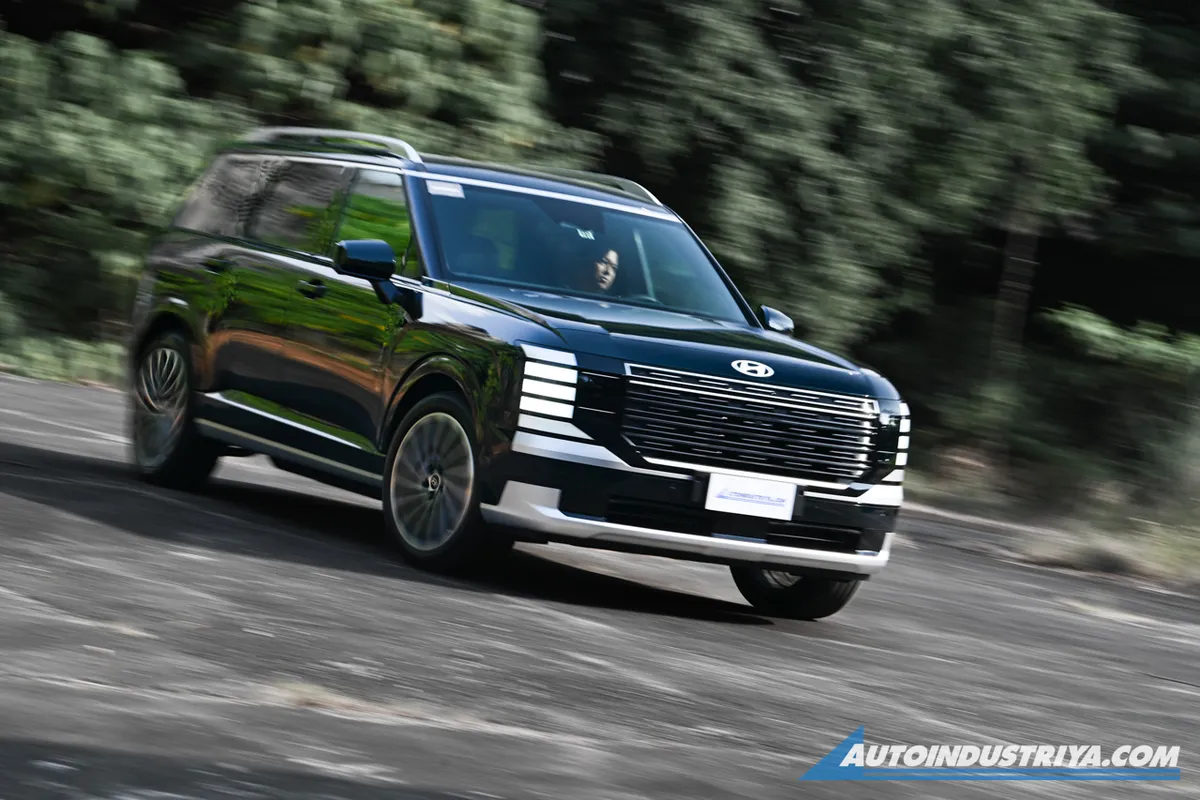
On the road, there’s no other way to say it – the Palisade is just buttery smooth. Even with 21-inch wheels, the SUV returns a plush ride and absorbs most road imperfections easily.
With the electronically controlled dampers, the large body remains stable through corners, expansion joints, and uneven surfaces. The heft is managed well by the suspension, with the way it handles. Interestingly, when in Sport mode, the Palisade’s seats even firm up and tighten the bolsters to better support your body when driving, which is a nice touch.
2 photos
Despite its size, the Palisade has a decent turning radius. Along with the help of the 360-degree camera, maneuvering it around won’t be much of a problem.
I’ve had plenty of experience driving the current Hyundai models, and unfortunately, I have the same concern with the Palisade about its SmartSense ADAS – it’s just a tad too sensitive for the driving behavior that we encounter here in the Philippines, especially the rear cross-traffic braking.
Sometimes you’d find the system applying the brakes already, even with oncoming traffic still about more than a car length away. Hopefully that gets fine-tuned, or have the option to save the setting to off, as for now the only workaround is to disable it whenever you’re backing up.
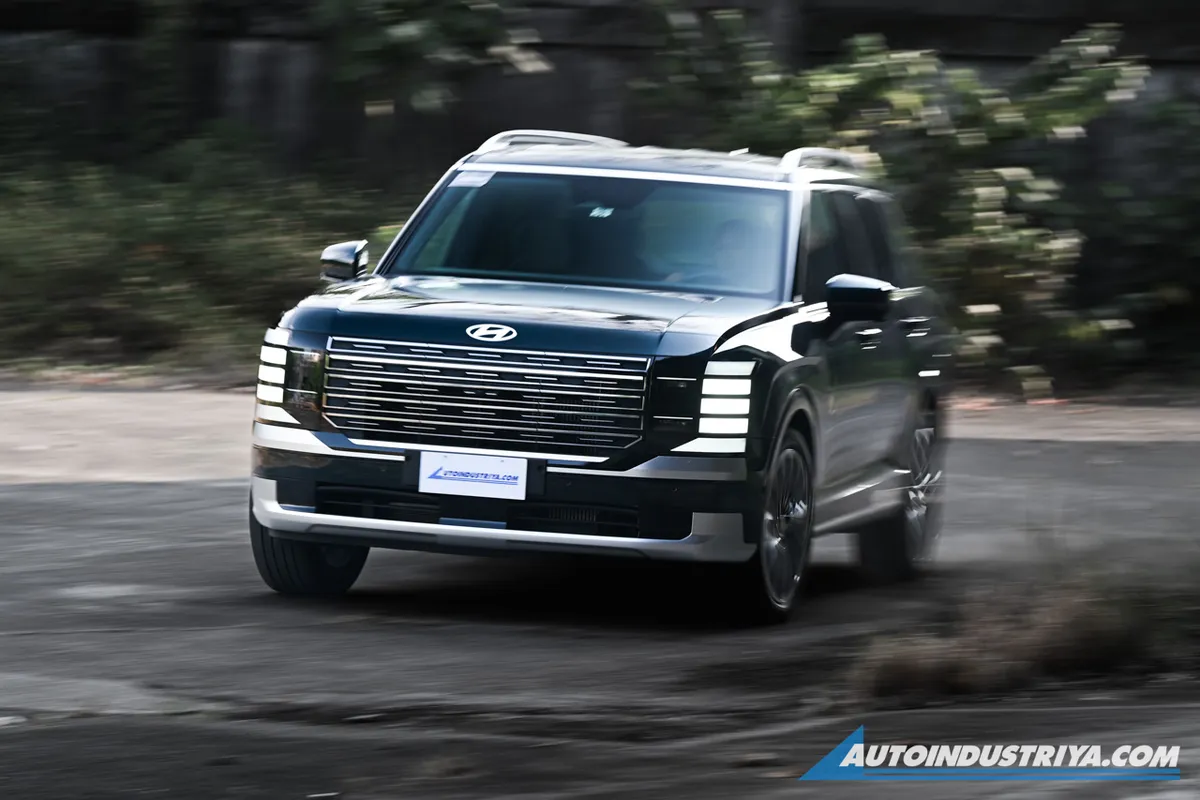
All things considered, the Hyundai Palisade has the tools to deserve more attention these days for a family SUV. It’s a hybrid, so there will be savings in fuel efficiency along with number coding exemptions. It’s undoubtedly smoother than a PPV, plus the look and features are up there with more expensive vehicles such as the Patrol or LC300.
At PHP 3,980,000, the Palisade is the most expensive among its peers like the Subaru Evoltis, Mazda CX-90, and the Ford Explorer, but I dare say it’s the one that shouts premium more convincingly. If you’re in the market for a comfortable SUV that you won’t be taking off-road, the look, the features, and the comfort that the Palisade brings make it definitely worth considering.
Related Posts
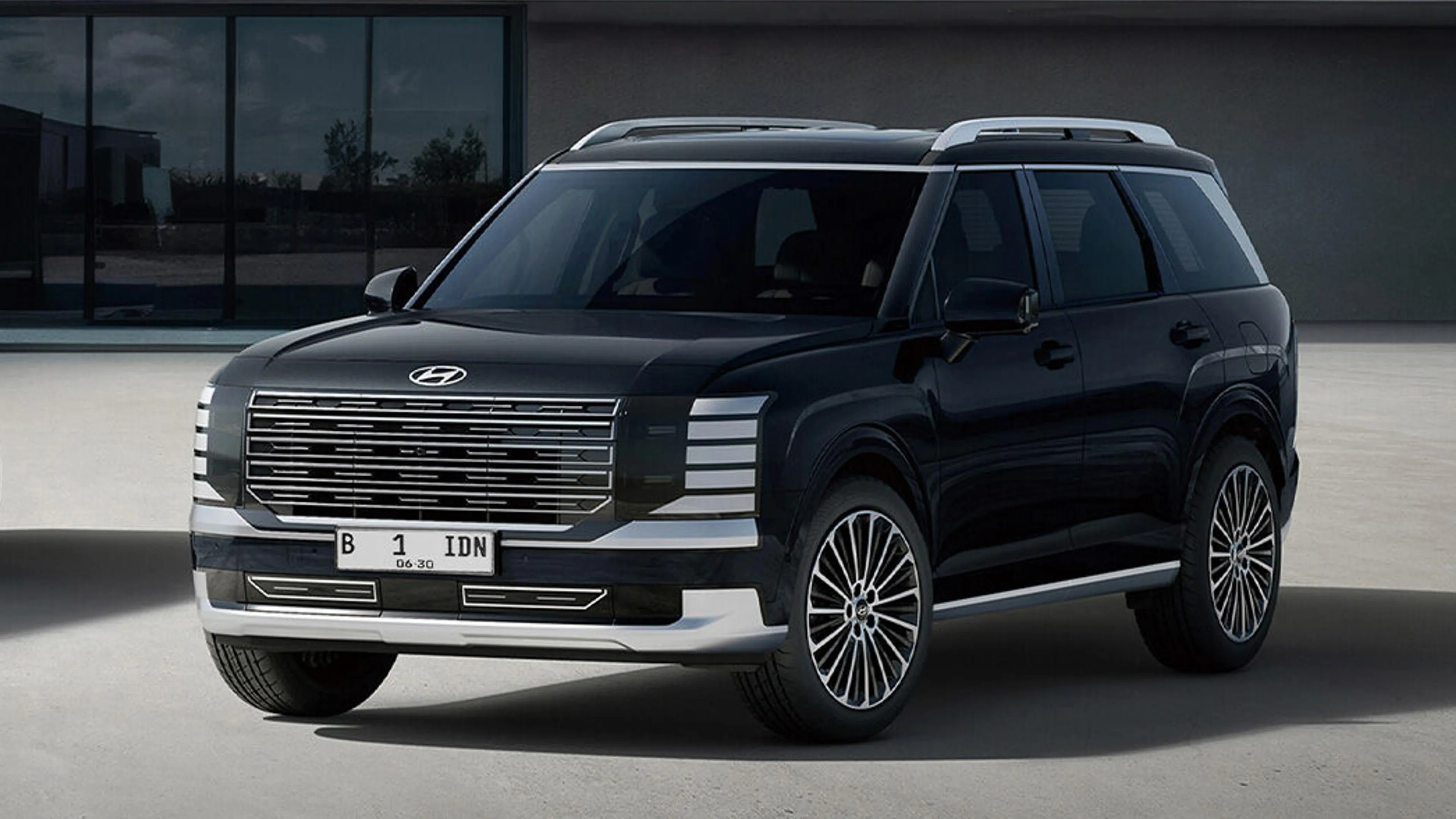
Hyundai PH to get all-new Palisade with 2.5L turbo-hybrid engine?
It looks like the turbo-hybrid Hyundai Palisade will make its way here soon
 Marcus De Guzman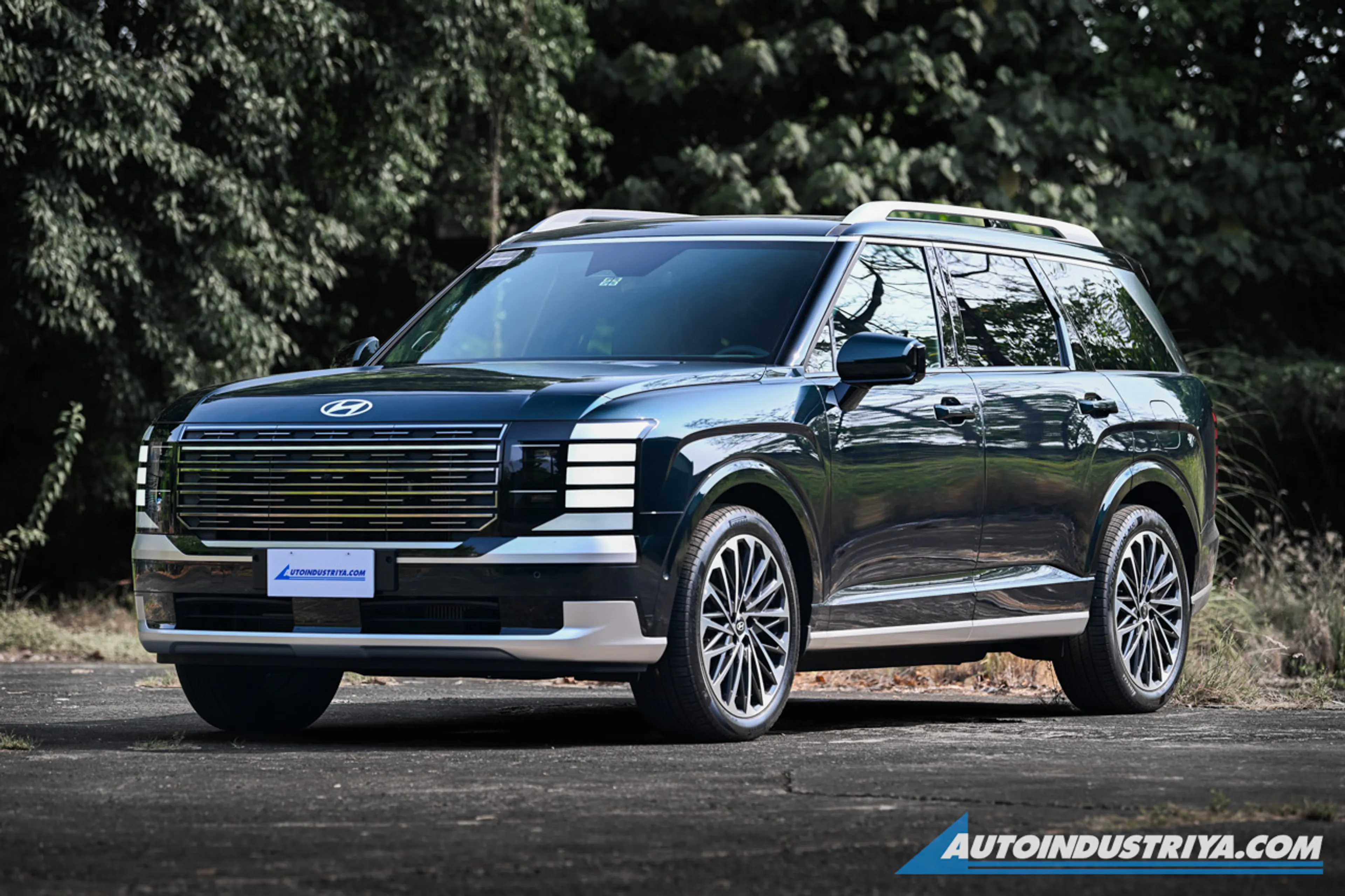
Hyundai PH recalls 123 units of Palisade HEV over seat folding issue
Recall issued following tragic seat fold incident that resulted in the death of a two-year-old kid in the US
 Jamil Lacuna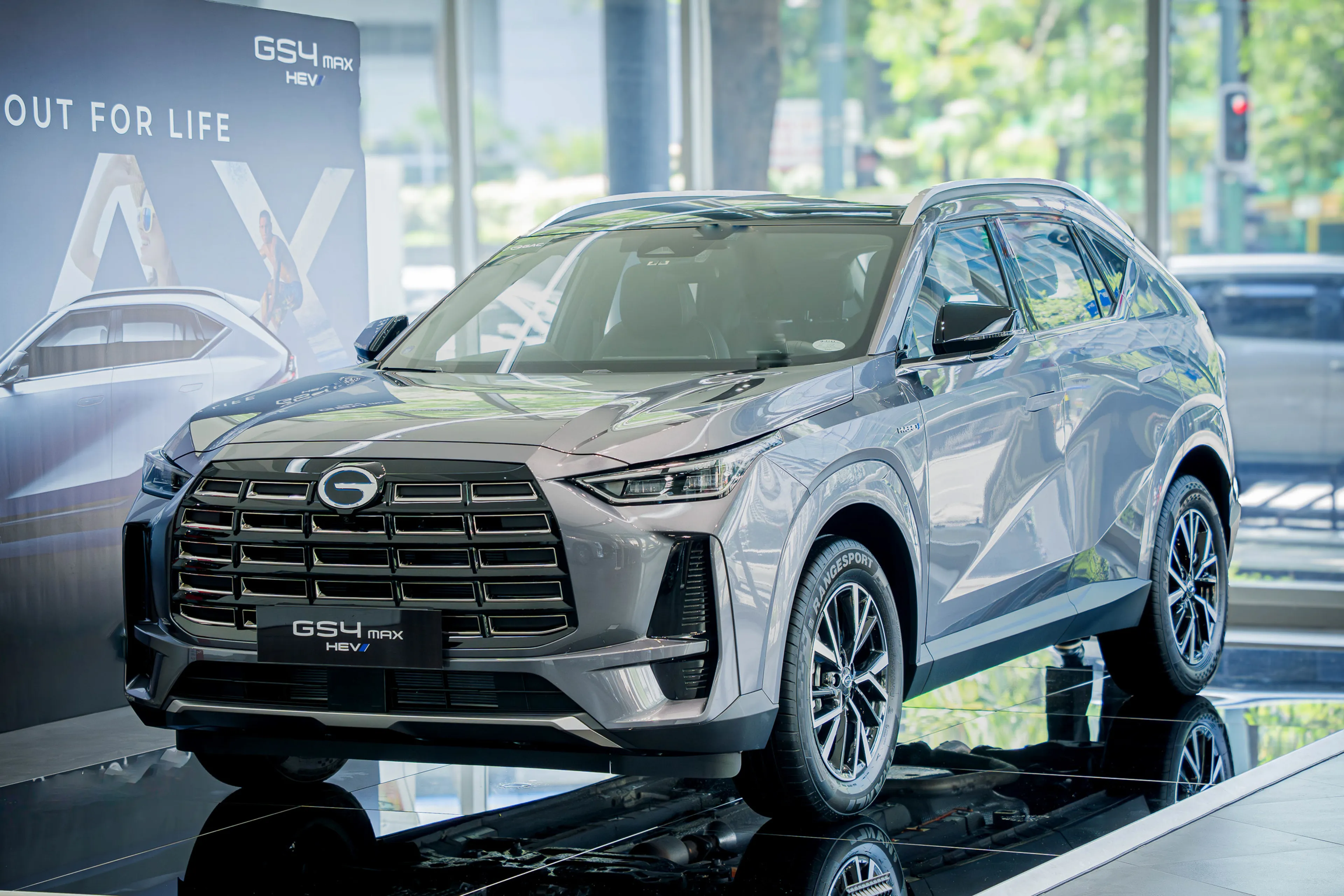
2026 GAC GS4 Max HEV makes PH debut; has up to 1,250 km of range
GAC expands its hybrid lineup with GS4 Max HEV
Marcus De Guzman
2026 Kia Sorento 1.6 EX FWD Turbo HEV
We check out the Kia Sorento EX Turbo Hybrid and find out if it offers great value in the midsize hybrid SUV segment
Marcus De Guzman
All-new Hyundai Palisade now in Southeast Asia, will PH get it?
2025 Hyundai Palisade trades diesel power for 2.5L turbo-hybrid in Indonesia
Marcus De Guzman
BAIC PH builds strong momentum in 2026 with strong HEV, EV sales
B30e Dune and B60 Beaumont lead BAIC PH's increase in sales
 AutoIndustriya.com