
Toyota joins Mille Miglia Gran Turismo Experience 2026 with five iconic models
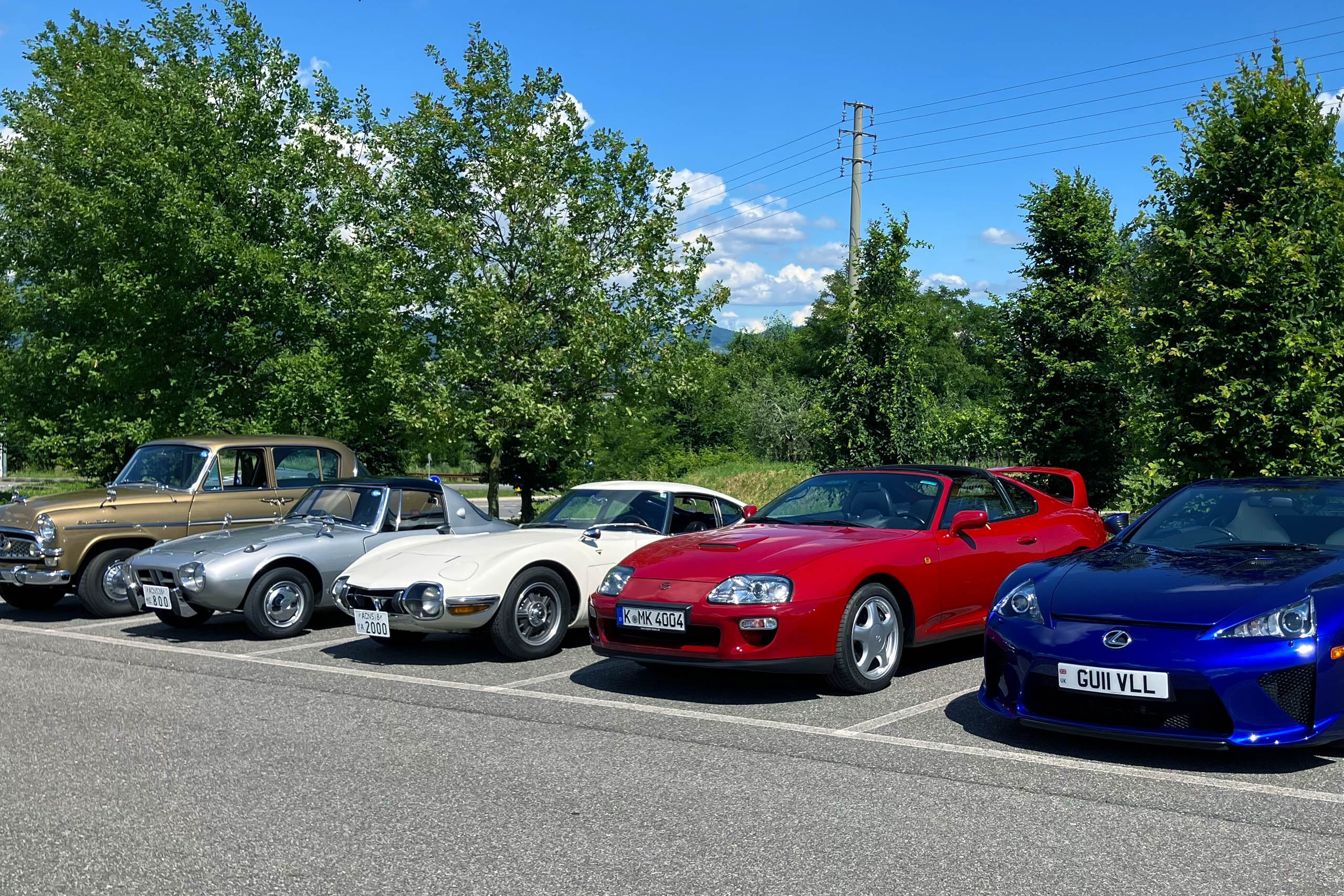
Toyota joins Mille Miglia Gran Turismo Experience 2026 with five iconic models
Toyota becomes the first from its home country to join a 1000 Miglia-affiliated event

Toyota Motor Corporation will join the inaugural 1000 Miglia (AKA Mille Miglia) Gran Turismo Experience 2026 in Italy (June 9–13), marking the first time a Japanese automaker participates in a 1000 Miglia-related event. The historic 1000 Miglia, once a 1,600 km endurance race (1927–1957), is now a prestigious classic car rally celebrating automotive heritage.
Toyota will enter five cars, led by the first-generation Crown RS, aiming to complete the full 1,000-mile route. The event, organized with Polyphony Digital of Gran Turismo fame, expands participation to a broader range of historic vehicles. Toyota views the participation as part of its “ever-better cars through motorsports” philosophy and a way to deepen ties with European automotive culture.
Five historic Toyotas set for the rally
Toyota's lineup showcases key models that reflect the brand's motorsport heritage and engineering evolution.
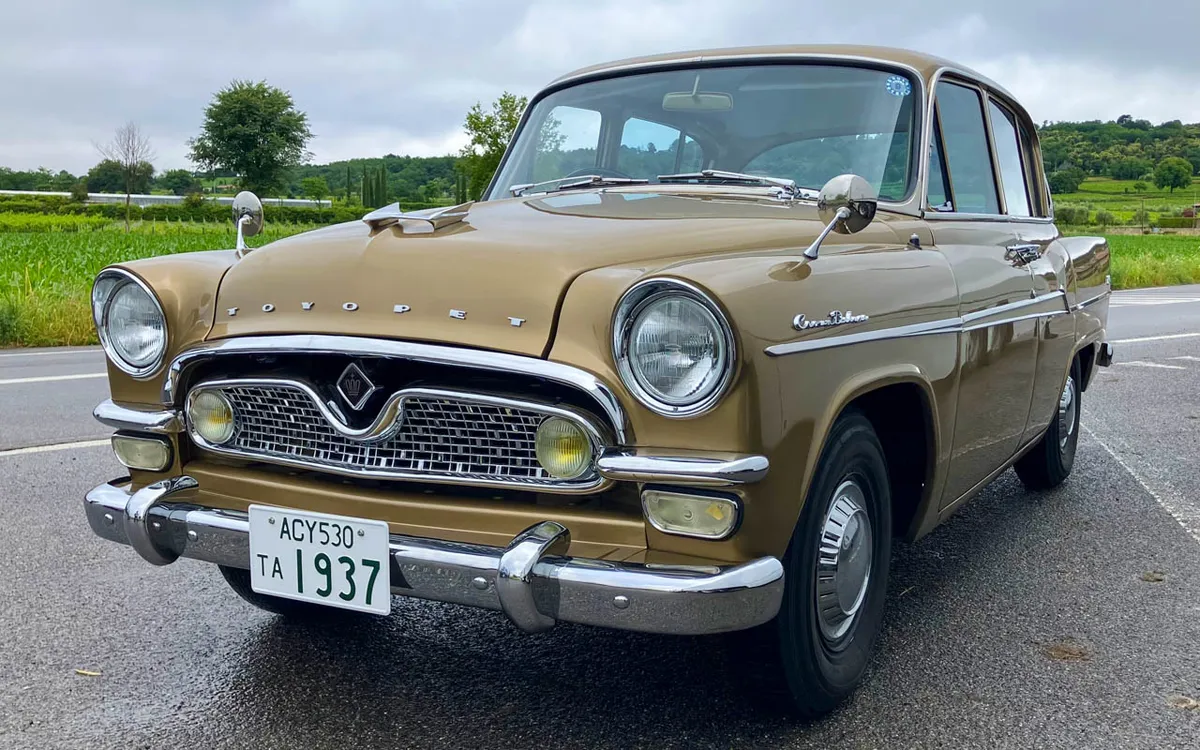
Toyota Crown RS (First Generation)
Introduced in 1955, the Toyota Crown RS was Japan’s first fully domestically developed passenger car and a milestone in establishing Toyota’s global ambitions. It proved the country’s ability to build its own vehicles from the ground up, featuring advanced engineering for its time, such as independent front suspension for improved ride comfort and rear-hinged “suicide” doors for easier access.
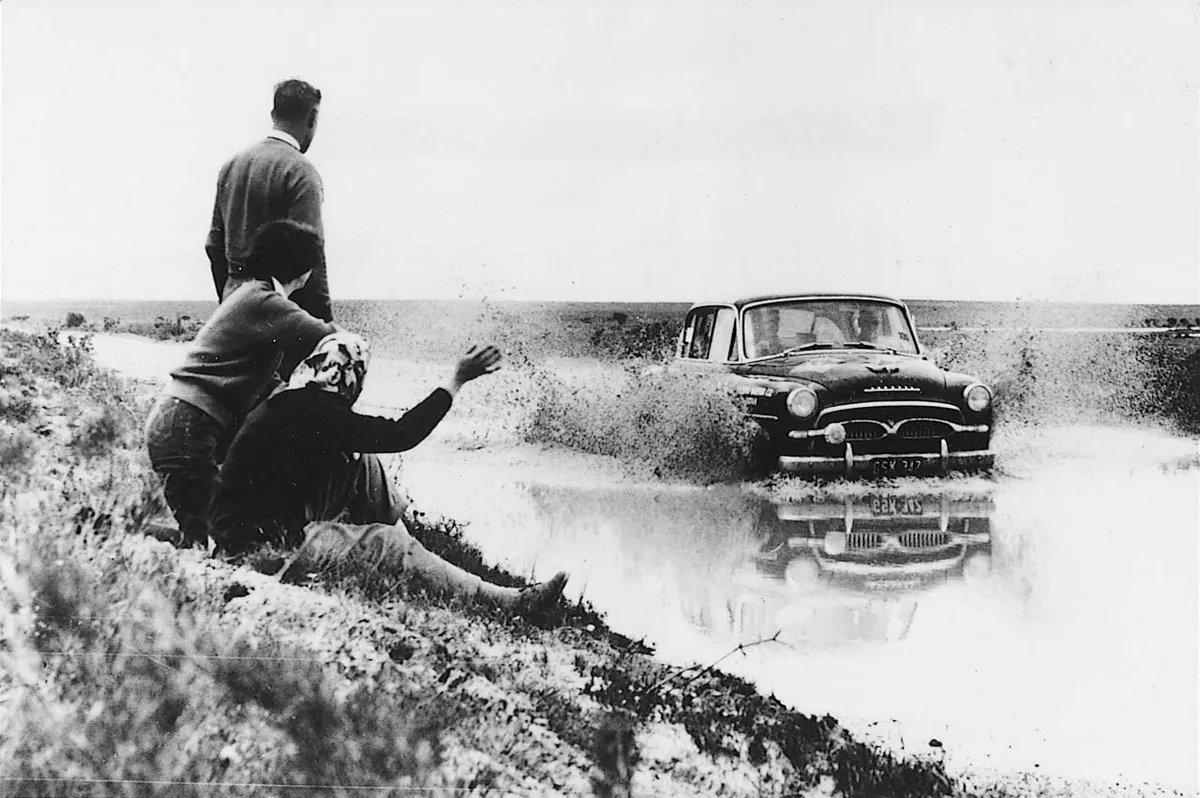
Initially marketed under the “Toyopet” name, the Crown also showcased its durability through extreme endurance runs, including a 50,000-kilometer drive from London to Tokyo in 1956 and participation in the Round Australia Rally, where it became the first Japanese vehicle to compete.
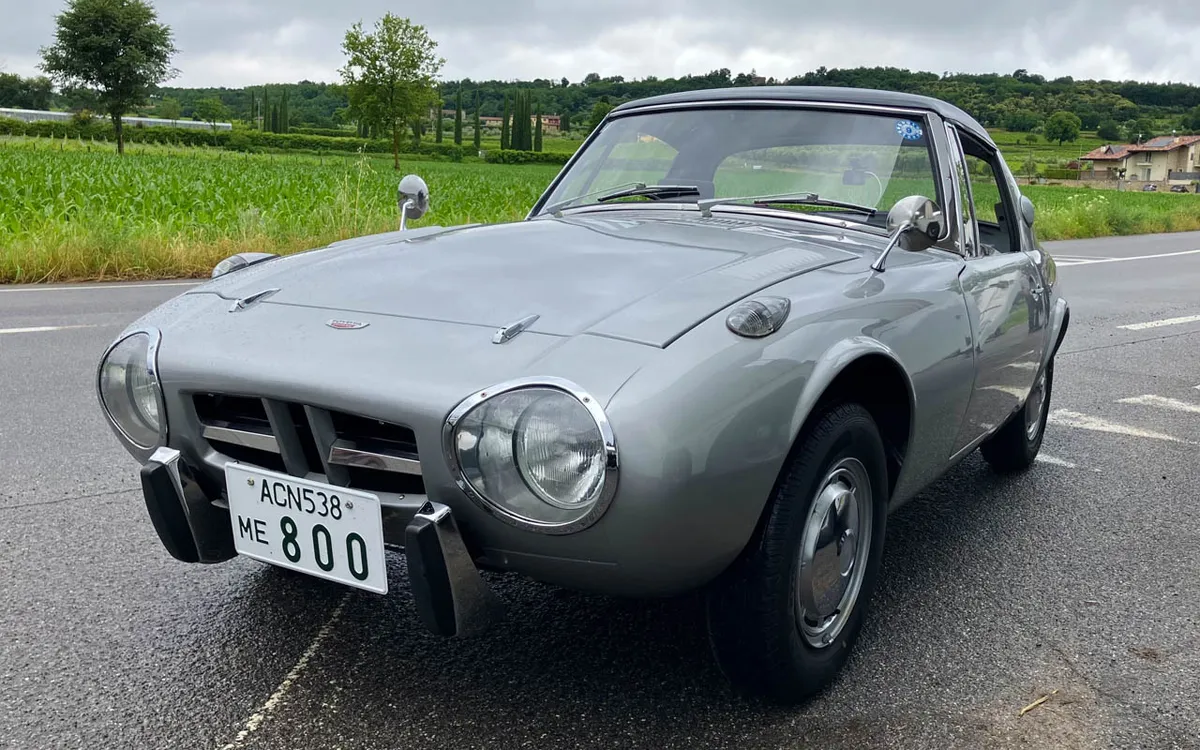
Toyota Sports 800 (UP15)
Introduced in 1965 as Toyota’s first production two-seat sports car, the Sports 800 combined lightweight construction with aerodynamic efficiency, embodying a “less is more” philosophy. Weighing just 580 kg, it was powered by a modest 790cc air-cooled two-cylinder engine producing 45 horsepower, yet its featherweight design allowed it to reach speeds of nearly 100 mph.
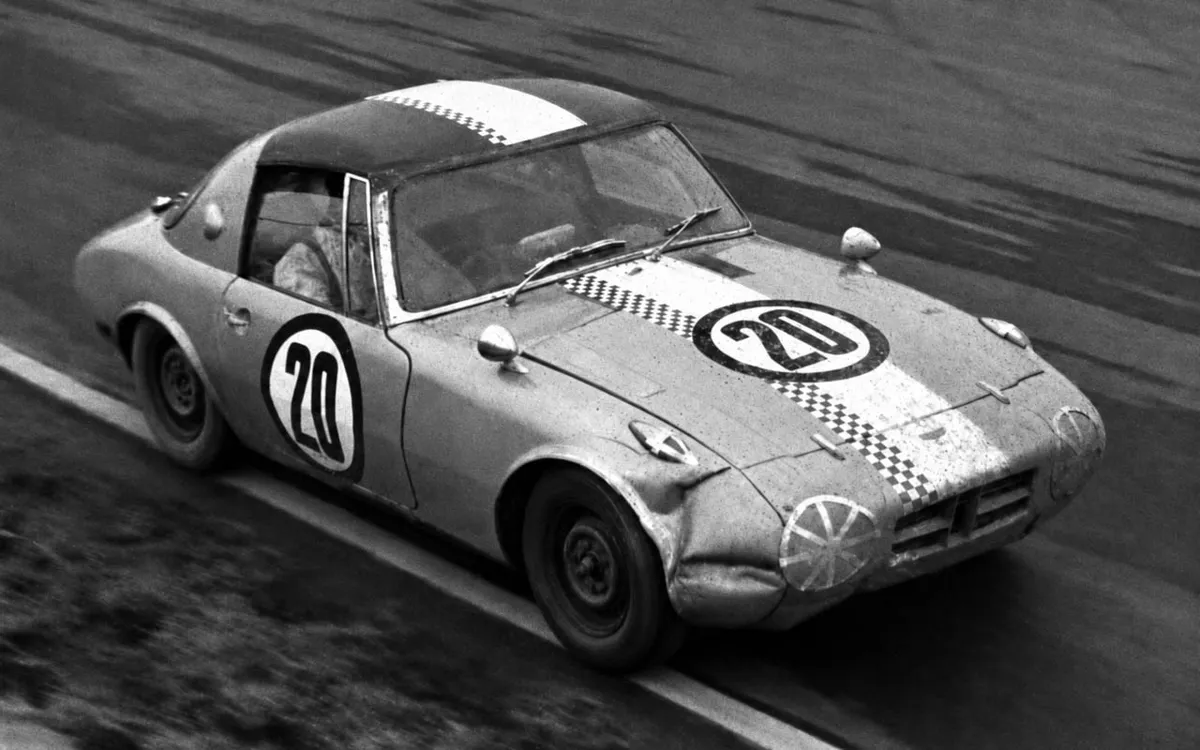
The model quickly proved its motorsport capability, winning on its race debut and later securing victory in the inaugural Suzuka 500 km race, cementing its status as the forefather of Toyota’s performance-car lineage.
Toyota 2000GT (MF10L)
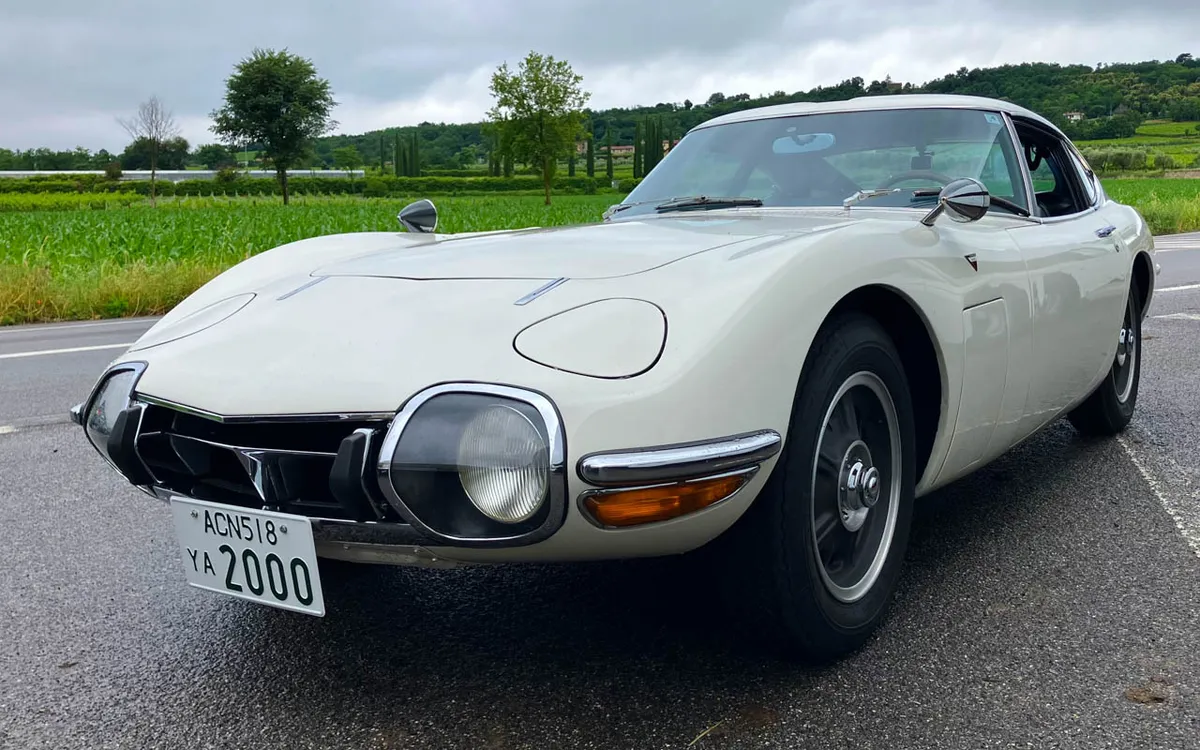
Often regarded as Japan's first true world-class sports car, the 2000GT gained international recognition after setting multiple world and international speed records in 1966. It also achieved a one-two finish in the Fuji 24 Hours race, cementing its place in Japanese motorsport history. The car gained global pop-culture fame when it starred in the 1967 James Bond movie You Only Live Twice.
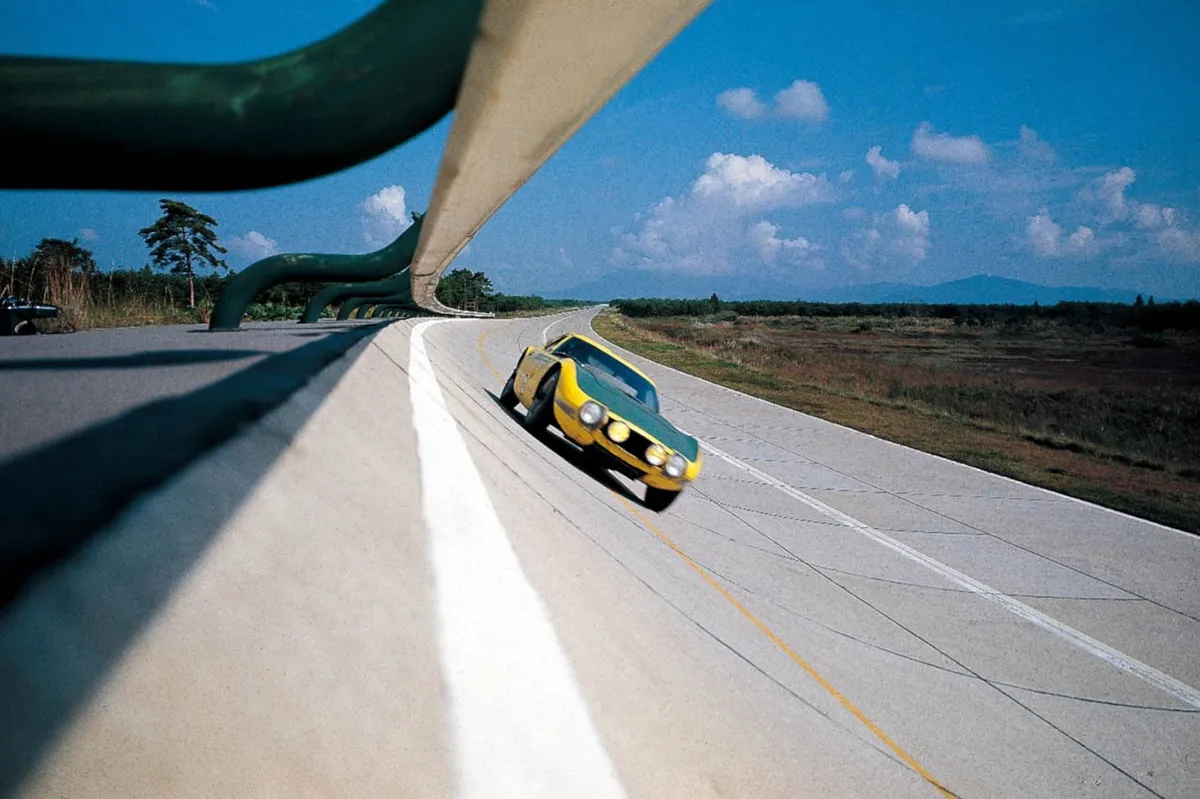
Power came from a Yamaha-developed 2.0-liter inline-six engine producing 150 PS, while advanced features for the era included four-wheel independent suspension, four-wheel disc brakes, and a limited-slip differential. Just 351 examples were built, making it one of Toyota's rarest production models. With a sticker price exceeding $7,000 when new, the 2000GT was even more expensive than contemporary sports car icons such as the Porsche 911 and Jaguar E-Type.
Toyota Supra (JZA80)
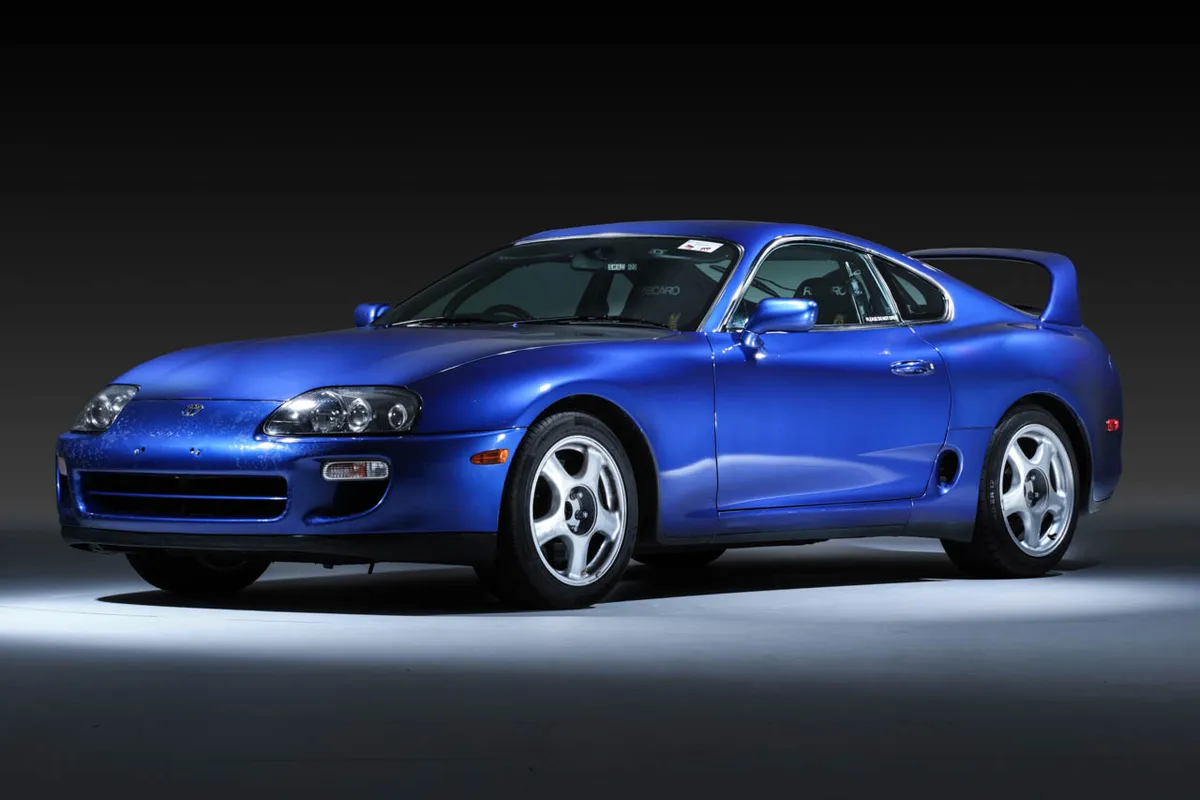
The fourth-generation Supra cemented its status as a Toyota performance icon, combining strong speed, sharp handling, safety, and even environmental considerations, while also finding success in the Japanese Grand Touring Championship (JGTC), the precursor to today’s Super GT series.
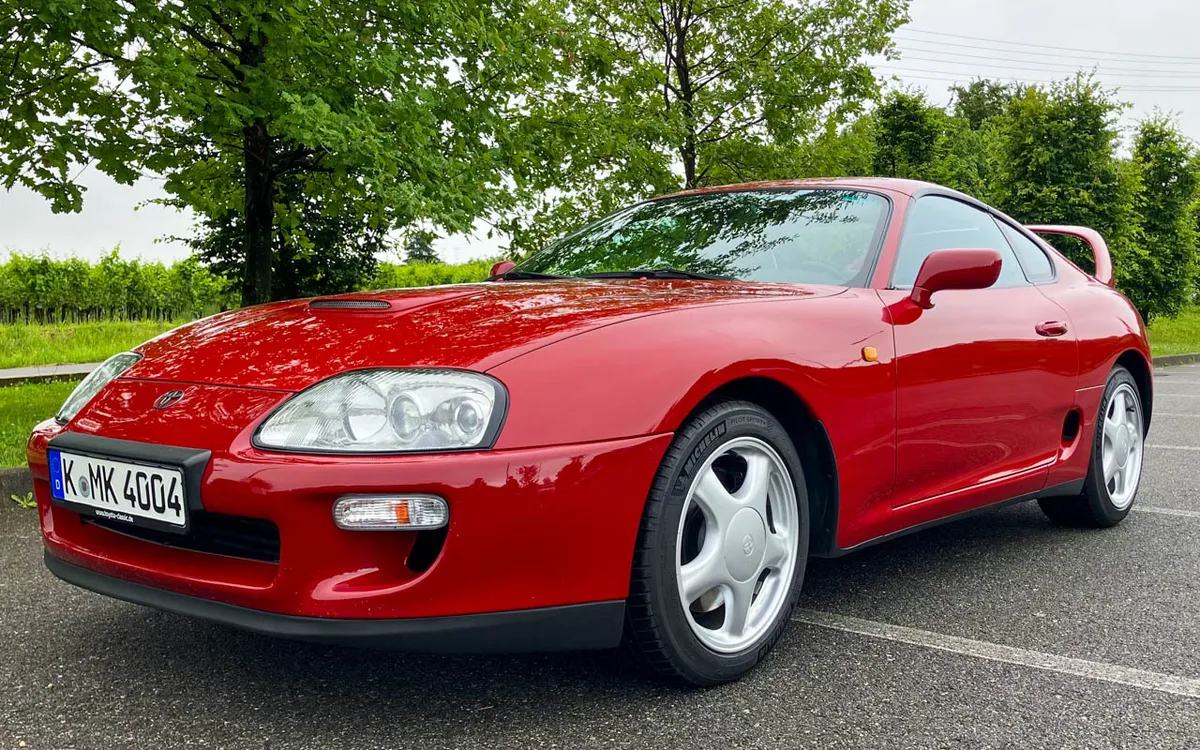
What truly made the Mk4 a legend, however, was its 3.0-liter twin-turbocharged 2JZ-GTE inline-six engine that’s renowned for its bulletproof durability and extreme tuning potential, with builds exceeding 1,000 PS. Coupled with its strong performance and pop-culture fame, the Supra earned a reputation as a “supercar killer,” delivering exotic-level performance at a fraction of the cost.
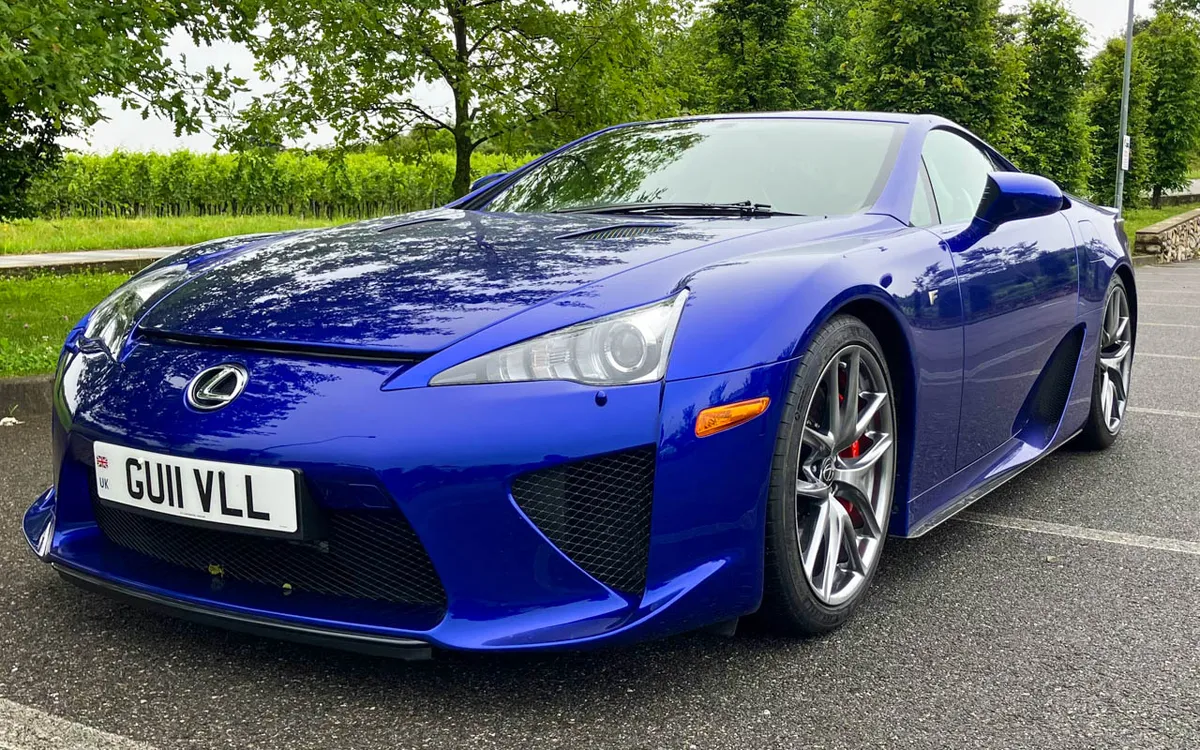
Lexus LFA
Representing the pinnacle of Lexus performance engineering, the LFA was extensively developed at Germany’s Nürburgring under the guidance of Toyota master driver Hiromu Naruse, ultimately securing five class victories in the Nürburgring 24 Hours endurance race.
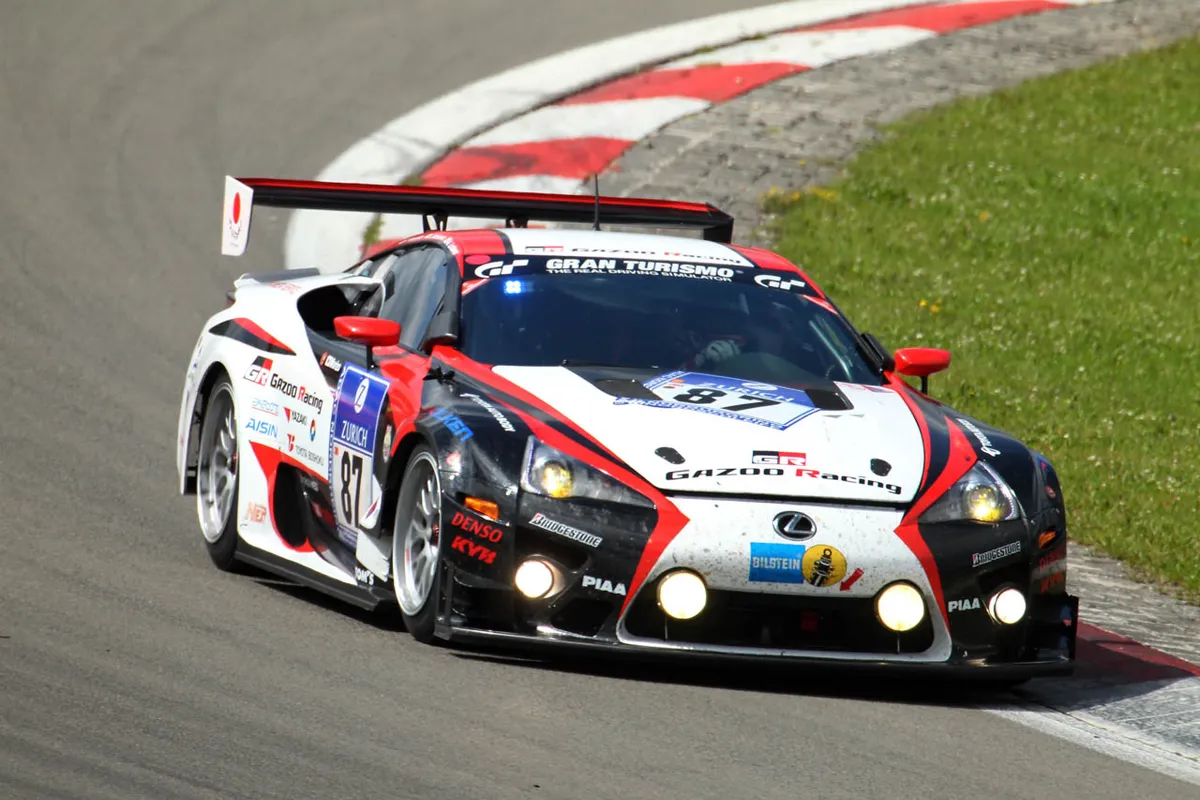
Hand-built by Japanese master craftsmen, it redefined expectations for the brand by proving that Lexus could produce a world-class supercar. At its core was a 4.8-liter V10 engine with a screaming 9,000 rpm redline, famously tuned in collaboration with Yamaha’s musical instrument division to produce its signature symphonic exhaust note, often compared to a Formula 1 car at full throttle.
Preserving heritage, advancing motorsport traditions
Through its participation in the 1000 Miglia Gran Turismo Experience, Toyota aims not only to celebrate its own heritage but also to deepen its understanding of the automotive traditions that helped shape motorsport culture in Europe. The company says the event will serve as an opportunity to promote greater cultural exchange and foster new partnerships that can help grow automotive enthusiasm worldwide.
Related Posts
Gran Turismo 7 gets biggest update yet; adds 12 new cars and tracks
Gran Turismo 7’s biggest update yet adds twelve new cars, two new tracks, and more ways to drive, race, and compete.
 Francis Pallarco
Toyota PH starts qualifying round of TGR Esports GT Championship 2026
Toyota Motor Philippines opens 2026 season of TGR PH Esports GT Championship
 AutoIndustriya.com
Toyota's new boss says they have too many cars and it's a problem
Toyota has too many models and needs to trim the fat, says new CEO Kenta Kon
 Marcus De Guzman
Toyota says local manufacturing remains key to PH economic growth
Support local manufacturing
 Brando Rosales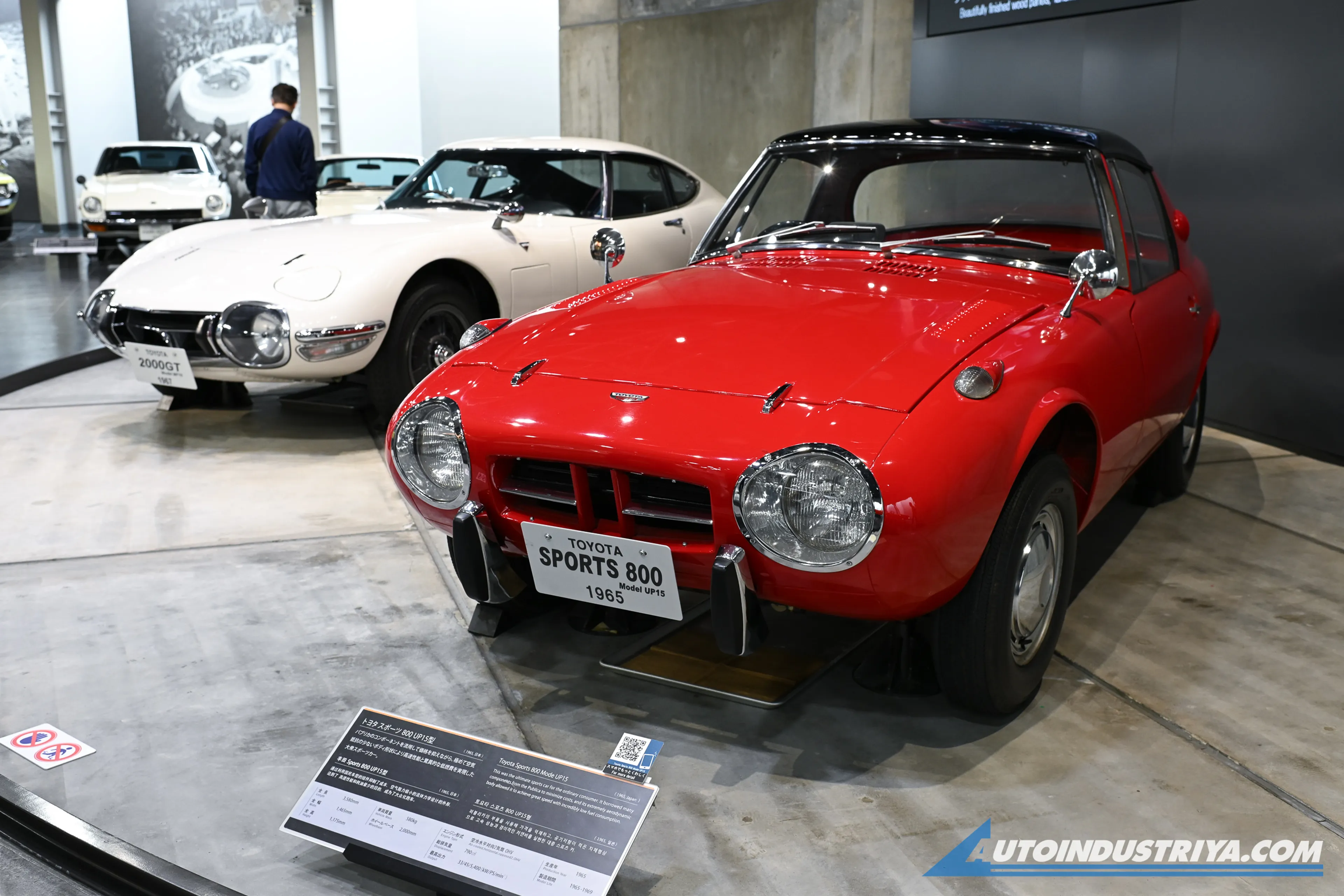
History in Metal: An Afternoon at the Toyota Automobile Museum
A storied pilgrimage to the Toyota Automobile Museum in Nagakute, exploring why this world-class collection spanning from the legendary 2000GT to global automotive icons is an essential destination for every true car enthusiast.
 Brent Co
Maserati celebrates brand’s heritage at 1000 Miglia 2026
Maserati honors century of passion, innovation, and motorsport heritage at Mille Miglia 2026
AutoIndustriya.com