
The legend of the Mitsubishi Galant AMG
The legend of the Mitsubishi Galant AMG
The Mitsubishi Galant AMG was more than just a cosmetic upgrade

Some tuning houses are so closely linked to a certain manufacturer that it's almost absurd if they do jobs for a different brand. You wouldn't imagine Mugen tuning a Toyota, or TOM'S building parts for a Honda. The same goes for firms such as Autech (Nissan) or Alpina (BMW). This brings us neatly to AMG.
If you say AMG to any car enthusiast, the first thing that will come to their minds is a tuned Mercedes-Benz. However, they weren't always the in-house tuner of the German automaker. Before 1993, AMG (short for Aufrecht, Melcher and Großaspach) was an independent tuning company that specialized in Mercedes-Benz products. However, they also dabbled with a certain Japanese automaker before becoming Mercedes-Benz's in-house tuner. That car company was Mitsubishi.
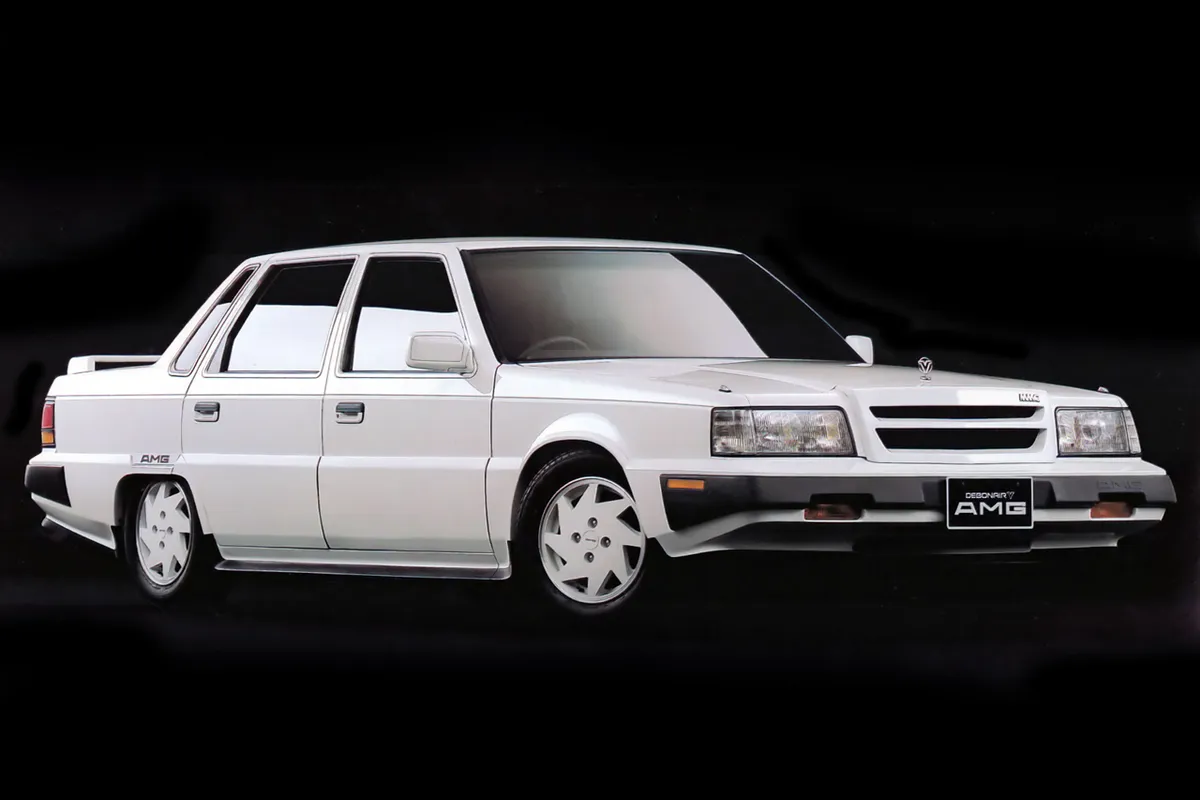
AMG did two projects for Mitsubishi. The first one was the Debonair AMG, and it's nothing like the AMG-tuned models of today. For starters, its 3.0-liter V6 was kept stock and the suspension was left untouched. AMG's involvement with the model was purely aesthetic. All they did here was give it a body kit, some AMG trinkets inside and out, and called it a day. However, the second Mitsubishi-AMG model saw more input from the tuning company and far more significant.
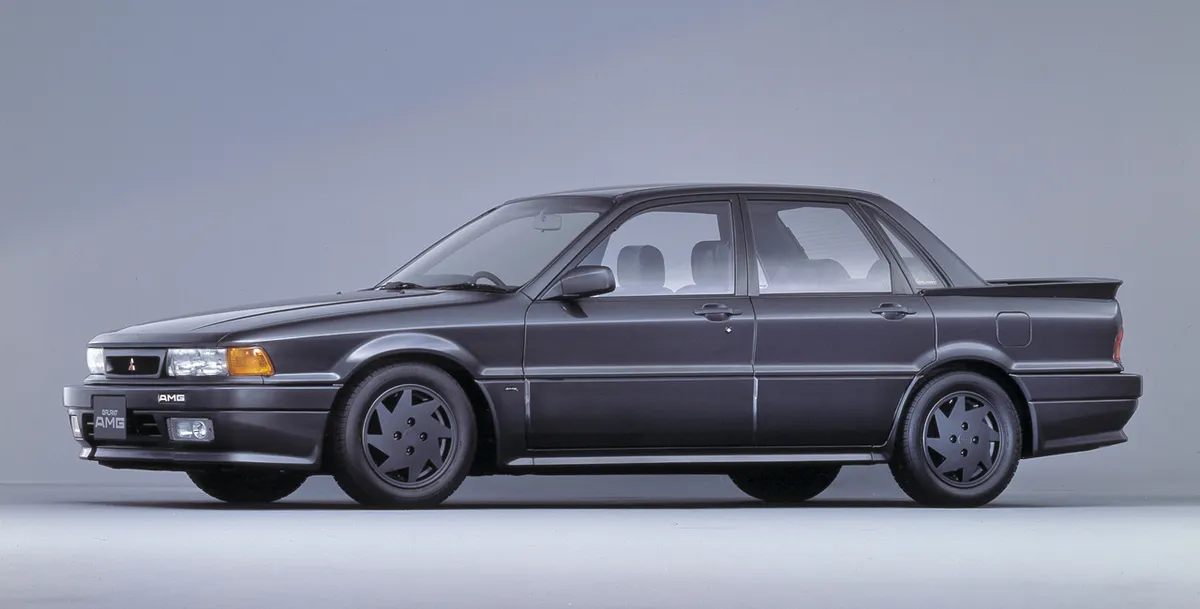
Enter the Mitsubishi Galant AMG.
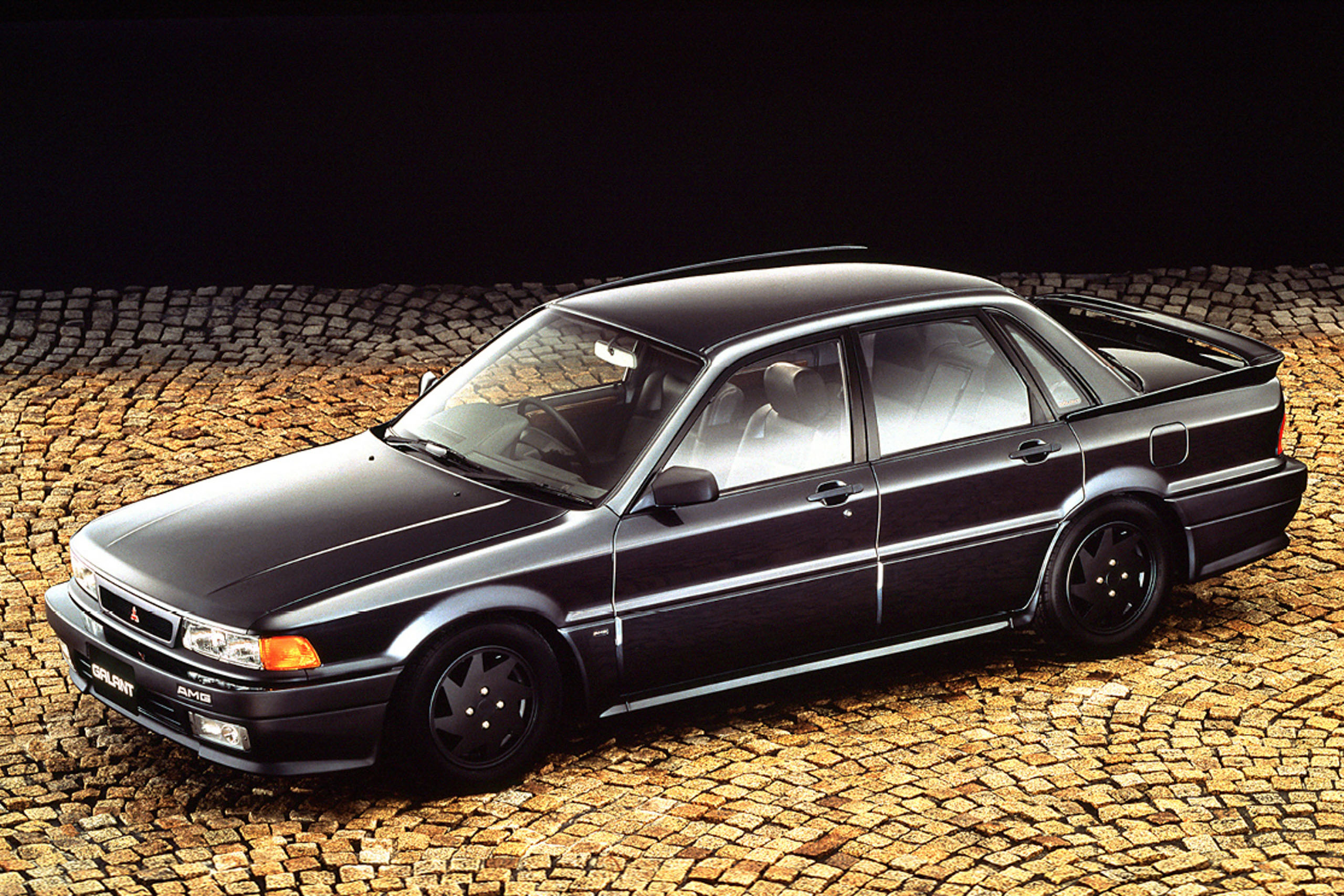
The Galant AMG was introduced in 1989 and it featured a unique exterior body kit. It had a deeper front chin, a more serious-looking grille, thicker cladding on the sides, and a rather interesting-looking spoiler that stemmed from the rear doors. There were two kinds of kits available for it at the time, simply called Type I and Type II.
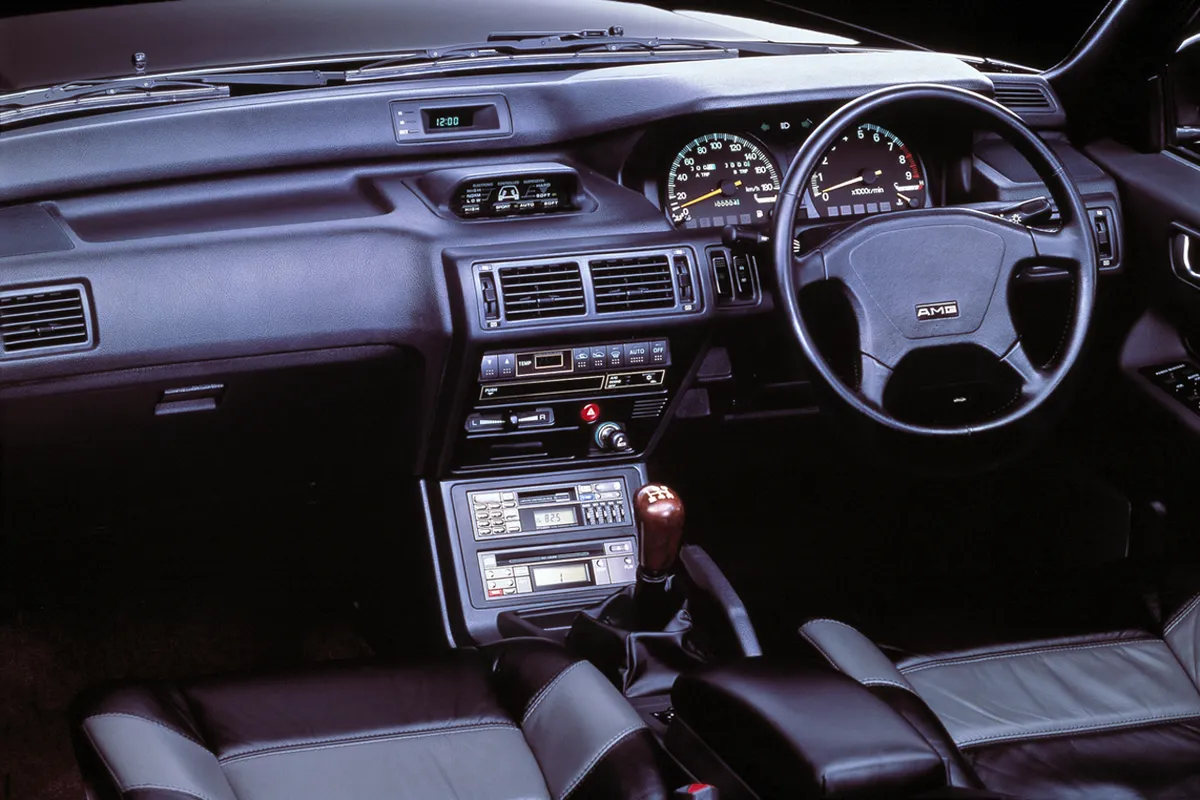
But the extent of AMG's input didn't end there. The German company also did a few tweaks to the suspension and splashings of wood and leather inside. But the most important thing they changed was found under the hood.
In standard form, the 2.0-liter twin-cam engine in the Galant GTi was a potent powerplant for its day. It produced over 140 PS and 170 Nm of torque. However, AMG did several tweaks to boost its output. They gave it new pistons, camshafts, titanium springs, along with a new intake and exhaust. To cap it all off, AMG also upgraded its engine control unit. The result of all those changes was 170 PS and 192 Nm of torque plus a redline of 8,000 rpm.
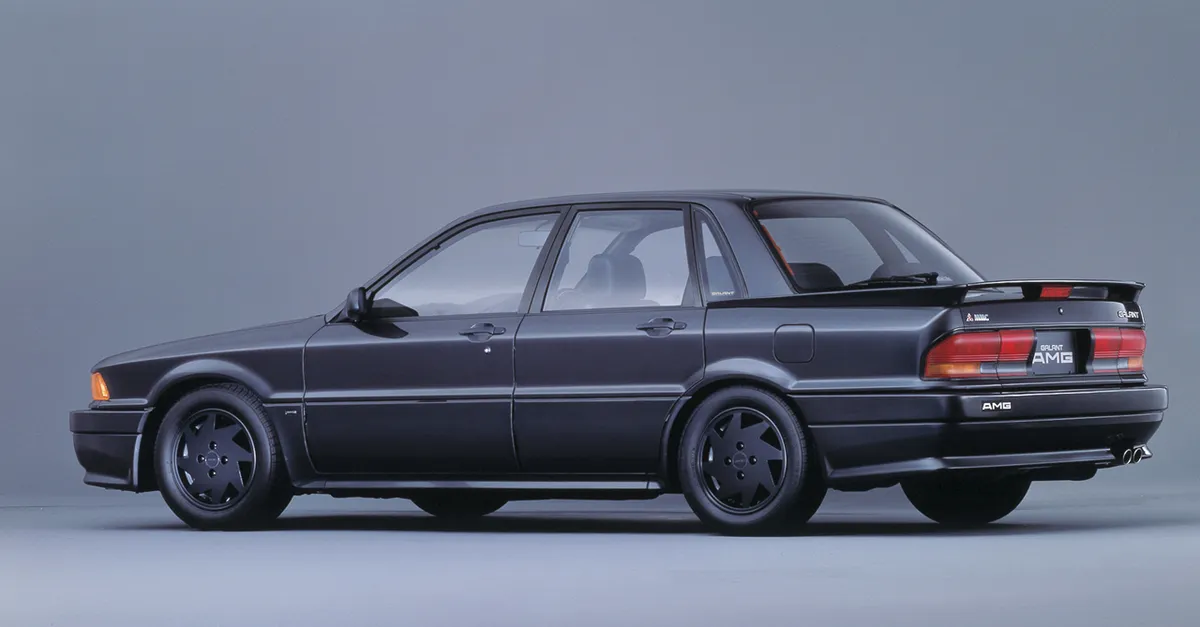
These days, only a few enthusiasts and die-hard Mitsubishi-philes know about this car. So why isn't it massively popular. It's probably because it was only sold in Japan and was a limited-run model. The exact production figures are unknown but it is said that only 500 units were built in total. So if you see one on the road, take a picture of it quickly. You just saw some of the few survivors left in the world.
Related Posts
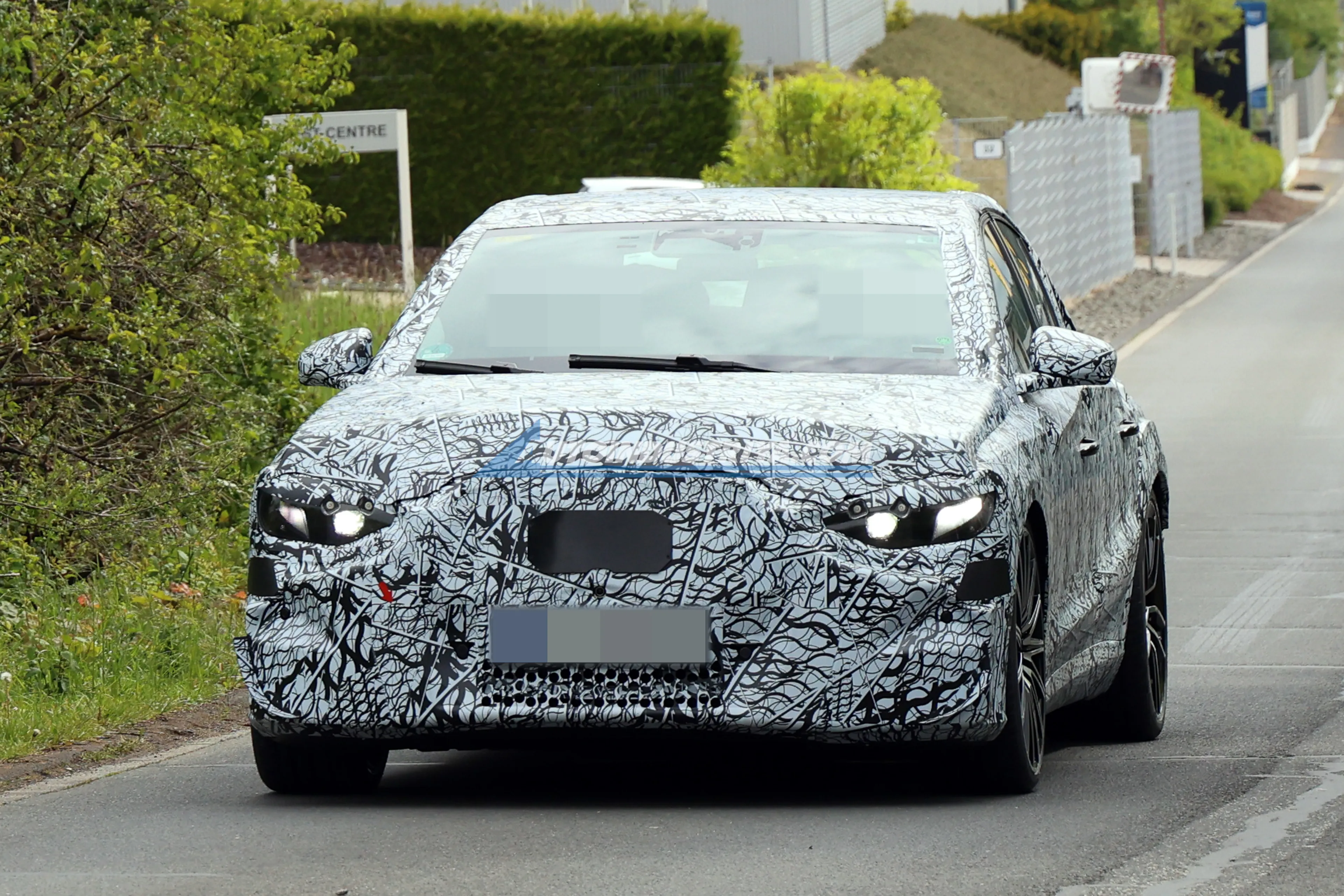
All-Electric Mercedes-AMG E 63 Performance Sedan Spied at the Nürburgring
Resuming track testing at the Nürburgring, the fully electric successor to the Mercedes-AMG E 63 ditches controversial EQ styling for a classic three-box silhouette, lightweight axial-flux motors, and up to 900 horsepower.
 AutoIndustriya.com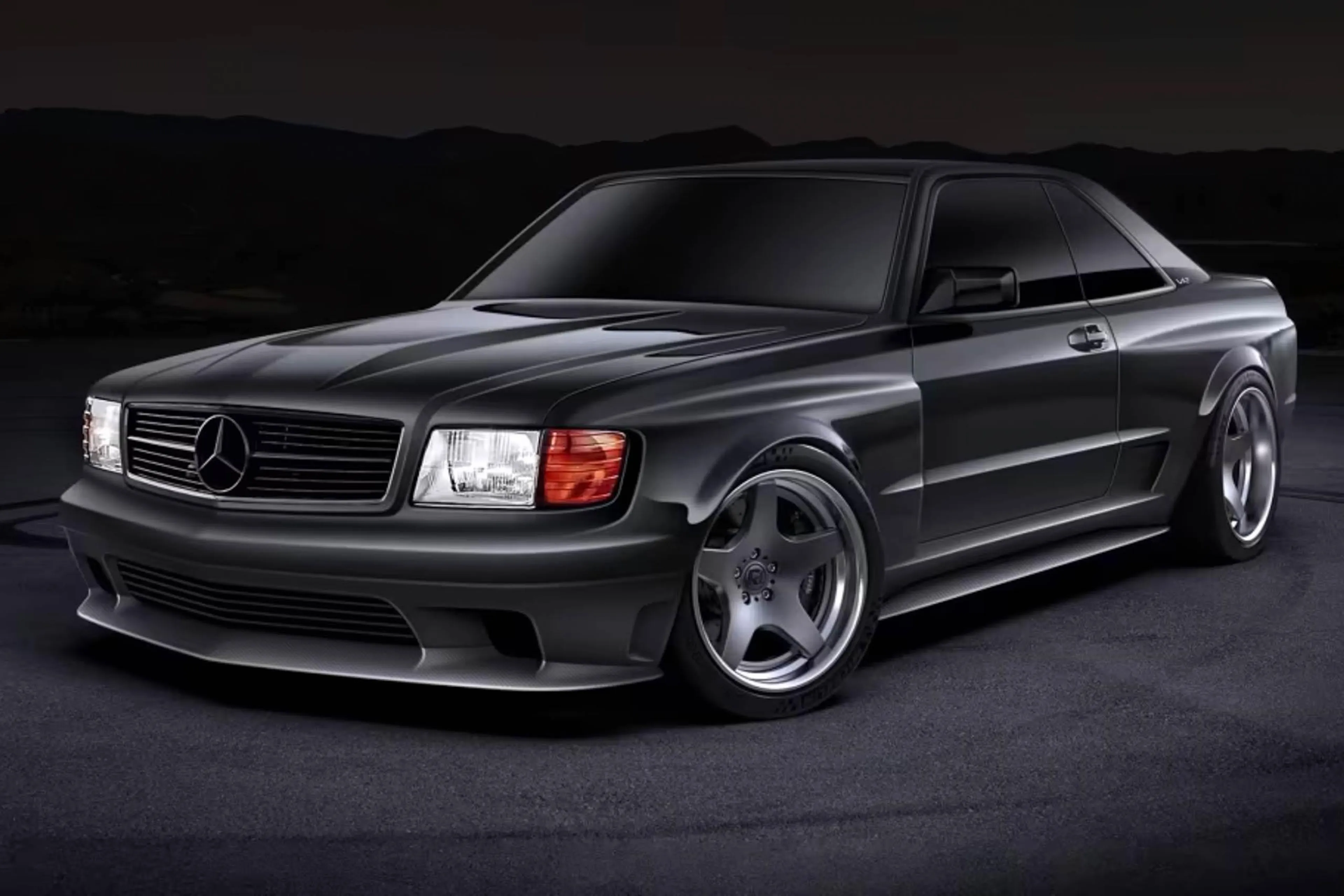
RennTech restomods Mercedes-Benz 560 SEC with V12 power
RennTech plans to build 12 reengineered widebody Mercedes-Benz SEC with V12 powerplant.
 Francis Pallarco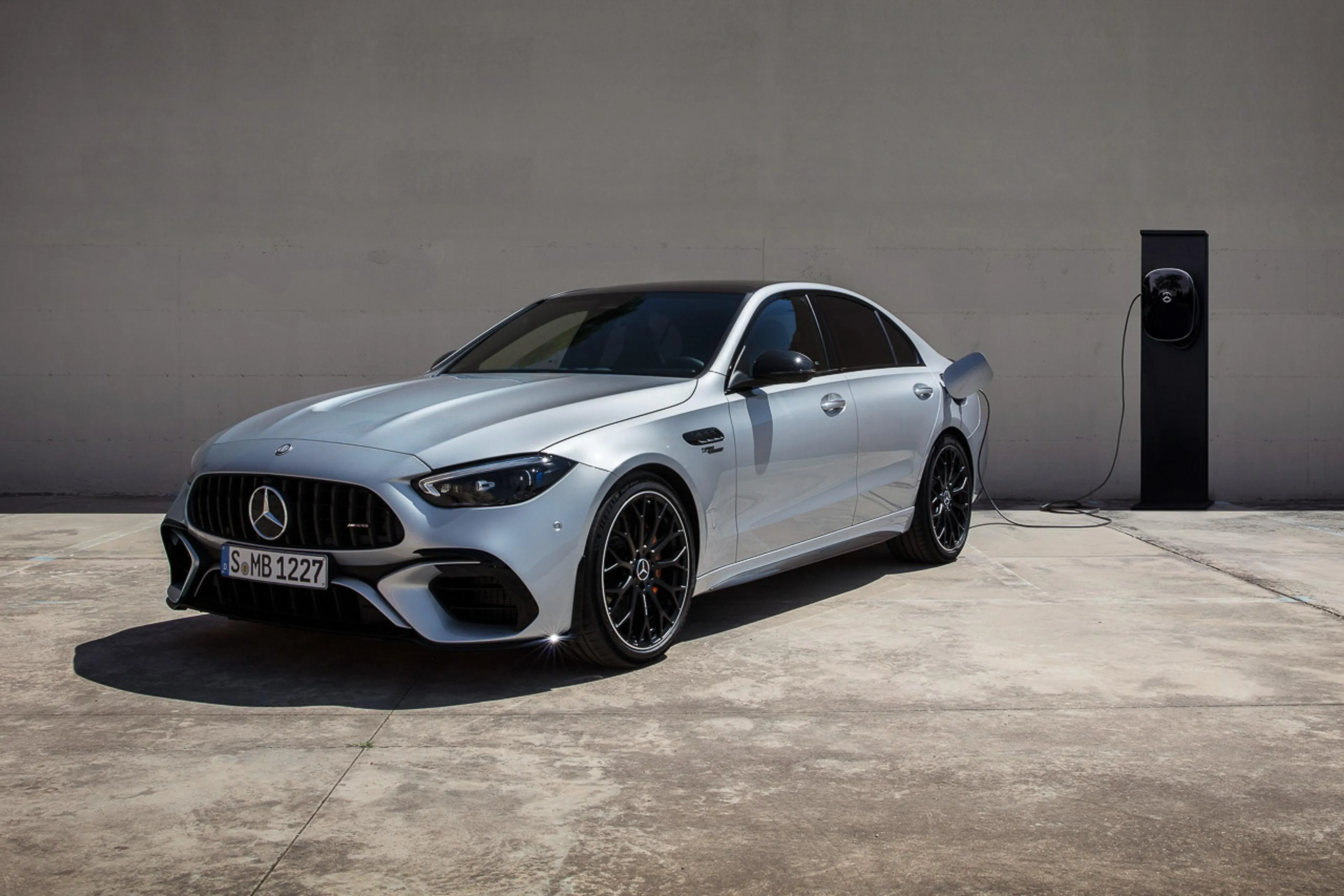
Report: Mercedes-AMG C63 PHEV turbo-four heading to the chopping block
The electrified Mercedes-AMG C63 PHEV is not long for this world
 Marcus De Guzman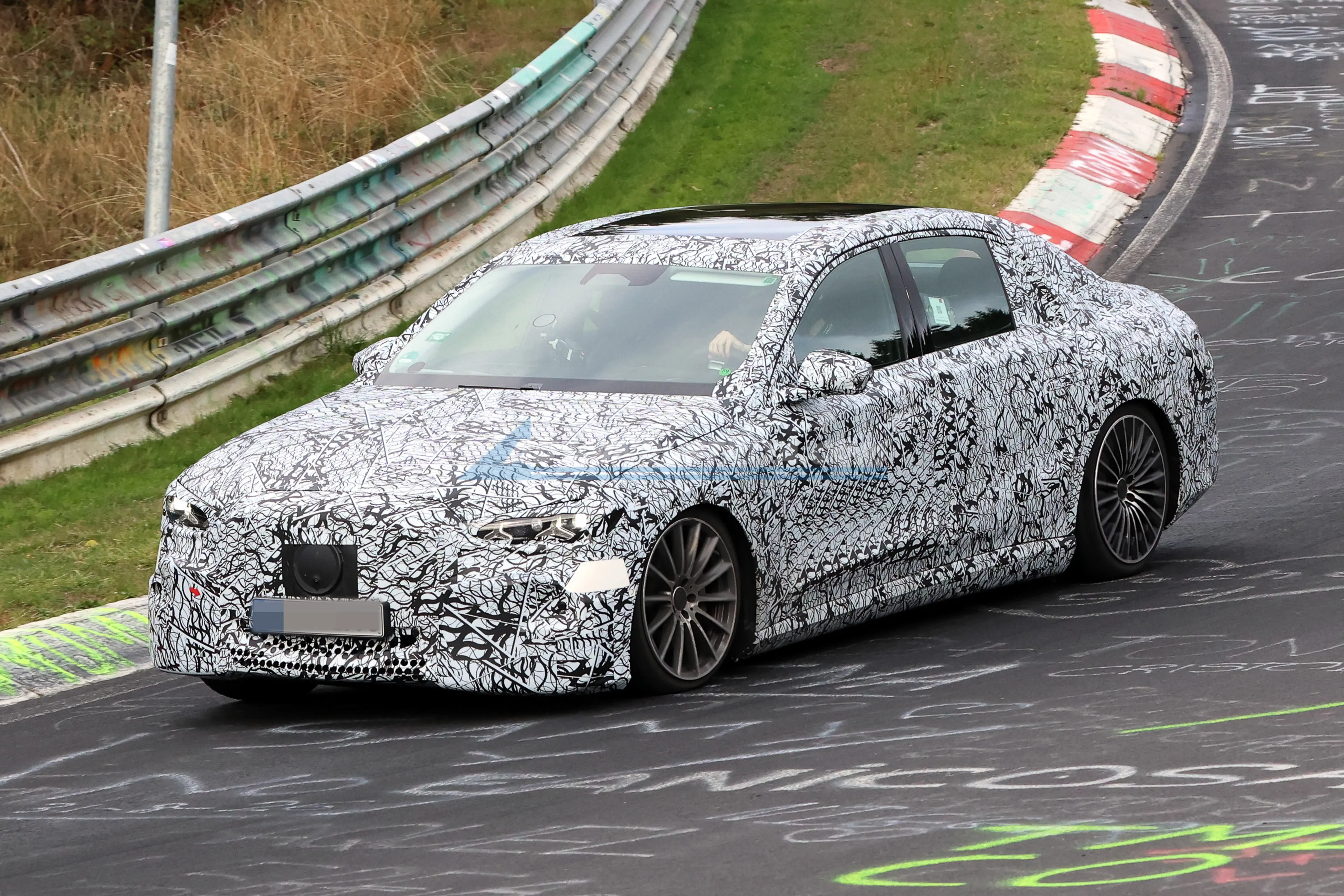
Mercedes-Benz E-Class BEV spotted testing at Nürburgring
New spy photos reveal more of Mercedes-Benz’s upcoming electric E-Class
AutoIndustriya.com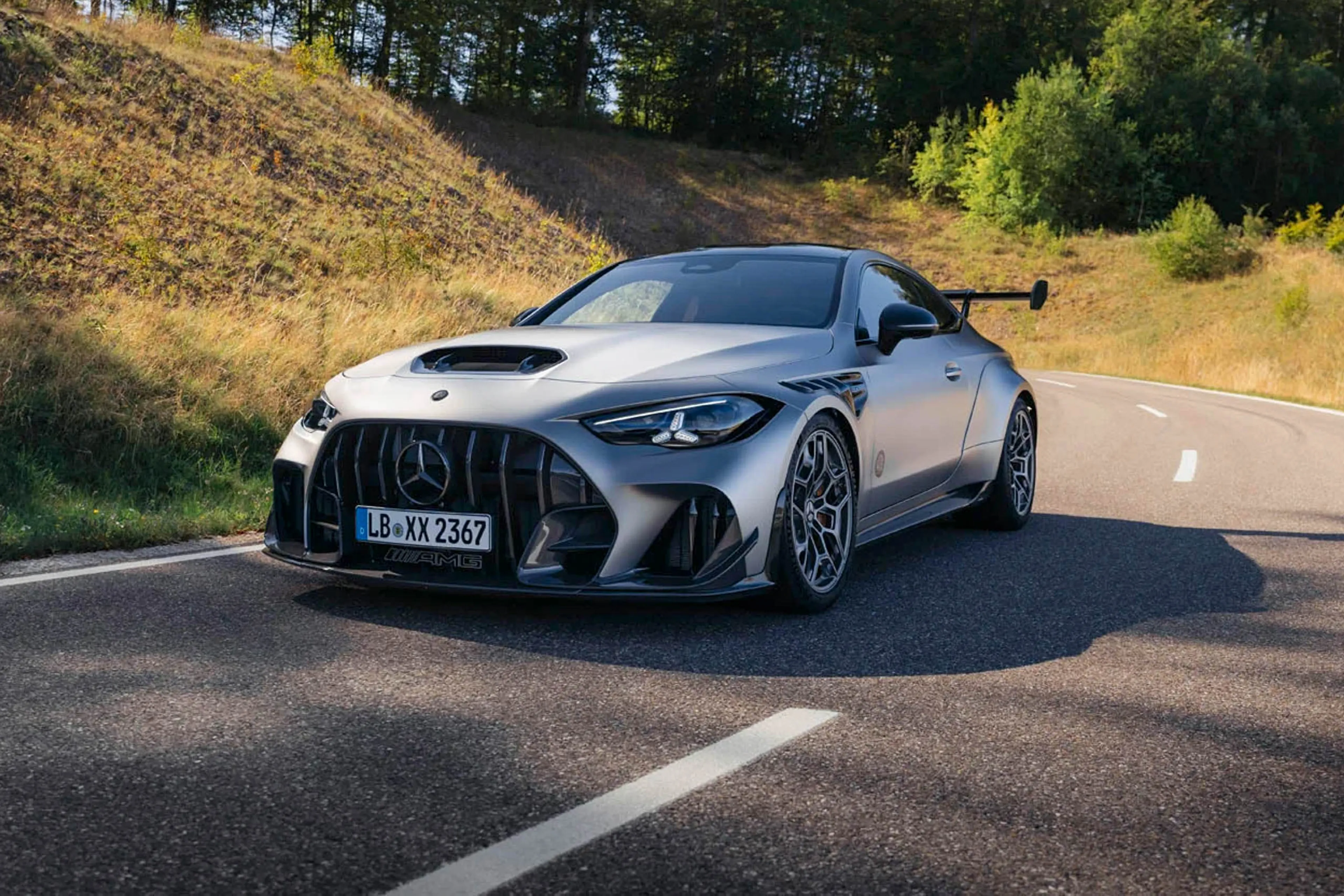
The sports coupe is back! Mercedes-AMG unveils CLE 646 Spezialanfertigung
“Spezialanfertigung” means “custom-made” or “special production,” and Mercedes-AMG takes that concept to the extreme with the CLE 646 Spezialanfertigung
Francis Pallarco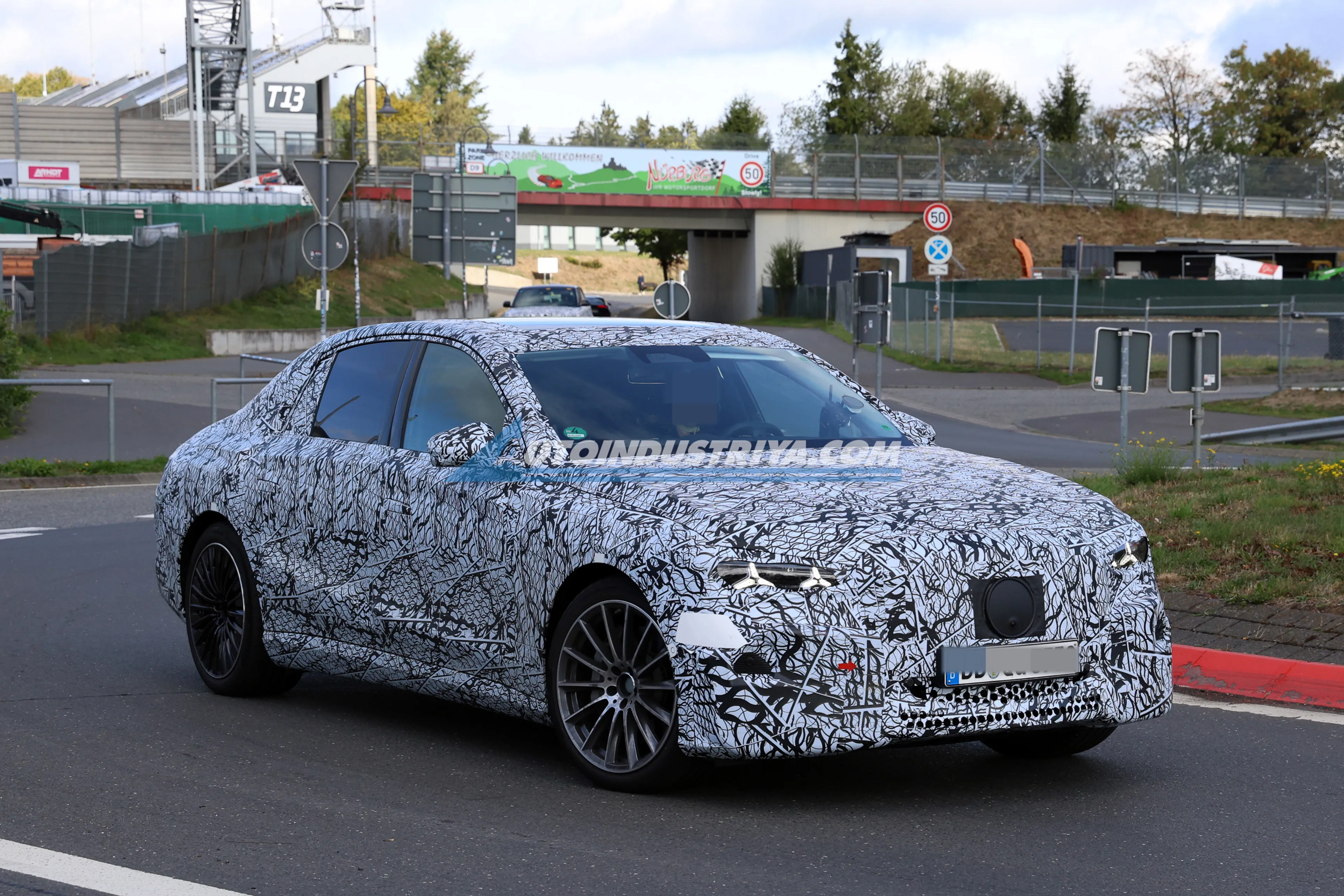
2027 Mercedes E-Class Electric drops camouflage in latest spy shots
Latest spy photos show the upcoming all-electric Mercedes-Class losing heavy cladding to reveal production headlights, a revised sedan silhouette, and targeting up to 1,000 km of range.
AutoIndustriya.com