
Project NOAH Gets PHP 1 billion boost to predict disasters with AI
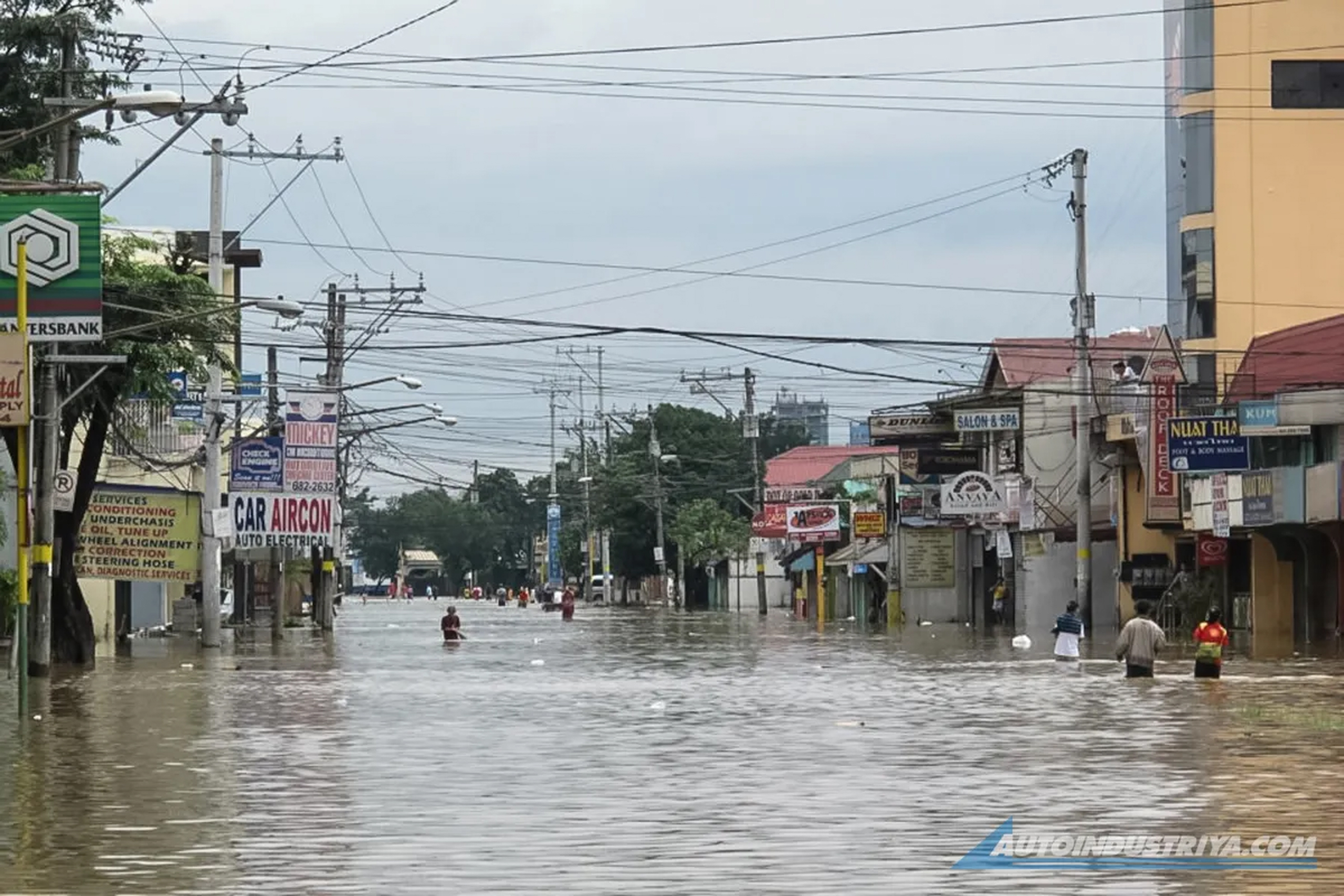
Project NOAH Gets PHP 1 billion boost to predict disasters with AI
Project NOAH finally gets the funding to predict disasters

After years of scientists working with limited resources, Project NOAH (Nationwide Operational Assessment of Hazards) is finally getting a major funding boost.
The government is allocating PHP 1 billion to Project NOAH to strengthen its research capabilities, upgrade scientific equipment, and develop AI-powered hazard assessment tools.
Under the University of the Philippines’ (UP) allocation in the 2026 General Appropriations Act, PHP 935 million will directly support research services, while PHP 65 million will fund program management and supervision under the UP Resilience Institute.
The funding will go toward advanced Information and Communications Technology (ICT) and scientific equipment, specialized technical personnel, and operational support systems. The goal is to help shift the country’s approach to disasters from reacting after calamities strike to predicting hazards and preventing damage before they happen.
Department of Budget and Management (DBM) Acting Secretary Kim Robert De Leon said investing in predictive technology can help protect public infrastructure and communities before disasters strike.
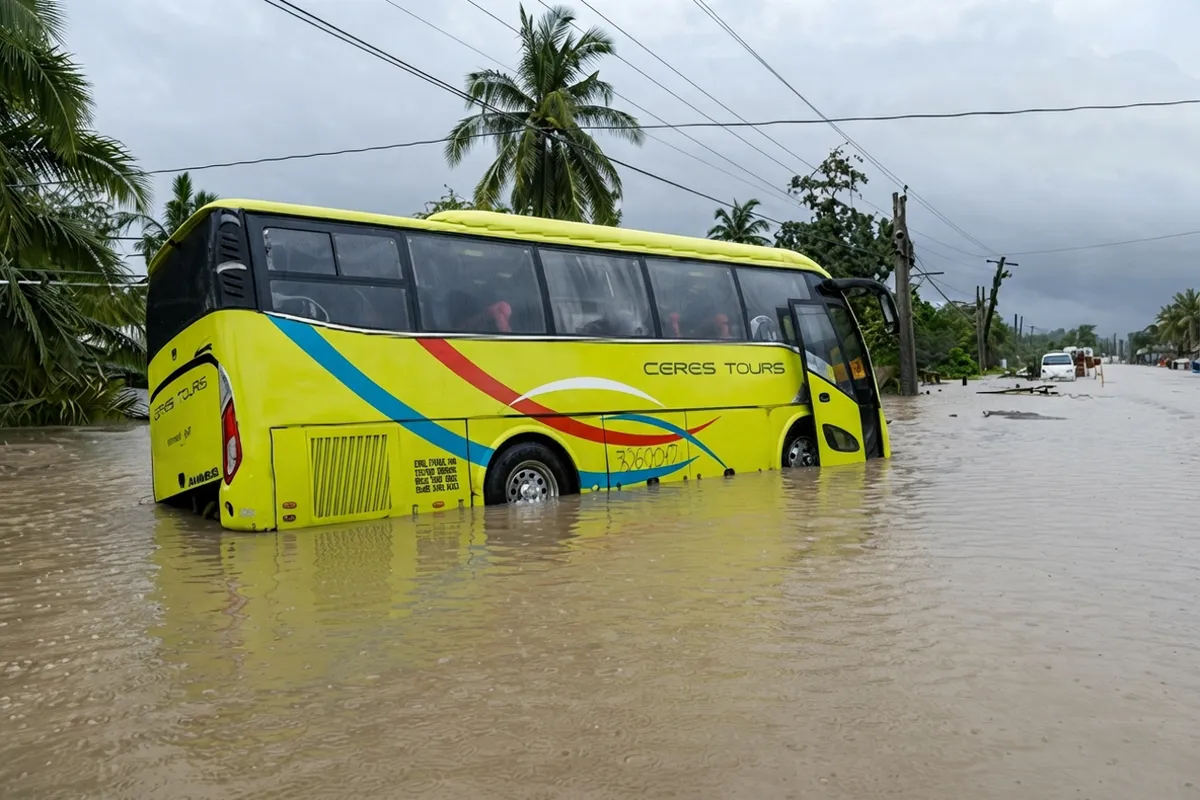
PNA photo by Galileo Magbanua
“This PHP 1 billion investment in Project NOAH is an investment in prevention. We are putting science, AI, and real-time hazard information to work so government can act earlier, communities can prepare better, and more Filipino lives and livelihoods can be protected.”
What is Project NOAH?
Project NOAH was launched by the Department of Science and Technology (DOST) in 2012 in response to then-President Benigno “Noynoy” Aquino III’s call for better disaster preparedness.
The program was designed to develop a more effective system for predicting, preventing, and mitigating the impact of disasters in the Philippines. It is managed by the University of the Philippines through its NOAH Center.
At its core, Project NOAH brings together technologies such as sensors, mapping systems, and forecasting tools to provide communities and government agencies with faster and more accurate information about hazards.
That includes floods, landslides, and storm surges, among other threats.
Related Posts
CARS program funding could come from 2025 DPWH unused funds
PH government has identified funding routes to address CARS program obligations
 Jamil Lacuna
XPeng: Driving into a New World Order
XPeng is establishing itself in the Philippines. What can we expect from this AI-driven auto manufacturer?
 Vince Pornelos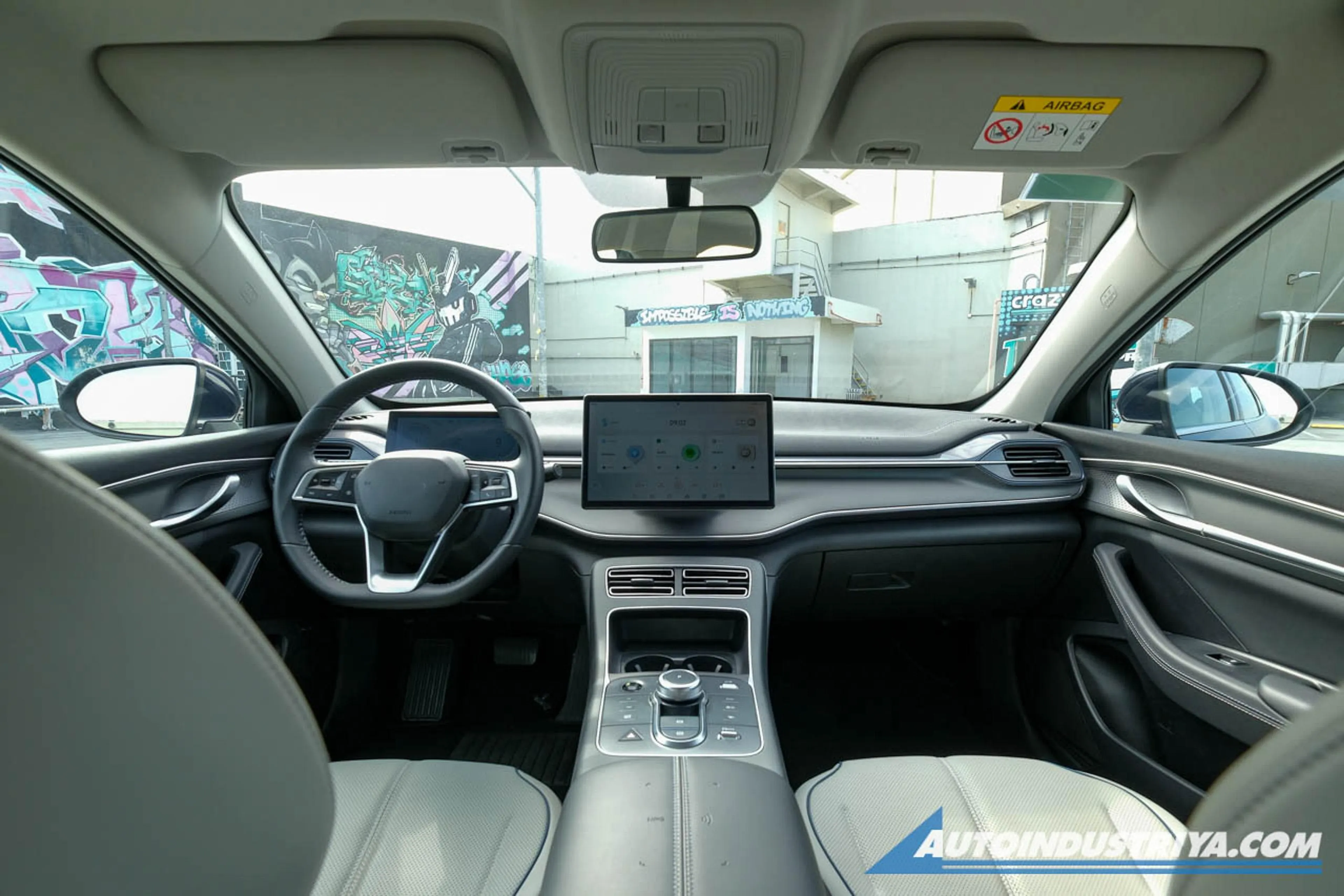
China to require new cars to have more physical controls; less touchscreen reliance
Newly-manufactured vehicles in China will soon be required to have more physical controls and reduced reliance on touchscreen functions
 Marcus De Guzman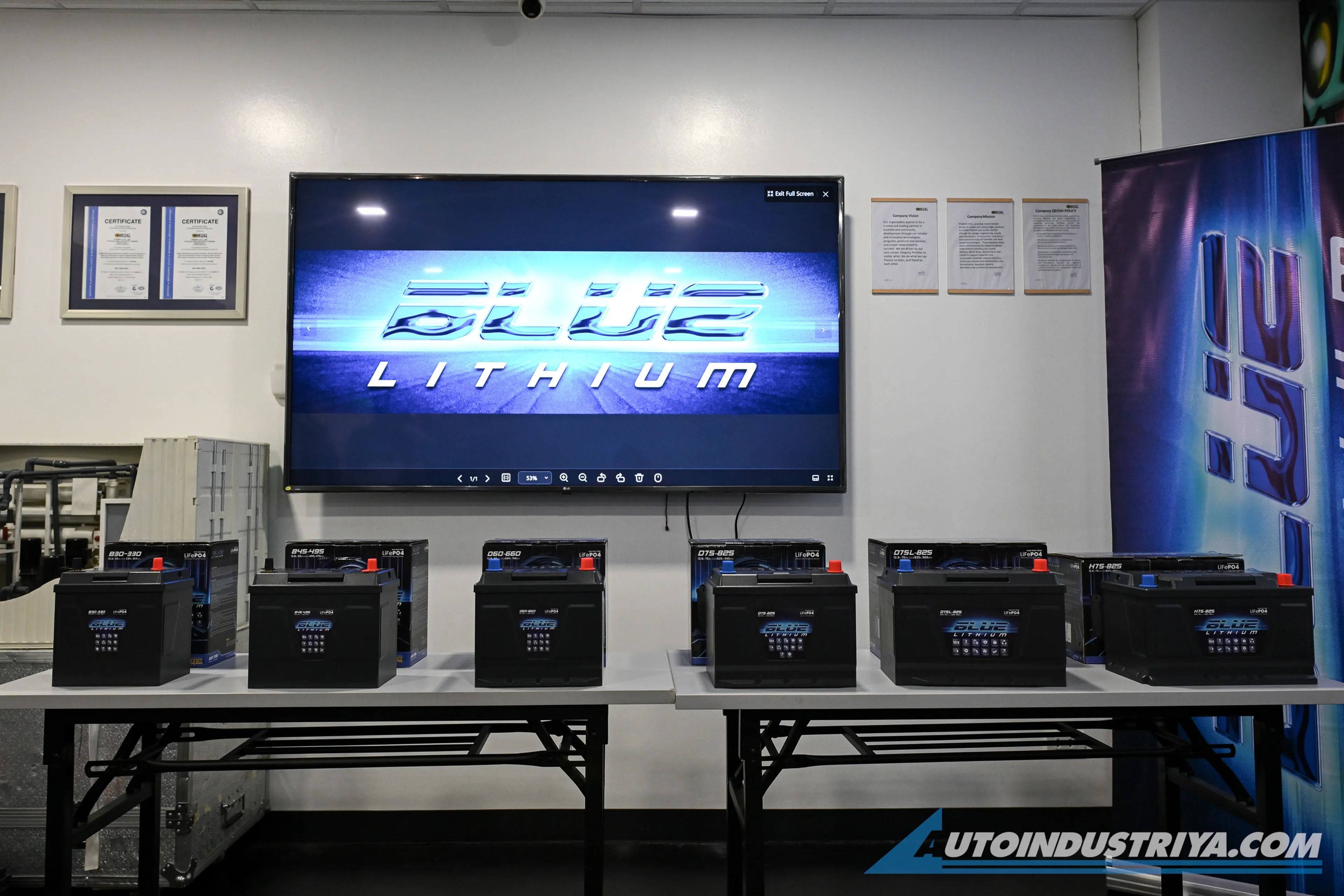
Blue Lithium Automotive Batteries Launched in PH
Promising up to 10 years of service life, advanced LiFePO4 cell technology, and built-in Battery Management Systems, Blue Lithium starter batteries are now available in the Philippines via Power4All's direct-to-user model.
 AutoIndustriya.com
Driverless vehicles unlikely to land in PH due to bad infra, law
Fully autonomous driving vehicles are still a distant tech for Pinoys
 Brando Rosales
Can a Rebuild truly fix EDSA?
EDSA Rebuild: A true solution or a glorified reblocking plan?
Vince Pornelos