
China to require new cars to have more physical controls; less touchscreen reliance
China to require new cars to have more physical controls; less touchscreen reliance
China's MIIT wants more physical buttons, reduced reliance on touchscreens on certain functions

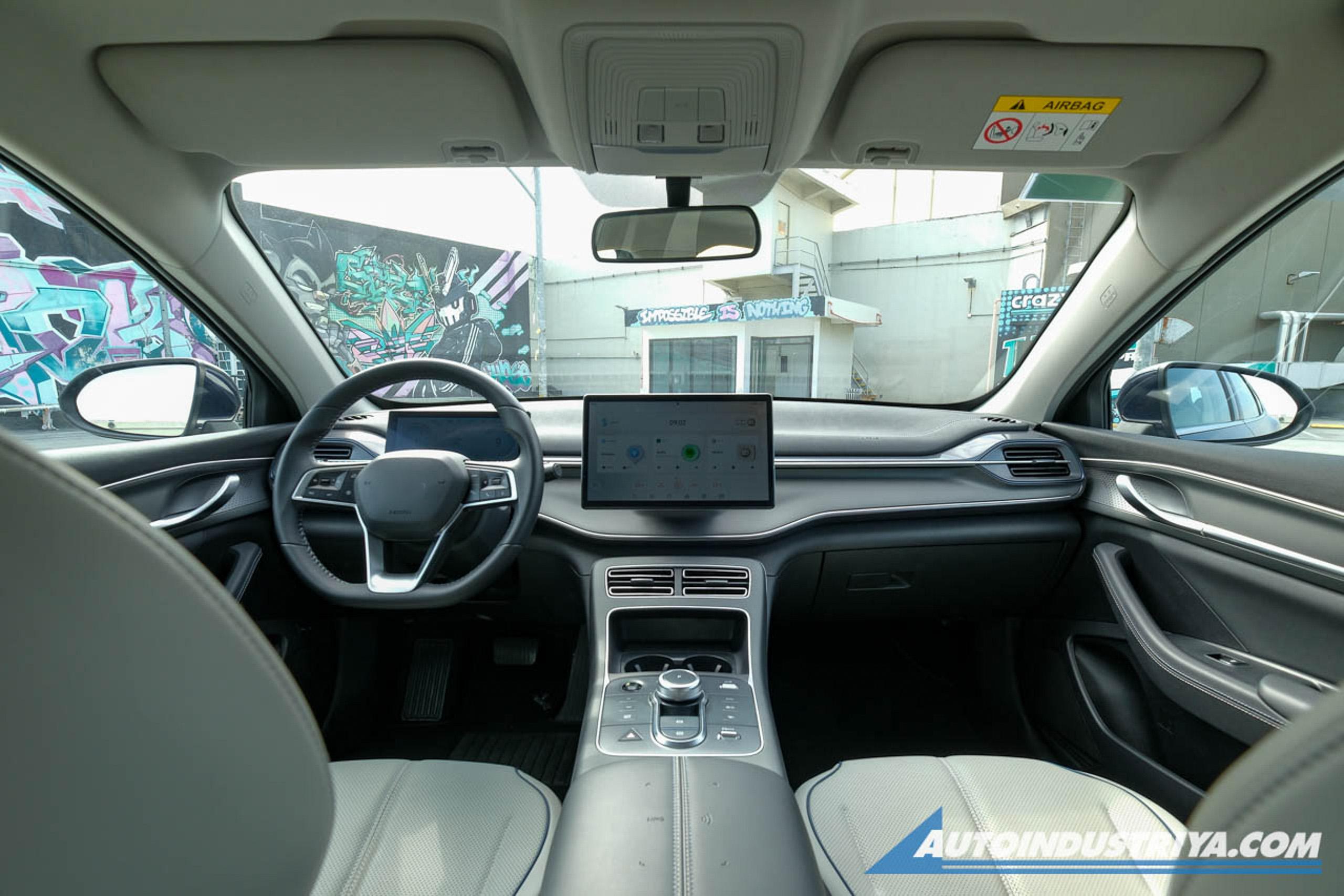
For the longest time, Chinese automakers have relied on touchscreen infotainment systems to handle most of a vehicle's in-car (and safety) functions. While most see this as a high-tech or simplistic approach in interior design, it's mostly to reduce complexity in vehicle production since there will be less wiring and programming required for multiple buttons inside a vehicle.
However, the over-reliance of Chinese auto brands on touchscreens means drivers must sometimes avert their eyes from the road while driving. This can lead to distracted driving, which can result in crashes and even fatalities in the most severe cases.
The Chinese government is stepping in, particularly the Ministry of Industry & Information Technology (MIIT), as it now intends to require automakers to install physical controls/buttons on certain vehicle functions. This is part of a revision of an existing national standard in China (GB4094-2016), AKA the Marking of Automotive Control Components, Indicators, and Signaling Devices.
The new update adds technical requirements for physical control components to ensure that vital functions are accessible, easy to use, and can be activated despite not seeing them directly by drivers. The revision itself started as early as 2023 and involves several testing institutions and automakers. These include: China Automotive Technology & Research Center, FAW-Volkswagen, BYD, and Great Wall Motor.
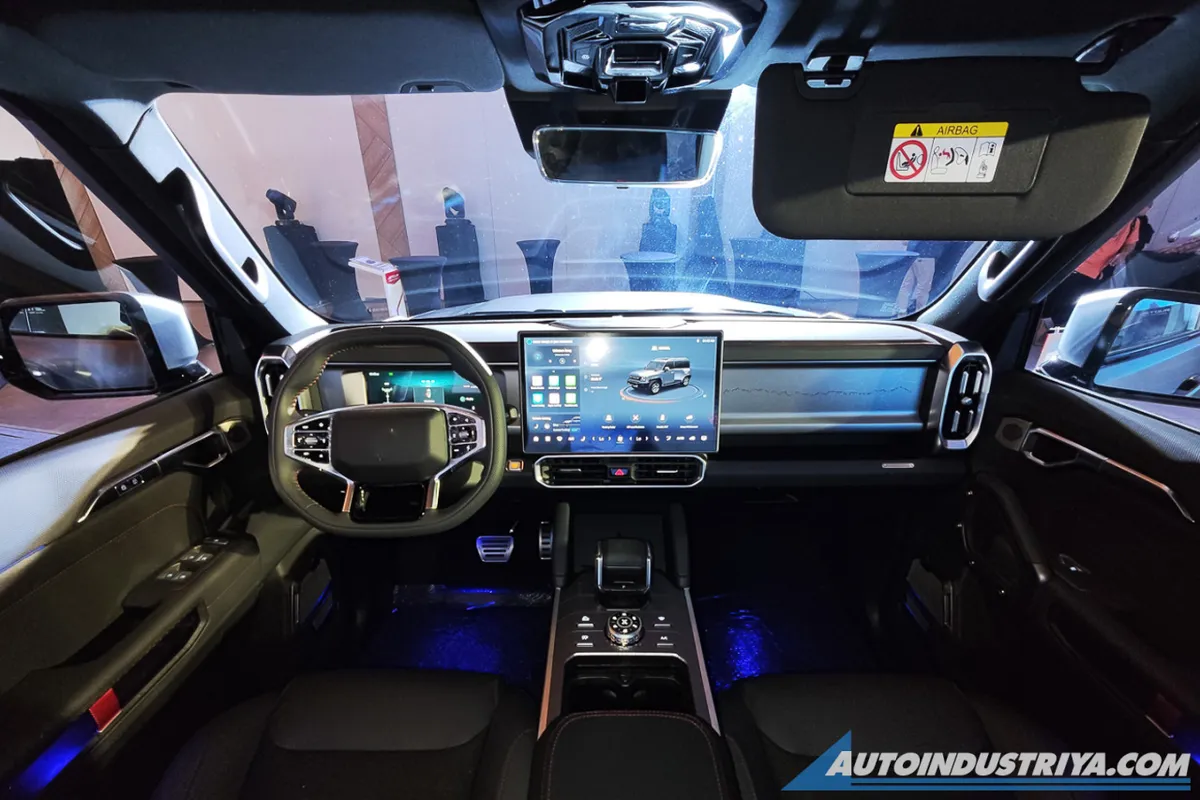
As for the vehicle functions that will require physical controls, a drafted list has been released for public comment and will include the following:
Lighting – turn signals, hazard warning lights, horn
Gear Shifting – P/R/N/D (on-screen is not allowed)
Driver Assistance – Activation switches for ADAS
Safety/Emergency – windshield wipers, defroster/defogger, power windows, accident emergency call system, electric vehicle power off switch
Other key requirements for more physical controls included fixed position, blind operation, haptic/auditory feedback, and reliability (basic functions must remain despite the vehicle losing power or in a crash).
The new requirement for more physical controls is expected to be mandatory for newly-manufactured vehicles beginning on July 1, 2026. We're curious to see how manufacturers will adjust their cabin designs to meet the new requirements.
Source: MIIT via CarNewsChina
Related Posts
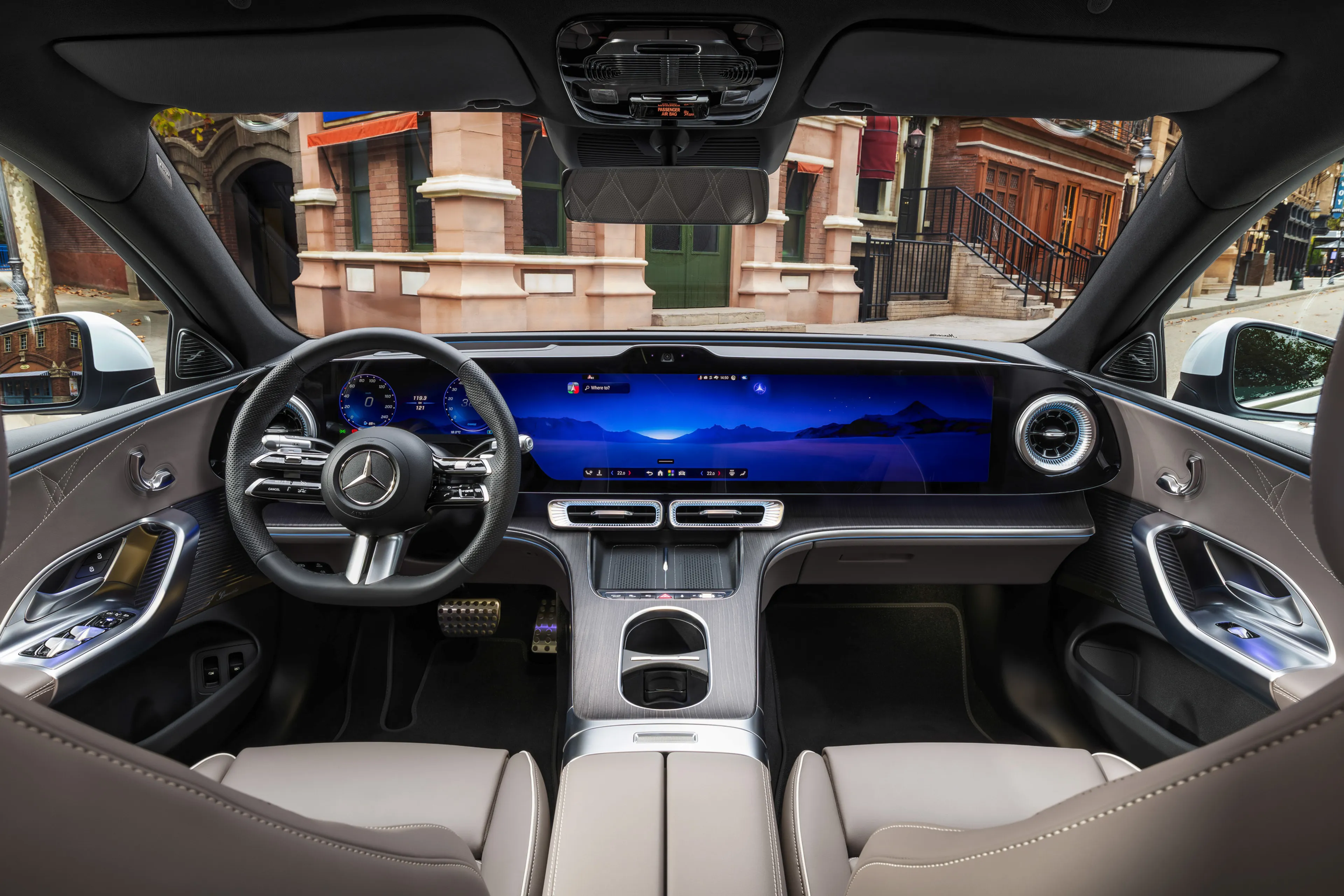
Mercedes-Benz cabins to stick with hyperscreens, but physical buttons will return
Mercedes-Benz backtracks on touch-sensitive buttons after hearing customer feedback
 Jamil Lacuna
Project NOAH Gets PHP 1 billion boost to predict disasters with AI
Project NOAH gets PHP 1 billion to upgrade disaster forecasting and AI hazard assessment.
 Brando Rosales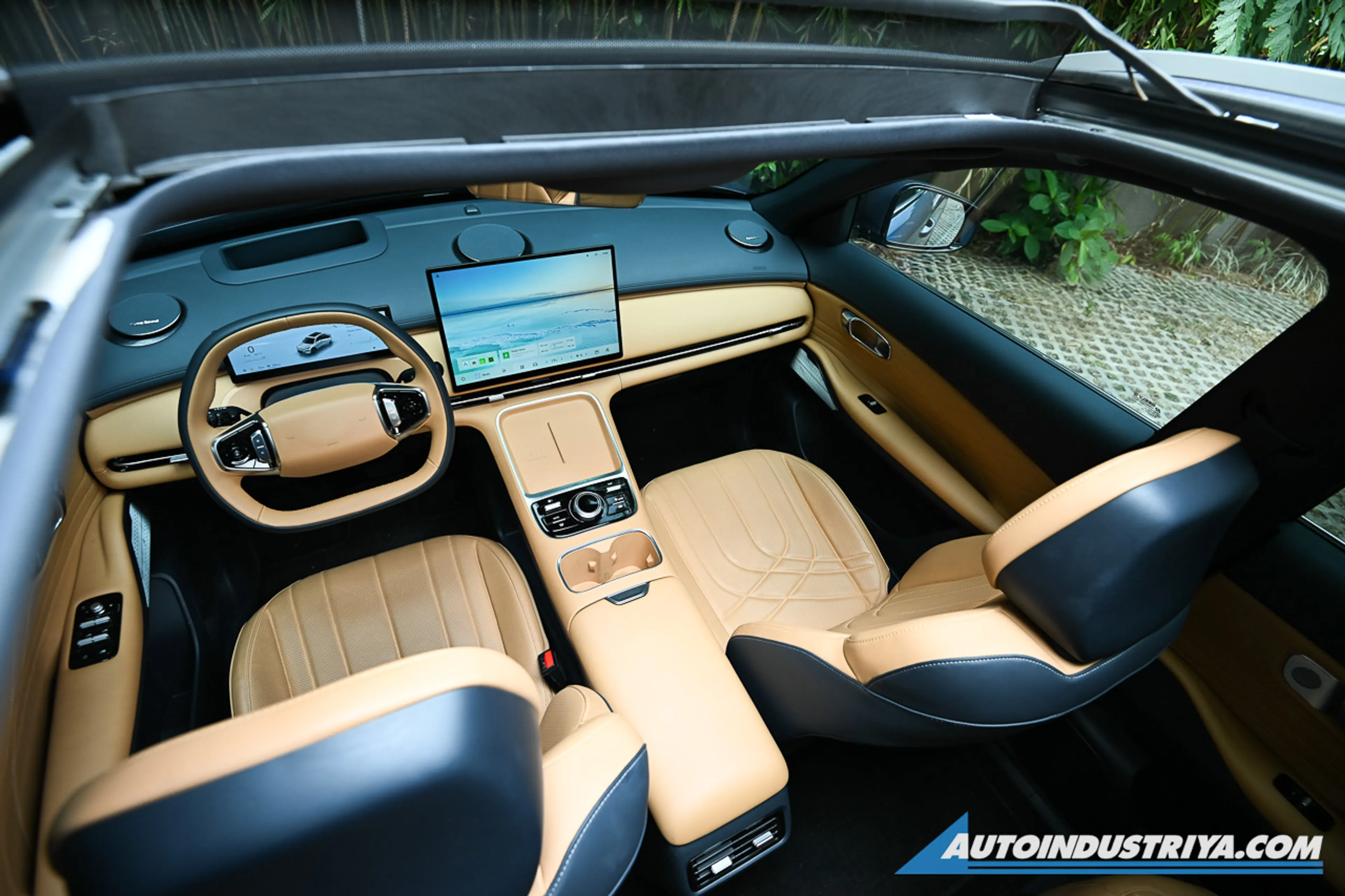
For comfort and support: Wacoal wants to enhance car interiors
Wacoal ties up with BASF to apply lingerie-making tech for car armrests
Jamil Lacuna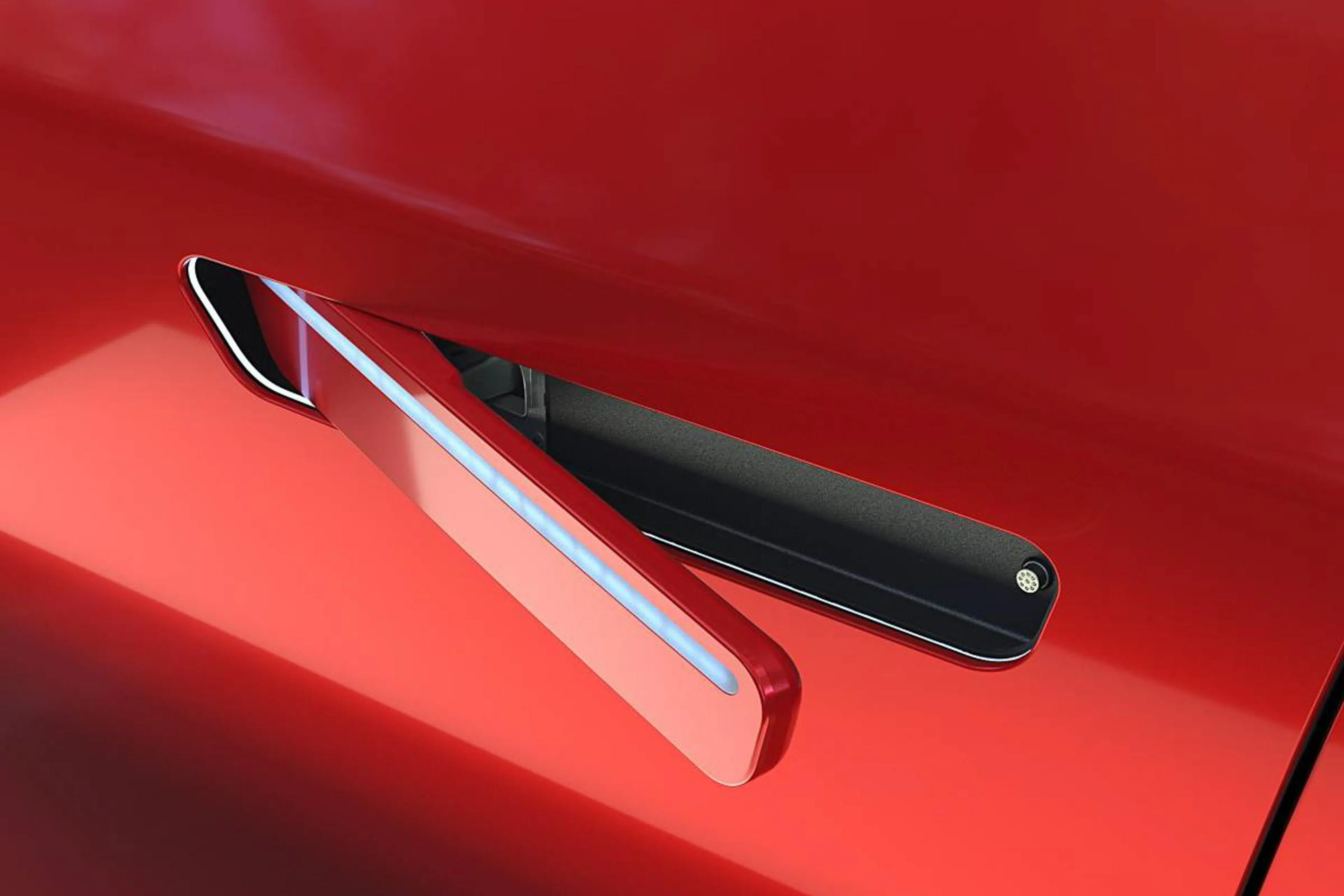
China auto regulators draft new safety requirements for flush door handles
China MIIT looking to tighten regs on electronically controlled flush door handles for safety reasons
Jamil Lacuna
US Department of War labels BYD as Chinese military affiliated
US releases list of what they call as “Chinese Military Companies Operating in the United States”
 Vince Pornelos
Blue Lithium Automotive Batteries Launched in PH
Promising up to 10 years of service life, advanced LiFePO4 cell technology, and built-in Battery Management Systems, Blue Lithium starter batteries are now available in the Philippines via Power4All's direct-to-user model.
 AutoIndustriya.com