
Not kidding: Hyundai's new clean aircon system has "After-Blow" tech
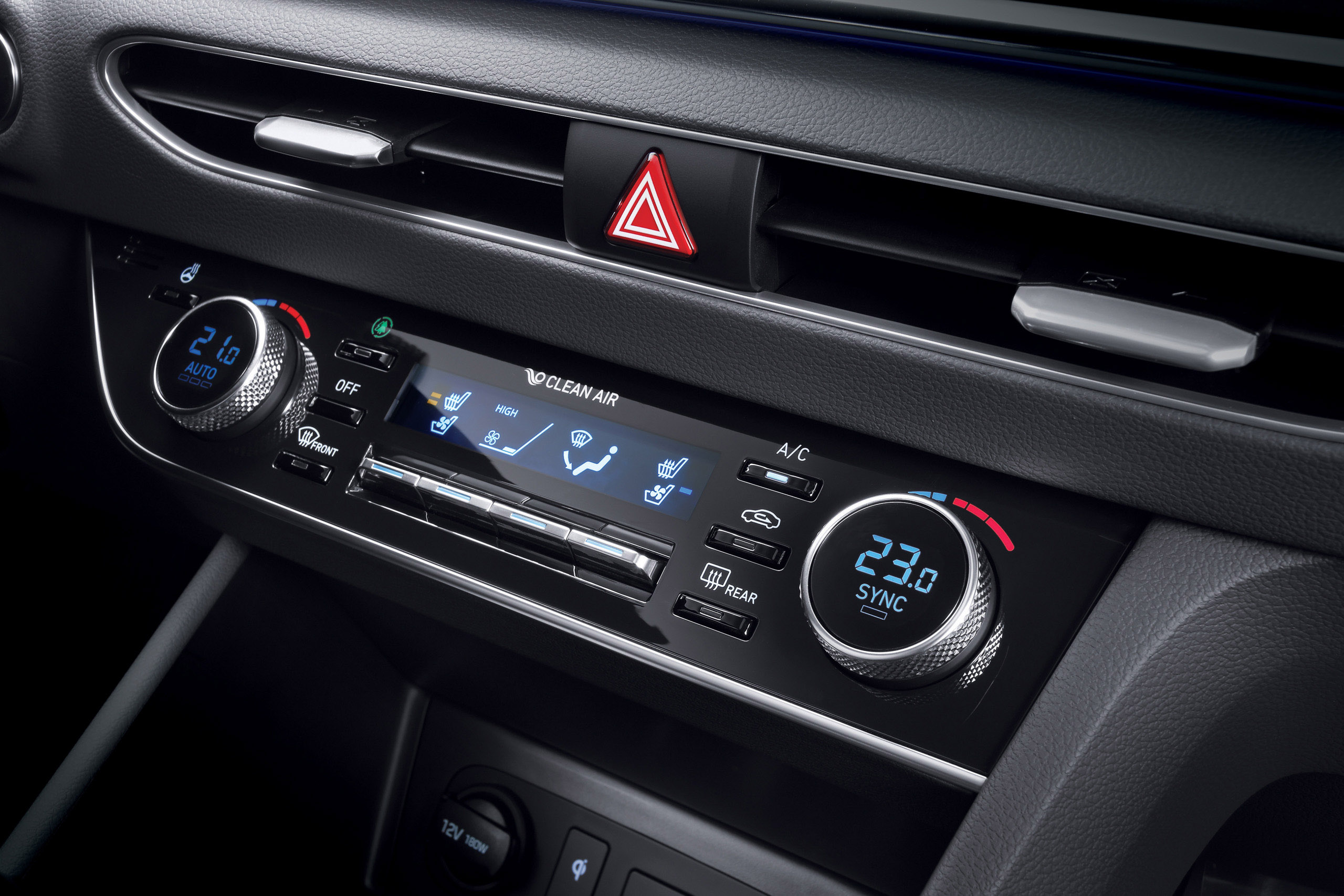
Not kidding: Hyundai's new clean aircon system has "After-Blow" tech
Hyundai wants its customers to breathe safer with new self cleaning aircon tech

Ever wondered why some cars start to develop a certain smell over time? Sure, you can detail the car all you want or thoroughly clean every nook and cranny to get rid of the smell. But sometimes, that odor just doesn't go away no matter how clean the cabin is.
More than likely, that 'smell' is actually caused by molds which are not exactly easy to clean as it mostly grows within the air-conditioning system itself. That means if you want to get rid of it, you have to have the system cleaned or overhauled which can be time-consuming, and expensive.
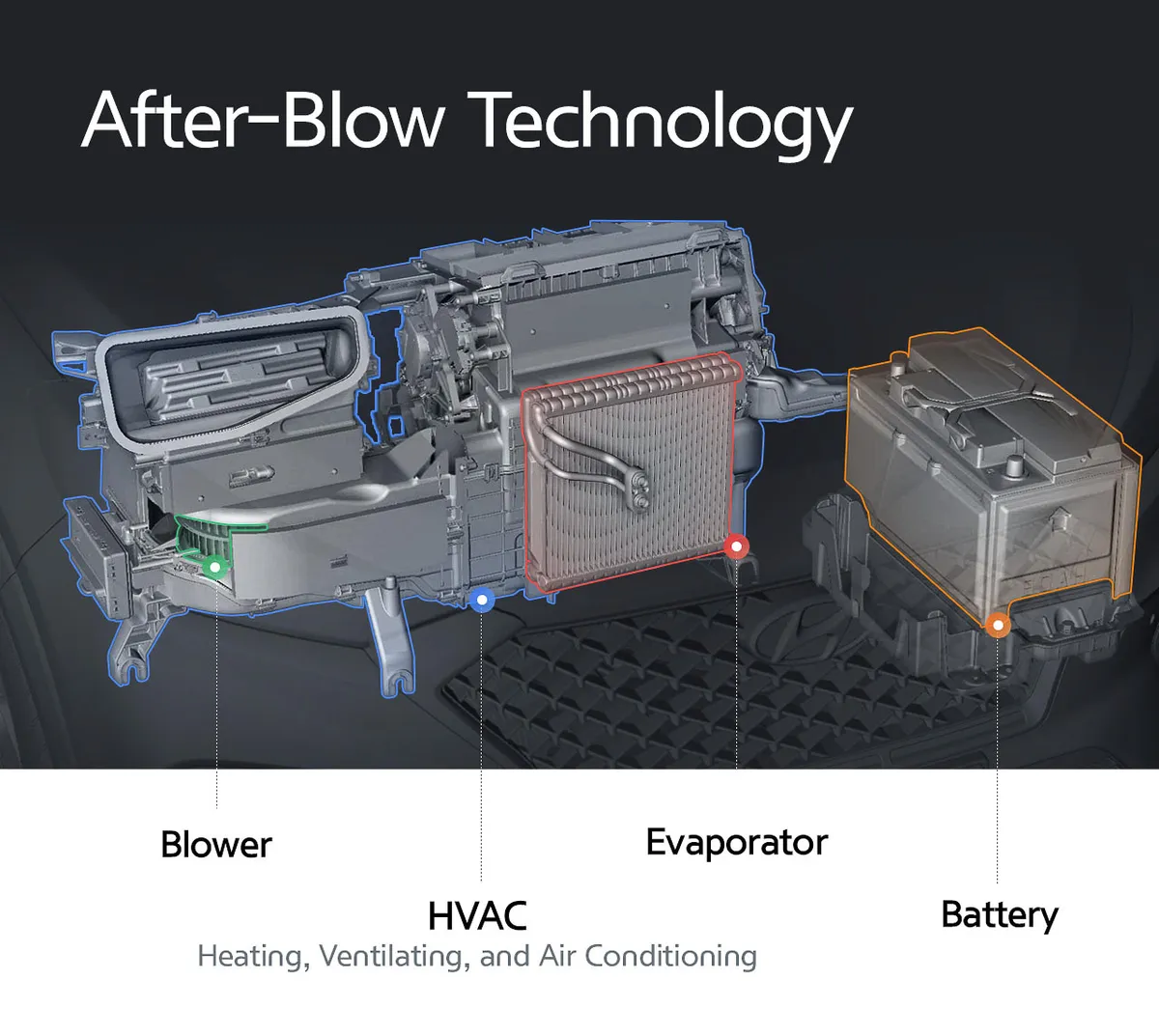
Hyundai, however, has come up with new technology in order to make sure mold doesn't grow inside the air-conditioning system without having the system serviced. It's called 'After-Blow', and no that is not a typo. Nor is there a pun.
According to the automaker, this new technology helps in suppressing mold growth in the system, which in turn helps keep the cabin free from nasty odors.
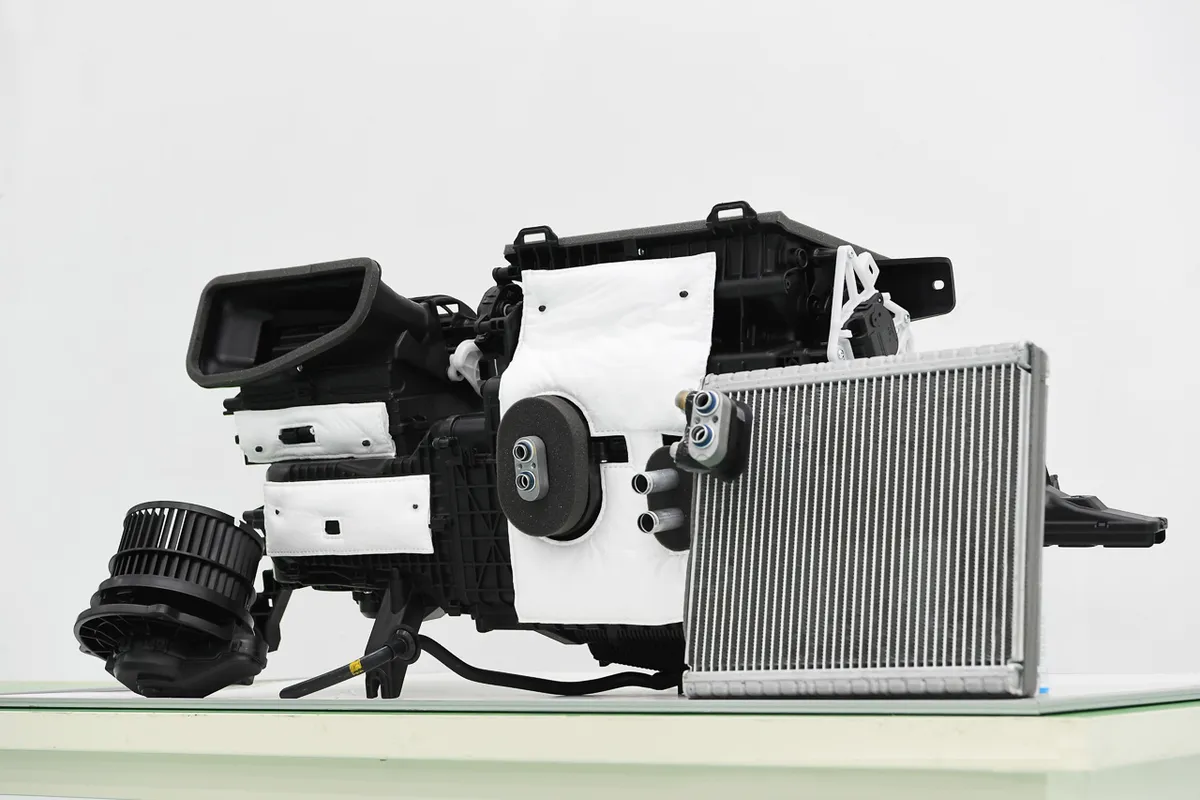
How does it work? After-Blow actually works once the engine has been turned off and the condensation from the evaporator drains naturally for 30 minutes. But with the evaporator itself still wet, it can attract bacteria which can allow molds to grow. For 10 minutes, After-Blow dries the evaporator and any condensed fluid leftover in the air passage. The system also automatically allows outside air to pass through in order to prevent humidity from building up.
But will the system cause a battery discharge every time it turns on? Not to worry as After-Blow features an intelligent battery sensor (IBS) that monitors the battery constantly. The system can deactivate itself should it sense the charge on the battery is low.
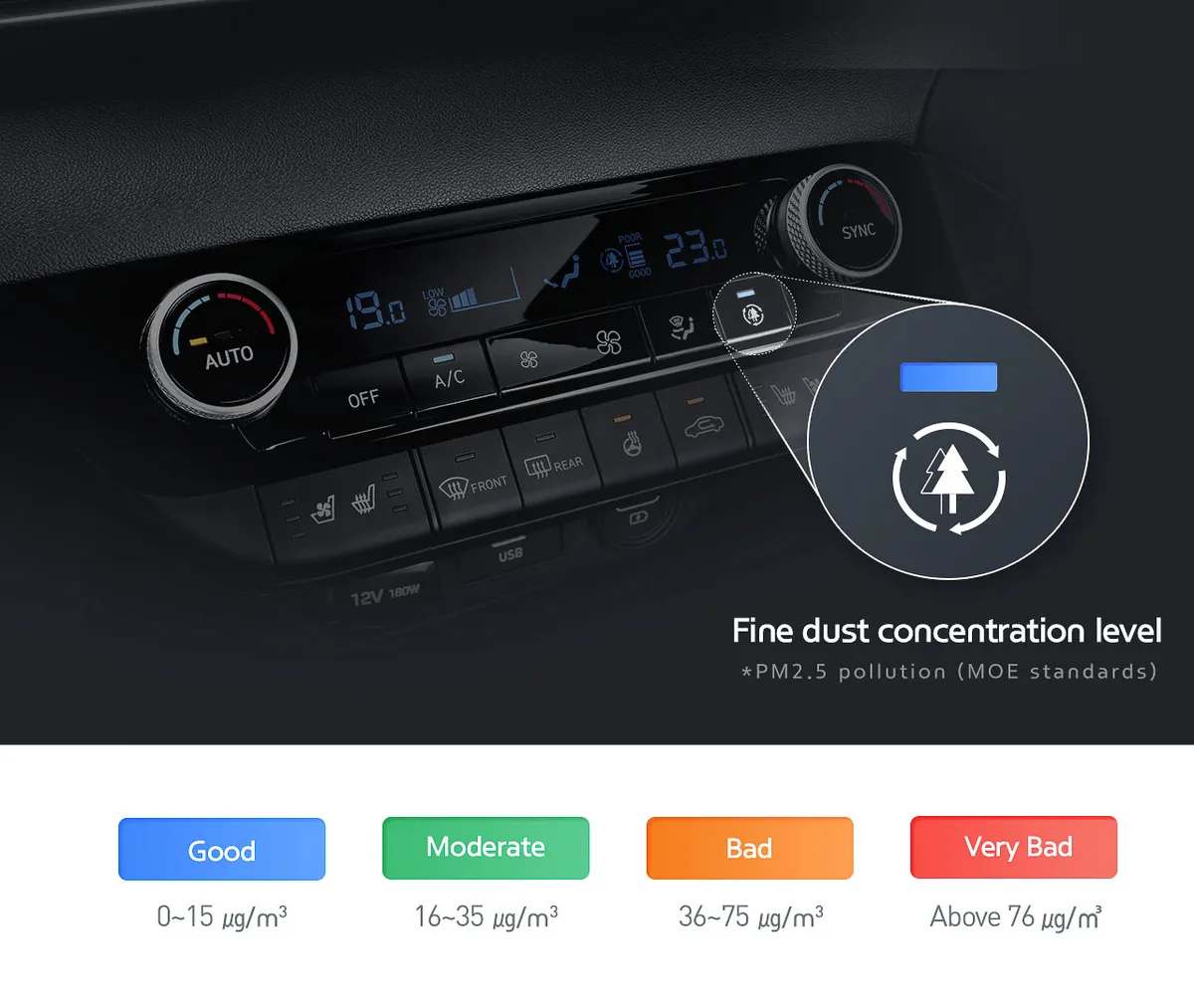
Besides After-Blow, Hyundai's new air-conditioning system will also feature 'Fine Dust Indicator'. It works by constantly monitoring the air quality inside the vehicle in real-time. Should the system detect that there is a substantial amount of ultrafine particles inside the car, the air-cleaning mode will run in order to purify the air inside the vehicle. Should the system not be able to bring air quality at acceptable levels, it might mean it's time to get the air-conditioner filters replaced, or the cabin is in need of a deep clean.
When will these new technologies be made available? Hyundai said that the new technologies will be introduced to upcoming new models. The automaker did not state as to which cars will get it, but hopefully, it will be available across a wide variety of models, including the ones sold here in the Philippines by Kia and Hyundai.
But maybe they should come up with a better name than "After-Blow" because there are just too many jokes possible.
Related Posts
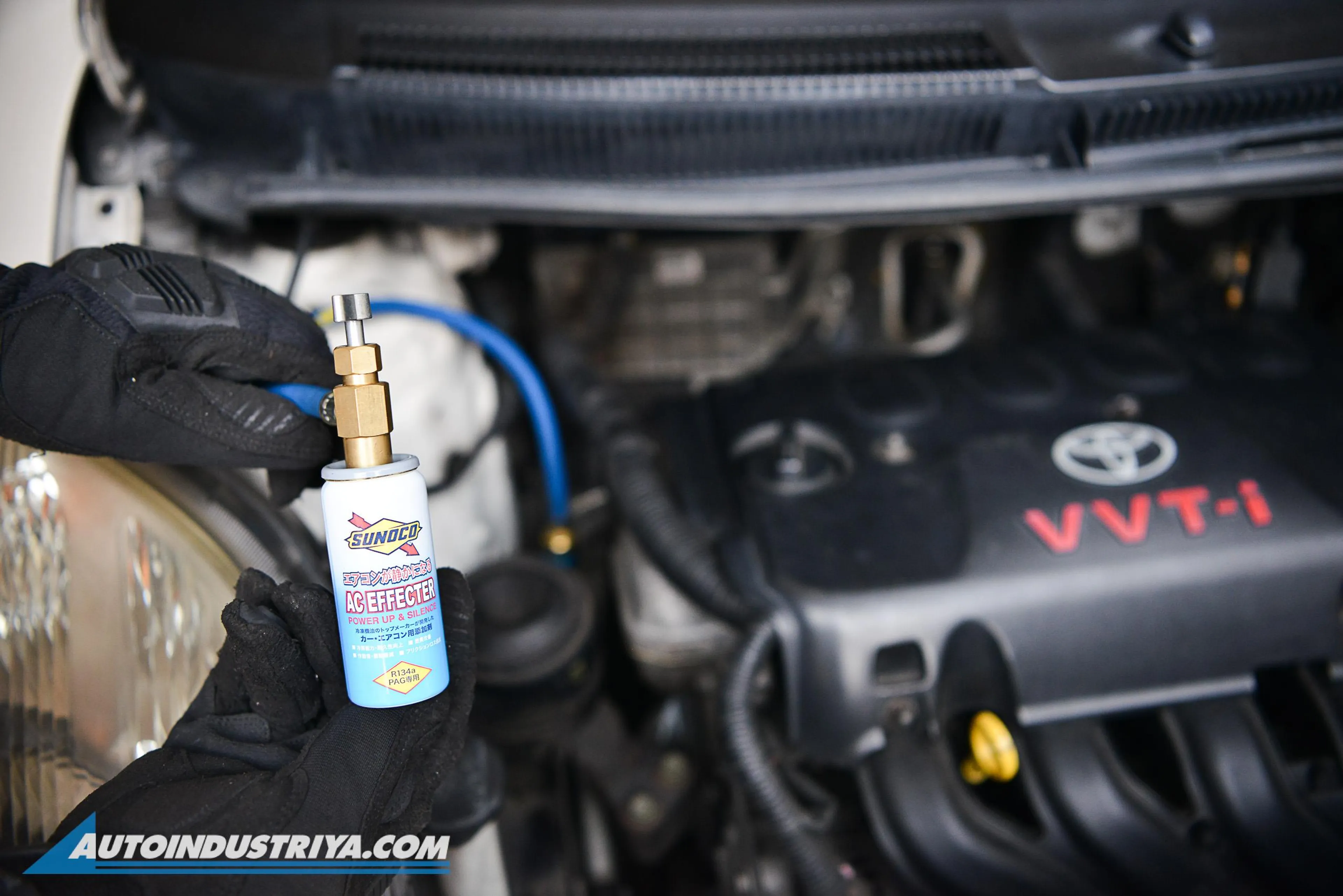
Product Review: Sunoco AC Effecter
Bring your AC system back to peak efficiency with Sunoco AC Effecter
 Jamil Lacuna
All-new Hyundai Tucson N Line wows at Paris Motor Show
Hyundai further gives the all-new Tucson a sleek and daring look with new N Line appearance pack
 Marcus De Guzman
Would the all-new 292 HP Hyundai Tucson PHEV make sense in PH?
Fifth-generation Hyundai Tucson available in HEV, PHEV, and ICE powertrains
Marcus De Guzman
All-new Hyundai Tucson gets turbo and turbo-hybrid powertrains
Don’t expect to see any turbo-diesel or naturally aspirated engines in the all-new Tucson
Marcus De Guzman
Get up to PHP 700K in discounts from Hyundai until September 30
Get a brand new Hyundai Santa Fe, Custin, Stargazer, and Elantra for a lot less this September
 AutoIndustriya.com
Spied: Next-Gen Hyundai Kona SUV in Spanish summer testing with less disguise
Spy shots of the updated Hyundai Kona undergoing hot-weather testing in Spain suggest a bolder, boxier redesign alongside an upgraded 1.6-liter hybrid powertrain with available electric all-wheel drive.
AutoIndustriya.com