
Jeepney maker partners with US company to make flying vans
Jeepney maker partners with US company to make flying vans
Expect a flying van with a jeepney chassis from eFrancisco Motor Corporation and LuftCar USA

This item literally and figuratively ‘flew’ by us.
LuftCar, a mobility company in Florida, USA, has partnered with top Philippine jeepney maker eFrancisco Motor Corporation (eFMC) to give the ‘King of the Road’ the power to fly.
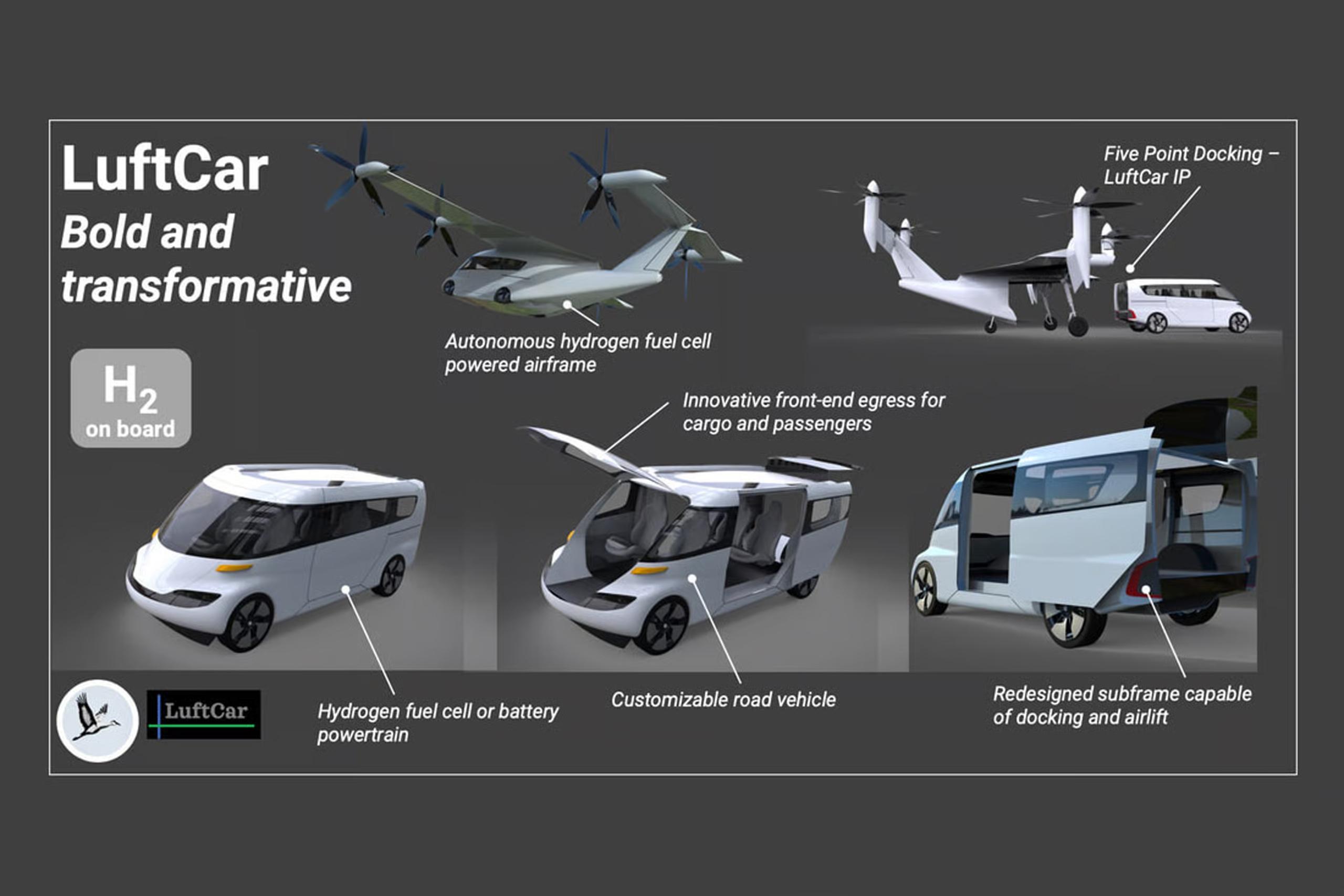
Yes, I know you have had it with stories about automakers bragging about plans to make flying cars but hear this one out. The memorandum of agreement between these two companies involves investment, development, integration, deployment, branding, and marketing of LuftCar-branded air vehicles that use hydrogen propulsion and an eFMC road vehicle platform.
“The Philippines and Southeast Asia have been of great strategic importance for LuftCar. Our flying and road vehicle concept is tailor-made for connecting the archipelagos and serving cargo, air ambulance, tourism, and regional transportation verticals. Our hydrogen propulsion will serve long-distance and heavy payload-carrying needs in the region, LuftCars have a big role to play in defense in the region enabling ship-to-base and base-to-outpost missions. We are excited about partnering with eFMC, whose leadership has a clear vision for clean energy transportation for the Philippines. eFMC has the resources to support LuftCar in bringing meaningful air transport to the people in the region,” said Santh Sathya, CEO of LuftCar.
The ambitious project of the two companies will be called the Luft-Pinoy eVTOL (electric vertical take-off and landing). Luftcar will provide the flight expertise, while the chassis will come from eFMC. The vehicle will be a hydrogen-powered vehicle that can travel on typical Philippine roads. Based on photos from LuftCar, its exterior will be more van-like. So how will it fly? Stashed away (perhaps at a terminal) is an airframe with six tilting propellers that connect to the rear of the Luft-Pinoy eVTOL via a five-point docking station. It can make a 483-kilometer flight at up to 354 km/h. Upon landing, passengers can disembark from the flip-down front fascia of the vehicle.
"As a physicist, my mind has been trained to believe that if you are the smartest person in the room, you are in the wrong room. I enjoin great minds to join us and come together to bring our world’s technological advances to a whole new level,” said Elmer Fancisco, CEO of eFrancisco.
Where will it be made? At eFMC's 200-hectare Special Economic Zone in Camarines Norte. Once the Luft-Pinoy eVTOL hits the production line, it will be used in various sectors, including defense, regional transport, recreation, healthcare, and other applicable industries.
Related Posts

Suzuki e Sky wants to take on BYD Racco EV
Suzuki e Sky electric kei car revealed with up to 310 km of range
 Marcus De Guzman
Sinotruk sets its sights on the Philippines—three electric models on the way
A closer look at the all-electric T3SE, T3ME, and V3X—and how Sinotruk proved cleaner (and greener) models can still take the daily pounding of Philippine roads.
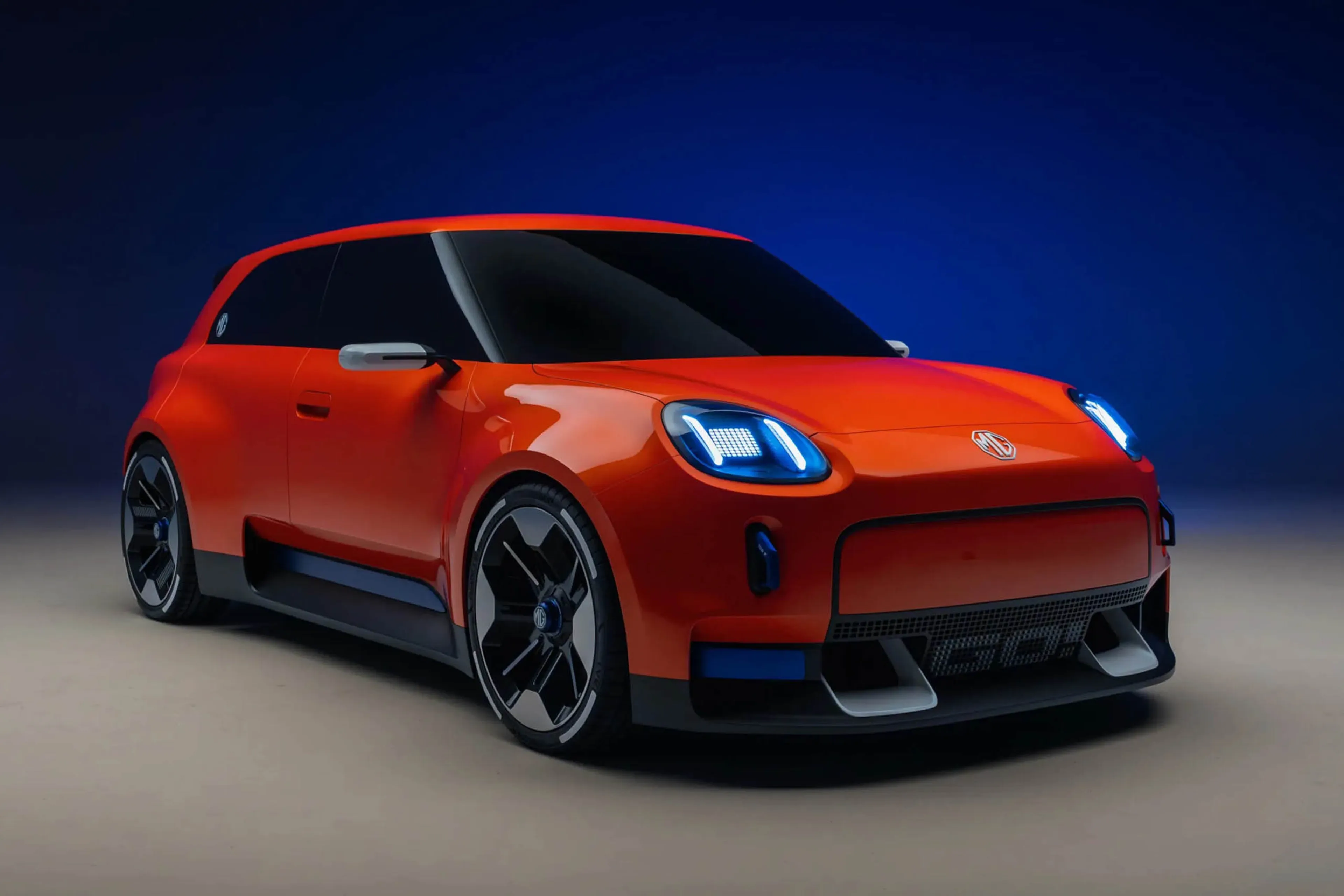
MG Go! and Cyber Concepts electrify at 2026 Goodwood Festival of Speed
MG has taken the wraps off two new concept vehicles during the 2026 Goodwood Festival of Speed, offering a glimpse at the brand's future electric lineup.
 Francis Pallarco
There will be no electric 911, says new Porsche CEO
The Porsche 911 will not be going electric anytime soon
Marcus De Guzman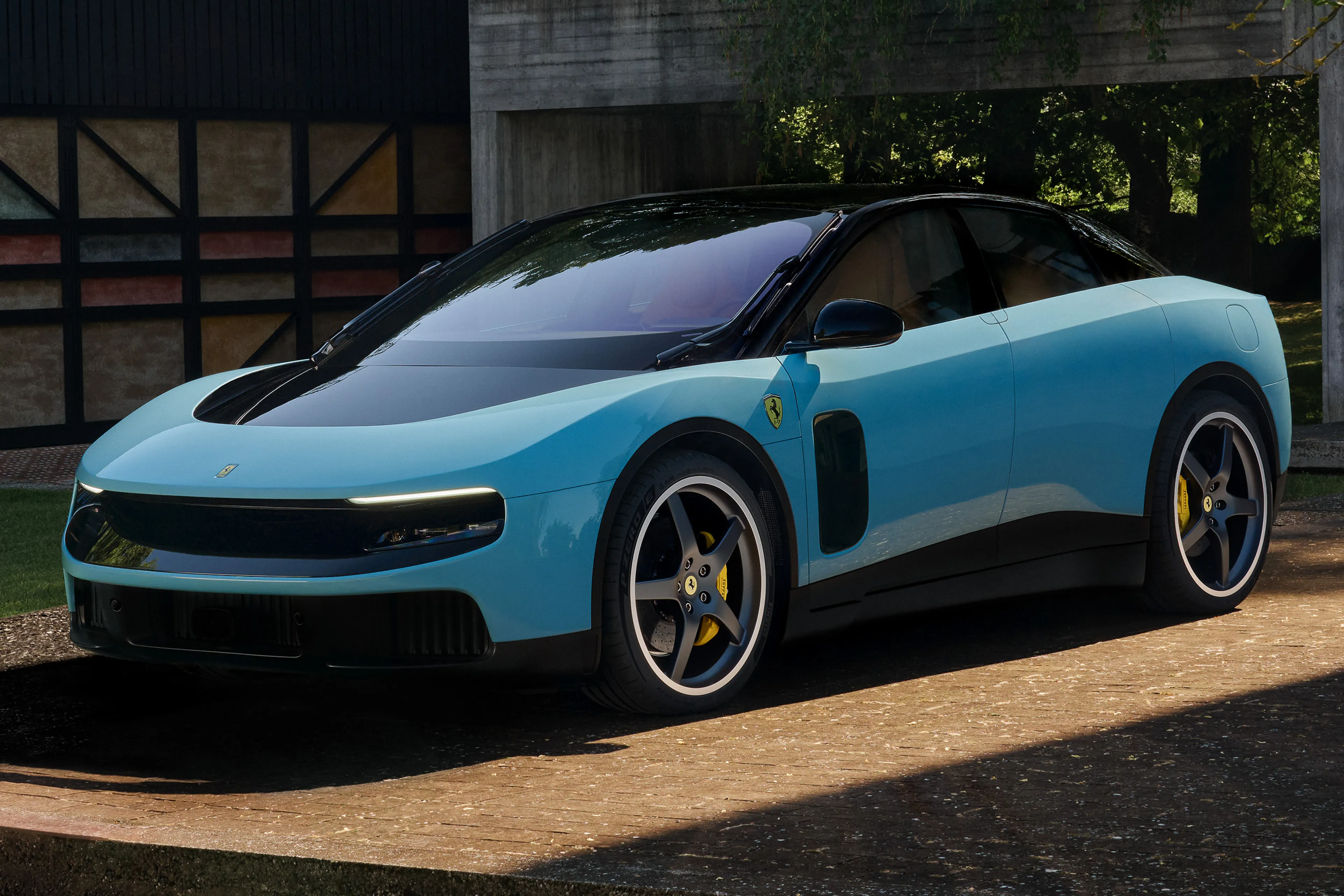
Ferrari Luce: Maranello officially reveals its 1,050 HP electric supercar
Ferrari enters the electric era of supercars with the 1,050 HP Luce
Marcus De Guzman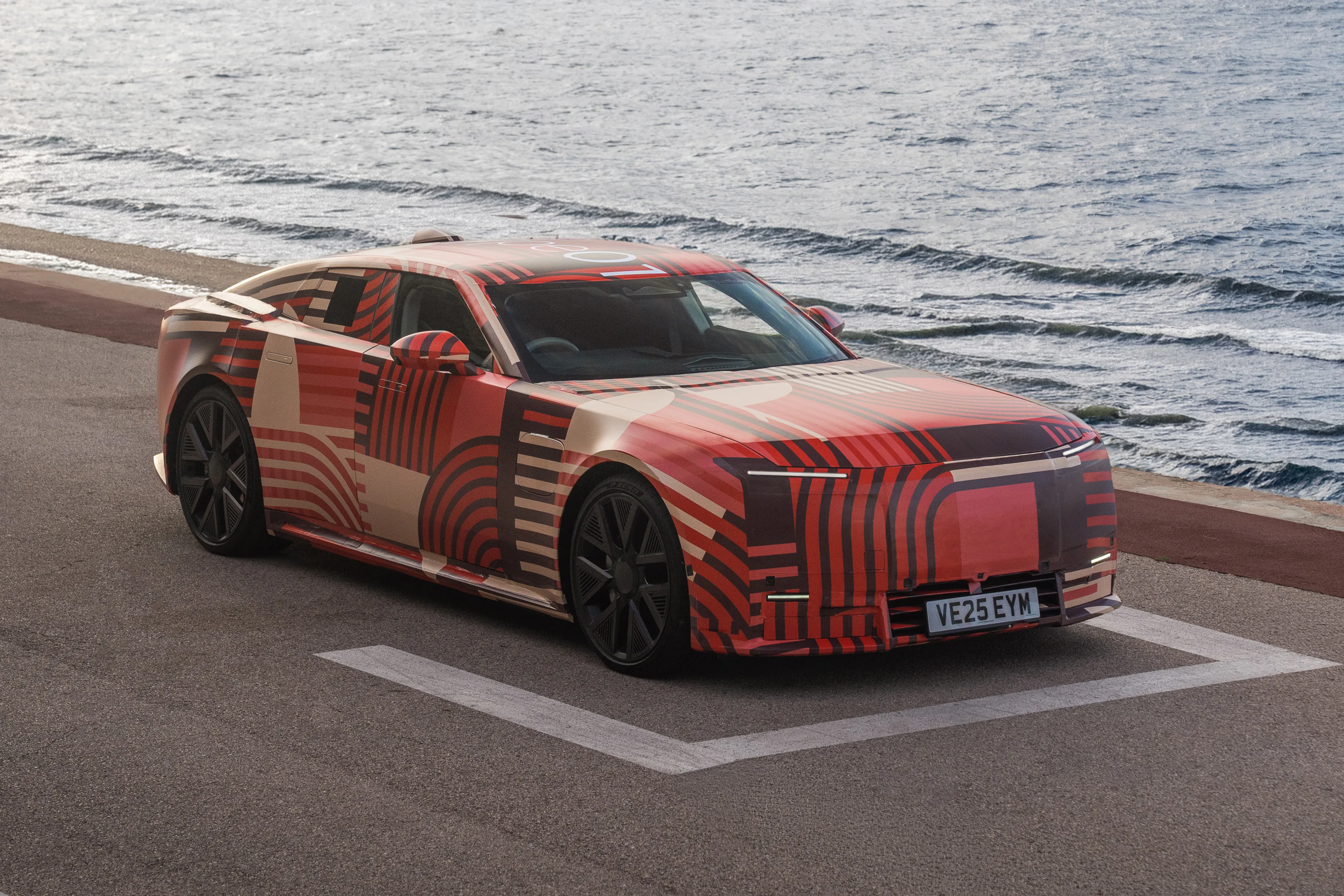
Type 01 is Jaguar's ambitious 1,000 HP super EV
Jaguar Type 01 makes over 1,000 HP and more than 1,300 Nm of torque
Marcus De Guzman