
JCB Hydromax sets Hydrogen Land Speed Record at 653.90 km/h
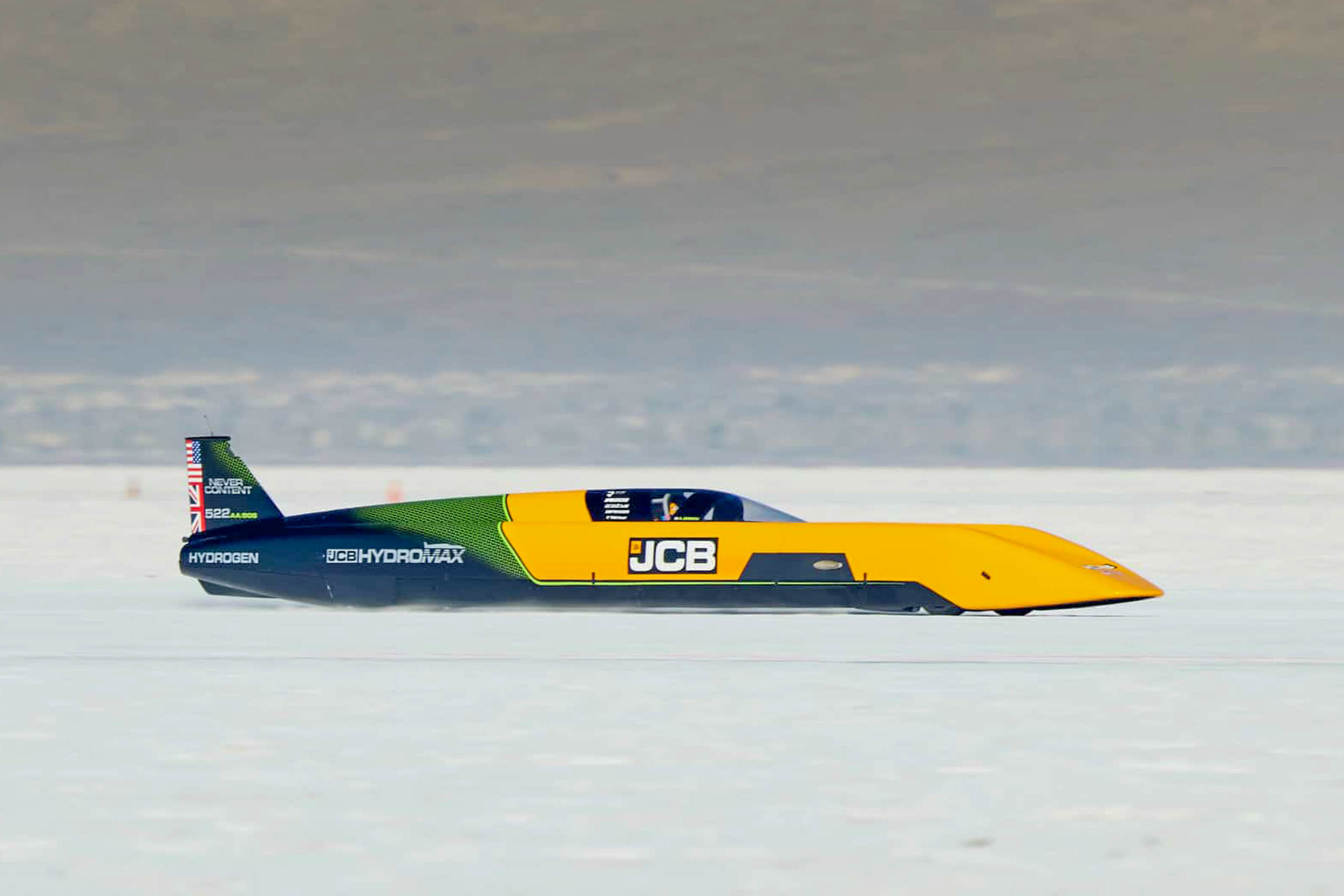
JCB Hydromax sets Hydrogen Land Speed Record at 653.90 km/h
The internal combustion engine isn’t dead, JCB just gave it a different fuel

Mention the letters JCB, and one would immediately think of construction equipment. From backhoes to tractors, JCB is globally recognized for its yellow-painted heavy construction equipment. Well, JCB has shown once again that its engineering expertise extends well beyond construction vehicles.
The company’s JCB Hydromax streamliner has achieved a provisional flying-kilometer average speed of 406.320 mph (653.90 km/h) at the Bonneville Salt Flats in Utah, setting a world land speed record for a hydrogen-powered vehicle.
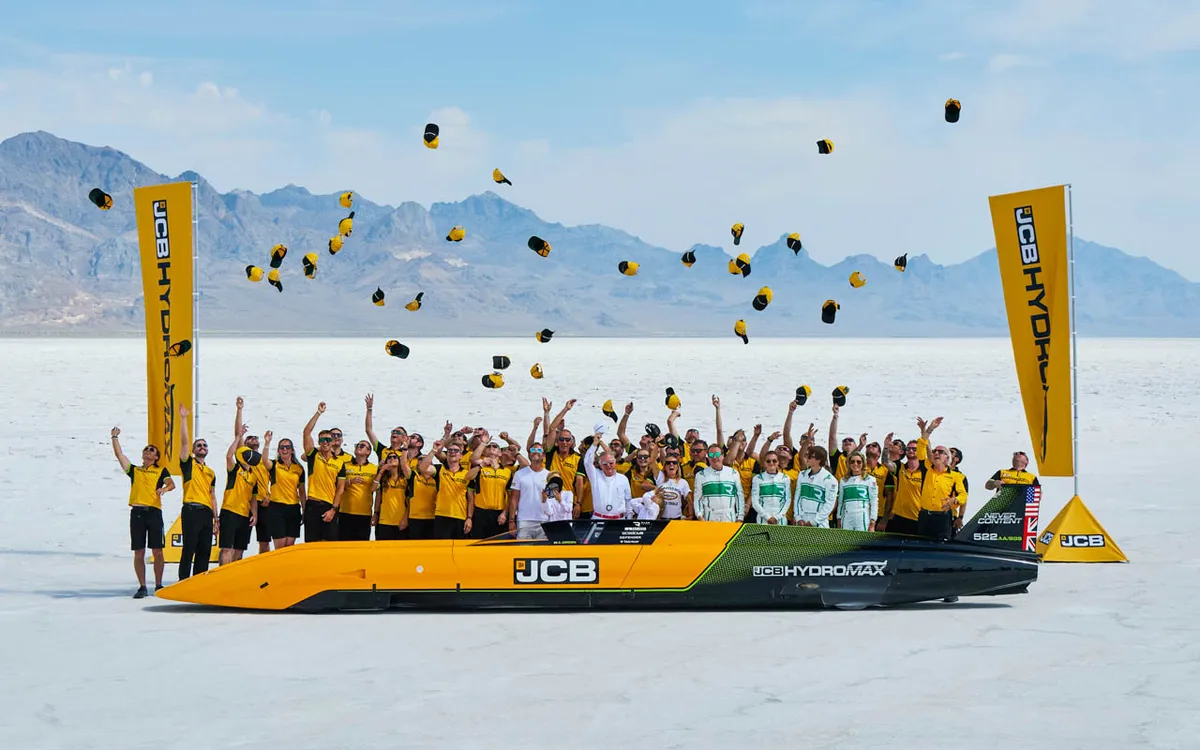
The 32-foot-long, twin-engine streamliner clocked 400.623 mph (644.75 km/h) on its first run and 412.135 mph (663.27 km/h) on its second. Averaged together, the two runs produced a record-setting 406.320 mph (653.90 km/h), which is the fastest speed ever achieved by a hydrogen-powered internal combustion vehicle.
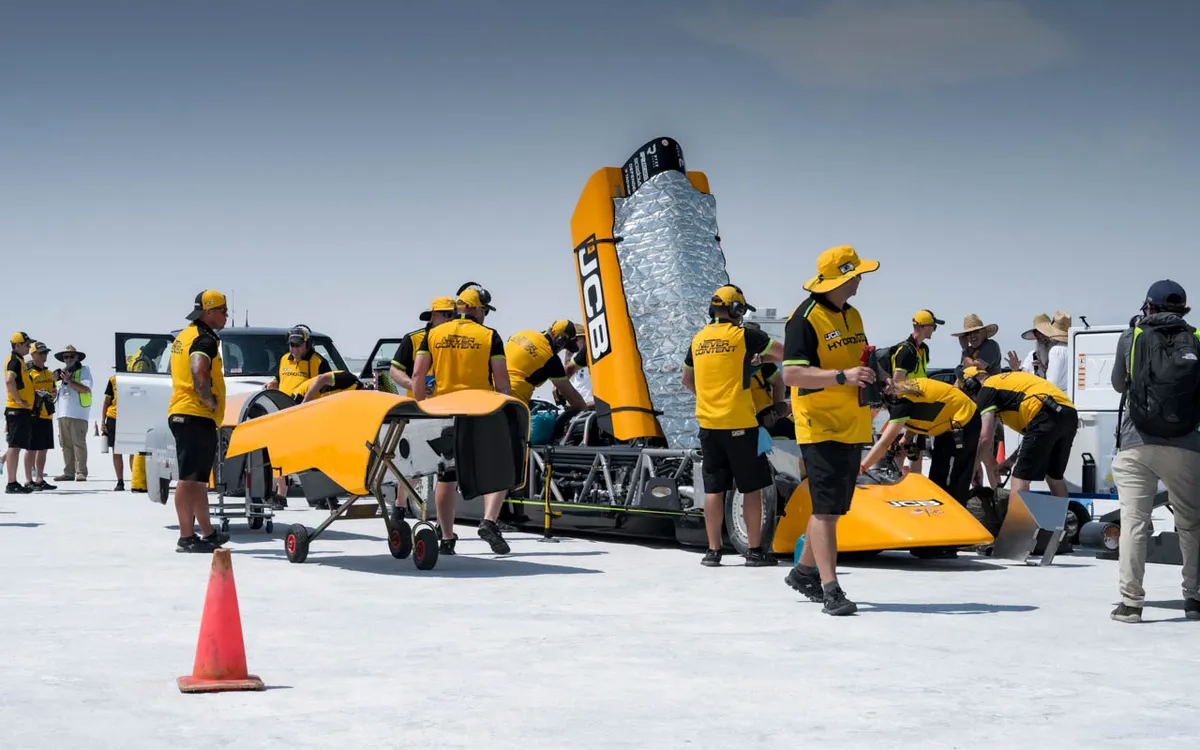
More importantly, the Hydromax achieves its record without batteries or a hydrogen fuel cell, instead relying on two 4.8L inline-four internal combustion engines derived from JCB’s diesel architecture and converted to run on hydrogen via port injection. Together, the twin engines produce a staggering 1,600 HP, highlighting JCB’s belief that the internal combustion engine still has a future with the right fuel.
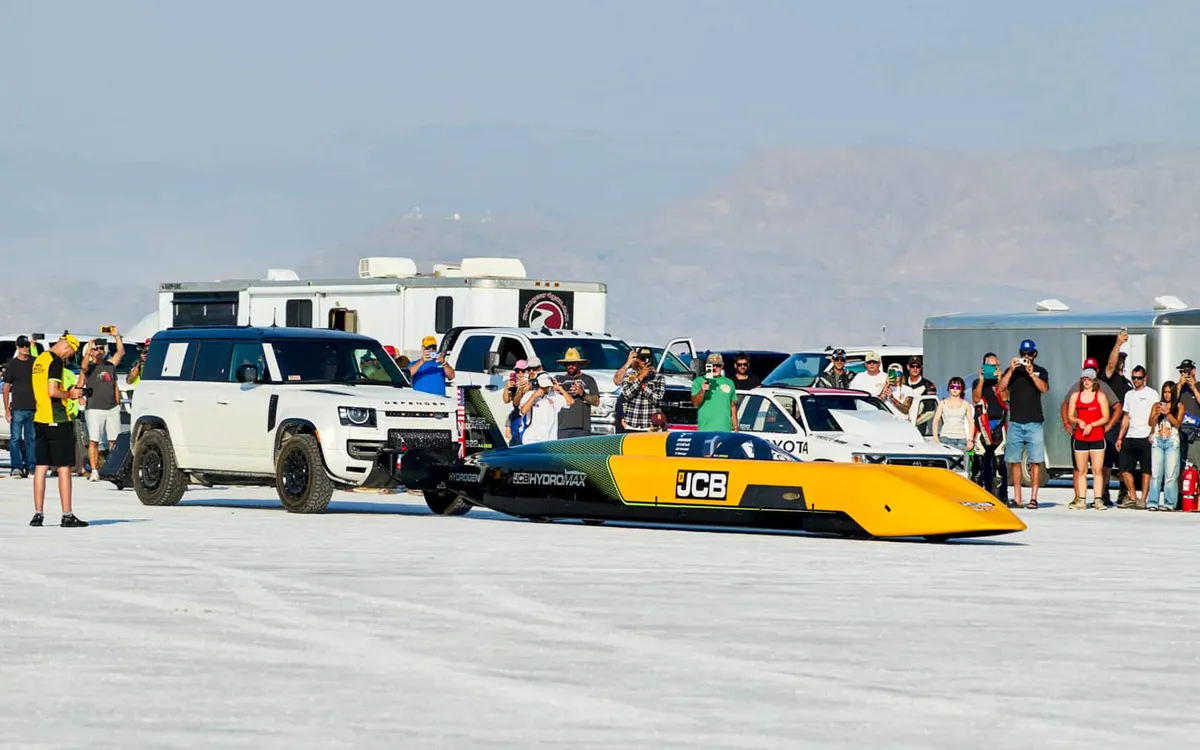
To cope with Bonneville’s high-altitude conditions, the engines feature a sophisticated induction system and single-stage motorsport turbochargers. Power is delivered through bespoke six-speed sequential transmissions from Xtrac to all four wheels, which use spool-type drives instead of conventional differentials.
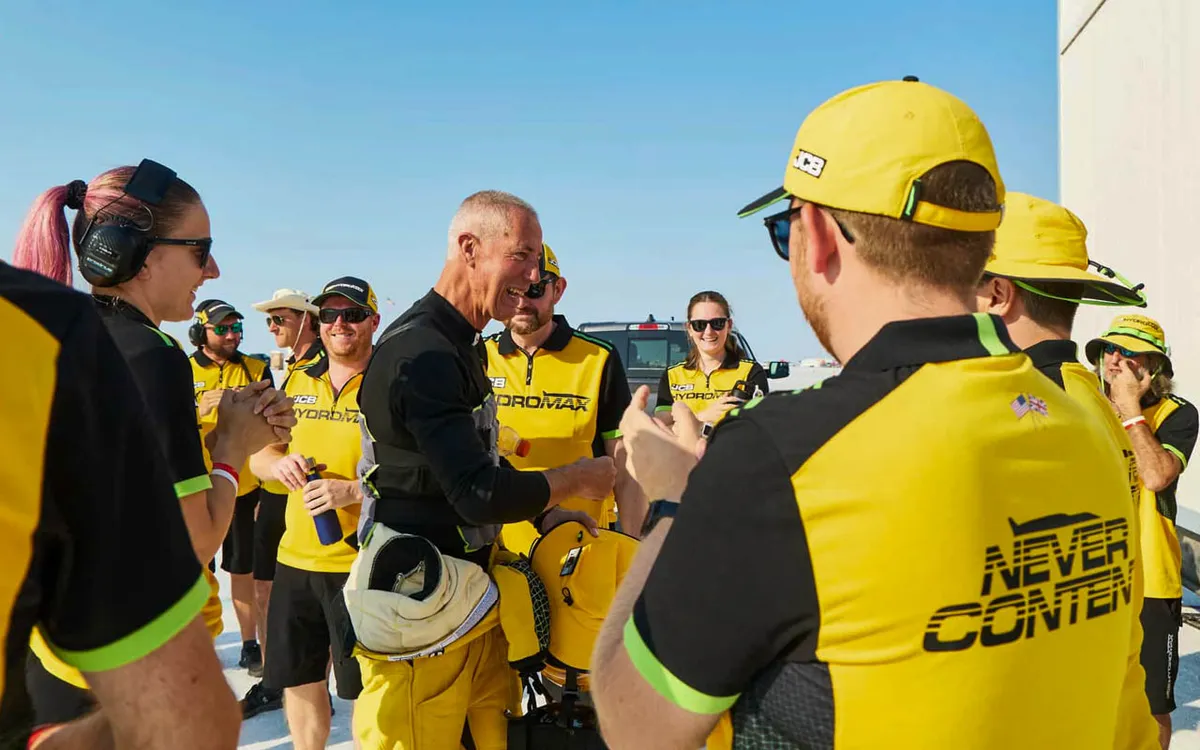
Behind the wheel was RAF Wing Commander Andy Green, who piloted the Thrust SSC to 763.035 mph (1,227.92 km/h, Mach 1.02) in 1997, making it the first and only land vehicle to officially break the sound barrier. In 2006, he teamed up with JCB again, driving the Dieselmax to a record-setting 350-mph (563 km/h) diesel land speed record.
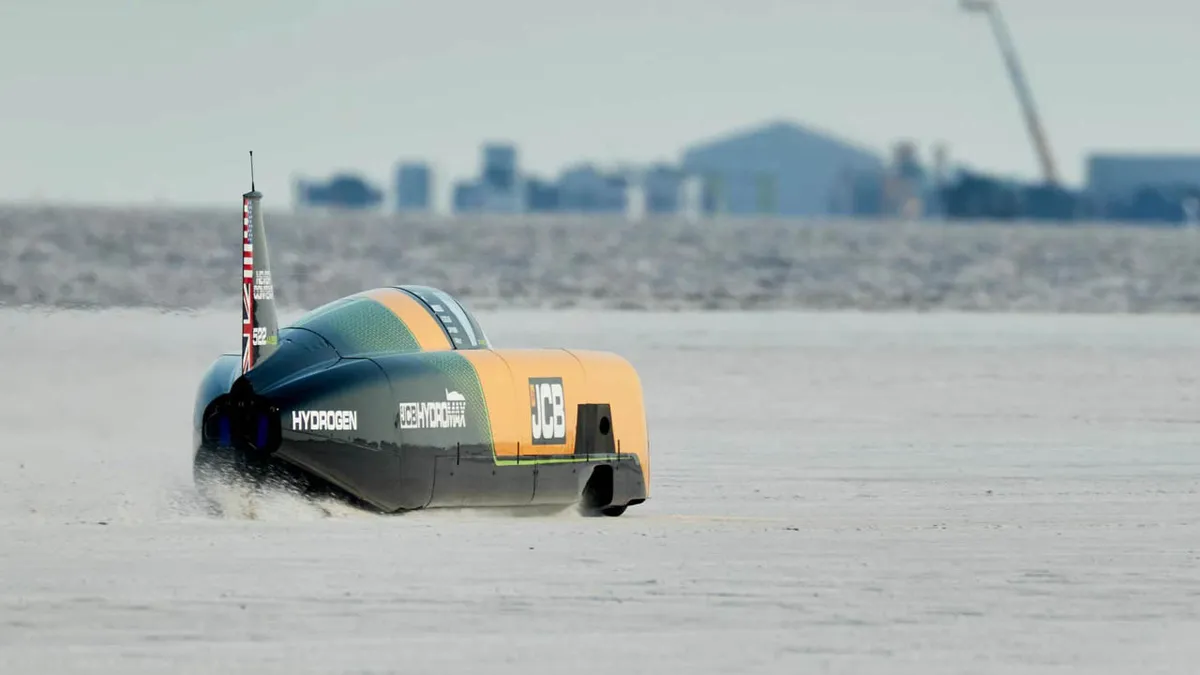
The Hydromax adds another entry to JCB’s growing list of land-speed achievements. The company previously built the world’s fastest diesel-powered car, reaching 350 mph (563 km/h) in 2006, followed by the world’s fastest backhoe loader at 72 mph (116 km/h) in 2014, and the fastest tractor at 135 mph (218 km/h) in 2019.
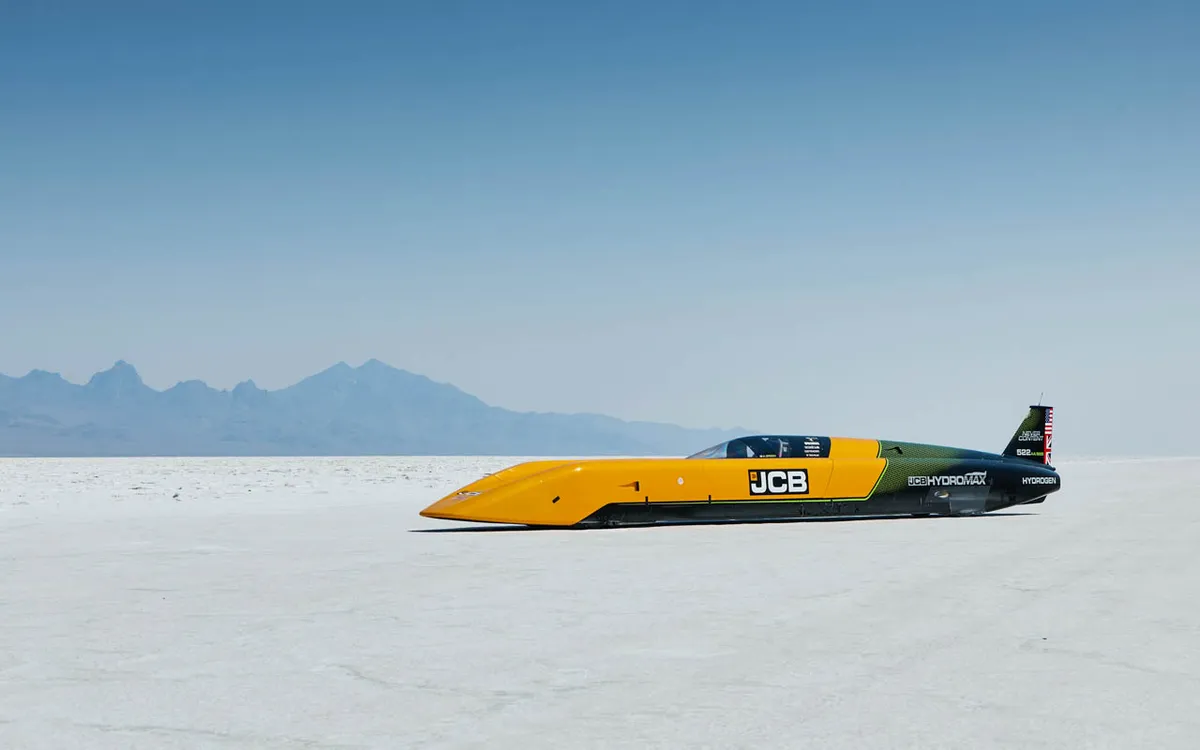
With the Hydromax, JCB is making a case that hydrogen does not necessarily have to mean fuel cells and electric motors. Instead, the company is betting that the internal combustion engine can remain relevant, provided it gets a very different fuel.
Related Posts
Jetour GAIA G700 successfully conquers Moab, Utah's red rock trails
Jetour successfully participated in the 60th annual Easter Jeep Safari in Moab, Utah
 AutoIndustriya.com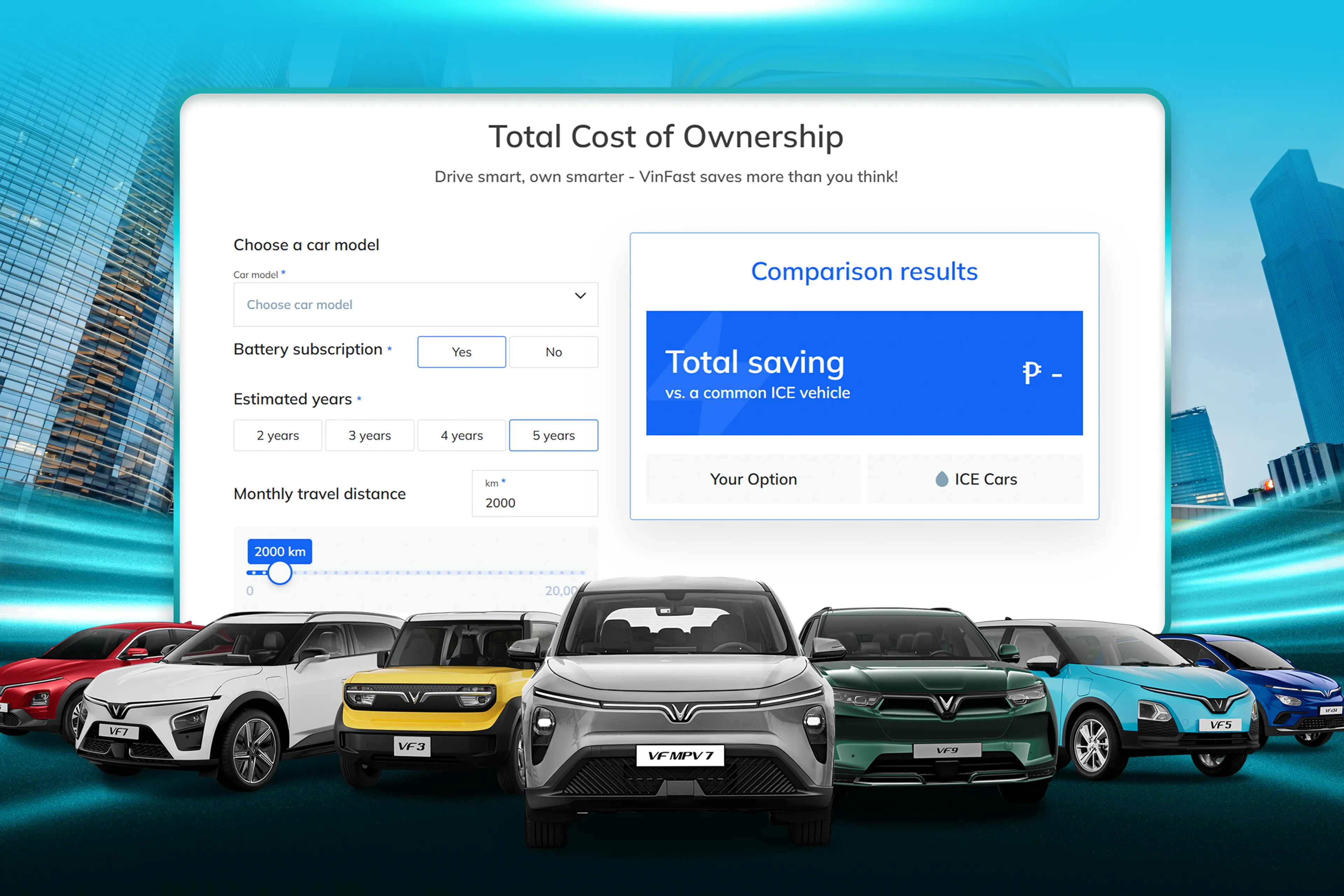
EV savings? VinFast’s Total Cost of Ownership calculator does the math
VinFast’s new calculator lets buyers see how EV ownership costs compare.
AutoIndustriya.com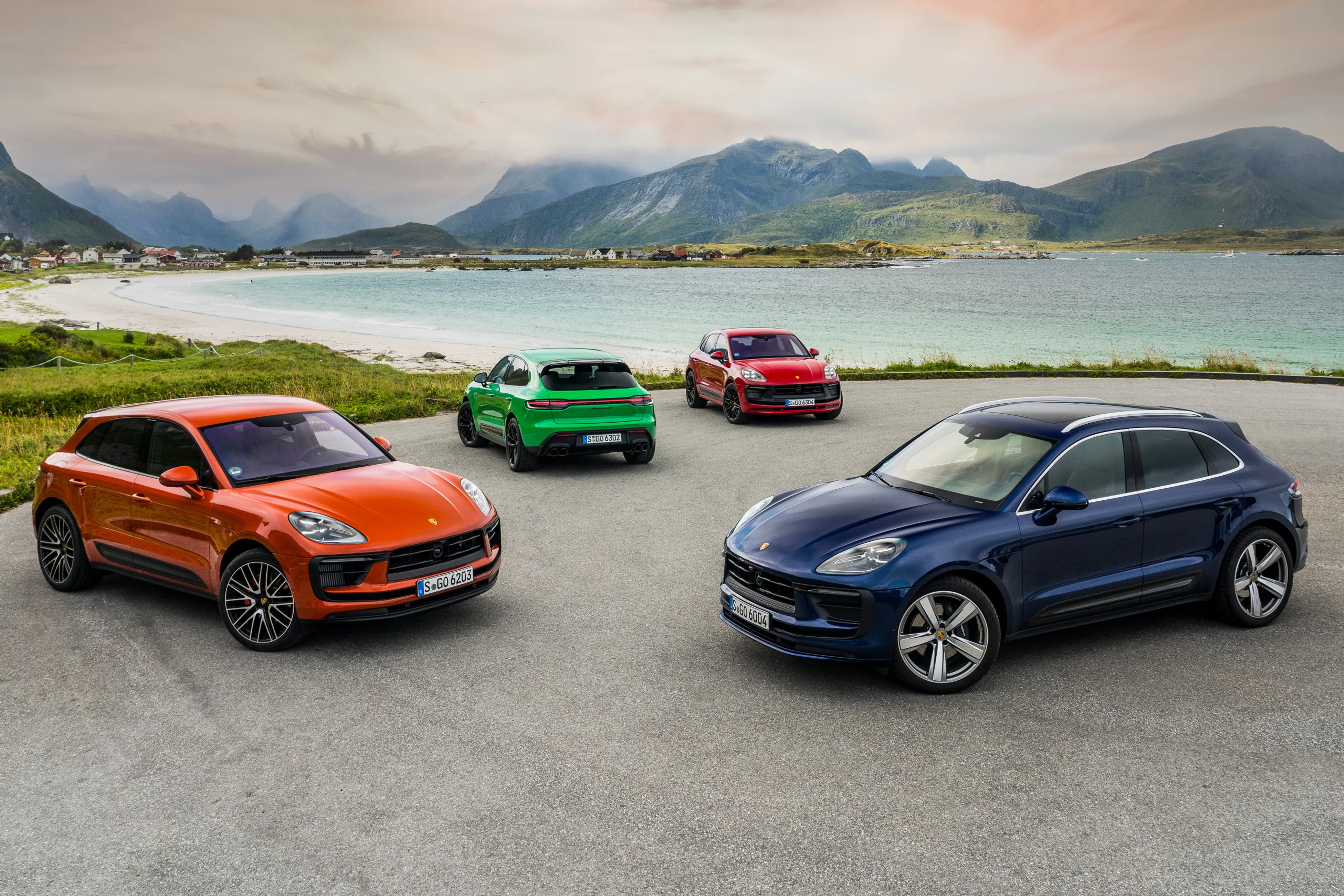
Porsche ending production of gas-powered Macan by mid-2026
Porsche ending production of first-gen ICE Macan by mid-2026, successor expected by 2028
 Jamil Lacuna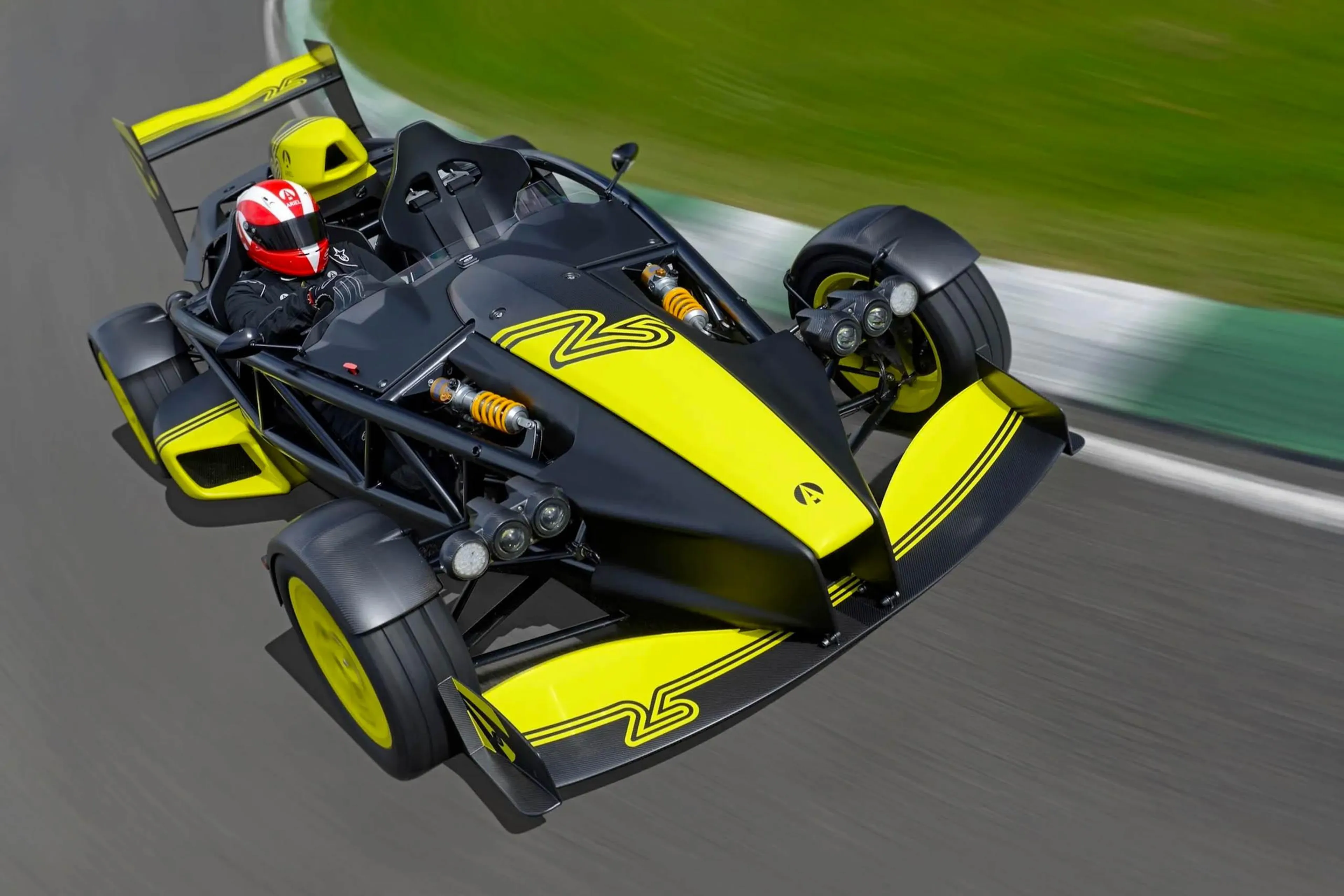
Barely Legal Speed: The Ariel Atom 4RR and its insane power-to-weight ratio
Built to celebrate 25 years of the Atom, the 4RR is the quickest and most powerful production Atom in the model’s history.
 Francis Pallarco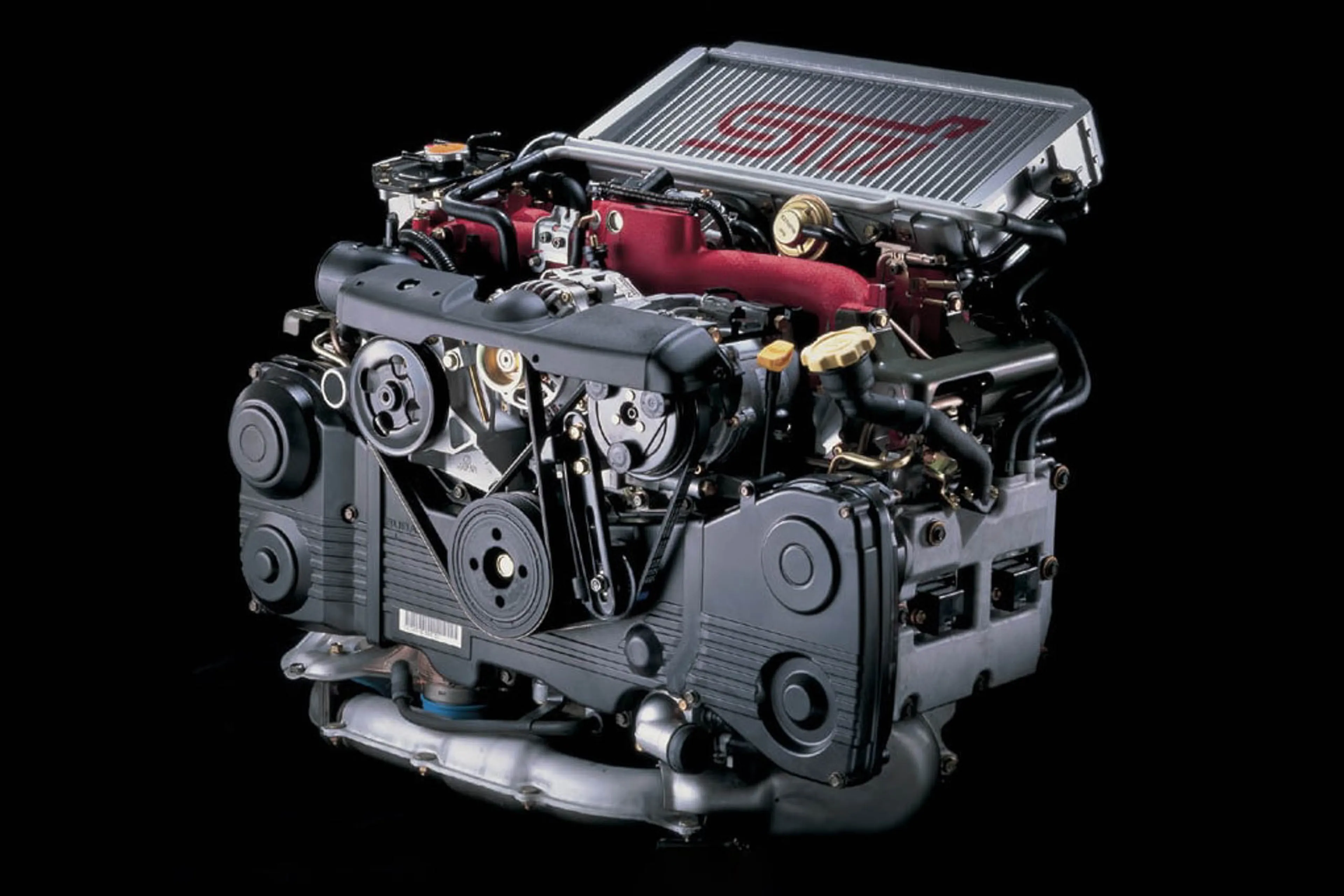
Rumble On! Subaru’s boxer engine turns 60
For Subaru, it all began 60 years ago when the company took a different path from much of the automotive industry, introducing a horizontally opposed, flat-four 1.0Lr engine producing 55 hp in the front-wheel-drive Subaru 1000
Francis Pallarco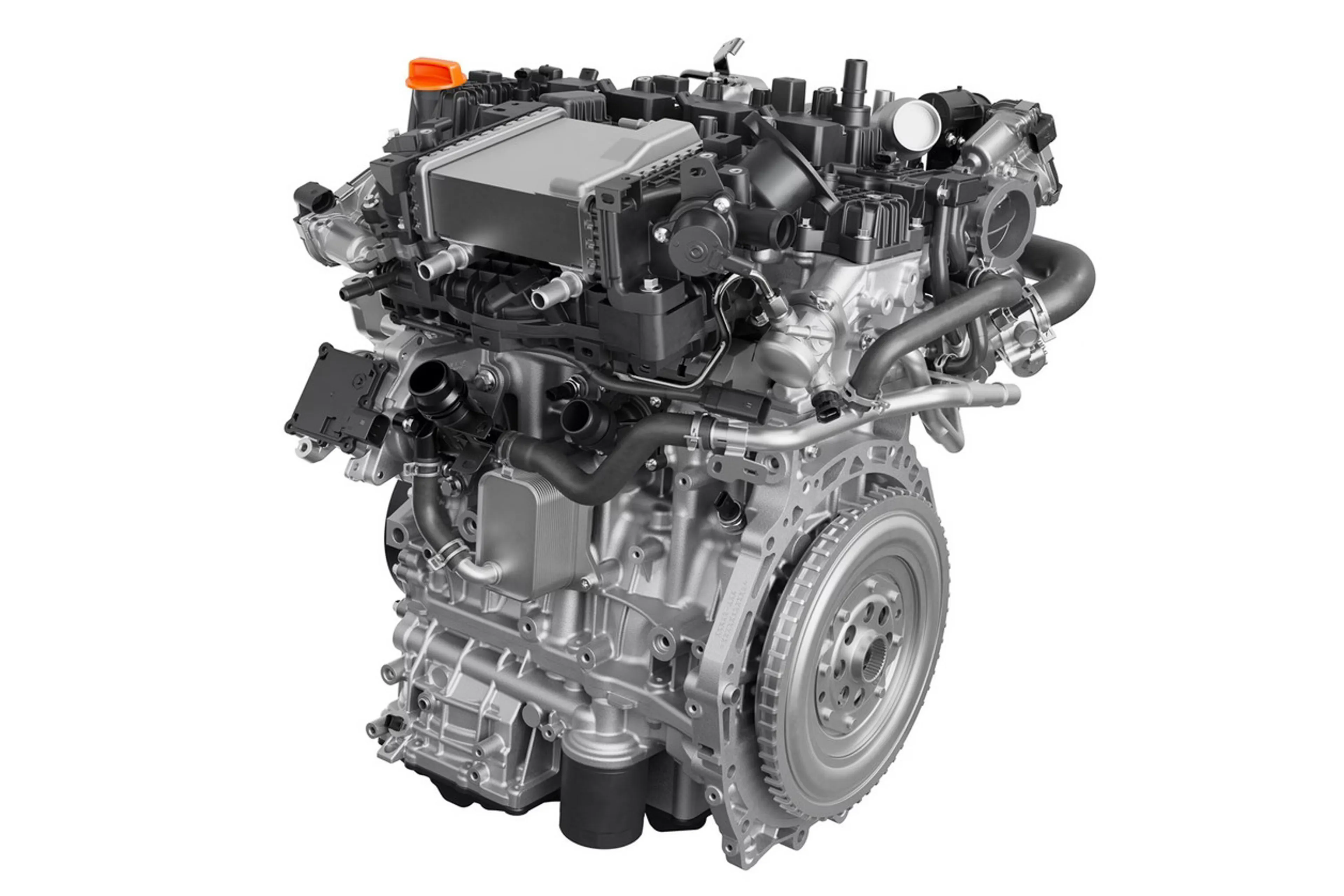
Horse Powertrain claims they made a waterproof 2.0L turbo engine
B20 engine by Horse Powertrain can operate normally even while submerged 1.1 meters underwater
 Marcus De Guzman