
Rumble On! Subaru’s boxer engine turns 60
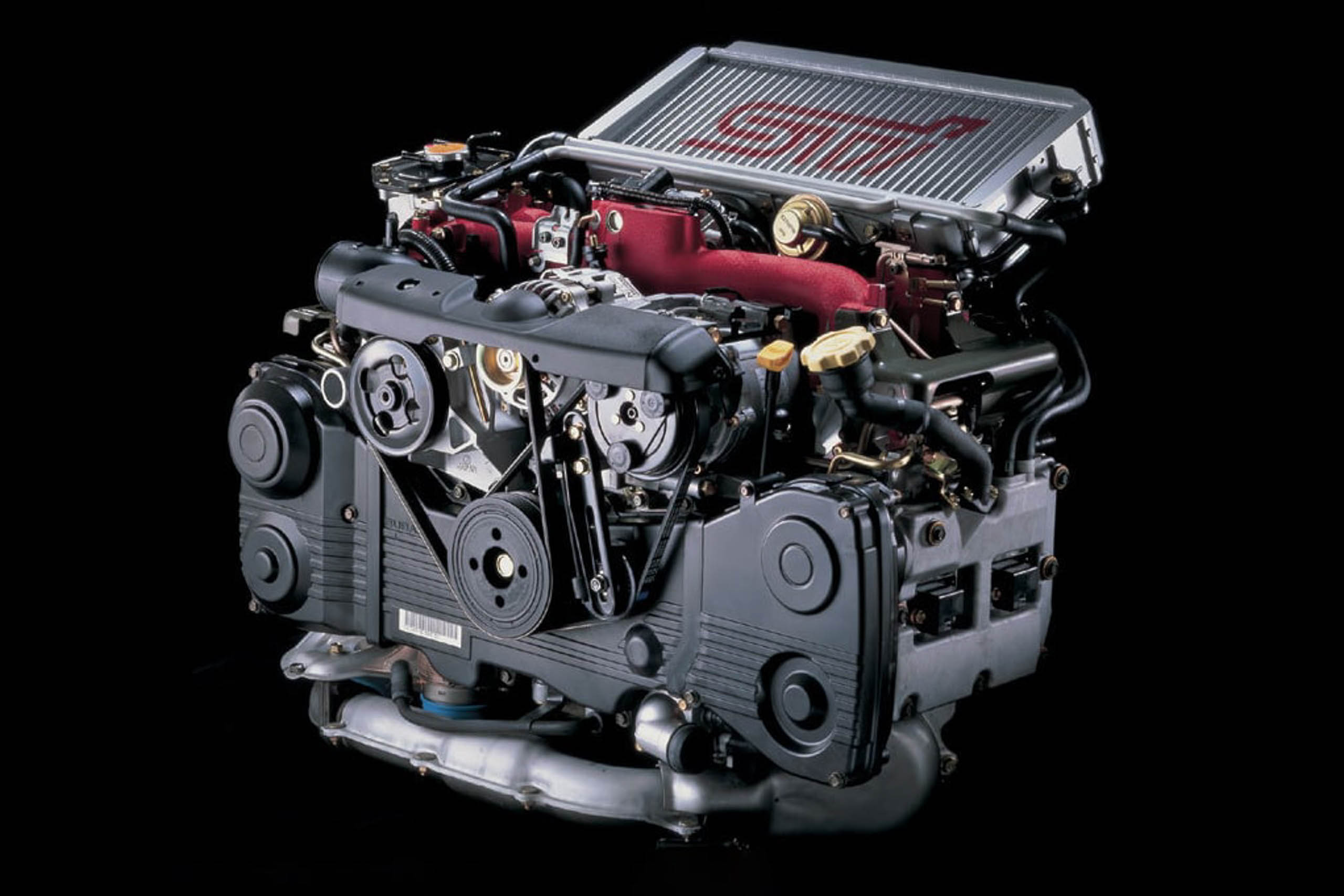
Rumble On! Subaru’s boxer engine turns 60
The distinct-sounding flat-four engine has been synonymous with Subaru since 1966

Some engines are remembered for their power. Others are remembered for the cars they powered. Then there are those that become inseparable from a brand’s identity.
For Subaru, that engine is the boxer.
While Karl Benz developed the first boxer engine in 1897 known as the “Contra” or “Kontra” engine, Mercedes-Benz eventually shifted its focus to inline configurations. Today, the horizontally opposed design is most closely associated with Subaru and Porsche.
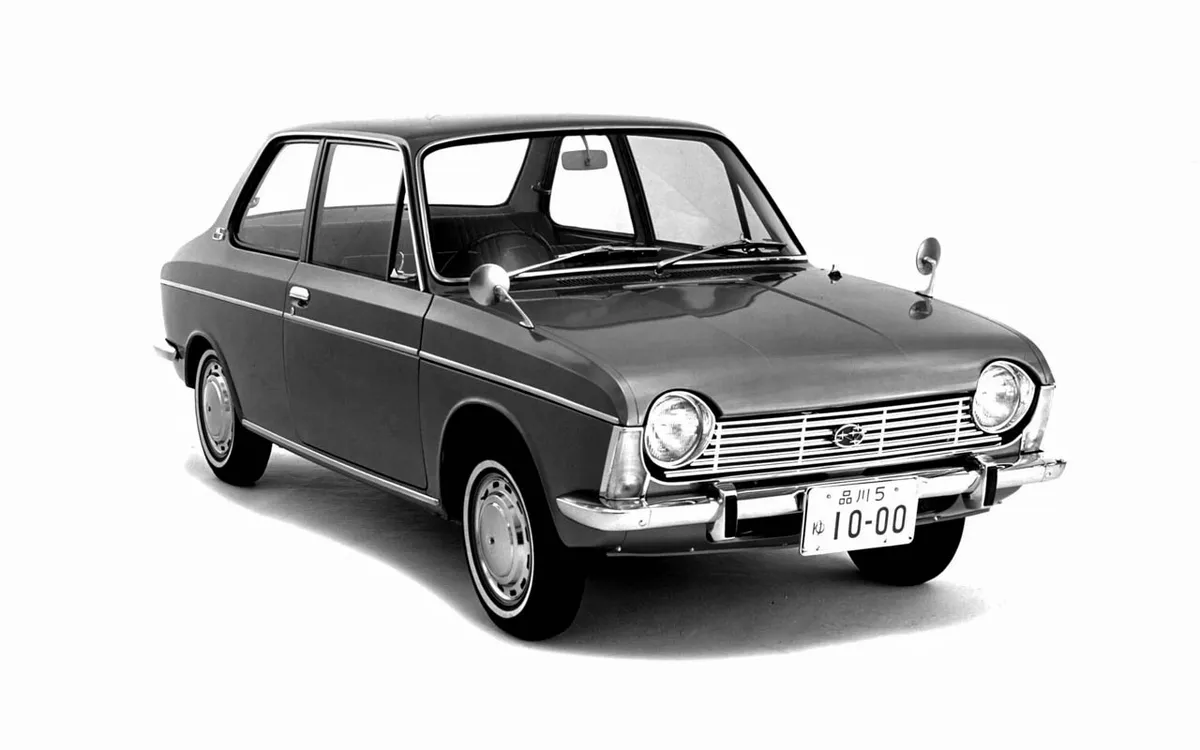
For Subaru, it all began 60 years ago when the company took a different path from much of the automotive industry, introducing a horizontally opposed, flat-four 1.0-liter engine, producing 55 hp in the front-wheel-drive Subaru 1000, also known as the FF-1. That decision would shape Subaru’s vehicles for generations, eventually giving rise to some of the world’s most recognizable performance cars.
Six decades later, the boxer engine remains a defining part of Subaru’s identity.
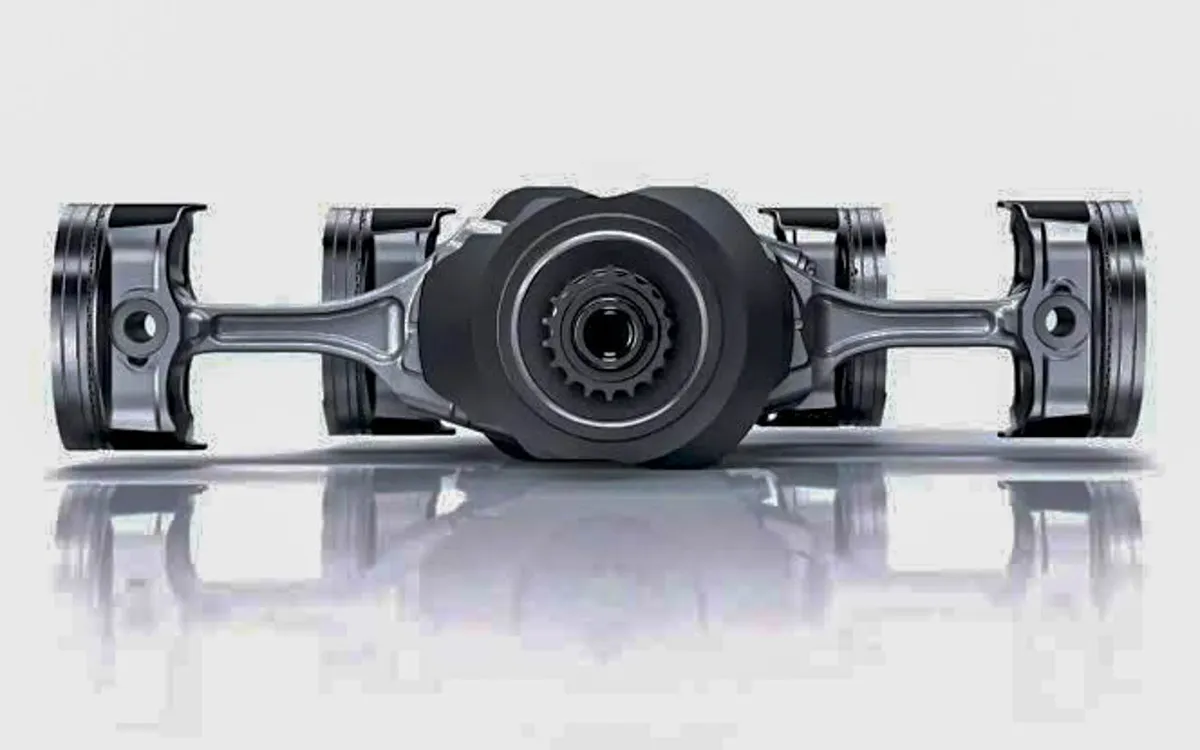
Boxer engine design
The boxer gets its name from its horizontally opposed pistons, which move toward and away from each other like a boxer throwing punches. Set at 180 degrees, this configuration is naturally balanced as the opposing forces of the pistons cancel out the vibration and deliver smooth operation.
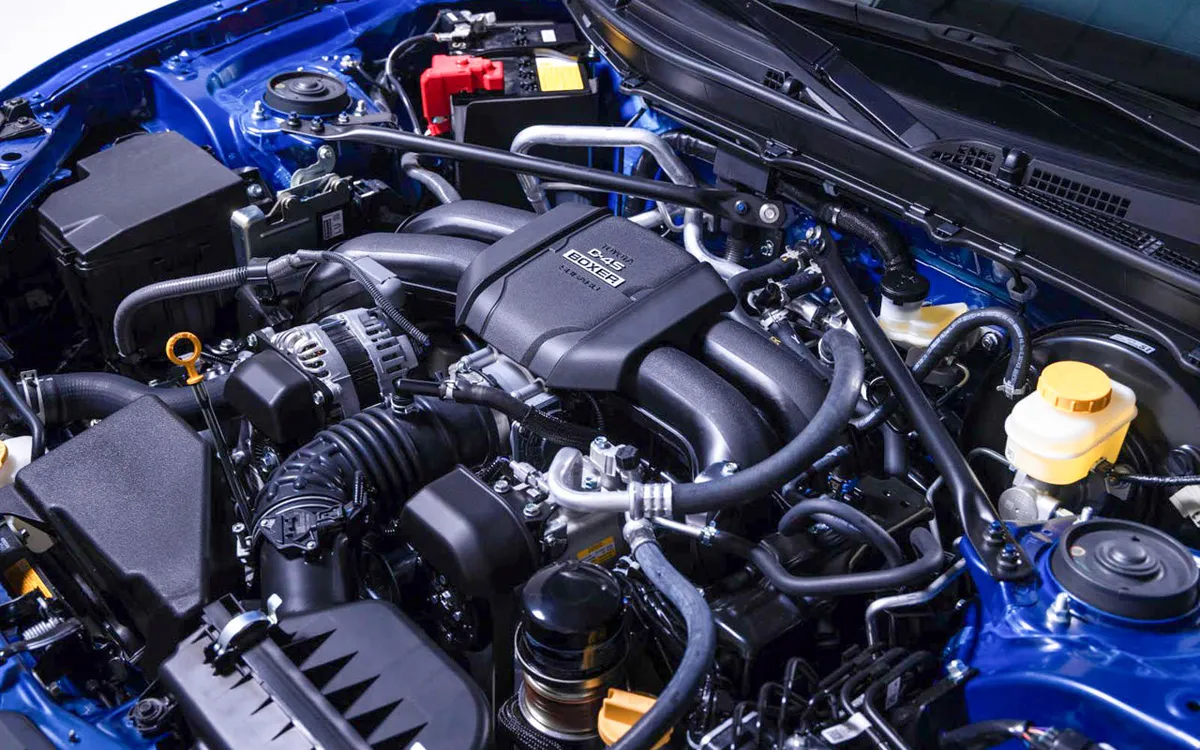
Its flat profile also allows the powerplant to sit lower in the chassis, lowering the center of gravity and contributing to stability, handling, and maneuverability. The low-mounted design also helps create a balanced drivetrain while providing additional space for crash-energy management.
It was an unconventional choice from the start, but Subaru recognized its performance and safety advantages and stayed the course. Today, the flat-four boxer cylinder engine configuration remains one of the brand’s defining engineering signatures.
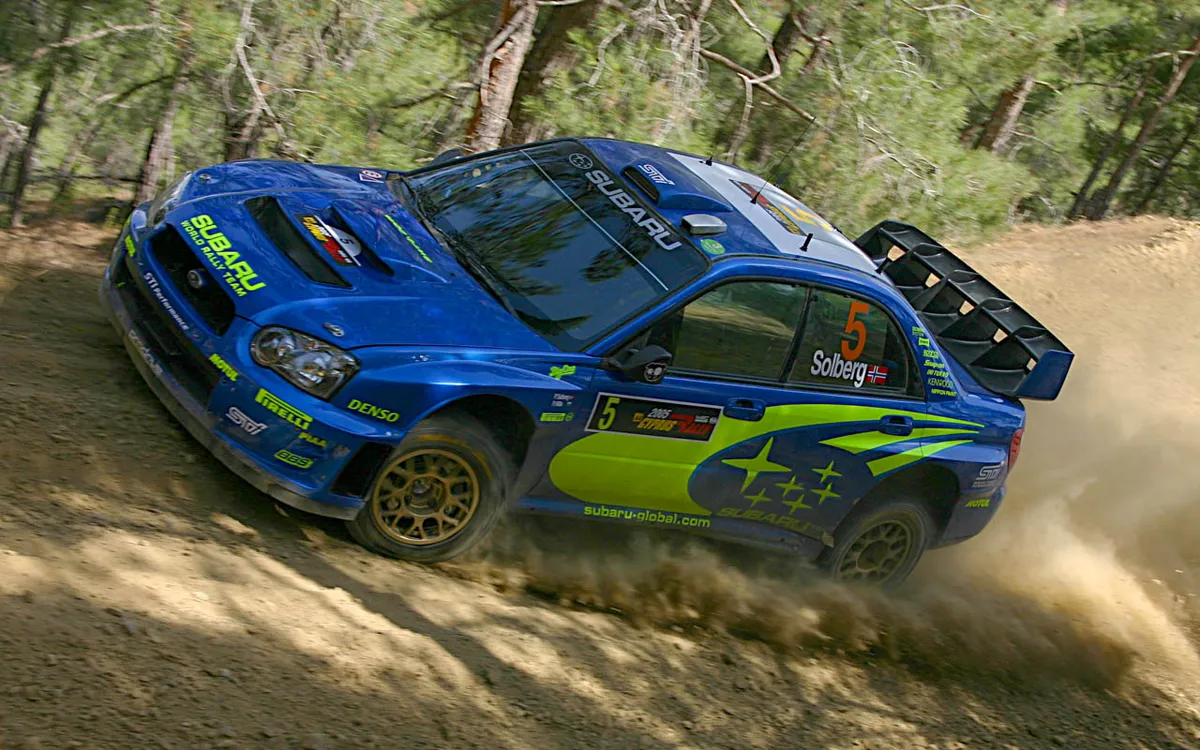
From everyday transportation to rally legend
What began as a modest compact car powerplant eventually became a performance icon. Over the years, Subaru introduced larger displacements, fuel injection, and turbocharging while retaining the same fundamental architecture.
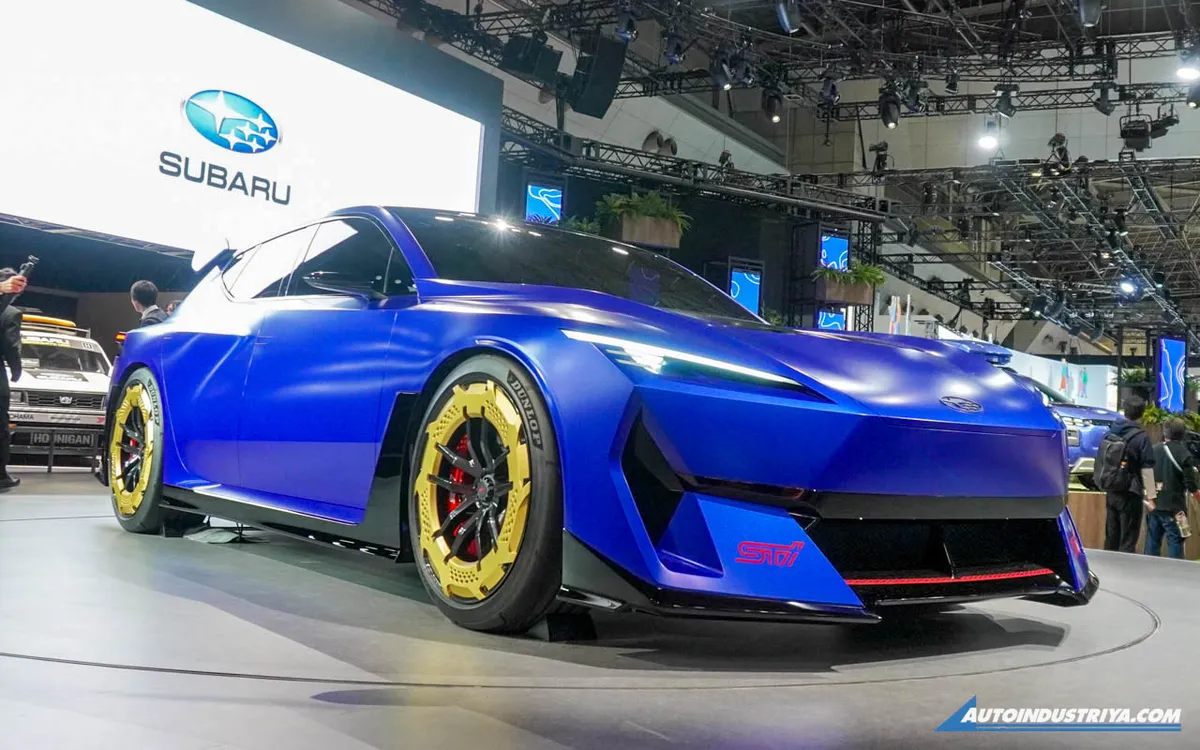
Rallying transformed Subaru’s image. The Impreza WRX and WRX STI combined turbocharged power with all-wheel drive, turning Subaru into a formidable force in the World Rally Championship. The flat-four boxer was no longer simply an engineering solution; it had become part of the marque’s character.
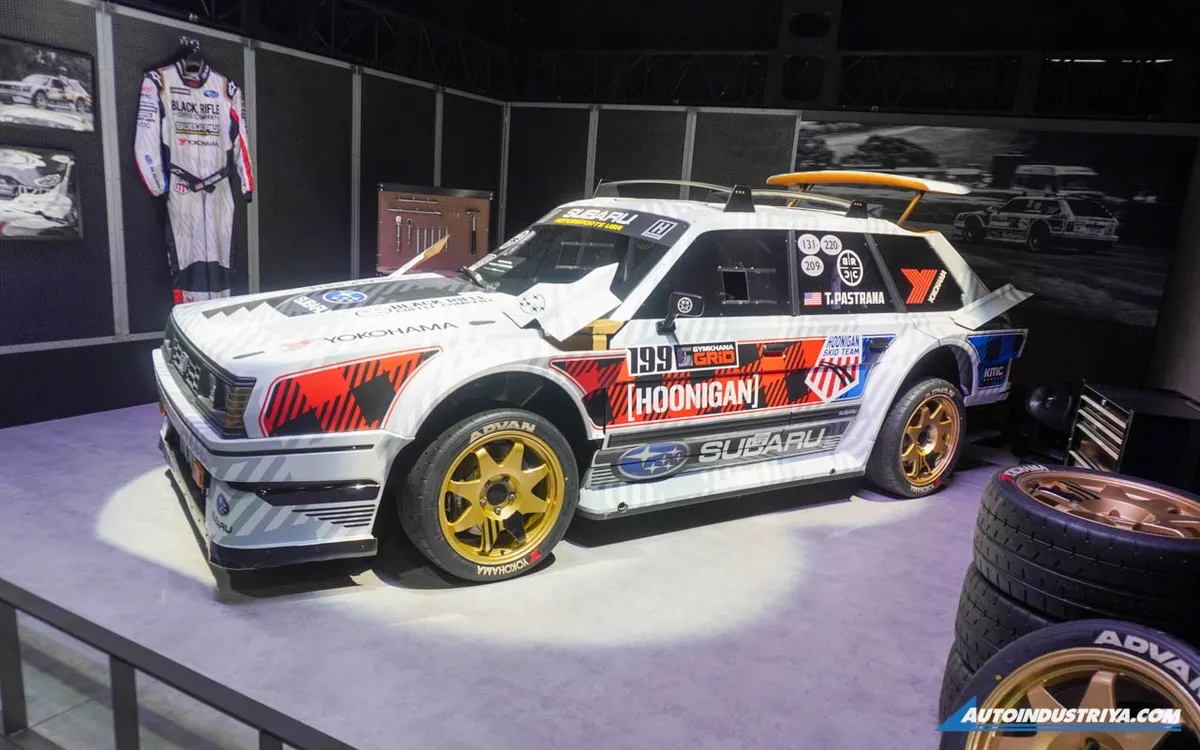
Its distinct rumble, turbocharged punch and all-wheel-drive traction became instantly recognizable to enthusiasts. Lessons learned in competition also influenced the development of Subaru’s road cars, crossovers and SUVs.
The formula took a different form in the BRZ, pairing a low-mounted naturally aspirated flat-four with rear-wheel drive. Today, the second-generation BRZ stays true to its back-to-basics roots: three pedals, a sharp chassis, rear-wheel drive, and a 228 PS 2.4-liter boxer engine. It may lack turbocharged muscle, but its rev-happy character delivers what matters most: driving exhilaration.
Six decades of evolution
Today’s Subaru powerplants are worlds apart from the 1.0-liter unit that powered the 1966 Subaru 1000, offering greater power, efficiency, refinement, and lower emissions. Yet the fundamental horizontally opposed architecture remains unchanged.
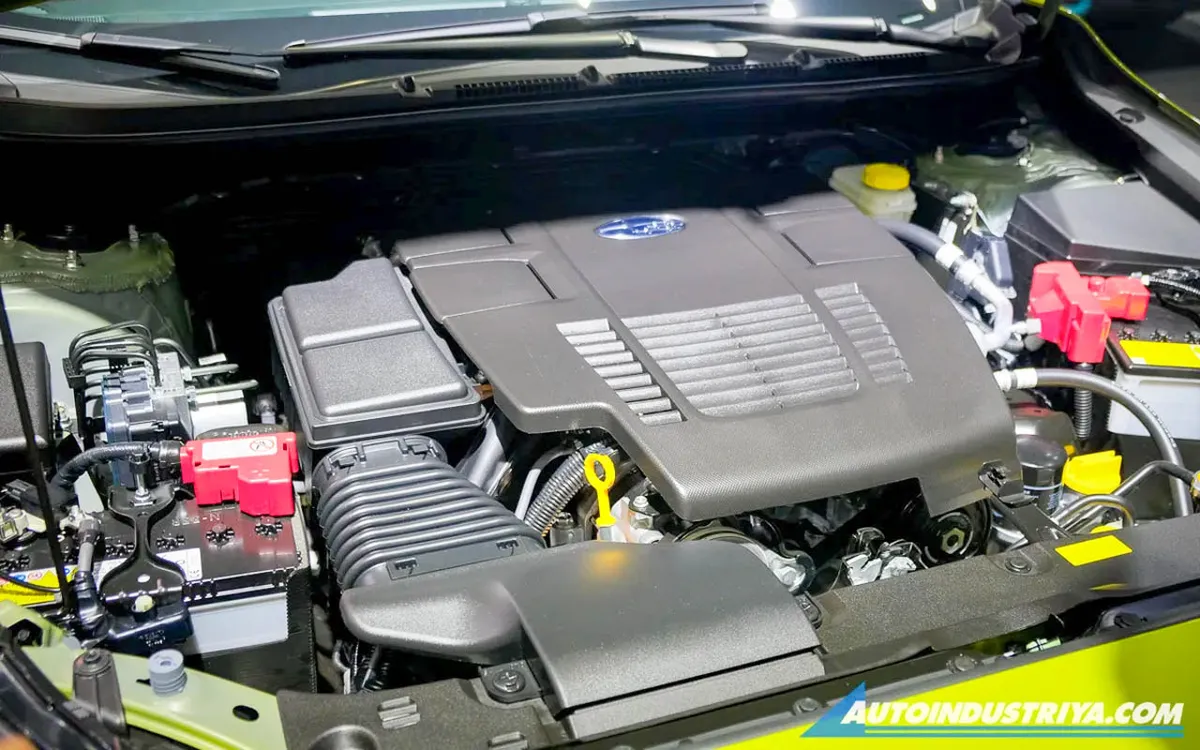
As the industry shifts toward electrification, Subaru is evolving the formula with its latest hybrid system in the Crosstrek and Forester. It combines a newly developed 2.5-liter Boxer with two electric motors and a high-capacity lithium-ion battery.
Built around Subaru’s Symmetrical All-Wheel Drive, the system blends electric and gasoline propulsion to balance performance and efficiency. Regenerative braking helps recharge the battery, while improved fuel economy enables an estimated driving range of more than 1,000 kilometers on a full tank.
A legacy that continues
Over 60 years, the boxer has evolved from the heart of a small family car into the foundation of rally legends, sports cars, SUVs and performance icons.
Its future may increasingly involve electrification, but its importance to Subaru remains. It represents the brand’s low center of gravity, rally heritage, all-wheel drive character and, perhaps most memorably, its unmistakable sound.
After 60 years, the boxer is more than a specification. It is part of what makes a Subaru a Subaru.
Related Posts
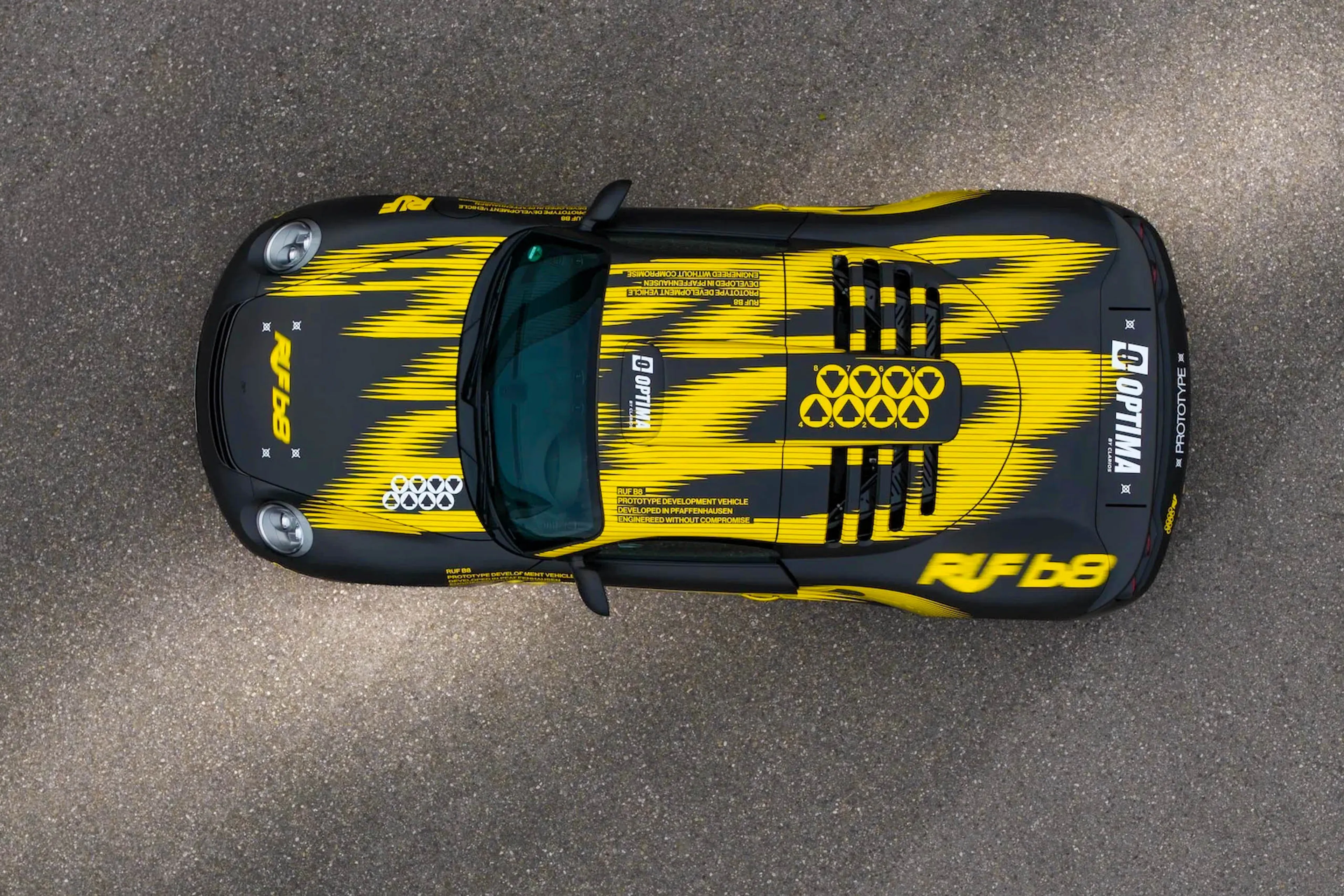
RUF unveils twin-turbo boxer-eight prototype engine at Goodwood with over 1000 HP
Renowned for engineering ultra-high-performance Porsche-based machines, German performance car specialist RUF Automobile has unveiled its first-ever boxer-eight engine at the 2026 Goodwood Festival of Speed,
 Francis Pallarco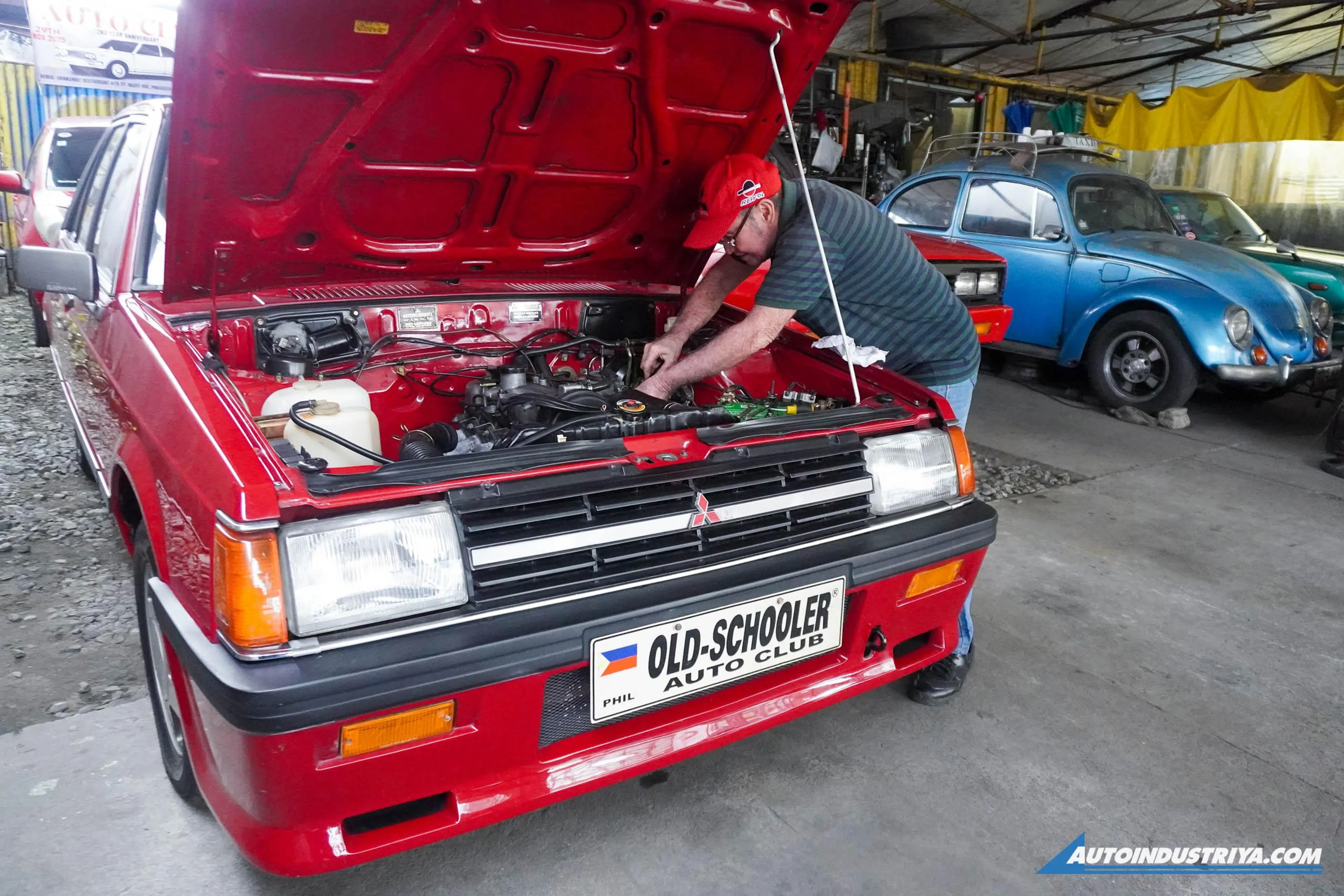
A Lost Art: How modern tech eliminated the skill of engine tune-ups
Here's a look back at how engine tune-ups were done back in the day to restore lost engine power.
Francis Pallarco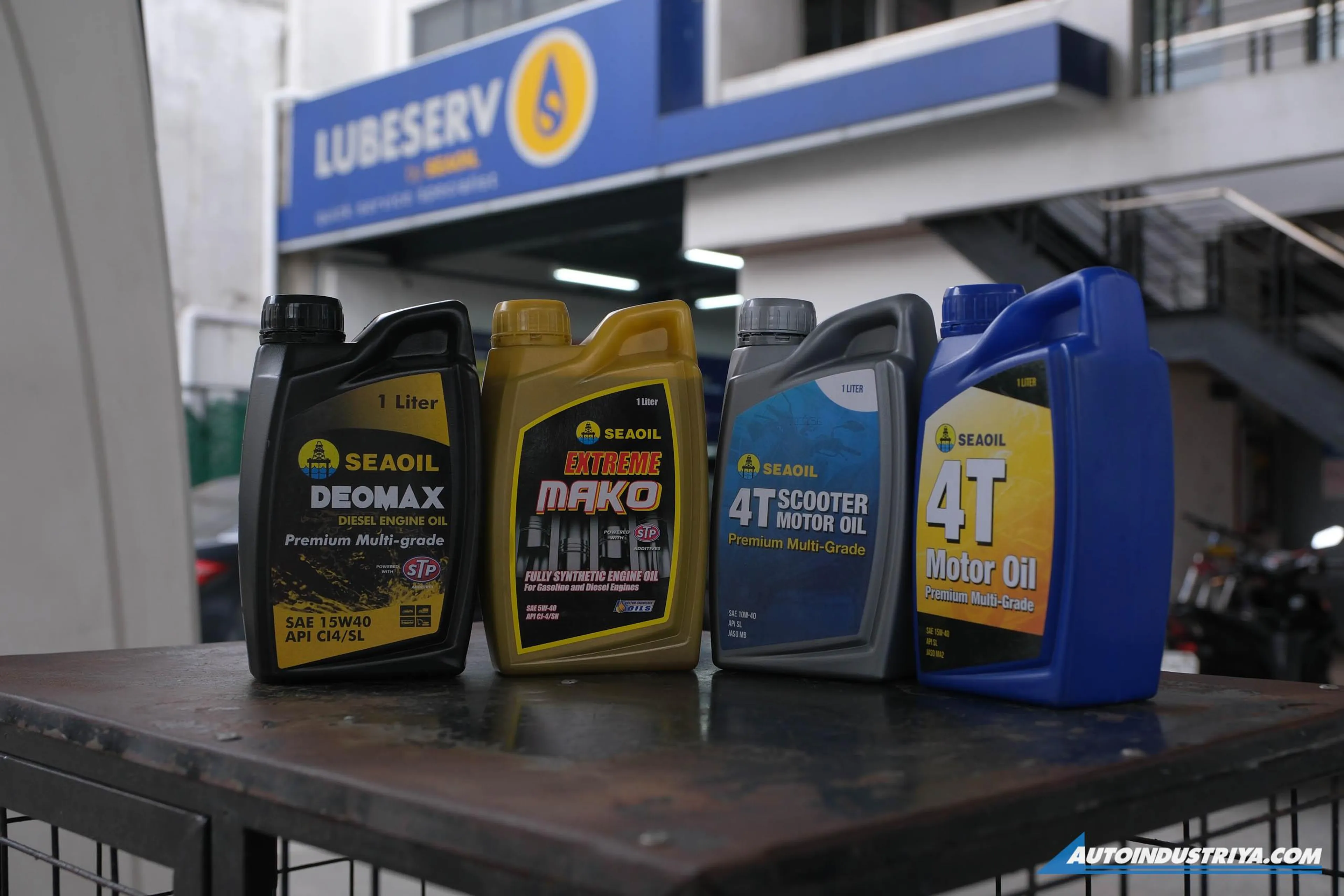
SEAOIL Lubricants: Double Engine Protection, Tibay Sa Mahabang Panahon
Get total engine protection for your car or motorcycle by using SEAOIL Lubricants with STP additives
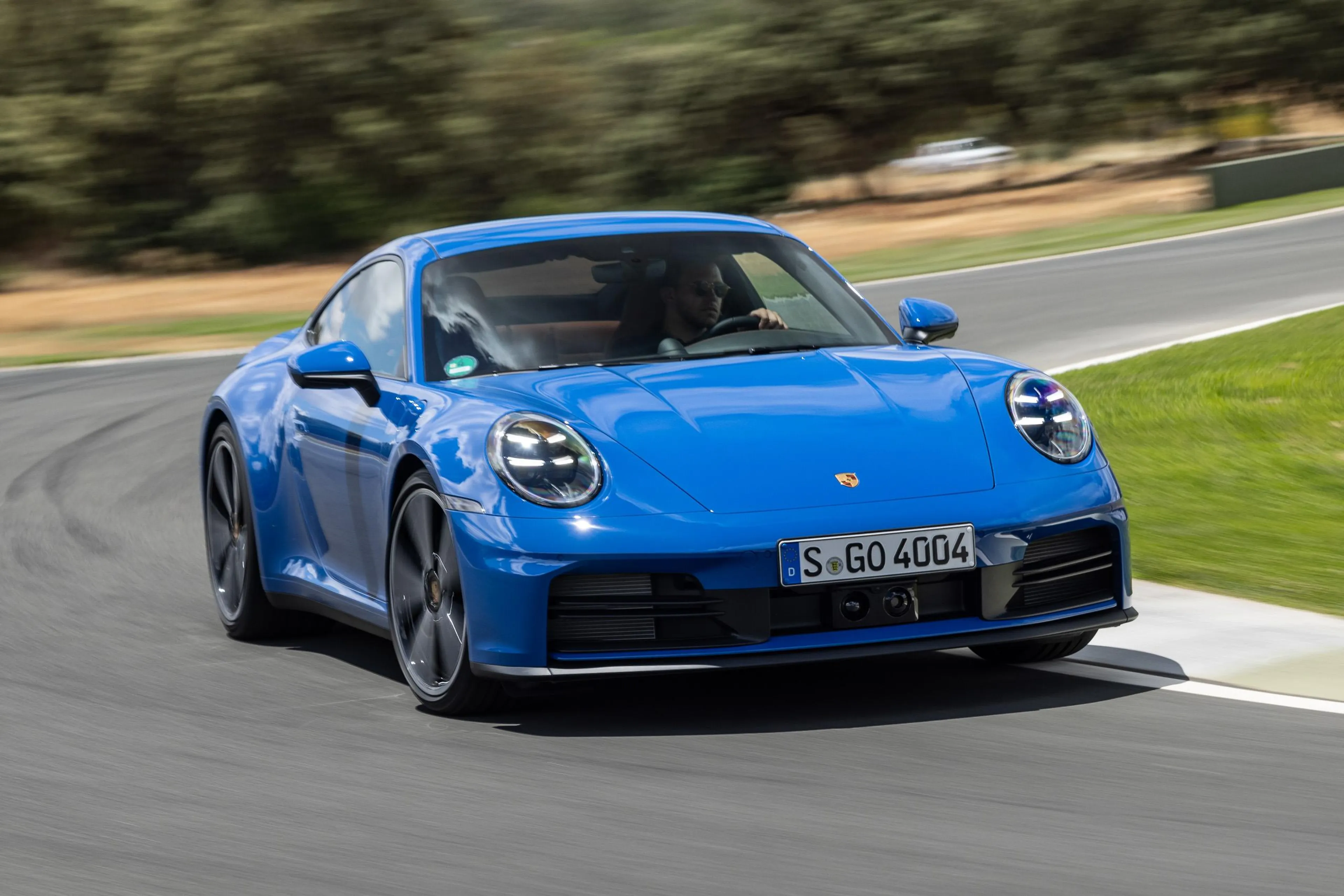
Porsche will have new designer for next-gen 911
Tobias Sühlmann succeeds Michael Mauer as new Porsche Head of Design
 Jamil Lacuna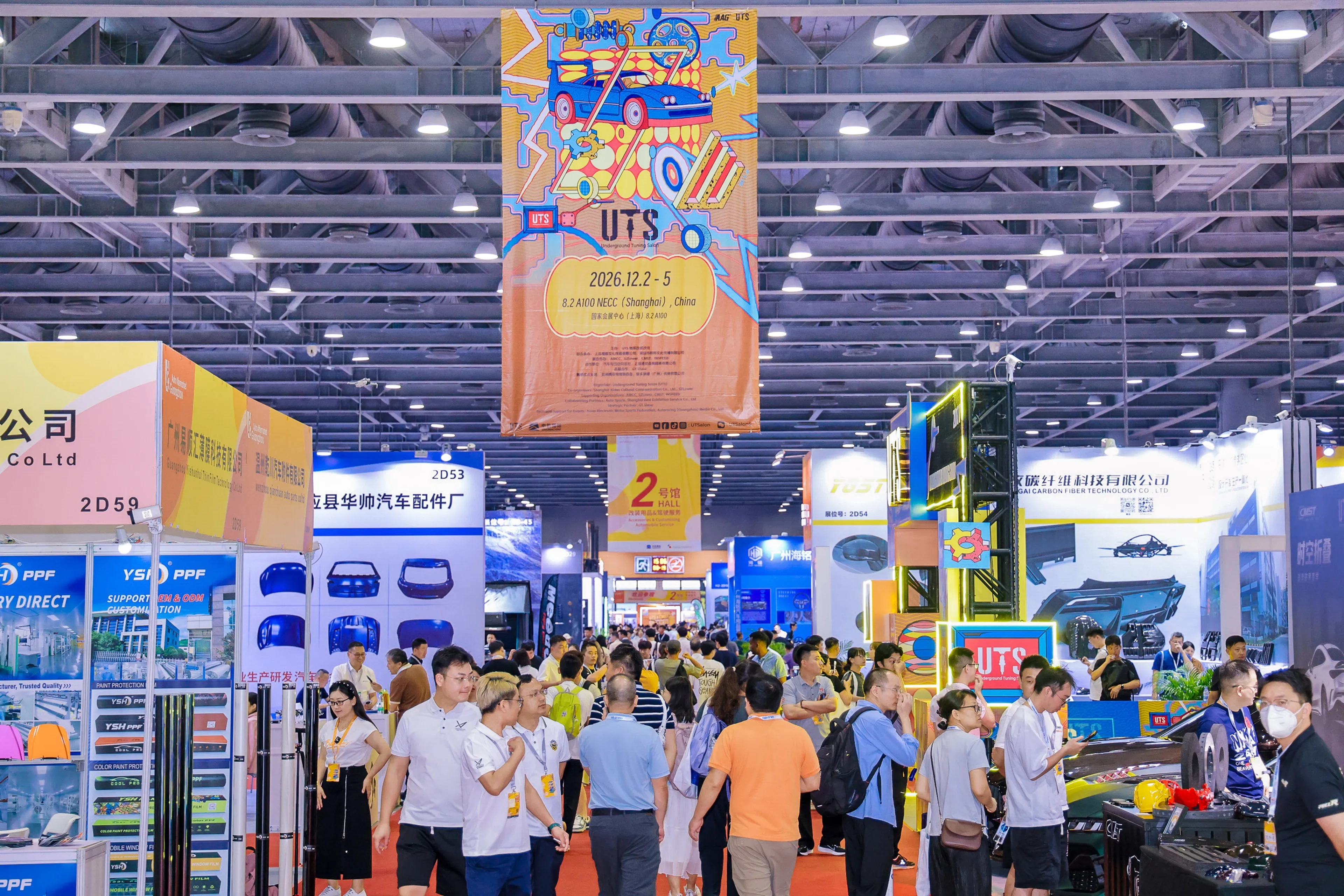
Auto Aftermarket Guangzhou 2026 gathers over 54,000 visitors from 93 countries
The 11th edition of Auto Aftermarket Guangzhou concluded its largest exhibition to date, drawing 1,818 exhibitors and 54,219 global visitors to showcase the latest automotive parts, custom styling, and remanufacturing technologies.
 AutoIndustriya.com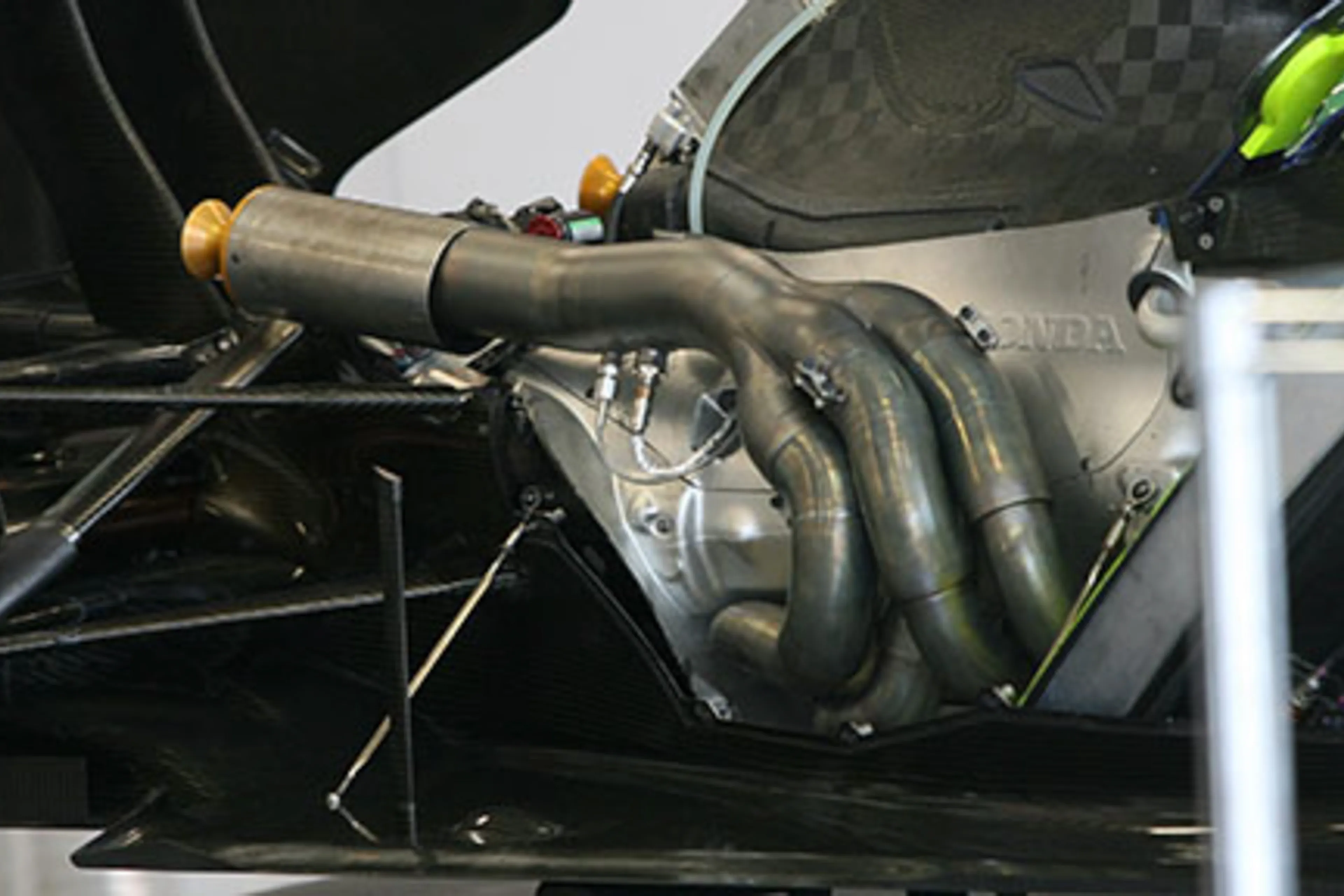
FIA president confirms return of V8 F1 engines in 2031
FIA president Mohammed Ben Sulayem claims V8 engines will return for next rules cycle in 2031
Jamil Lacuna