
For comfort and support: Wacoal wants to enhance car interiors
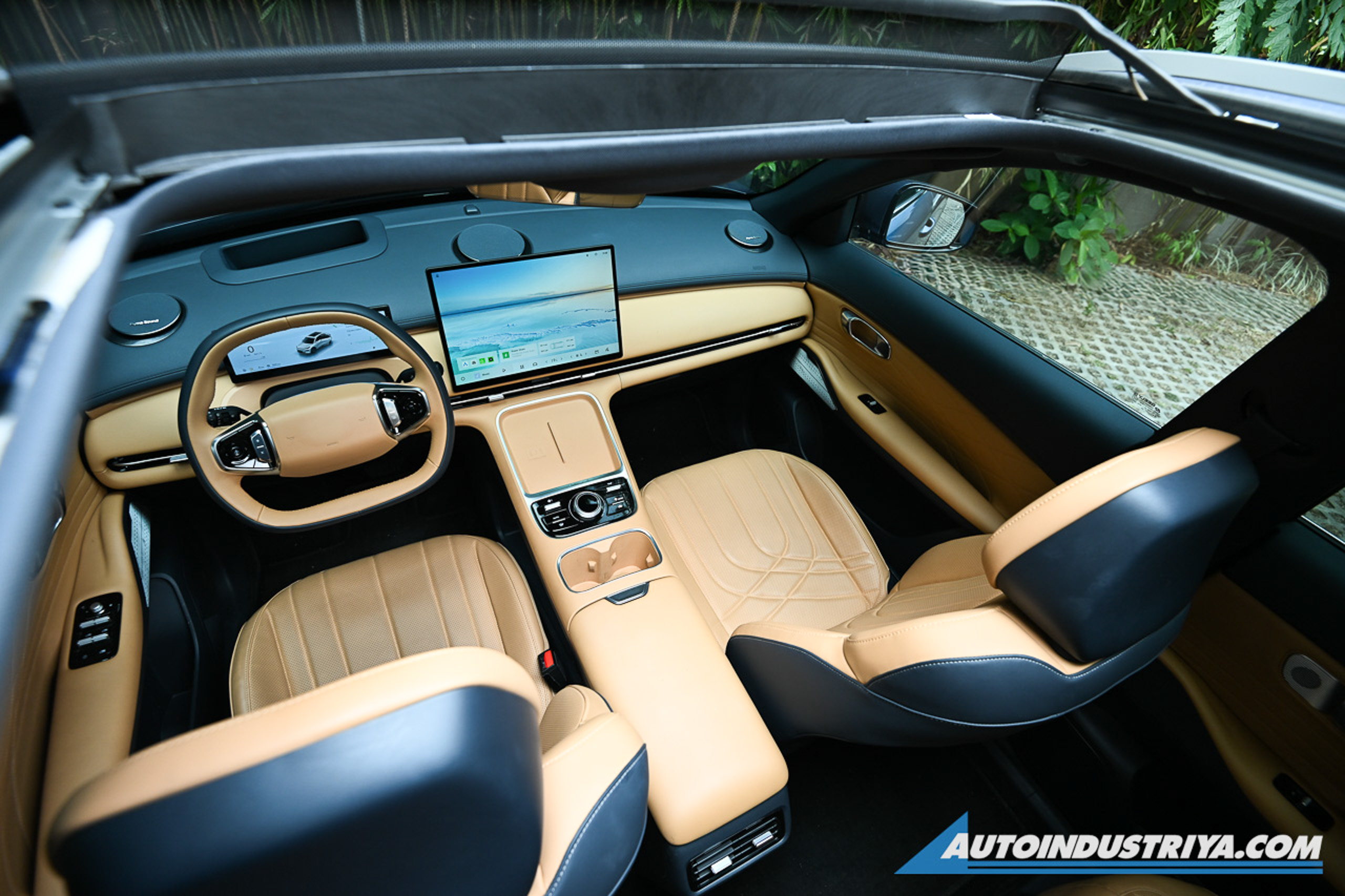
For comfort and support: Wacoal wants to enhance car interiors
Wacoal and BASF to use Melooop technology into automotive interior applications

Before you raise an eyebrow, hear us out - the technology behind your next car’s interior could have more in common with a sports bra than you think.
After collaborating on innovating women’s active wear, Japanese lingerie specialist Wacoal and chemical company BASF have now found a new use for the same technology: automotive interiors. Specifically, the two companies have developed a concept armrest that uses manufacturing techniques originally created for bra cups.
Yes, you read that correctly. The same engineering principles used to make a comfortable sports bra is now being developed to make your car's armrest more comfortable as well.
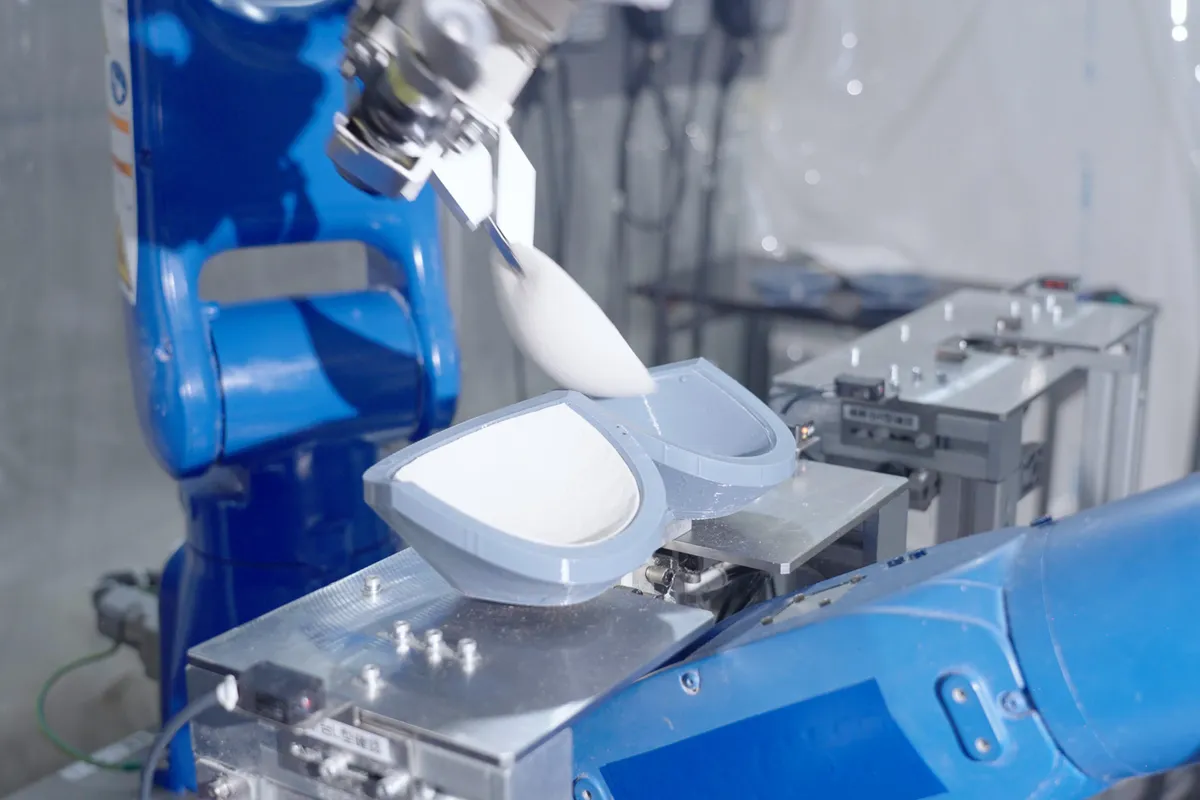
The project builds upon Wacoal's "Melooop" technology - a manufacturing process originally developed for women’s inner wear. Instead of relying on multiple layers of material glued together, Melooop creates complex three-dimensional shapes in a single production step by forming and layering fibers at the same time. Think of it as 3D-printing with fibers, resulting in lightweight yet supportive structures.
For the automotive industry, that unlocks several advantages. By reducing the number of parts and manufacturing steps, the process can lower material use and production waste. The technology also allows engineers to fine-tune the thickness, softness, and strength of a component early in development, helping achieve the right balance of comfort, durability, and weight.
To make the process work, Wacoal relies on BASF's Elastollan TPU, a flexible material that can be molded into intricate three-dimensional fiber structures while maintaining strength and elasticity. In simple terms, it helps create components that are soft where occupants touch them but durable enough to withstand years of daily use.
That combination makes it particularly suitable for surfaces such as armrests, where comfort and durability are equally important. The material can repeatedly compress and return to its original shape, helping the armrest maintain its appearance and feel over time.
Automotive innovation is such a fascinating thing. While the ones we know come from racetracks and engineering laboratories, some of it can actually come from the lingerie department. But it does make sense after all.
Whether it's a sports bra or a center armrest, the goal is surprisingly similar: provide support, stay comfortable, and hold its shape for years to come.
Related Posts
Honda wants to use more Chinese parts to save up to USD 9.4-B in costs
Will Honda's quality be affected in a bid to greatly reduce costs against Chinese brands?
 Marcus De Guzman
XPeng's humanoid robot IRON walks off production line
XPeng is banking on its AI technologies and new humanoid robot IRON to make mass production feasible
 AutoIndustriya.com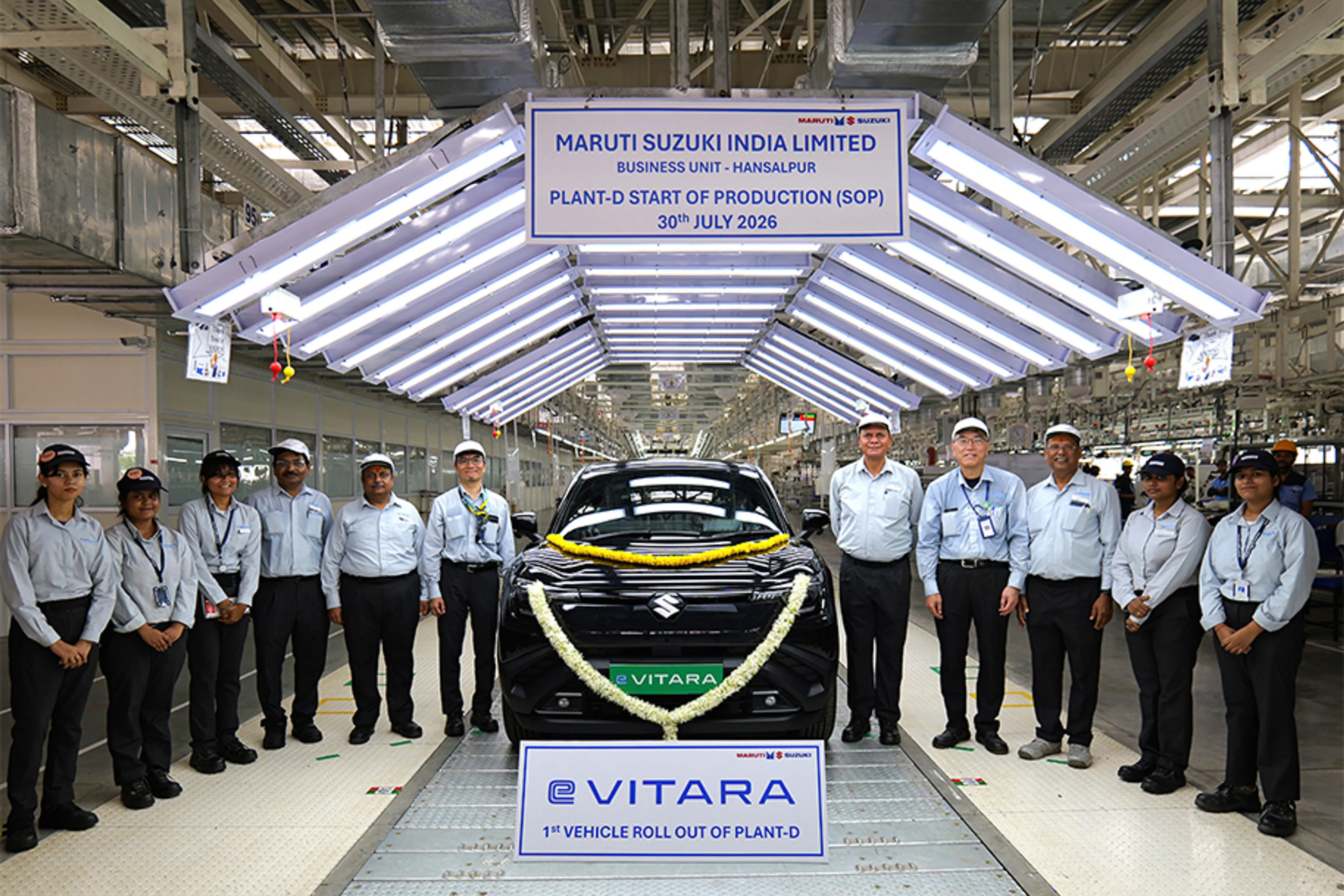
Suzuki India opens new production plant; may overtake Honda as second largest Japanese automaker
Suzuki’s 4 million unit target is starting to look very real
 Brando Rosales
Ford, Geely team up to build vehicles in Europe
Ford and Geely to form a manufacturing joint venture, utilizing the Blue Oval’s plant in Valencia, Spain
 Jamil Lacuna
Nissan, Chery studying to manufacture Chery cars at Sunderland UK plant
Nissan's Sunderland plant may also soon build Chery cars in fiscal year 2027
Marcus De Guzman
China to require new cars to have more physical controls; less touchscreen reliance
Newly-manufactured vehicles in China will soon be required to have more physical controls and reduced reliance on touchscreen functions
Marcus De Guzman