
Flood Control: This floating floor from Pikes Peak legend could save your car from a flood
Flood Control: This floating floor from Pikes Peak legend could save your car from a flood
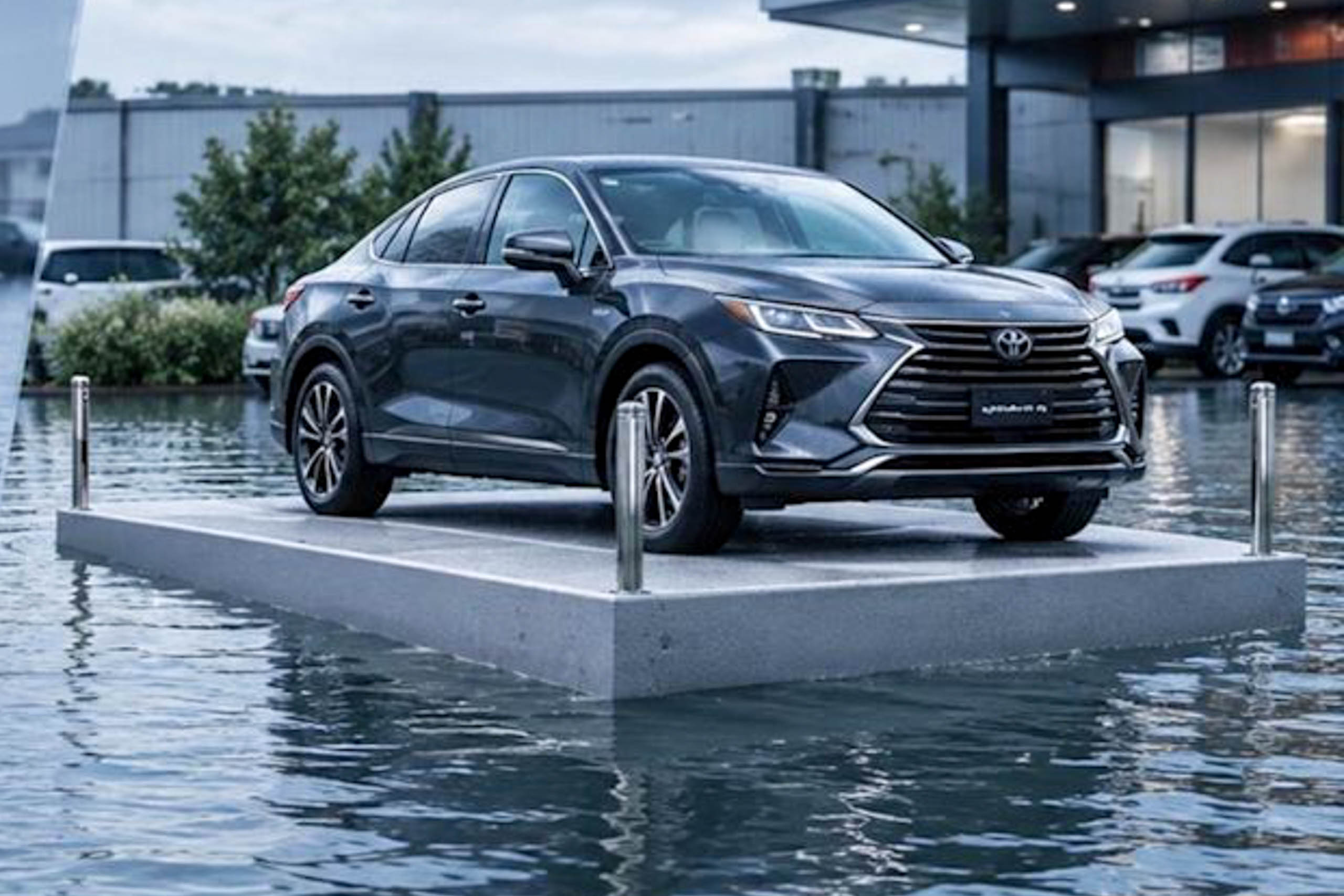
Monster Tajima presents a different approach to flood protection: instead of moving the car, make the parking space float

It’s a hard truth, but living in a flood prone area is a way of life for most of us.
While many Filipinos are still recovering from the widespread flooding caused by torrential rains that inundated homes and subdivisions across the National Capital Region a week ago, some homeowners have been forced to adapt by installing active barriers on their gates and front doors to keep floodwaters at bay.
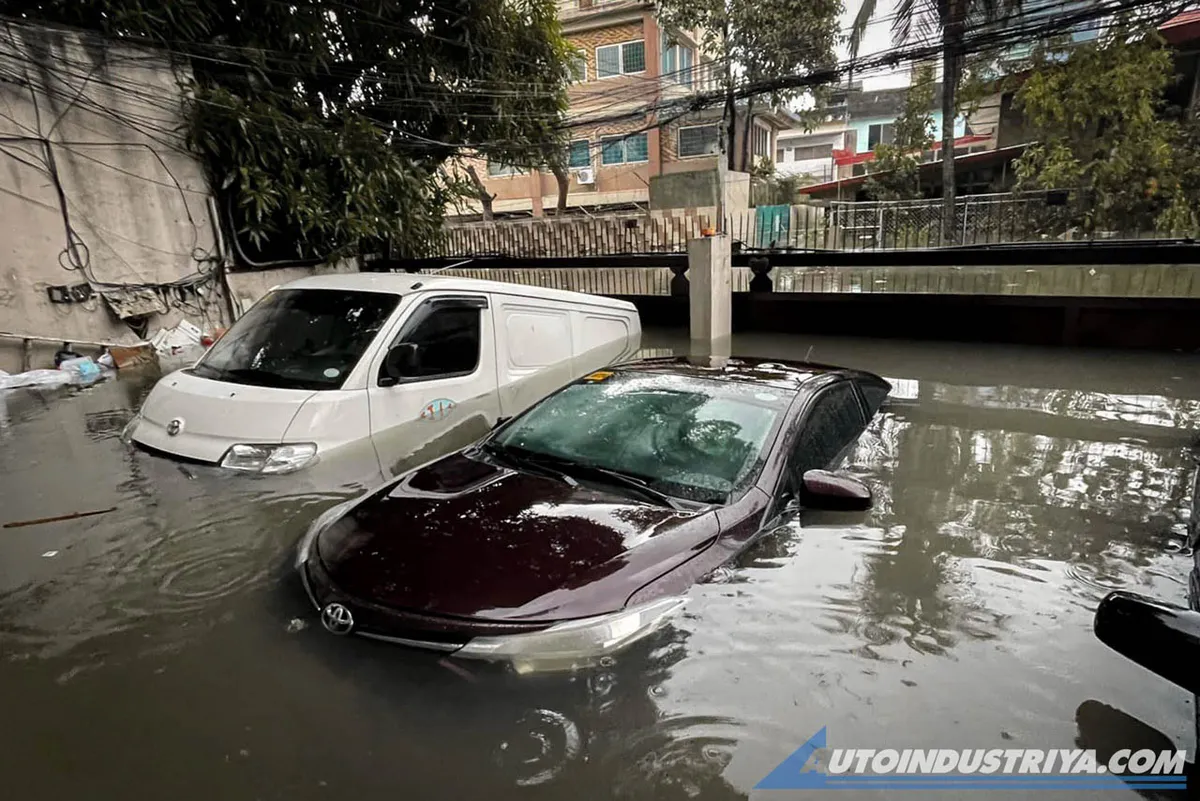
But while these systems may help protect the house, they don't necessarily save their cars sitting inside the garage. Most especially when they have nowhere else to park, or simply don't have enough warning to move them to higher ground in time.
Since we’re practically left on our own to cope with this recurring situation, here’s an unusual solution designed specifically for vehicles, from a name that will be instantly familiar to Gran Turismo fans.
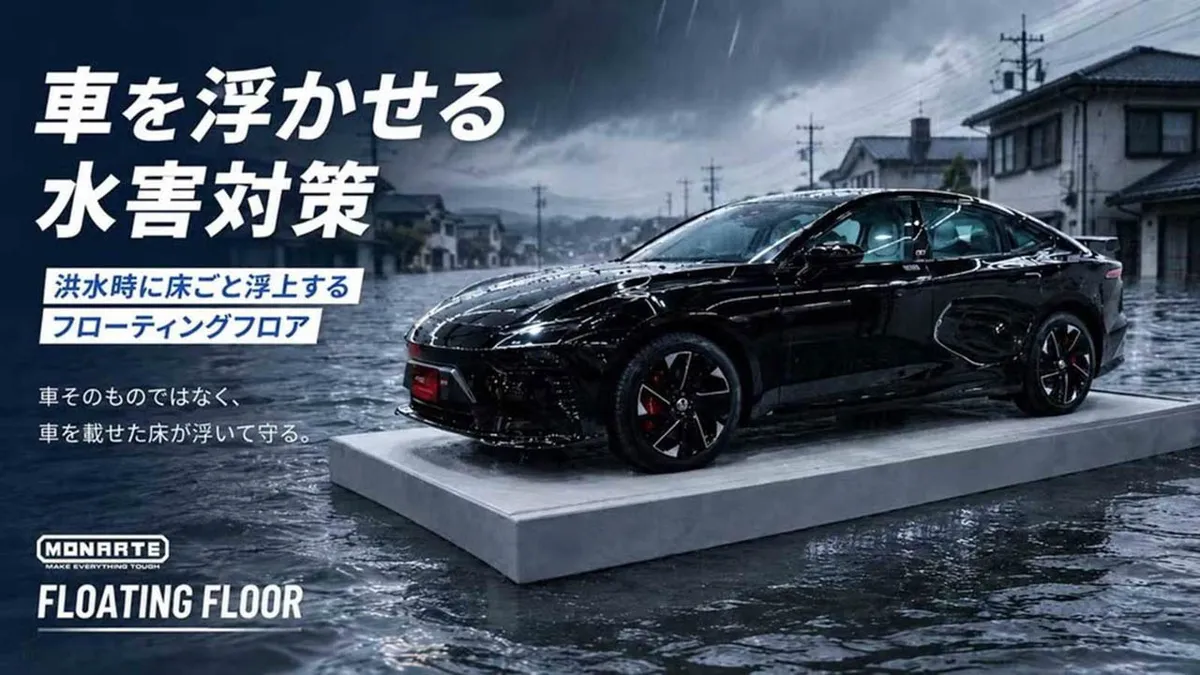
Meet the Monarte Floating Floor, developed by Tajima Motor Corporation, founded by Pikes Peak legend Nobuhiro “Monster” Tajima.
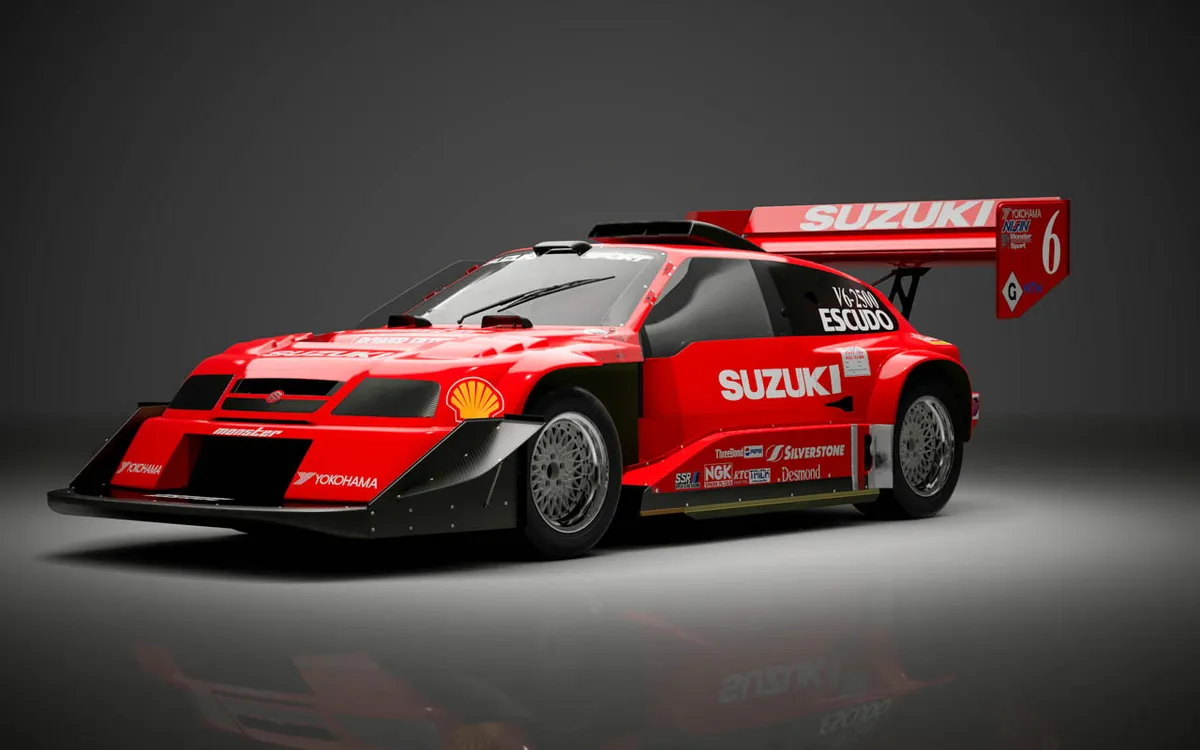
Yes, the same driver behind the infamous 980-hp, twin V6 engine-powered Suzuki Escudo that Gran Turismo players swore by, and the first driver to break the 10-minute barrier at the Pikes Peak International Hill Climb in 2011.
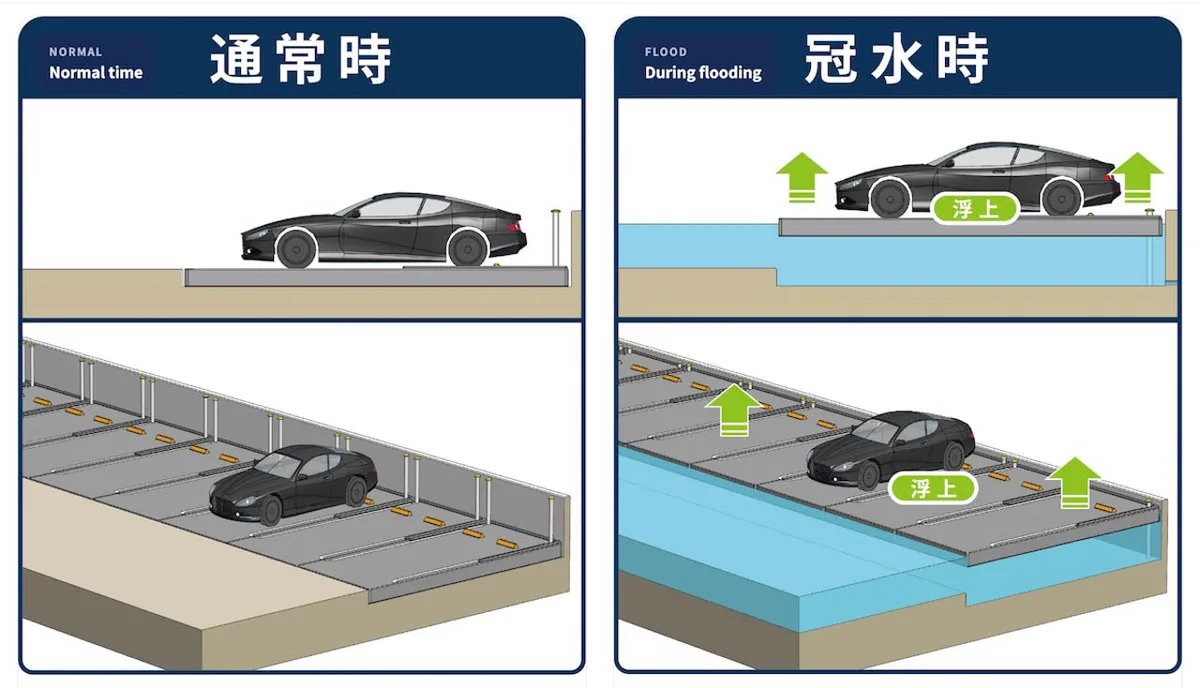
Initially revealed at the Tokyo Auto Salon earlier this year, this is based on a surprisingly simple concept: the Floating Floor is a buoyant parking platform designed to lift an entire vehicle above rising floodwater.
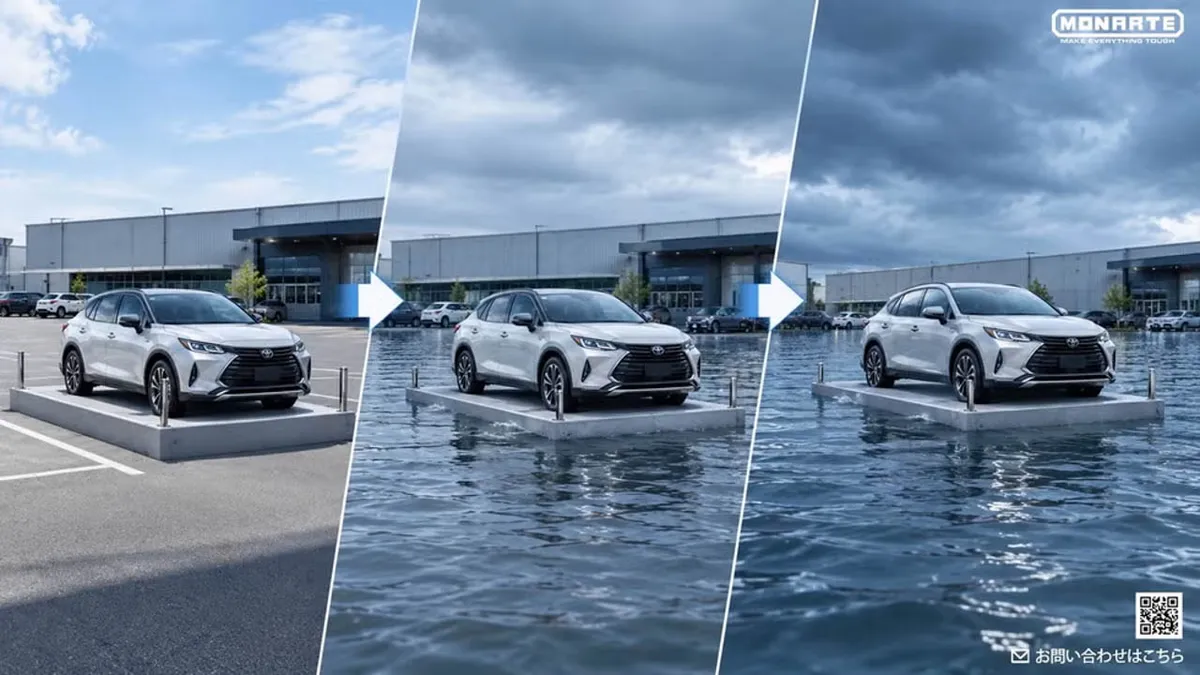
Instead of trying to make the car float, this makes the floor underneath it float. Under normal conditions, the Floating Floor functions like an ordinary parking pad. But when floodwater rises around it, the platform rises with the water, carrying the vehicle with it.
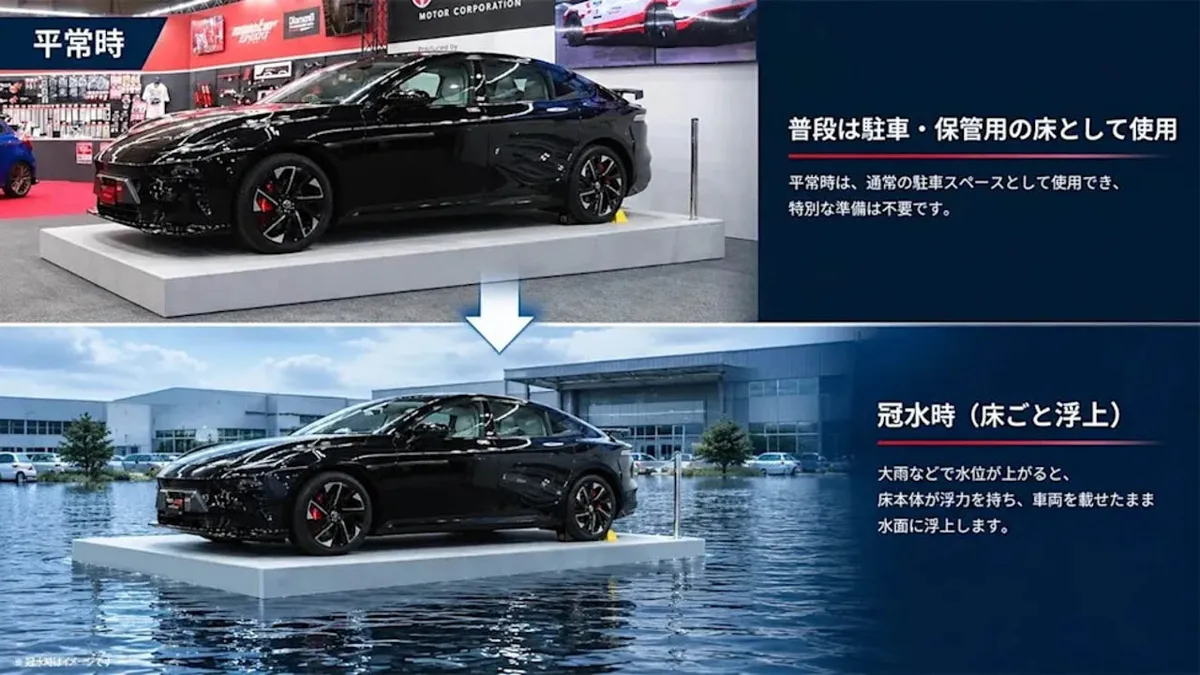
The rising platform uses a lightweight foam core covered in waterproof polyurea resin, giving the structure enough buoyancy to support a vehicle. Steel piles act as guides, keeping the platform aligned and preventing the entire platform from drifting away as water levels rise.
It can reportedly support up to 3,000 kg (6,600 lb.), which is more than enough for most passenger cars, SUVs, and even electric vehicles.
The idea was developed for situations where moving vehicles to higher ground ahead of a flood simply isn’t practical. That makes the concept particularly relevant here in the Philippines, where flash floods can strike with little warning and water levels can rise rapidly, quickly making roads impassable for most vehicles.
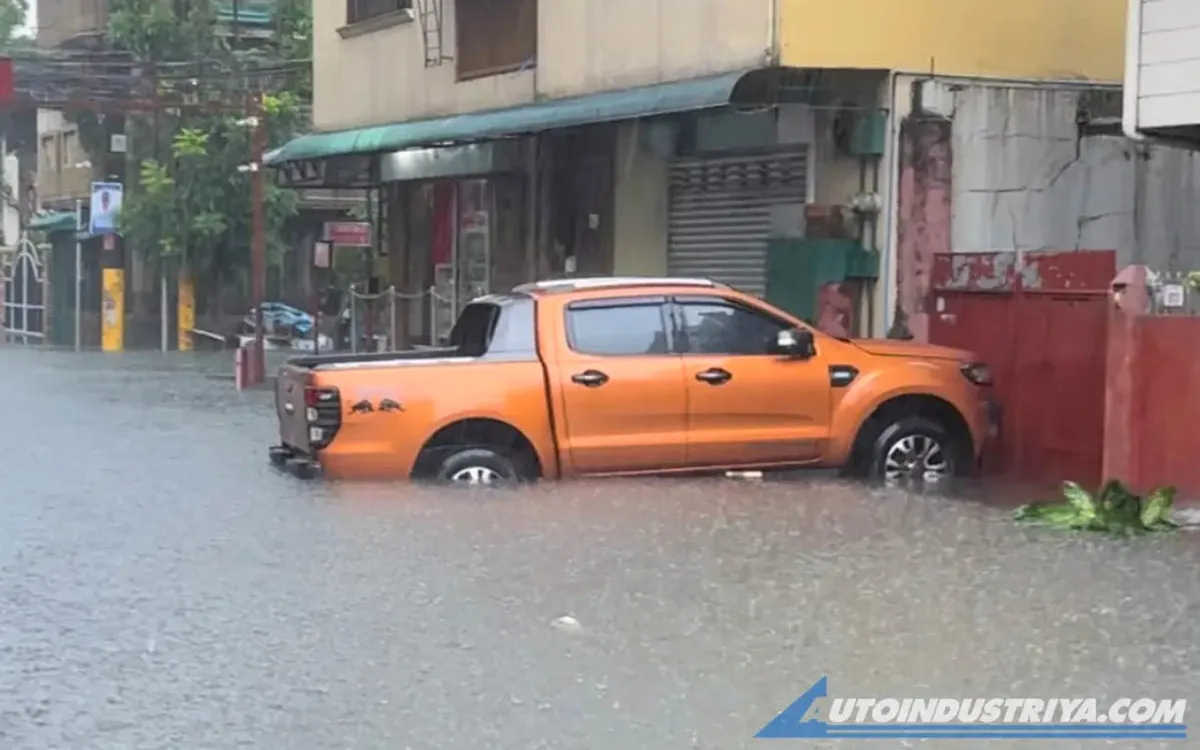
Since our cars are among our most valuable investments, this could be a viable solution to protect countless vehicles from costly flood damage when the next heavy rains arrive.
What do you think of the concept? Could something like this work here in the Philippines? Share your thoughts.
Related Posts
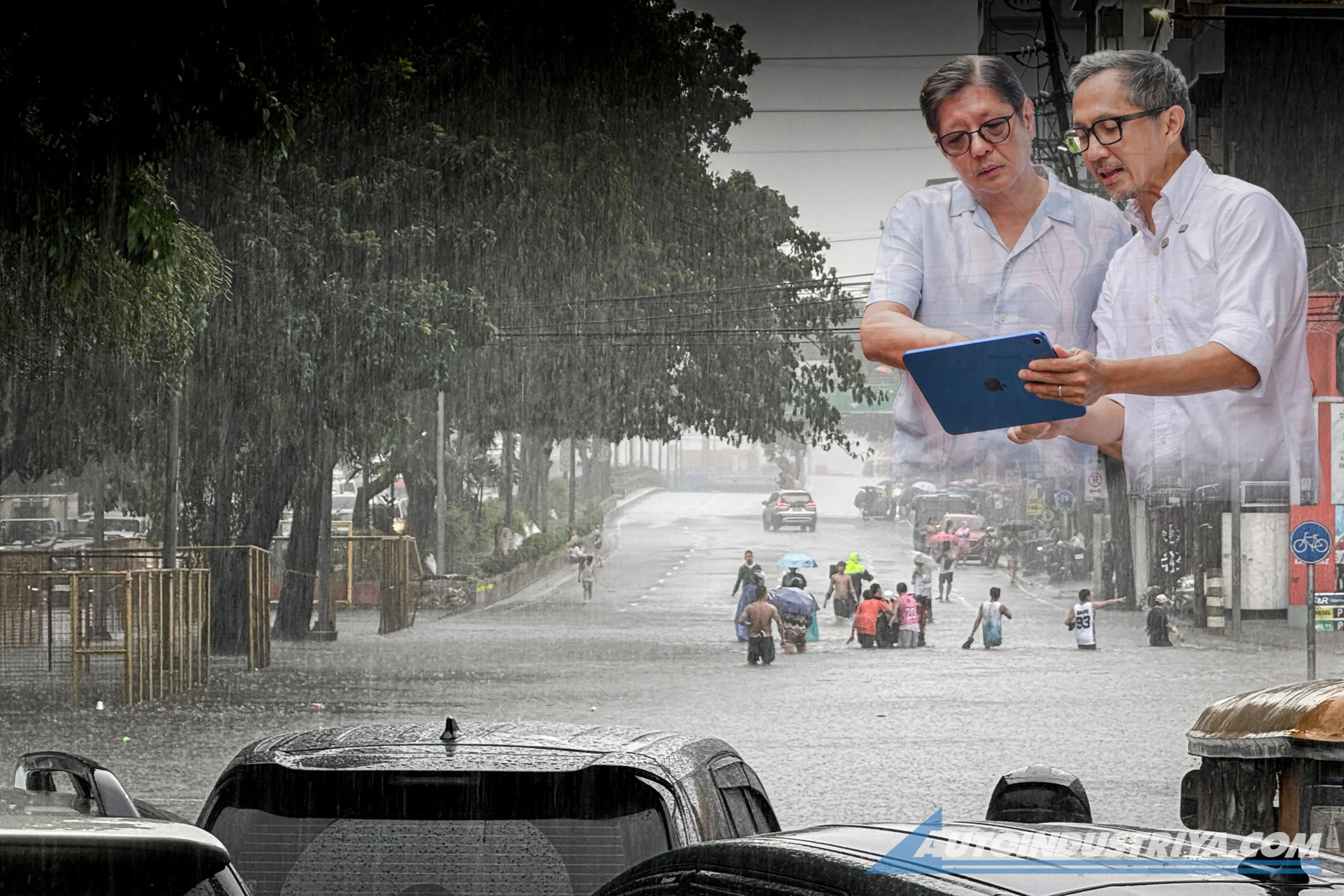
We are Flood Control
Flood control isn’t just about the projects. We are the most basic and probably most critical flood control project. And we are failing at it.
 Vince Pornelos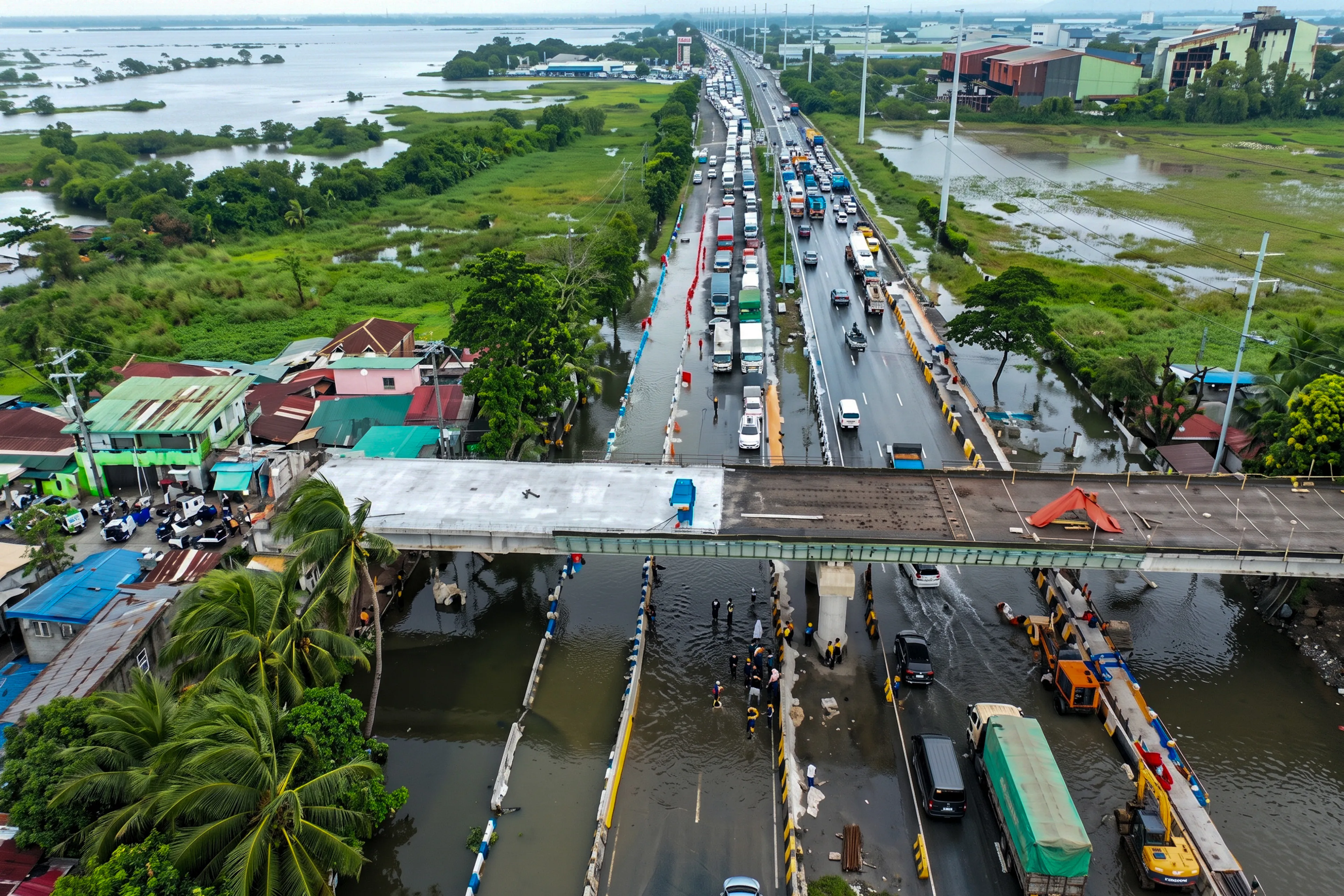
NLEX San Simon flooding: What happened to the 2023 road elevation plan?
NLEX Corp explains what happened and what comes next.
 Brando Rosales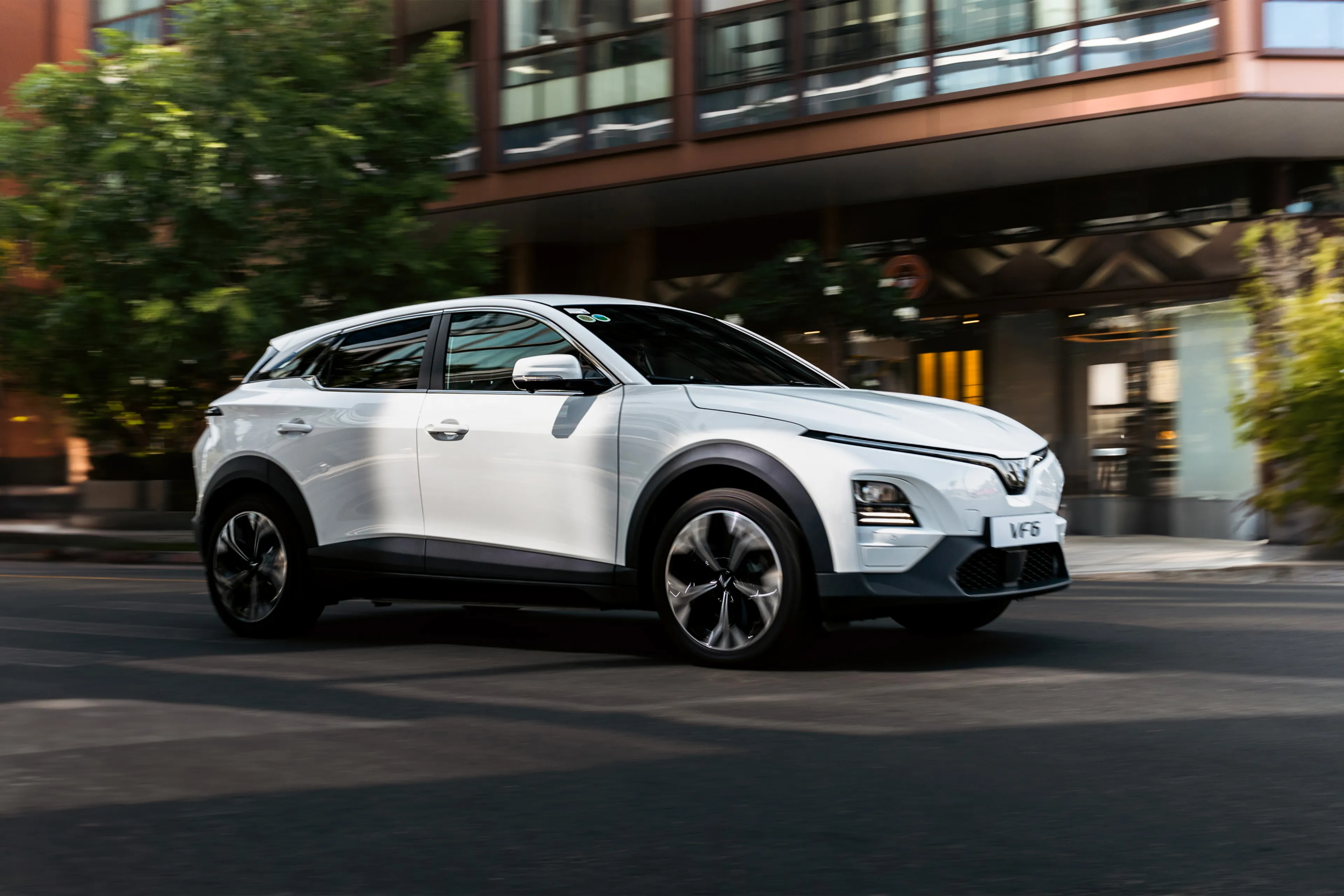
VinFast VF 6 gets extra water protection for flood-prone PH roads
The electric crossover with an IP67-rated powertrain starts at PHP 1.409 million
 AutoIndustriya.com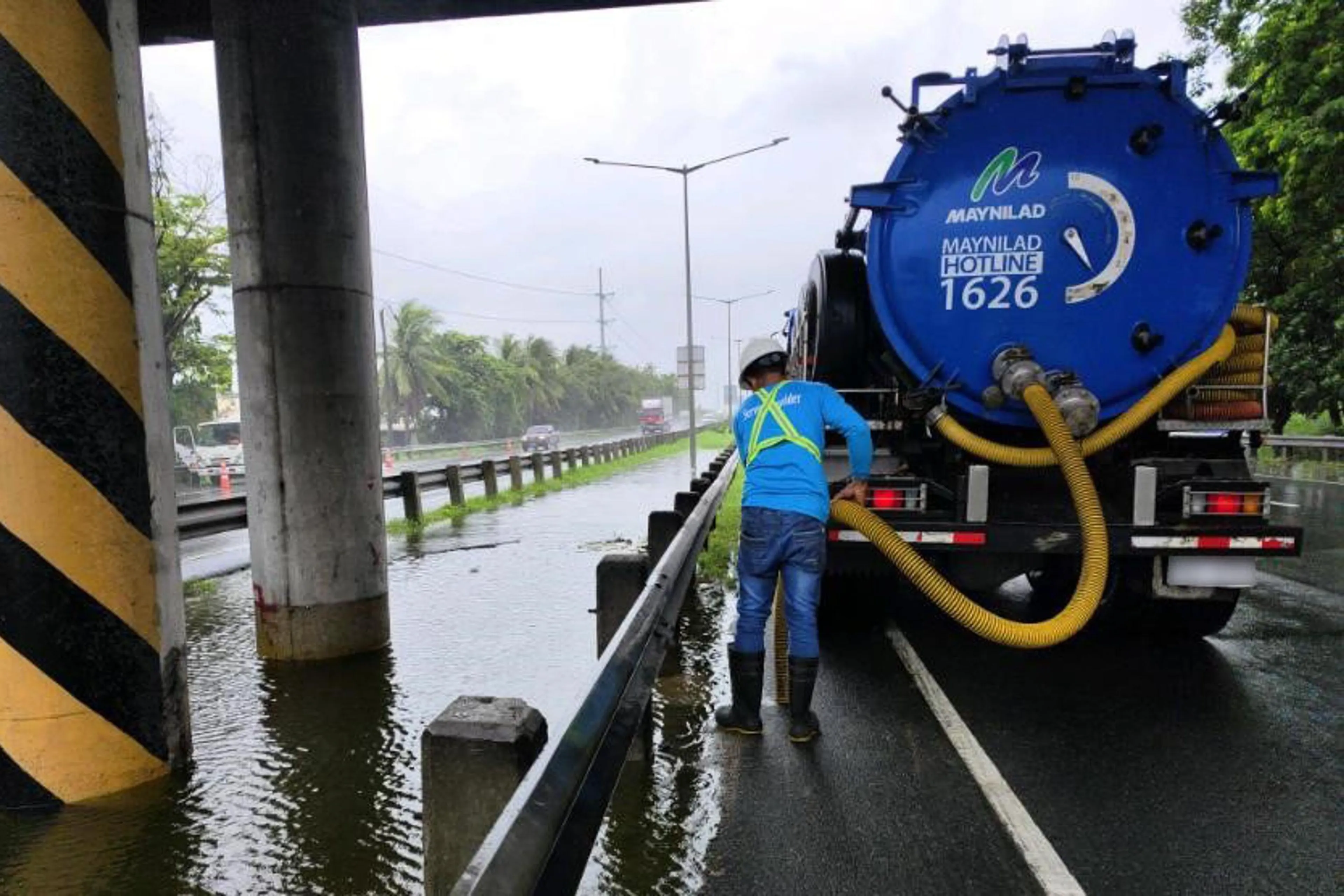
NLEX Corp. ramps up flood control mitigation efforts
Last week's torrential rain and flash floods prompted NLEX to double its efforts in flood control
AutoIndustriya.com
Suzuki Philippines extends help to calamity affected communities, car owners
Suzuki PH deploys marine equipment for flood-stricken areas and offers parts discounts to flooded vehicles
AutoIndustriya.com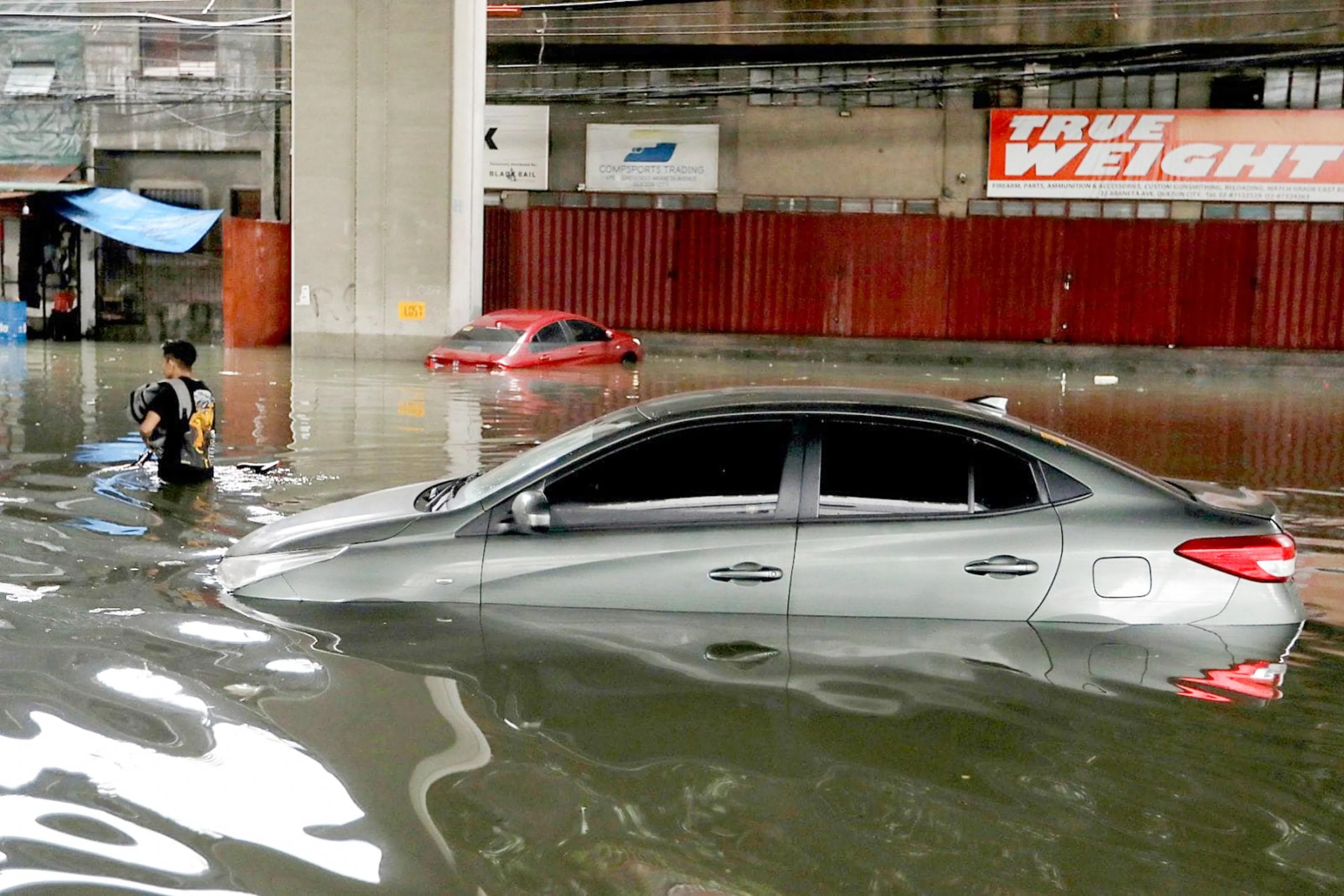
Protect yourself and vehicle: Know flood prone areas through NOAH
Project NOAH also details landslide and storm surge prone areas
Brando Rosales