
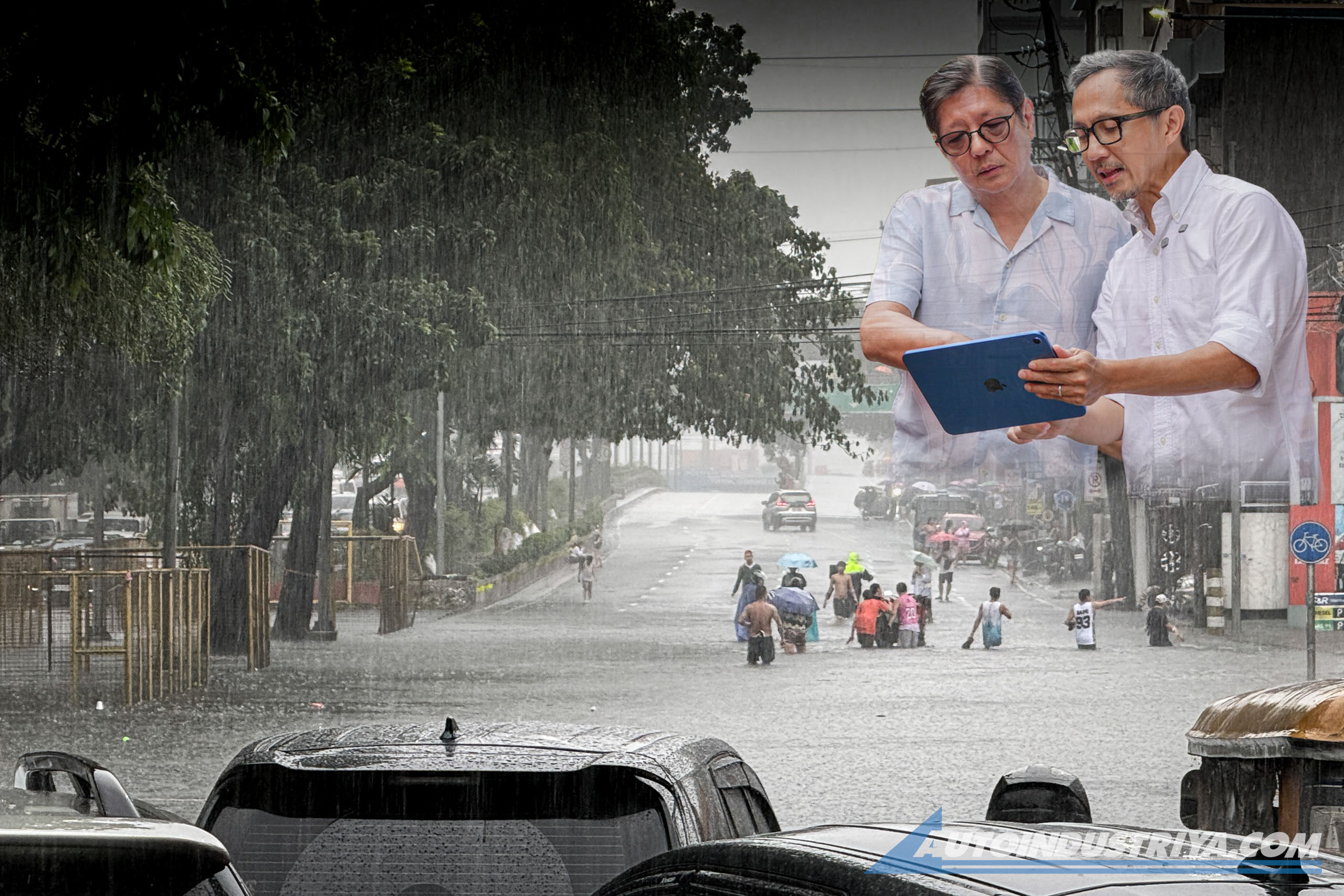

Flooding is painful, isn’t it?
That feeling of hopelessness when you’re out commuting on a bus, walking in heavy weather, on a bicycle, riding a motorcycle, or driving a car to get to work or home, and you see everyone stopped because of the deep, dark water in the way. You want to backtrack, but you can’t because you’re already blocked, and you see that the drain is spewing water back onto the road instead of flowing out into a canal underneath.
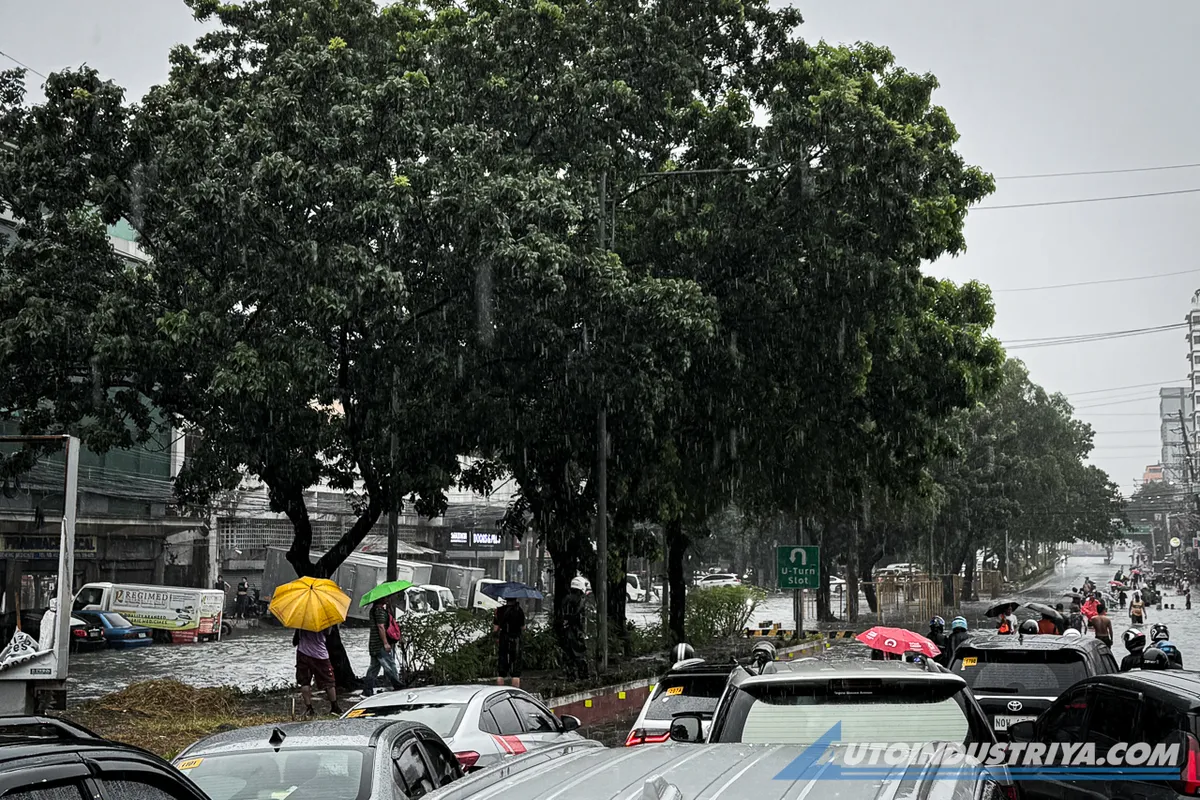
That goes double if the flooding we’re talking about is your home. That’s supposed to be your castle. Your safe space. And that image in your mind will be forever tainted, as if you've experienced a home invasion. You can’t do anything about it, except to pick up the pieces and clean up afterwards.
This is the situation we experience every time heavy rain is upon the cities of the Philippines, particularly in a region such as Metro Manila. It matters not if it was a monsoon, a habagat, a low-pressure area, or a tropical storm, typhoon, or super typhoon. If it rains heavily, we worry.
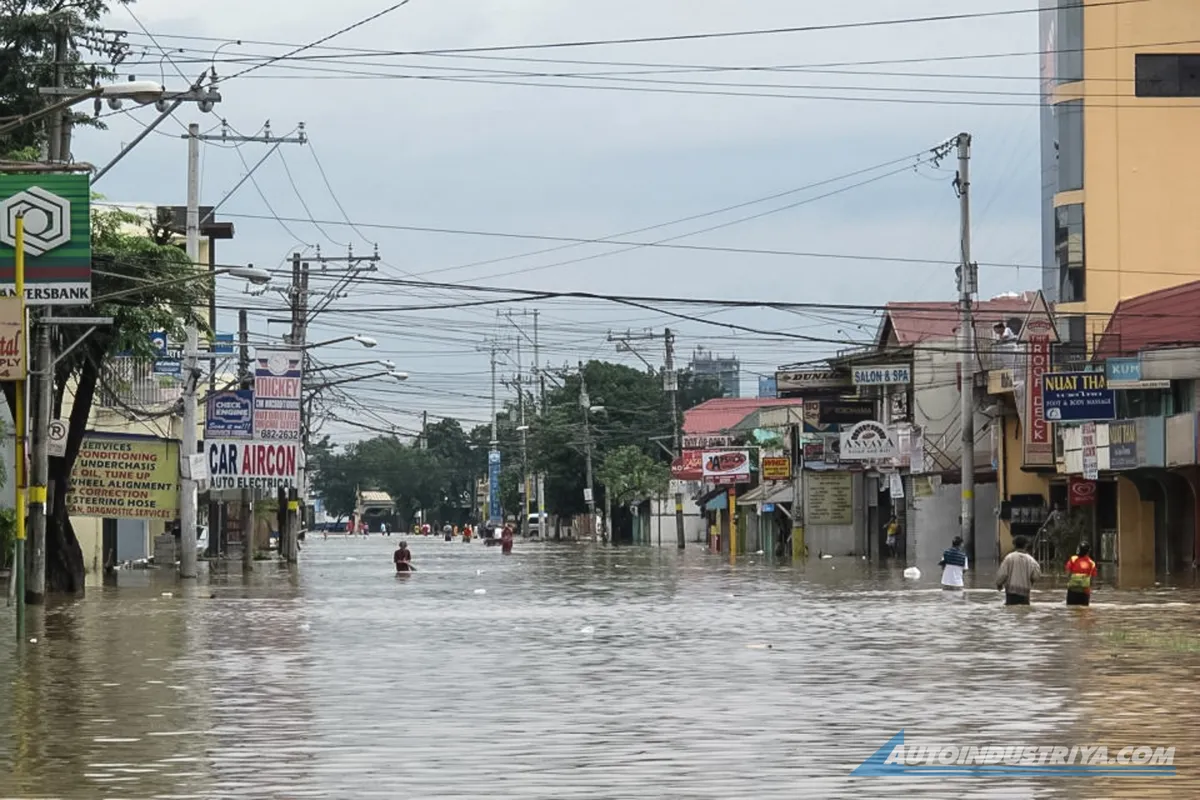
This isn’t just a new phenomenon, as flooding is a tale as old as time. We have forgotten that we are Tagalog people: "taga-ilog," meaning we populate the rivers of this area and are at the mercy of nature when it rains. That’s why if we look at old photos and paintings of Manila, we’ll see that many have some kind of boat because rivers always tend to overflow in bad weather. It just so happens that back then, people actually had boats at home, like a bangka or balangay. Yes, that’s where the word barangay came from.
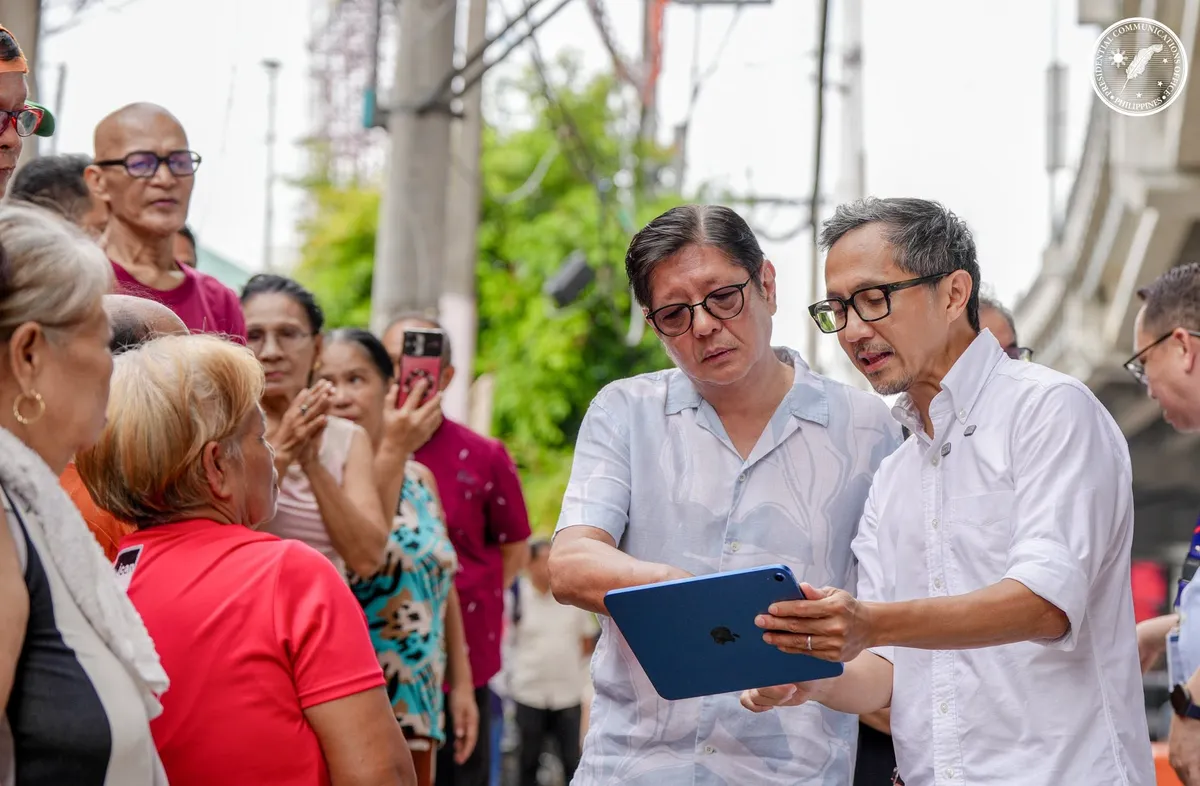
Politicians and the agencies they lead will hold meetings and public hearings on flooding. Legislative bodies, both national and local, will stage inquiries and consultations. They’ll ask what happened and/or what is happening and/or why it is happening, all to show that national government and local government units are working on something. It’ll be performative at best, resulting in a bunch of photo-ops and a quote. It’s all for show. A sham.
Why do I think that? To be honest, even if the government fantastically got their act together and magically became corruption-free to the point where flood control projects are actually done and do work as intended, nothing can be done to reverse the effects of the urbanization of Metro Manila.
Look around you. How much natural green space do you see in the city now? When soil is topped with concrete for a building, a house, or a road, you block the path of water from getting absorbed by soil. All the concrete on top of the soil is like wrapping a sponge with a plastic bag and being confused about why it doesn’t work properly when you try to wash the dishes.
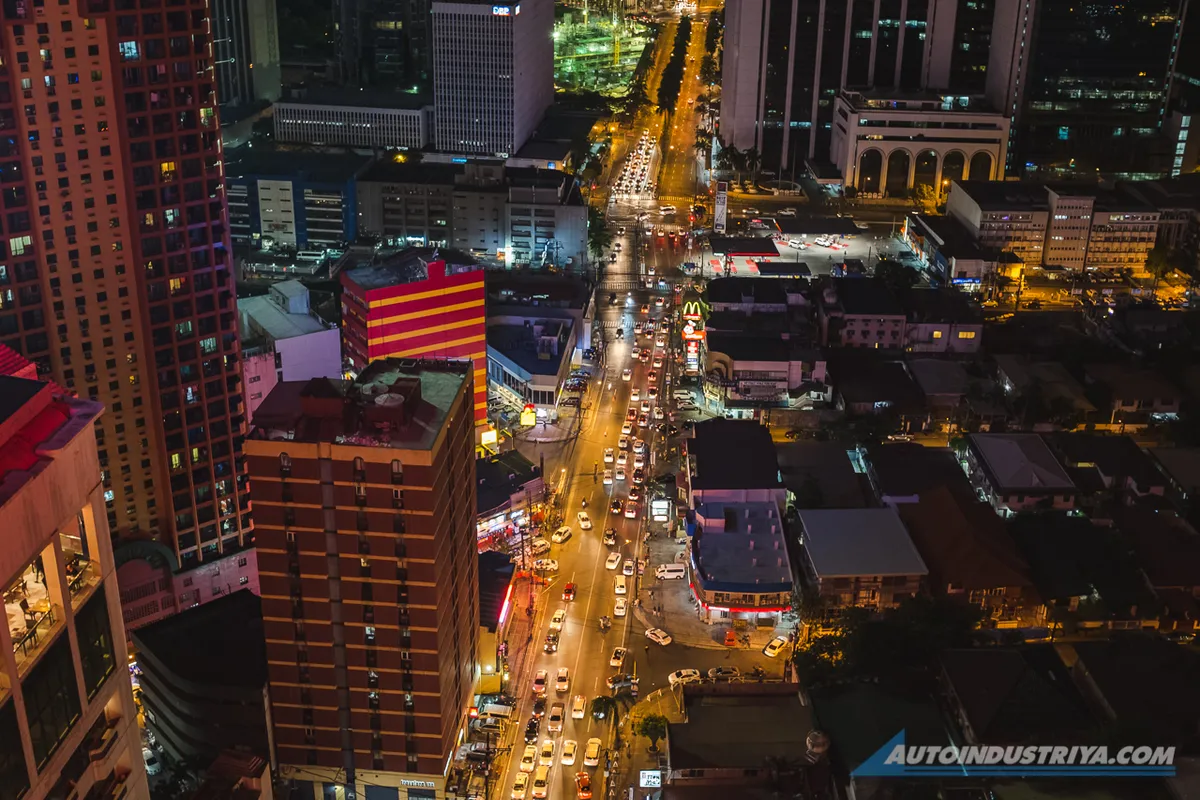
There’s nothing that can be done in that respect, unless we start tearing down roads, expressways, condos, houses, malls, and vigorously protecting the green spaces we have left. But there is something that we can do.
Every time there is a flood, what we see is not just water, but trash. Lots of it, especially plastic. Sando bags, package wrappers, chip bags, mineral water bottles, and all kinds of stuff floating all around. I feel especially cringey at the sight of all the bubble wrap, plastic bags, and tape when we get our orders from Lazada/Shopee/Tiktok. All that stuff is clogging up the drains on an industrial scale. And just because it may say “biodegradable” on a plastic bag doesn’t mean it will magically dissolve; such materials require specific conditions to break down.
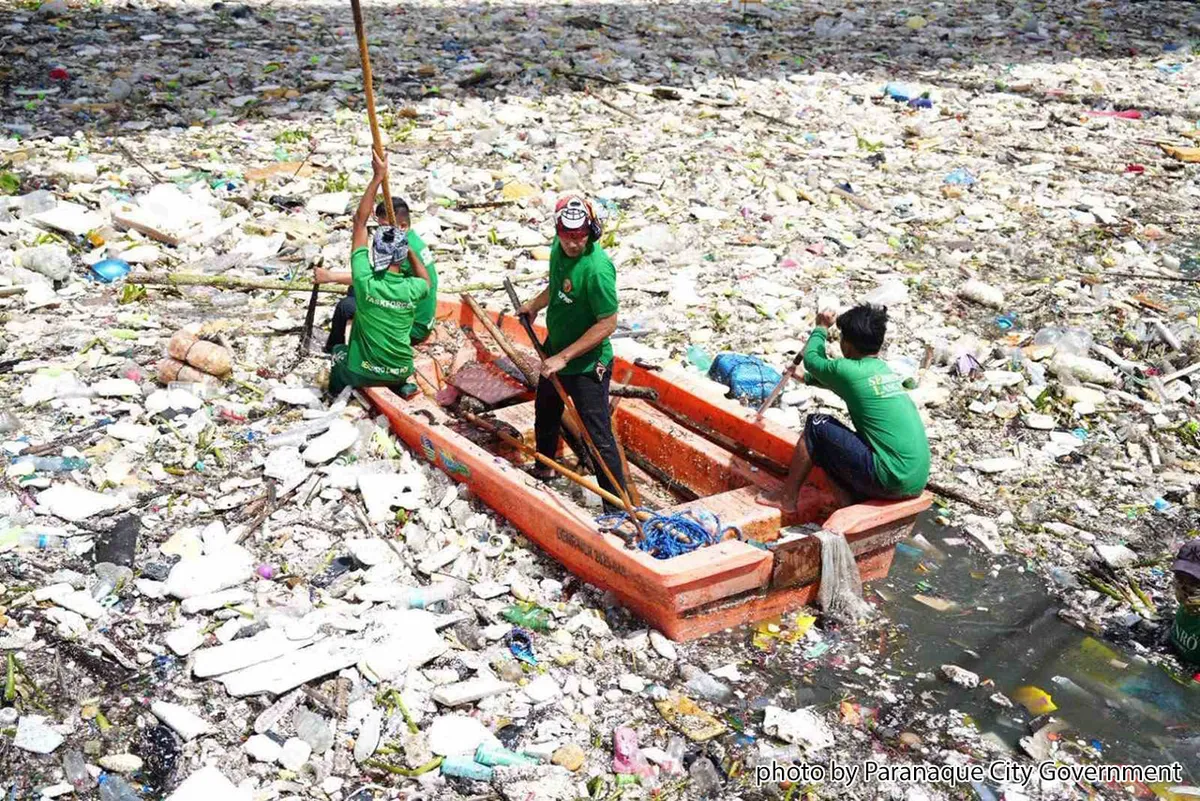
No matter how large the government and contractors build the canals and sewers, the sheer volume of trash will overwhelm them. As my doctor would explain after each lab test reading: it’s the cholesterol in your bloodstream that can cause blockages, and if unmanaged, it can lead to a stroke. The only way to get through it is to make a lifestyle change. Flooding is a symptom that the system is in a state of shock, and the only way to fix it is to sort out the blockages and for everyone to make changes in their habits when it comes to trash disposal. Simple as that.
Some would think: What right does this editor/writer have to complain about flood control when he may probably live in some high-end luxury home in some area that doesn’t flood?
I actually don’t. If anything, I’ve lived with flooding all my life, having grown up in the Pasig-Marikina area. In the eighties and nineties, flooding was already pretty bad. In 2009, when Ondoy hit, the flood in our house was waist-deep, or about 800mm. On the street, it was about 1.2 meters. As I write this, I’m unable to get home because I have to cross the flooding in my village (the one where all the street names are cars in Cainta), which is about 4.5 feet (about 1.4 meters) deep. That’s just a fact of life. A lift kit for my pick-up won’t help. I’d need a boat.
The truth is this: Flood control isn’t just about the projects. We are the most basic and probably most critical flood control project. And we are failing at it.
Let’s start doing better and reduce, reuse, recycle, and dispose of trash properly. Let’s do that before we turn to fancier big-ticket solutions like proper industrial incinerators for garbage (that brings up other issues as well, FYI) and expensive flood control projects to route water to where it needs to go.
Oh, and let’s not forget to charge those contractors and officials with plunder.
Related Posts
Flood control and Laguna de Bay
Bodies of water serve tourism, transport and industry. They are at their most pristine when they are un-touched, undiscovered.
 Tito F. Hermoso
Floods and urban planning
Like traffic, floods are a flow problem. Where there is a source leading to a drain, there should always be an allowance for passage and a blow-off valve for the excess when it surges.
Tito F. Hermoso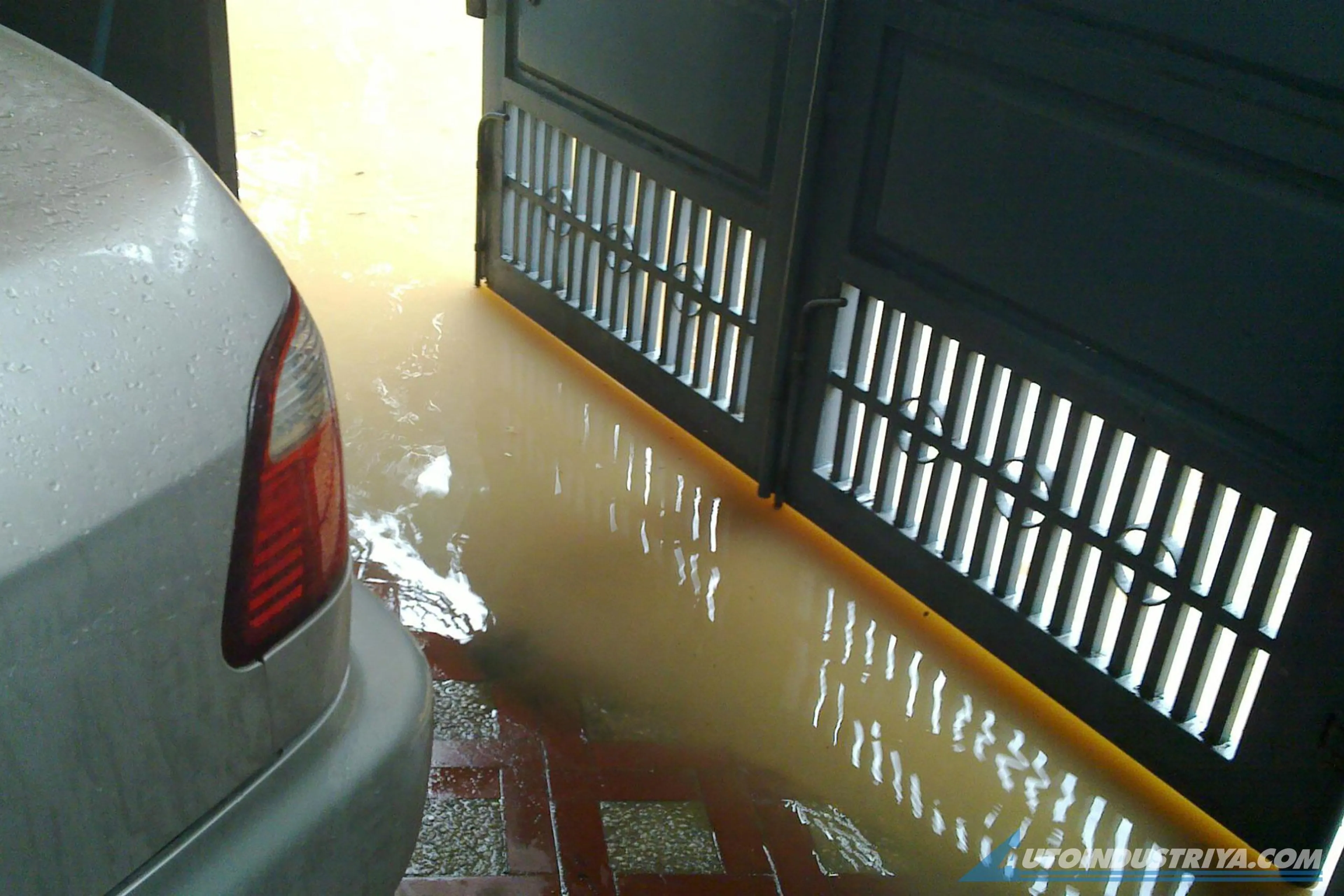
Flood prepping your car
How to prep your vehicle when a flood is imminent and unavoidable.
 Eric Tipan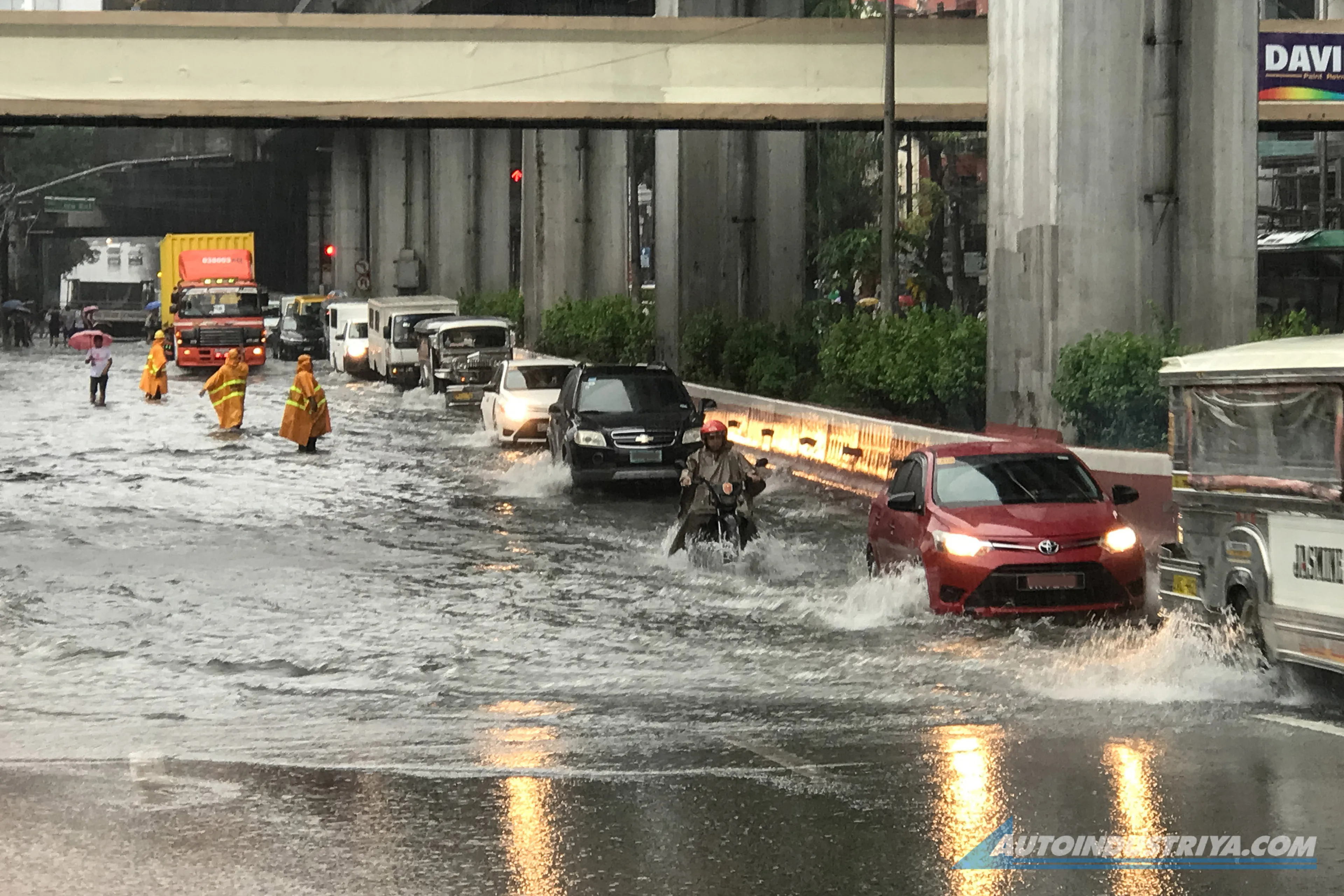
My car got flooded. What do I do now?
Repair, restore, or cut your losses? This is what you should do to your car after a flood.
 AutoIndustriya.com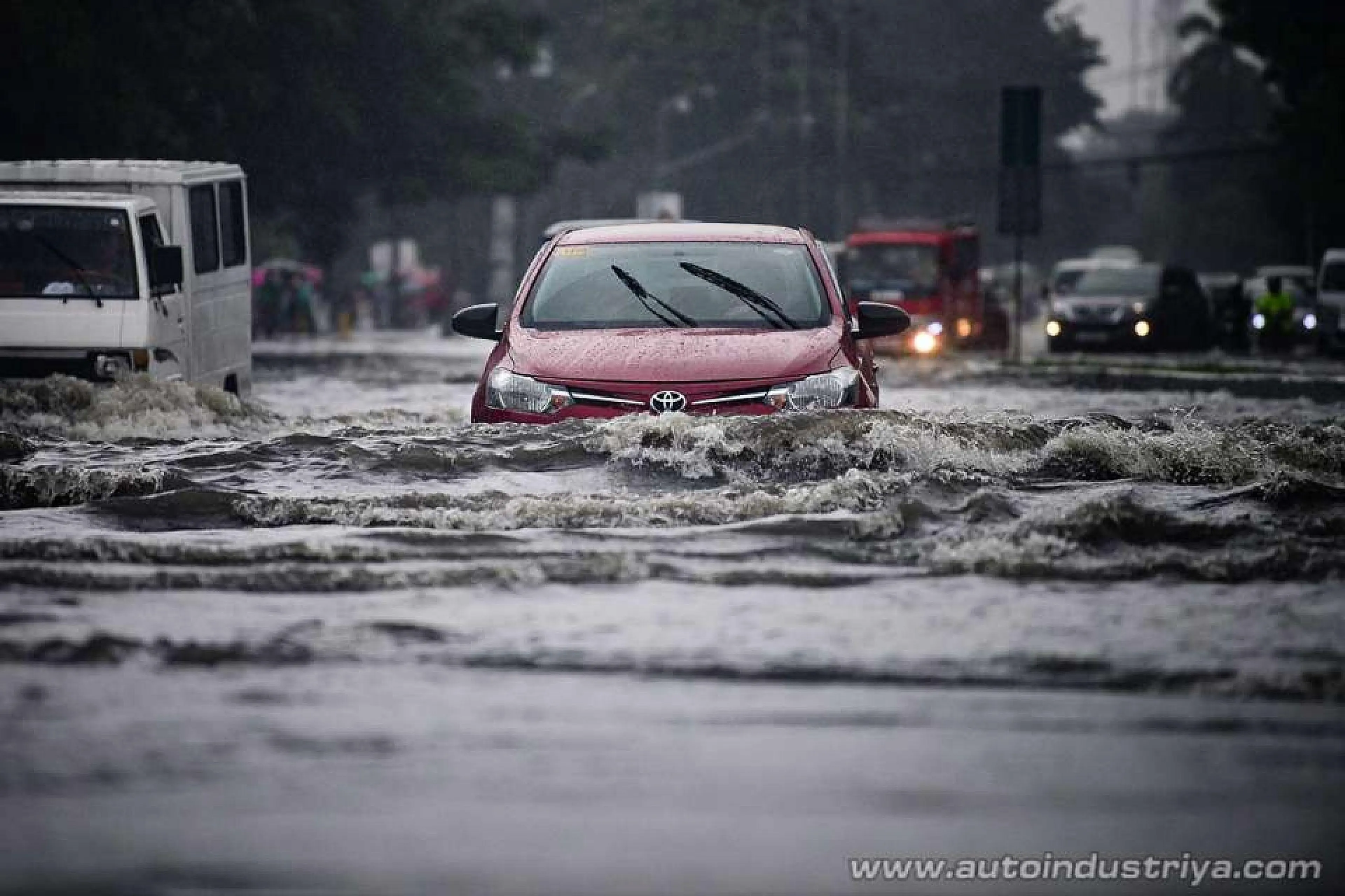
How damaging is crossing a flood for your car?
Here's what you could break in your car when you cross a flood
AutoIndustriya.com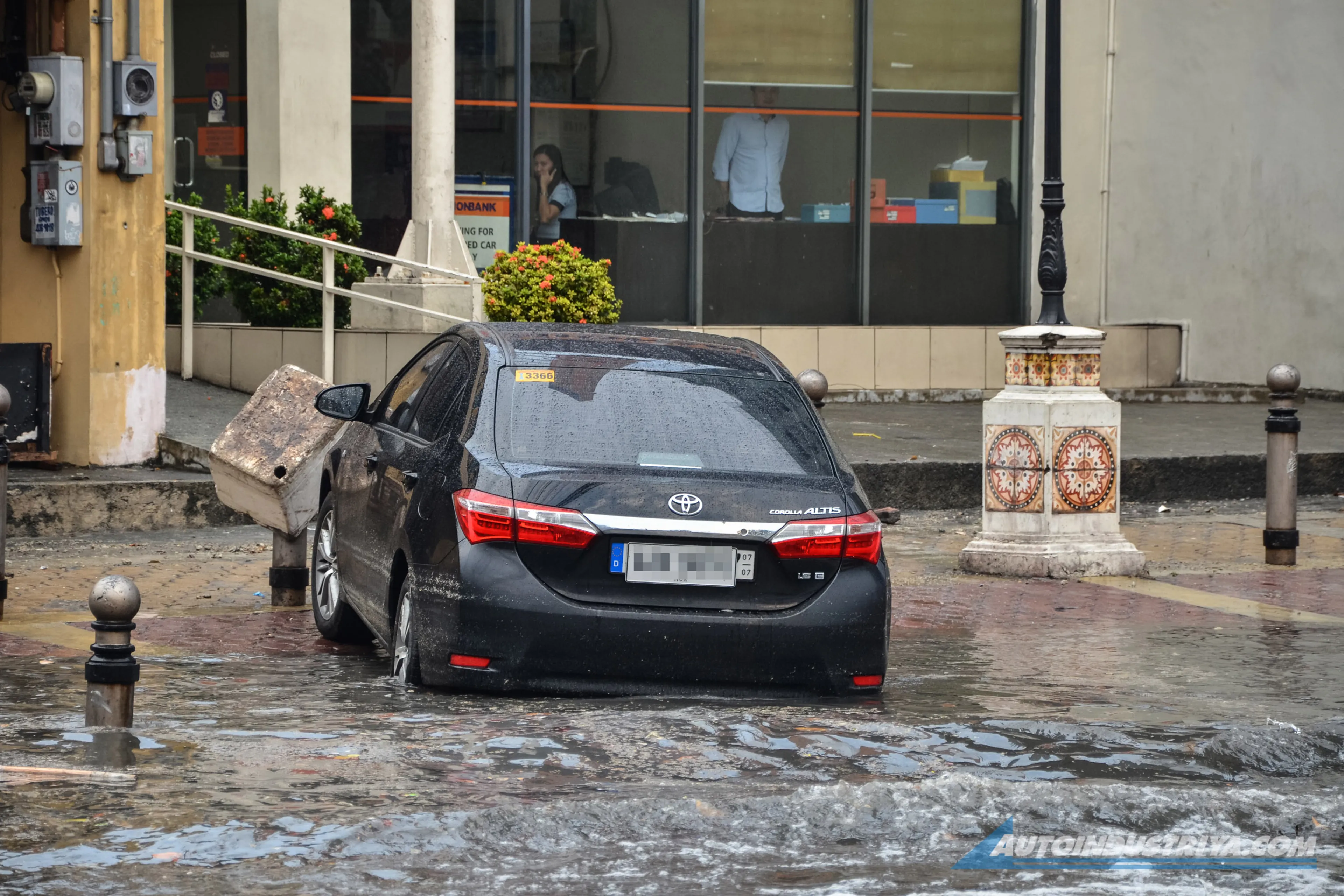
How much does a carwash charge for flooded interiors?
Car got flooded? We canvassed around many local car shops and auto detailers for you
AutoIndustriya.com