
Drive Science: Manual transmissions keep your brain more engaged
Drive Science: Manual transmissions keep your brain more engaged
Does driving a manual make you use more of your brain?

If you’ve spent any time around car enthusiast pages, you’ve probably come across a claim saying that driving a manual transmission activates parts of the brain that an automatic leaves relatively quiet.
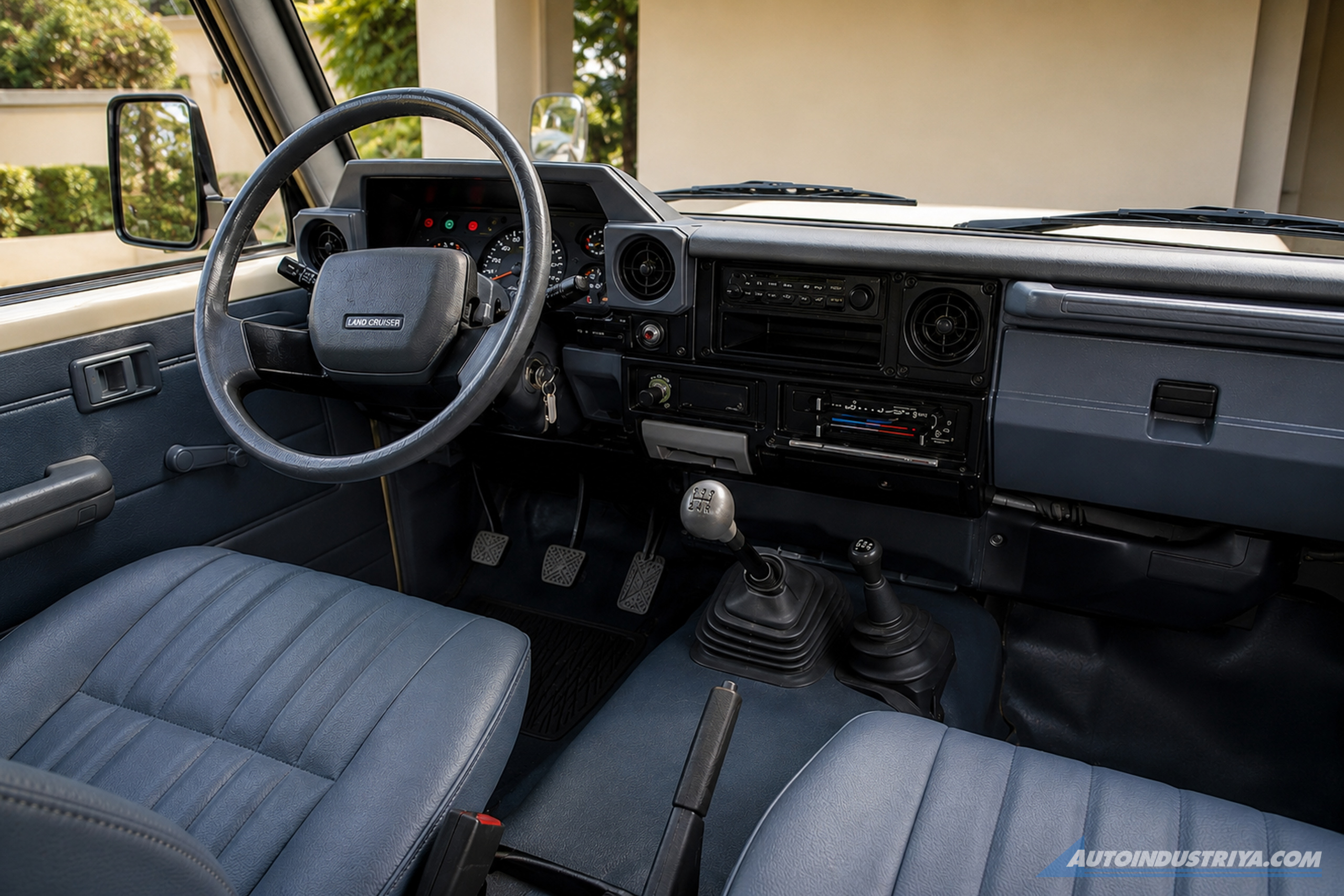
For those of us who learned on a manual transmission before eventually moving to an automatic, that doesn’t sound too far-fetched. Driving a manual simply asks more from the driver, and every gear change makes the driver work more. Your left foot is working the clutch, your right hand is reaching for the shifter, and you’re constantly judging engine revs, speed, and reading road conditions all at the same time to figure out when it’s time to shift. But once you’ve lived with that routine, it becomes second nature, and you don’t even have to think about it anymore. Well, most of the time.
The claim is commonly linked to Professor Ryuta Kawashima of Tohoku University. Using a clutch and manually selecting gears stimulates the brain’s prefrontal cortex, the area associated with attention, decision-making, and working memory.
It’s an appealing theory, and it also makes you wonder if there’s another side to it. Could it help explain why so many drivers today seem mentally detached from driving itself?
Science doesn’t have a complete answer yet, but there are a few studies that point in an interesting direction.
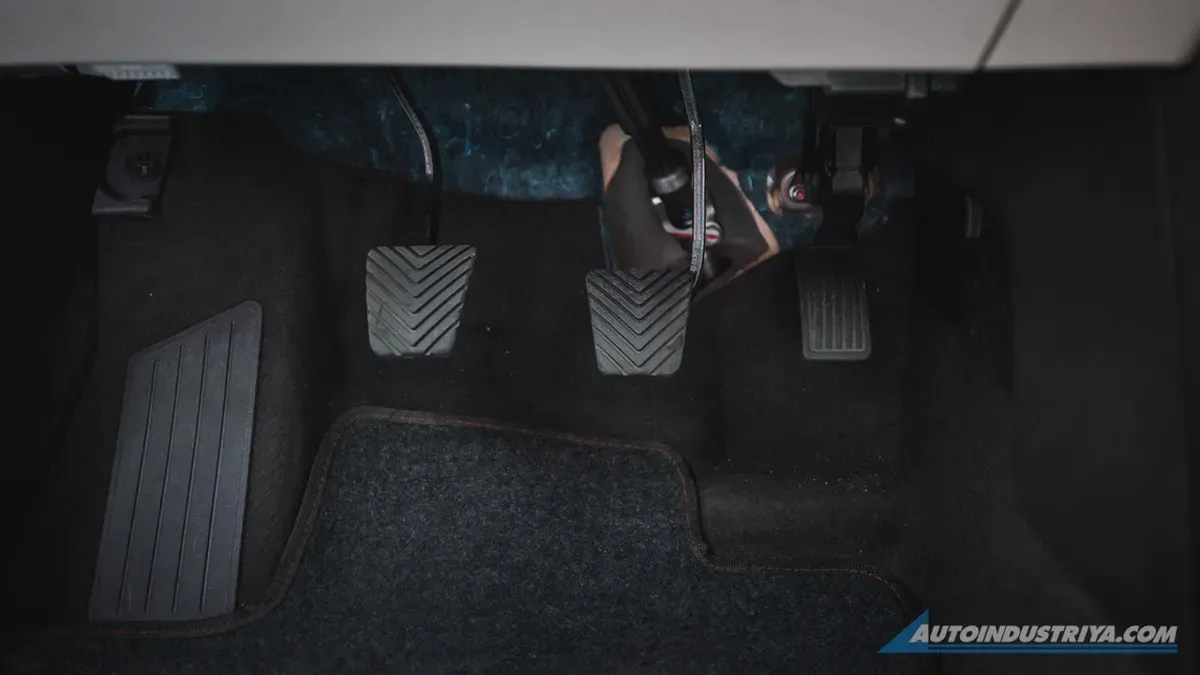
Operating a manual gearbox means an extra pedal: clutch
One of the earliest came from Ben Gurion University, where researchers found that novice drivers in manual cars devoted more attention to shifting gears, leaving fewer mental resources for other tasks such as spotting road signs or scanning the environment. In other words, beginners simply had more going on to the point that some of them got overwhelmed.
Thinking about this reminded me of my tita. She had already been driving in the US for years, but when they visited the Philippines years ago, she straight out refused to drive because our only family vehicle was a manual Hyundai Grace van. Despite spending a good amount of time behind the wheel, she still found driving a manual transmission too demanding and would rather let someone else take the wheel.
Another study, this time from the University of Virginia, looked at adolescent drivers with ADHD using a driving simulator. The group was relatively small, but researchers found participants stayed more attentive and committed fewer attention-related errors while driving a manual than an automatic.
That doesn’t mean manual transmissions are somehow a treatment for ADHD, nor should those findings be applied to every driver. It simply suggests that giving the brain more driving-related tasks may help some people remain engaged behind the wheel.
More recent neuroscience research reaches a similar conclusion without comparing transmissions directly. A 2023 review of brain imaging studies found that active driving consistently engages regions involved in movement planning, visual processing, coordination, and decision-making.
Driving is far more than steering and pressing pedals, and your brain is continuously processing speed, distance, traffic flow, hazards, and the position of your own vehicle.
This is also where Kawashima’s widely shared claim becomes difficult to verify. Despite how often it’s cited, there doesn’t appear to be a publicly available, peer-reviewed study directly comparing manual and automatic transmissions using brain imaging.
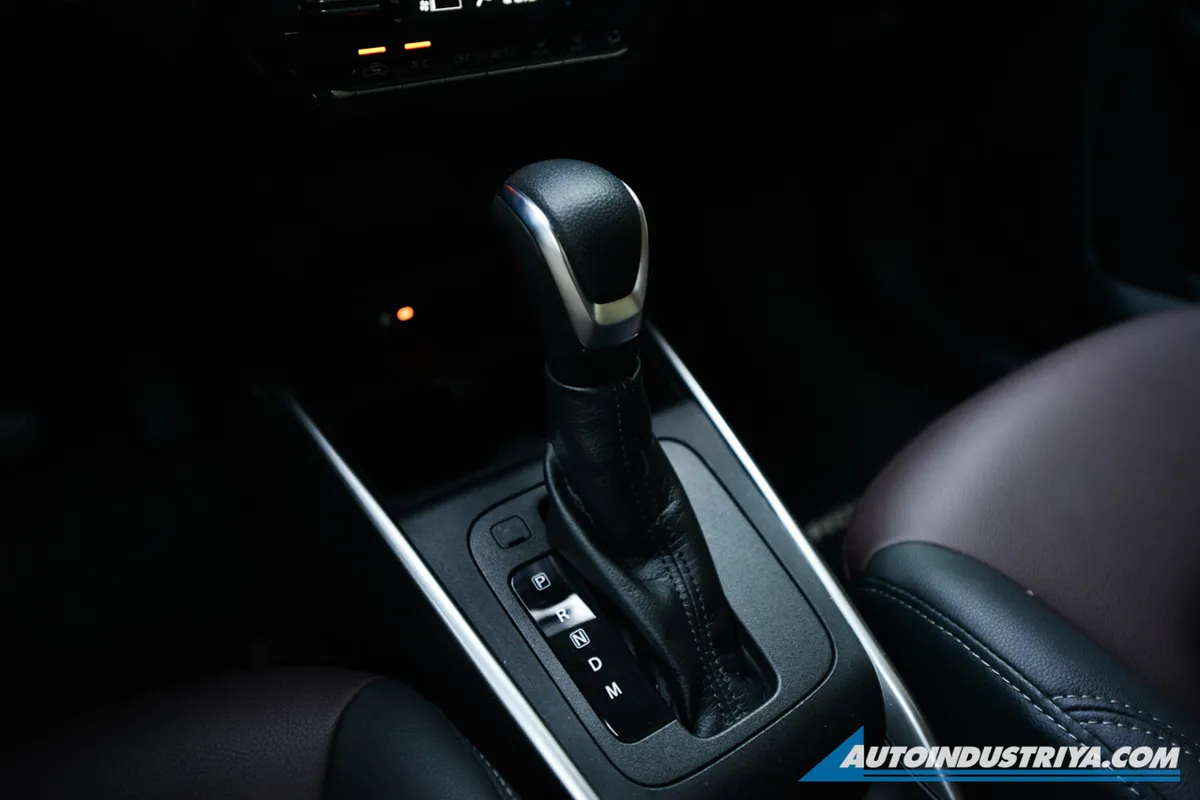
Shift to Drive (D) and it will do the shifting for you.
But that doesn’t automatically make the claim false, as it simply means the publicly available evidence isn’t yet strong enough to fully support what has become a popular talking point online.
Even so, it’s hard to ignore what we see every day. Sit at almost any stoplight long enough, and you’ll probably catch someone glancing at social media, replying to a message, or watching short videos while waiting for traffic to move. Modern automatics have made driving remarkably easy. In crawling traffic, all drivers have to do is steer, accelerate, and brake. The gearbox quietly takes care of everything else.
Naturally, that raises some valid questions, like, if shifting gears no longer demands your attention, does your mind become more likely to wander? Or does driving a manual leave less room for distractions because your brain constantly needs to coordinate your hands and feet, as well as judge engine revs, speed, and road conditions?
Well, we asked local road authorities such as the LTO and MMDA to see if they record the transmission type of vehicles involved in road crashes. Unfortunately, they don’t, and current crash databases don’t distinguish between manual and automatic transmissions, so there’s no reliable local data showing if a transmission type is associated with more distracted-driving crashes than the other. At this point, any connection remains purely based on personal experiences and observations of many drivers.
It's also important not to confuse correlation with causation. Automatic transmissions don’t cause distracted driving. A driver who picks up a phone while behind the wheel is, despite knowing it’s illegal under the law (RA 10913). Driver attitude, discipline, awareness, and enforcement still have a far greater impact on road safety than the transmission beneath the center console.
What the evidence does suggest is much simpler: a manual transmission asks more of the driver. It requires timing, coordination, and constant interaction with the vehicle. An automatic transmission, by design, removes much of that workload. Logic, however, does indicate that the automatic transmission reduces something critical: fatigue.
Does that extra workload make manual drivers safer? Well, to date, there’s no convincing evidence that says it does.
Does it make the brain work harder? Based on available research, that’s a yes, more particularly for new drivers, before those skills become second nature through experience.
As for the idea that automatics encourage distracted driving, that’s still a theory waiting for stronger evidence. Until then, the safest transmission will always be the one paired with a driver who’s paying attention on the road.
Related Posts
Virtual Car Doctor: Can you use AI to help diagnose your car?
Beat budol mechanics with a little help from AI

2026 Land Cruiser FJ First Drive: Toyota’s friendly jab at Jimny?
The Land Cruiser FJ is one of Toyota's most polarizing launches in recent memory. Are the criticisms justified?
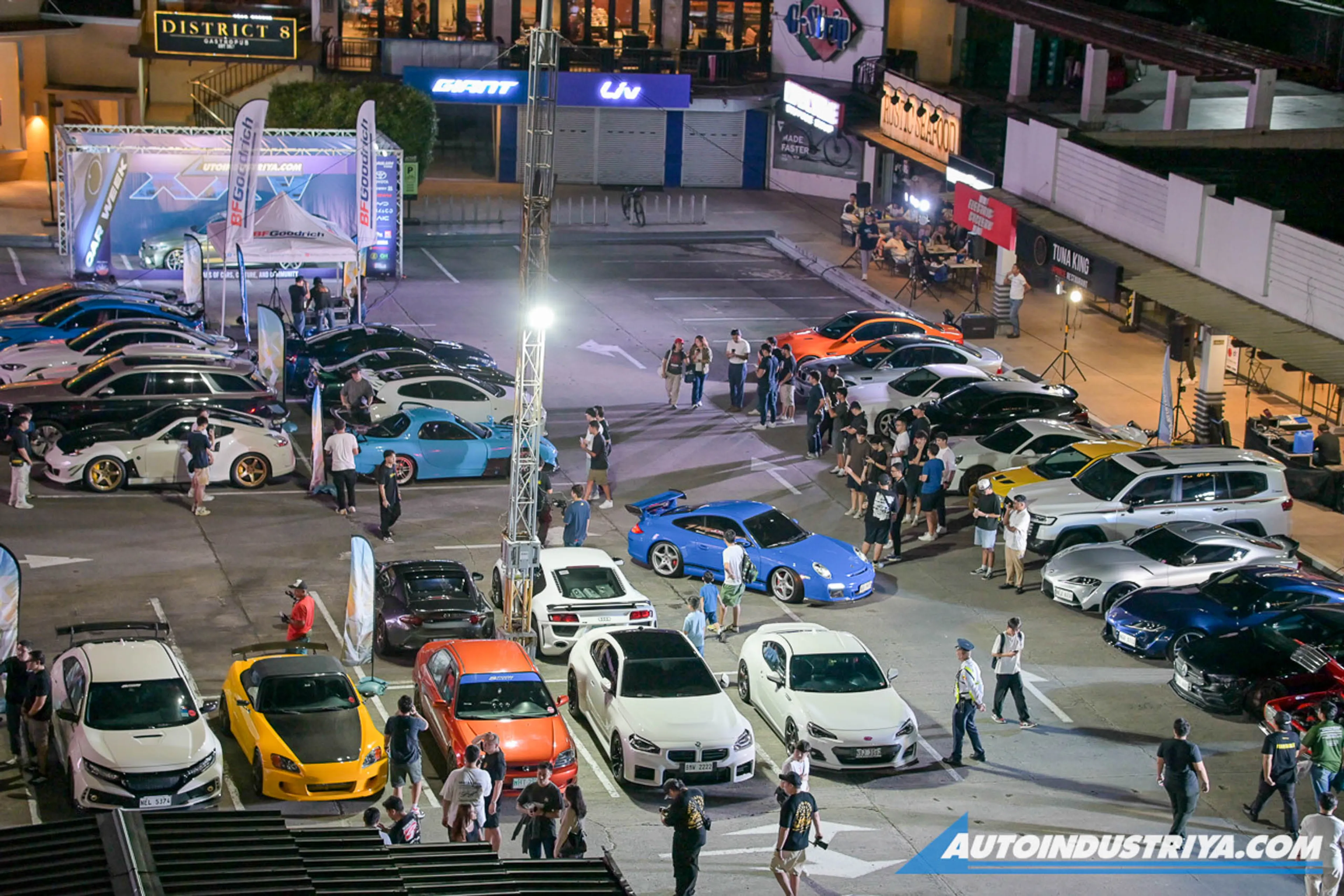
What’s your automotive tribe?
We all share a love for four wheels, but sometimes in completely different ways
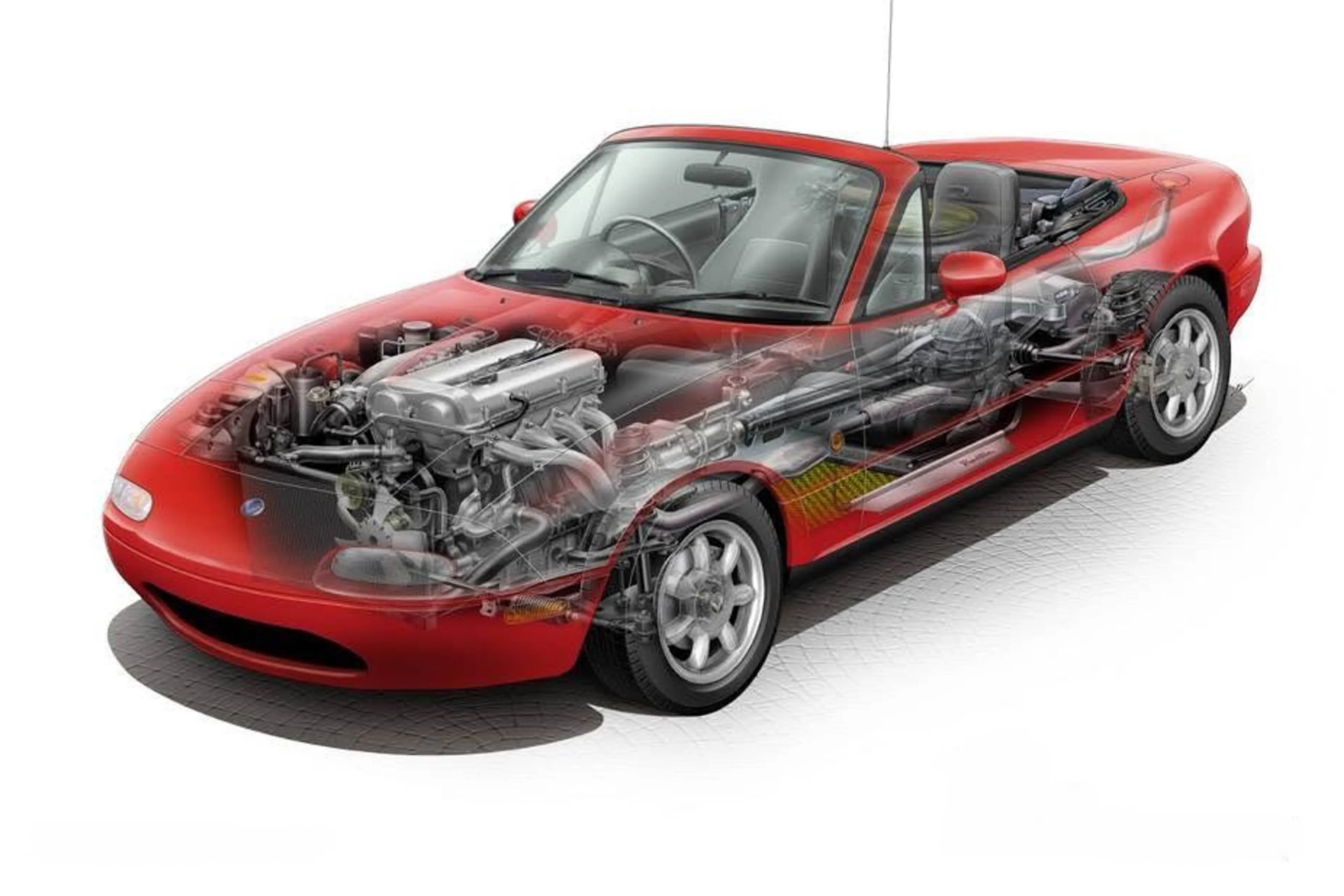
Automotive Art: Jiro Yamada and his timeless cutaway illustrations
Legendary automotive cutaway illustrator Jiro Yamada passes away, but his automotive art lives on
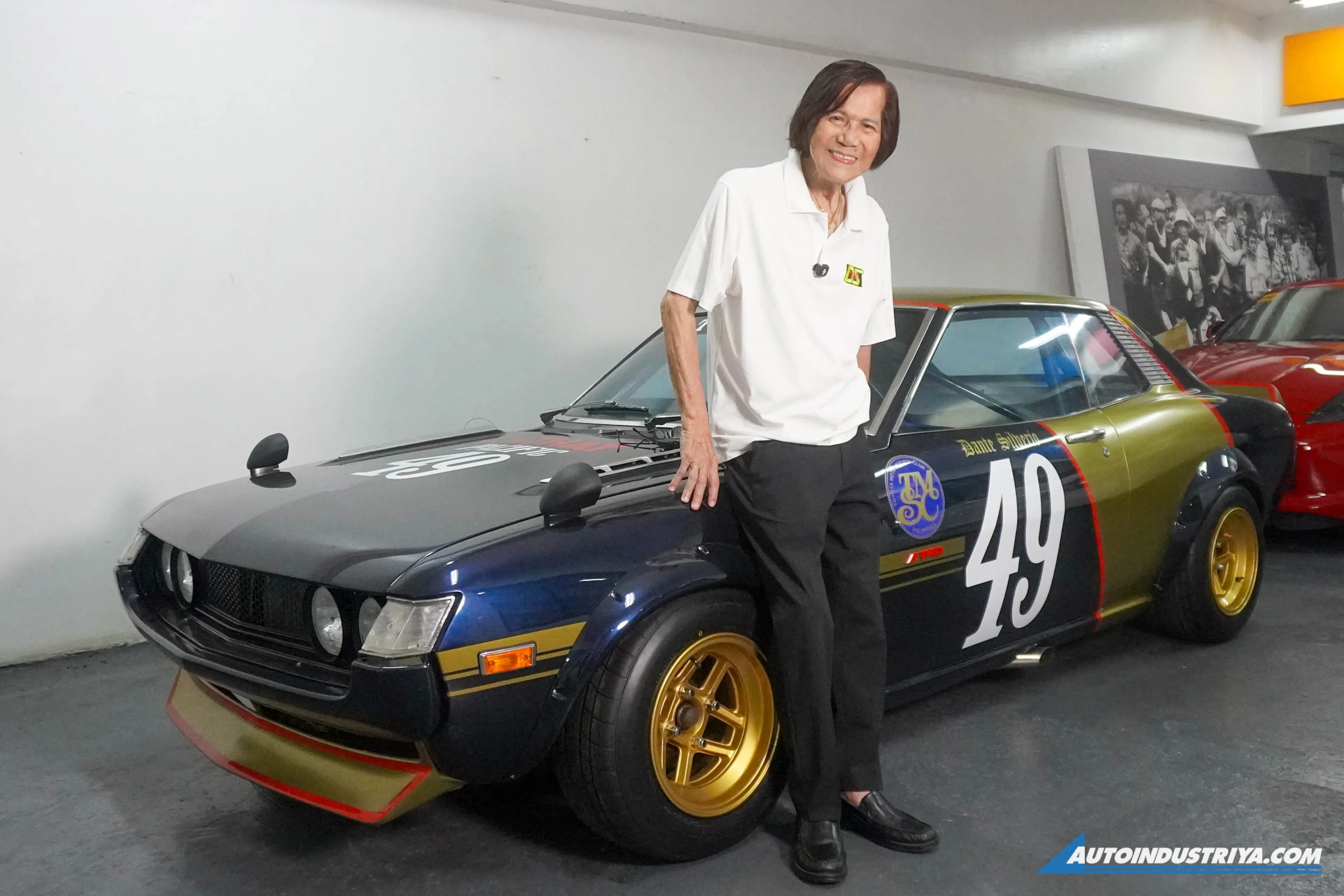
From Hoop Dreams to Auto Racing Legend: Dante Silverio and his Toyota Celica
Silverio’s storied career includes coaching multiple championship-winning teams in the PBA, car enthusiasts recognize him first for an entirely different legacy
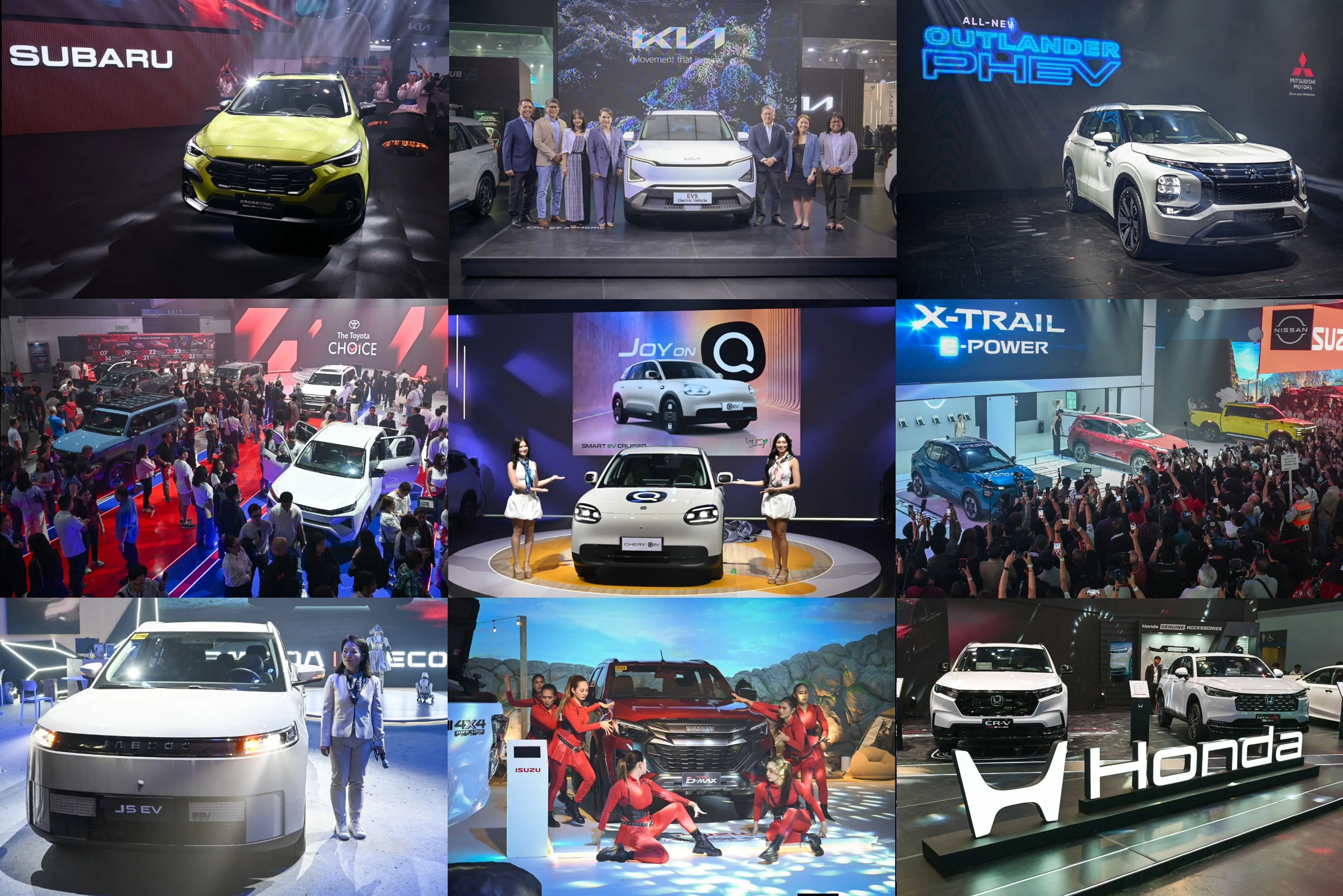
2026 Philippine International Motor Show: Mobility at its most diverse era
2026 Philippine International Motor Show saw 17 participating brands and more than 150 car displays