
From Hoop Dreams to Auto Racing Legend: Dante Silverio and his Toyota Celica
From Hoop Dreams to Auto Racing Legend: Dante Silverio and his Toyota Celica
Through decades of competition and victories, he helped shape the foundations of Philippine racing culture.

Mention the name Dante Silverio to any enthusiast, and you will most likely get two different tales.
To the average sports fan, he is the legendary Philippine Basketball Association (PBA) coach who steered the Toyota Tamaraws to five championships between 1975 and 1978, holding the historic distinction of winning the league’s inaugural title in its maiden year.
But to gearheads, he is revered for a different legacy altogether, as a championship-winning, multi-discipline motorsport pioneer whose DNA is deeply intertwined with Toyota’s local racing history.
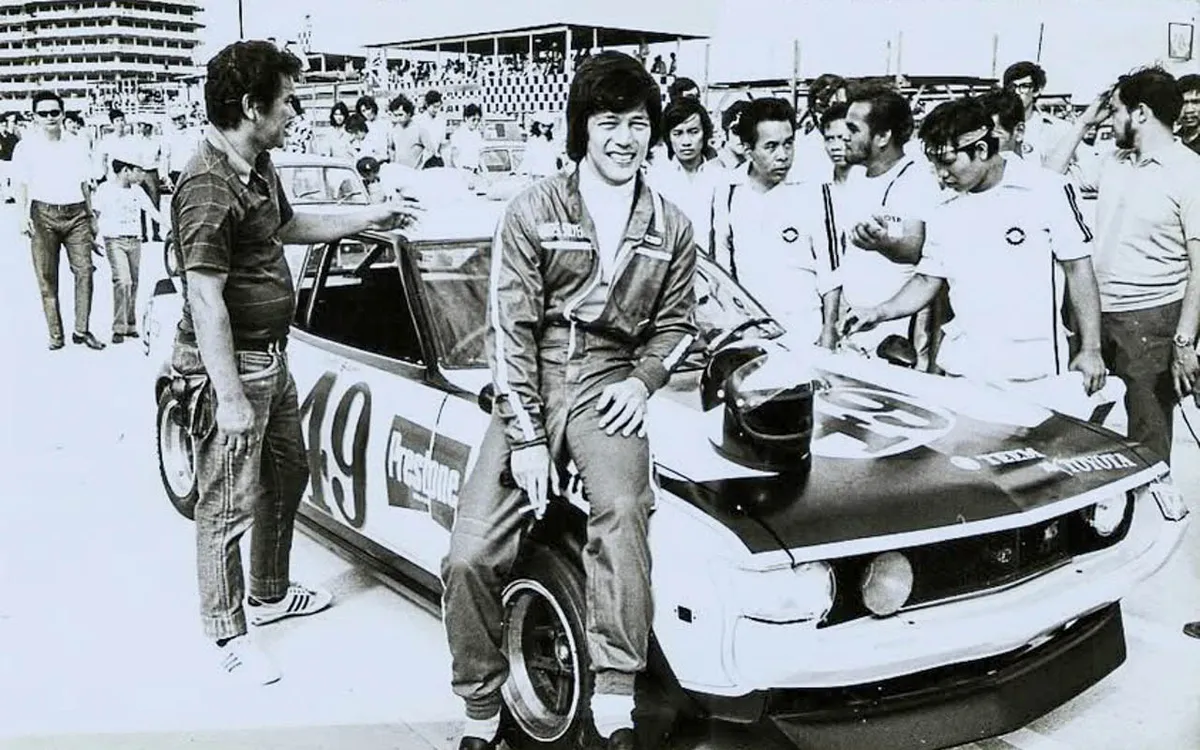
Who would have thought that what began as a simple tryout would eventually shape a lifelong passion? Silverio recalls that the moment he climbed into the driver's seat and experienced racing for the first time, he was instantly captivated. "I immediately got the bug," he remembers.
From that point on, he was hooked. At a time when organized motorsport was still in its infancy in the Philippines, Silverio quickly established himself as one of the country's most accomplished competitors.
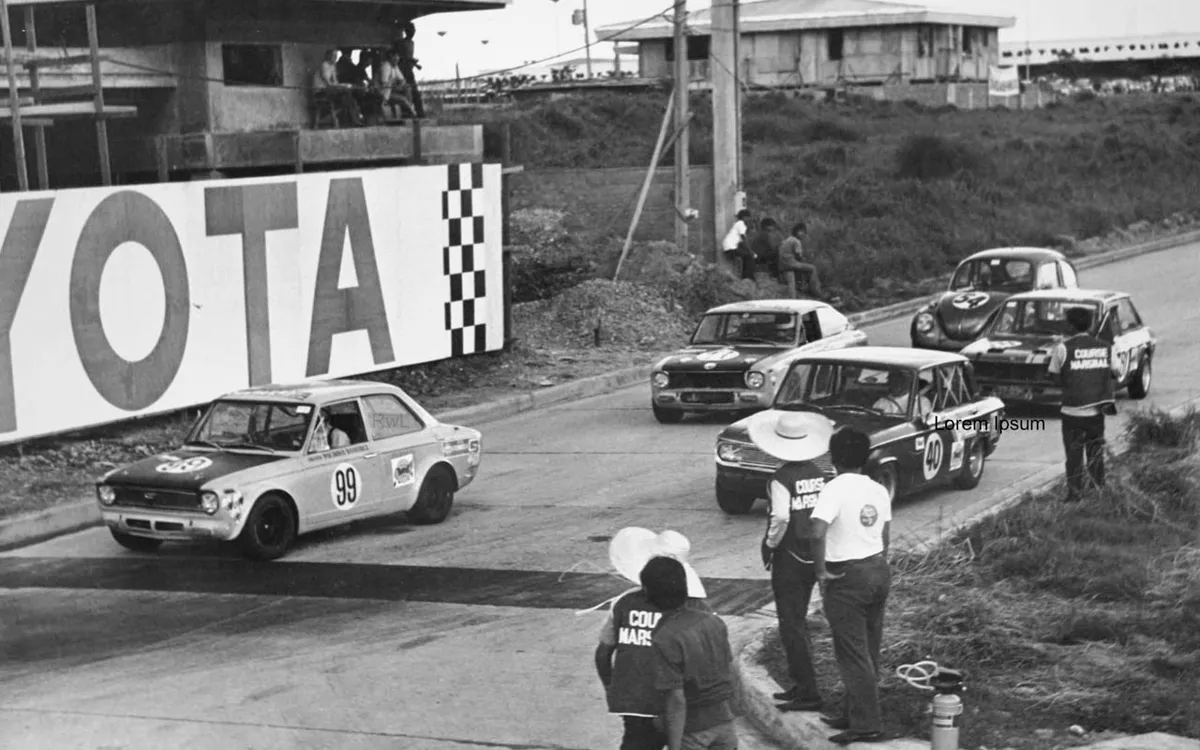
Among his many motorsports achievements, one of the most memorable was his victory at the inaugural 1972 Greenhills Grand Prix, where he competed among local and international drivers with formidable racecars.
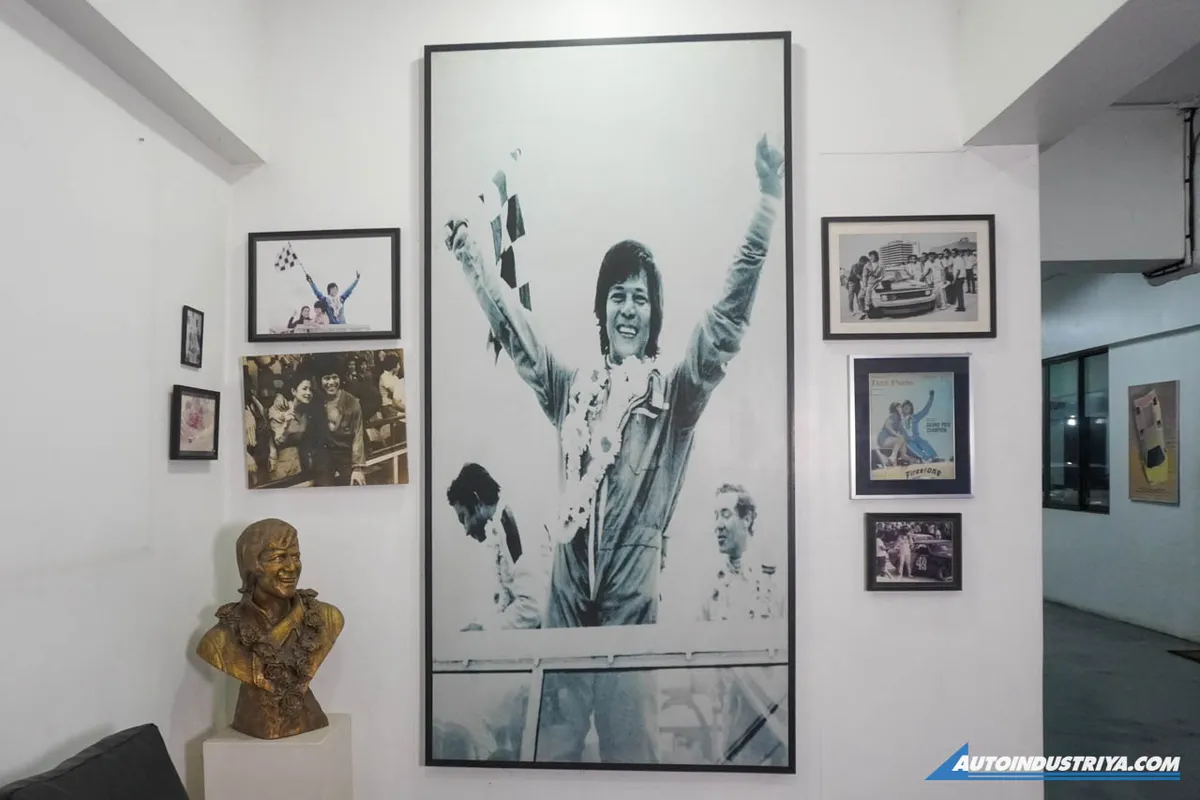
Beyond local competition, he went on to represent the Philippines in prestigious international racing events in Macau and Singapore, proving that Filipino drivers could compete against some of the best talents in Asia.
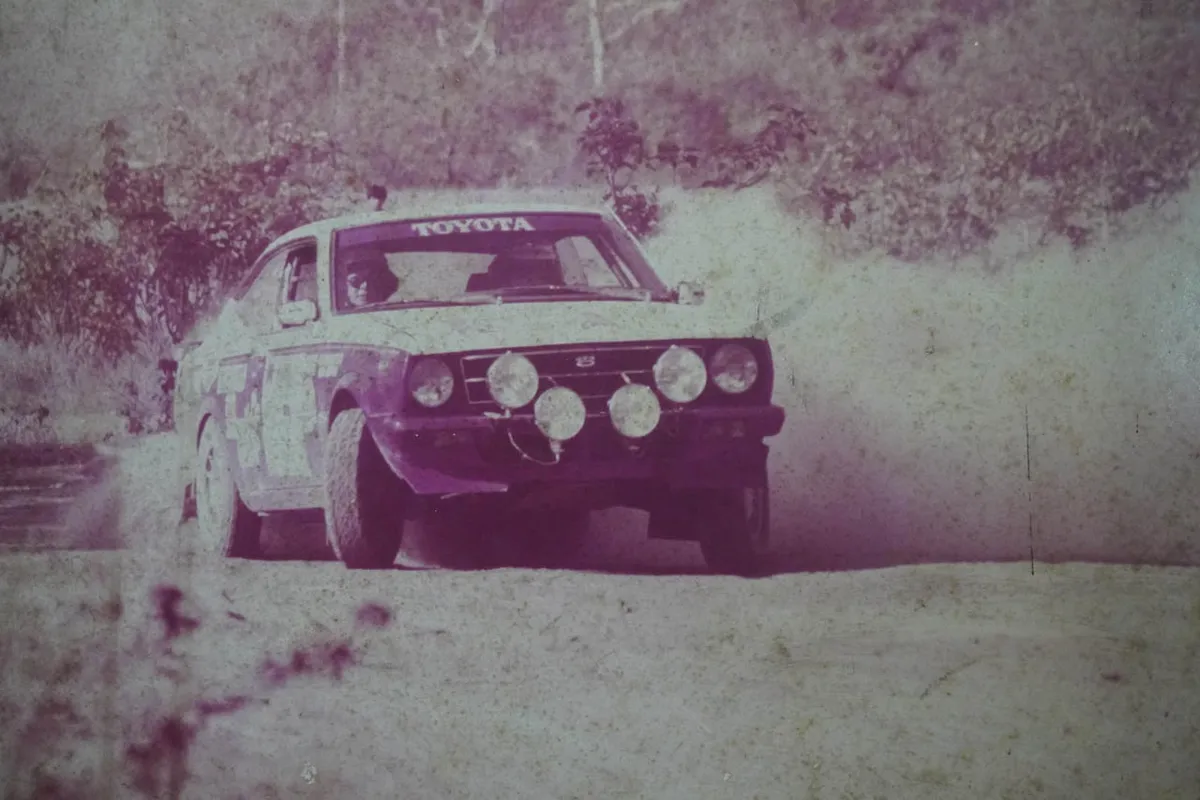
His success wasn't limited to circuit racing. Silverio also excelled in rallying, a discipline that enjoyed immense popularity during the era. He also accumulated numerous victories in local rallies and competed during the golden age of Philippine rallying.
There was also a time when the Auto Rally Club of the Philippines (ARCP) regularly organized local and international events such as the ASEAN Rally and the Mabuhay Rally. These rally competitions attracted factory-backed teams and top drivers from around the region, making them among the most significant motorsport events in Southeast Asia.
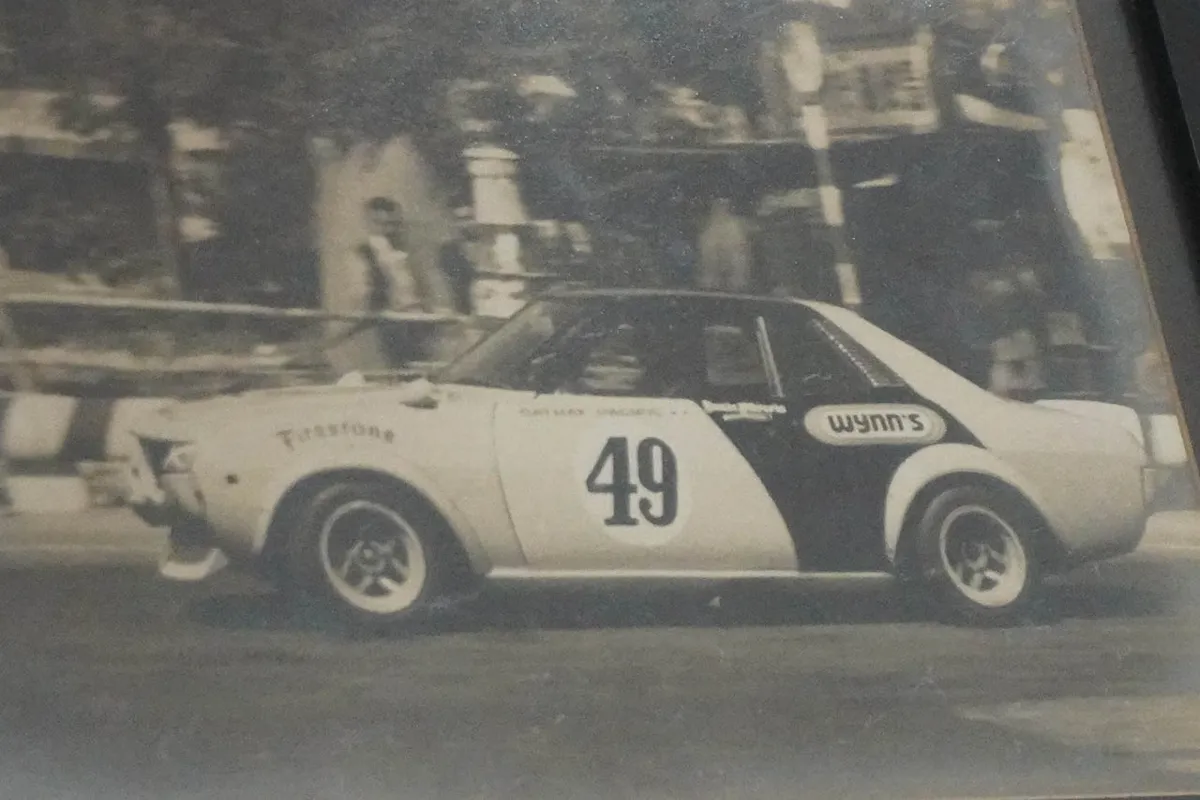
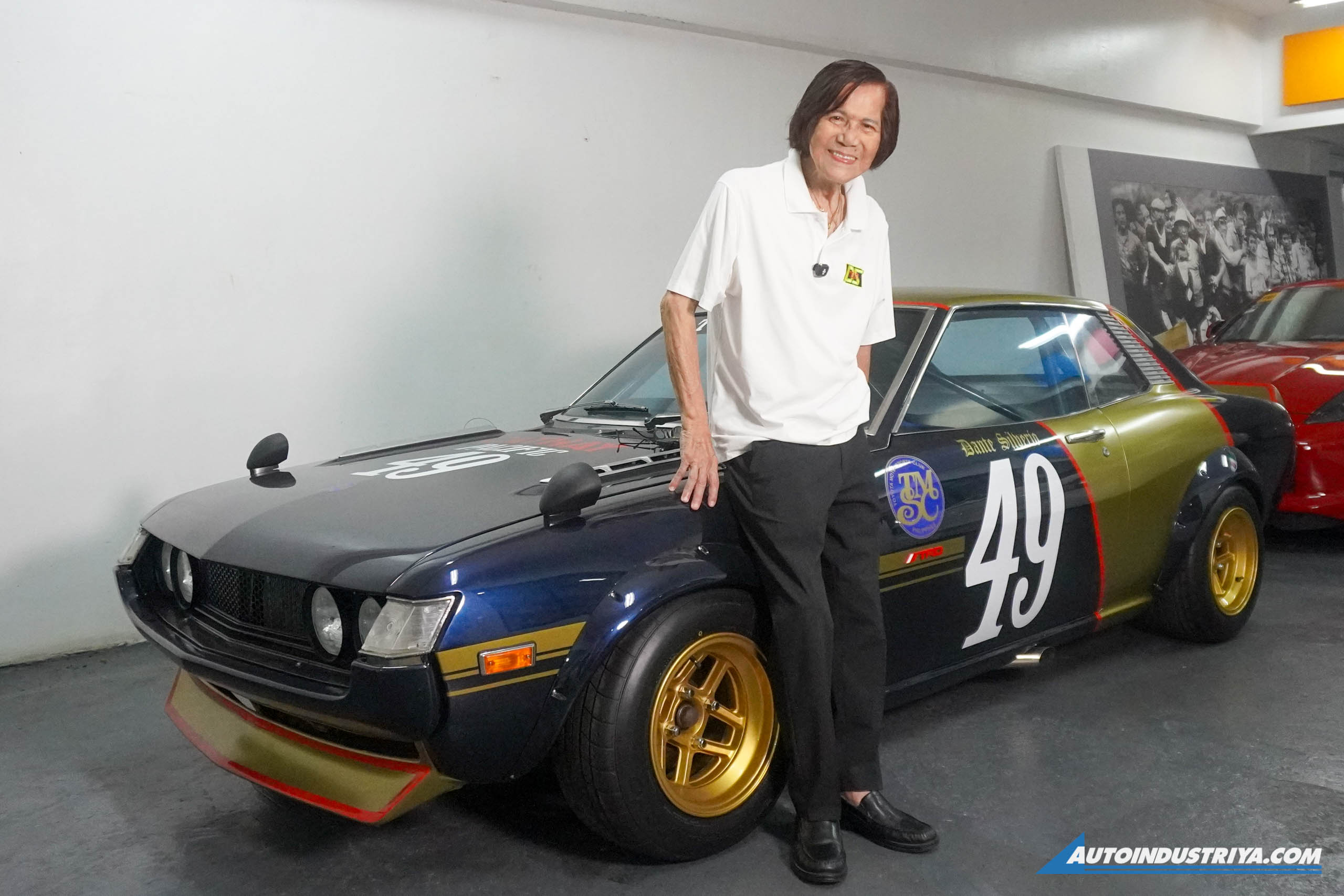
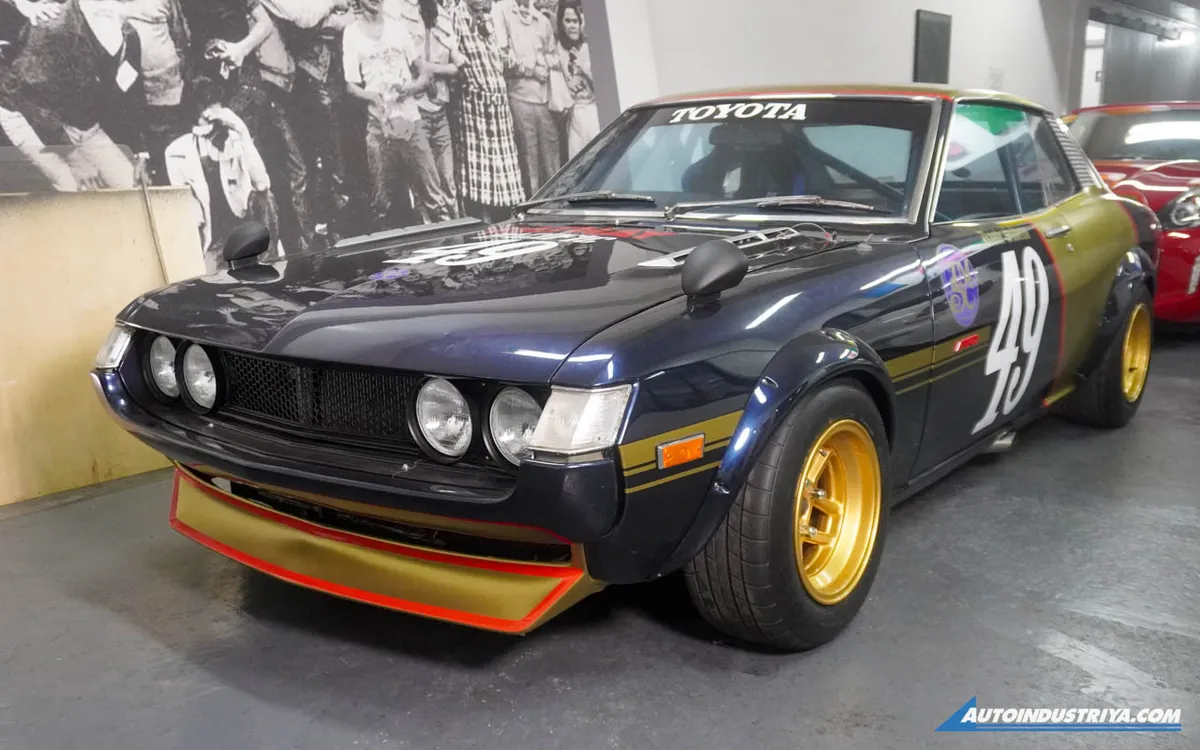
The #49 Toyota Celica racecar
Silverio's relationship with Toyota naturally extended into motorsports. As a Toyota dealer, he developed strong ties with the manufacturer, which eventually led to one of the most iconic partnerships in Philippine racing history.
At the time, the foreign competition had begun fielding cars with increasingly powerful engines. Determined to remain competitive, Silverio and his team made a passionate appeal to Toyota headquarters in Japan.
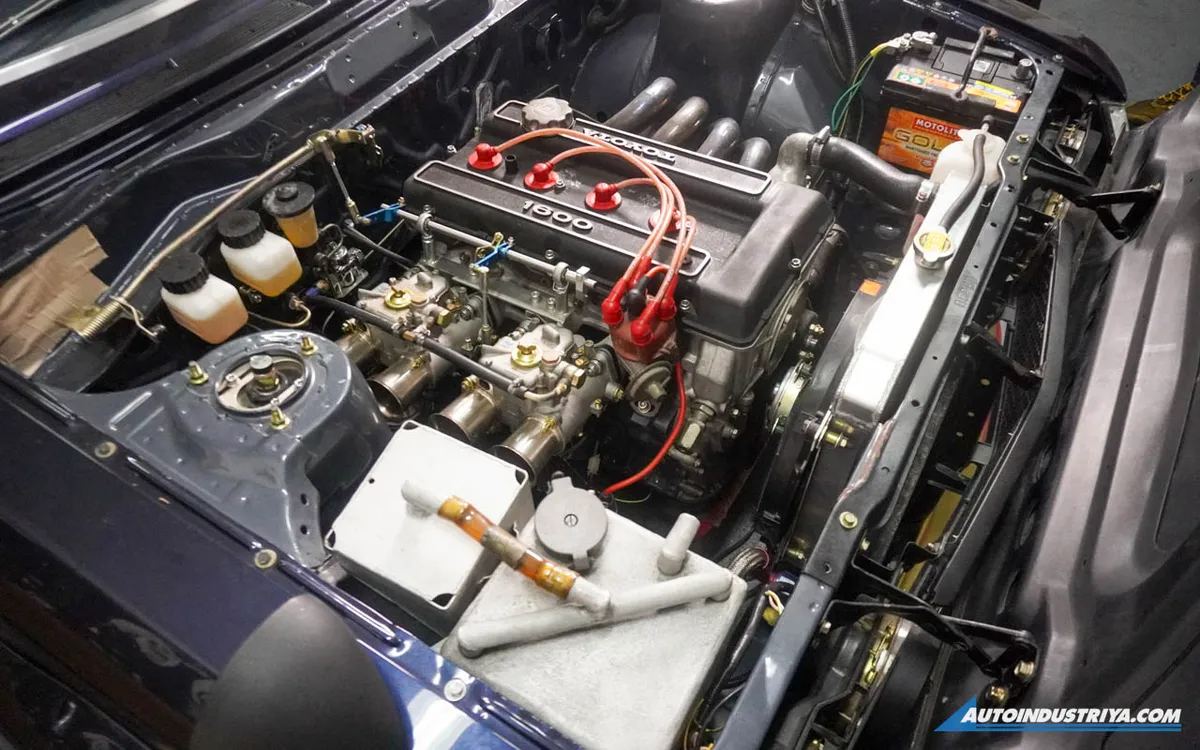
After considerable persistence, Toyota finally agreed to send a race-prepared Toyota Celica equipped with the legendary 2TG engine, a 1.6-liter twin-cam powerplant producing an impressive 165 PS at the time.
By today's standards, those figures may seem modest, but in the early 1970s, it was nothing short of extraordinary. Most four-cylinder engines available locally were small-displacement, single-overhead-cam designs making less than a hundred horsepower.
A dual overhead camshaft (DOHC) engine with twin side-draft carburetors and an upswept exhaust header feeding a side-exit exhaust was regarded as exotic technology at the time, typically reserved for racecars and high-performance sports cars.
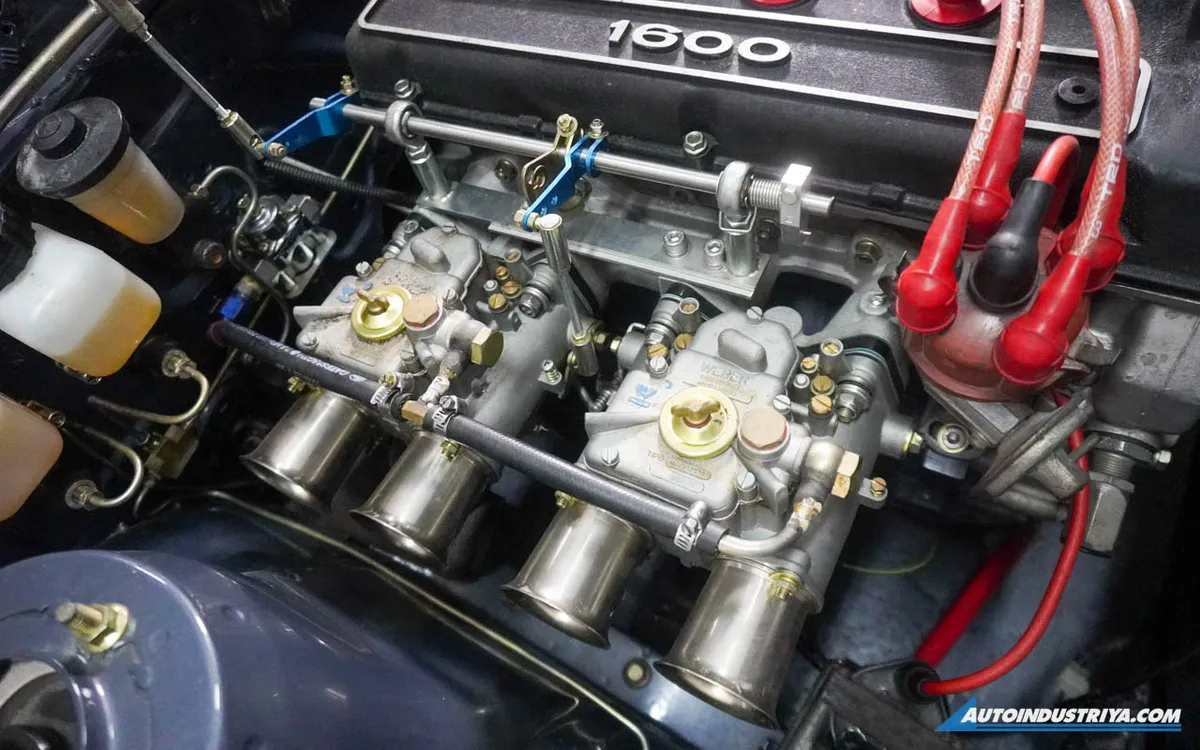
The leap in performance was dramatic. The team’s previous Corolla race car used Toyota’s humble 1.3-liter 3K engine, producing around 75 PS. The Celica’s 165 PS 2TG more than doubled that output, while its close-ratio gearbox transformed the car into a formidable competitor.
As if the task were not demanding enough, he also had to acclimatize to the Celica’s right-hand-drive setup, the car being a JDM import, which added another dimension to the challenge.
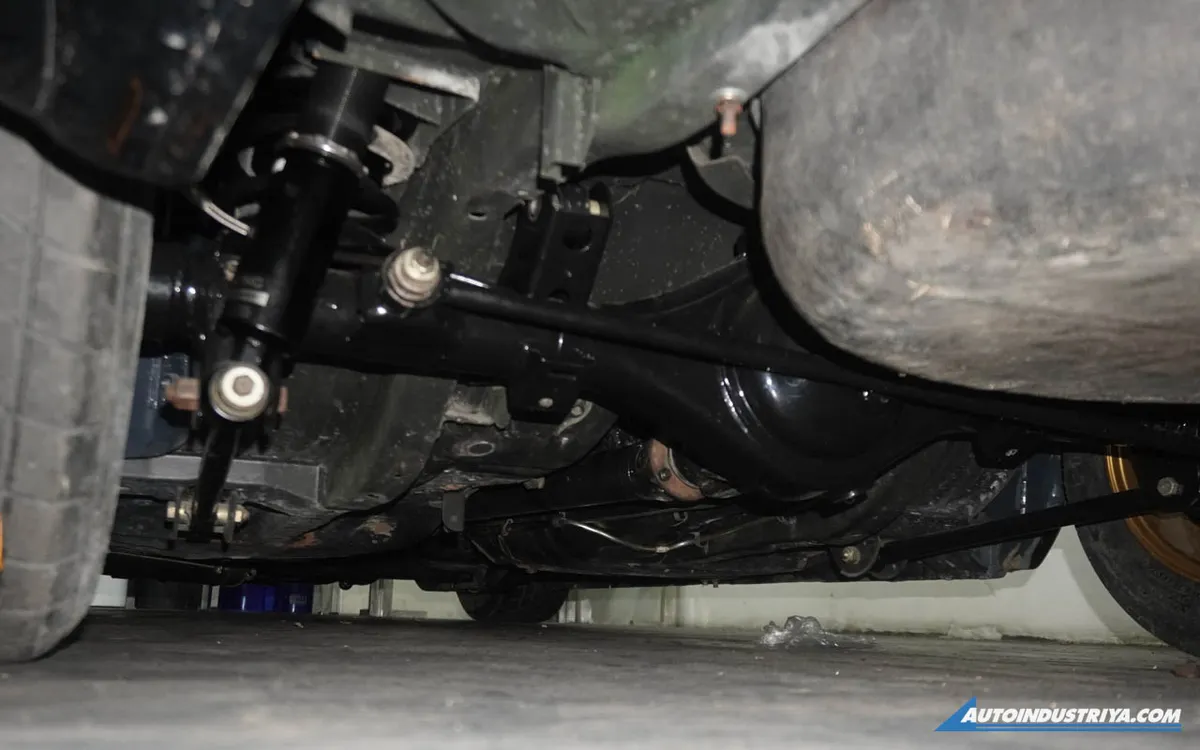
But engine power alone wasn't solely responsible for the car's success. The Celica's rear-wheel-drive layout also provided an excellent foundation for racing.
A purpose-built suspension setup and sticky intermediate slick tires allowed it to fully exploit its newfound performance. Together, all these ingredients created a racecar capable of taking on and beating international competition.
Preserving history while improving safety
Restoring a historic race car requires a delicate balance between authenticity and practicality, a balance that has been successfully achieved here.
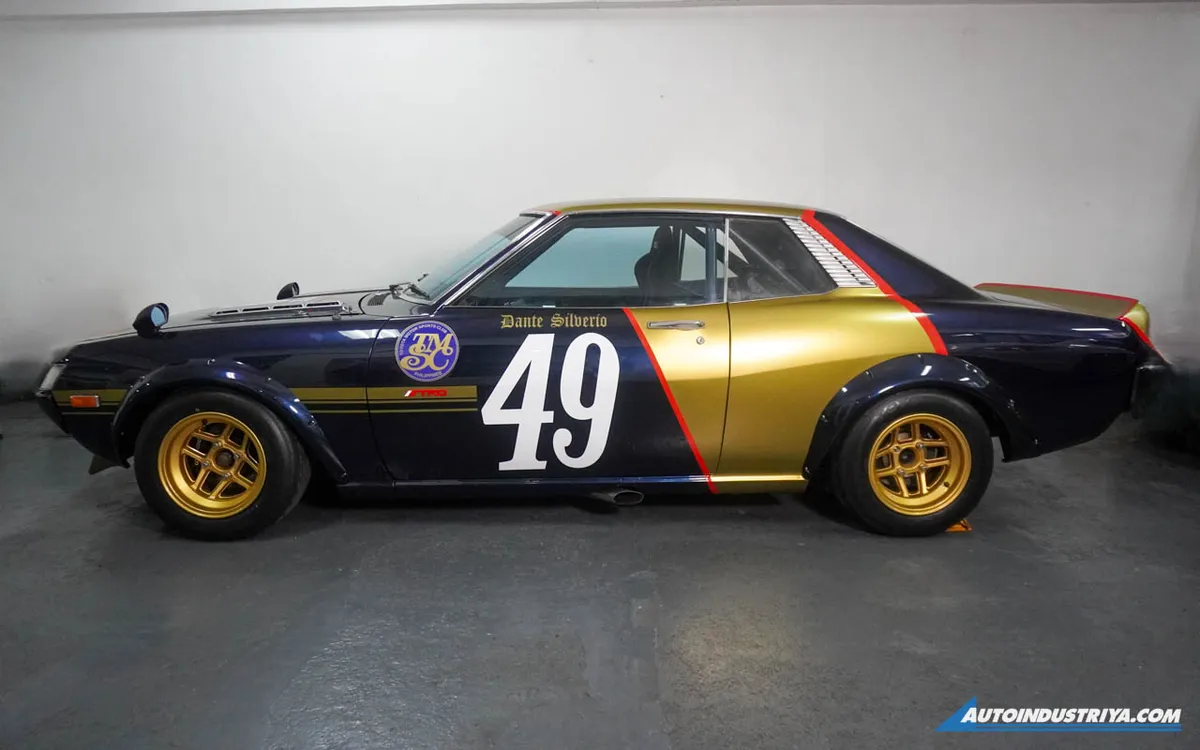
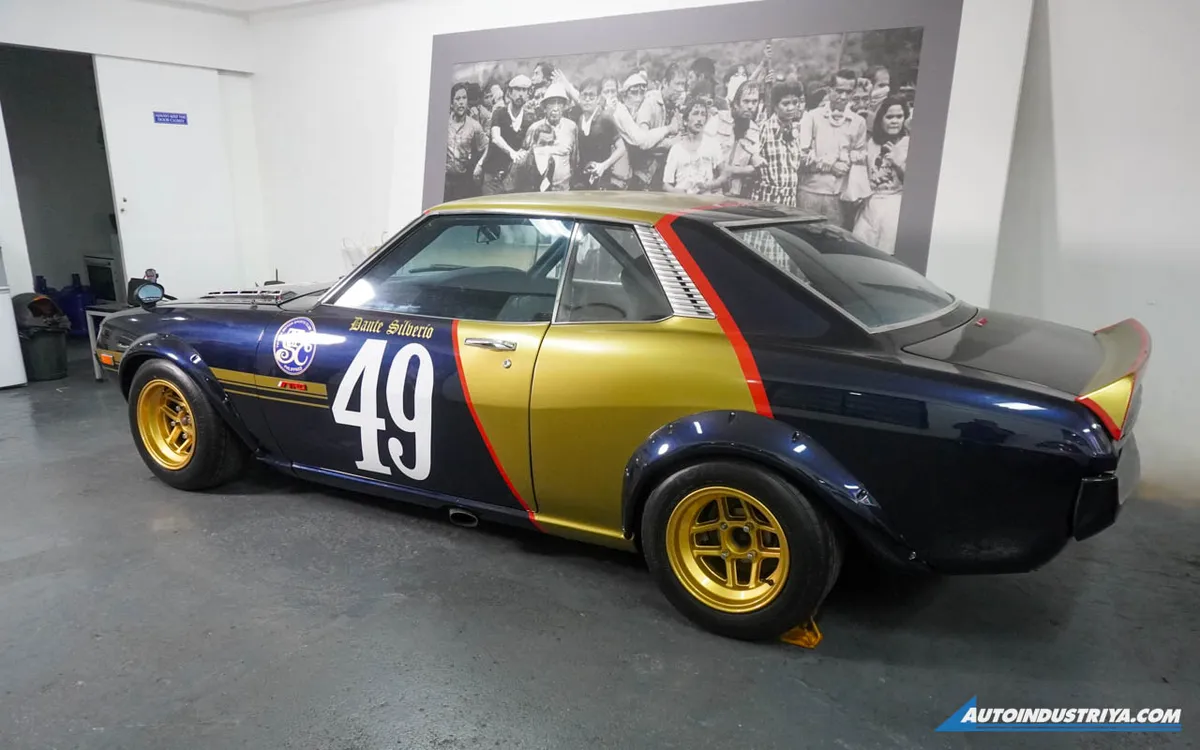
The Celica retains its original trim pieces and period-correct details that define its character, from the ultra-rare TRD tachometer, 6-pt. roll cage and flared wheel arches to the front and rear spoilers, each component bearing the patina and provenance of a long and storied racing career.
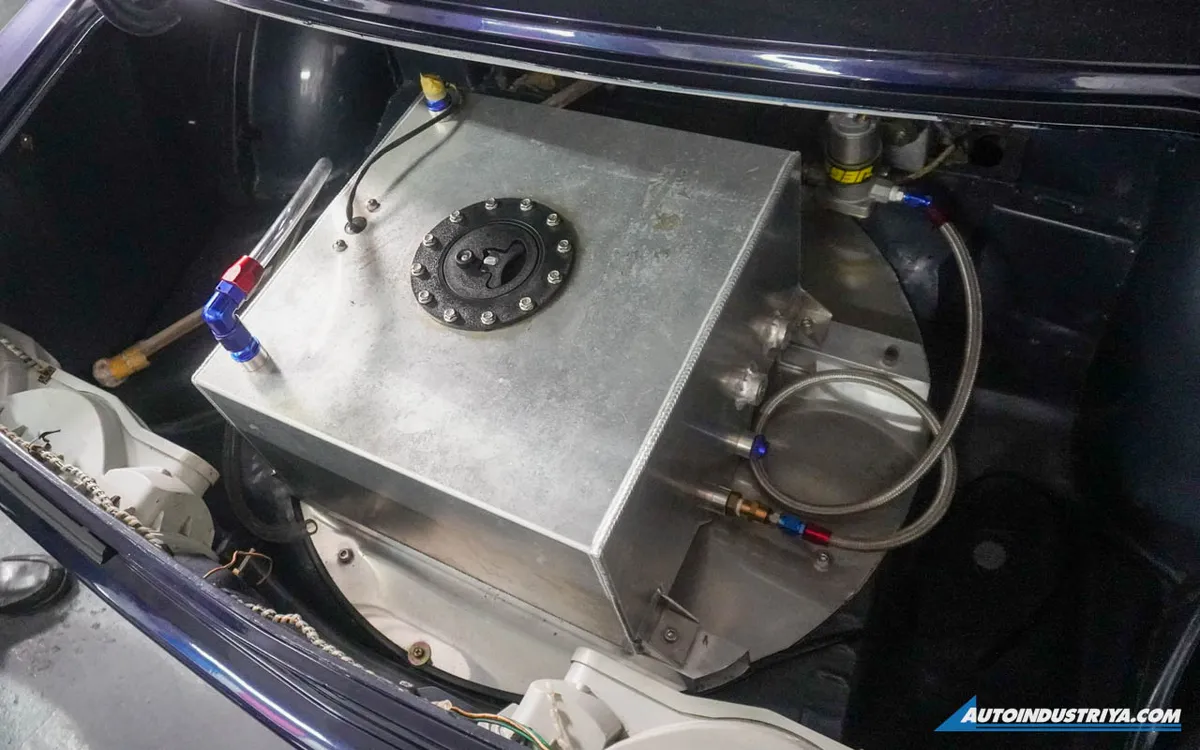
While maintaining historical accuracy was a key objective of this restoration project, several mechanical components were discreetly updated to meet modern safety standards.
These include coilover dampers, trunk-mount fuel cell, Wilwood brake calipers and rotors, brake proportioning valves, aluminum radiator, Weber 45 DCOE carburetors, updated fuel pump and lines. The result is a car that remains faithful to its original form while offering enhanced reliability and safety.
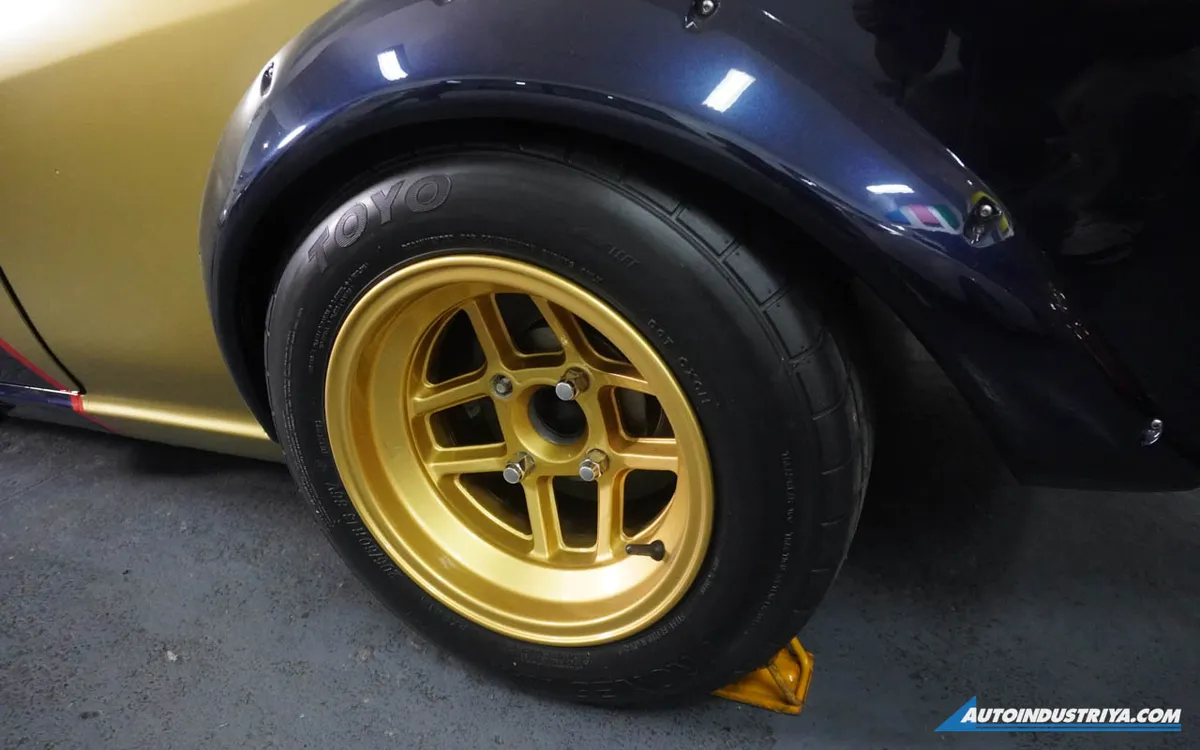
Toyota enthusiasts will immediately recognize another original standout feature: the rare one-piece TOM'S Igeta racing wheel that’s wrapped with intermediate Toyo Proxes rubber. For this restoration, the 13x9-inch wheels were color-matched to the Celica's distinctive gold livery, preserving one of the car's most recognizable visual elements.
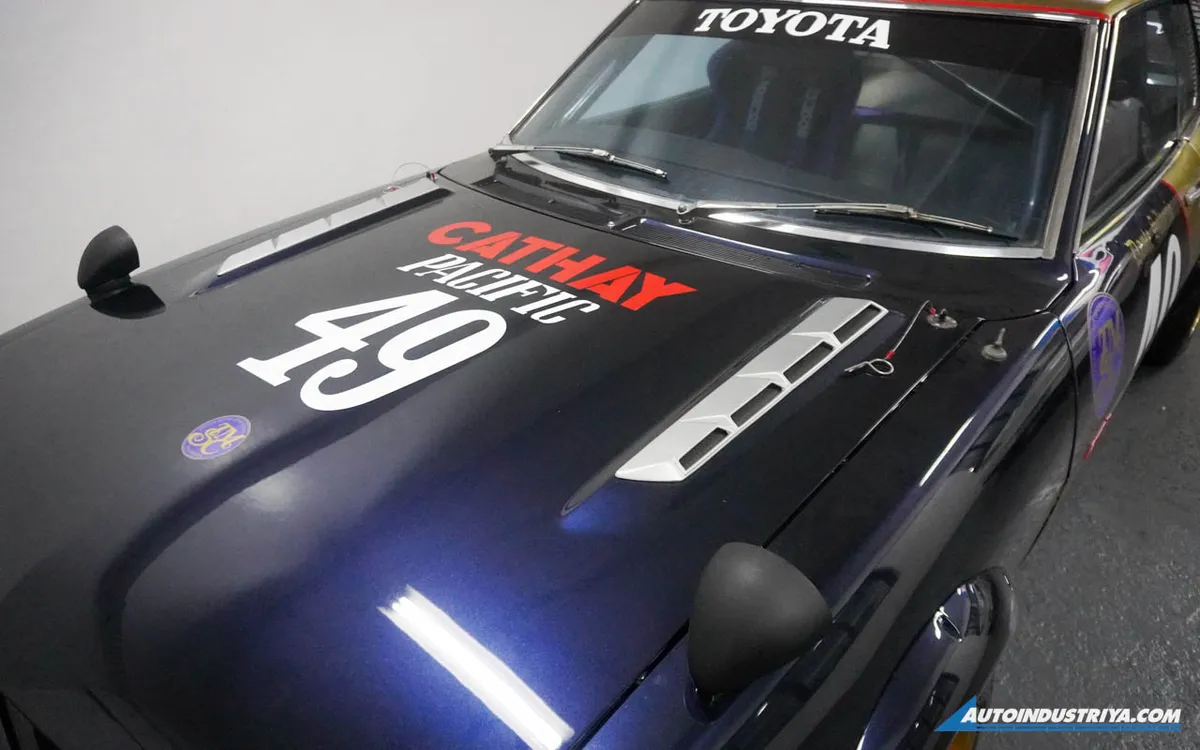
The exterior has been refinished in a deep metallic blue, faithfully recreating the striking gold-and-red livery that became Dante Silverio’s signature style on the track. Even the race number tells a story.
The number 49 was not chosen by chance, nor was it considered a lucky number. Instead, it was a personal touch, simply the total number of letters in Dante Silverio’s first and last name, transformed into a unique racing identity.
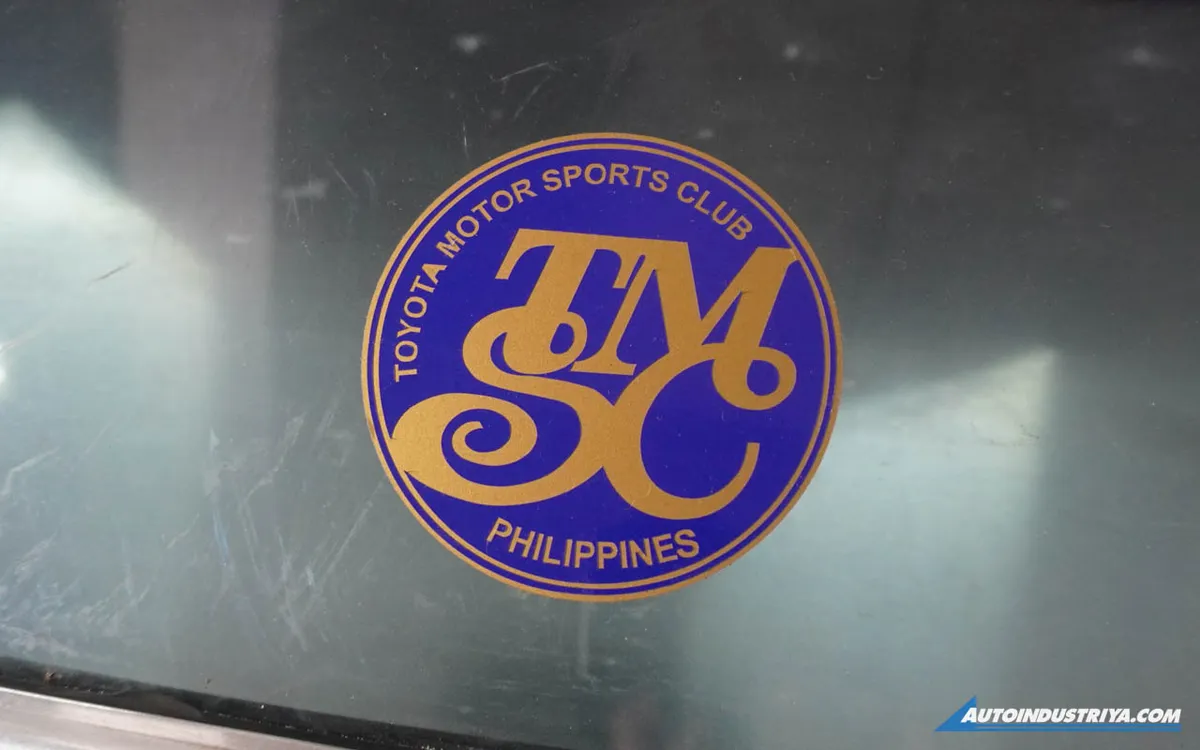
Another noteworthy detail is the prominent TMSC emblem, representing the Toyota Motor Sports Club Philippines. Beyond racing, TMSC was actively involved in roadside assistance and public service initiatives during the 1970s, often working alongside the Highway Patrol Group to assist motorists traveling to out-of-town holiday destinations like Baguio during the summer.
More than just a racecar
What makes this Toyota Celica truly significant is what it represents.
It stands as a symbol of a defining period in Philippine motorsports, a time when Filipino drivers demonstrated their talent on both local and international stages. Competing against formidable foreign competitors and machinery, Silverio and his team proved that Filipino skill and determination could prevail.
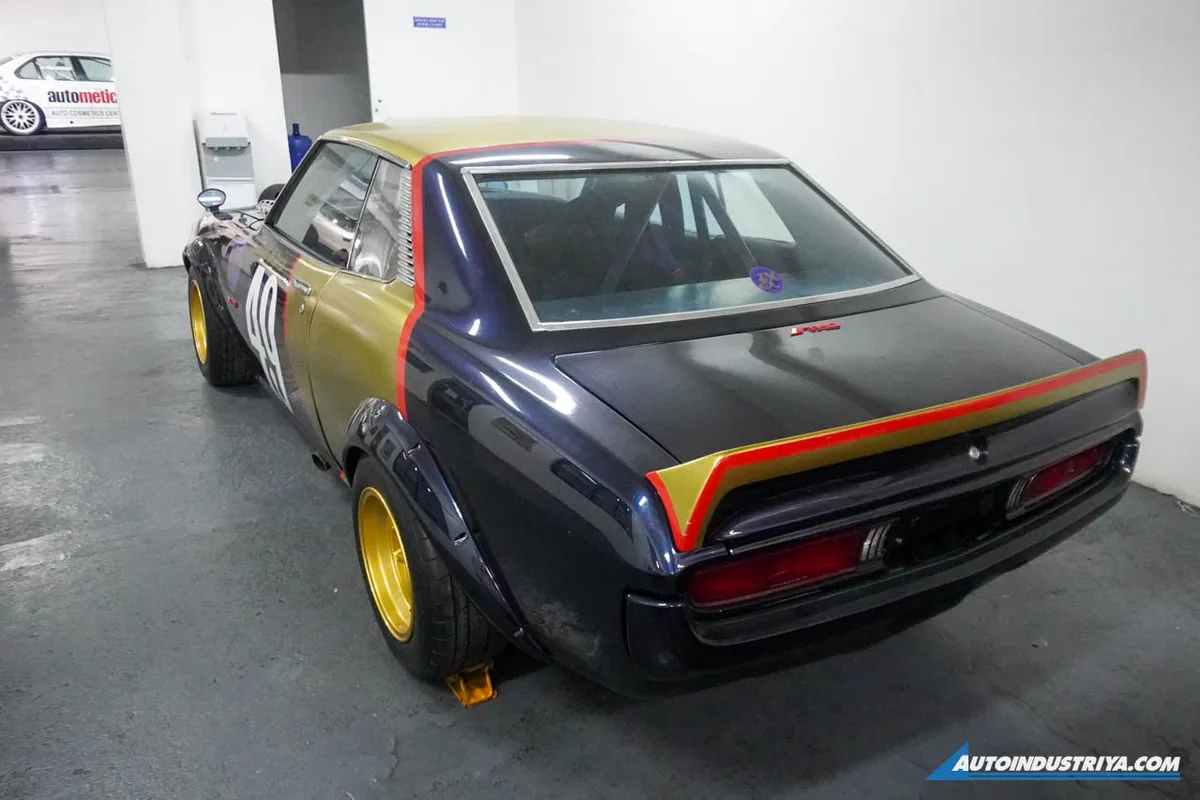
The Celica also helped bring motorsports closer to the public, inspiring a new generation of enthusiasts and contributing to the growth of local racing culture. Decades later, its legacy continues to resonate among racing enthusiasts and fans who recognize its place in Philippine automotive history.
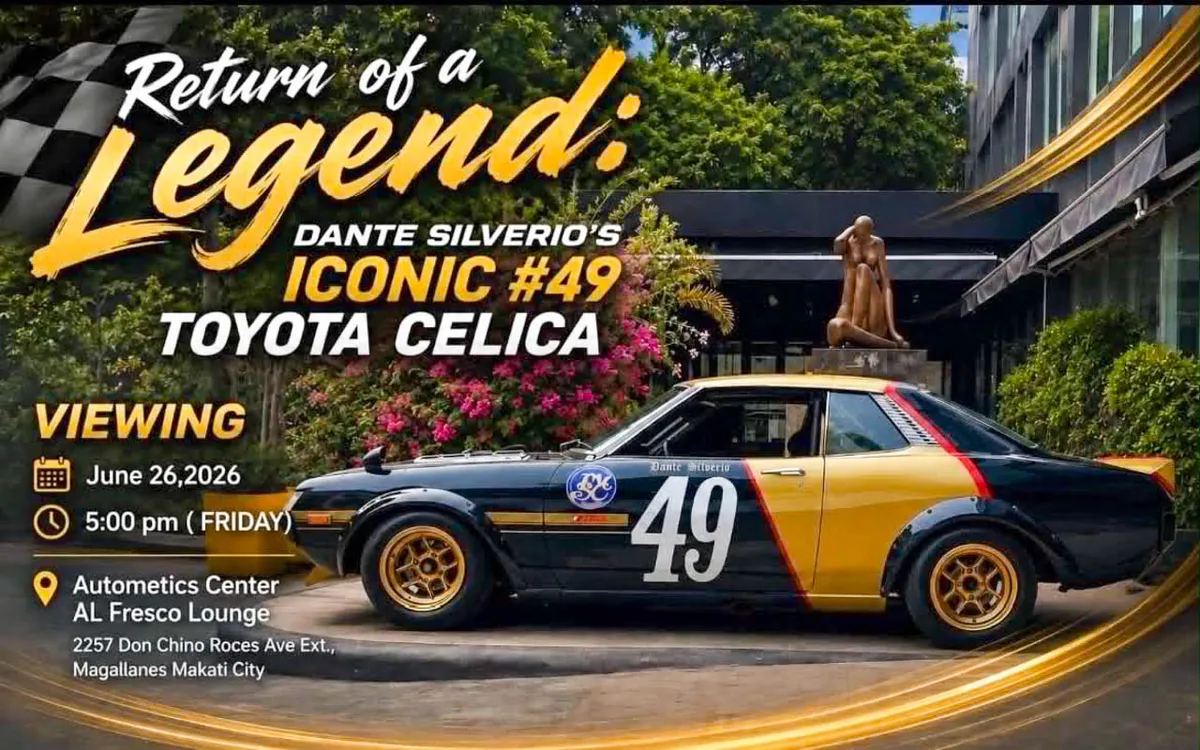
For those who want to relive a piece of automotive racing history, experiencing this iconic machine and the unmistakable soundtrack of its legendary twin-cam engine, Mr. Silverio will host a public viewing on June 26 at 5:00 PM at the Autometics Center AL Fresco Lounge along Chino Roces Avenue Extension in Makati City.
It is more than a car reveal; it is a celebration of a remarkable chapter in Philippine motorsports history.
11 photos
Related Posts
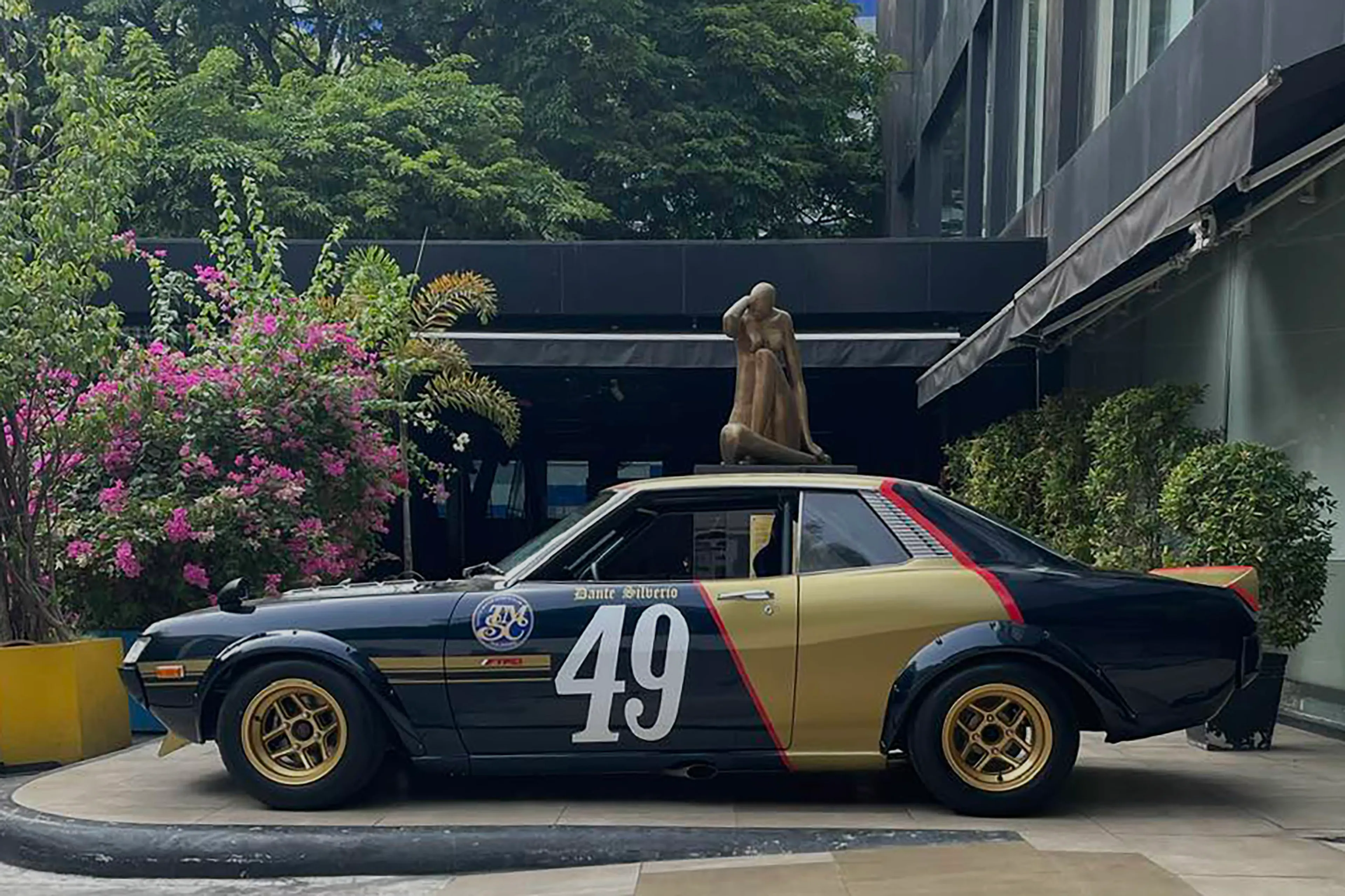
Return of a Legend: Dante Silverio’s Iconic #49 Toyota Celica surfaces
Legendary 1972 Greenhills Grand Prix-winning Toyota Celica returns in stunning form, reviving memories of the golden era of Philippine motorsports
 Francis Pallarco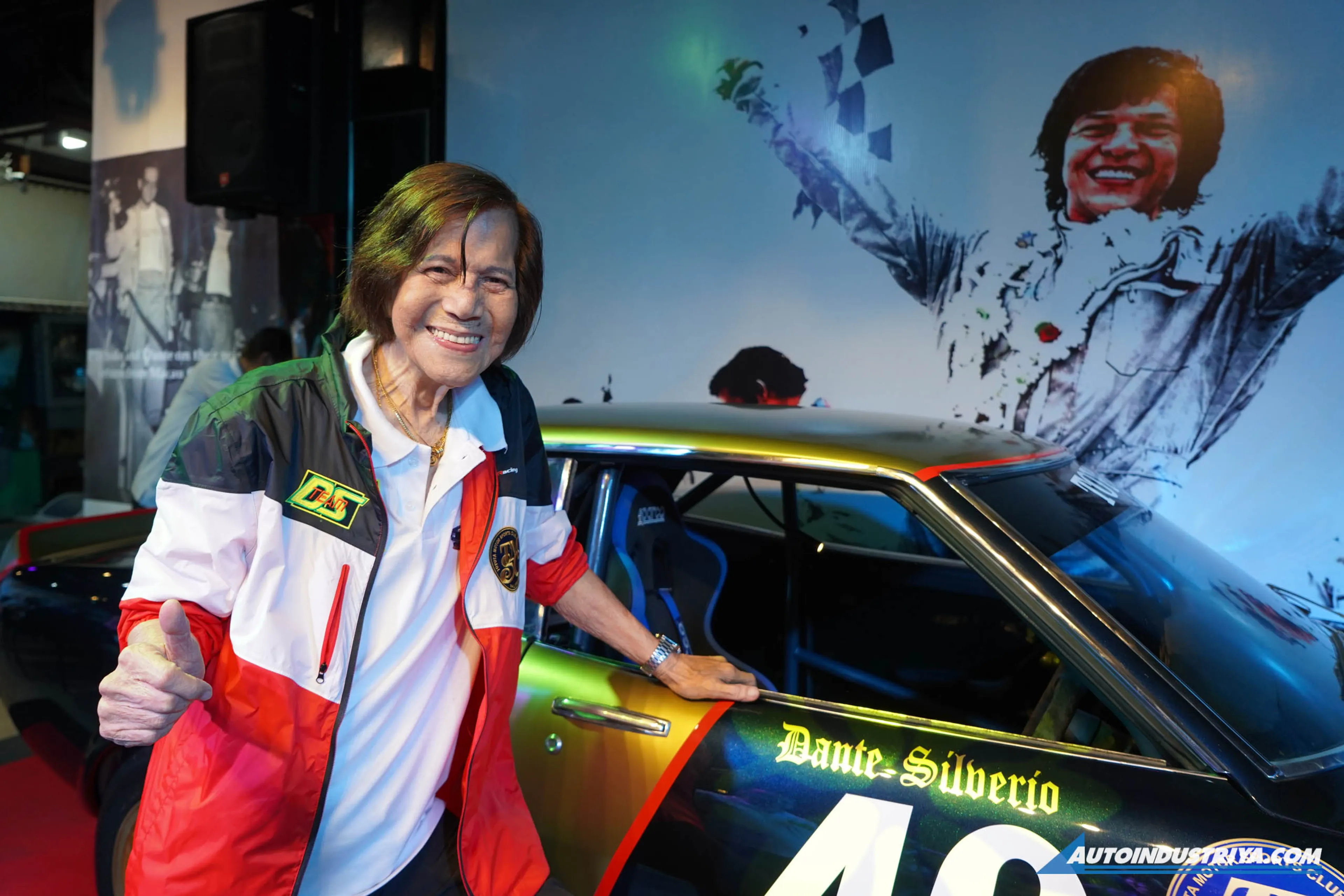
Dante Silverio unveils restored #49 Celica race car with special celebration
Last Friday, automotive enthusiasts and some of the biggest names in Philippine motorsport gathered at the Autometics Center Al Fresco Lounge in Makati City for the unveiling of Dante Silverio's legendary #49 Celica race car.
Francis Pallarco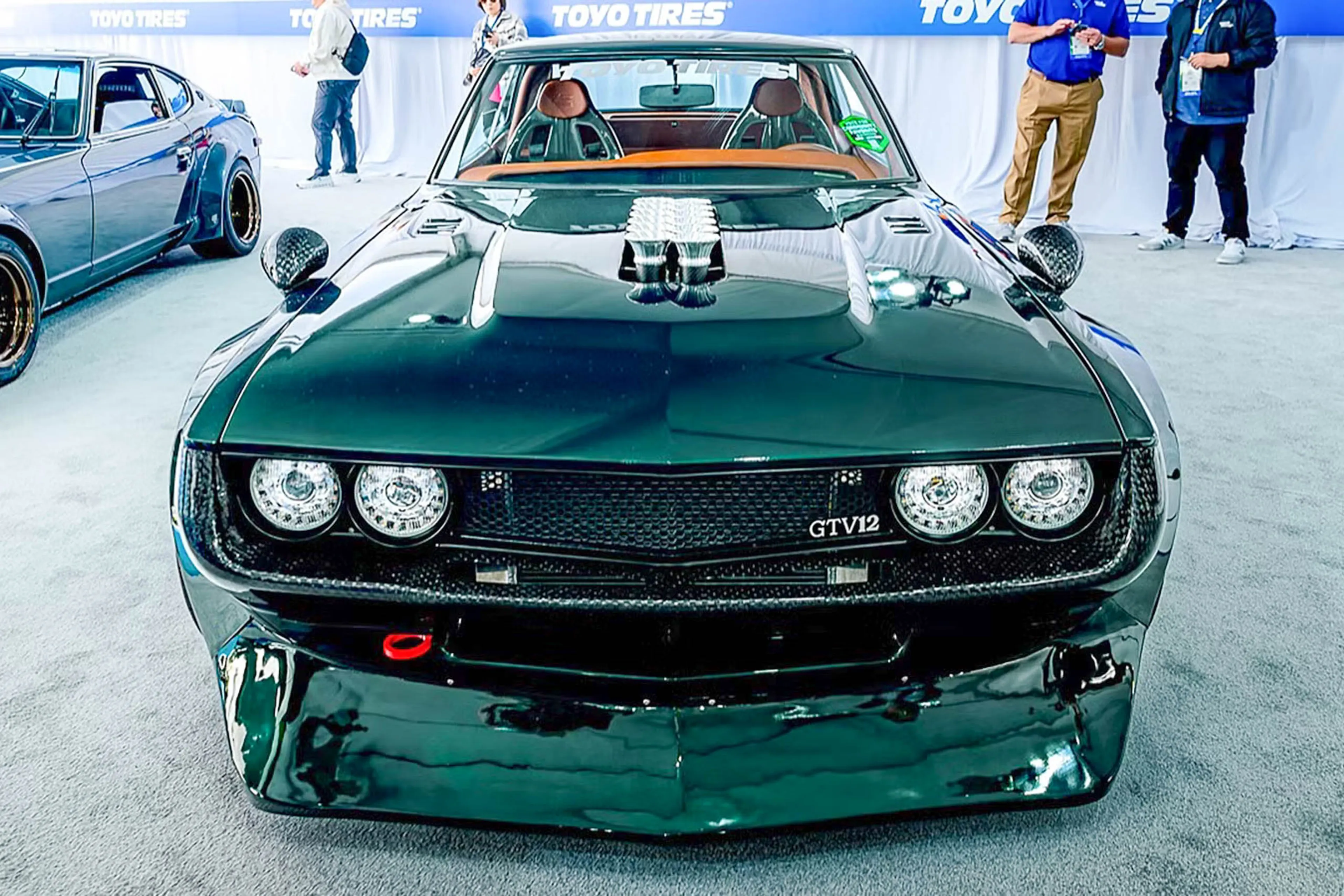
Classic Toyota Celica restomod gets V12 power
This restored Celica redefines the platform entirely with a new V12 under the hood
Francis Pallarco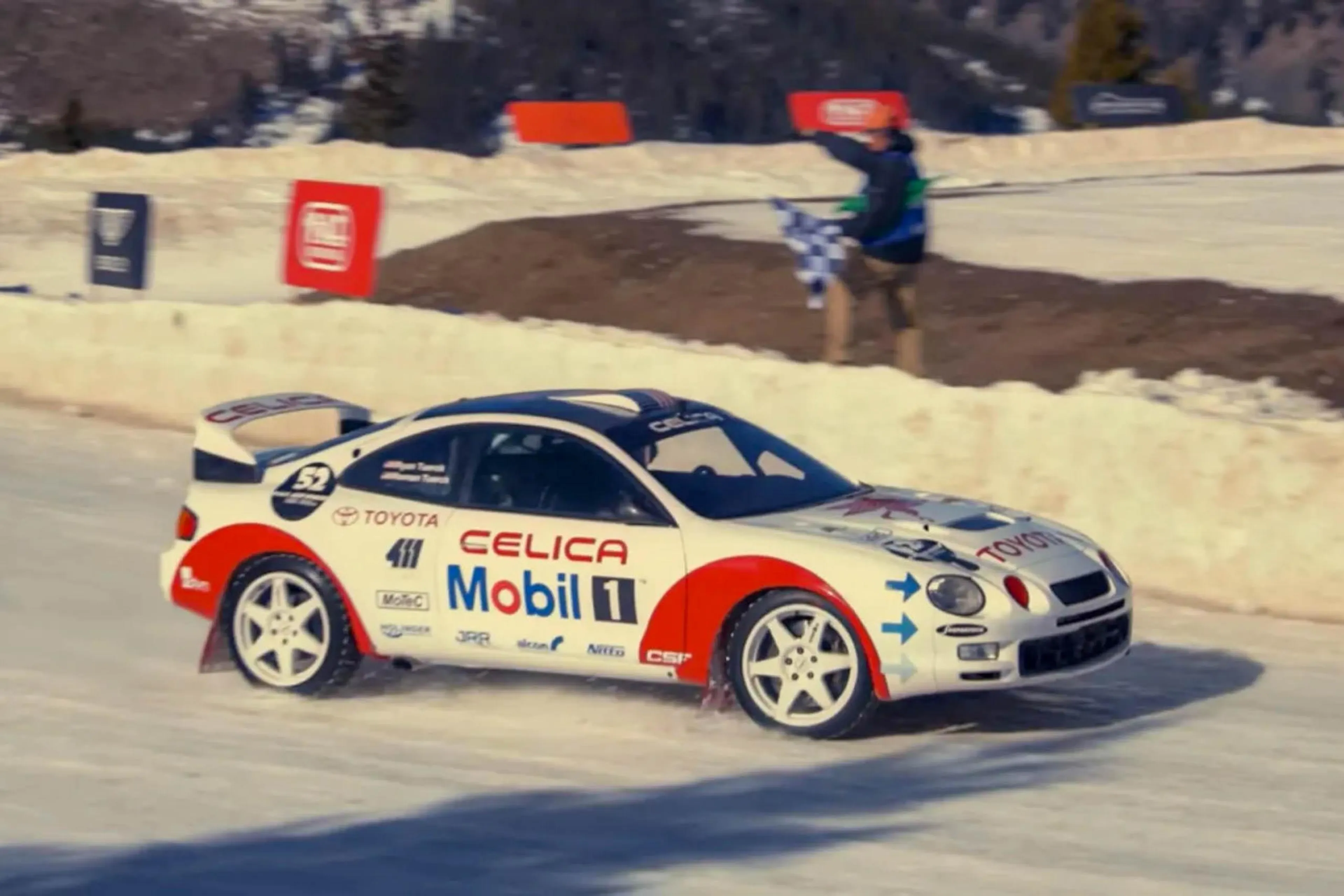
600 HP GR Corolla engine powers Ryan Tuerck’s AWD Celica Rally build
Ryan Tuerck transforms a front-wheel-drive Celica GT into a rally-spec all-wheel-drive racecar
Francis Pallarco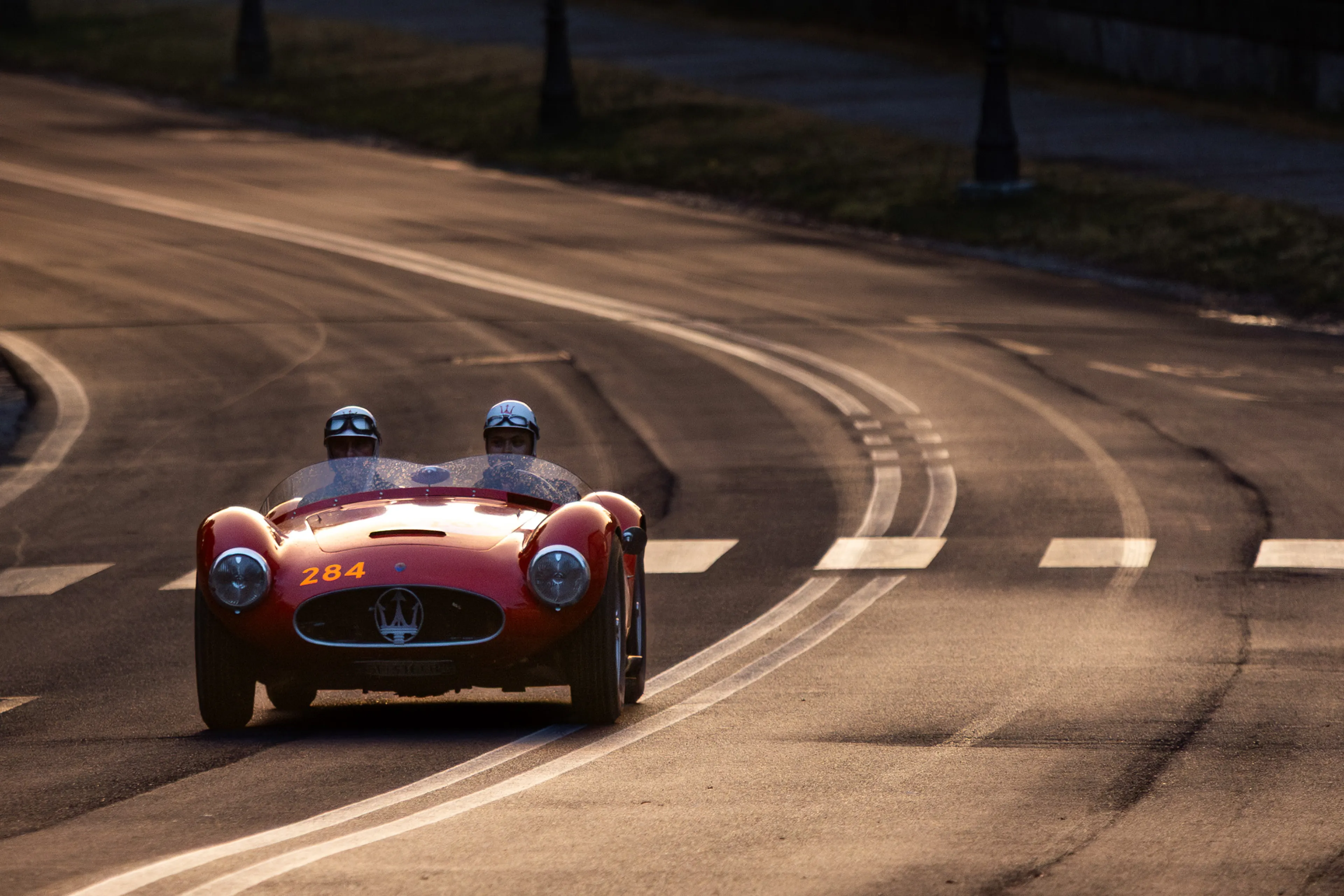
Maserati celebrates brand’s heritage at 1000 Miglia 2026
Maserati honors century of passion, innovation, and motorsport heritage at Mille Miglia 2026
 AutoIndustriya.com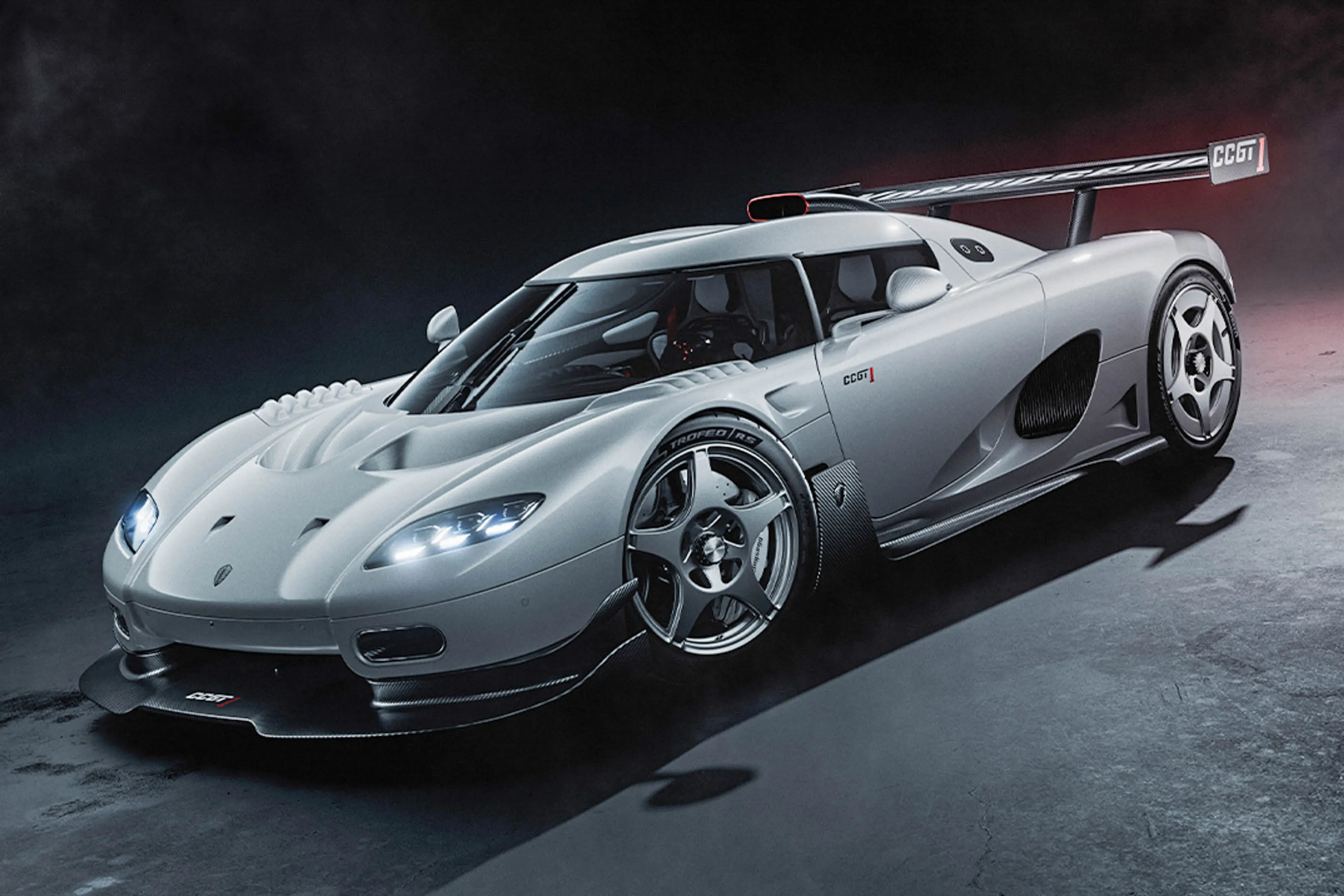
Koenigsegg CCGT1 brings its forgotten GT1 racer back to life
Koenigsegg is bringing Christian von Koenigsegg’s endurance-racing vision back to life with the CCGT1, a modern homage to the GT1 racer that never got its chance to compete
Francis Pallarco