
Automotive Art: Jiro Yamada and his timeless cutaway illustrations
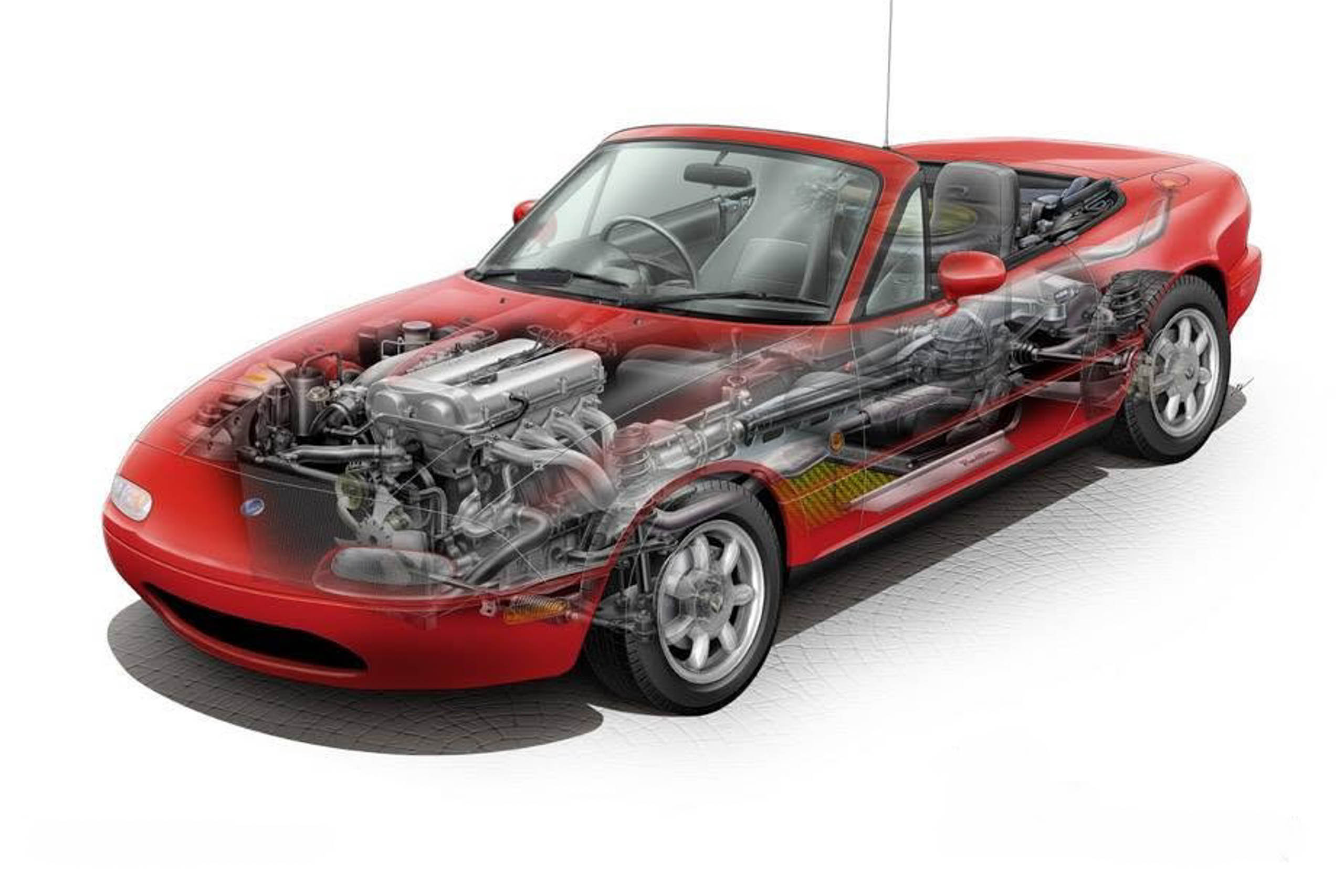
Automotive Art: Jiro Yamada and his timeless cutaway illustrations
Jiro Yamada turned technical language of automotive engineering into visually captivating works of art

For any car enthusiast who’s ever flipped through the pages of Road & Track magazine and other imported car publications back in the day, I’m sure you’ve probably spent time looking at the awesome automotive cutaway illustrations of Jiro Yamada that accompanied most car reviews and other noteworthy classic vehicle features.
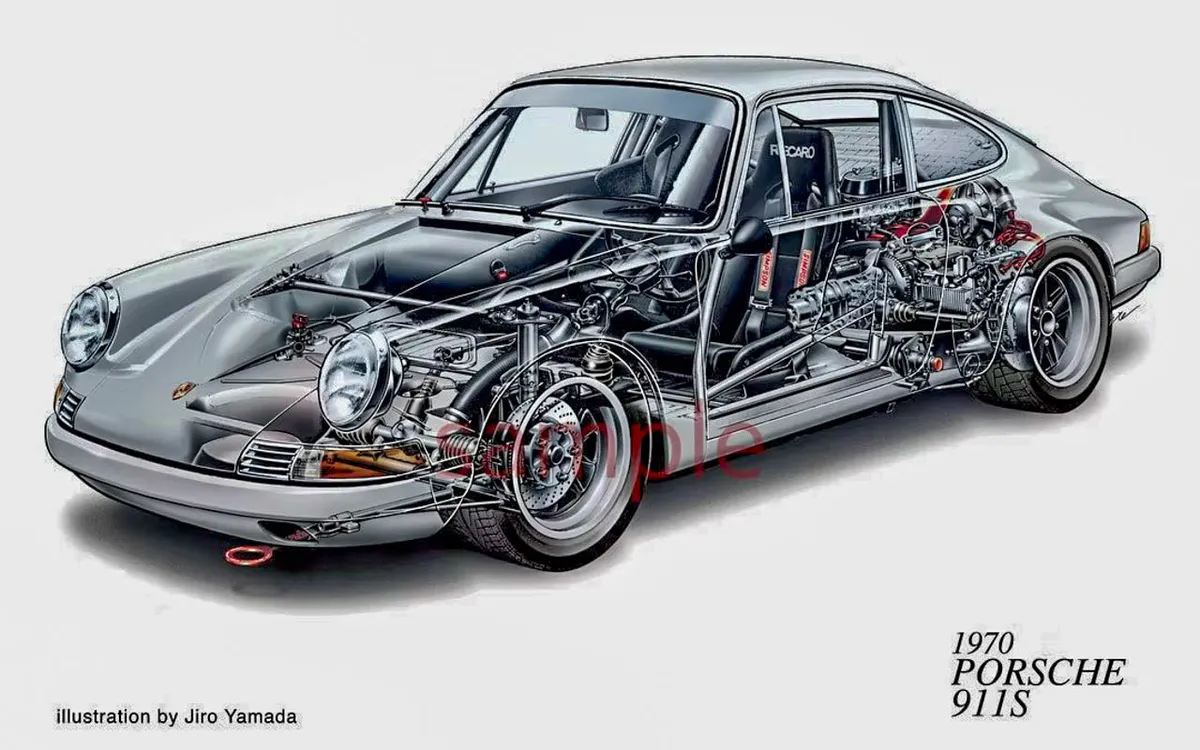
Not only did it make the article more engaging to read, but it also served as a primary lesson in automotive engineering.
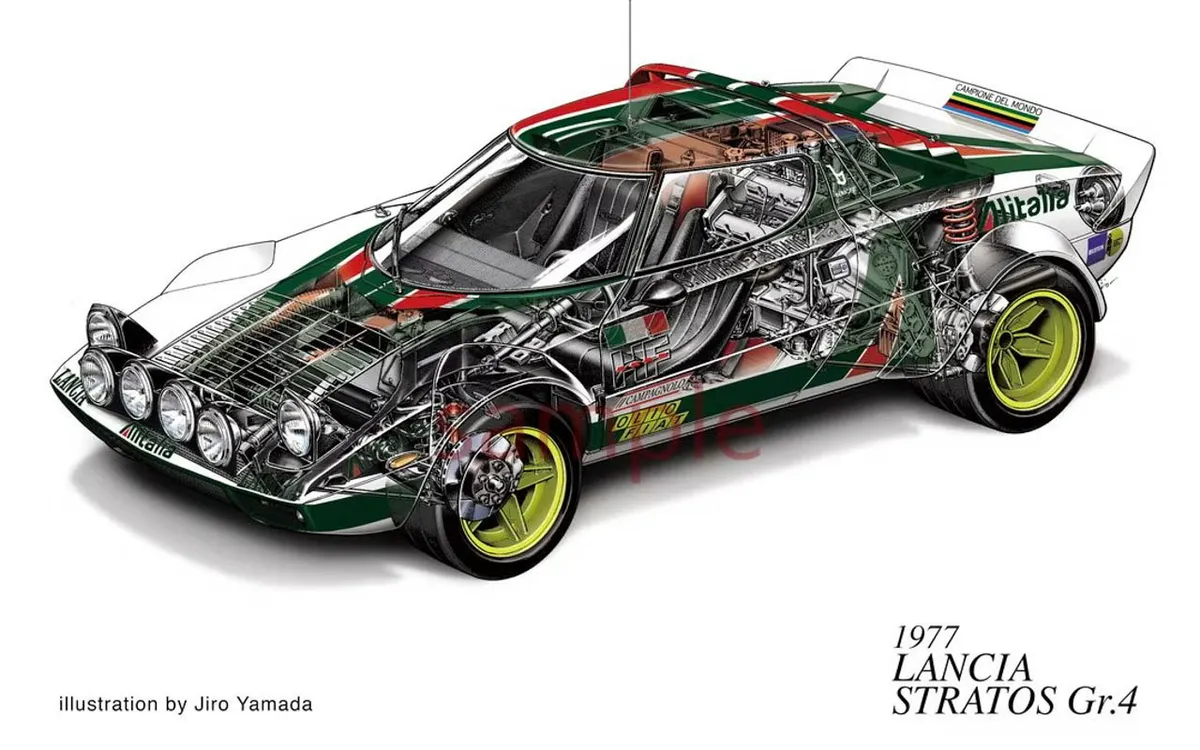
A highly detailed cutaway illustration can ignite the imagination, revealing everything from the engine and transmission to the suspension layout. It offers readers a rare glimpse beneath the bodywork, showing not only how a car is built, but how it actually works.
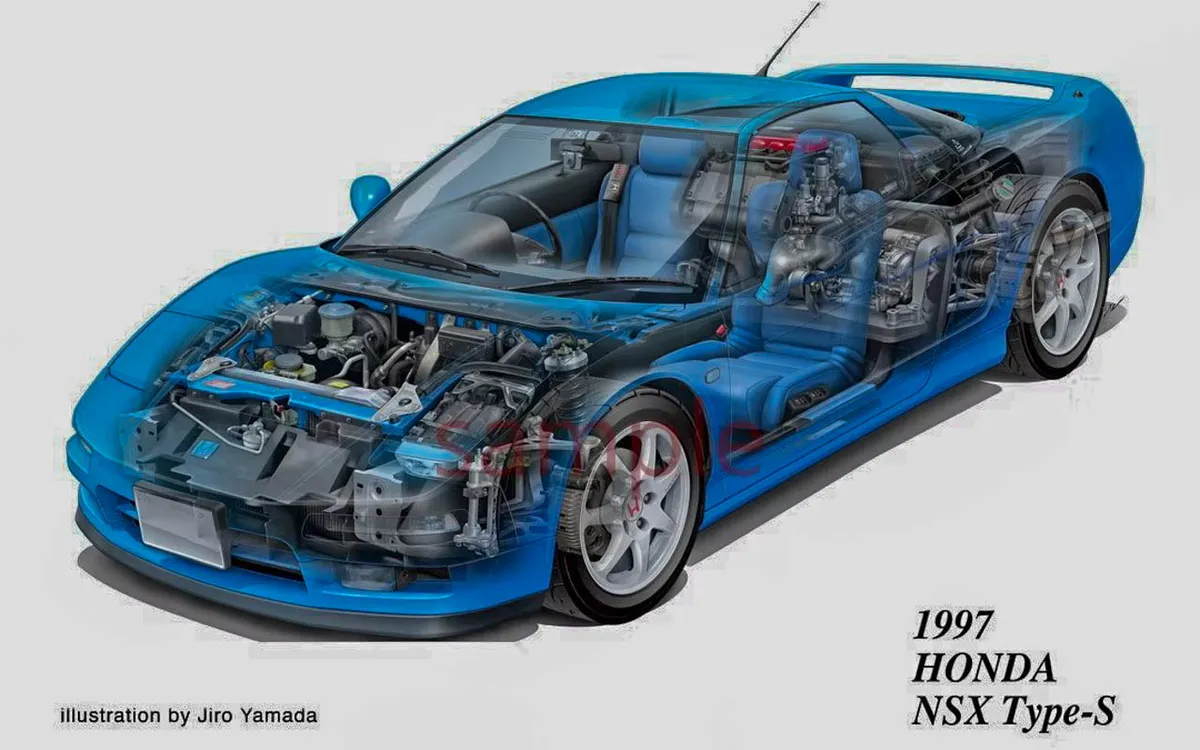
Although Yamada died of pancreatic cancer in August 2025, it was only recently that the automotive world learned of his passing, following a prolonged period out of the public eye and what appears to have been a deliberate effort by his family and perhaps Yamada himself to maintain privacy.
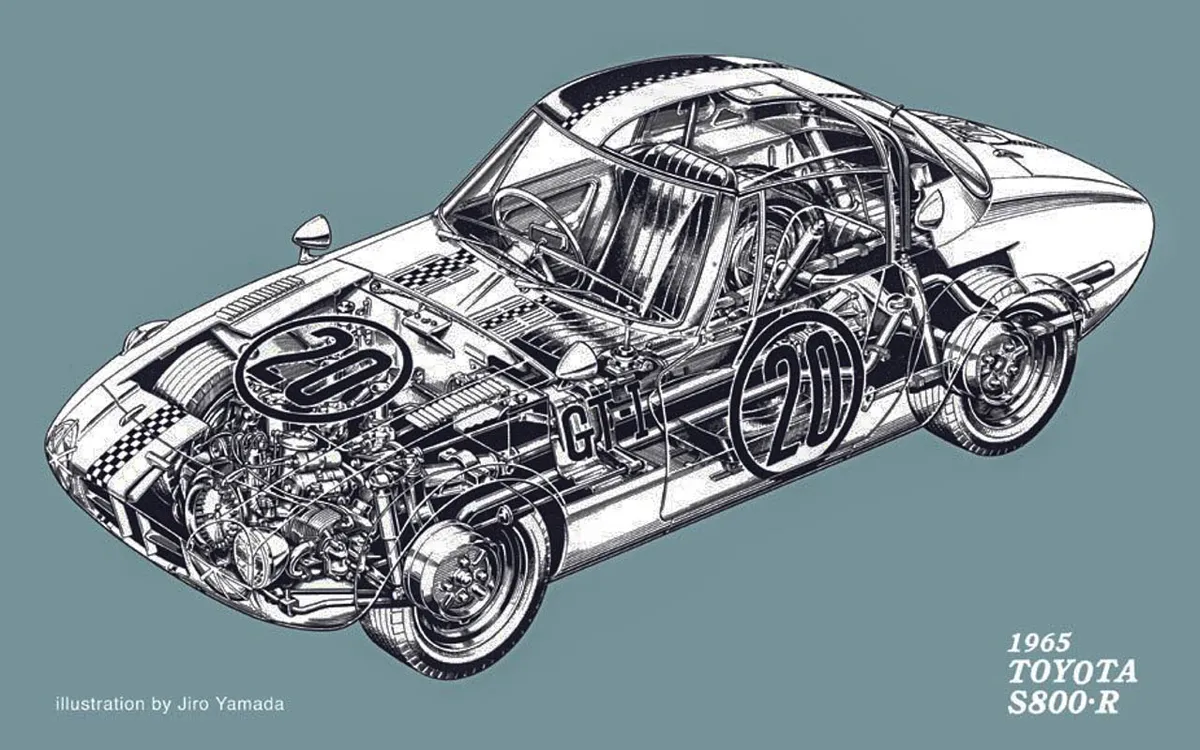
Yamada discovered his talent for blending technical precision with artistic beauty at a young age and began illustrating professionally in 1979. Working in ink and airbrush, he spent countless hours perfecting each drawing.
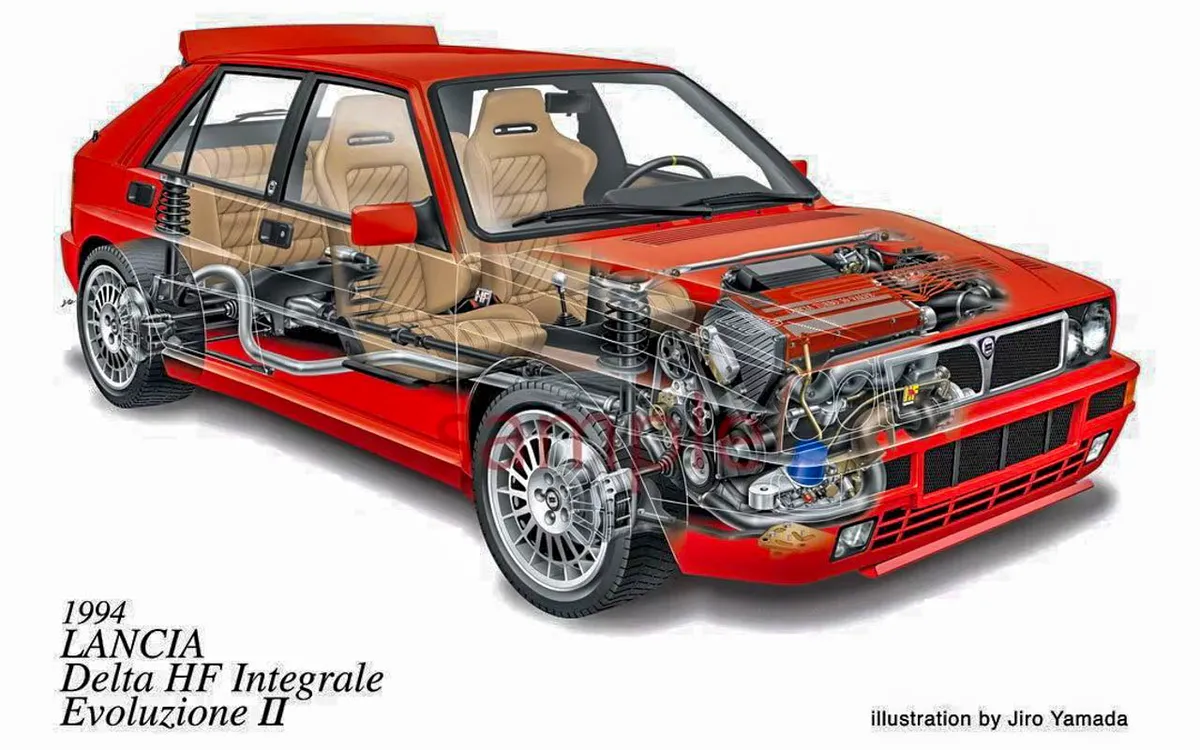
His work became a staple of various car magazines and a favorite among collectors. This brought him widespread recognition, and by the late 1980s, his name appeared in the 1988 Gran Turismo guidebook, where he is credited for the illustrations.
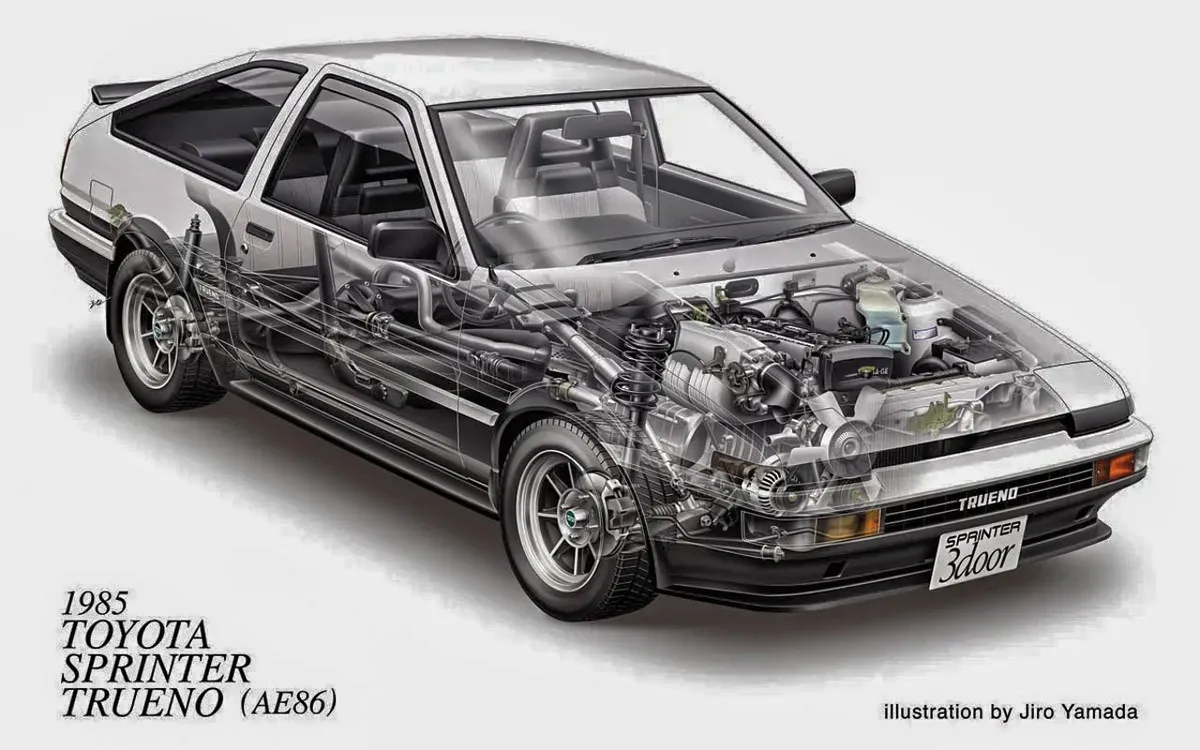
Yamada described his work as an effort to capture both the rationality and beauty of machines, a philosophy shared by fellow hand-drawn cutaway masters David Kimble and Jim Hatch.
Before drawing a single line, Yamada spent weeks studying photographs, blueprints, and technical manuals, mastering a car's mechanical anatomy before rendering it with remarkable precision in ink and airbrush.
It wasn’t until the turn of the century that Yamada transitioned to digital tools. It allowed him to add more to the drawings, sometimes creating layers and full renderings of components that would even be seen in the final product. Yamada shared his digital process using a Porsche 906 as an example.
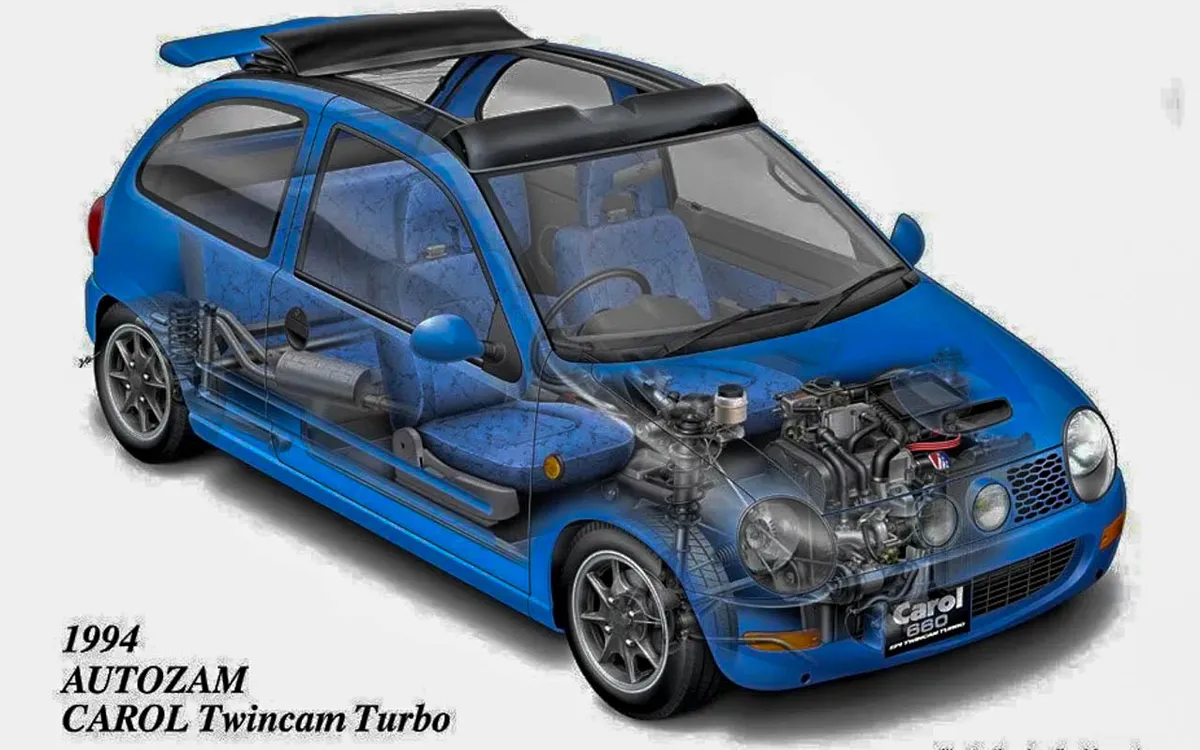
When he wasn’t busy at the drawing board, Yamada was a true car enthusiast, favoring cars that embodied mechanical purity and engineering beauty. He had an affinity for lightweight classics like Lotuses, Fiats, rally-bred Lancias, as well as Japanese staples like the Mazda Roadster and Toyota AE86. His personal car collection included a Honda Beat and his beloved Siberia Blue Autozam AZ-1.
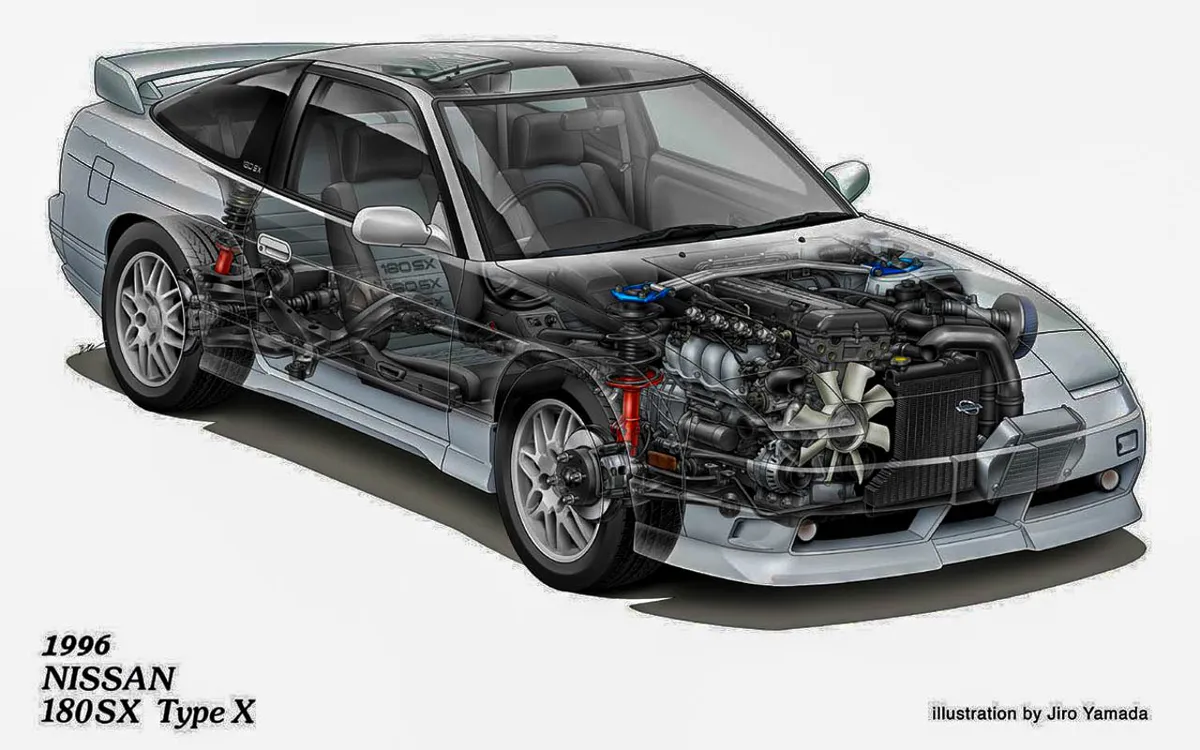
Though Yamada is no longer with us, his work endures. Before his death, he entrusted his archive and legacy to the Museo Della Cinquecento in Nagoya, where enthusiasts can continue to explore his celebrated cutaway illustrations. Those who wish to own one of his cutaways can purchase prints at the official museum store.
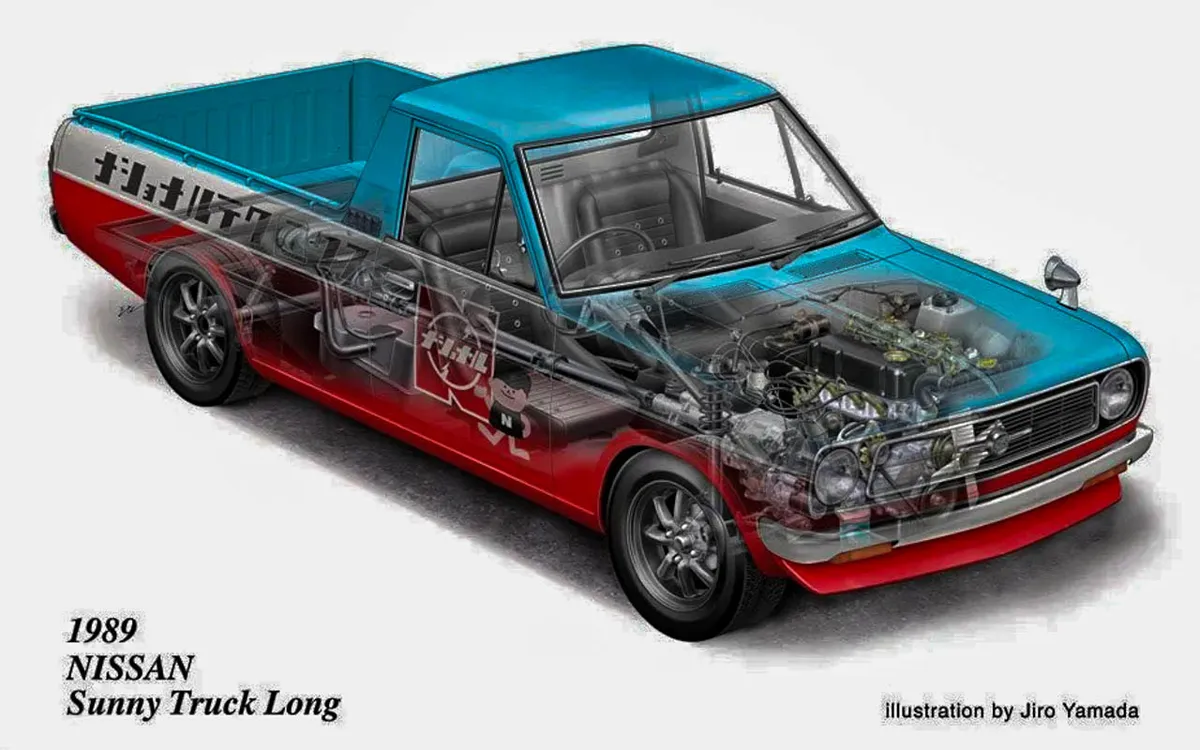
Combining technical precision with unmistakable artistry, Yamada's work goes beyond mere diagrams to become educational resources and enduring sources of inspiration. He leaves behind a remarkable legacy that will continue to captivate automotive engineers, historians, and enthusiasts for generations to come.
8 photos
Related Posts
Virtual Car Doctor: Can you use AI to help diagnose your car?
Beat budol mechanics with a little help from AI
Drive Science: Manual transmissions keep your brain more engaged
Studies reveal how manual driving affects attention and brain activity

2026 Land Cruiser FJ First Drive: Toyota’s friendly jab at Jimny?
The Land Cruiser FJ is one of Toyota's most polarizing launches in recent memory. Are the criticisms justified?
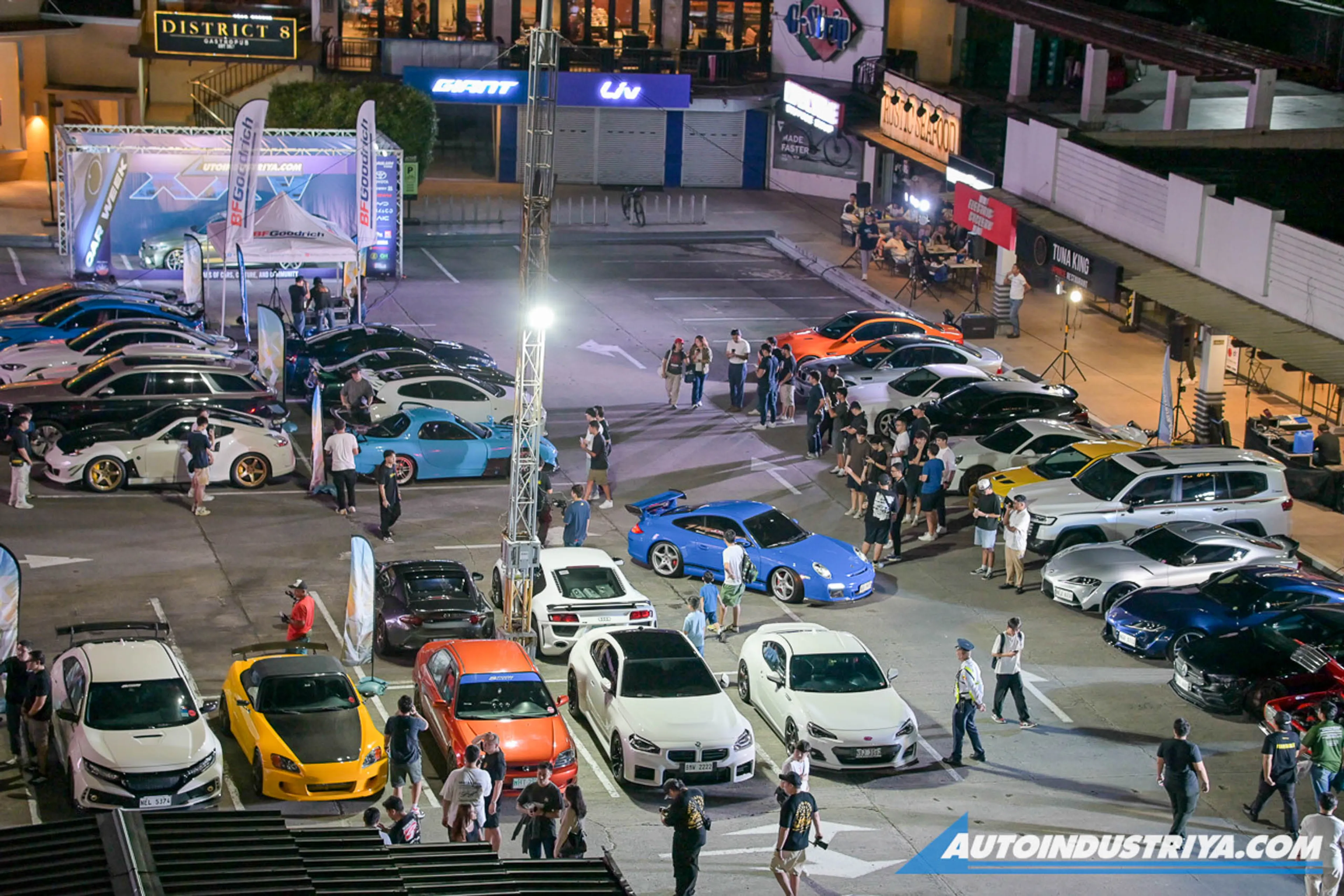
What’s your automotive tribe?
We all share a love for four wheels, but sometimes in completely different ways
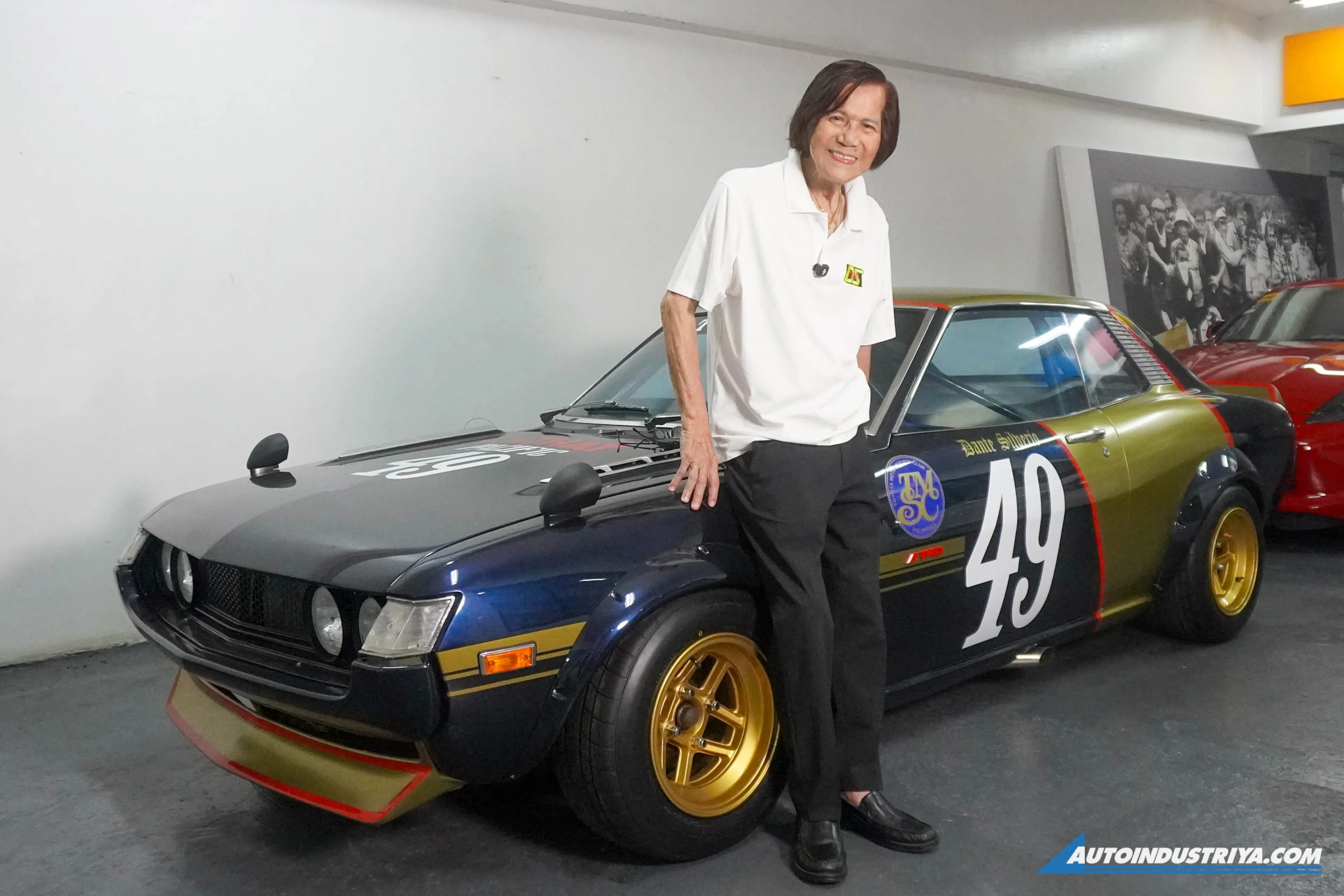
From Hoop Dreams to Auto Racing Legend: Dante Silverio and his Toyota Celica
Silverio’s storied career includes coaching multiple championship-winning teams in the PBA, car enthusiasts recognize him first for an entirely different legacy
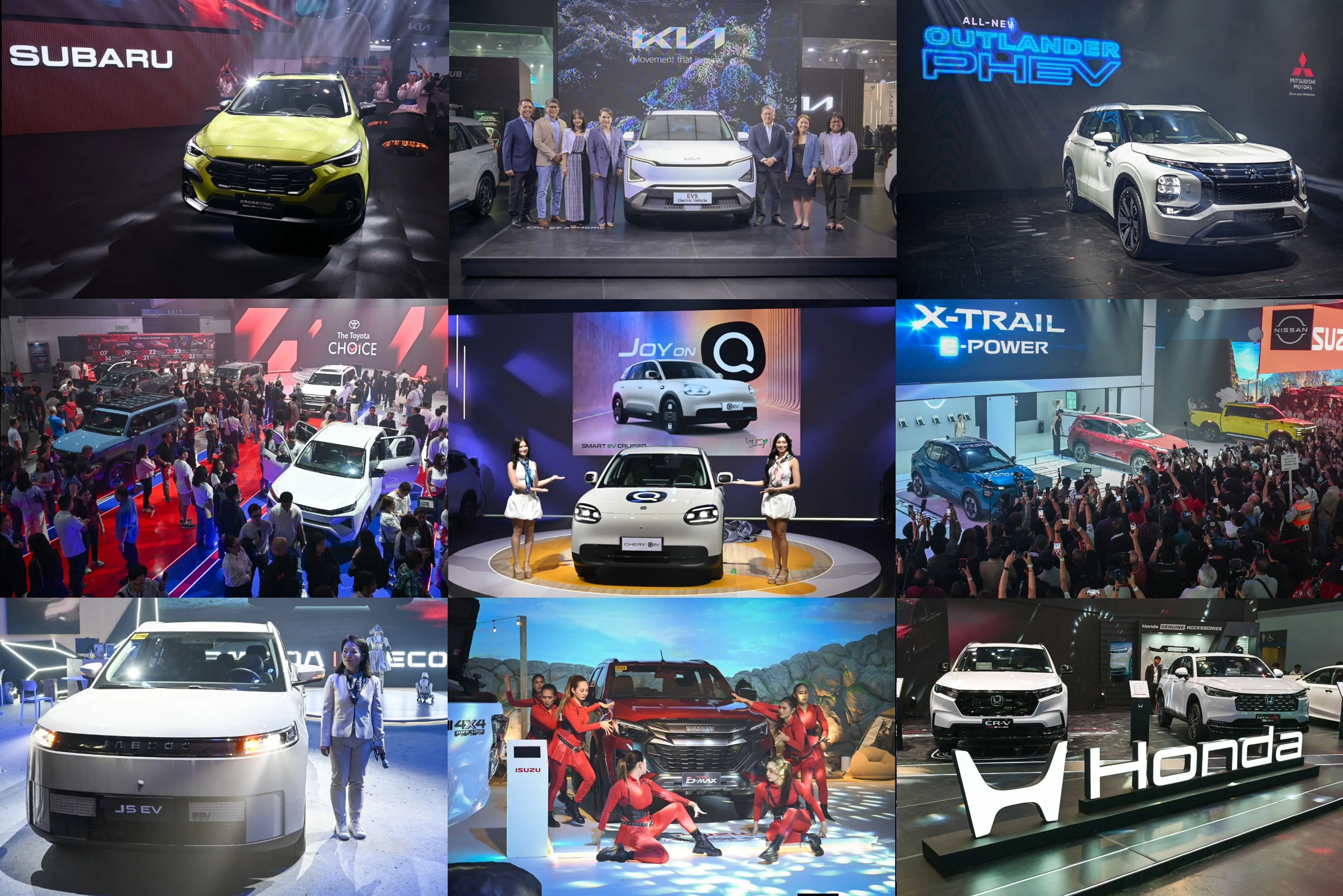
2026 Philippine International Motor Show: Mobility at its most diverse era
2026 Philippine International Motor Show saw 17 participating brands and more than 150 car displays