
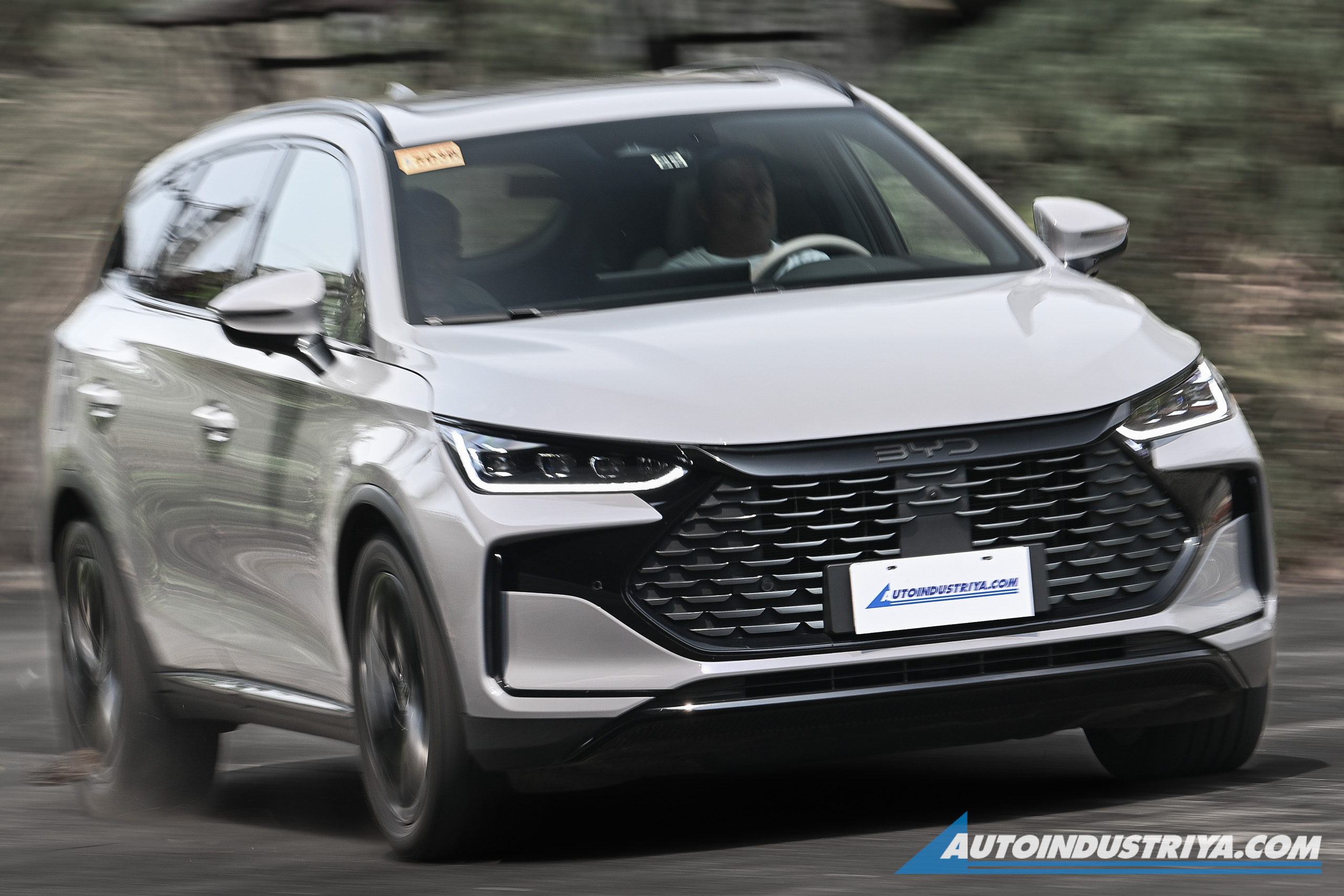

There's always a model that sets the bar for what buyers can expect from a brand. Toyota has the Vios (and the Corolla before that), Hyundai has the Starex (now Staria), and Geely has the Coolray. For BYD, it's the Sealion 6.
When a brand launches something more expensive and more premium, people naturally expect it to be better in every way possible. That’s the challenge that BYD currently has with its most expensive BYD-badged PHEV SUV to date: the Tang DM-i.
Does it exceed the bar that was set so high by its more affordable sibling?
To begin with, the Tang and the Sealion 6 were made with different things and buyer expectations in mind. While both are plug-in hybrids, the Tang belongs to BYD's Dynasty Series - a lineup that takes a more mature and premium approach and is so named after historical Chinese dynasties. It’s a contrast to the youthful styling of the brand's Ocean Series models such as the Sealion 6, Seal, and Seagull.
4 photos
Up front, the distinction is immediately apparent. The Tang features a large grille flanked by sleek LED headlights, while the Moonstone Gray test unit adds blacked-out accents for the grille, wheels, and badges, giving the SUV a more sophisticated appearance.
The Tang's substantially larger proportions become even more evident. Measuring nearly 4.9 meters , it is longer than traditional ladder-frame SUVs like the Toyota Fortuner and Mitsubishi Montero Sport, and only slightly shorter than the Ford Everest. It rides on 20-inch black alloy wheels wrapped in 255/50 Giti tires. The Tang doesn't have the ground clearance that those vehicles have at 182mm; this is a crossover for the road, not a PPV that can off-road.
4 photos
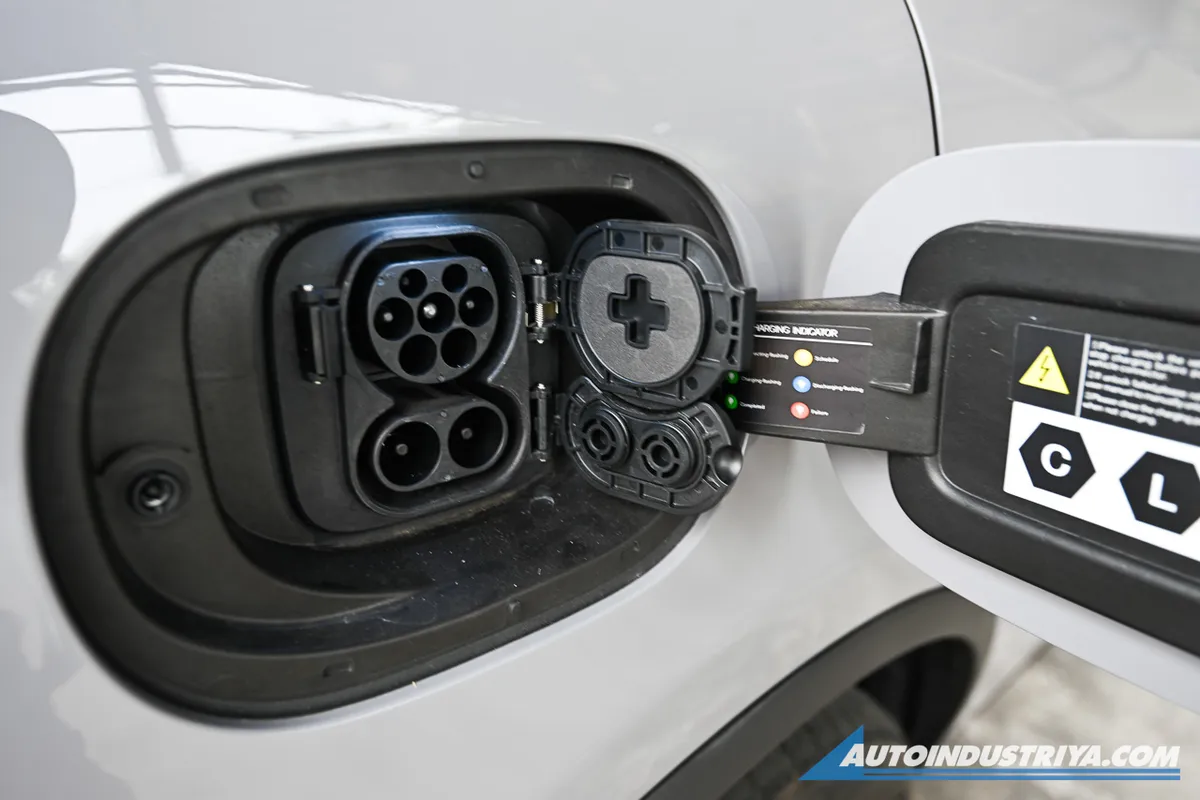
Other notable exterior details include side mirrors with integrated turn signals and blind-spot cameras. The charging port, located on the left rear quarter panel, uses a CCS Type 2 setup, allowing both AC and DC charging. At the rear, a full-width light bar connects the taillights, while black-finished Tang and DM-i badges complement the overall look.
4 photos
The Tang somehow meets the more upscale experience expected from a more expensive BYD model. The first row feels complete and well-appointed. The leather seats are perforated, heated, and ventilated for added comfort even during long drives in hot weather. Material quality throughout the cabin feels upscale, and the dashboard design successfully balances modern technology with usability.
The split layout for the digital instrument cluster and infotainment system is something I’ve appreciated from the Sealion 6, and the same can be seen with the Tang, which helps avoid visual clutter.
4 photos
One common criticism directed at many Chinese vehicles is the tendency to bury basic functions inside touchscreen menus. At first glance, the Tang appears guilty of the same approach, but as I spend more time with the SUV, I’ve discovered that BYD has integrated climate control adjustments into the steering wheel controls, reducing the need to use the touchscreen while driving. It's not a perfect solution, but it does improve the user experience.
Being a seven-seater, Tang's cargo space is generous and the folding mechanisms make it easy to configure the cabin for 7-seater or 5-seater mode. With all seats up, cargo volume is 235 liters. When the 3rd row is folded, that increases to 940 liters. In full cargo mode with the second row down, maximum cargo volume is 1,655 liters.
4 photos
There are several details that BYD had missed. Rear air-conditioning vents are limited to the center section of the second row, while third-row occupants receive no dedicated vents at all. The second-row seats also lack a tumble function, making access to the already cramped third row less convenient.
With these shortcomings, it seems like the Tang’s 7-seater capacity was decided late in the development phase 8 years ago (yes, the Tang has an 8-year old platform), as those should have been the earliest considerations when designing an SUV built to carry 7 people.
Meanwhile, the panoramic sunroof's sunshade feels thinner than expected for a vehicle positioned at this price point. Future owners of the Tang will greatly benefit from a super dark shade of tint on the sunroof to keep cabin temperatures down.
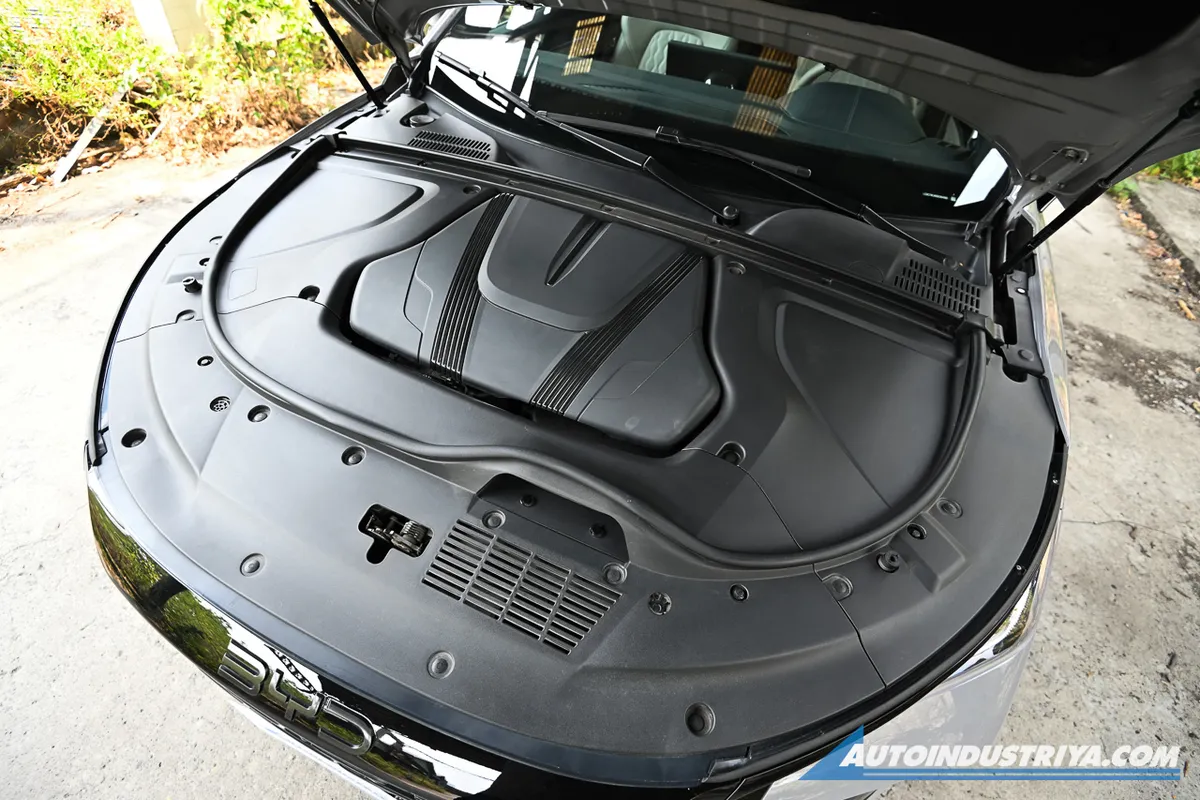
Under the hood of the Tang DM-i is a plug-in hybrid system that combines an electric motor with a 1.5-liter turbocharged gasoline engine, which primarily functions as a generator for the battery pack. The system produces a combined 271 PS and 315 Nm of torque, giving the Tang more than enough performance for highway cruising and overtaking duties.
On the road, the Tang distinguishes itself from the Sealion 6 through its suspension tuning, which is noticeable the moment you rack up your first few kilometers. While the Sealion 6 rides soft and can feel somewhat floaty, the Tang rides much firmer. For me, it strikes a better balance between ride quality and body control as the Tang remains composed at highway speeds and delivers a driving experience that feels closer to a European crossover than a traditional family SUV. Cabin refinement is also convincingly good, with road and wind noise kept well under control.
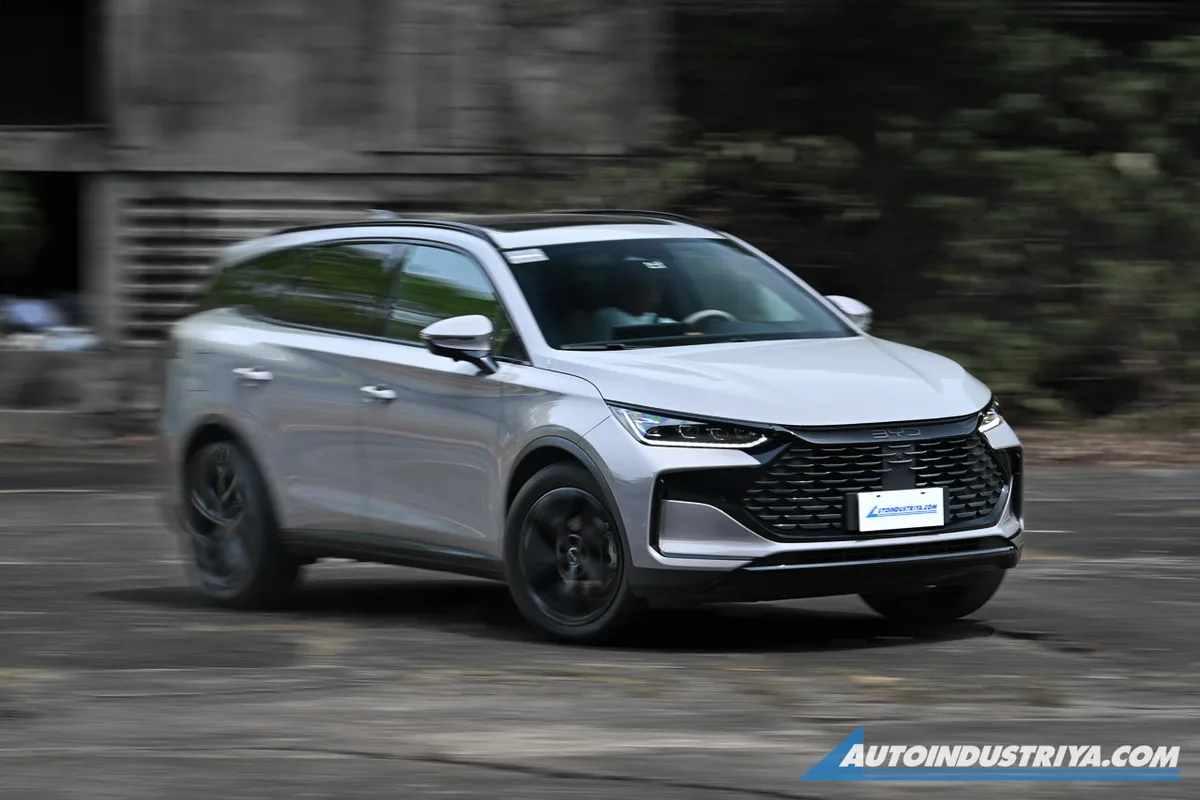
Around the city, the Tang remains quiet, refined, and easy to drive. Its size, however, becomes more noticeable when maneuvering through tight parking spaces. The turning radius is also relatively wide for its size, requiring some adjustment for drivers accustomed to smaller crossovers. Once moving, though, the SUV feels remarkably manageable for something of its dimensions.
The advanced driver assistance systems are good. Features such as adaptive cruise control, lane-keeping assistance, blind-spot monitoring, and the vehicle's array of cameras and sensors operate smoothly without being overly intrusive, helping reduce driver fatigue during long trips.
BYD’s Super DM-I system is praised for its efficiency, which makes it one of the Tang's biggest selling points. During a drive to Bicol, the vehicle returned 28.6 km/l thanks to a combination of provincial roads, downhill sections, and extensive use of regenerative braking in EV mode. Operating primarily in hybrid mode yielded a best figure of 19.2 km/l. In less favorable conditions where regenerative braking opportunities were limited, fuel economy dropped to 10.2 km/l in force charge mode.
One thing I’d like to see in the future is an all-wheel-drive variant. While the Tang is not intended to be a rugged off-roader, AWD would provide additional confidence during road trips and camping adventures. That situation is where its V2L capabilities in less-than-ideal conditions will shine, since the Tang can power external appliances during outdoor trips or emergencies.
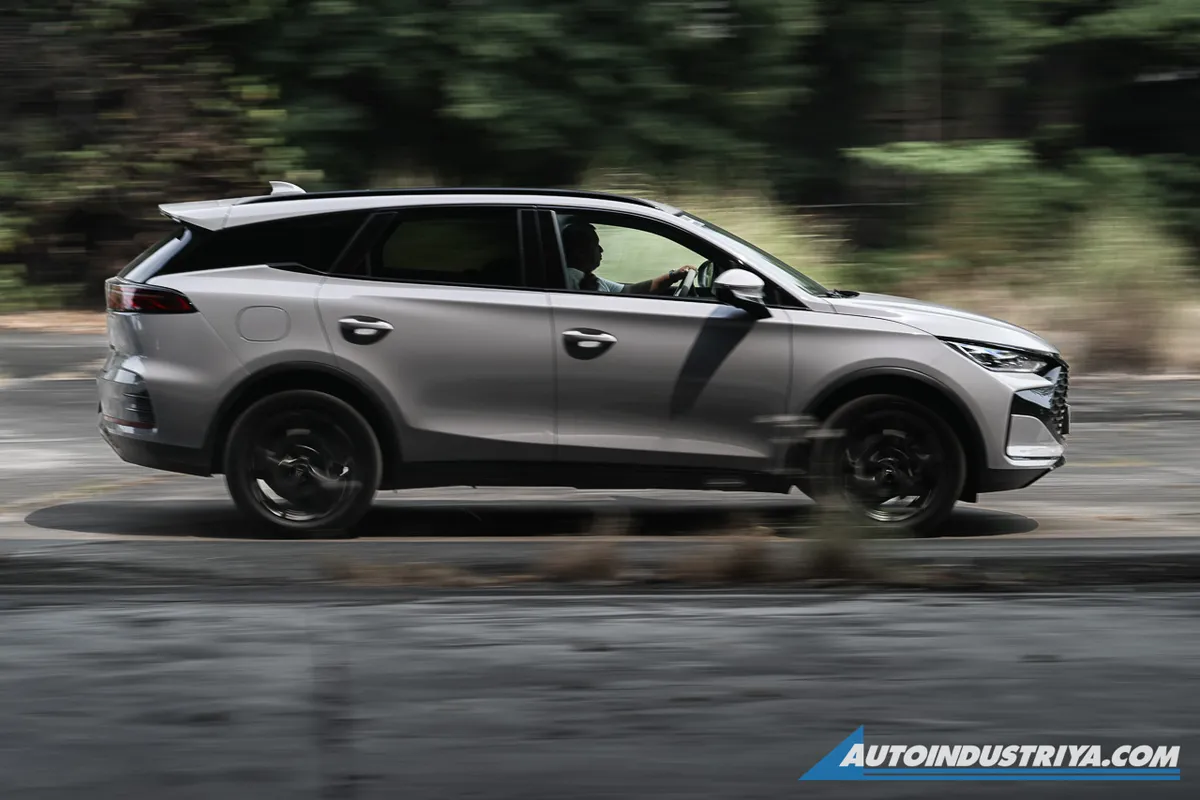
On the spec sheet, the BYD Tang DM-i looks to be another well-executed product from the Chinese automaker. Its plug-in hybrid powertrain offers flexibility, impressive efficiency, and strong performance, while the generous feature set helps justify its higher tier status.
However, there are certainly areas that deserve attention, particularly rear passenger comfort (no third row A/C vents) and a few ergonomic details. This can greatly overshadow the SUV's strengths, especially for those looking for a 7-seater plug-in hybrid SUV.
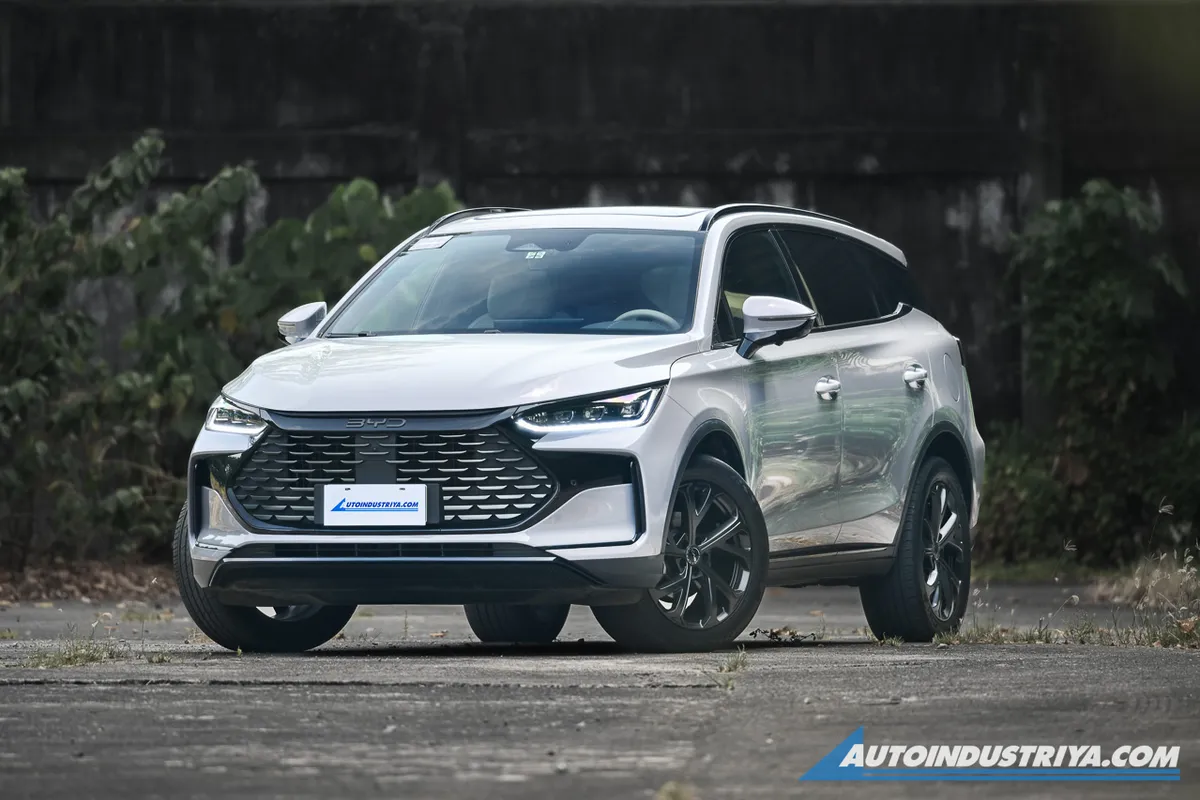
At PHP 2.148 million (current prices vs PHP 2.098M when we tested it), the Tang presents a compelling alternative to traditional body-on-frame SUVs. However, it also finds itself competing against a growing number of Chinese rivals that undercut it by several hundred thousand pesos. To be specific, the Chery Tiggo rEV has the Tang’s abilities as a 7-seater PHEV SUV, but that costs around PHP 400K less.
The question is no longer whether Filipino buyers are willing to embrace electrified vehicles like the Tang. Sales figures suggest that the shift is already underway. The more interesting question is whether vehicles like this will eventually become the benchmark for family SUVs, rather than merely serving as alternatives to the established norm.
Related Posts
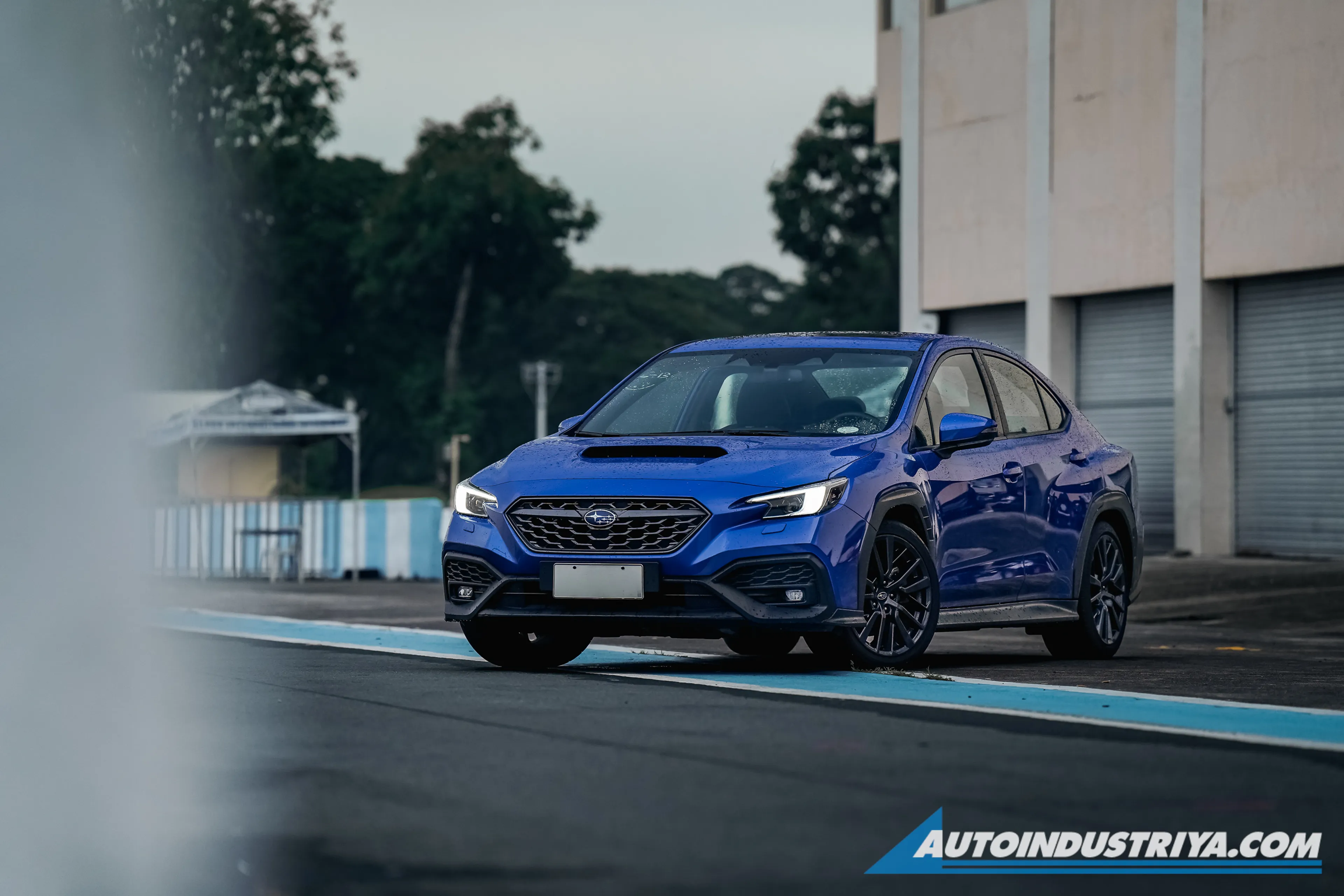
2026 Subaru WRX 2.4L Turbo CVT
The current generation WRX is over four years old. Has time caught up to the sports sedan?
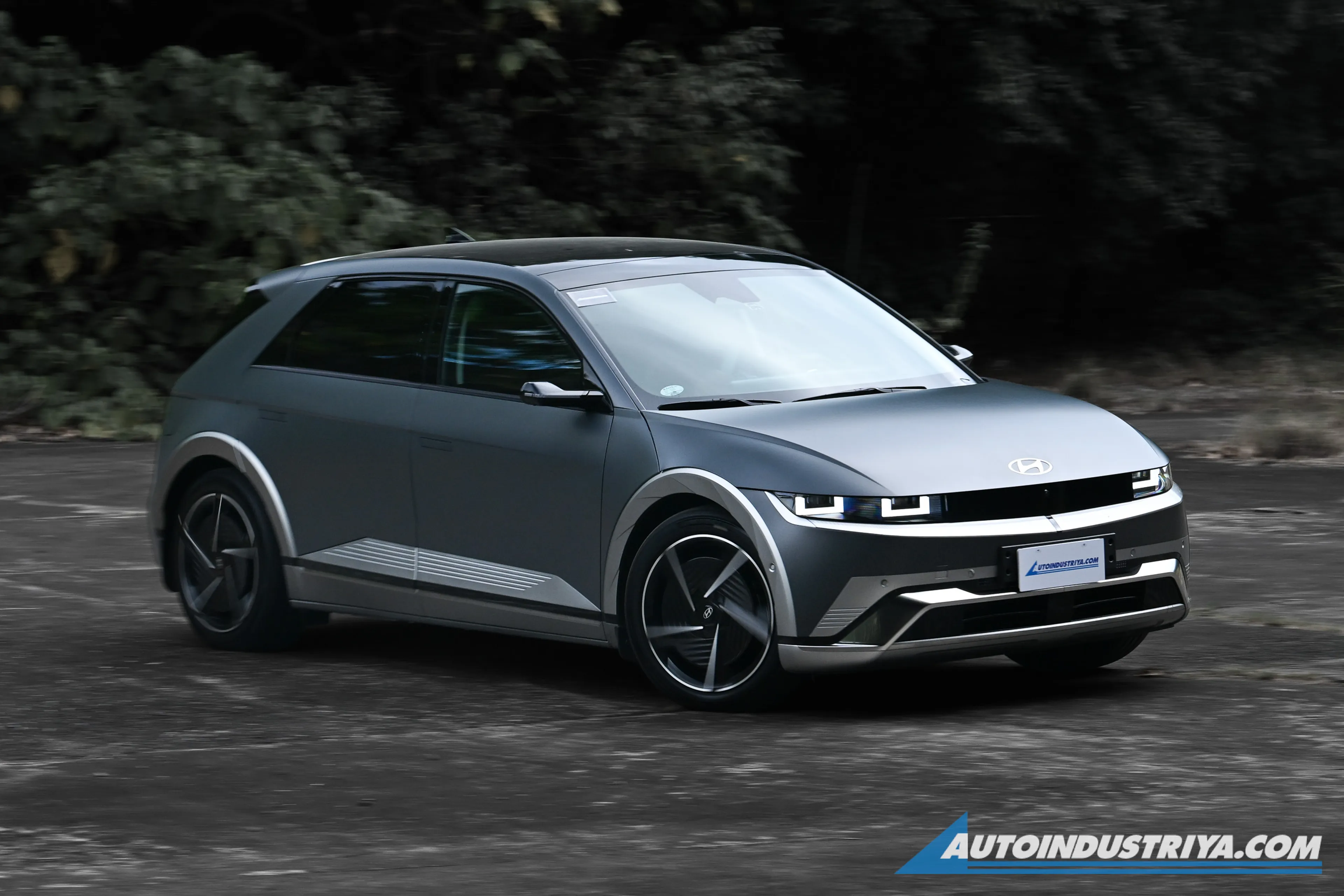
2026 Hyundai Ioniq 5 GLS Long Range BEV
The Hyundai Ioniq 5 was a world-renowned BEV when it first came out. Is it still the case in 2026?
2026 Kia Sorento 1.6 EX FWD Turbo HEV
We check out the Kia Sorento EX Turbo Hybrid and find out if it offers great value in the midsize hybrid SUV segment
2026 Jetour G700 2.0T PHEV 4WD
Efforts count a lot, and Jetour proudly displayed its luxury aspirations with the G700 flagship PHEV
2026 Hyundai Palisade Calligraphy 2.5T HEV 6AT
Is the Hyundai Palisade the SUV that gives near-luxury experience without the luxury badge?
2026 Nissan Patrol V6 Twin Turbo 4x4
Is the Patrol the new standard for an upscale 4x4?