
Hyundai reveals business solutions using hydrogen technology
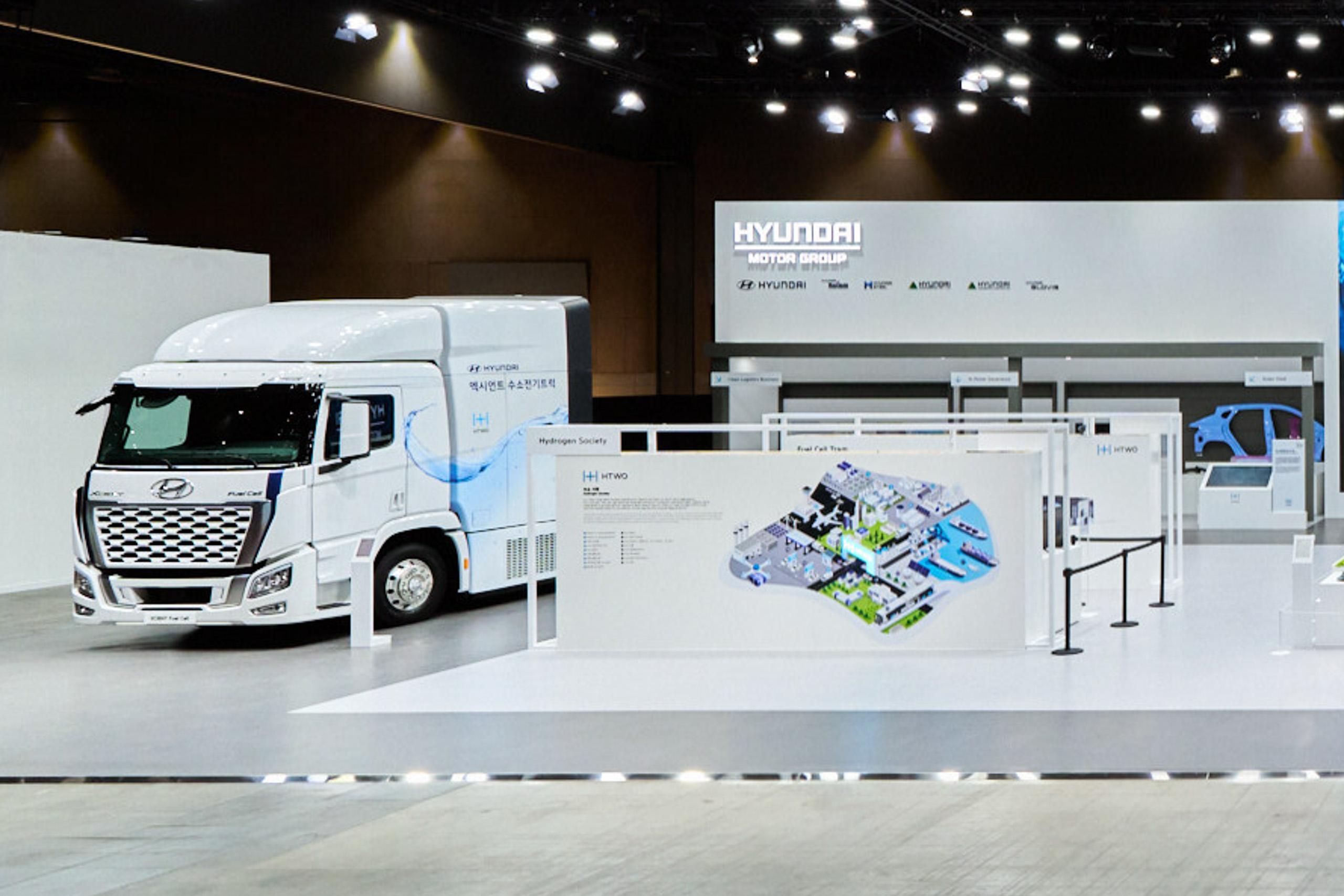
Hyundai reveals business solutions using hydrogen technology
Hyundai showcases plans for hydrogen production to consumption

Manufacturers continue to explore the vision of zero emissions beyond just electrification. That applies not just to passenger vehicles, but also to business movers like commercial vehicles.
The Hyundai Motor Group is one of those that are now well into the development of hydrogen power to reduce emissions. And in the most recent conference in South Korea, the manufacturer showcased its plans from an end-to-end (production to end user) perspective.
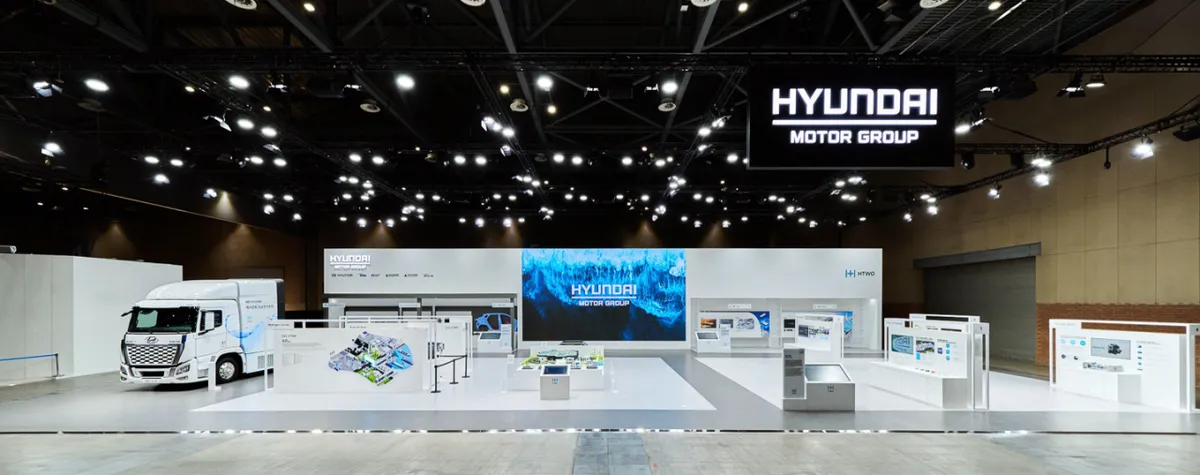
For the production of hydrogen, Hyundai is looking at innovative resource-cycle production technologies including W2H (Waste-to-Hydrogen) and P2H (Plastic-to-Hydrogen). The process utilizes organic waste such as food and sewage sludge to produce hydrogen, as well as non-recyclable plastics. Hyundai has already established a facility in Chungju that converts food waste into hydrogen and supplies hydrogen to nearby refueling stations.
On the hydrogen technology front, they exhibited their solutions that can be applied to high-carbon-emitting industrial complexes, including ports and airports. This is where Hyundai revealed that they have already successfully deployed a fleet of 30 Class 8 Xcient Fuel Cell hydrogen-powered trucks for the NorCAL ZERO Project last year to reduce carbon emissions at the port of Oakland in California.
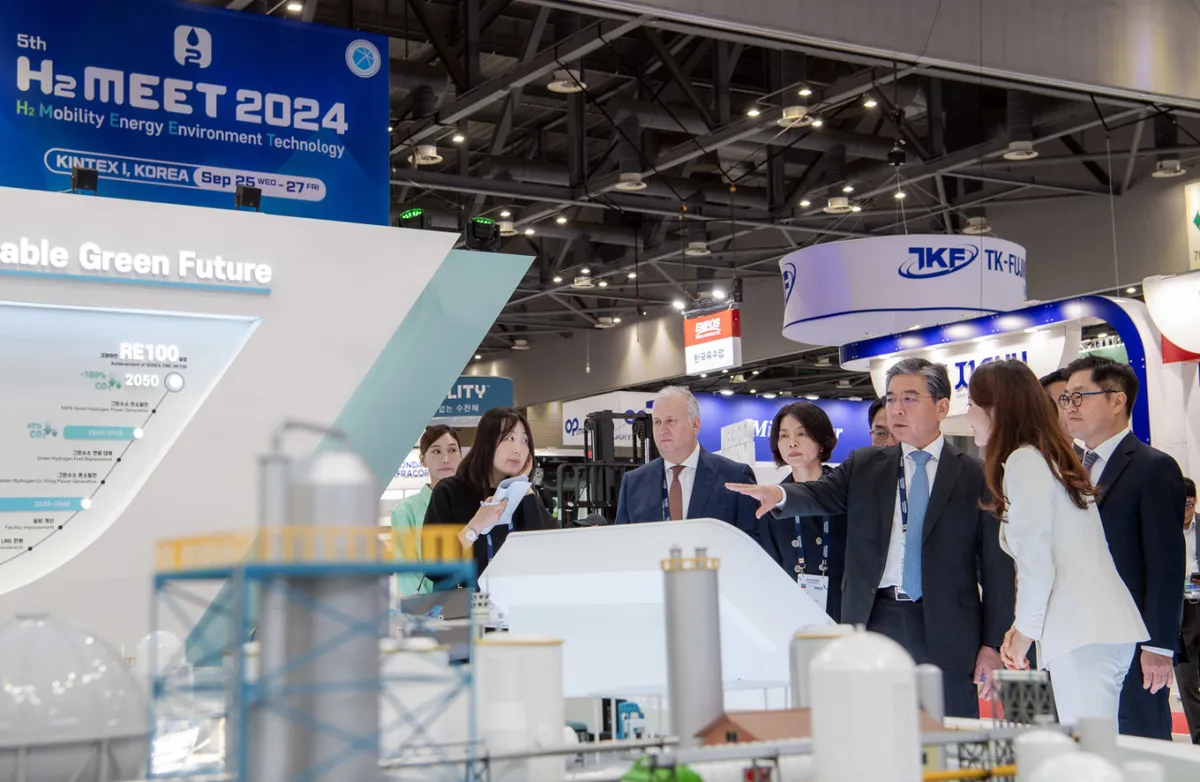
Hyundai Motor dedicated itself to establishing hydrogen infrastructure at Incheon International Airport. This includes not only expanding hydrogen refueling stations near the airport terminals but also integrating hydrogen fuel cell electric trucks for logistics throughout the airport.
Along with this, the exhibition showed the entire lineup of hydrogen applications and solutions including ships, trams, forklifts, generators, and heavy equipment, which utilize Hyundai Motor’s fuel cell system.
These solutions are part of Hyundai’s aim to make hydrogen energy accessible to all aspects of life and industry.
Related Posts
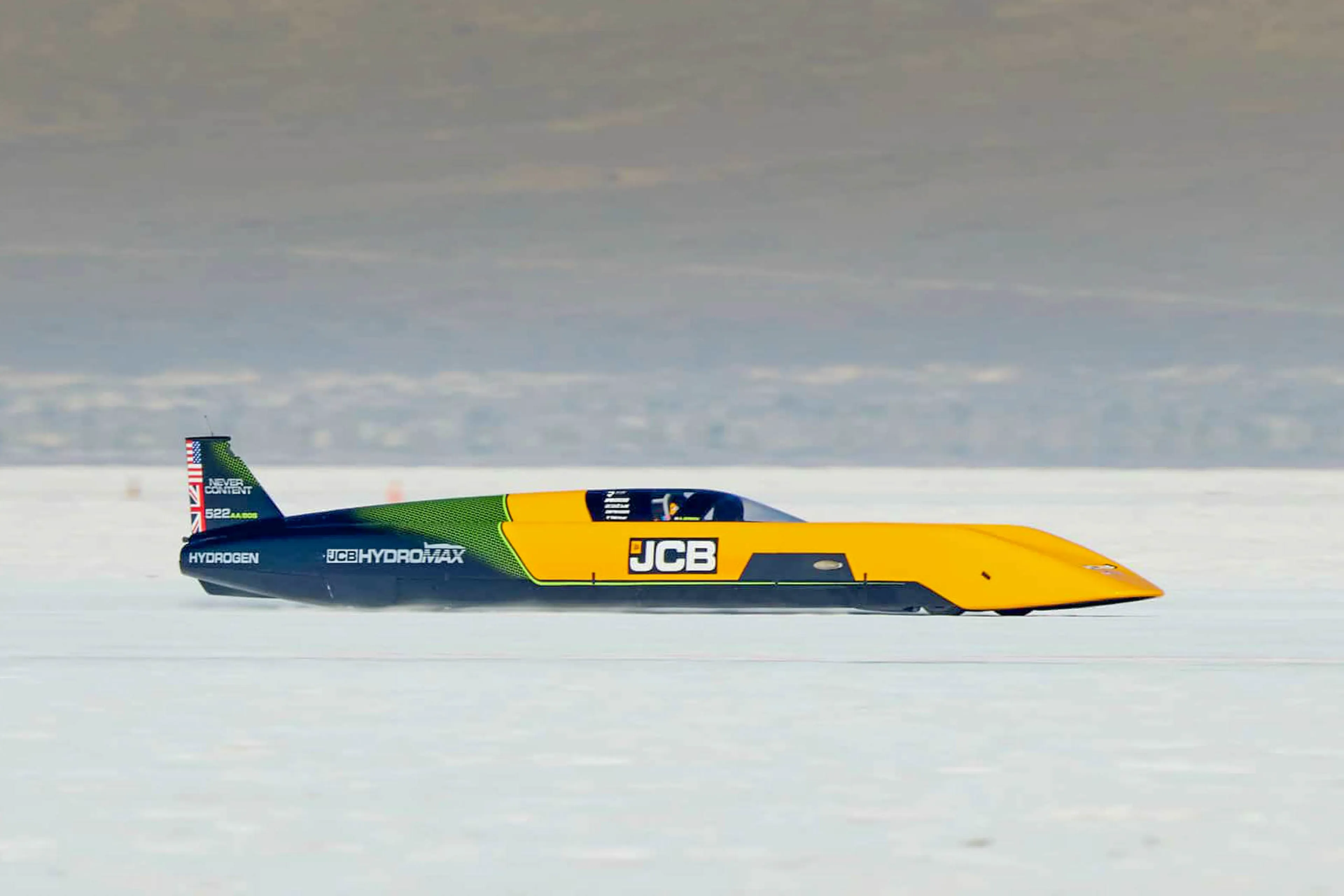
JCB Hydromax sets Hydrogen Land Speed Record at 653.90 km/h
JCB Hydromax streamliner has achieved a provisional flying-kilometer average speed of 406.320 mph (653.90 km/h) at the Bonneville Salt Flats in Utah, setting a world land speed record for a hydrogen-powered vehicle
 Francis Pallarco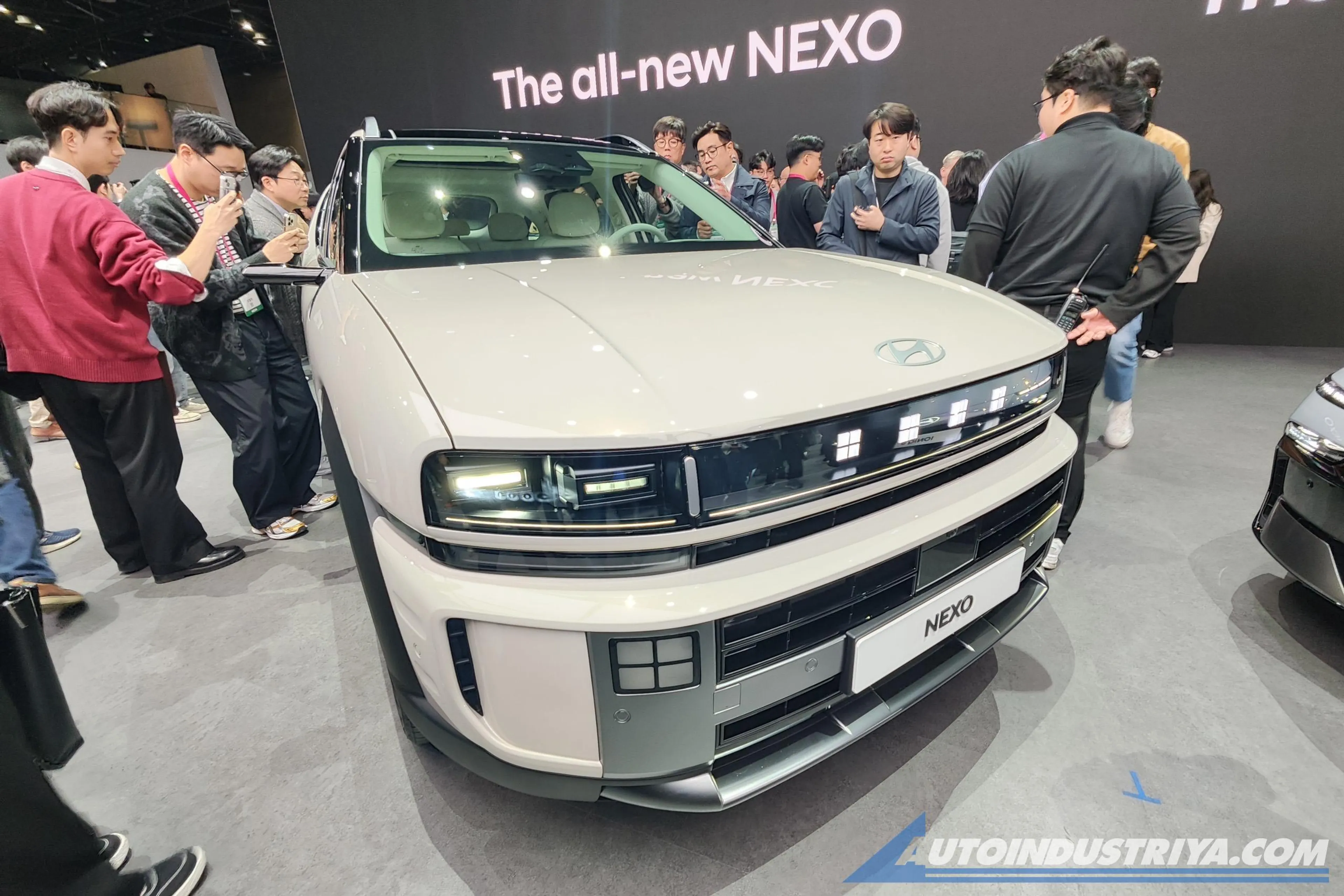
Seoul 2025: Hyundai targets 700 km hydrogen range with all-new Nexo FCEV
Second-gen Hyundai Nexo FCEV debuts in 2025 Seoul Mobility Show
 Jamil Lacuna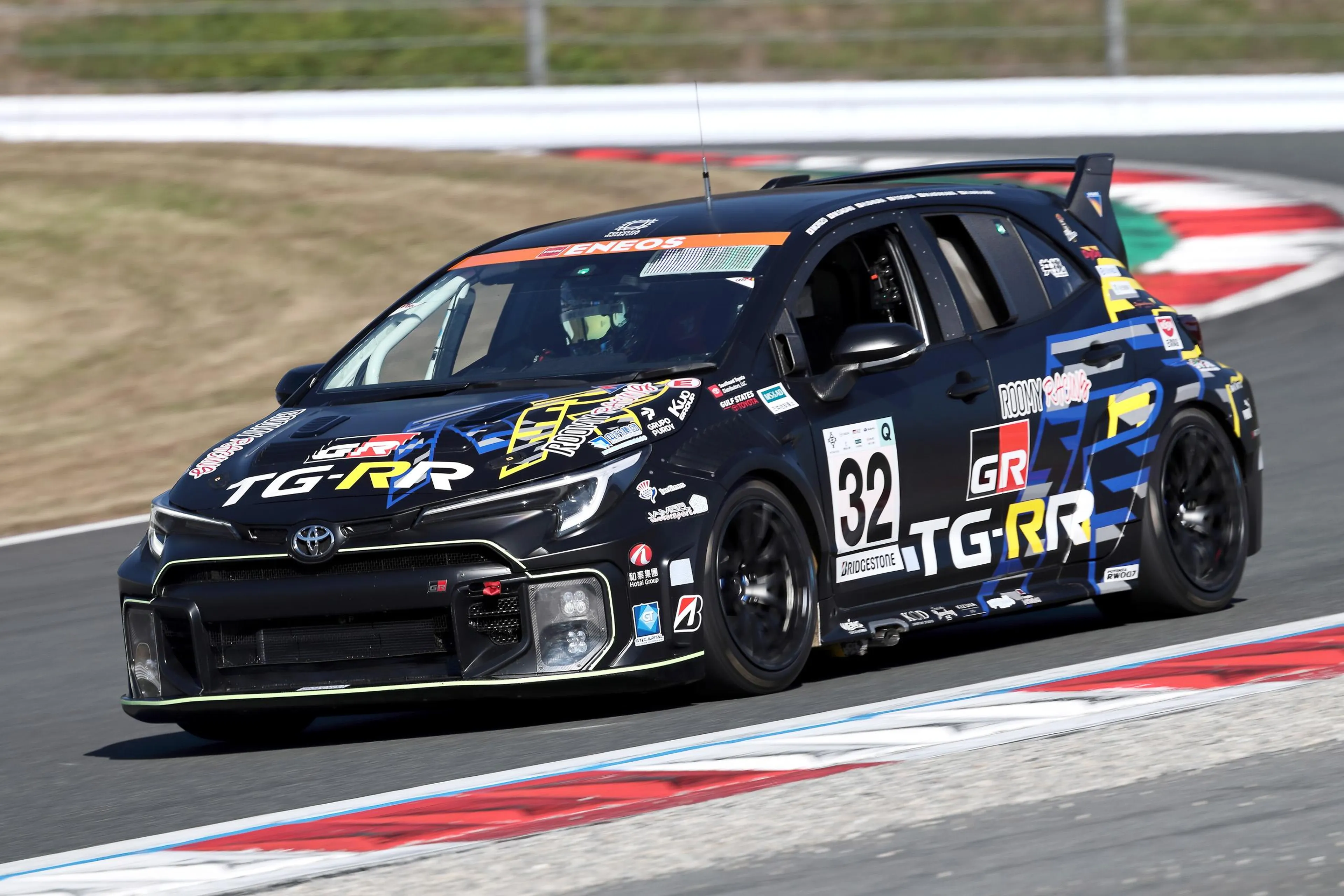
Toyota joins final 2025 Super Taikyu race to push hydrogen engine technology
Toyota wants to prove that liquid hydrogen is a viable fuel source for internal combustion engines
 Marcus De Guzman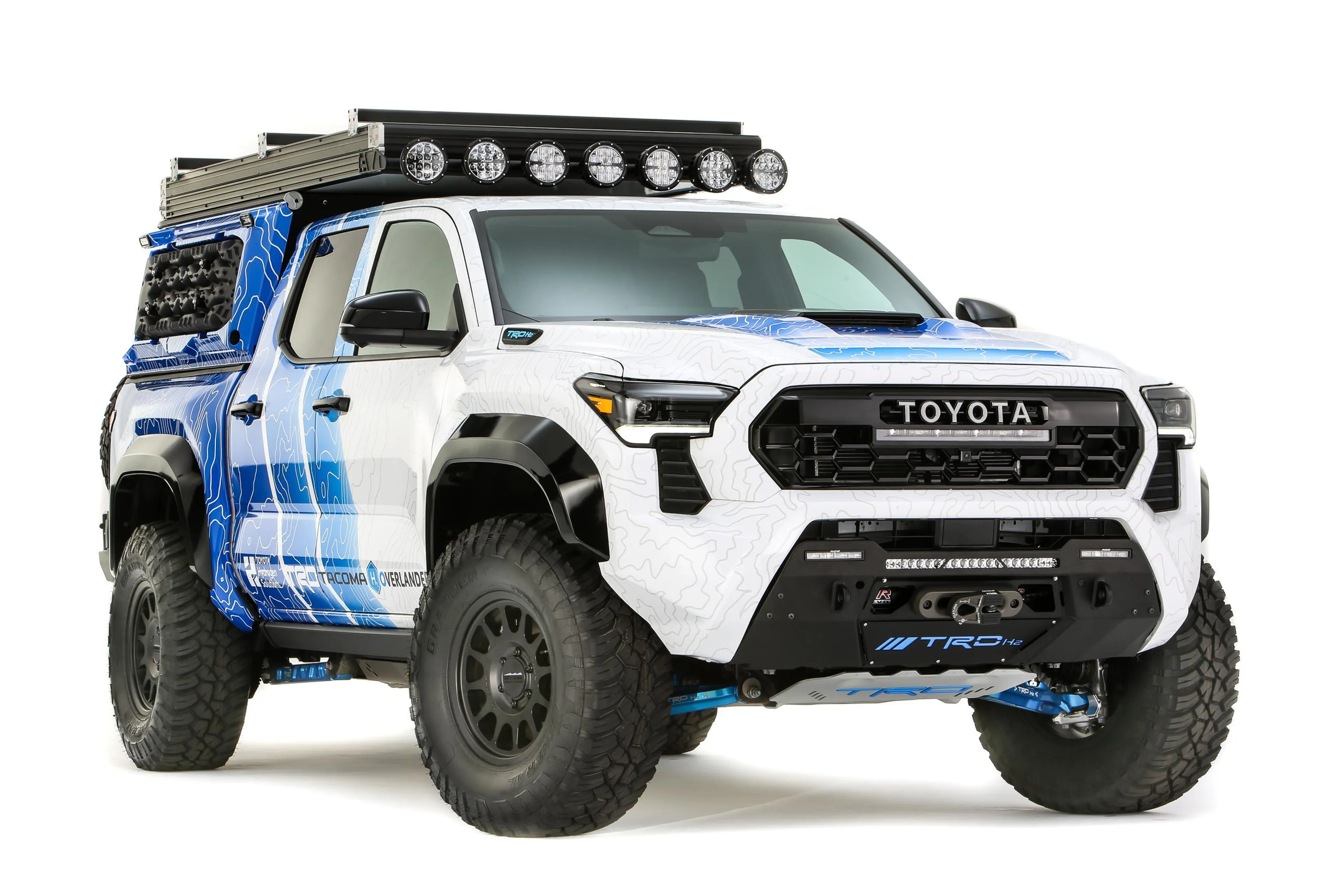
Toyota Tacoma H2 Overlander Concept can recharge EVs, filter water
Toyota transforms a Tacoma into a hydrogen fuel cell-powered pickup that can go anywhere
Marcus De Guzman
Fuso to hold world premiere of hydrogen FC trucks at Japan Mobility Show 2025
Mitsubishi Fuso Truck and Bus Corporation will be showing off hydrogen fuel cell technology at JMS 2025
 AutoIndustriya.com
All-new BMW X5 to be available with hydrogen fuel cell co-developed with Toyota
We get our first look at the all-new BMW X5, which will be offered with various powertrain options
Marcus De Guzman