
Welcome to VinLand: Can VinFast succeed in building EV universe?
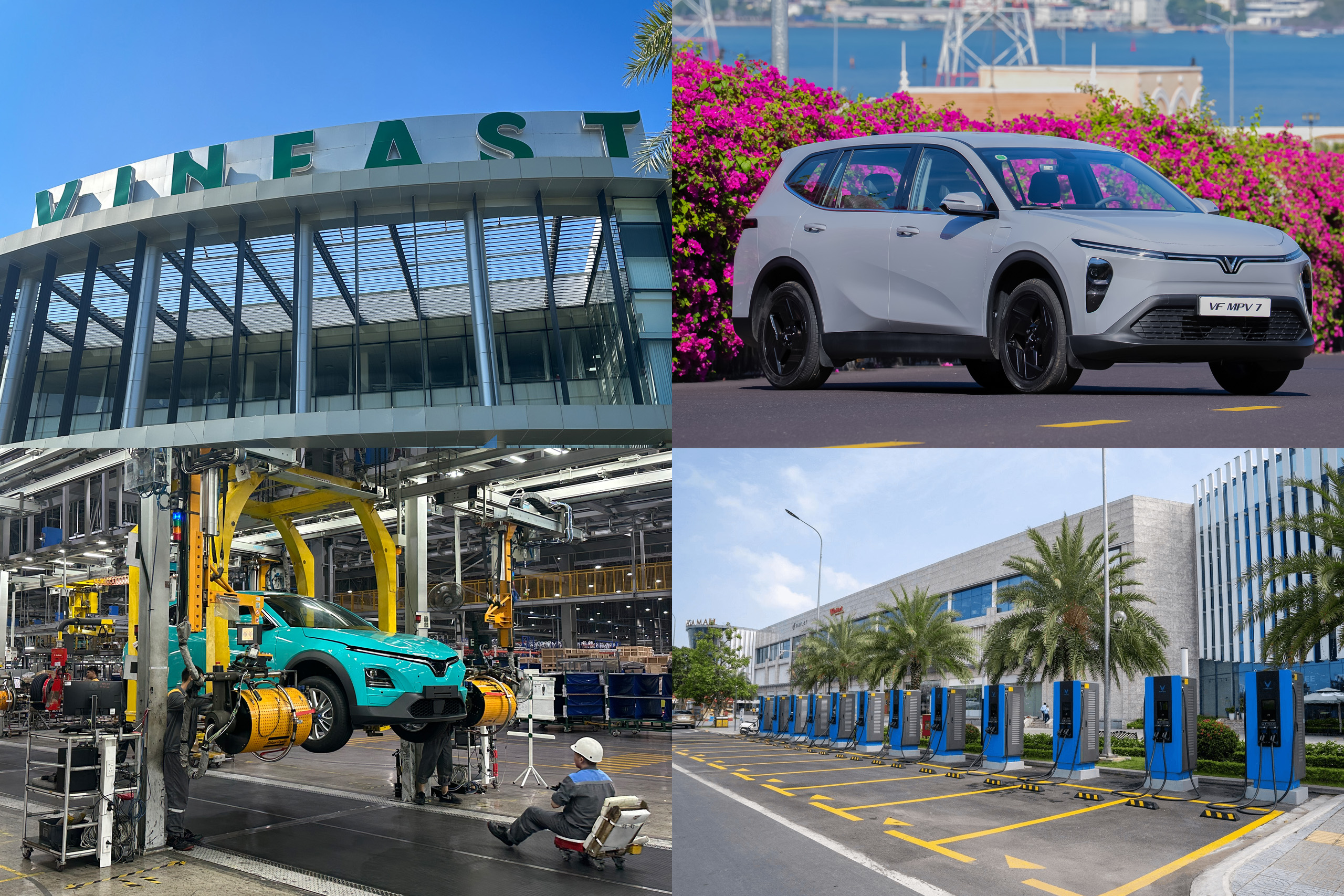
Welcome to VinLand: Can VinFast succeed in building EV universe?
Why VinFast sees EV in a different light

Coffee, banh mi, pho, and VinFast.
These were the only things I was familiar with on a surface level with Vietnam as the plane doors closed en route to Hanoi a few days ago.
While part of my job involves writing some news stories about VinFast’s global ambitions and reading interesting discussions about the quality of its vehicles, the truth is I haven’t really had any extensive experience with the brand yet. And Vietnam, which was just a three-hour plane ride away from Manila, was completely unfamiliar territory for me prior to this trip.

You would just probably imagine how clueless I was when I signed up for a familiarization tour with VinFast. This could be an eye-opening adventure powered by caffeine. And yes, it was.
The country was officially known as the Socialist Republic of Vietnam (they did win their independence) but upon landing at Hanoi, I found myself stepping into what I can only describe as VinLand.
VinGroup, the parent company of VinFast, is literally everywhere in this part of the globe. From cars to real estate developments, shopping centers, hospitals, schools, hotels, resorts, and many more, the scale of VinGroup’s business portfolio makes me think they embody the “we got it all for you” tagline way more than SM.
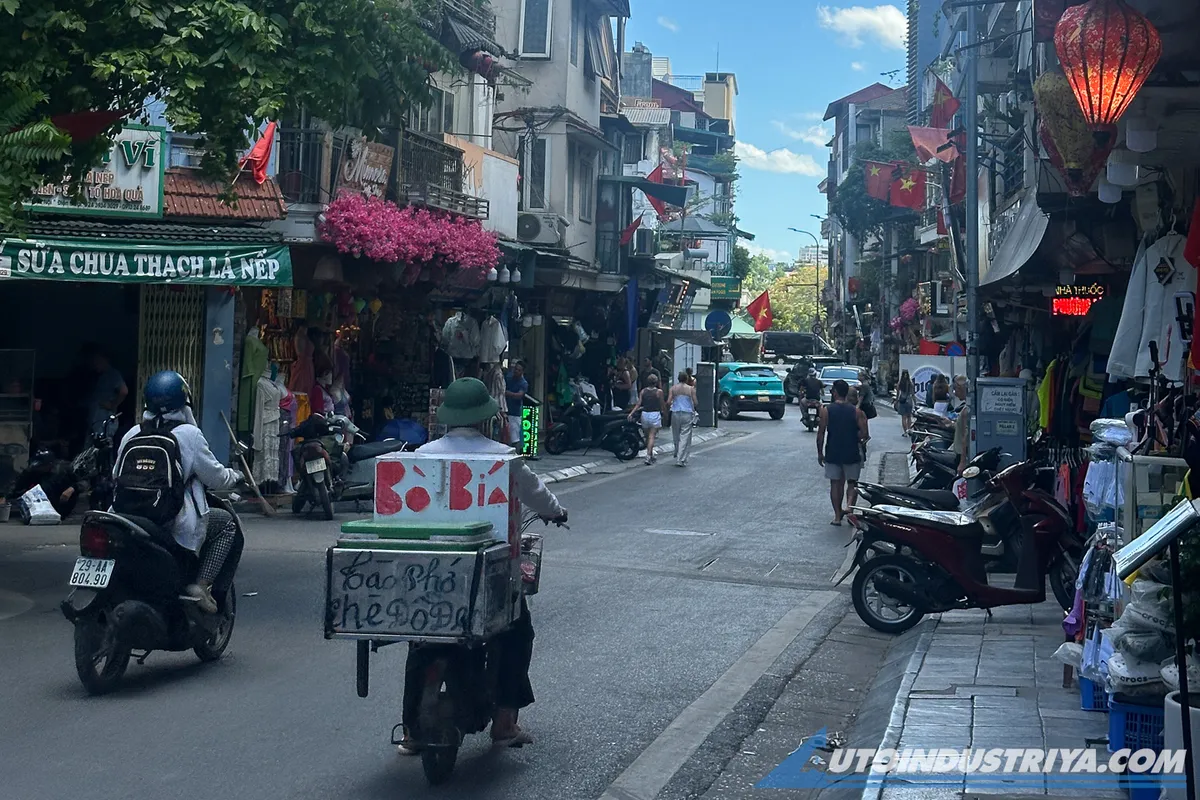
Back home, the roads spawn a mix of two and four-wheeled vehicles mostly made by brands from either Japan or China. But over here, the highways and streets are dominated by all kinds of VinFast EV models and e-scooters. Heck, instead of the usual chartered bus, a fleet of VF8s under VinFast’s rental service company picked us up at the airport, serving as our shuttles going around Hanoi and Hai Phong.
Of course, while I was trying to take in all these new discoveries about Vietnam, and knowing about how wide VinFast’s parent company flexes its industrial reach, I had a main agenda in mind: I’m here to know more about VinFast the vehicle brand, and see if they made a proper 7-seat BEV with the VF MPV 7.
Part 1: The factory

I’ve been working on the motoring beat for over four years now, but plant tours still have a way of bringing out the manufacturing engineer in me. That was the case when we entered VinFast’s Hai Phong factory, which was about two hours away from Hanoi.
While we did not have a crash test demo like what Chinese brands do nowadays on their plant tours, VinFast rather gave us unrestricted access to take pictures and videos of their motorcycle line, their stamping facility, and the final assembly area of their BEV. This is something brands don’t normally do because, well, they’re protecting their industry secrets.
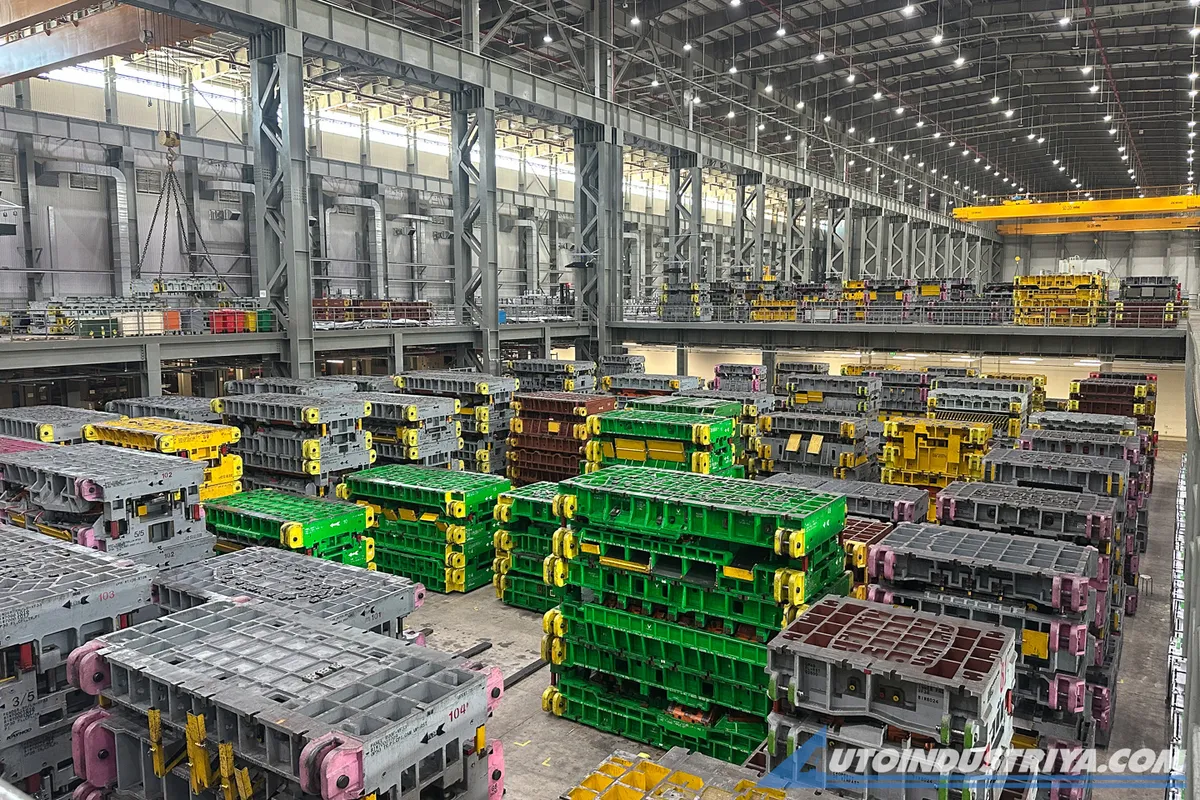
Having worked in a manufacturing environment meant I couldn’t help but geek out over details and notice quite a lot of interesting things.
As I expected, it had the essentials of a modern-day manufacturing facility. It’s built on a massive land area that houses multiple subplants for specific processes, and inside them are flexible lines that could create components for multiple models in a day.
For the assembly lines, they had overhead conveyors, massive stamping machines with dedicated stamping dies for different cars, robotic arms to hoist what humans physically can’t handle, and AGVs or automated guided vehicles for parts picking and component transport from one process to another.
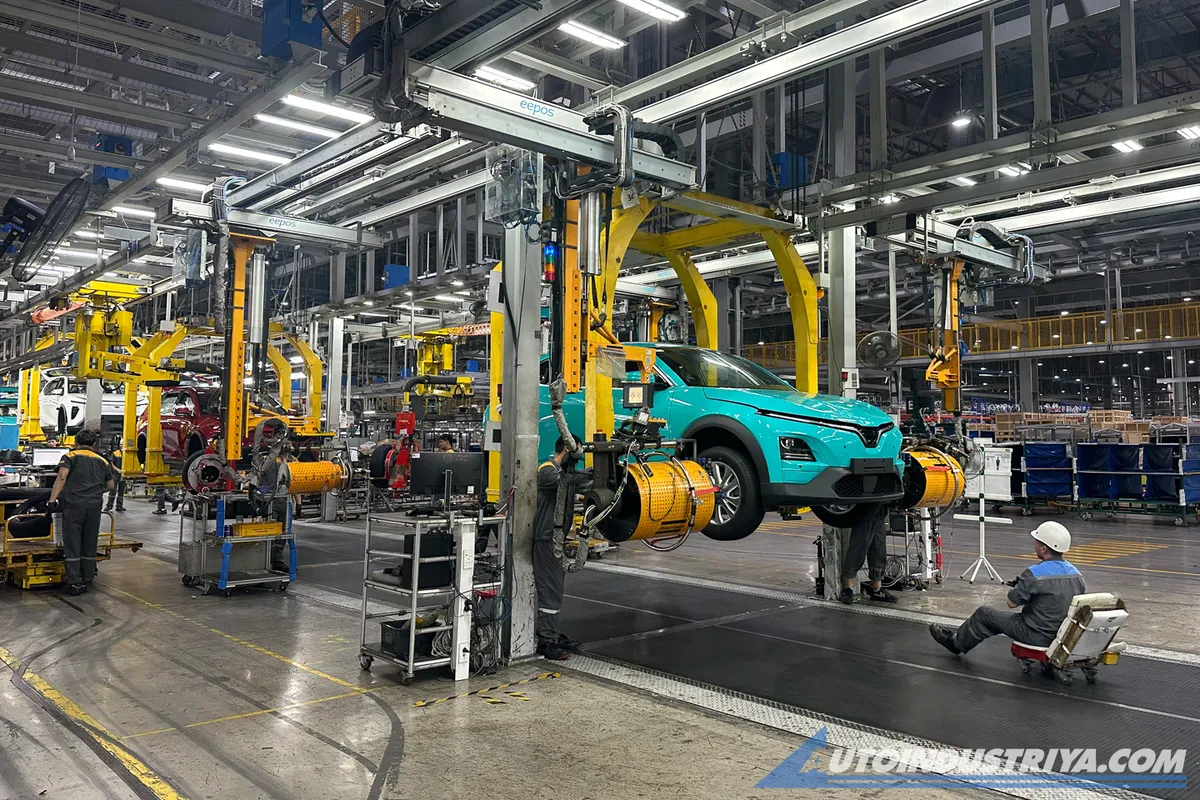
VinFast’s plant efficiency and utilization rate of its factory seem to be doing great, as they are also set to expand the capacity with more subplants under construction in the area. However, based on what I saw, there are areas that VinFast also needs to focus on when it comes to storage, scrap management, and, more importantly, workplace safety.
As we transferred from one section to another, I noticed there were plastic-sealed boxes littered along the sidewalks. While I presume these boxes would be fine being exposed to the scorching heat of the sun, placing them in an area where they could be stacked nicely together could help in making the facility look more organized when outsiders pay a visit. The same thing could apply to the rusted jigs and fixtures that were probably used for older VinFast models, which I also saw along the sidewalks outside.
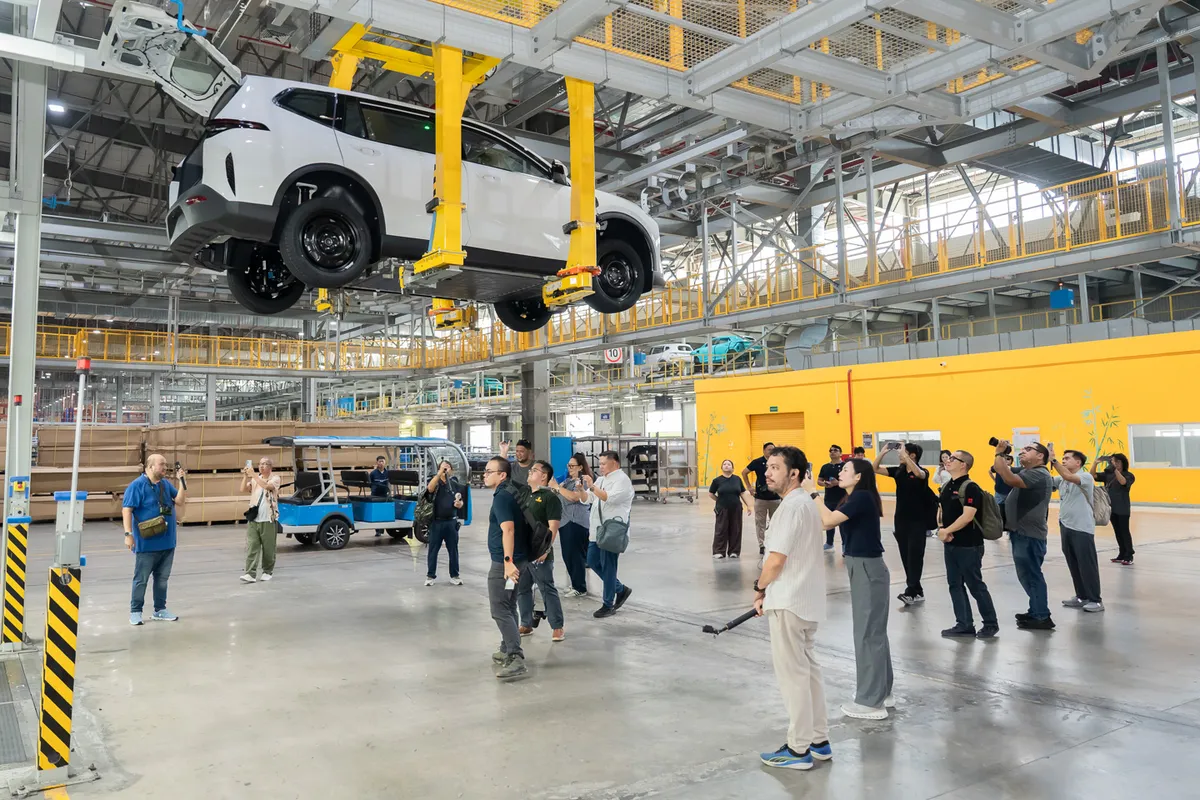
Inside their plants is where VinFast could take steps in eliminating potential hazards - particularly on the final assembly line of their BEVs. Case in point: Having pictures of a VinFast EV’s underside would be good for content, but it would be bad news if the overhead conveyors suddenly fail and crush the curious guests standing directly underneath the vehicle. I believe safety netting, or placing barriers along the sides of the path of the conveyors, would be enough to reduce those risks, while still keeping it somewhat accessible for visual content.
We'd love to see firsthand how big of an impact VinFast can do in the automotive world. But on the ground? That's a no-no.
Part 2: The car
Eventually, our time inside the VinFast Hai Phong factory came to an end without a hitch, which meant we could finally move on to the next agenda. – the VF MPV 7.
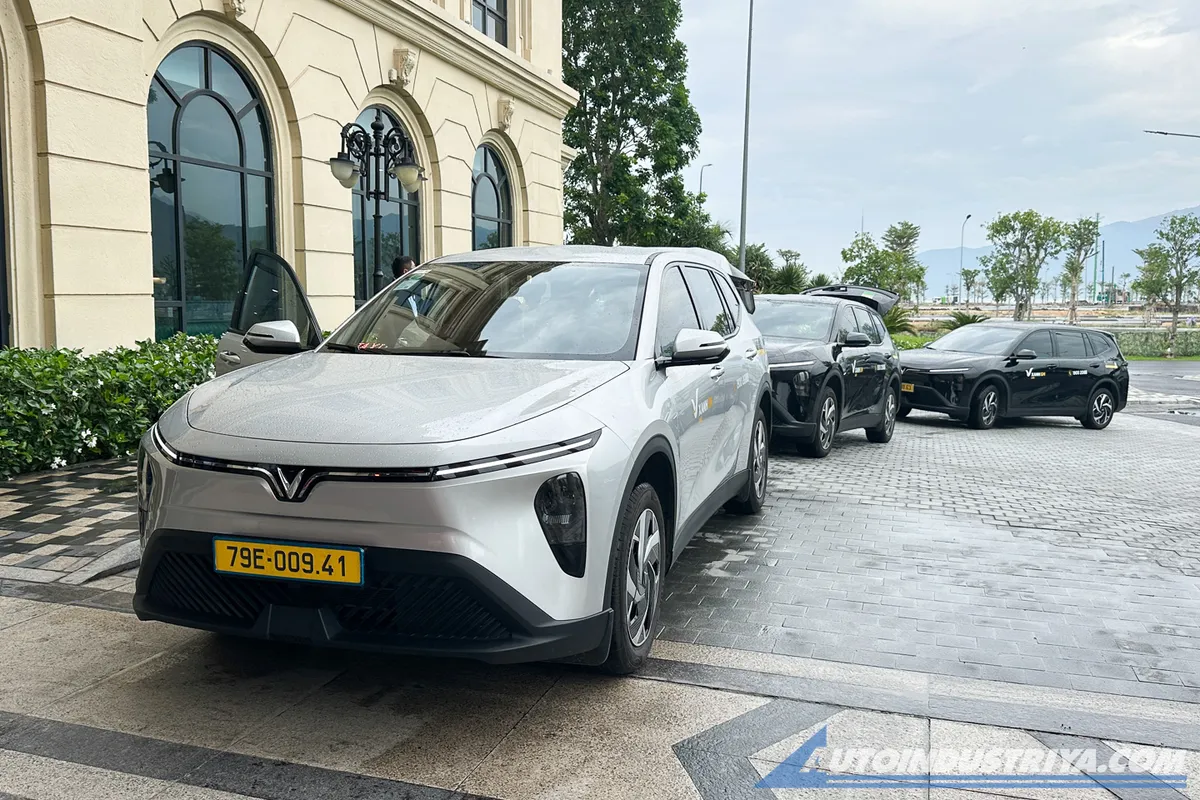
That started once we made our way back to Hanoi and flew to Nha Trang, where the VF8 fleet cars gave way to the newer Limo Greens of the Green GSM taxi service that transported us to VinPearl.
Now, for those not in the know, the Limo Green and VF MPV 7 are essentially the same BEVs, but they differ in their specific purposes. Think of the Limo Green as the Avanza, while the VF MPV 7 is the Veloz, and you’ll get what I mean. There’s just better quality and feel of materials inside for the VF MPV 7 since it’s a family car, while the Limo Green is equipped with more durable and hard-wearing materials to carry out public transport duties.
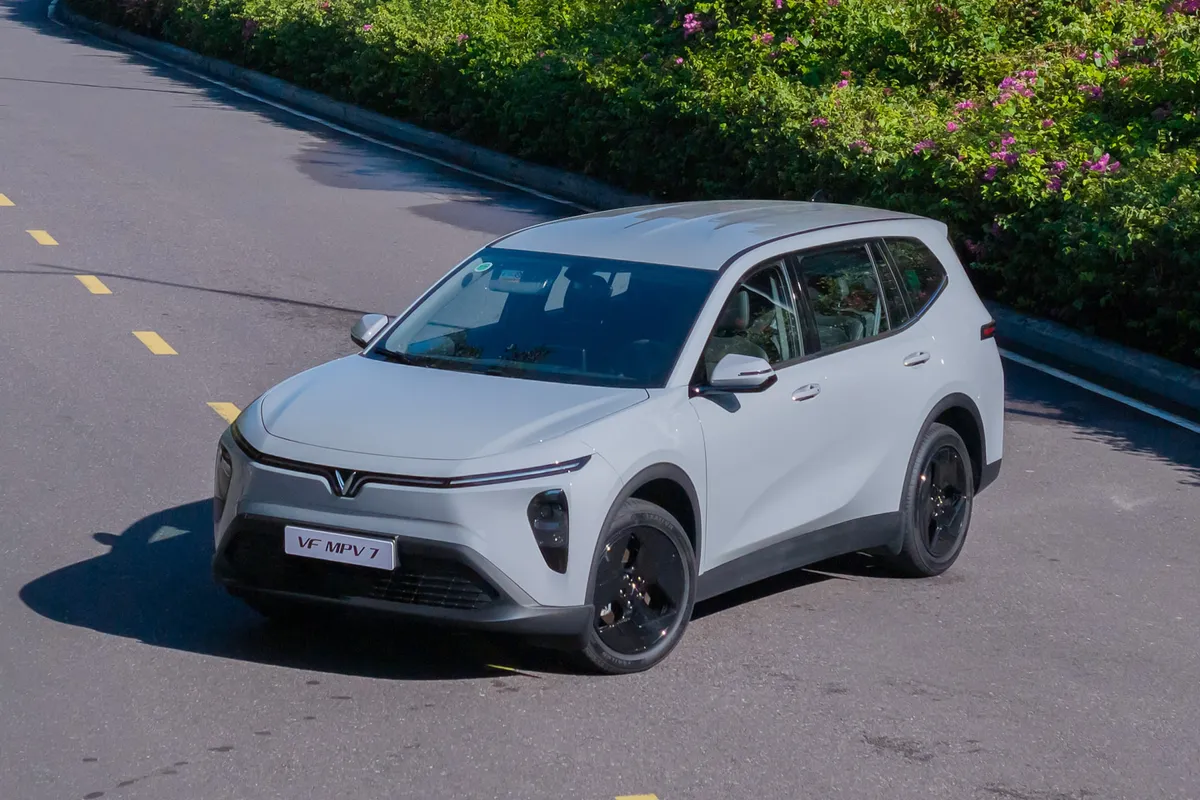
The signature V-shaped grille in front that’s connected to the slim LED light element immediately identifies the VF MPV 7 and the Limo Green as part of the VinFast family. The broad shoulder lines and the BMW X3-esque kink on the C-pillar windows inject a bit of character on the side. But once you look at its bulky rear section for the first time, it clearly communicates that cargo and passenger room have been emphasized for these models.
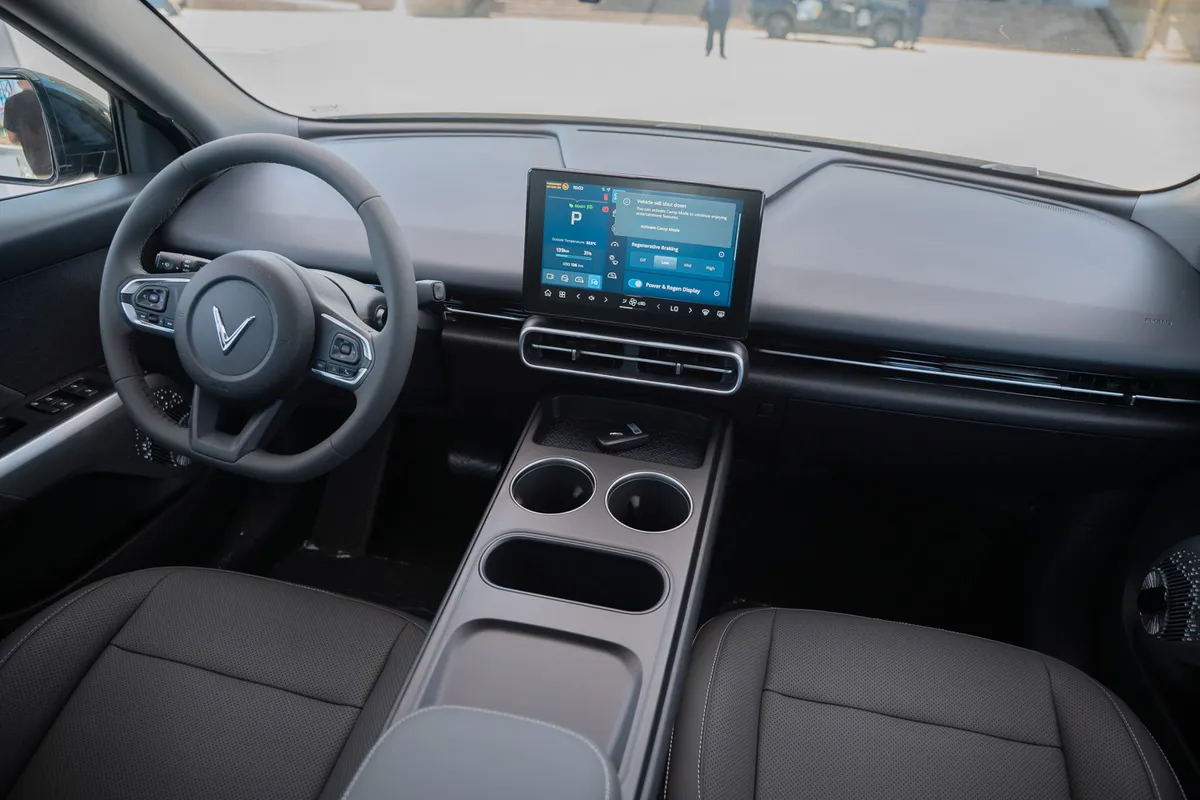
Compared to other MPVs with button-heavy layouts on the dashboard, VinFast kept its minimalist approach to the dashboard by integrating the digital instrument cluster, the infotainment system, and even climate control to a single screen. There’s a clear attempt to reduce physical clutter in front, making way for cupholders and storage pockets while enabling the driver to get an unobstructed view of the road ahead.
Behind the wheel, the VF MPV 7 feels refined and easy to use, which fits its purpose well rather than being outright exciting. Power delivery from the 201 PS and 280 Nm electric motor is just right regardless of the drive mode, and the suspension tuning is well sorted to handle imperfect road conditions in the country.
For me, however, what makes (or breaks) an MPV is how it delivers as a vehicle for both passenger and cargo use. Material fit and finish, as well as panel gap consistencies, are still a work in progress. But safe to say, VinFast is off to a good start in laying down the MPV fundamentals.

The wide second row doors open up to almost 90 degrees, making ingress and egress easier. The second row seats can be slid forward and back through the rails, and fold in a 60:40 split. I wish they could make the entire second row tumble, though, but in the name of safety in a left-hand drive country, the right side tumble will do.
Then there’s the third row, which folds flat for cargo use, and has a lift tab if you want to maximize passenger capacity. The crucial part in this area? It has overhead A/C vents placed on either side to keep third row occupants cool. VinFast placed the rear A/C controls at the ceiling between the 2nd and 3rd row, which makes a lot of sense, and there’s only a small headroom penalty for sitting at the very last row.
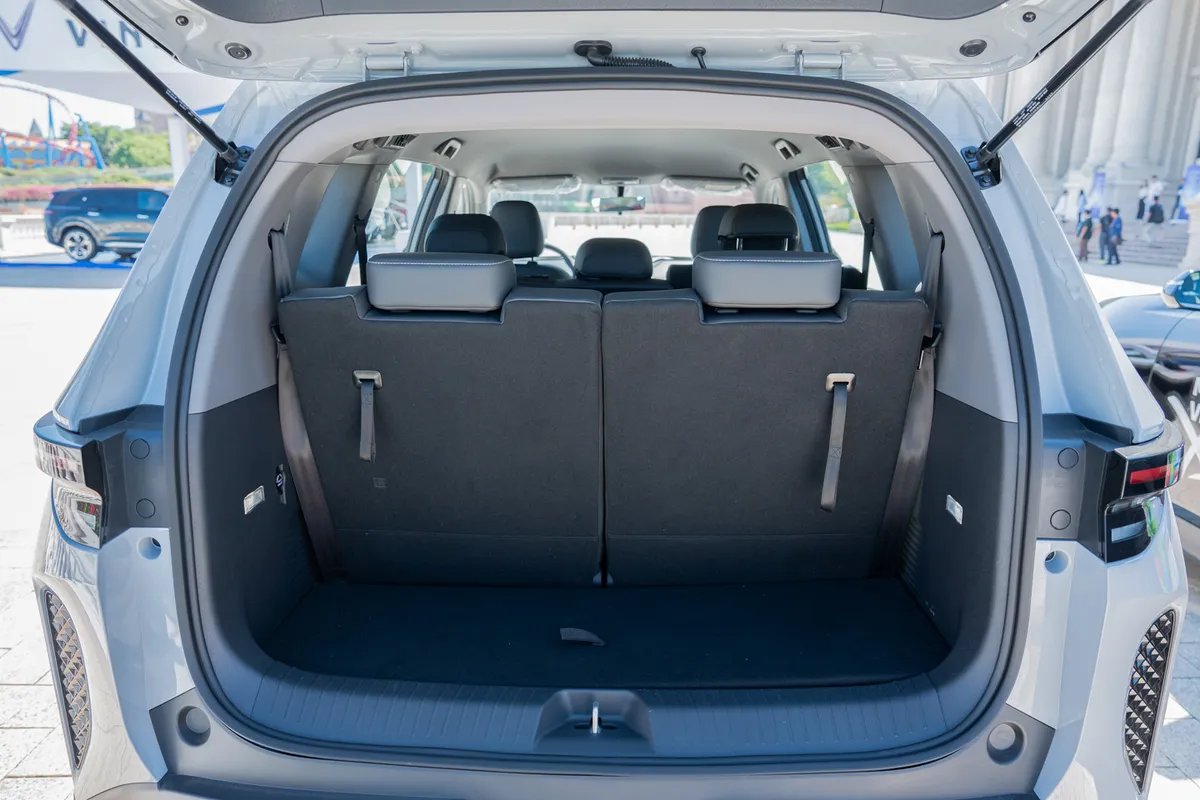
If you noticed, these are very basic things, but even established brands can miss these. More often than not, these are the hardest to correct since it’s baked deep into the vehicle’s architecture from the very beginning. You can tweak the styling, add bigger screens, or stuff the cabin with lots of features. But poor packaging, awkward ergonomics, compromised ride comfort, and bad space utilization are hard to change unless you’re building an entirely new platform from scratch.
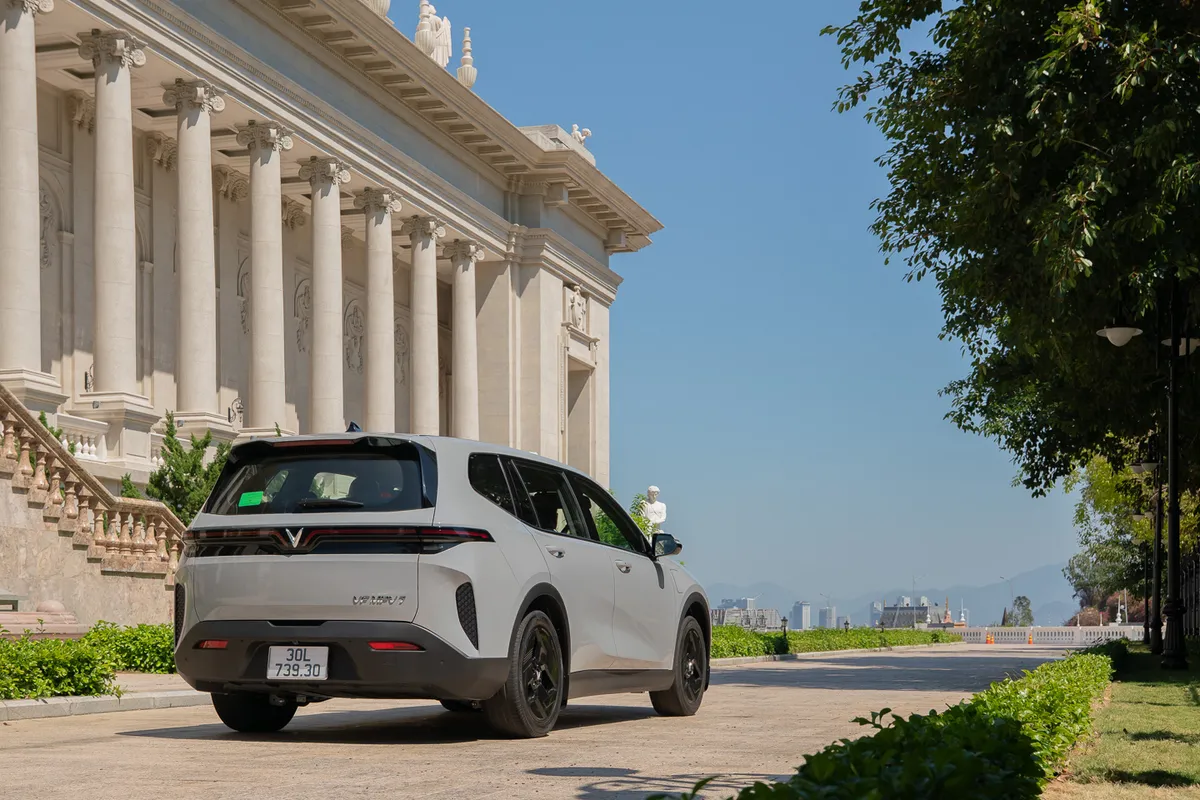
For now, that’s all I can say about my first drive with the VF MPV 7. A longer time with the BEV back at home should be in the cards for a few more discoveries, but the important takeaway here is that the brand understood the assignment when it comes to building a proper 7-seat MPV.
That will always be key for a brand that wants to be known with its global ambitions, most especially in Southeast Asia, where MPVs make a lot of sense for buyers. They keep this up, and VinFast could be looking at its next top model after the VF3.
Part 3: The universe

My biggest realization in this trip, however, is that the VF MPV 7 and the Hai Phong factory are just pieces of a much larger puzzle that VinFast is trying to build outside Vietnam. I realized that while the objective is to sell more vehicles, VinFast also appears to have a focus on how many mobility needs it can solve.
This approach is very different from what emerging automotive brands, particularly those from China, are doing. The dominant strategy has often been to attack every conceivable vehicle segment simultaneously. One model becomes two, then three, then ten. Sedans, crossovers, SUVs, MPVs, pickups, PHEVs, REEVs, and whatnot, the goal appears to be occupying as many spaces in the showroom as possible.
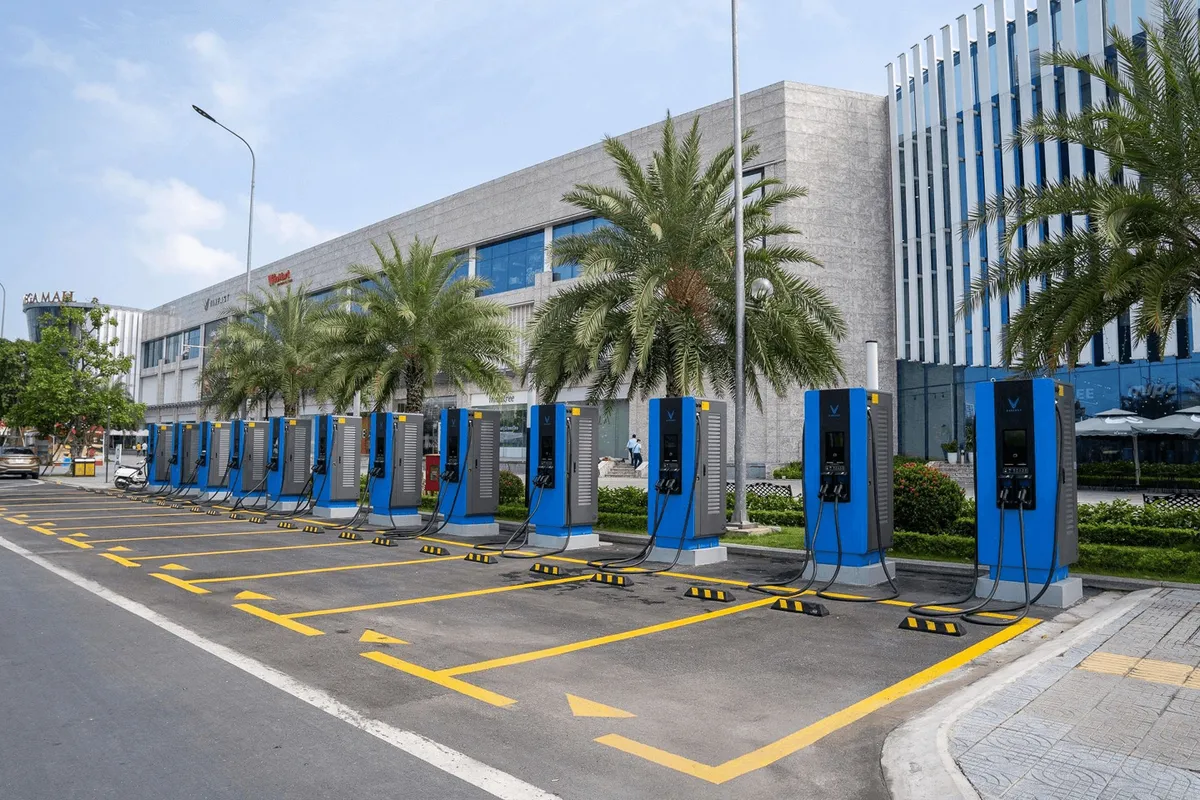
One of the biggest obstacles in the term “mobility” for me is never about the lack of vehicle models themselves. Potential EV buyers repeatedly express concerns about charging accessibility, long-term ownership costs, resale value, and overall convenience. These concerns cannot be solved by introducing another crossover or another electric SUV into an already crowded market, but require solutions that extend beyond the product.
VinFast appears intent on sticking to EVs in the meantime, because they also want to lay the groundwork to support it. While VinFast's EVs are the most visible part of the operation, it is supported by a network of charging stations designed to remove one of the biggest barriers to EV adoption through V-Green.
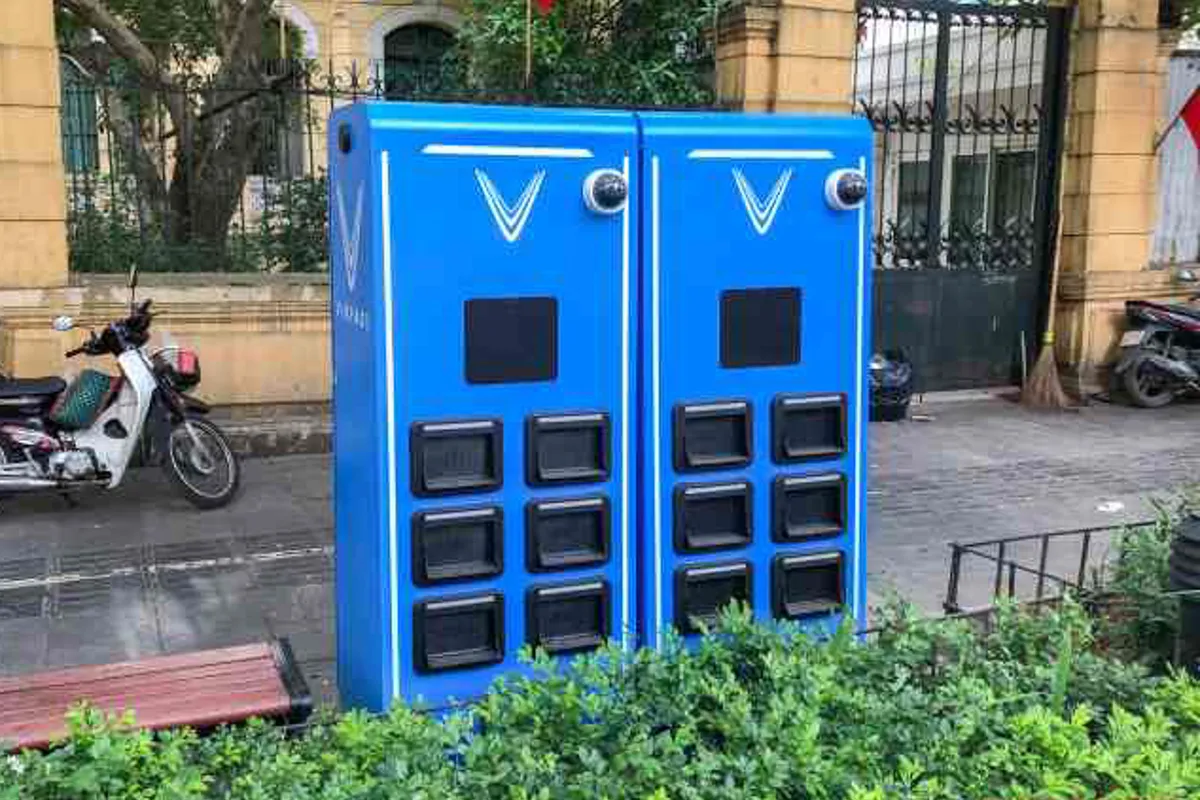
Beyond cars, they’ve also developed battery-swapping infrastructure for electric motorcycles, which allows riders to exchange depleted batteries for fully charged ones in minutes.
The Green GSM taxi service, while it is facing a few challenges with driver behaviors, charging etiquette, and other issues unrelated to top management back at home, is providing what’s basically a rolling billboard to showcase EV technology in daily use.
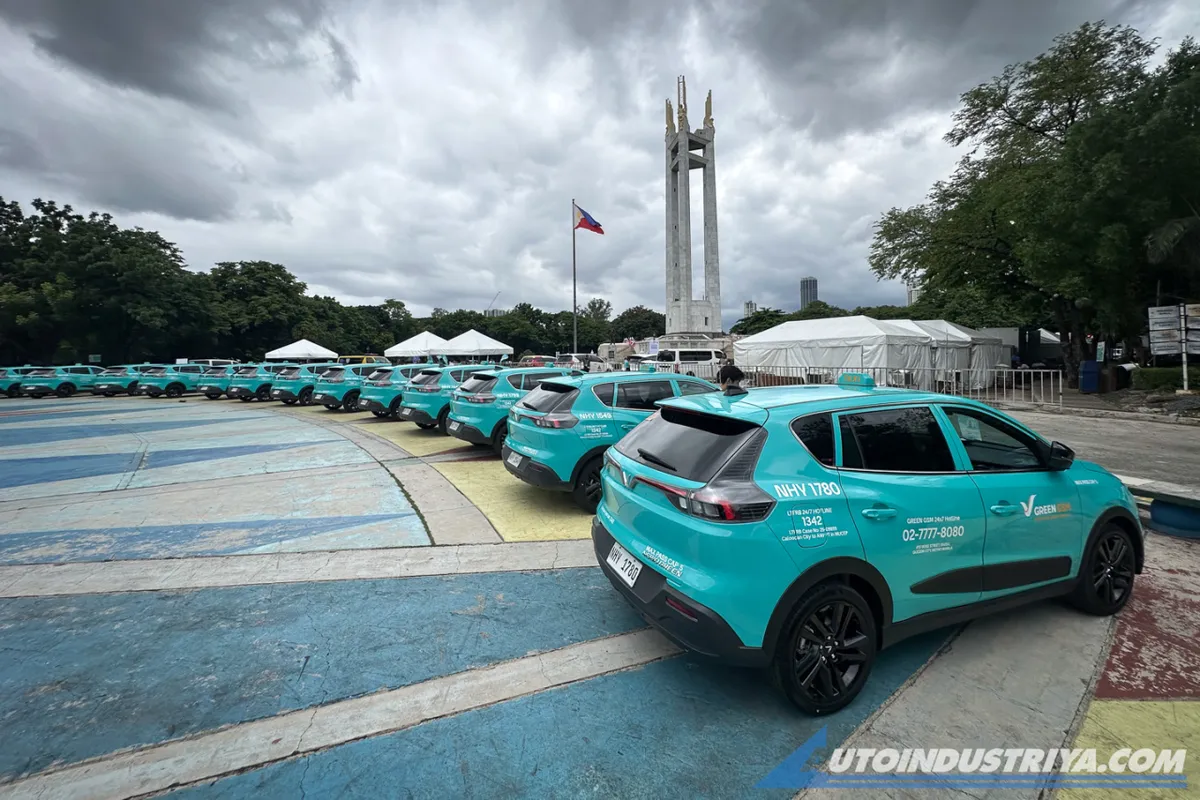
The Green Future rental fleets expose more people to EVs without requiring ownership. Then, of course, there’s the company's residual value program, which is a concept that directly addresses one of the most common concerns among potential EV buyers on what happens to the vehicle's value years down the road.
Individually, none of these elements, I think, would elicit the term revolutionary, groundbreaking, or even game-changing. But add all of these things together, you realize VinFast wants to go beyond EVs by selling a complete system where every component supports the others - all with VinFast brand presence written all over it.
It's a different way of thinking that values the ecosystem as much as the product itself, and that’s where VinFast becomes unique by not playing the same game as everyone else.

Sure, we could argue that BYD with ACMobility is already setting a similar setup through Ayala’s locations in expanding the charging network, but their system seems to be more centered around private vehicle owners. VinFast is trying to take that a step further through public transport and two-wheeled motorcycles in Vietnam, and they’re already in the process of trying to adopt that at home.
That said, it remains to be seen if the system can be fully replicated in the Philippines. In an ideal world, I think the strategy will resonate well in our market considering the needs for mobility and the current level of adoption, but the level of integration between VinGroup's various businesses can be difficult to match.
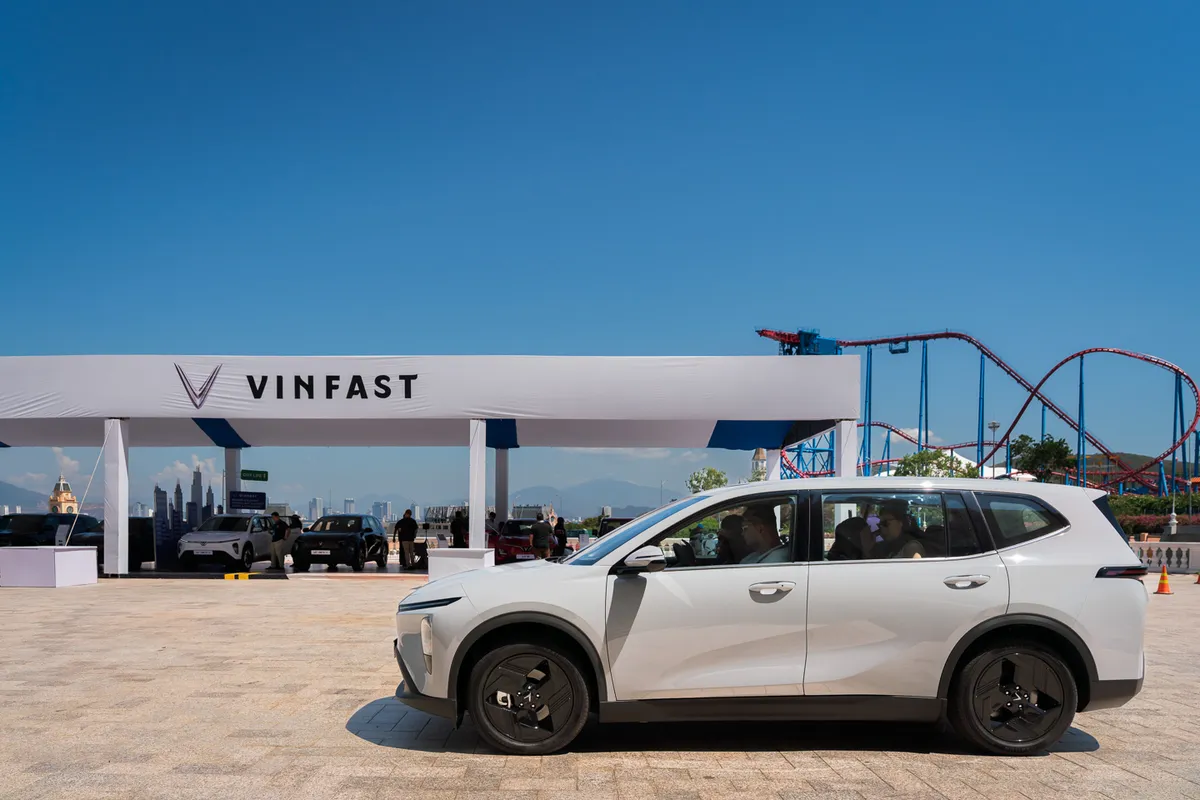
Building the supporting infrastructure, trust, services, and customer touchpoints in another country is another story altogether, especially in a market like ours where the rolls of red tape seem to be endless.
The underlying question here is this: How long can VinGroup keep the entire boat afloat since VinFast has yet to turn a profit since 2017? Search about VinFast's finances, and you'll read news that it hasn't been great. We can see the steps are there for VinFast to progress in terms of quality, design, and we can see they're trying to lay down the proper foundations even after the structure was already built.
Likewise, there's the trust they're trying to build with customers through the unique buyback program at home. But the thing is, it is yet to be proven sustainable in the long run.
Those are just the long lists of things that VinFast have to accomplish, aside from getting on top of the challenges they're currently facing. Can it be done? From the looks of it, they have to. The goal is to go green, not red.
Related Posts

VinFast, GSM appoint younger leaders as global expansion accelerates
GSM names Nguyen Quoc Tuan chairman, Pham Nhat Minh Hoang CEO
 AutoIndustriya.com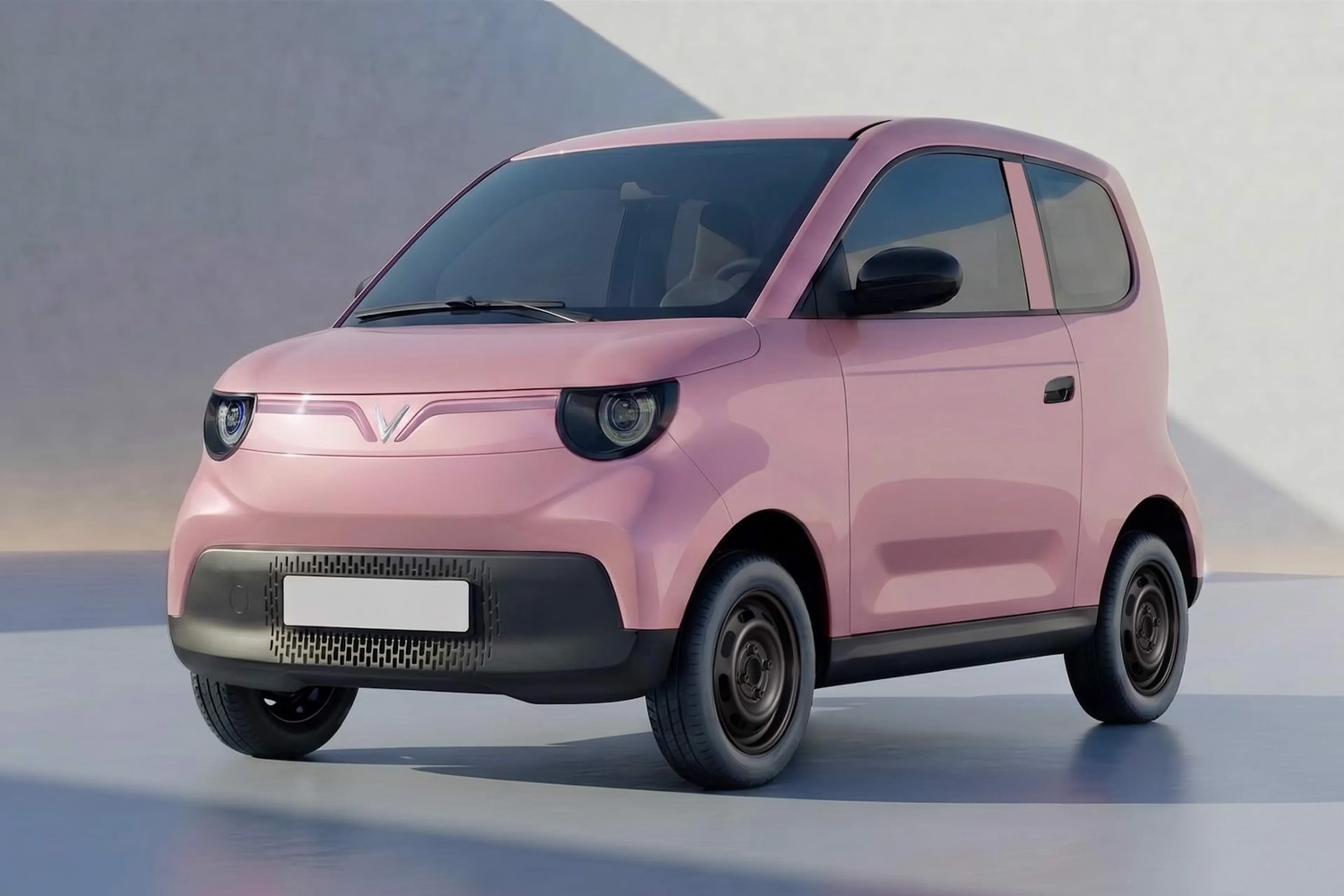
VF 2: VinFast reveals all-new EV that's smaller than VF 3
VinFast is selling the VF 2 in Vietnam for just PHP 440,000
 Marcus De Guzman
VinFast appoints CEO's son as new chairman of the board
Pham Nhat Quan Anh is the new chairman of VinFast
AutoIndustriya.com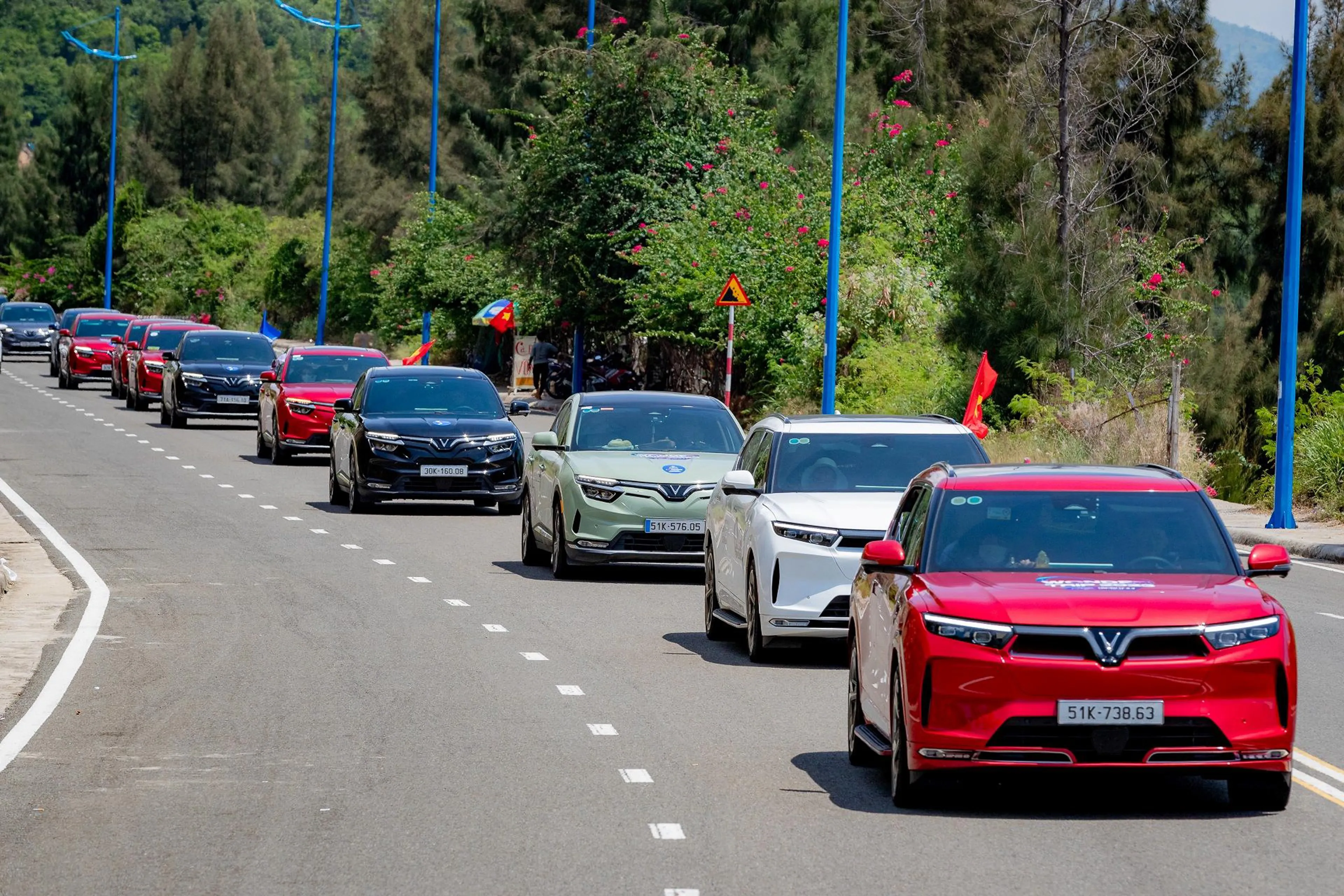
VinFast extends Trade Gas for Electric program until April 30, 2026
VinFast extends its discount program for buyers who want to trade their ICE cars for EVs
AutoIndustriya.com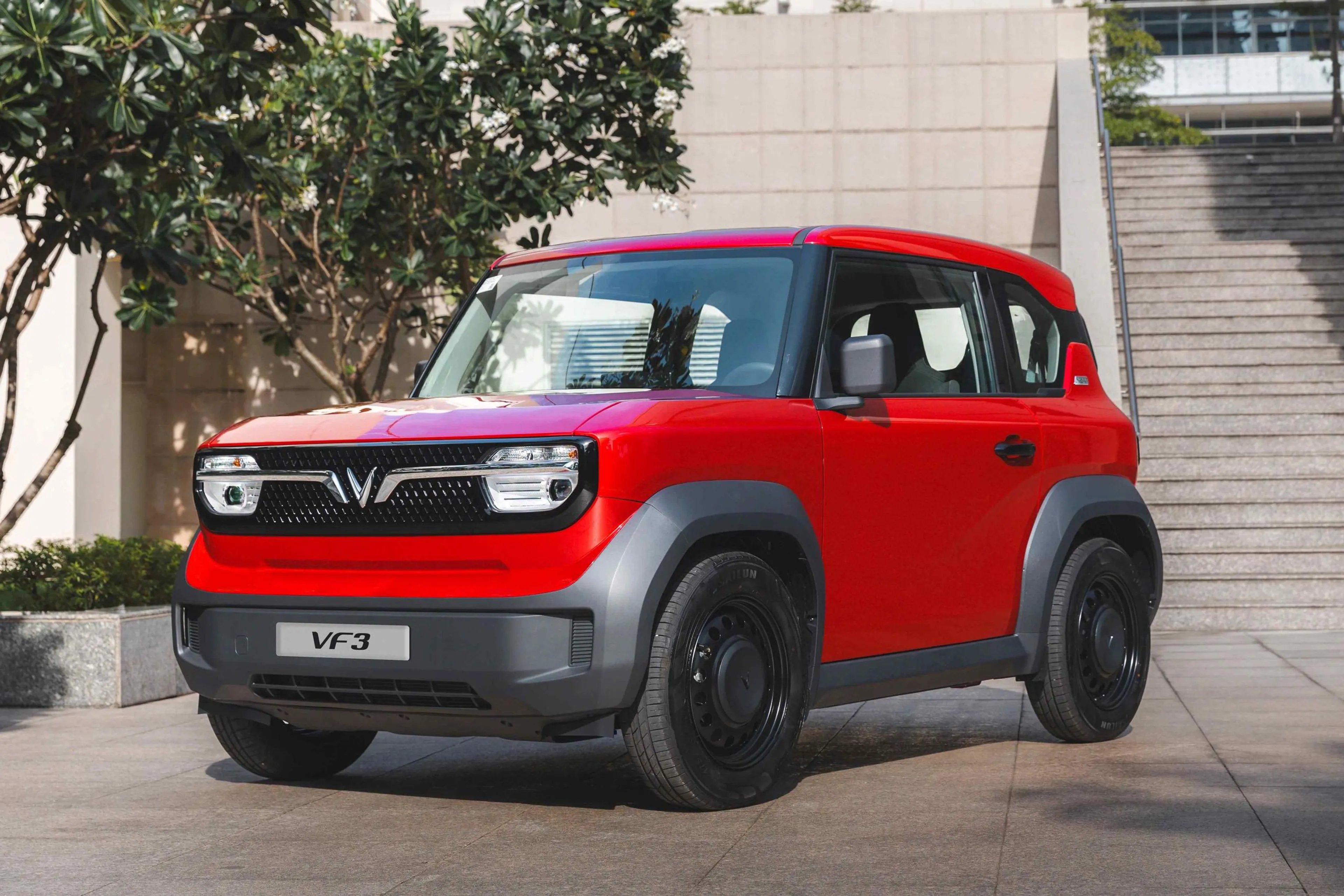
VinFast giving trade-in discounts for vehicle owners switching from ICE to EV
Get 3%; discount when you trade in your gasoline-powered vehicle to electric
AutoIndustriya.com
Vingroup jumps 477 spots to No. 340 in TIME World’s Best Companies 2026
The Vietnamese conglomerate improved across key ranking measures.
AutoIndustriya.com