
2026 Chevrolet Captiva Premier EV
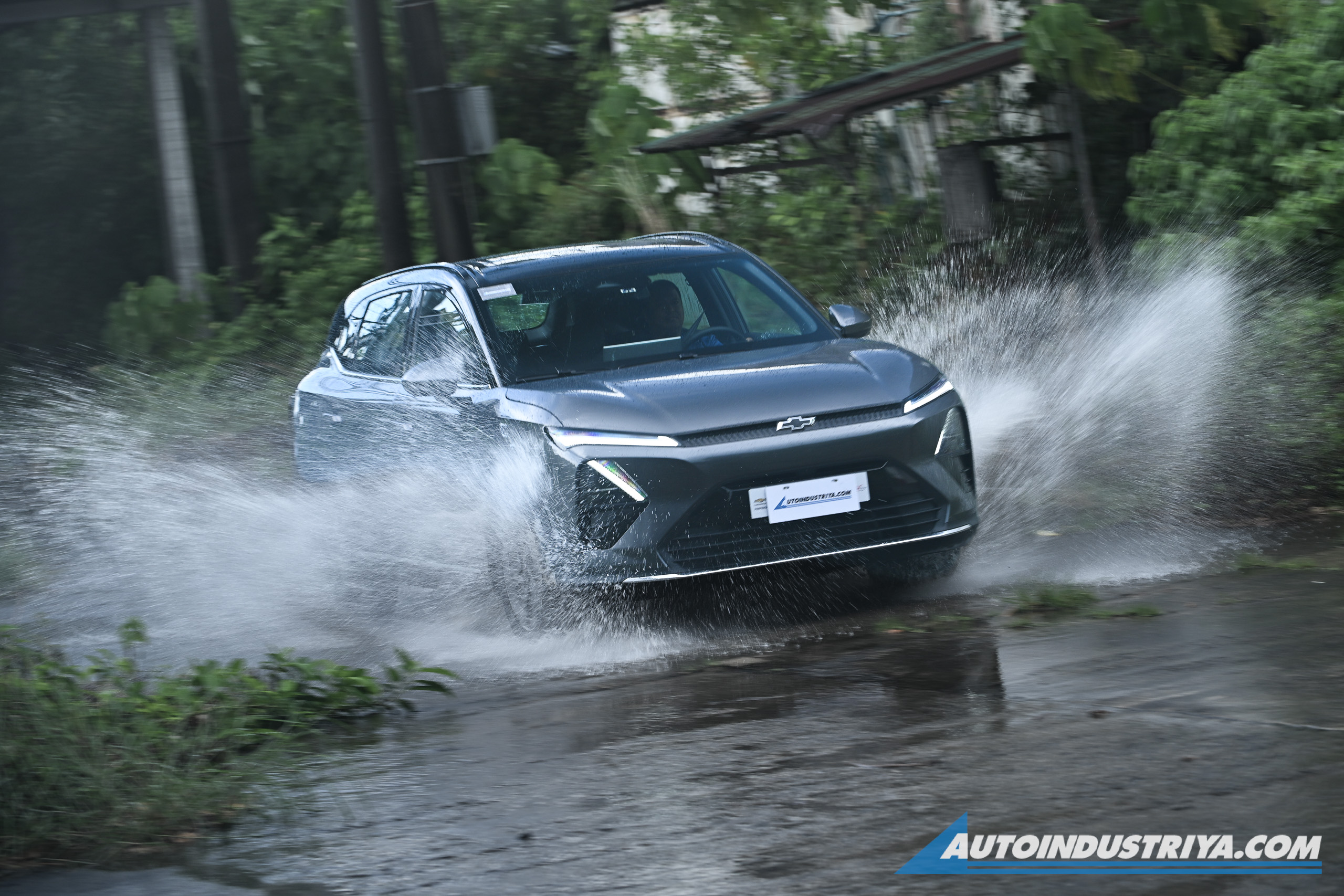
2026 Chevrolet Captiva Premier EV
Good but can it be better?

Ever since the tensions in the Middle East flared up earlier this year and fuel prices started to rise faster than people could adjust, Filipino buyers who had the means to get a brand new vehicle scrambled to get an electrified vehicle. Whether it be a battery electric vehicle (BEV), a plug-in hybrid (PHEV), or a hybrid electric vehicle (HEV), motorists who were able to shield themselves from fluctuating fuel prices immediately bought themselves xEVs.
Chevrolet Philippines’ decision to launch its new line of xEVs could not have come at a better time. With the bow-tie brand looking to make a name for itself in the segment that’s currently being dominated by the likes of BYD, Chevrolet handed us the keys to one of their latest offerings, the Captiva EV. Will this electric crossover SUV be able to impress with its power, space, and efficiency? And will its price tag of less than PHP 2 million convince buyers to get it instead of its closest competitors?
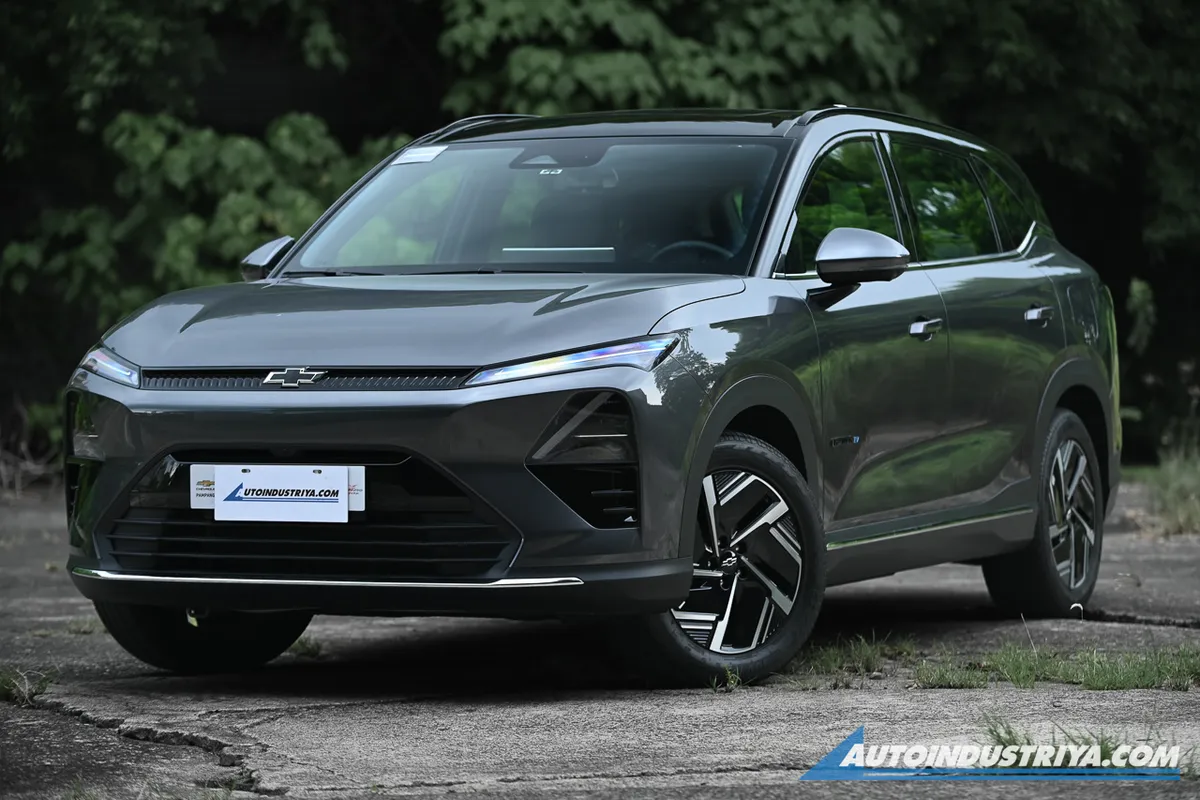
Before we get started, let’s get the obvious out of the way. The Captiva EV is, in fact, a product of badge engineering from the SAIC-GM-Wuling joint venture. Over in China, you'll see this as the Wuling Starlight S.
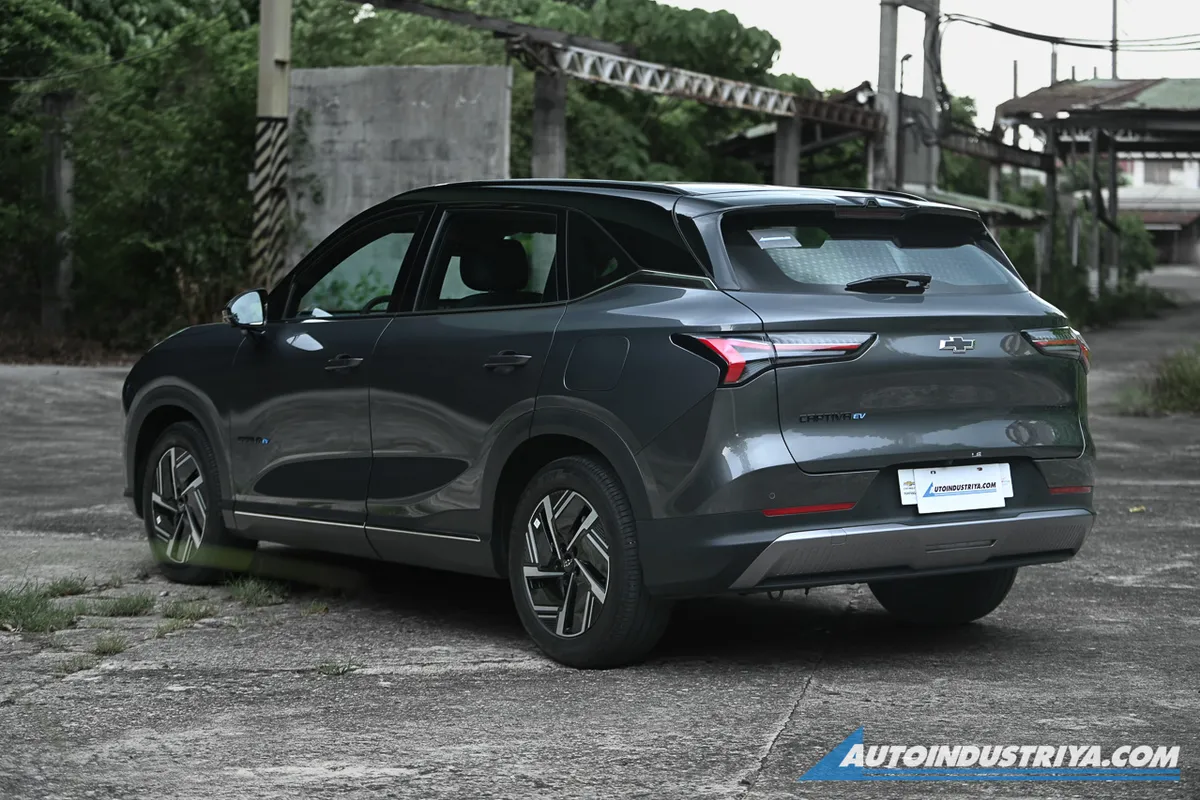
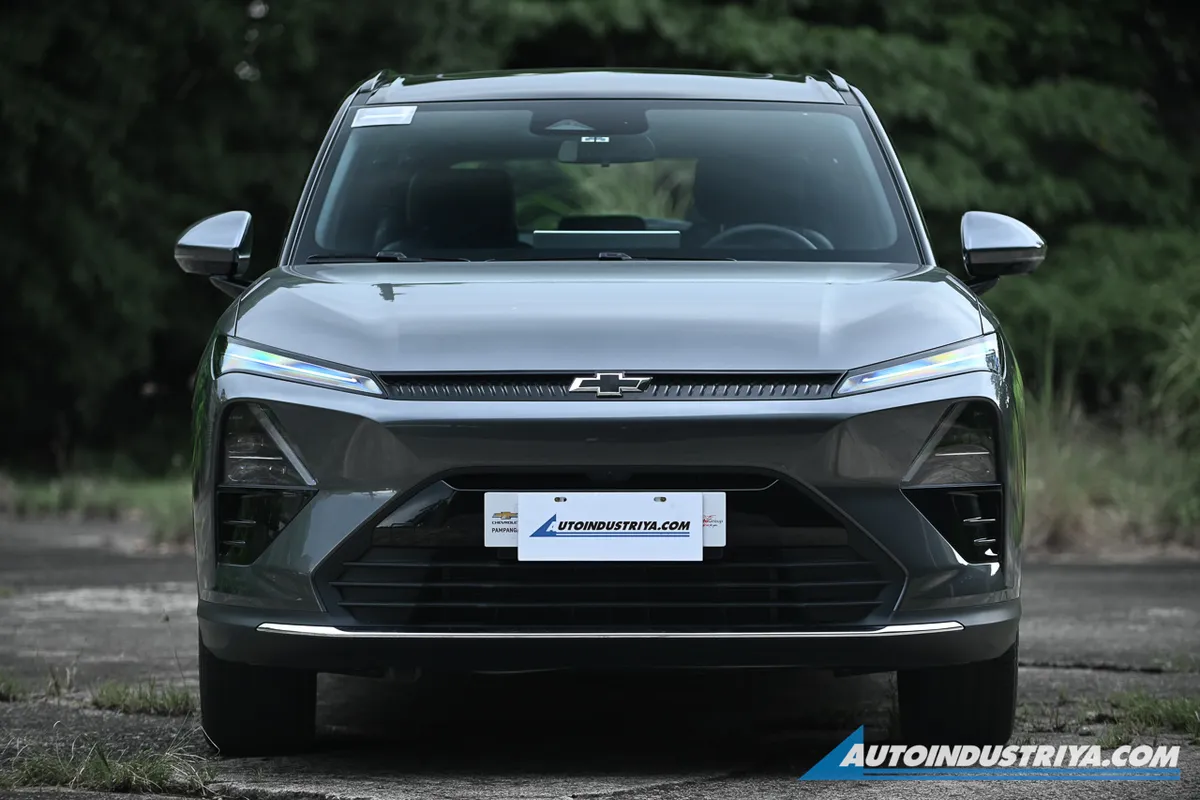
Let’s begin with the design, which is neither boring nor offensive. It’s sleek, curvaceous, and stylish without trying too hard. The two-tier headlight design, sloping roofline, and wraparound LED taillights convey a confident-looking design that’s pleasing to the eyes. While the gray exterior finish may not be to everyone’s liking, it does go well with the blacked-out roof, which gives the Captiva EV a more sophisticated look.
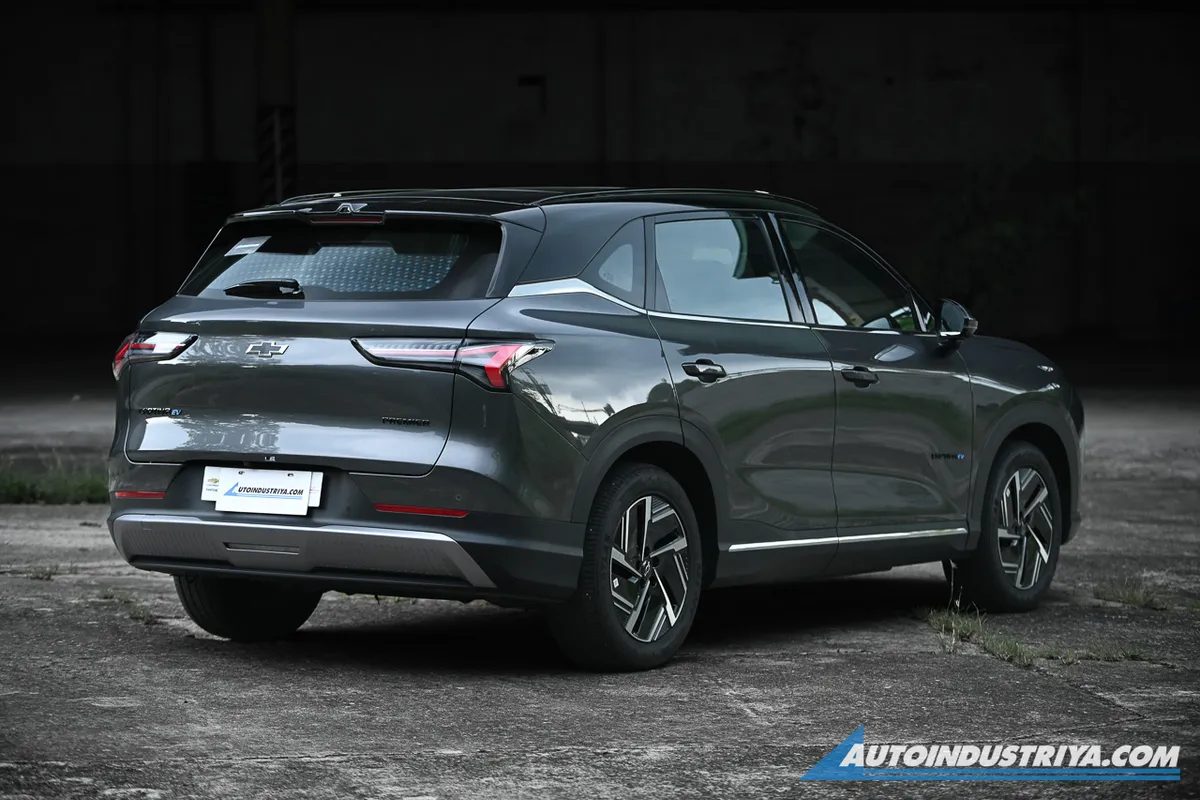
Further giving the Captiva EV a more stylish appearance are the aerodynamic two-tone 18-inch alloy wheels. While they may look gimmicky, the overall design allows the wheels to cut through the wind effortlessly while also reducing drag. Overall, the Captiva EV looks good, but some might see it as nothing more than just a generic crossover.
6 photos
With the smart key tucked away in my pocket, all I had to do to enter the Captiva EV was to press a button on the door handle. Don’t expect to find a push-start button inside the Captiva EV since the system will automatically start the powertrain once it detects the key fob inside the vehicle. Once settled in, you’re immediately greeted by a pair of digital displays, neat touches of faux wood trim, copper-colored accents throughout the cabin, and acres of leather, which can be found on the steering wheel, seats, and parts of the dashboard.
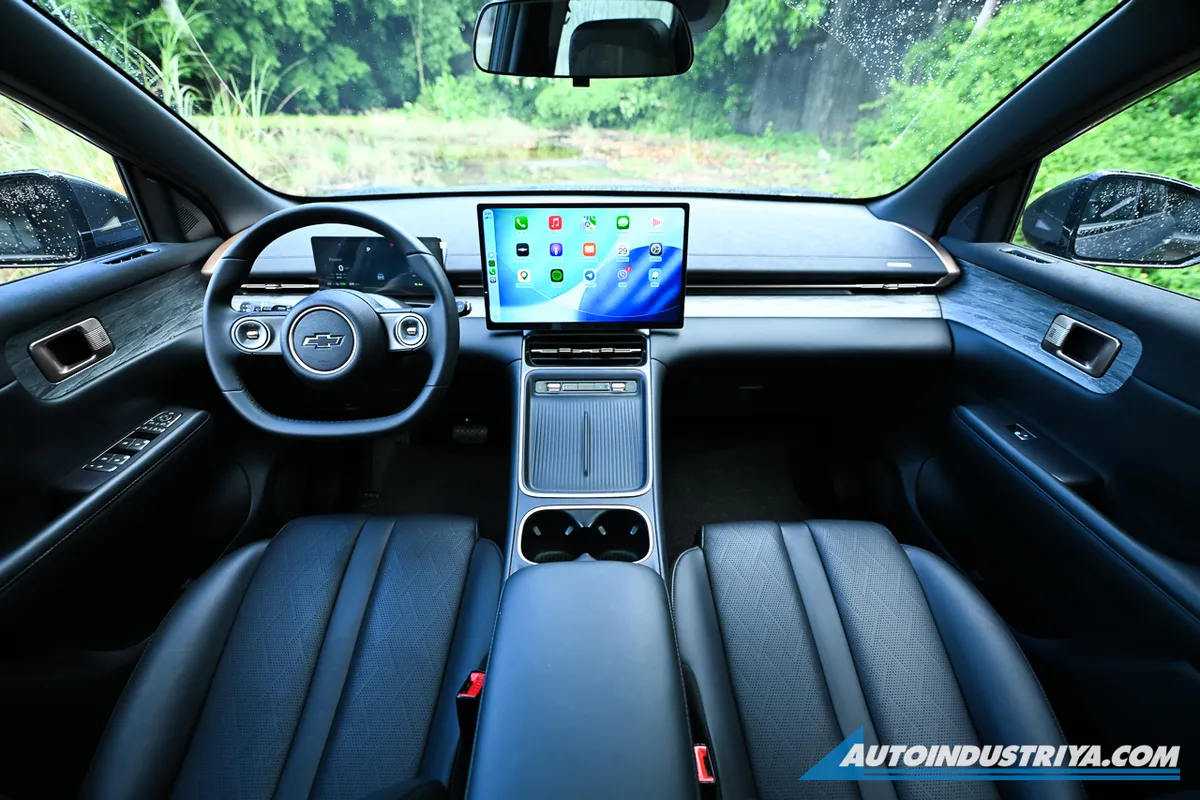
The result is a vehicle that features a minimalist yet stylish cabin. In fact, the center console only comes with controls for the climate control and the hazard warning lights. So where’s the gear selector? Instead of a physical knob or lever, Chevrolet opted to give the Captiva EV an electronic column shifter to maximize cabin space.
Then there’s the quality of the leather, which, despite being synthetic, actually feels supple to the touch, making it seem like you’re in a premium vehicle. With the generous bolstering for the front seats and the generous cabin space for the rear passengers, the Captiva EV is roomy and comfortable on long journeys.
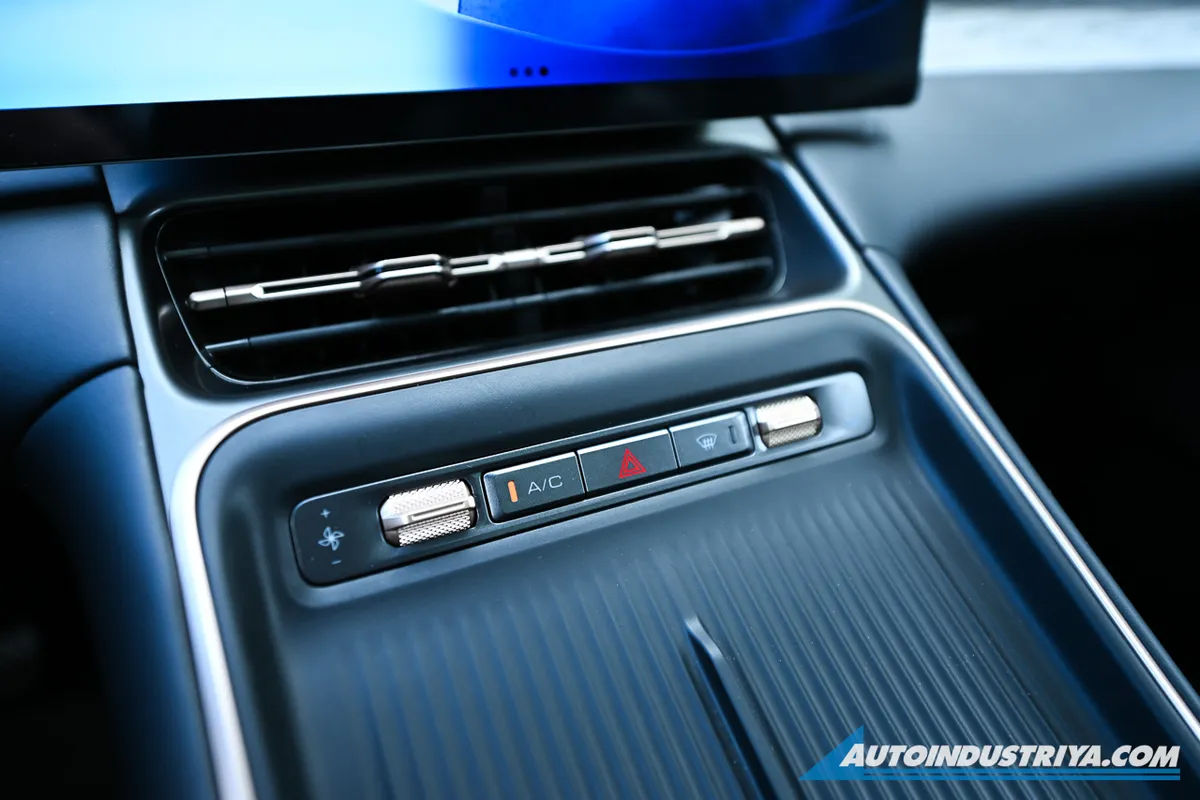
While it seems I’m all praise for the Captiva EV’s cabin, I do wish Chevrolet (or Wuling) added more physical controls. Almost every in-car function inside the Captiva EV has to be done via the massive touchscreen. By putting every function and feature on the media display, you have to select menu after menu, which is time-consuming and distracting while driving.
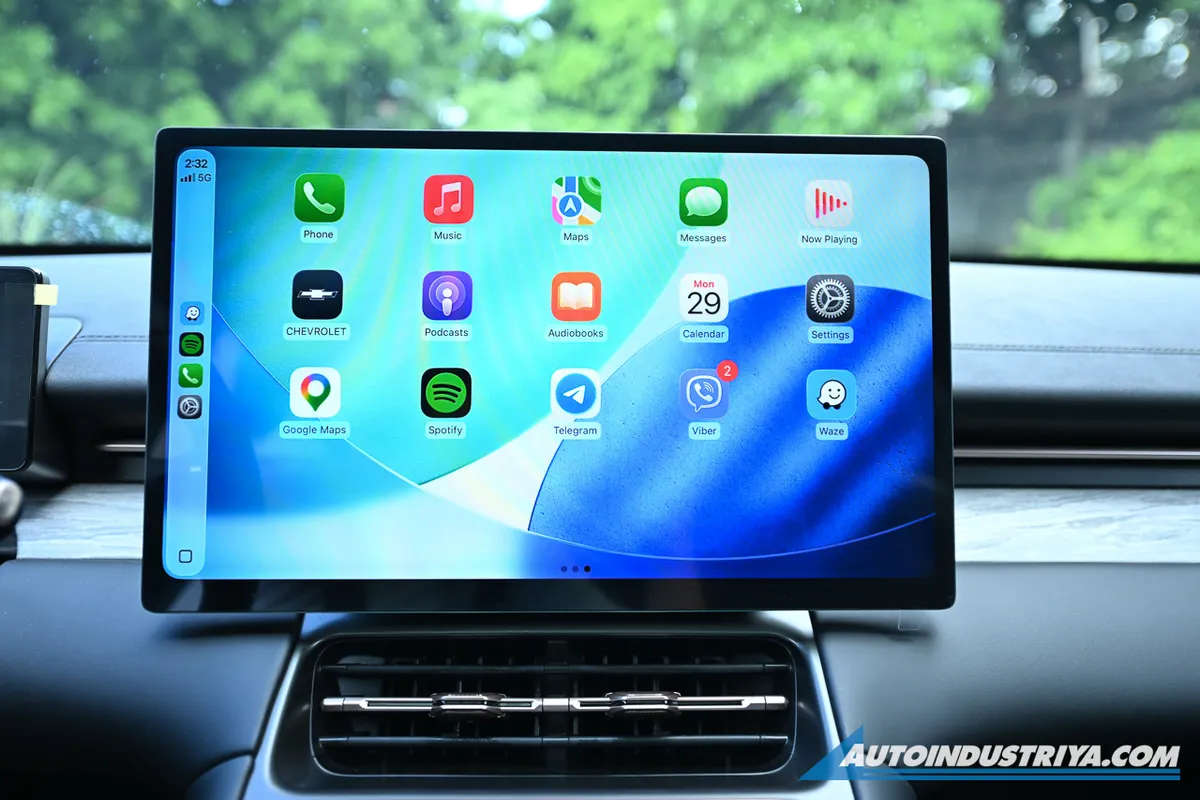
Whether you have to adjust or change the settings of the intelligent driver aids, select your preferred mode of regenerative braking, and select the desired drive mode (Eco, Normal, and Sport), you are at the mercy of the touchscreen. Some may call it high-tech or cutting-edge, but I prefer to call it lazy engineering and a failure of ergonomics. The only consolation was that Chevrolet opted to keep the side mirror controls on the driver’s side door panel where it absolutely belongs, instead of being hidden on the touchscreen.
There’s also the matter of lacking certain features one would expect from a vehicle that’s priced at nearly PHP 2 million. For starters, you still have to use a cable to pair your smartphone to make Apple CarPlay or Android Auto work. I’ve sat in more affordable EVs that came with wireless connectivity for Android Auto and Apple CarPlay, so I’m not sure what the reason is behind the Captiva EV lacking such an amenity.
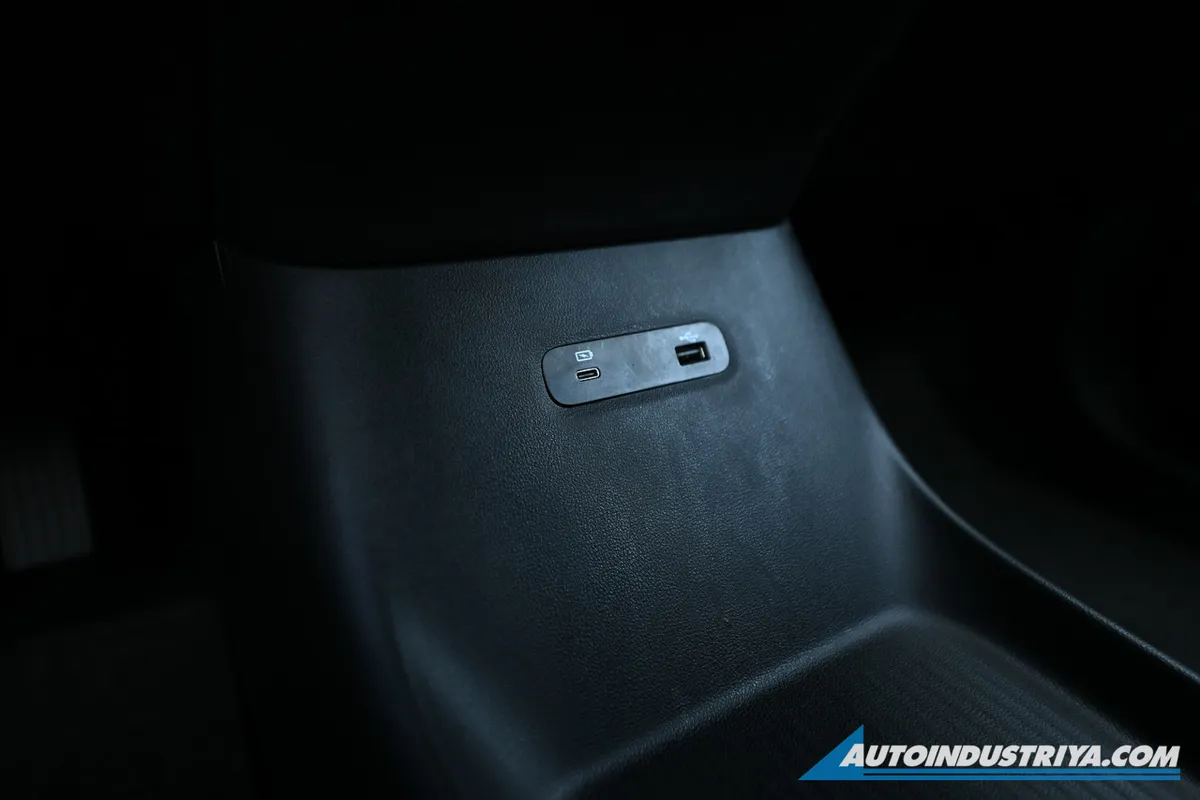
There’s also the lack of a wireless charging pad to charge your smartphones. Instead, Chevrolet decided to put slots below the phone pads on the center console, which allows you to hook up your charging cable below. Good, but a charging pad would have sufficed. Alternatively, there's a 12V power socket hidden inside the center glovebox if you prefer to charge that way.
6 photos
Powering the Captiva EV is a 60 kWh lithium-iron phosphate (LFP) battery pack, which gives the crossover a range of up to 415 km, based on the NEDC standard. This then powers a single electric motor that drives the front wheels and delivers a generous 201 PS and 310 Nm of torque. This makes the Captiva EV a direct rival to the likes of the BYD Atto 3 and the GAC Aion V.
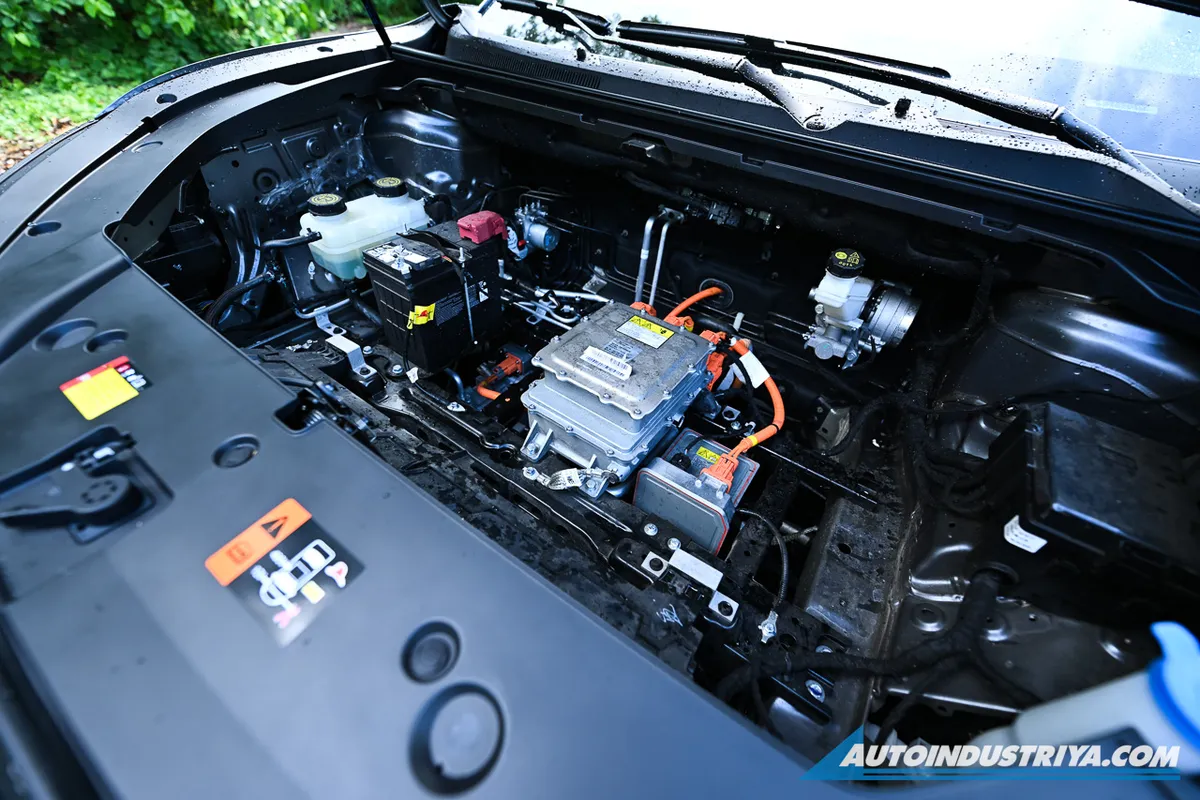
It’s easy to dismiss a crossover SUV making 204 PS in this day & age. However, it’s quite a different experience when it’s an EV. With no transmission getting in the way of delivering power to the wheels, accessing the full 204 PS (or 150 kW) can easily be done if you bury your foot on the accelerator pedal. This means faster and easier overtaking, which the Captiva EV was able to do in spades.
Despite its relatively huge size, it’s easy to fully unleash the Captiva EV’s 310 Nm of torque at a standstill and while on the move. Even when set to Eco Mode, the Captiva EV will happily make use of all available torque if you press hard on the pedal. And even with traction control and stability control turned on, the sheer torque from the motor can still make the tires chirp, especially on wet roads if you’re not paying attention. On the flip side, however, the instantaneous torque allows you to easily overtake other cars and motorcycles on the road.
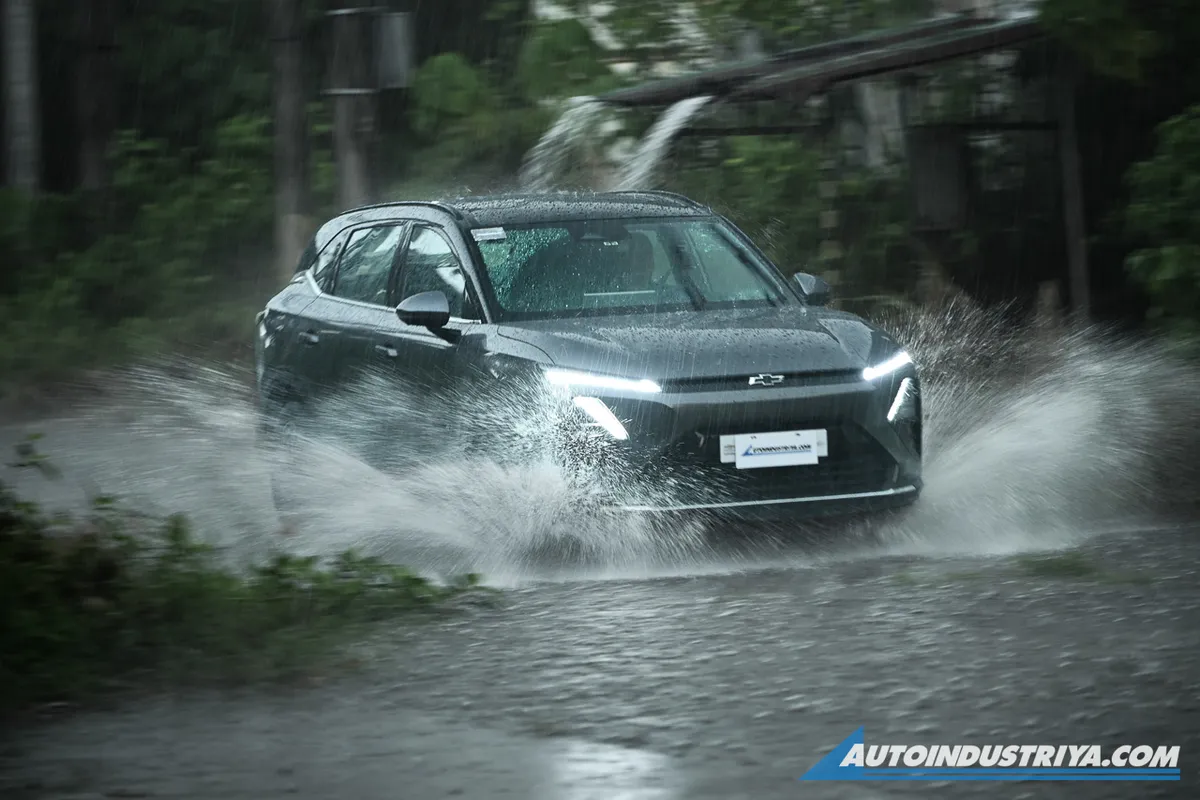
Once you’ve had your fill of fun enjoying the instant acceleration, the Captiva EV reverts into a calm and serene crossover SUV. Since there’s no engine under the hood and a simple FWD layout, Chevrolet was able to maximize the use of thick sound-deadening materials to isolate motor whine, suspension thuds, and even drivetrain noise. Combined with the use of acoustic-laminated glass on the windshield and front side windows, the Captiva EV keeps outside noise to a minimum, allowing you to enjoy your favorite tunes at any speed.
Like most EVs today, the Captiva EV has a long list of advanced driver-assist systems (ADAS). However, I do find myself turning off the forward collision warning with autonomous emergency braking. Even at its nearest setting, the system is just too sensitive and can sometimes automatically apply the brakes while the vehicle in front of me is still several meters away. Hopefully, Chevrolet can adjust the system to be less sensitive to our local roads.
When it comes to energy consumption, I was easily able to average between 11 and 12 kWh per 100 km in light city and highway driving. In heavier traffic conditions, however, the Captiva EV was able to return between 13 and 14 kWh per 100 km. Combined with regenerative braking, which you can set to either normal or strong, the Captiva EV is easy on the energy bills.
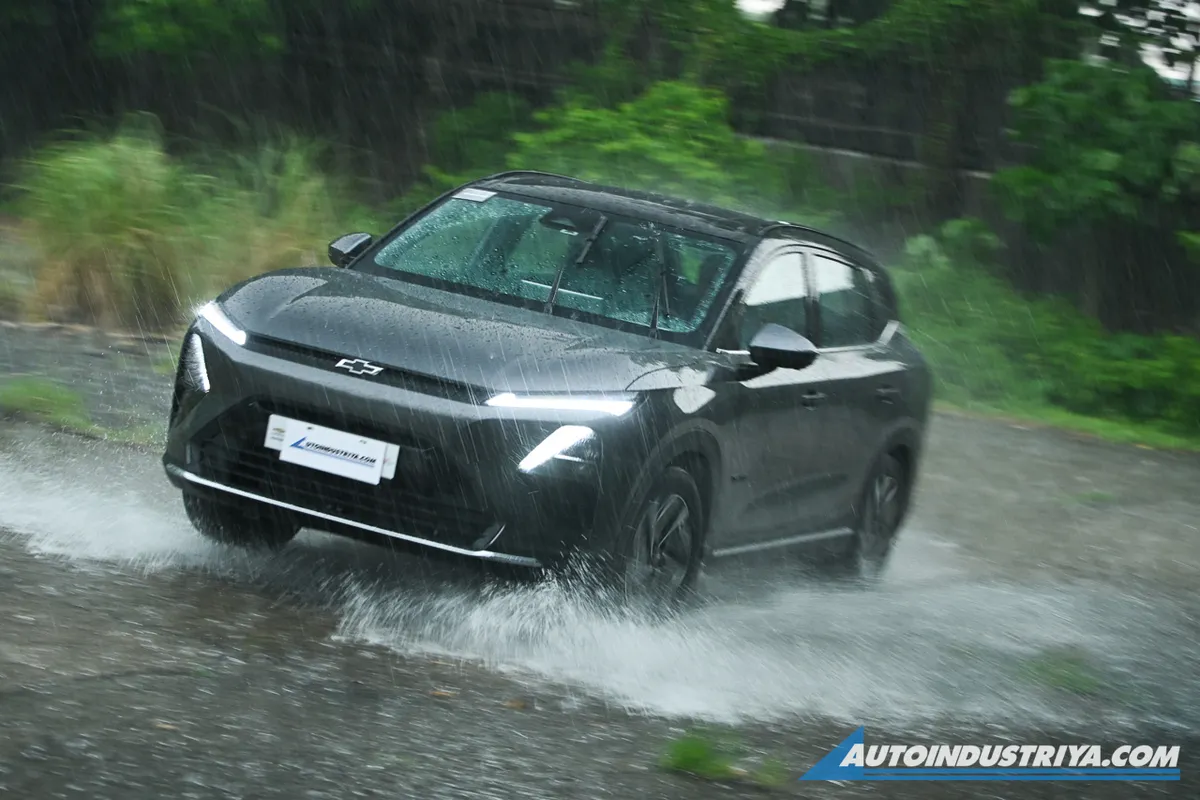
In fact, there was one time I left Marikina for Tomas Morato in Quezon City, and I only consumed 3% of energy (87% to 84%). I then followed that up with a trip to Muntinlupa via Skyway 3 and SLEX, and I was able to use just 6% of energy from Tomas Morato all the way to Evia (84% to 78%). After that, I went back to the office in Quezon City via Skyway once more, headed to Robinson’s Magnolia, and went back home to Marikina with 63% left. Mind you, this was on a weekday, which meant I had to endure some traffic along the way.
When it comes to recharging, the Captiva EV supports 6.6 kW of AC charging and up to 120 kW of DC charging via CCS2 ports. I was able to use the former when I hooked up the Captiva EV to a public charging station. With 59% of energy left, I hooked it up to a 7 kW AC charger that’s rated at PHP 28.50 per kWh. After paying PHP 500 and leaving it for 2 hours and 38 minutes, the Captiva EV was able to receive 17.54 kWh of energy and was able to reach 84% state-of-charge. The charging time may be long, but charging EVs is significantly cheaper compared to ICE.
It also comes with a portable charger, but it’s rated to only deliver 3.3 kW of charge from a wall outlet. In case you need to go somewhere tomorrow right away, use the portable charger overnight to collect as much energy before your trip the next day.
As far as handling is concerned, it’s alright. Yes, it’s heavier than most compact crossovers, but it doesn’t wallow as much. However, you do still feel the weight penalty of the battery when taking turns, so you do have to mind that when taking sharp corners. The steering feel is almost devoid of sensation, which makes driving it almost like an appliance on wheels. The Captiva EV, however, bounces back in terms of ride comfort. Not only are the dampers well-suited for the EV, but the extensive use of NVH materials means the electric crossover remains composed and collected despite the rough patches of Metro Manila.
So the Captiva EV can be quick on its feet, can sip on energy in various traffic conditions, and is a comfy crossover to be in. However, its certain lack of features despite having a price tag of less than PHP 2 million hurt its value for money proposition. There’s also the matter of having most of the EV’s in-car functions buried on the touchscreen, which can distract the driver. Sometimes, physical buttons and switches still beat touchscreen-based controls for even the simplest of tasks.
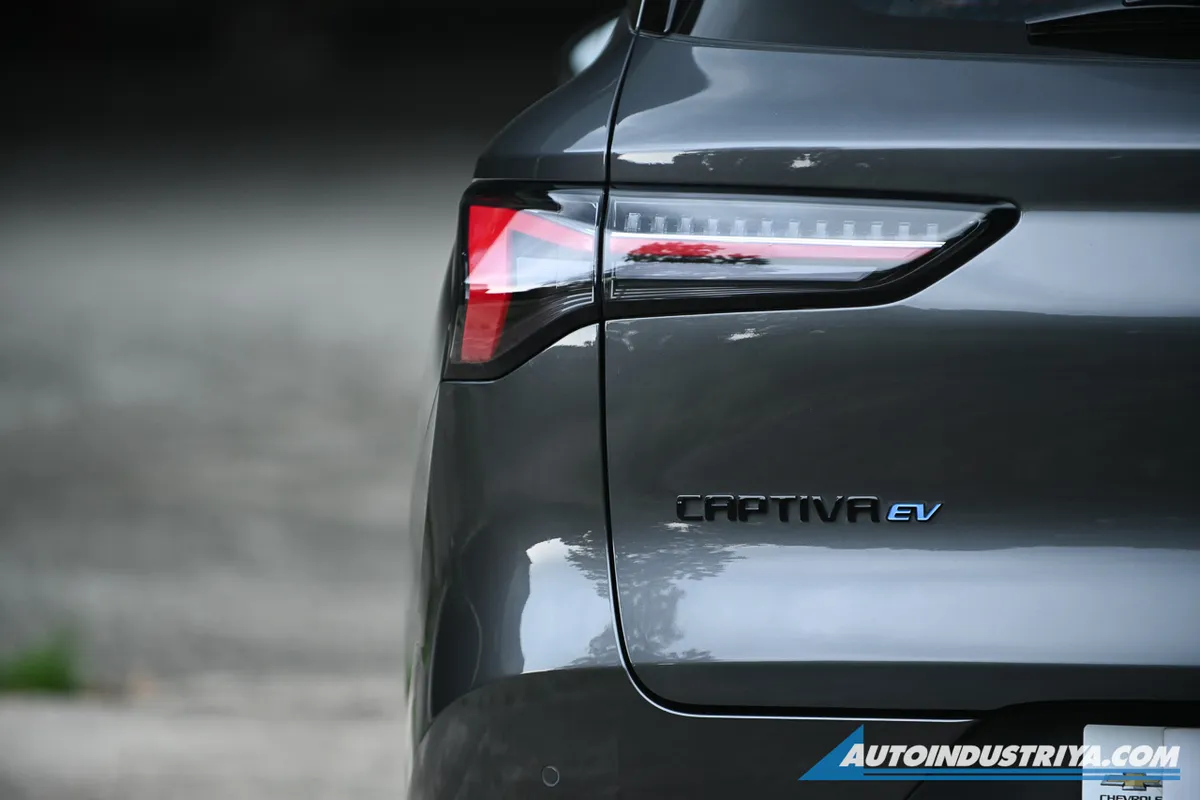
With a sticker price of PHP 1.999 million, it’s also quite expensive compared to its closest rivals. In fact, the BYD Atto 3 starts at 1.638 million, and the GAC Aion V begins at a special introductory price of PHP 1.418 million.
The Chevrolet Captiva EV is great, but at its current price point, it’s quite the big leap compared to the competition.
Related Posts
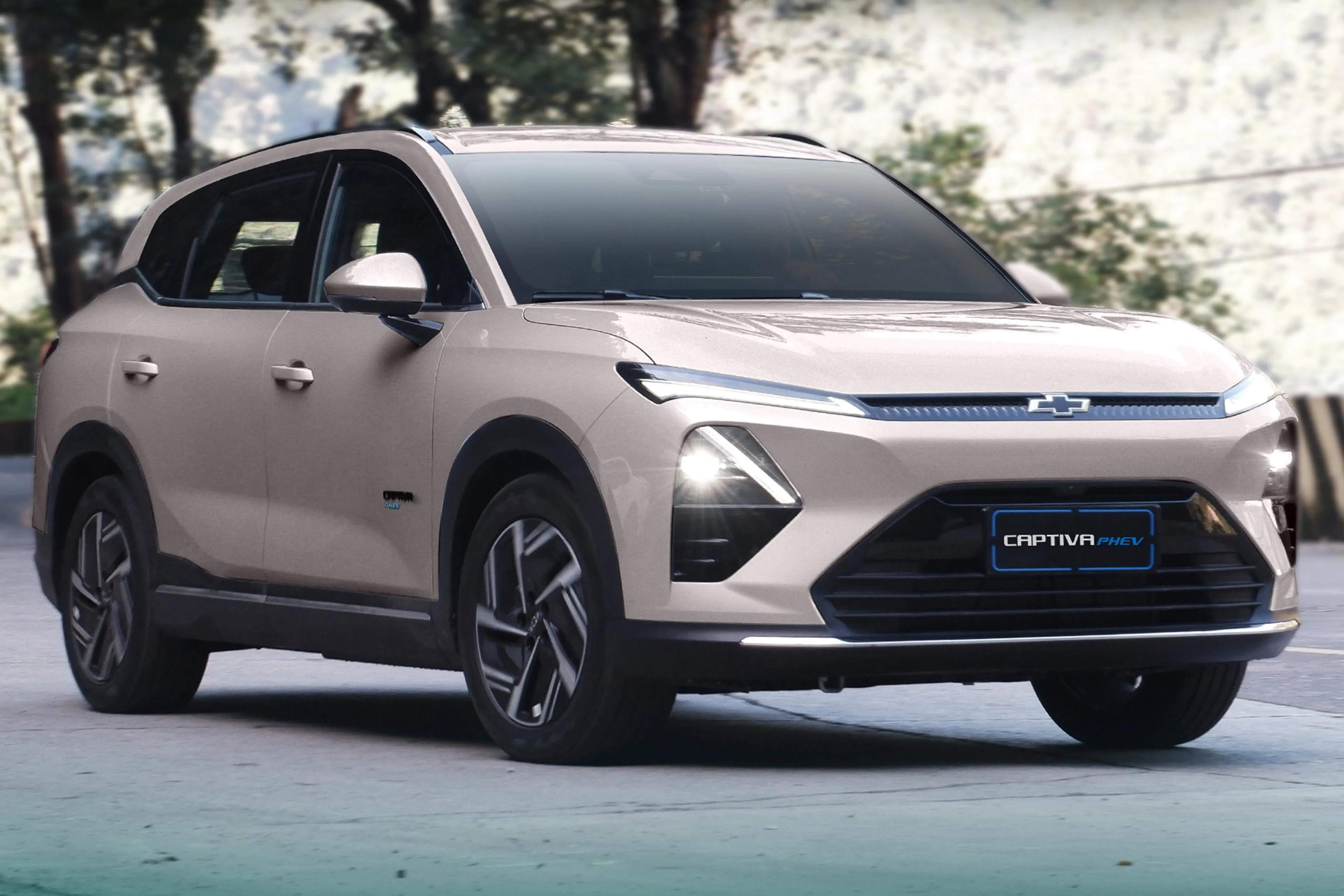
Chevrolet Captiva PHEV is yours for PHP 1.821 million
Chevrolet Captiva PHEV has a combined range of 1,040 km
 Marcus De Guzman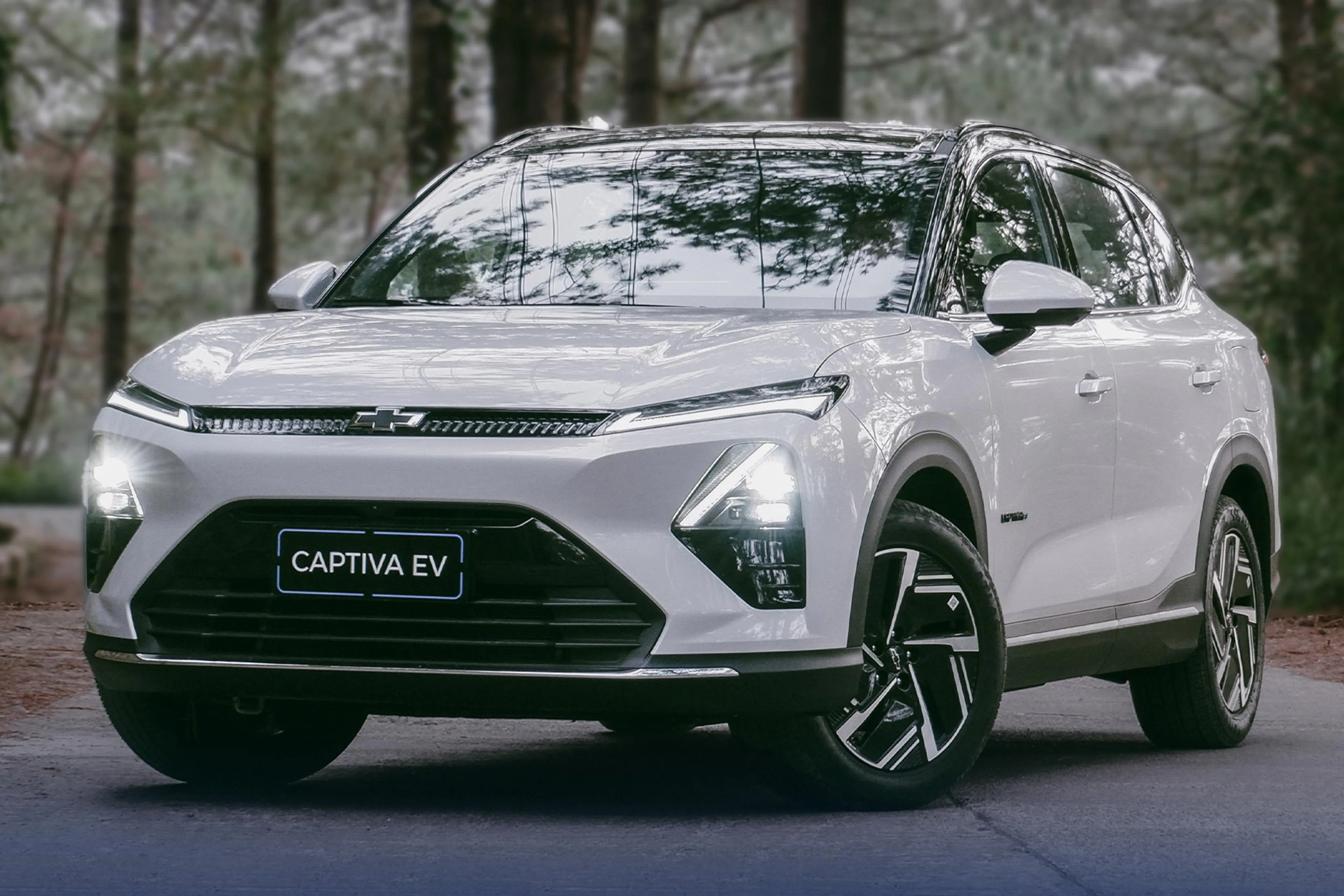
PHP 1.86M will get you the 2026 Chevrolet Captiva EV
Should the BYD Atto 3 be worried about the Chevrolet Captiva EV?
Marcus De Guzman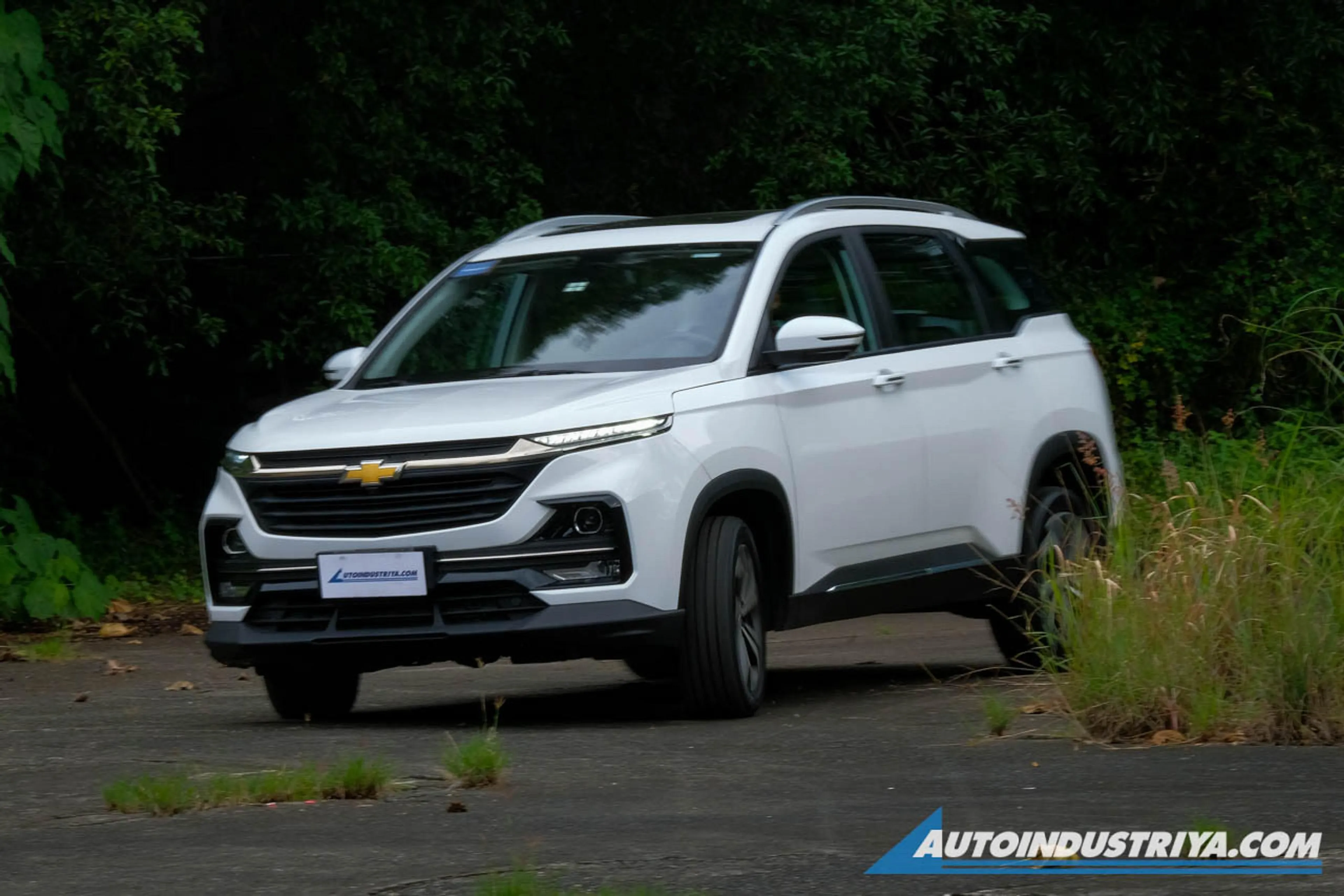
Get up to PHP 140K in discounts when you buy a Chevrolet Captiva with BPI
Chevrolet's Captive Their Drive promo with BPI Auto Loan runs from Aug 22 to Oct
 AutoIndustriya.com
2025 Chevrolet Captiva: A closer look at Chevy’s returning 7-seater
Chevrolet Philippines brings back the Captiva as a turbocharged 7-seat crossover for the family
Besides EV, Chevrolet Captiva PHEV has been recognized by the DOE
Hariphil wants in on the PHEV market, as the Chevrolet Captiva PHEV appears on the DOE's list
Marcus De Guzman
2025 Chevrolet Captiva Premier 1.5T CVT
Did the return of the Chevrolet Captiva come at the right time? Or is it too little, too late?
Marcus De Guzman