
Underdog hill-climb hero: Hayabusa V8-powered Starlet defies expectations
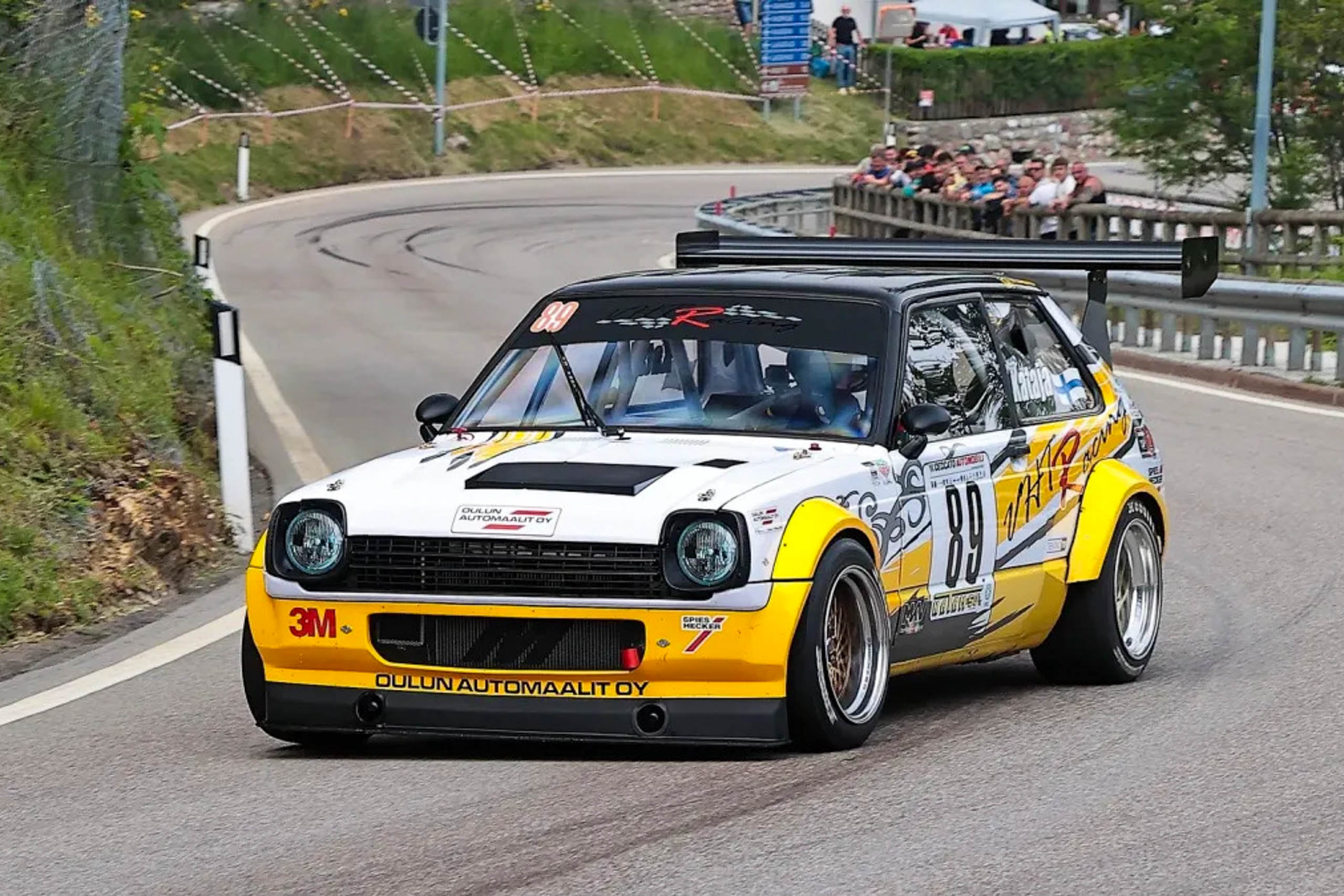
Underdog hill-climb hero: Hayabusa V8-powered Starlet defies expectations
From humble econobox to hill-climb giant killer, this V8-powered Starlet is rewriting the rules of performance

Perfectly embodying the boxy econobox styling of the 1980s, the Toyota Starlet was never designed with motorsports in mind. Yet its lightweight chassis, compact footprint, and rear-wheel-drive layout have made it a highly capable performance platform.
Whether in slalom, autocross, rallying, or drag racing, the humble 3-door hatchback has cultivated a devoted following not only locally but across the globe. This is exemplified by Finland's VHTRacing Engineering, whose extensively developed Toyota Starlet stands as one of Europe's most impressive hill-climb cars.
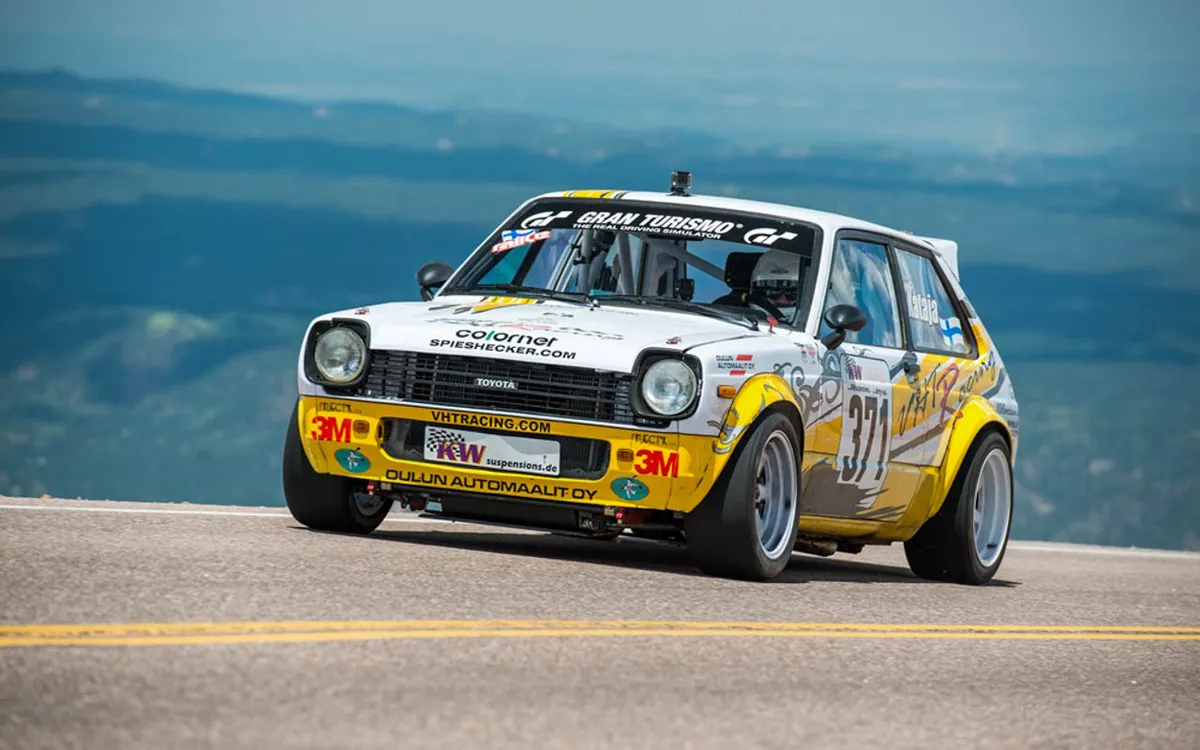
For years, Finnish driver Mikko Kataja and his wife, Kati, have campaigned their rear-wheel-drive hatchback in hill-climb events across Europe, with appearances at legendary racing venues such as Pikes Peak and Mt. Washington. Along the way, the little Toyota has evolved into a serious competition machine.
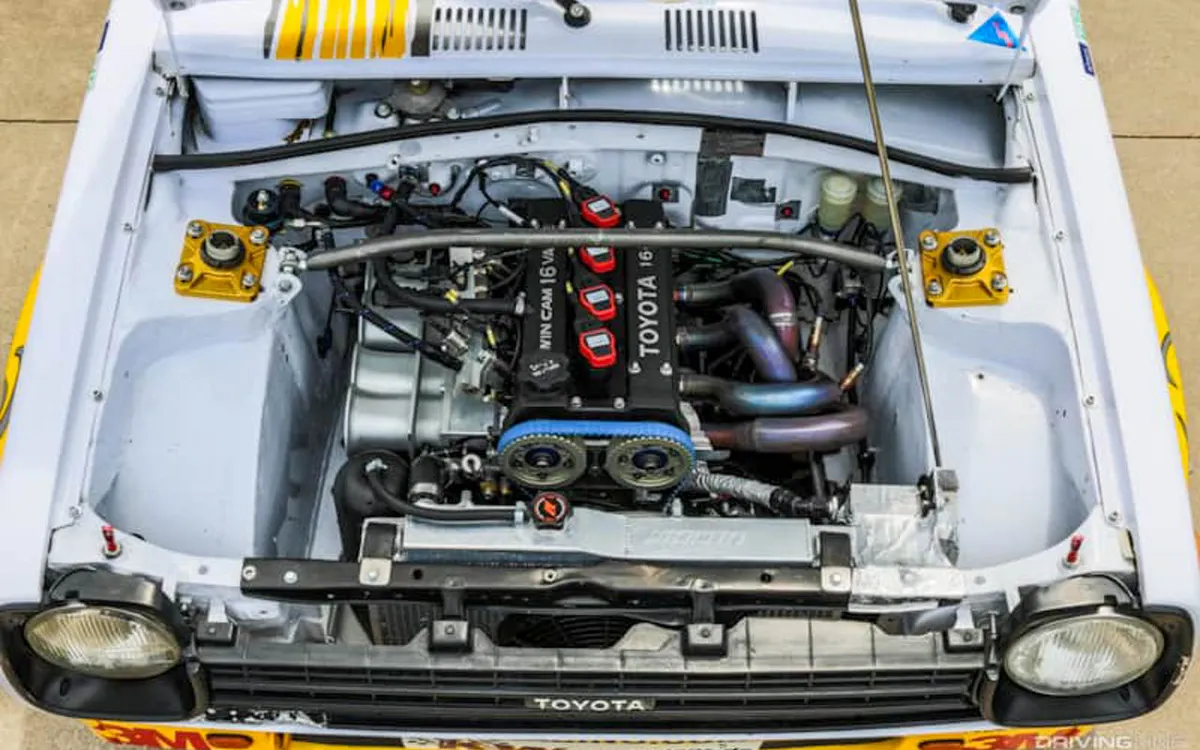
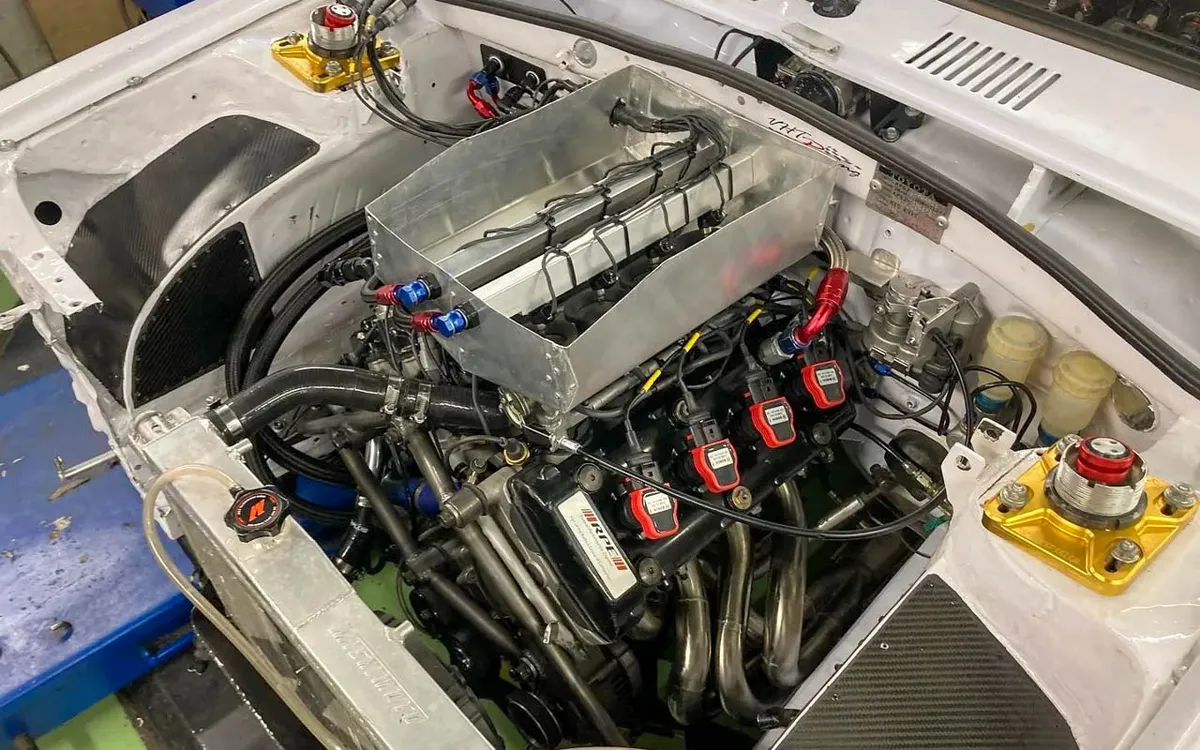
Originally powered by a highly modified Toyota 16-valve, 4A-GE producing around 260 PS, the Starlet received a dramatic upgrade in 2023. Replacing the screaming four-cylinder is an engine swapped 2.7-liter V8 developed by Radical Precision Engineering that’s based on the legendary Suzuki Hayabusa motorcycle engine that revs up to 10,000 rpm!
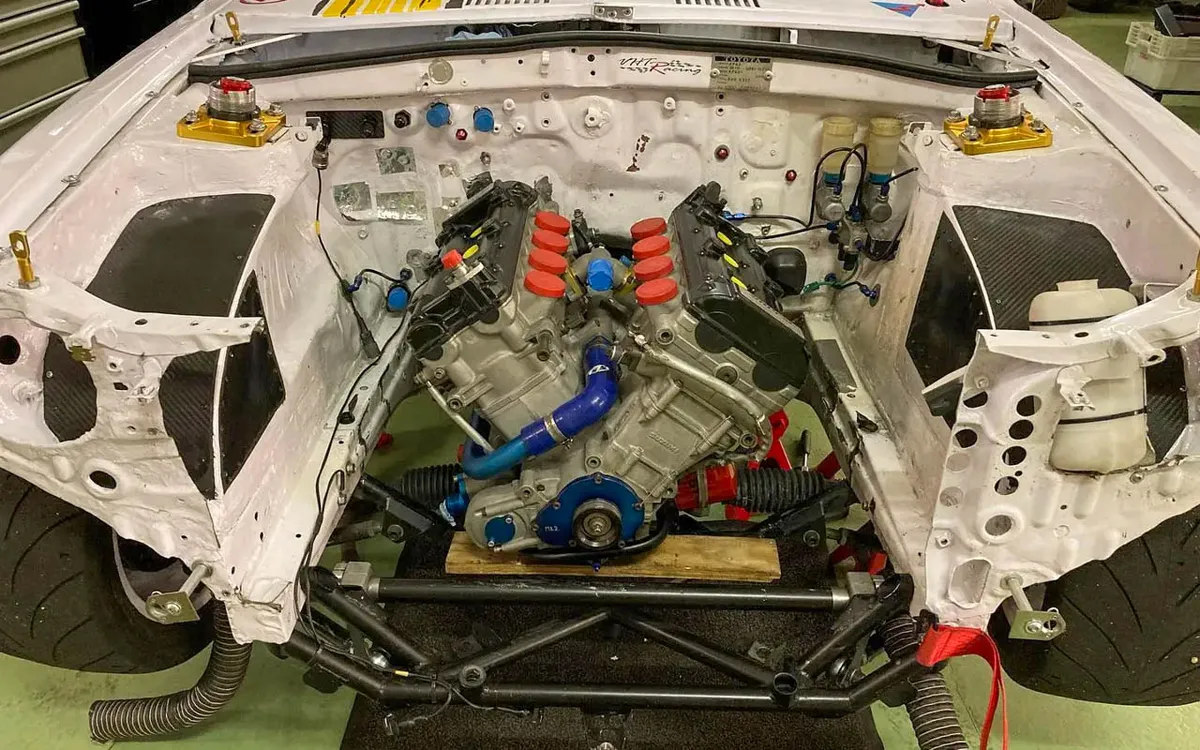
Retaining the Hayabusa's bore and stroke dimensions, the flat-plane-crank V8 combines ported Hayabusa cylinder heads with Cosworth pistons and VHT-designed camshafts. While official output remains undisclosed, the engine was designed to produce around 150 PS per liter, putting estimated output in the region of 405 PS. That's an astonishing figure for a lightweight econo-hatchback originally designed for daily commuting and with less than 100 PS.
The project suffered a setback in 2024 when Mikko crashed the car, but the team used the opportunity to push development further. A comprehensive rebuild added carbon-fiber bodywork from Finnish composite specialist Haidea, along with suspension upgrades that lowered the ride height and widened the track.
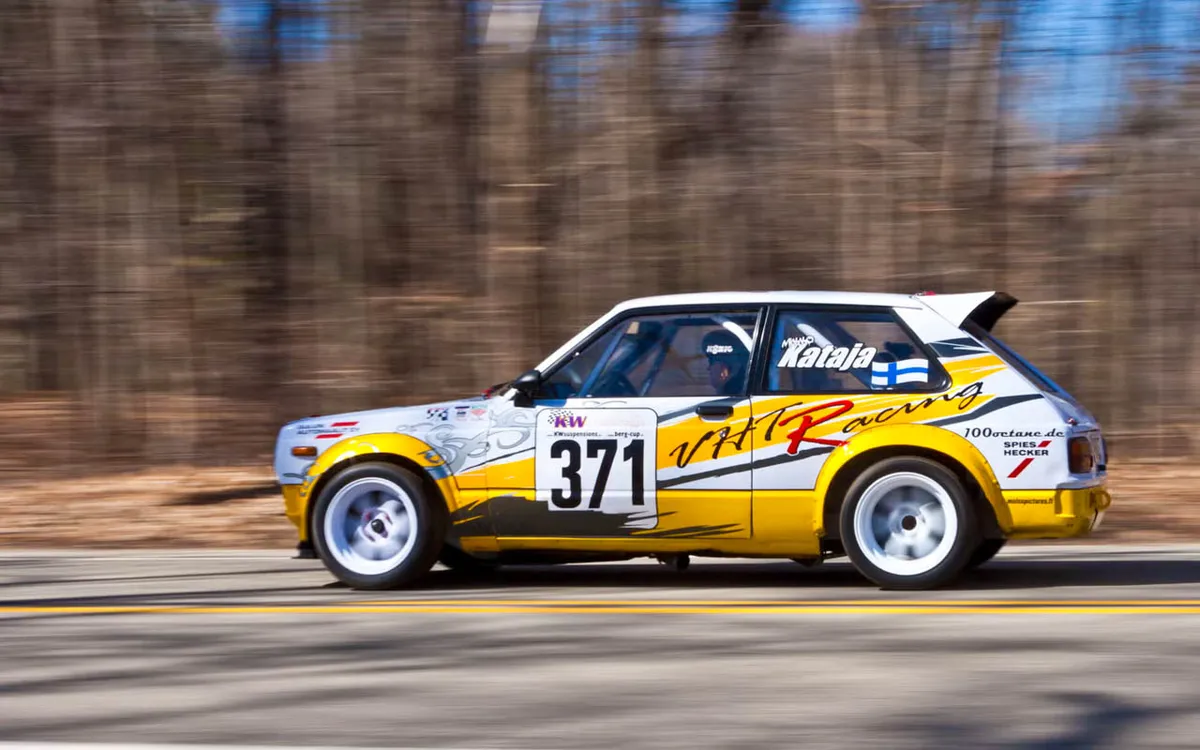
The results were immediate. In its first event after the rebuild, the Starlet won its class and finished third overall at the Wolsfeld Hill Climb in Germany. Even more impressive, the result came with minimal testing, and Mikko believes the package still has room for improvement.
The build also serves as a reminder of the hidden potential within Toyota's early rear-wheel-drive Starlets. While later generation EP71-90 series transitioned to front-wheel drive and turbocharged powertrains, the KP61's simple, lightweight chassis remains an enticing platform for ambitious builders willing to think outside the box.
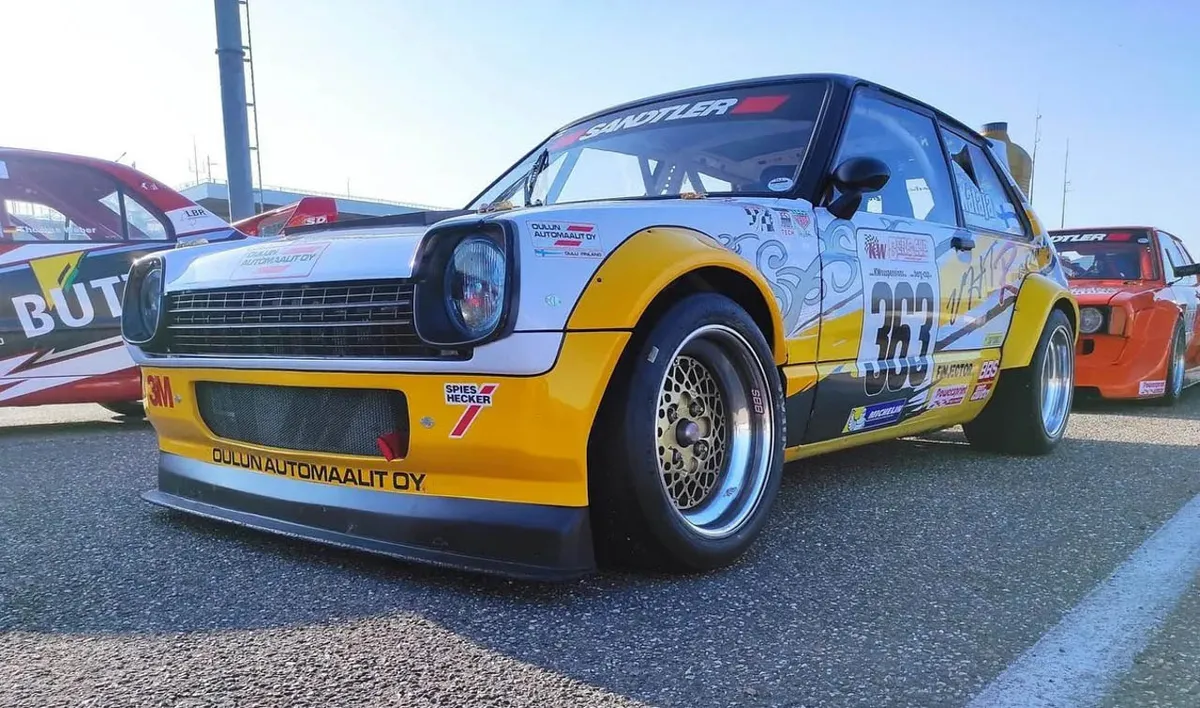
While rumors of a Starlet revival have surfaced in recent years, whether it materializes remains uncertain. Toyota's GR Yaris already occupies much of that space. Even so, any modern-day Starlet would be hard-pressed to match the shock value of this Finnish hill-climb monster, a giant-killing racecar that transformed one of Toyota's most overlooked hatchbacks with a screaming superbike-derived V8.
Would you be interested if Toyota brought back the Starlet? Let us know in the comments.
Related Posts
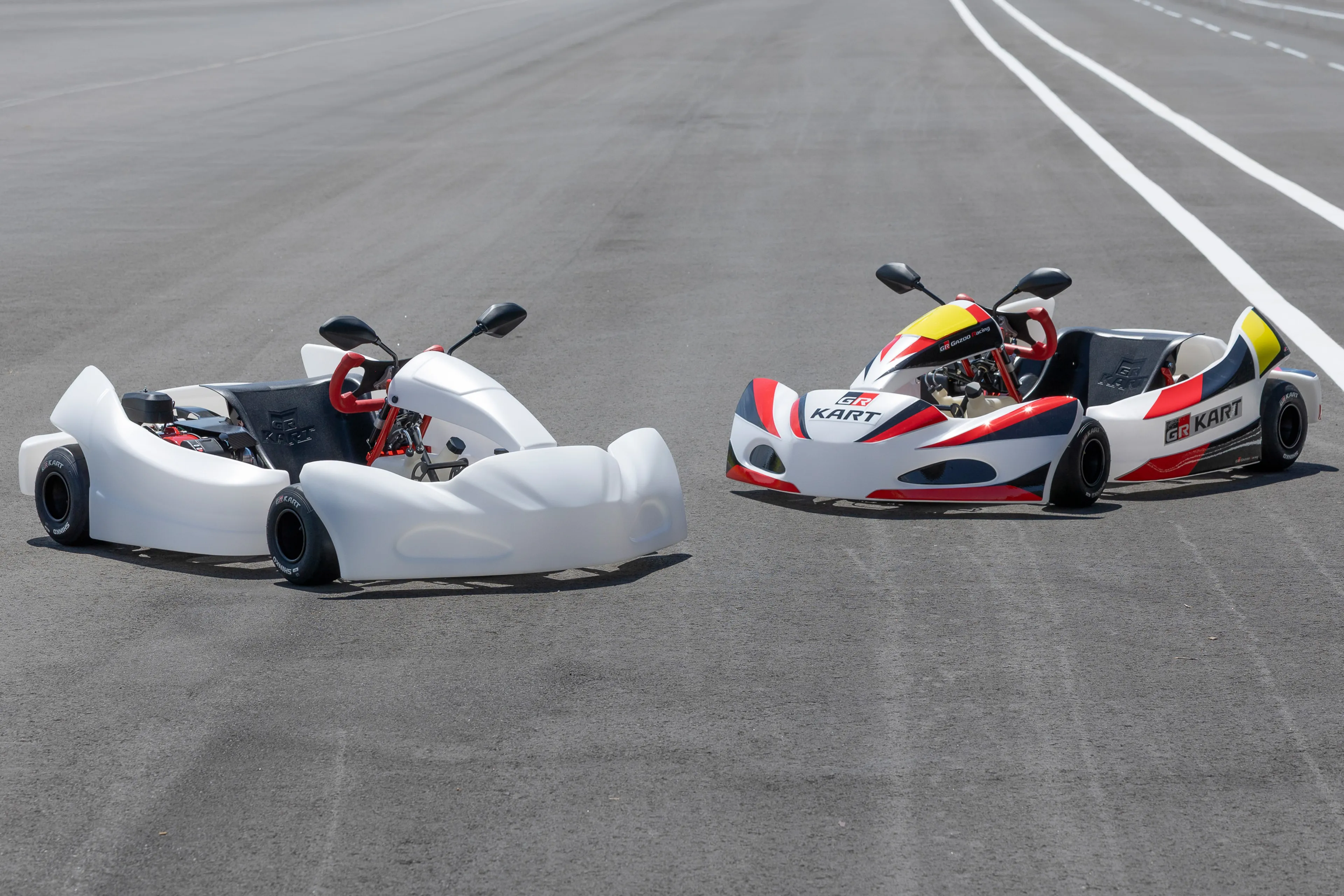
Toyota launches GR Kart for entry level motorsports
Toyota says GR Kart aims to broaden hands-on access to motorsports for children and families
 Jamil Lacuna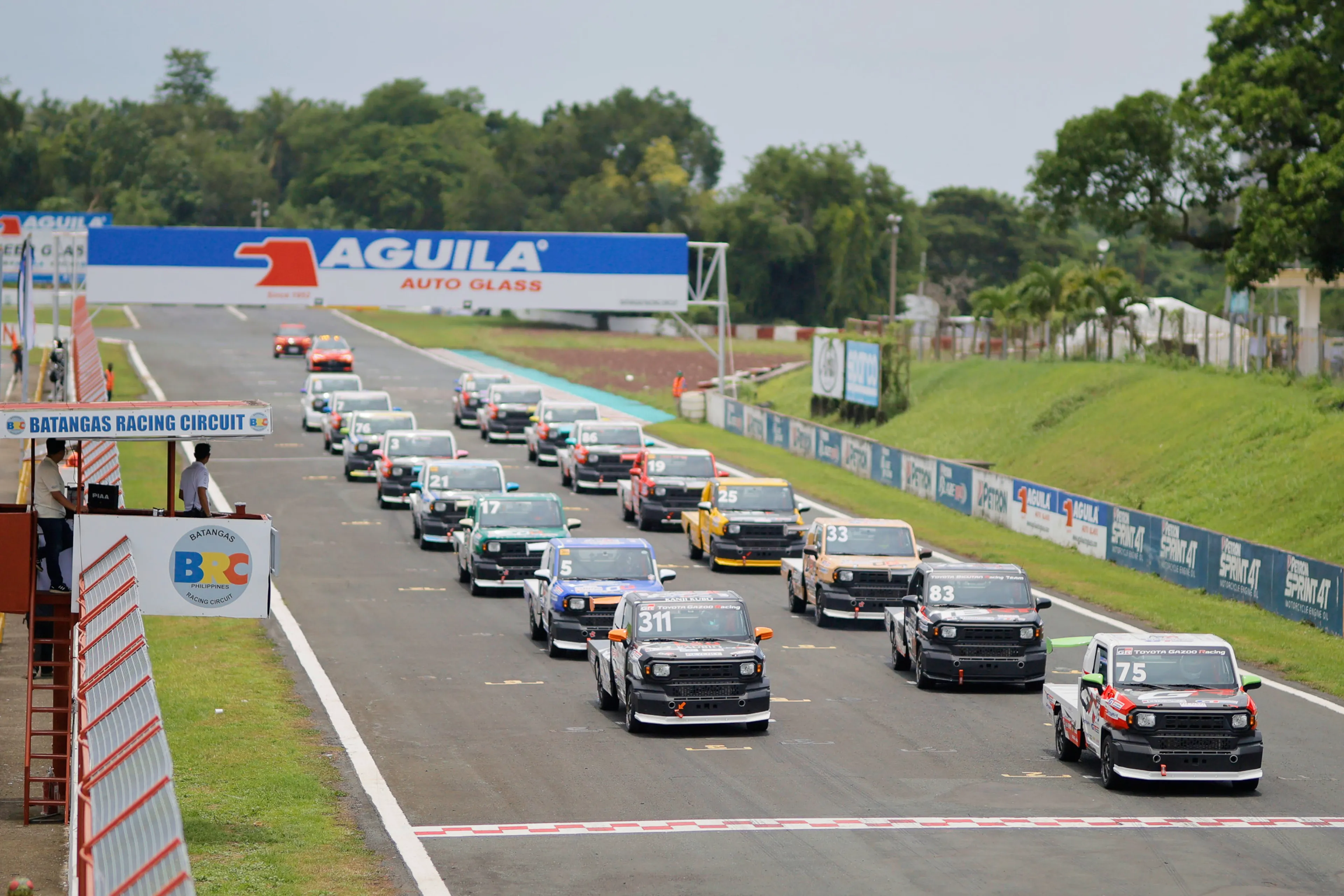
Here are the winners of 2026 Toyota Gazoo Racing PH Cup Leg 3
Toyota Gazoo Racing Philippine Cup final round to be held at Clark International Speedway on Sept 12
 AutoIndustriya.com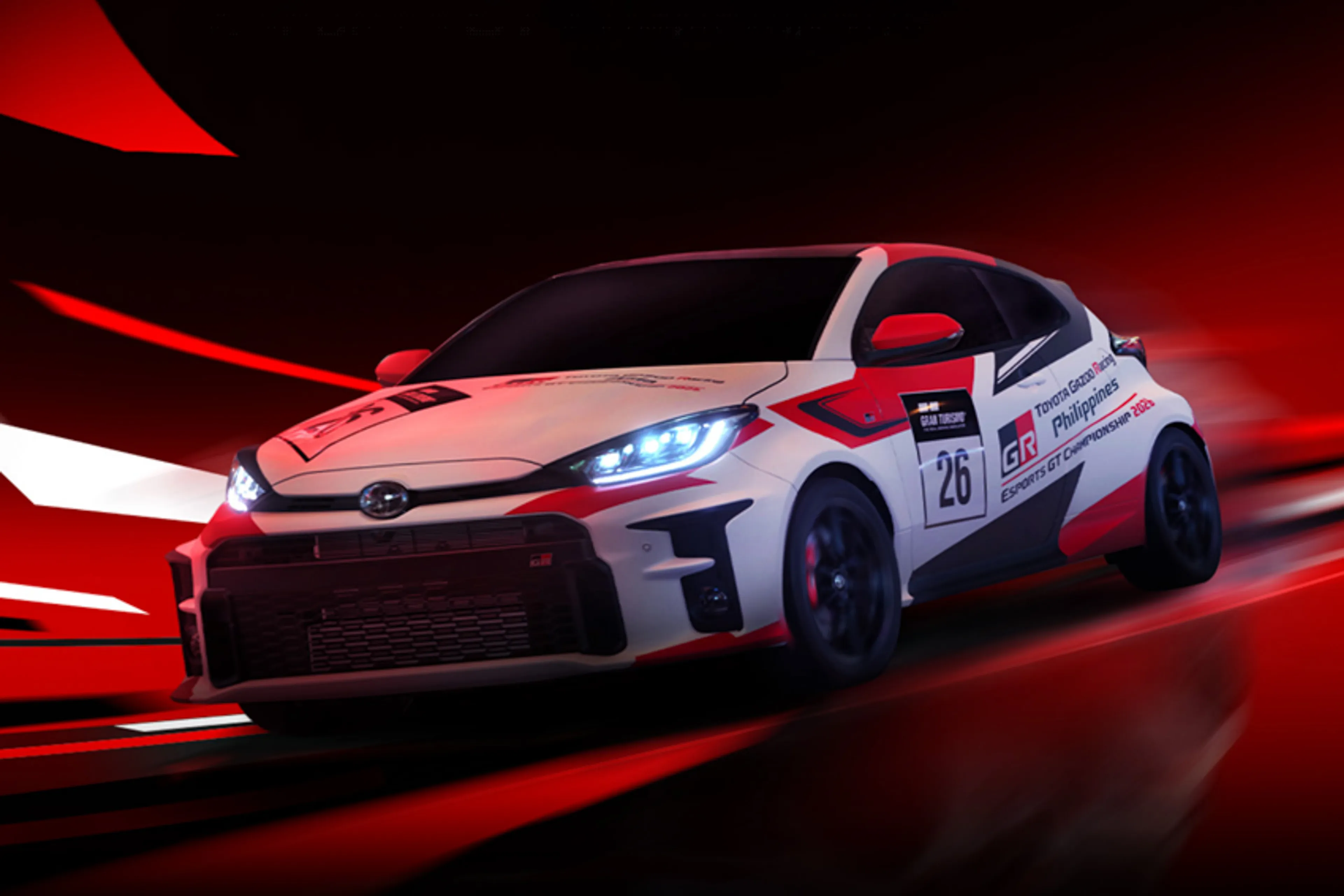
Toyota PH starts qualifying round of TGR Esports GT Championship 2026
Toyota Motor Philippines opens 2026 season of TGR PH Esports GT Championship
AutoIndustriya.com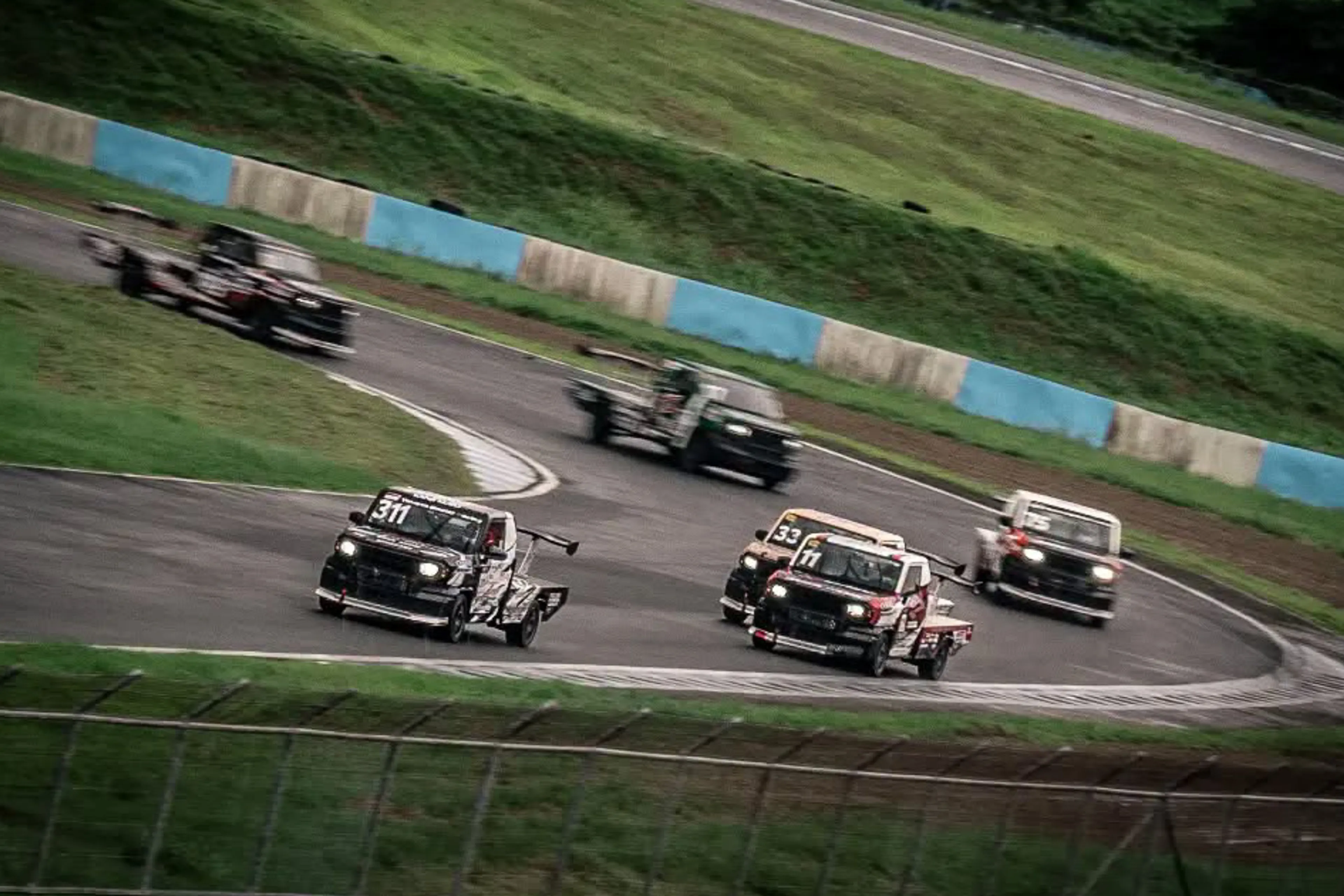
2026 Toyota GR Philippine Cup racing at BRC this weekend
Toyota Gazoo Racing Philippine Cup Race Weekend 3 to take place at Batangas Racing Circuit
AutoIndustriya.com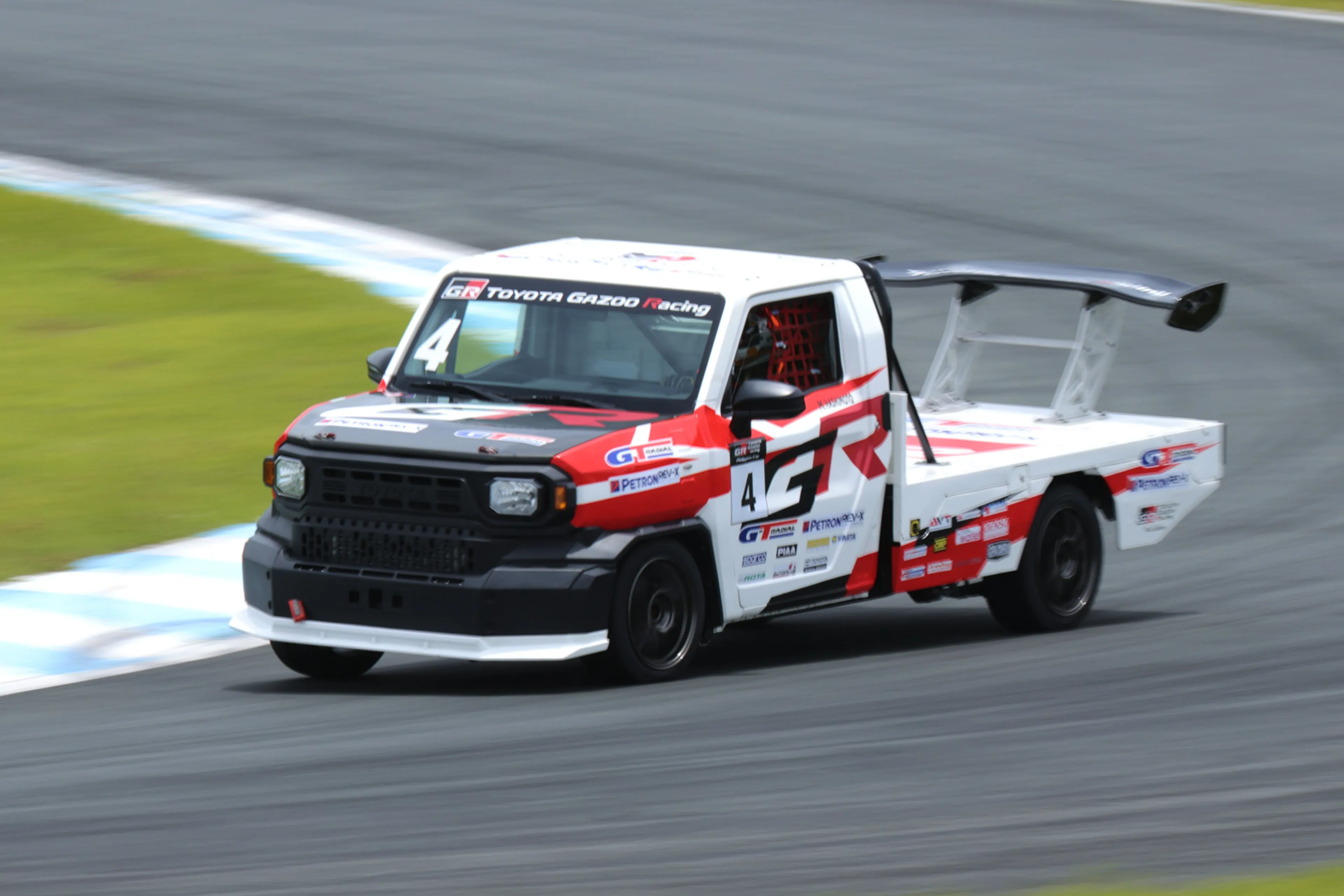
Toyota PH completes successful biofuel testing at TGR Philippine Cup RW2
TMP concludes successful race weekend as TGR Philippine Cup returns with biofuels
AutoIndustriya.com
Leg 2 of 2026 Toyota Gazoo Racing PH Cup returns as rolling lab for biofuel
Second leg of 2026 Toyota Gazoo Racing PH Cup will make more use of biofuel and other alternatives
AutoIndustriya.com