
Honda wants to use more Chinese parts to save up to USD 9.4-B in costs
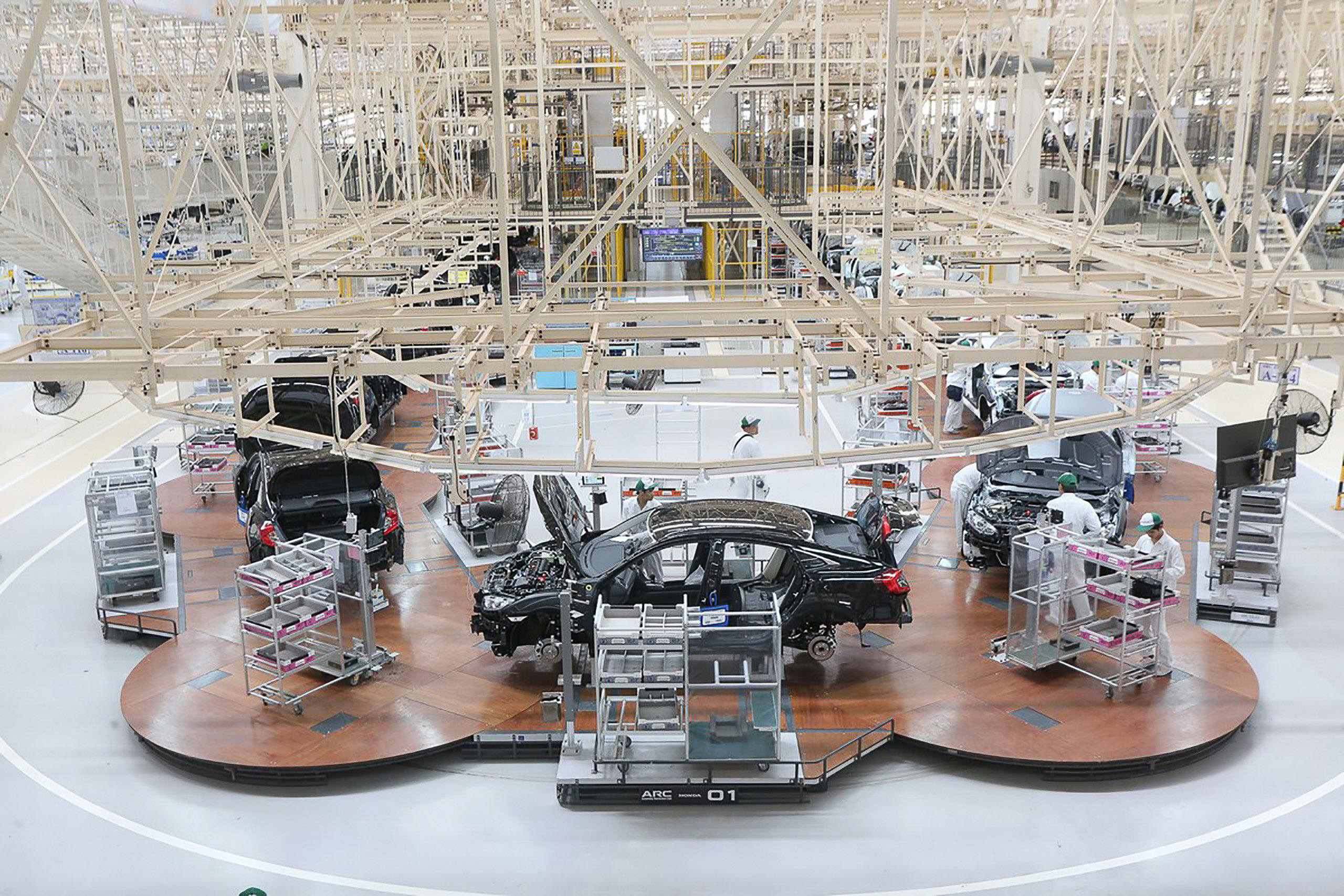
Honda wants to use more Chinese parts to save up to USD 9.4-B in costs
Honda to drastically reduce production costs; urges suppliers to cut prices

Earlier this year, Honda dropped its plans to go full EV by 2040 and will instead focus more on hybrids. Not only that, but the automaker pulled the plug on three EVs, while net profit dropped 42% in fiscal year 2025.
With Honda realizing it needs to readjust its electrification plans and lower costs, the Japanese automaker has decided to do just that, as competition from Chinese brands continues to hound legacy automakers.
Recently, Honda has instructed suppliers to conduct drastic cost-cutting measures in a bid to save up to USD 9.4 billion in costs. Based on a report by Reuters, Honda was pressuring global suppliers to improve competitiveness and reduce prices by up to 30% on certain components. These include electrical parts, hardware for software-defined vehicles (SDVs), and pressed & forged components.
But perhaps the most telling aspect of Honda's plan to drastically reduce costs is the use of components made in China. In fact, Honda was reportedly encouraging suppliers to increase their use of parts made in China. Meanwhile, tier-two and tier-three suppliers are urged to produce standardized parts. This means Honda is banking on the cost advantage that helped Chinese automakers offer competitively priced vehicles across different markets.
This comes as a stark contrast to Japanese brands like Honda, which typically maintain an extensive network of domestic suppliers. But with Chinese brands effectively selling feature-packed cars at competitive prices, it seems Honda is urging its suppliers to look towards China to bring down production and parts costs.
With Honda scrambling to bring costs down as it tries to fend off Chinese automakers, we won't be surprised if other Japanese brands will also rethink how they build cars and try to cut costs against the continued rise of Chinese automakers taking a larger share of the car market globally.
Related Posts
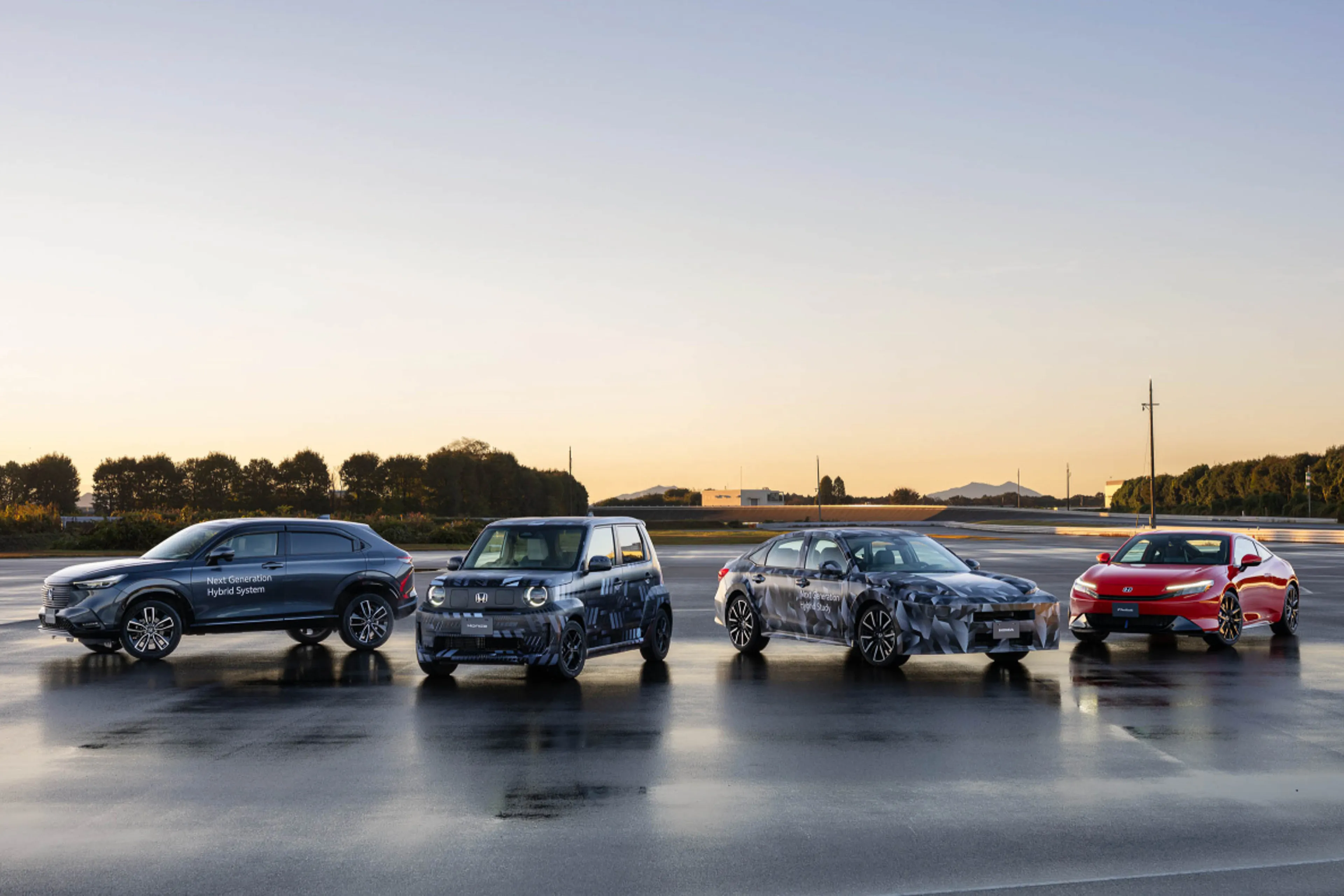
Honda drops plans to go full EV by 2040; will focus more on hybrids
Honda plans to launch 15 next-gen hybrid models globally by March 2030
 Marcus De Guzman
Mitsubishi PH welcomes EVIS program, reaffirms commitment to build hybrids
MMPC says production of hybrids in PH will mark a new chapter in the brand's history
 AutoIndustriya.com
Green Tech and Custom Culture at Auto Aftermarket Guangzhou 2026 from August 19-21
Expanding to 85,000 square meters across seven halls, the 11th edition of Auto Aftermarket Guangzhou will gather over 1,800 global exhibitors to showcase the latest in performance tuning, replacement parts, remanufacturing, and green automotive technologies.
AutoIndustriya.com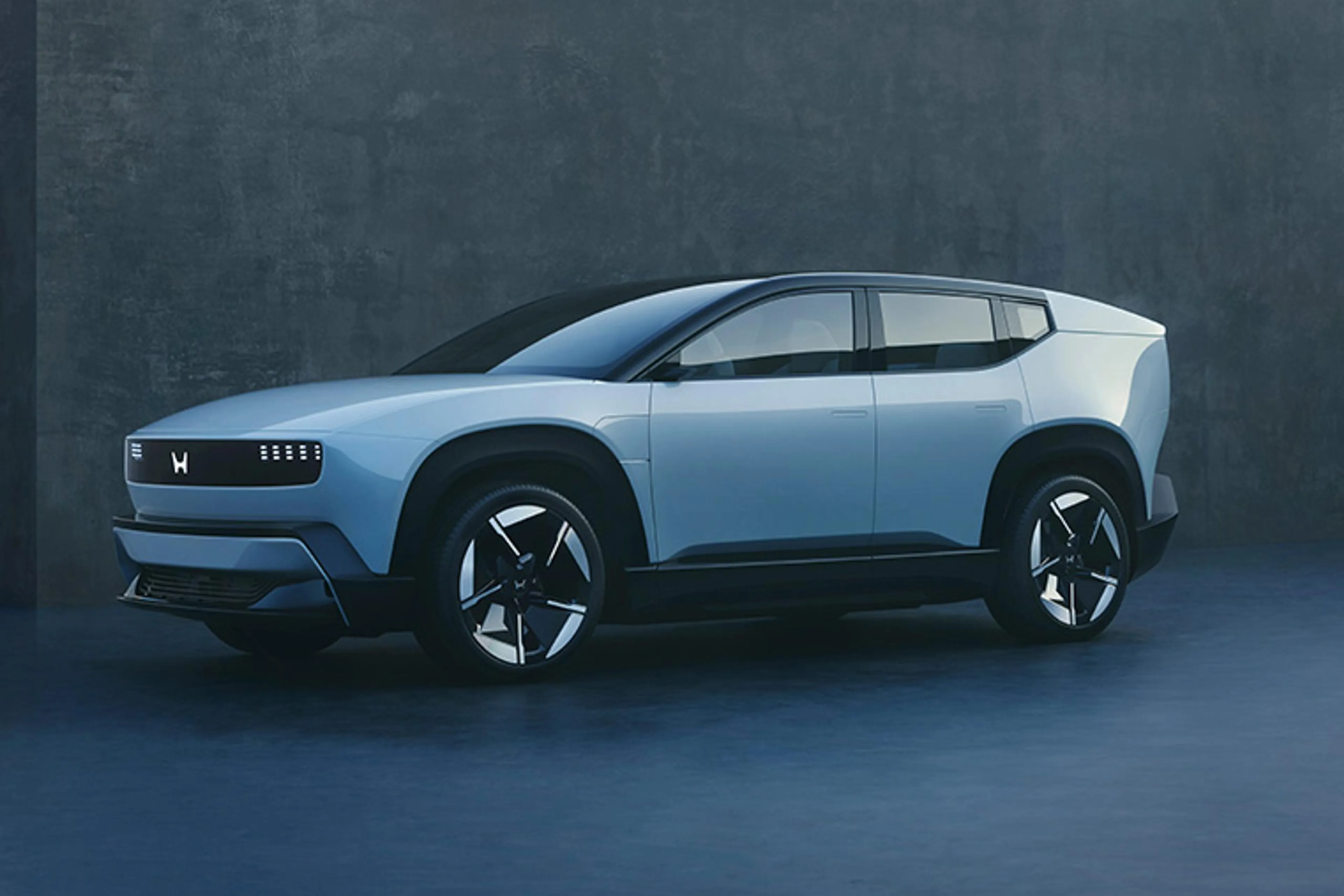
Honda reassesses electrification strategy, pulls the plug on three EVs
Due to various business factors and losses, Honda will readjust its electrification plans going forward
Marcus De Guzman
More PH shipping lines are refusing to load EVs, hybrids after MV June Aster fire
More Philippine shipping lines are prohibiting EV and hybrids loaded in their vessels
 Brando Rosales
For comfort and support: Wacoal wants to enhance car interiors
Wacoal ties up with BASF to apply lingerie-making tech for car armrests
 Jamil Lacuna