
Honda wants to to make 2 million EVs annually by 2030
Honda wants to to make 2 million EVs annually by 2030
Honda to quickly introduce a wide array of EVs in the next several years

Automakers around the world are hastening their plans to launch more electric vehicles (EVs) in the coming years. With this development, it's no surprise Honda also wants a piece of the EV pie.
As part of the automaker's initiative to make the switch towards zero emissions mobility, Honda recently announced that they have set a goal to increase the ratio of EV and fuel cell electric vehicle (FCEV) sales to 100% globally by 2040. More importantly, Honda is planning to produce 2 million EVs annually by 2030.
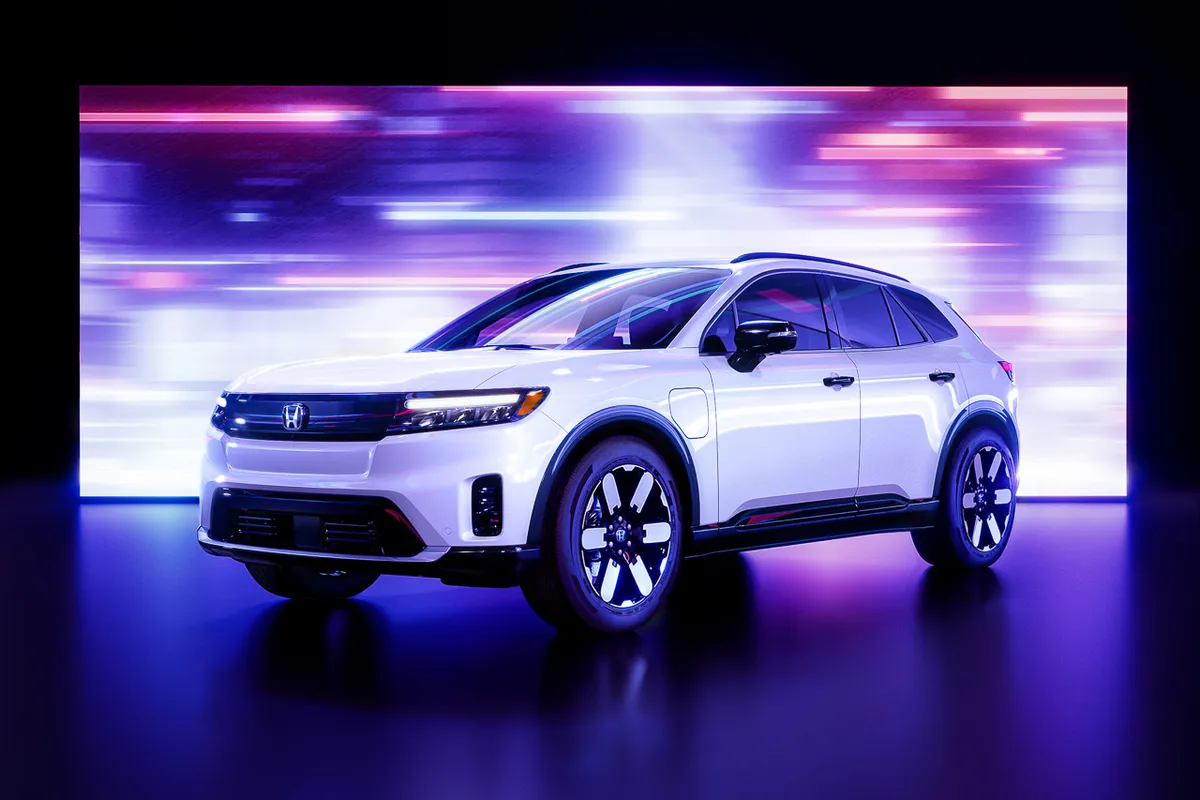
But how does the automaker plan on doing that? For starters, Honda plans to launch several EVs across different markets. In North America, Honda announced that in 2025, a large-sized EV based on Honda's dedicated EV platform will go on sale. This will be alongside the Honda Prologue which is being co-developed with General Motors.
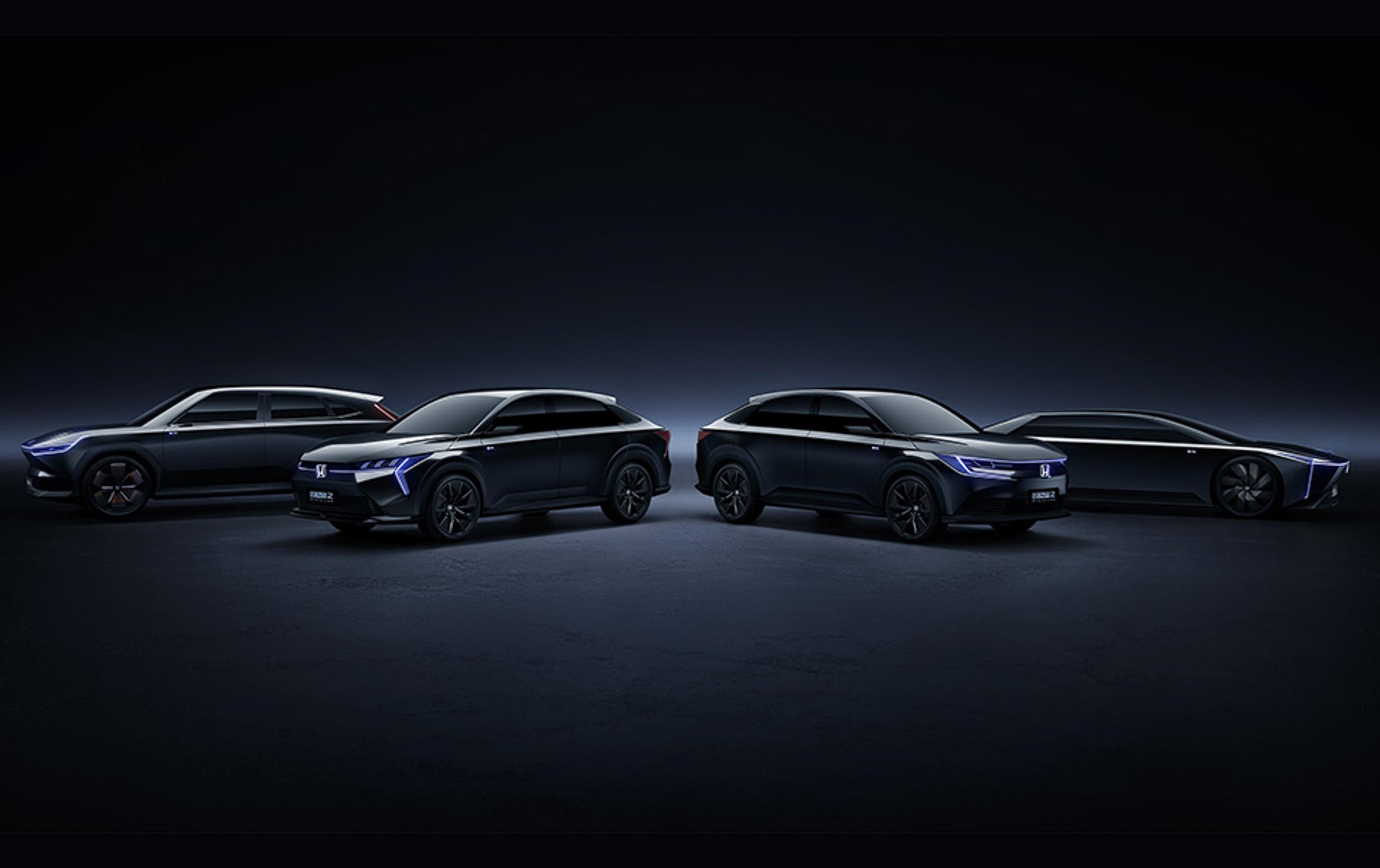
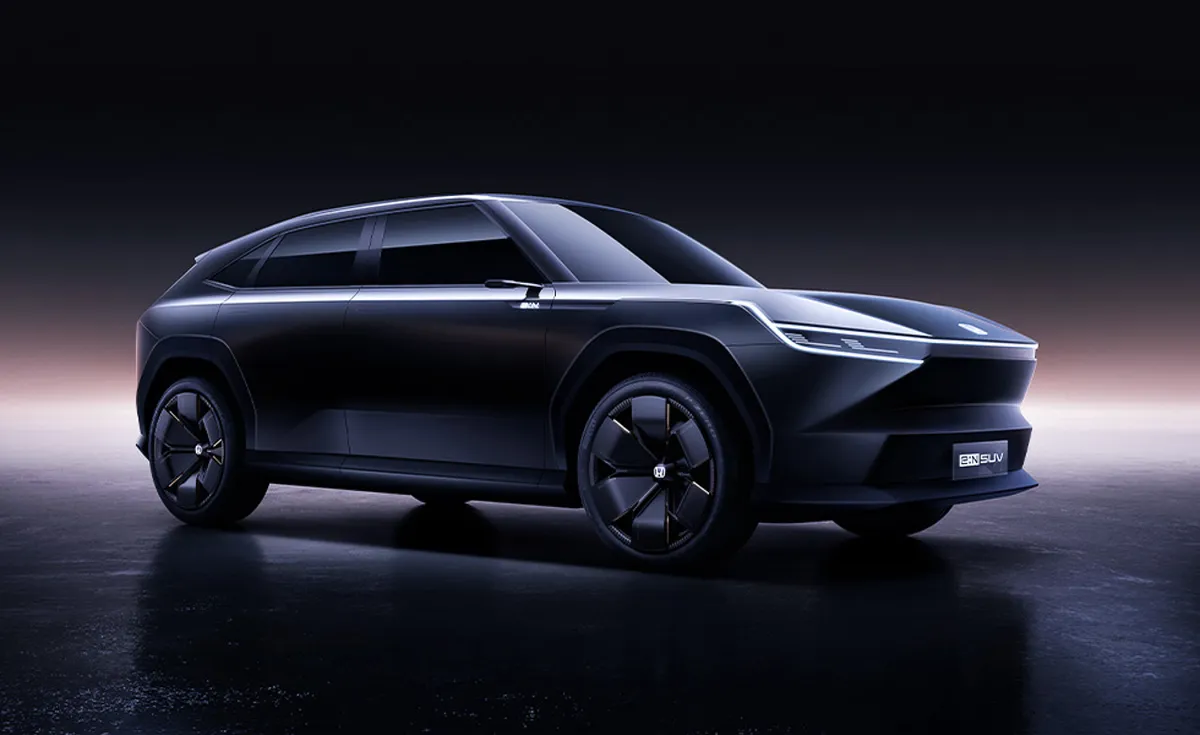
In China, Honda will introduce mass-production EV models of the e:N SUV xu concept which was revealed just last month at Auto Shanghai 2023. Then by 2027, the automaker will launch a total of 10 EVs. Come 2035, Honda will strive to make EVs 100% of its automobile sales in the PRC.
Over in its home market in Japan, an N-Van-based commercial-use mini EV will go on sale in the first half of 2024. It will then be followed by an EV based on the N-One come 2025. Then in 2026, two small EVs along with an SUV model will be launched in Japan.
In order to ensure Honda's plan for electrification has steady progress, the automaker entered into various strategic partnerships in areas ranging from procurement to resource circulation of batteries and battery resources. They're also building a strong value with Honda as a hub to establish a sustainable business foundation.
Currently, Honda has been strengthening its external partnerships in the area of liquid lithium-ion batteries and is now on track to have good aspects for stable procurement of the number of batteries Honda will need on a global scale.
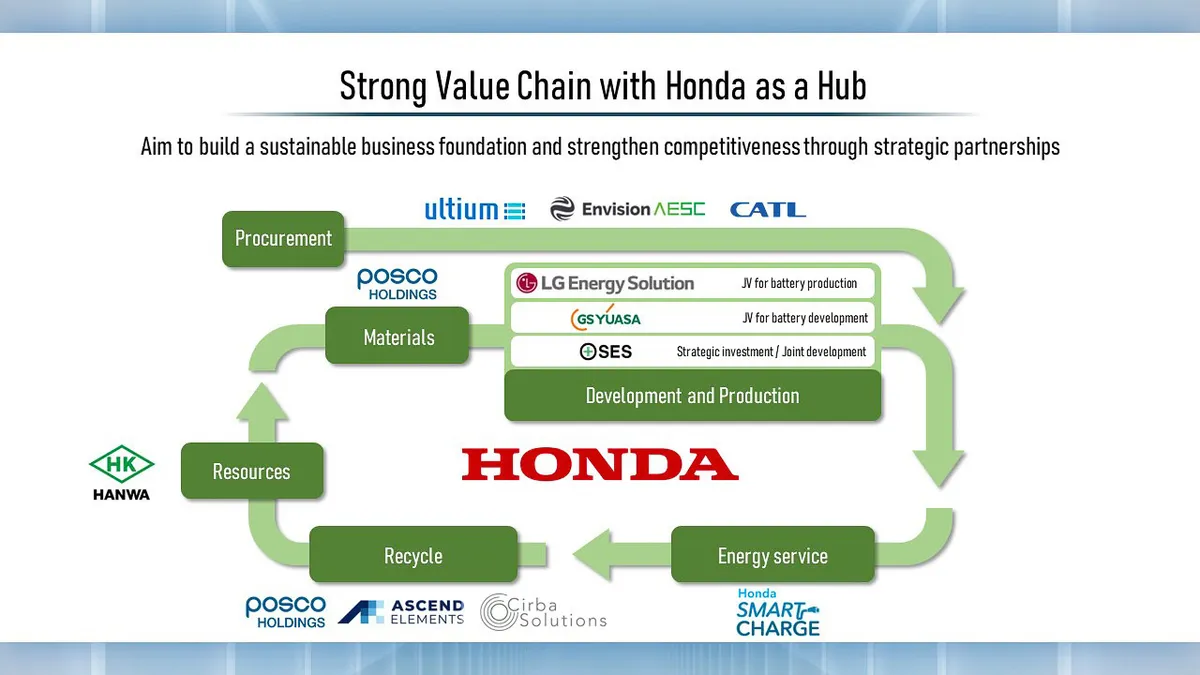
In North America, Honda is procuring Ultium batteries from GM and establishing of a battery production joint venture with LG Energy Solution. Meanwhile, Honda has strengthened its ties with Contemporary Amperex Technology Co., Limited (CATL). Last but not least, Honda is sourcing its batteries for the N-Van-based commercial-use mini EV from Envision AESC.
With Honda looking to be a leader in EV mobility, we won't be surprised if the automaker starts to offer more zero-emissions vehicles in different regions including Southeast Asia. While it might still take several years, it's clear that Honda has a long-term goal.
Related Posts
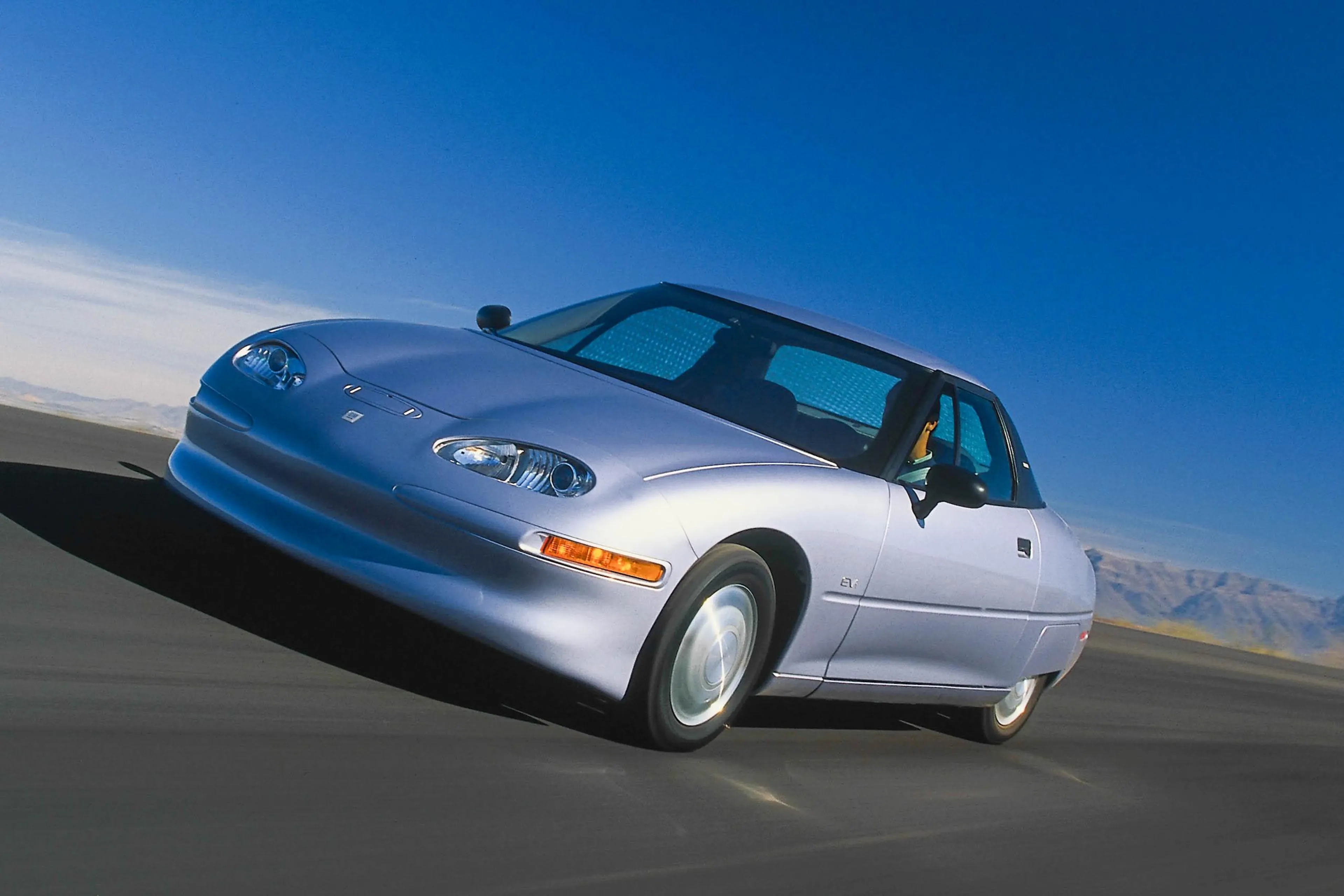
How the 1997 GM EV1 shaped modern EVs today
1997 General Motors EV1 and its innovations paved the way for today's electric vehicles.
 Francis Pallarco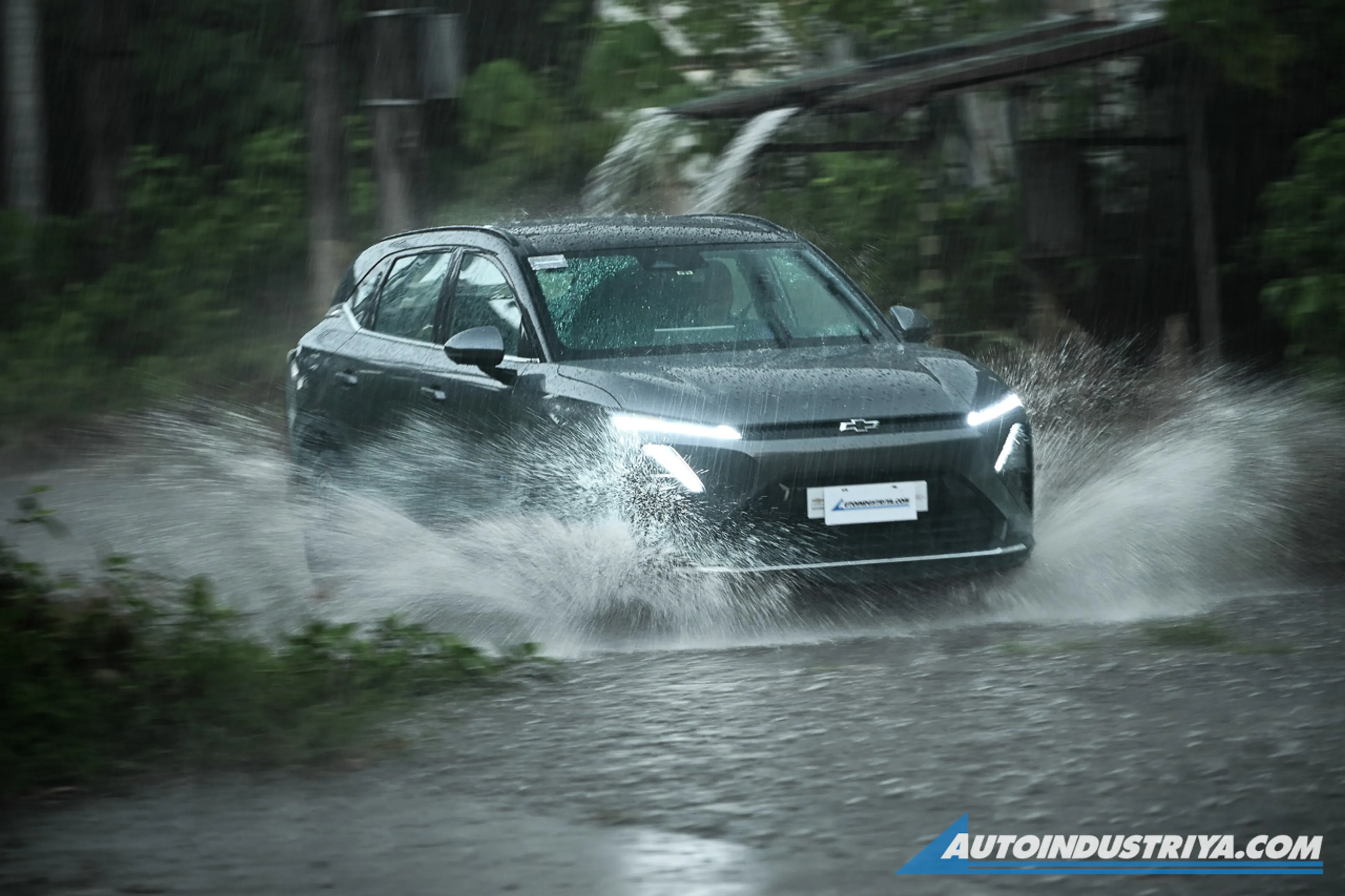
Chevrolet Ends New Car Sales in China, But What Does It Mean for the Philippines?
General Motors is sunsetting Chevrolet in China amid fierce local EV competition, leaving questions for overseas markets like the Philippines that rely on regional sourcing.
 Brando Rosales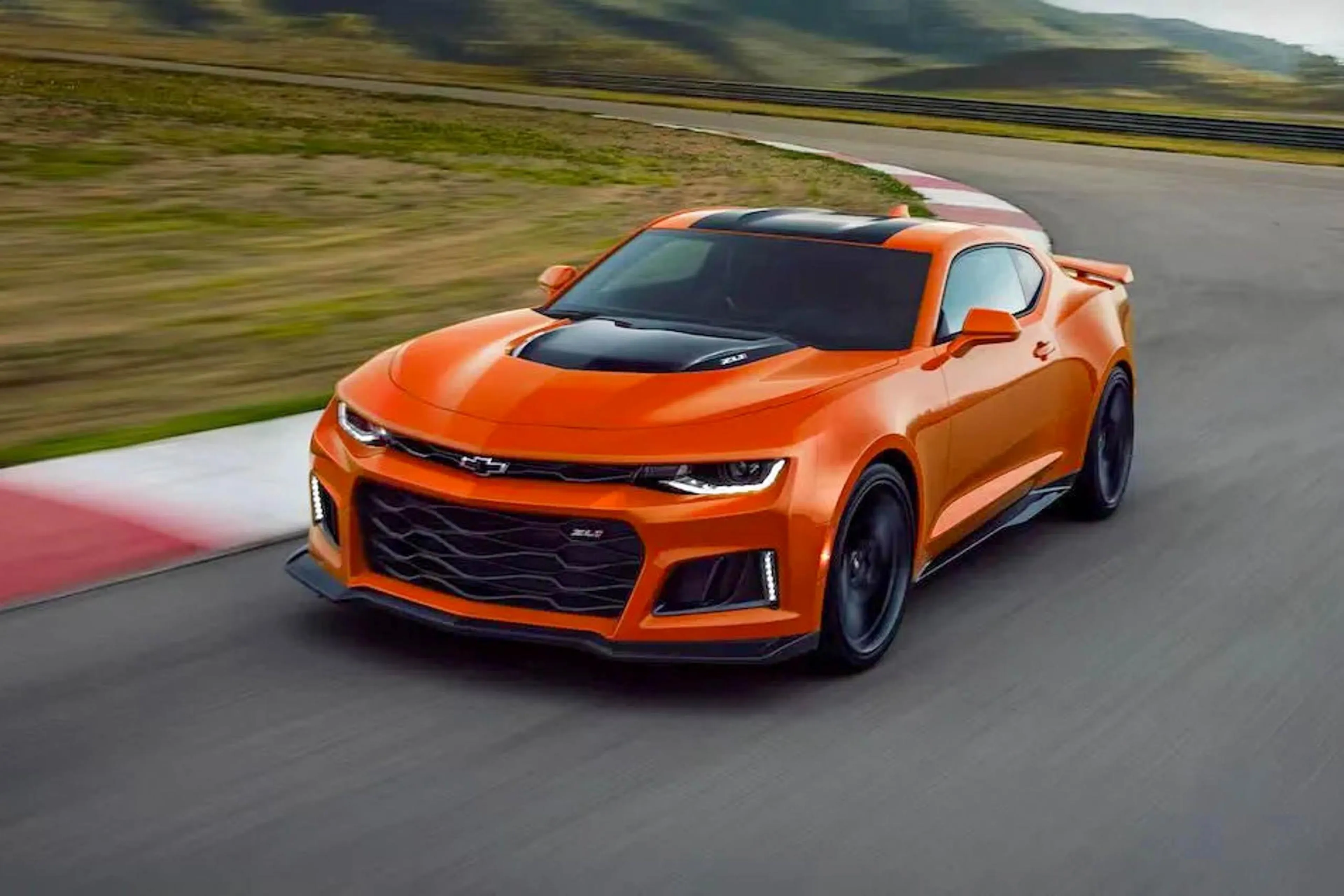
Report: Camaro replacement gets green light from GM
The upcoming Camaro replacement is given the green light by General Motors
Francis Pallarco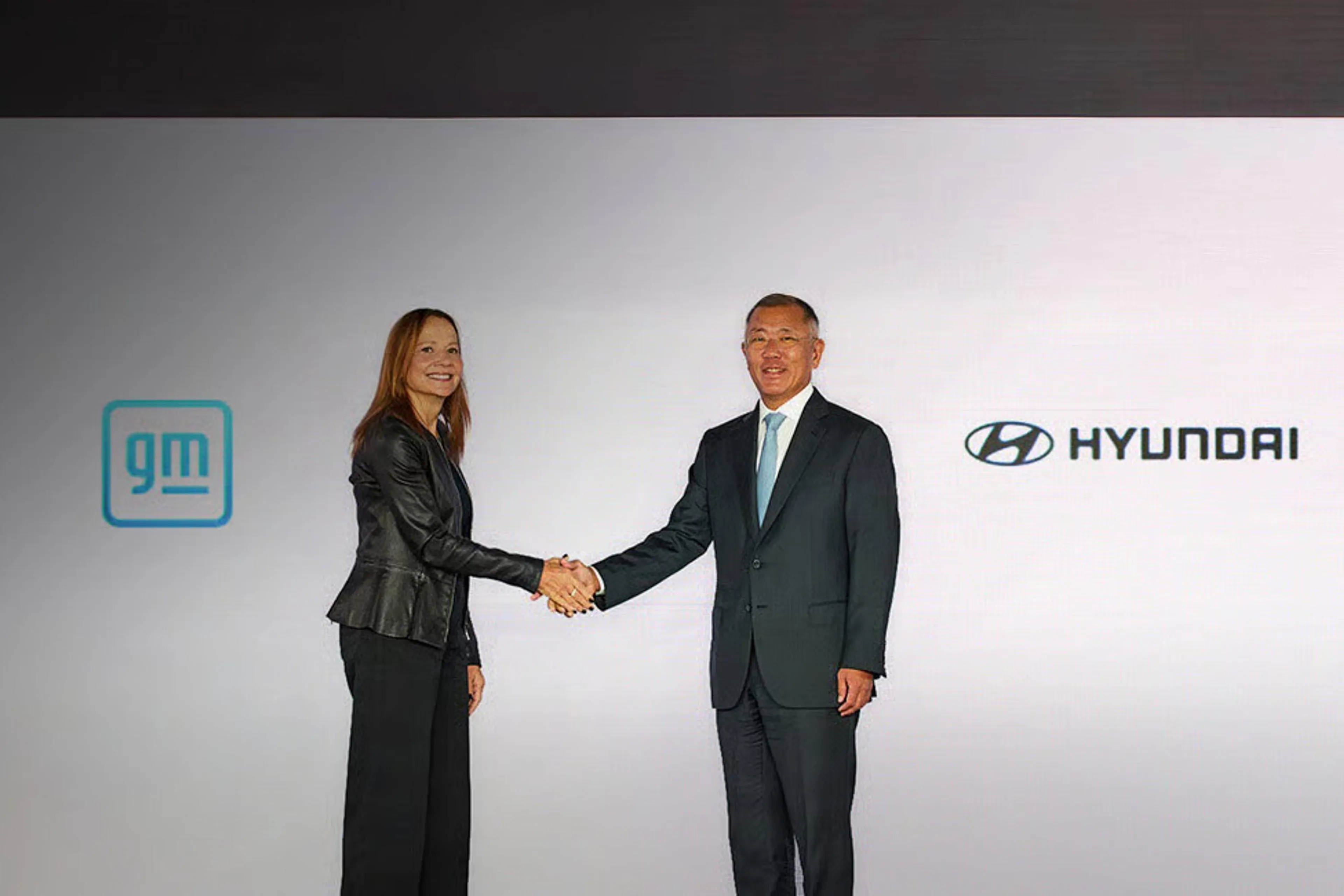
GM, Hyundai announce collaboration to build five new vehicles
These new vehicles will be slated for the North and South American markets
 AutoIndustriya.com
Honda taps India's Tata Technologies for its future EV, hybrid platforms
Honda entrusts Tata Technologies to build end-to-end EV, hybrid platform to reduce costs
 Jamil Lacuna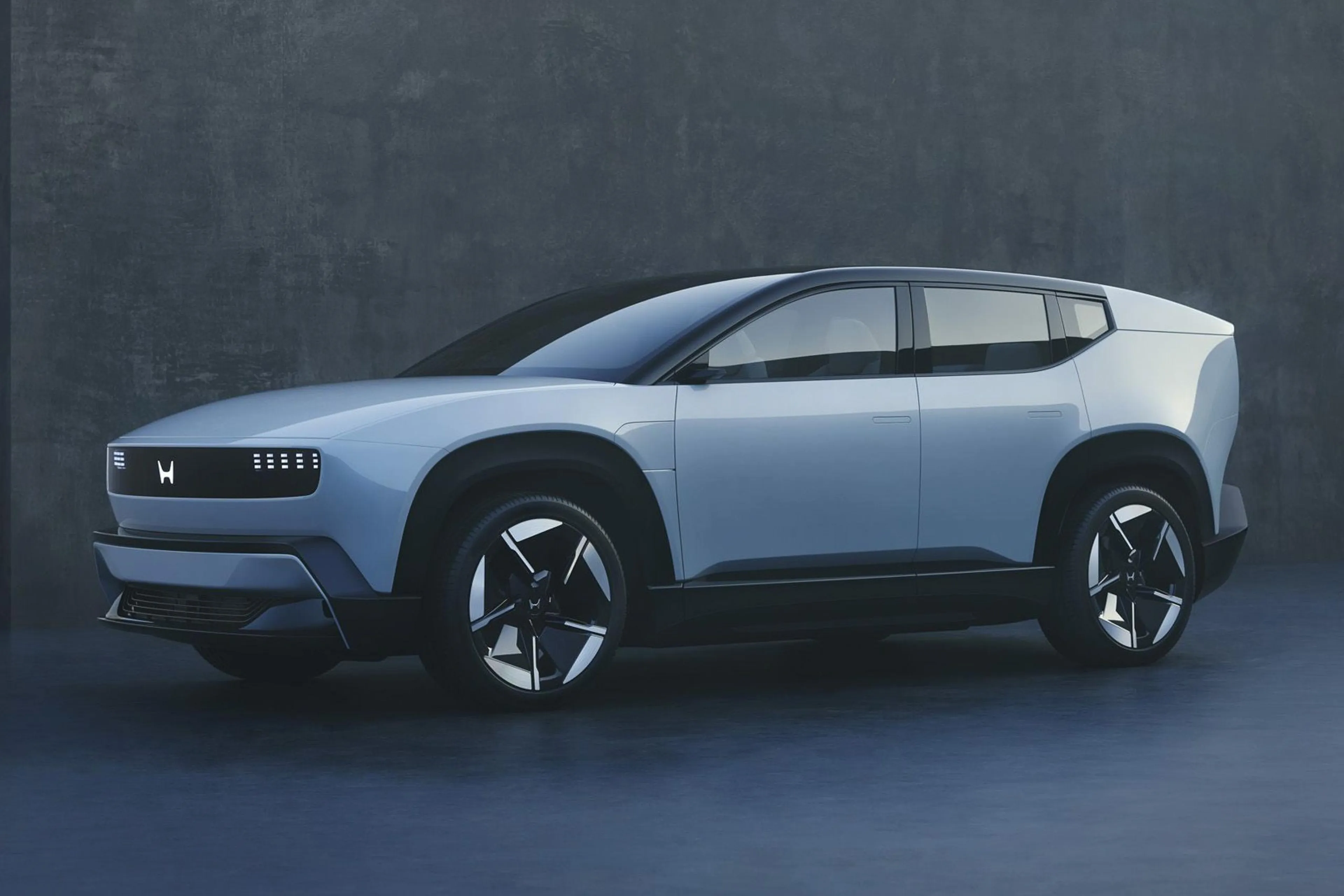
Report: Honda to further scale back EV development to focus on hybrids
Policy shift and slowing demand reportedly prompts Honda to further scale back on EVs
Jamil Lacuna