
Chevrolet Ends New Car Sales in China, But What Does It Mean for the Philippines?
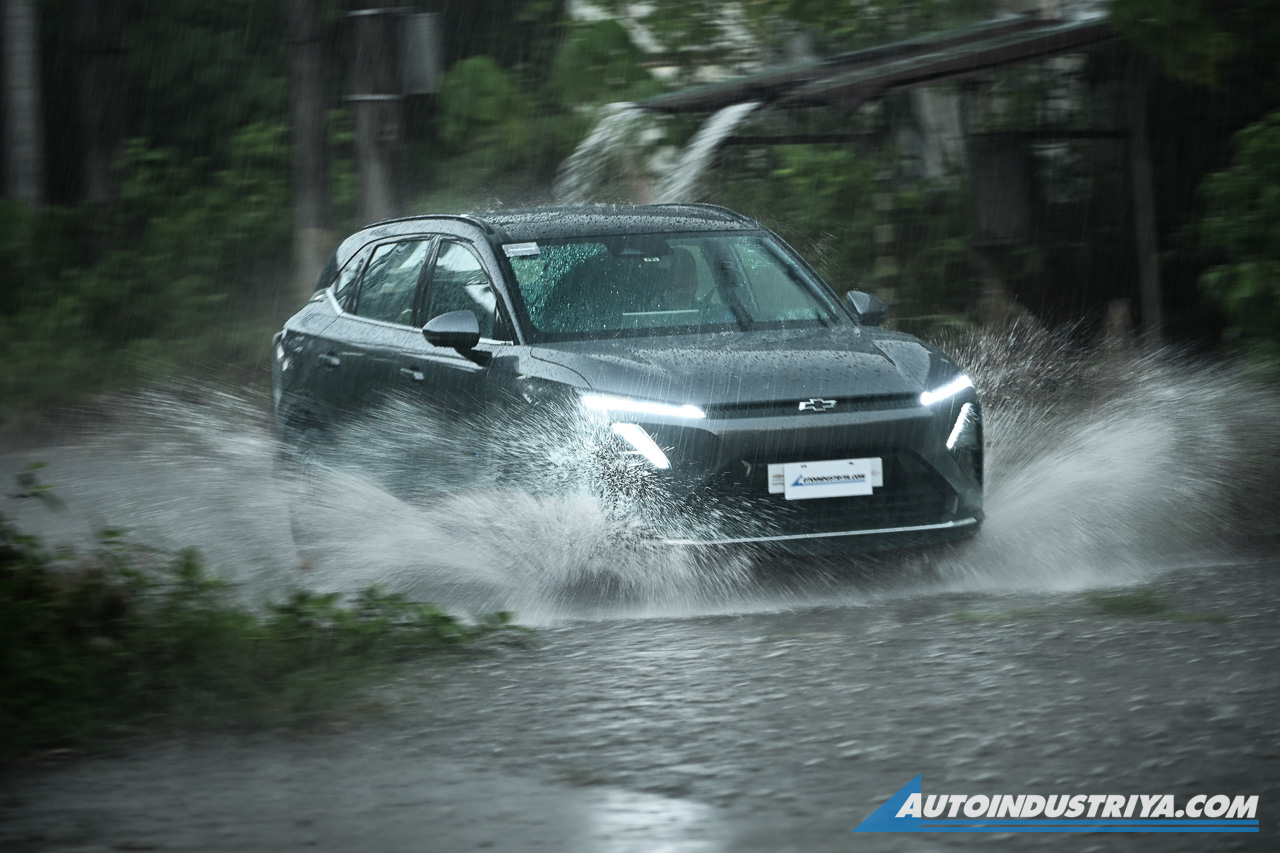
Chevrolet Ends New Car Sales in China, But What Does It Mean for the Philippines?
Chevy exits Chinese retail market as brand shifts focus to Buick, Cadillac, and global exports

General Motors’ (GM) Chevrolet brand has been steadily retreating from major Asian retail markets, exiting Vietnam, Malaysia, Indonesia, and Thailand between 2018 and 2020. Now, the Golden Bowtie is taking a bow in another massive market: China.
After more than two decades, GM is officially ending new-car sales for Chevrolet in the world’s largest automotive market. The decision follows a steep decline in demand, with Chevrolet sales plummeting from a peak of nearly 767,000 units in 2014 across 1,000 dealerships down to just 9,000 units in 2025, according to a report from Carscoops. Local Chinese automakers have rapidly captured market share, particularly in the aggressive new-energy vehicle (NEV) space through fast-paced software integration, electrification, and aggressive pricing.
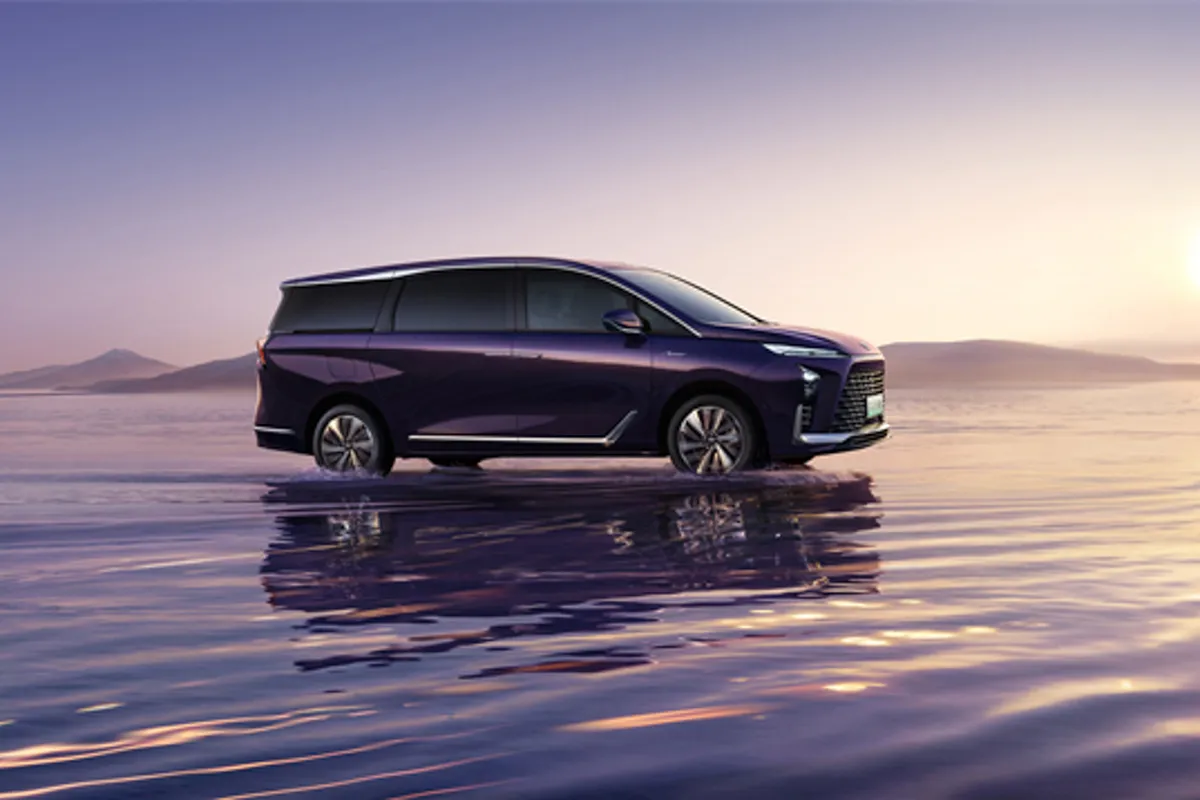
Buick GL8 Avenir PHEV
GM is not abandoning China entirely. The Detroit giant recently extended its 50-50 joint venture with SAIC Motor until 2047, but the partnership is undergoing a massive restructuring. Moving forward, SAIC-GM will prioritize the Buick and Cadillac brands, which have enjoyed far stronger brand equity and sales success in China. The joint venture plans to launch at least 30 new-energy vehicles by 2030 across battery-electric, plug-in hybrid, and range-extended EV powertrains.

While retail sales end locally, China will remain a key manufacturing and export hub for GM. Vehicles built by the joint venture will continue to be shipped to the Middle East, Africa, South America, Mexico, and parts of Asia-Pacific—including the first export of the premium Buick Electra E7 scheduled for October.
What this means for the Philippines
In the Philippines, official distribution of the Golden Bowtie is managed by Hariphil Asia Resources, Inc. (HARI). The current local lineup is almost entirely sourced from China through SAIC-GM production lines. Mainstream offerings currently sold in local showrooms include the Groove crossover and the 7-seater Captiva MPV. HARI has also expanded its electrification push with Chinese-sourced new energy models, including the Spark EUV, the Captiva EV, and the Captiva PHEV, while full-size icons like the Tahoe and Suburban are imported directly from North America.
Even though domestic Chinese consumers will no longer be buying new Chevrolets at local dealerships, SAIC-GM will continue assembling vehicles for overseas markets. For Filipino buyers, this means HARI's supply chain for its Chinese-sourced models remains active, but it highlights a broader strategic shift as Chevrolet becomes an export-focused brand in the region.
Related Posts
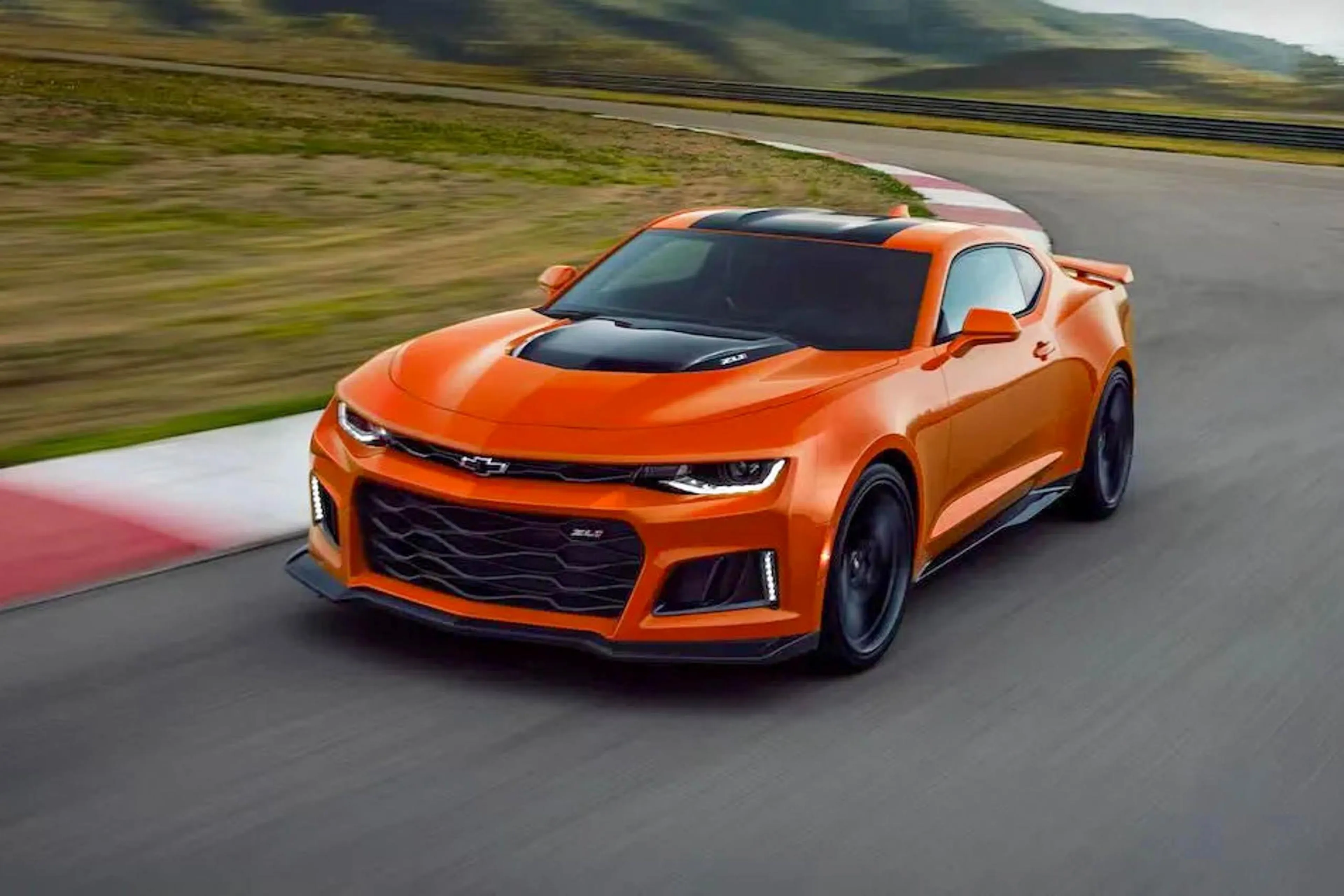
Report: Camaro replacement gets green light from GM
The upcoming Camaro replacement is given the green light by General Motors
 Francis Pallarco
MG Philippines records strong sales performance for H1 2025
SAIC Motor reports total global vehicle sales of 2.053 million units for the first half of 2025
 AutoIndustriya.com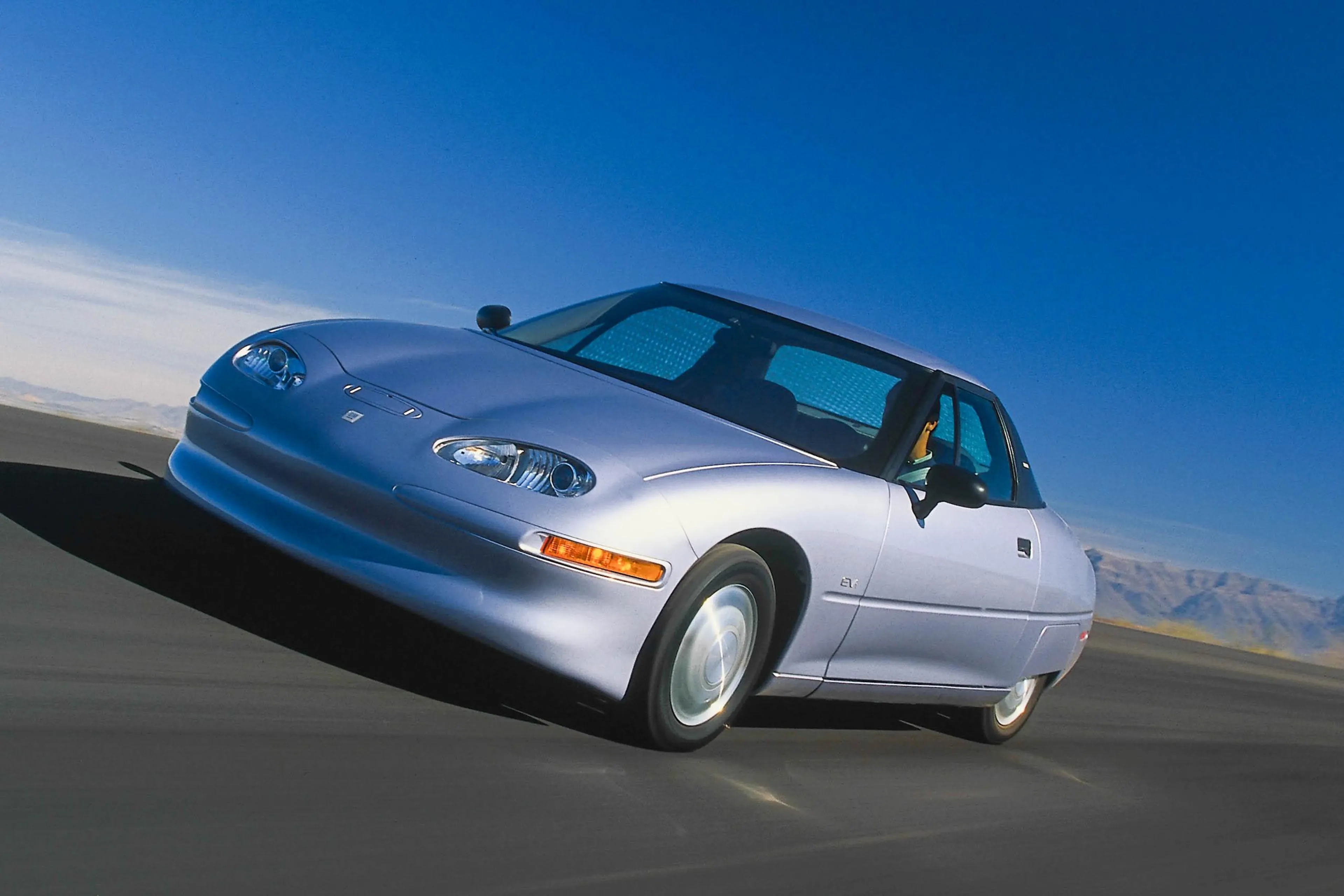
How the 1997 GM EV1 shaped modern EVs today
1997 General Motors EV1 and its innovations paved the way for today's electric vehicles.
Francis Pallarco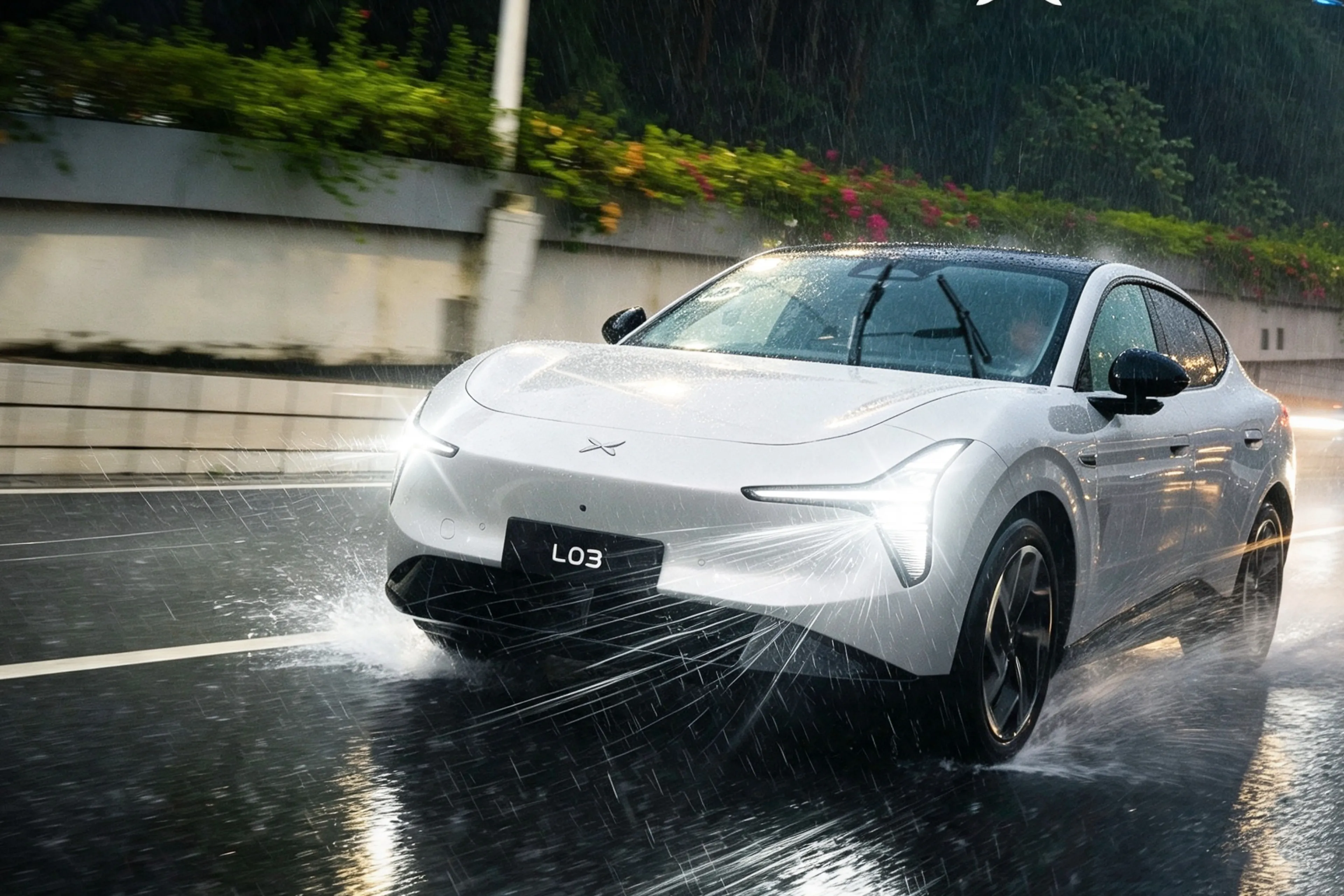
XPeng: Driving into a New World Order
XPeng is establishing itself in the Philippines. What can we expect from this AI-driven auto manufacturer?
 Vince Pornelos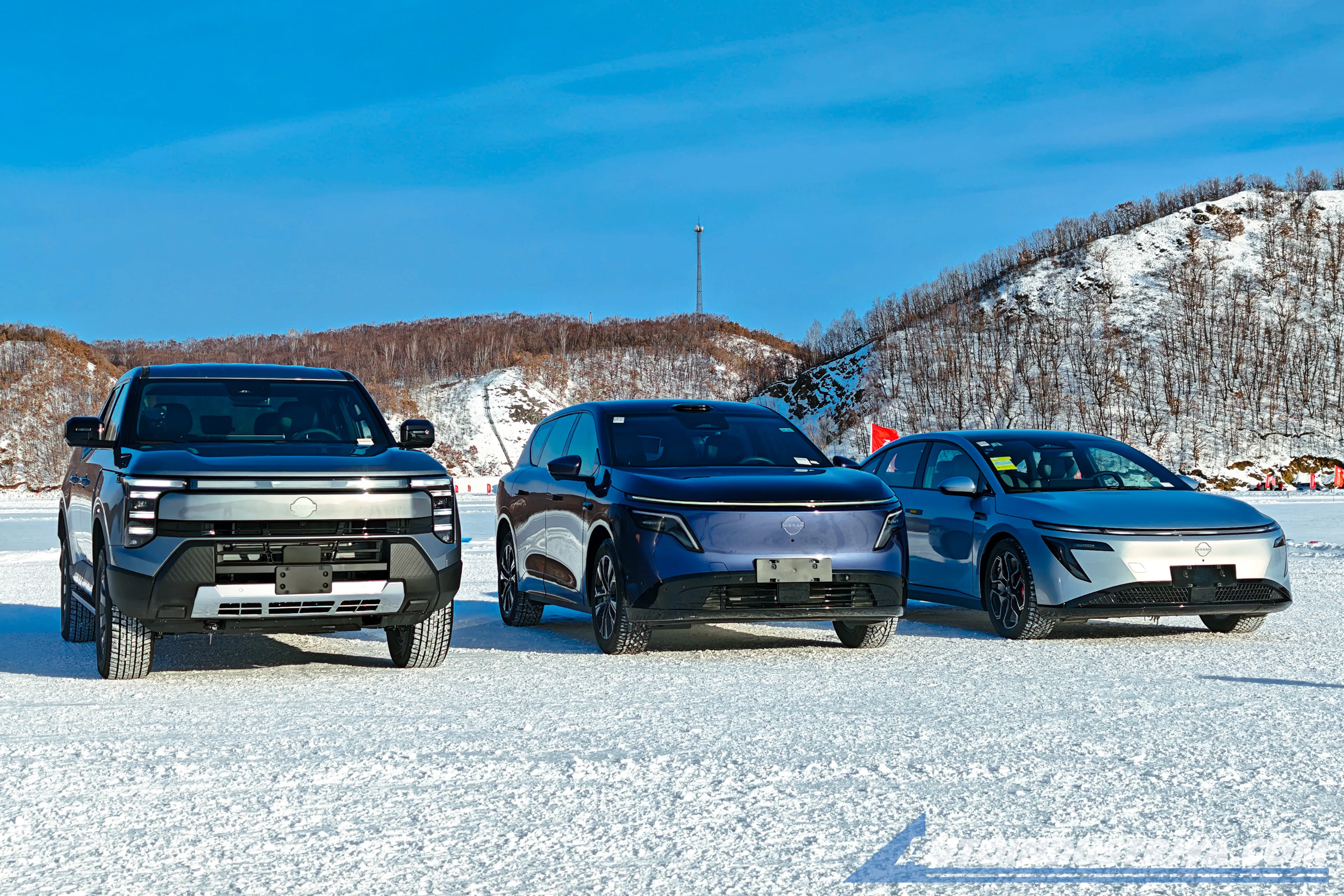
The Crane and the Dragon: Nissan’s China strategy for the Philippines
Nissan Philippines is banking on China for export markets. Is it the right way to go?
Vince Pornelos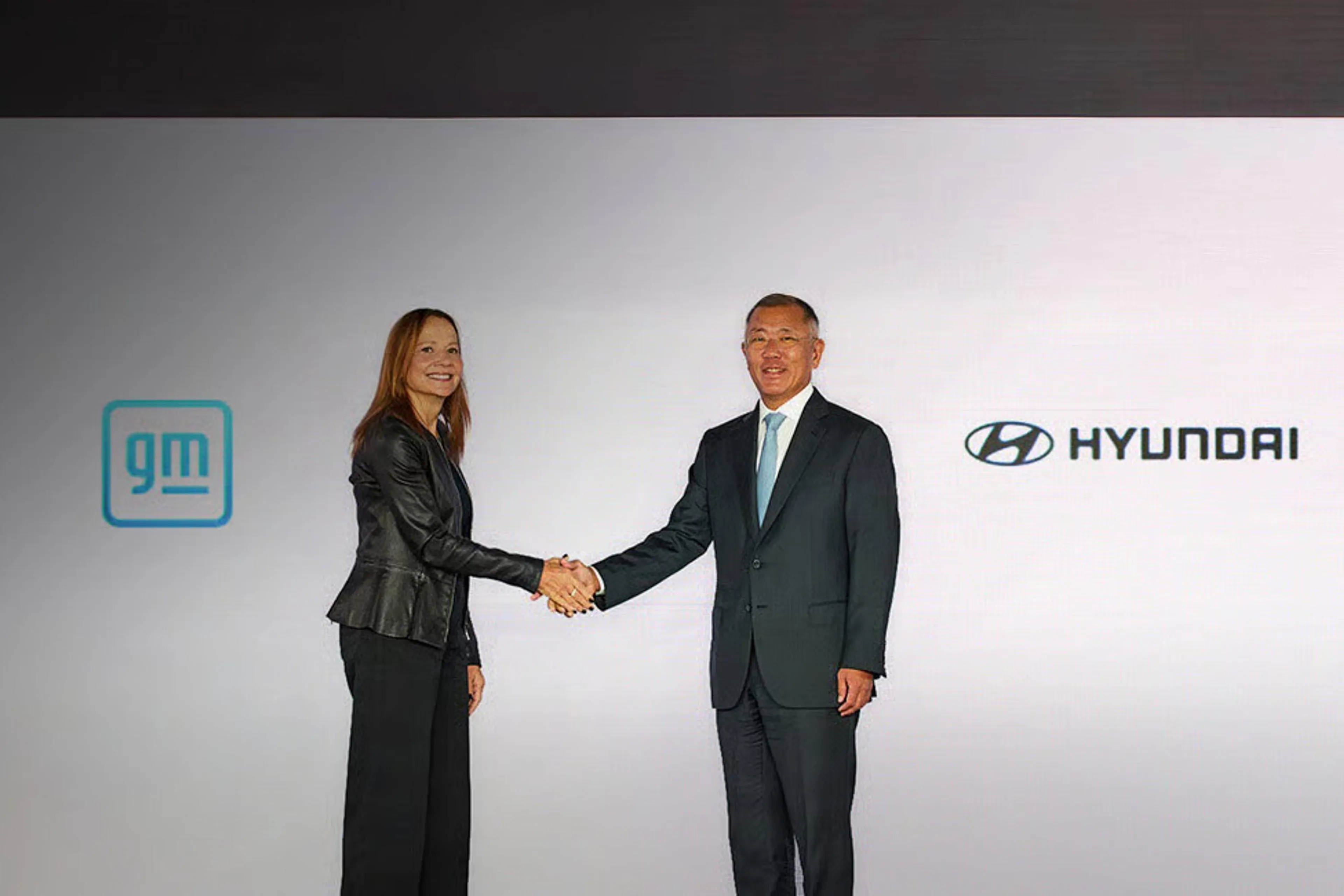
GM, Hyundai announce collaboration to build five new vehicles
These new vehicles will be slated for the North and South American markets
AutoIndustriya.com