
Product Review: aFe Takeda Momentum Cold Air Intake (Pro DRY S Red)
Product Review: aFe Takeda Momentum Cold Air Intake (Pro DRY S Red)
Is the aFe Takeda cold air intake the ultimate bolt-on upgrade for the FL5 Civic Type R?

When Honda came out with the FL5 Civic Type R, they gave us arguably one of the finest hot hatchbacks ever built. The K20C1 engine pumps out a healthy 315 horsepower straight out of the box, and the chassis is so telepathically sharp that you almost feel bad messing with it. Almost. Because if there is one thing car guys simply cannot resist, it is unlocking a bit more character and power from the engine.
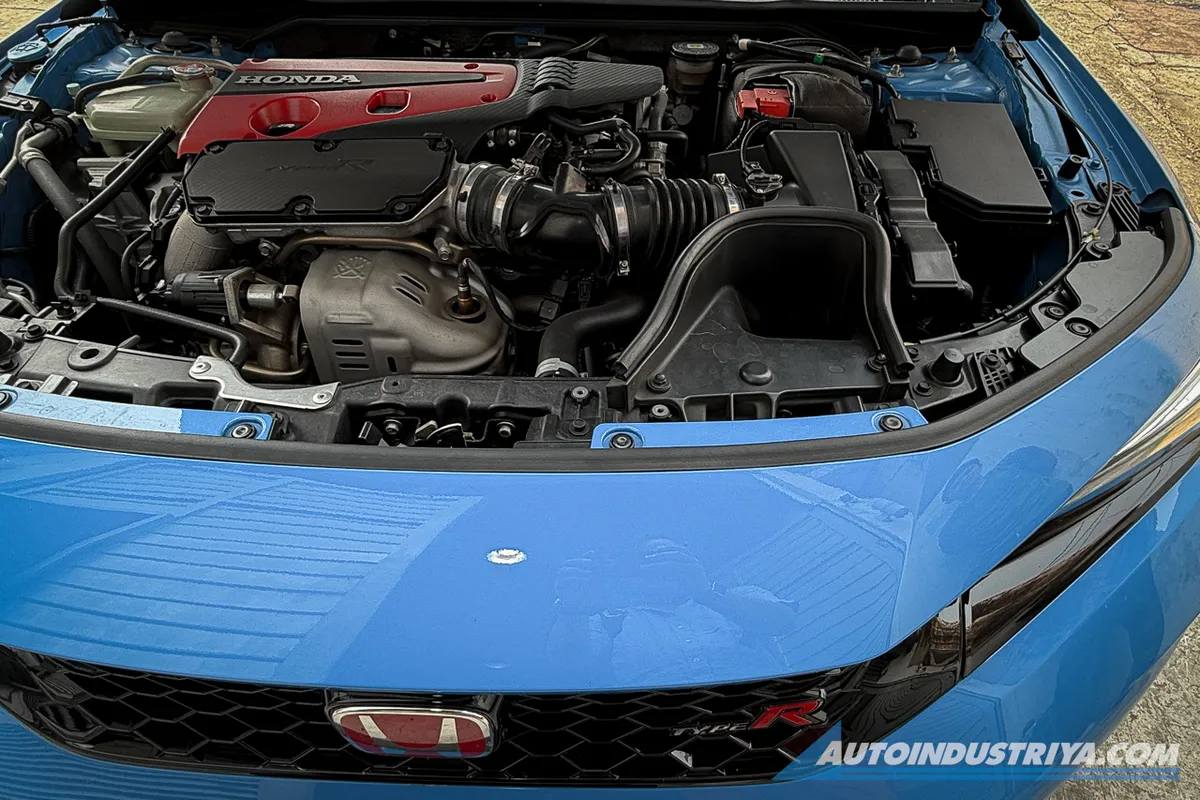
The stock airbox on the FL5 does a decent job, but like most factory setups, it was designed with legally imposed noise regulations and normal owners in mind. With that intent, induction roar is minimized, and sounds under the hood are kept as close to whisper quiet. Thus, an aftermarket cold air intake is almost always step one or is the stage one upgrade if you want a bit more punch, sharper response, and those addictive turbo spooling noises.
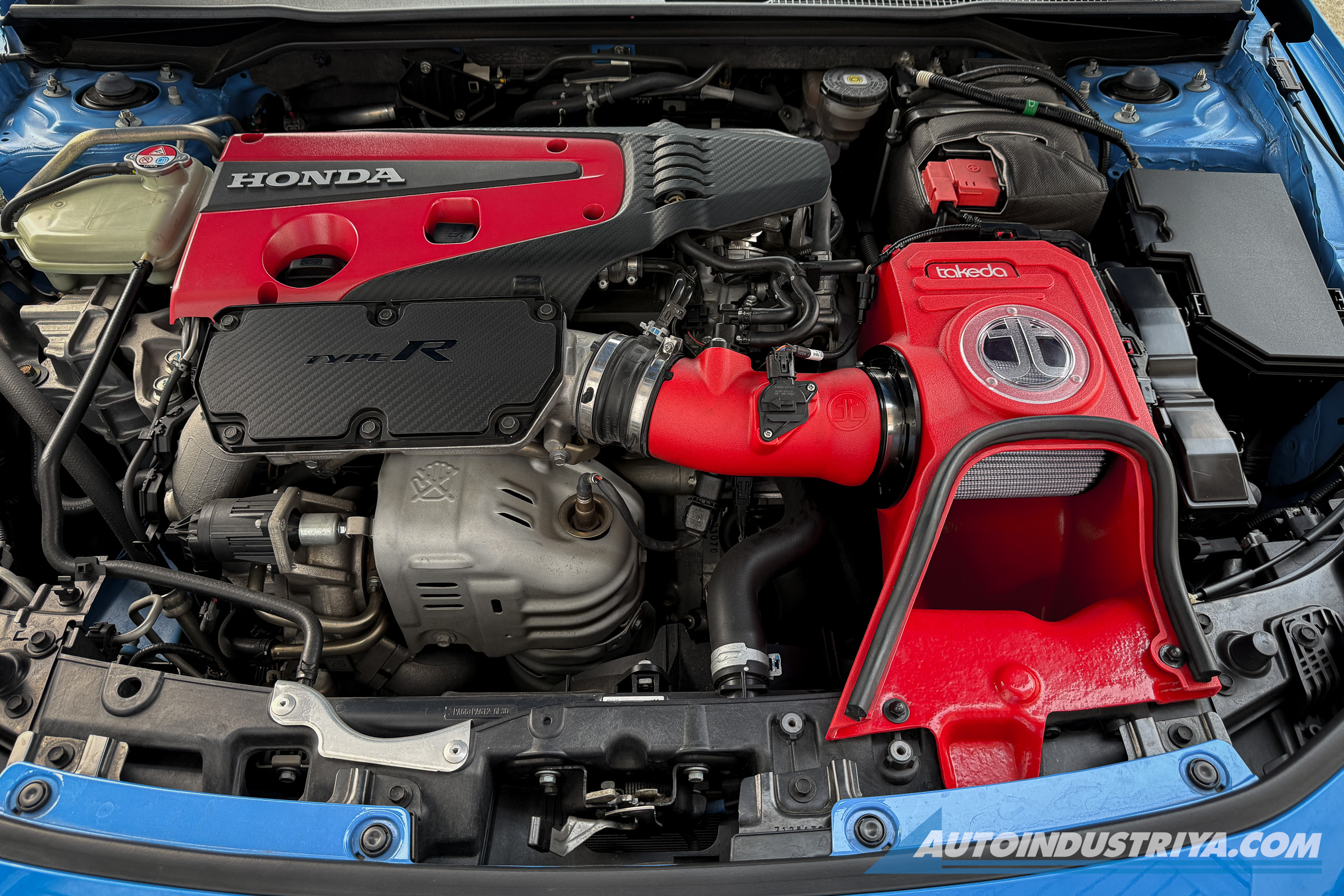
We were indeed very excited when aFe Power PH decided to hook us up with their Takeda Momentum Cold Air Intake System, specifically the Pro DRY S model in limited edition red to match the engine cover. We threw one onto an FL5 to see if this simple bolt-on delivers real-world returns or if it is just engine bay eye candy.
Unboxing and construction quality
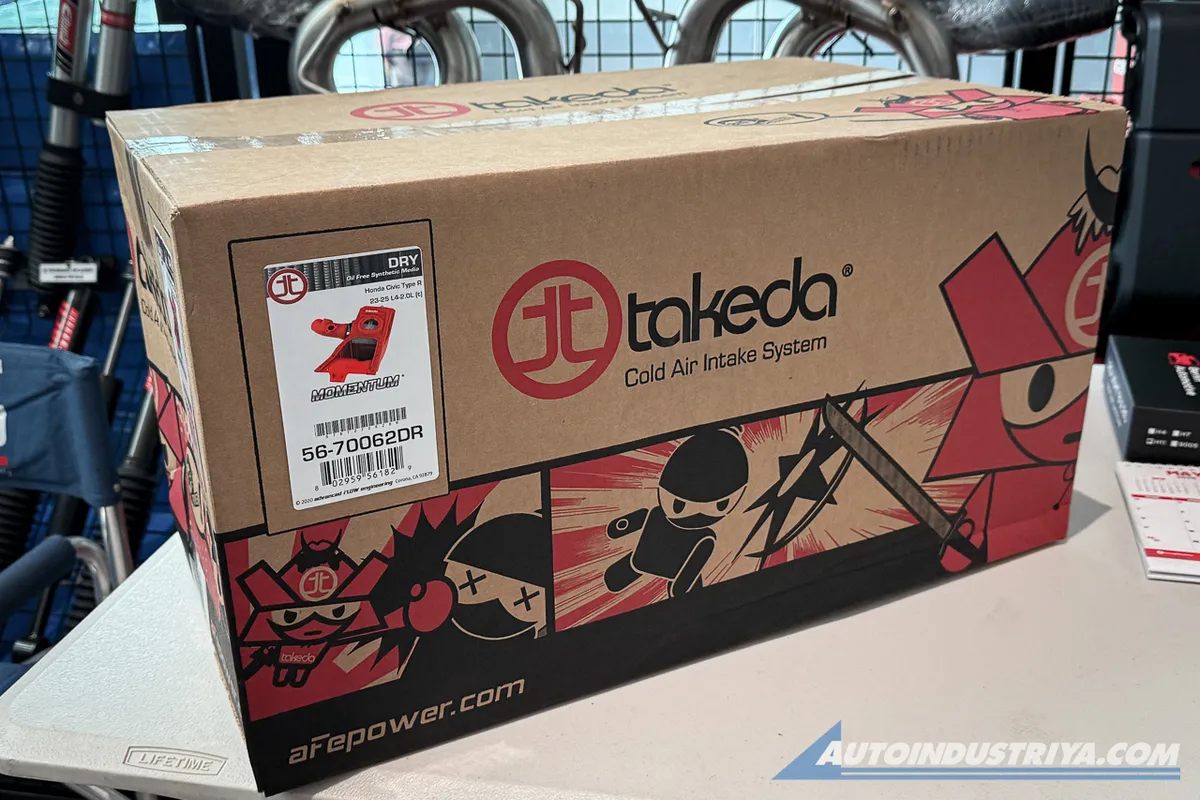
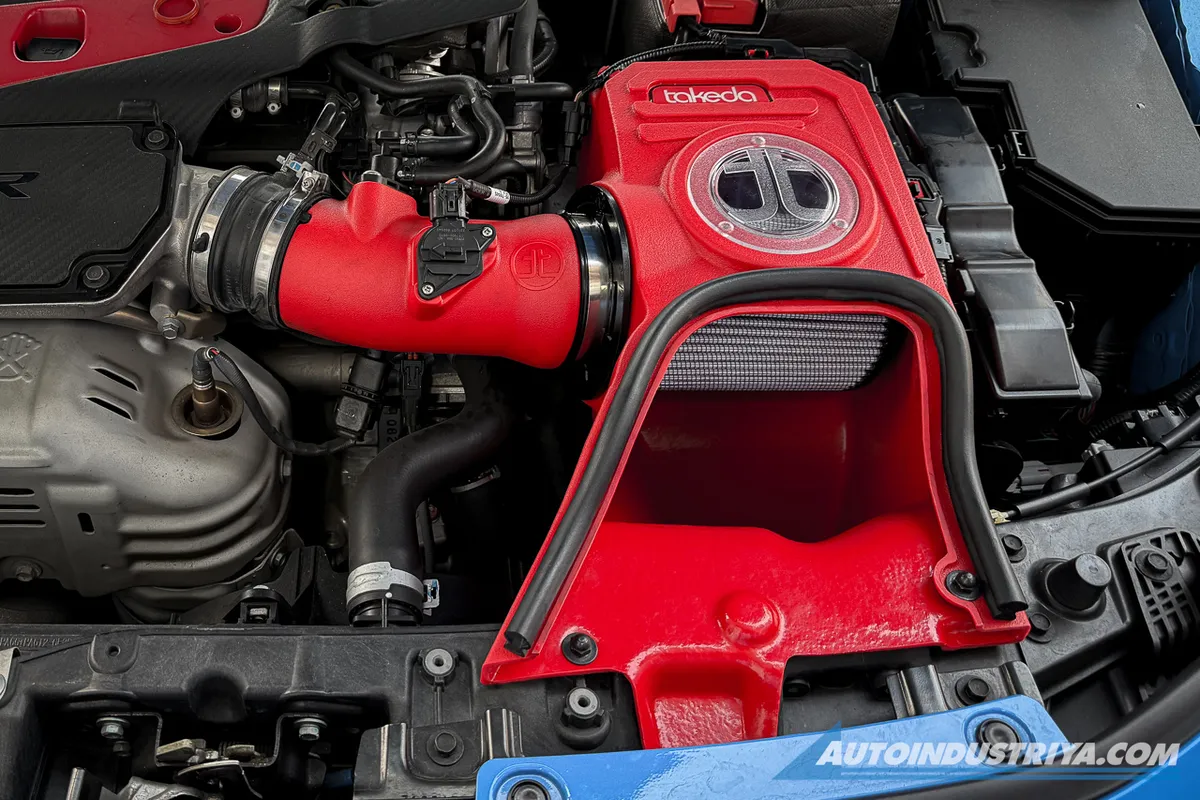
Opening up the box, the first thing you notice is the massive one-piece air housing in red made from cross-linked polyethylene, or XLPE. This material is crucial for local driving because it naturally resists heat soak far better than thin metal or cheaper plastics. Under our blistering Philippine summer heat, a hot air intake is the last thing you want on a turbocharged engine.
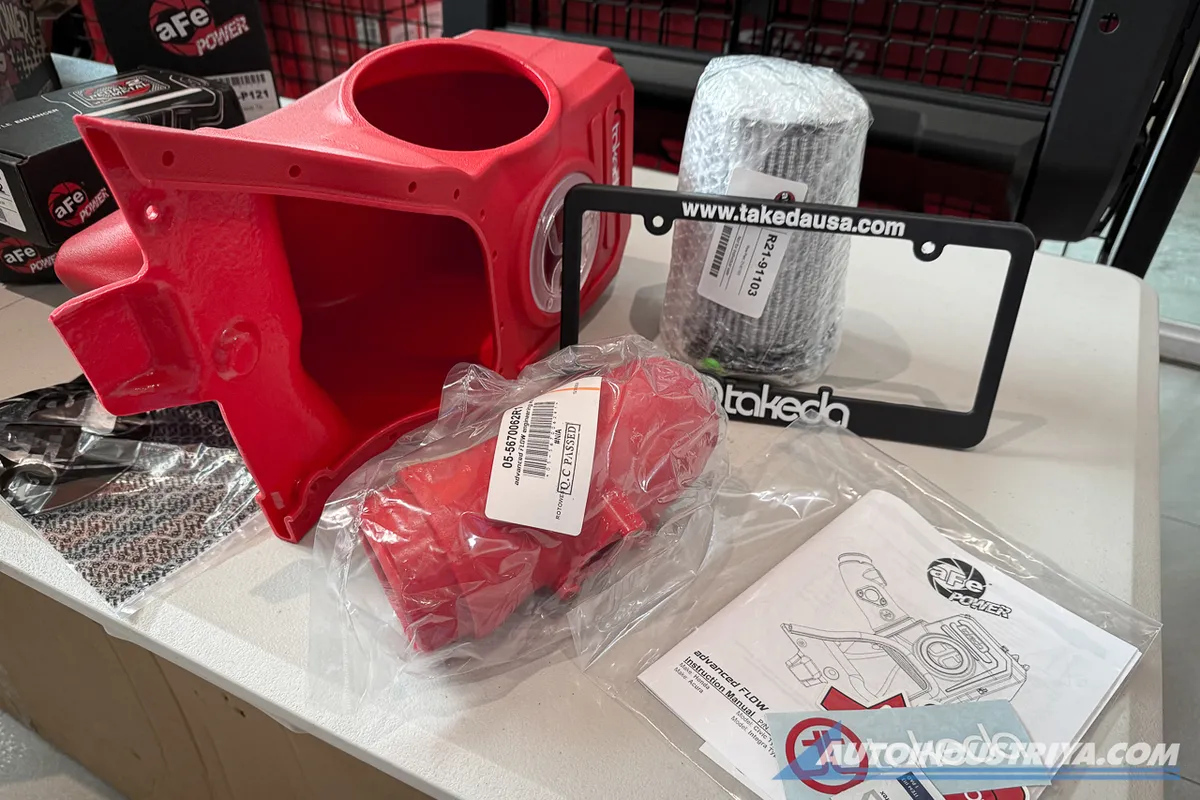
The kit includes a dyno-tuned intake tube (also in red), high-quality hardware, a wire extension harness for the Mass Air Flow sensor, and a high-quality dry air filter.
Why choose the dry filter over traditional oiled filters? For local conditions, dry synthetic filters are a massive convenience. Oiled filters are great for pure airflow, but if you re-oil them incorrectly during maintenance, excess oil can easily coat and ruin your delicate MAF sensor. The dry synthetic design offers three layers of progressive filter media that catch fine dirt particles without needing a single drop of oil.
The airbox also features a clear sight window right on top. It allows you to inspect how dirty the filter is at a quick glance without having to pull apart the entire intake assembly.
Installation: A Straightforward Stock Swap
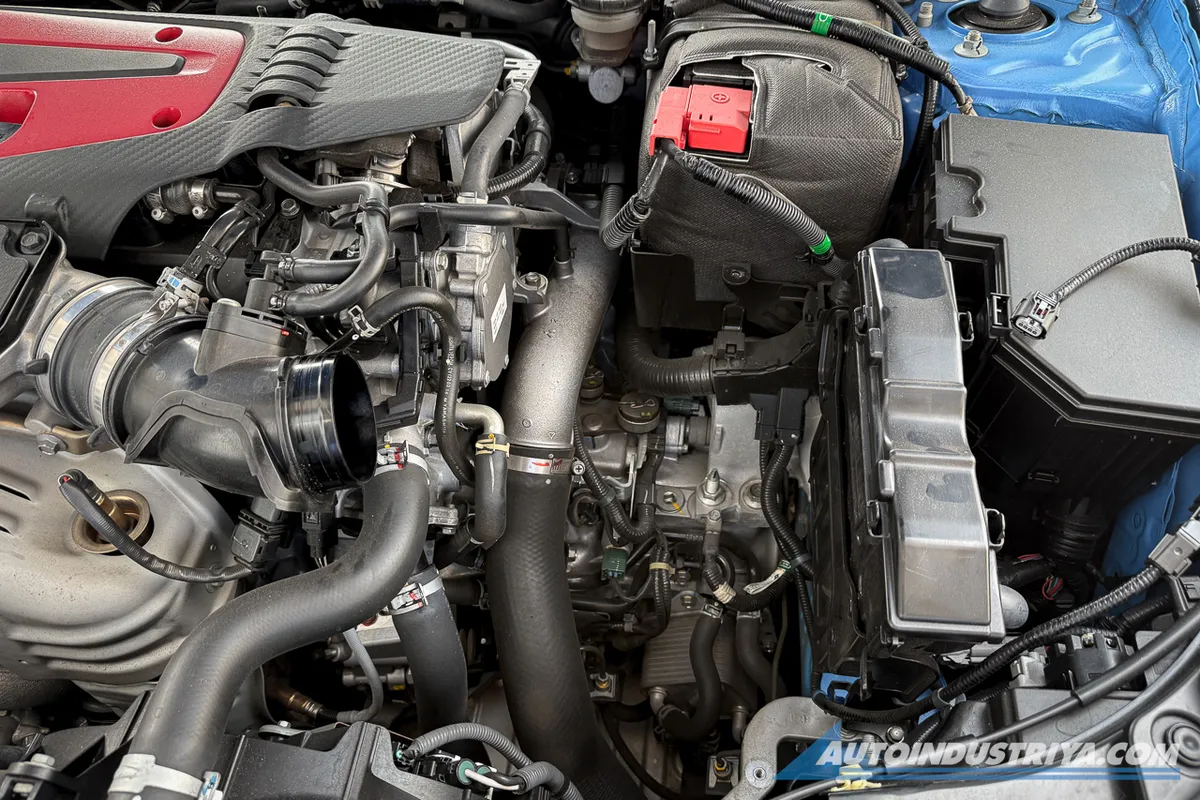
Installing the Takeda system in the FL5 bay is delightfully painless. On a difficulty scale, it rates a solid two out of five wrenches. You can either have the shop hook it up or install it yourself with a basic toolset and 30-40 minutes of patience in your own garage.
The process begins with removing the factory airbox and the OEM trim pieces. The Takeda housing utilizes Honda’s original rubber mounting grommets, keeping the installation clean and vibration-free. It even transfers the stock hood-seal trim, which channels cool air directly from the front bumper scoop right into the sealed airbox. The hood-seal trim is one of the updates Honda made for the FL5 from the FK8, which essentially shares the same powertrain.
The fit and finish are excellent. Everything lines up precisely with factory mounting points, so there is no awkward bending, custom bracket fabrication, or rubbing against nearby engine components. Plug in the MAF sensor extension harness to keep the wiring completely free of tension, tighten down the clamps, and you are ready to turn the key.
On the road: throttle response and acoustics
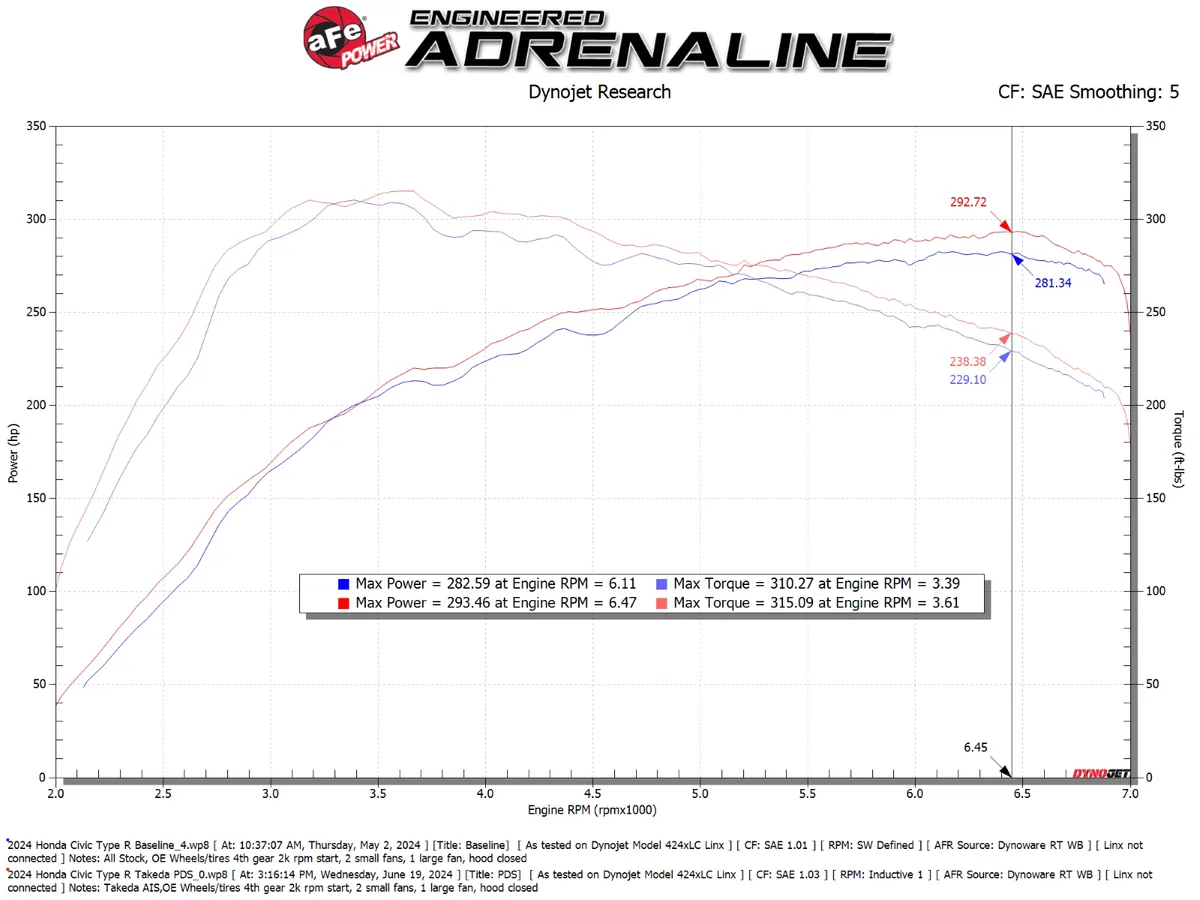
The manufacturer, aFe Power, claims dyno-tested gains of around 10 horsepower and 12 Newton-meters of torque with an airflow increase of roughly 8-10% over stock. On paper, those numbers sound modest; we’ll take their word for it. But there’s nothing like the “good old butt dyno,” the seat-of-the-pants feel that tells a more satisfying story.
The most noticeable change is the sound, right when you start it up. With the boring factory intake designed to insulate noise gone, you immediately hear an intake hiss and a “swoosh” as you rev it lightly.
We started on a busy street, so we didn't immediately feel the change when we left the aFe Power PH workshop. But as soon as the road opened up a bit, that itch to step on the throttle immediately showed the improved response. Even with low-speed maneuvers around city streets, the engine felt more responsive, and the turbo lag was somewhat lessened. When it was time to take it out to the highway, you could definitely feel the performance claims with the engine keener to pick up revs, as well.
The sound, the sound, the sound, I had to repeat it three times! The Takeda setup completely fixes that personality flaw, where it was rather too quiet for the red H and Type R badge on the front grille. On more spirited drives, you get a deep, muscular intake growl followed by a sharp, crisp recirculating blow-off sound whenever you lift off the gas. It adds a tremendous amount of driving satisfaction without creating a droning or raspy noise while you are simply cruising at steady highway speeds.
Living with it in Philippine conditions
Having driven modified cars for decades in Metro Manila, you’re used to dealing with extreme heat, sudden downpours, and heavy road dust. Modern intake systems have improved from the previous open filter cold-air intakes of yesteryear. The Takeda Momentum system uses a fully enclosed XLPE housing that seals directly against the hood scoop; it isolates incoming air from the engine bay heat. It keeps intake temperatures lower and ensures that water splash from standing puddles stays far away from the filter element.
Being a dry element filter, maintenance is fuss-free. When the filter eventually gets dirty, you simply remove the filter, vacuum off the heavy dust, wash it gently with mild soap and water, let it air dry completely, and pop it back in. No complicated oiling needed.
Most importantly, the internal piping geometry keeps airflow smooth around the sensor. That means you can run this intake on a completely stock factory ECU without triggering any annoying Check Engine Lights.
The verdict
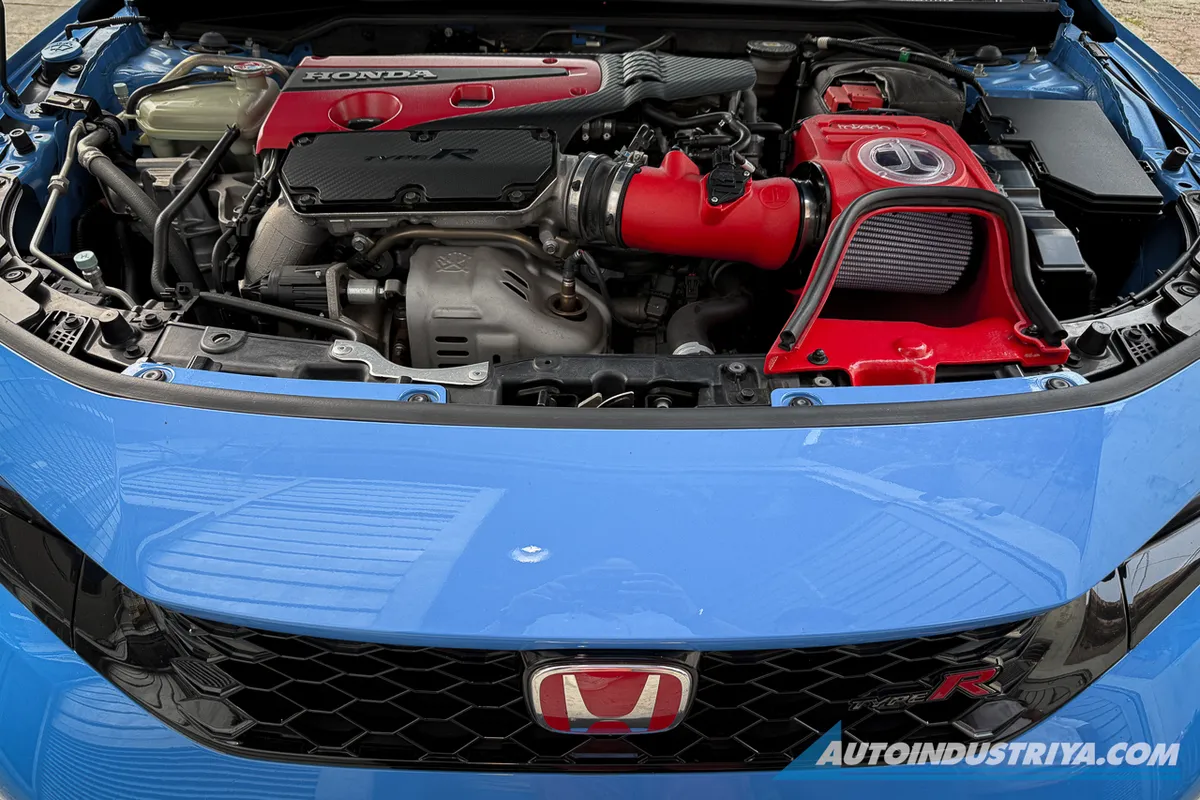
The aFe Takeda Momentum Intake System in limited edition red retails for PHP 38,000. It may not be the cheapest modification on the market. However, it represents good value and is one of the most balanced upgrades you can make to your Honda Civic Type R FL5.
It delivers precise OEM-quality fitment, provides genuine heat-soak protection for our tropical climate, improves throttle response, and gives the Civic Type R the exciting intake soundtrack it should have had from the factory. Add in the easy, oil-free maintenance of the dry filter, and you have a no-headache modification that makes driving your hot hatch even more rewarding.
Related Posts

Honda updates Civic Type R for 2027, but PH won’t get it
Honda Civic Type R lives on in Japan, North America with 2027 updates
 Jamil Lacuna
Green Tech and Custom Culture at Auto Aftermarket Guangzhou 2026 from August 19-21
Expanding to 85,000 square meters across seven halls, the 11th edition of Auto Aftermarket Guangzhou will gather over 1,800 global exhibitors to showcase the latest in performance tuning, replacement parts, remanufacturing, and green automotive technologies.
 AutoIndustriya.com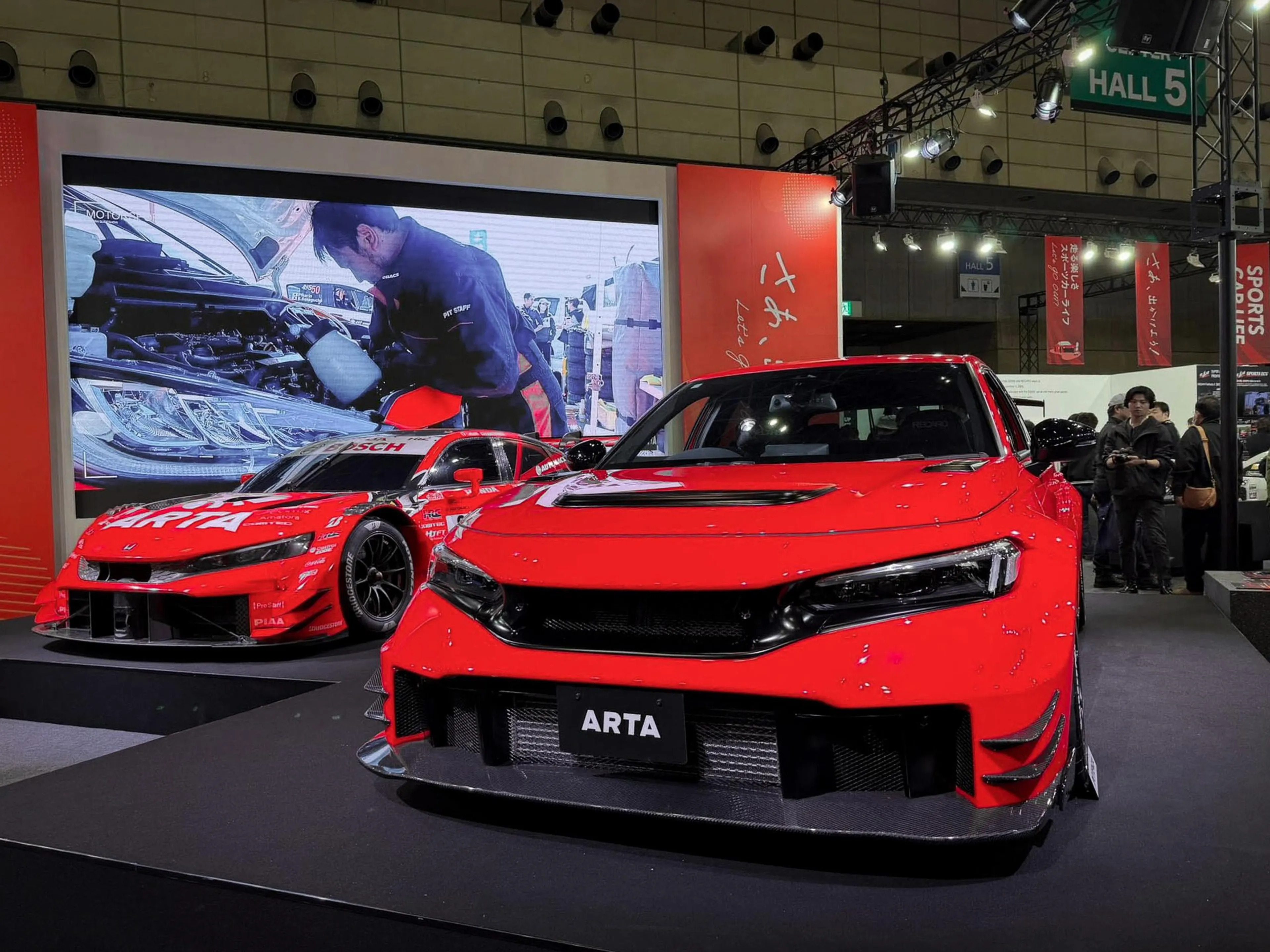
ARTA reveals Super GT500-inspired kit for Honda Civic Type R FL5
ARTA develops a complete performance bred kit for the current gen Civic (FL5) Type R.
 Francis Pallarco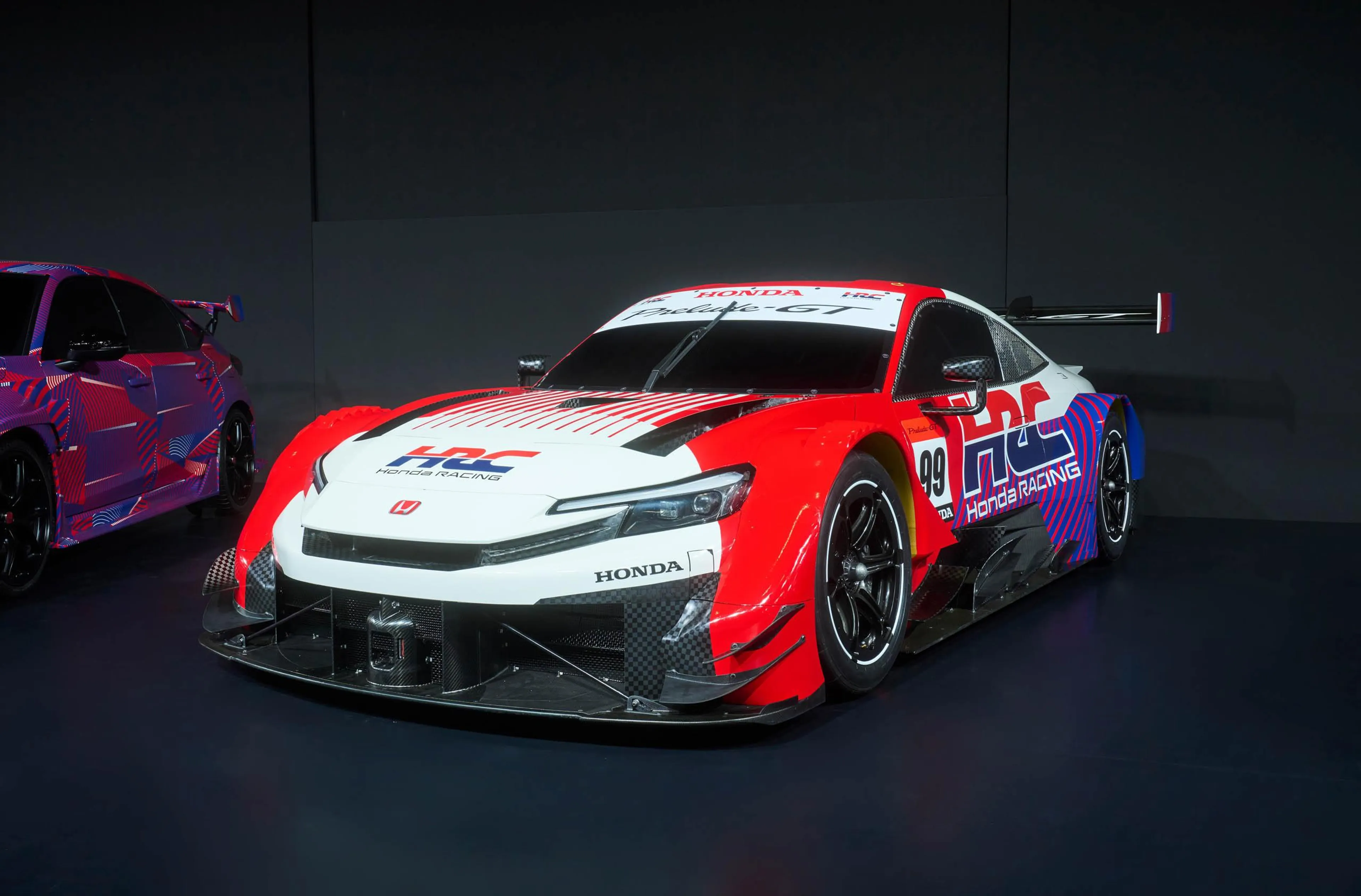
Honda debuts HRC-spec concept models of Civic Type R, Prelude
Honda unveils new HRC-spec concept models at the Tokyo Auto Salon
Francis Pallarco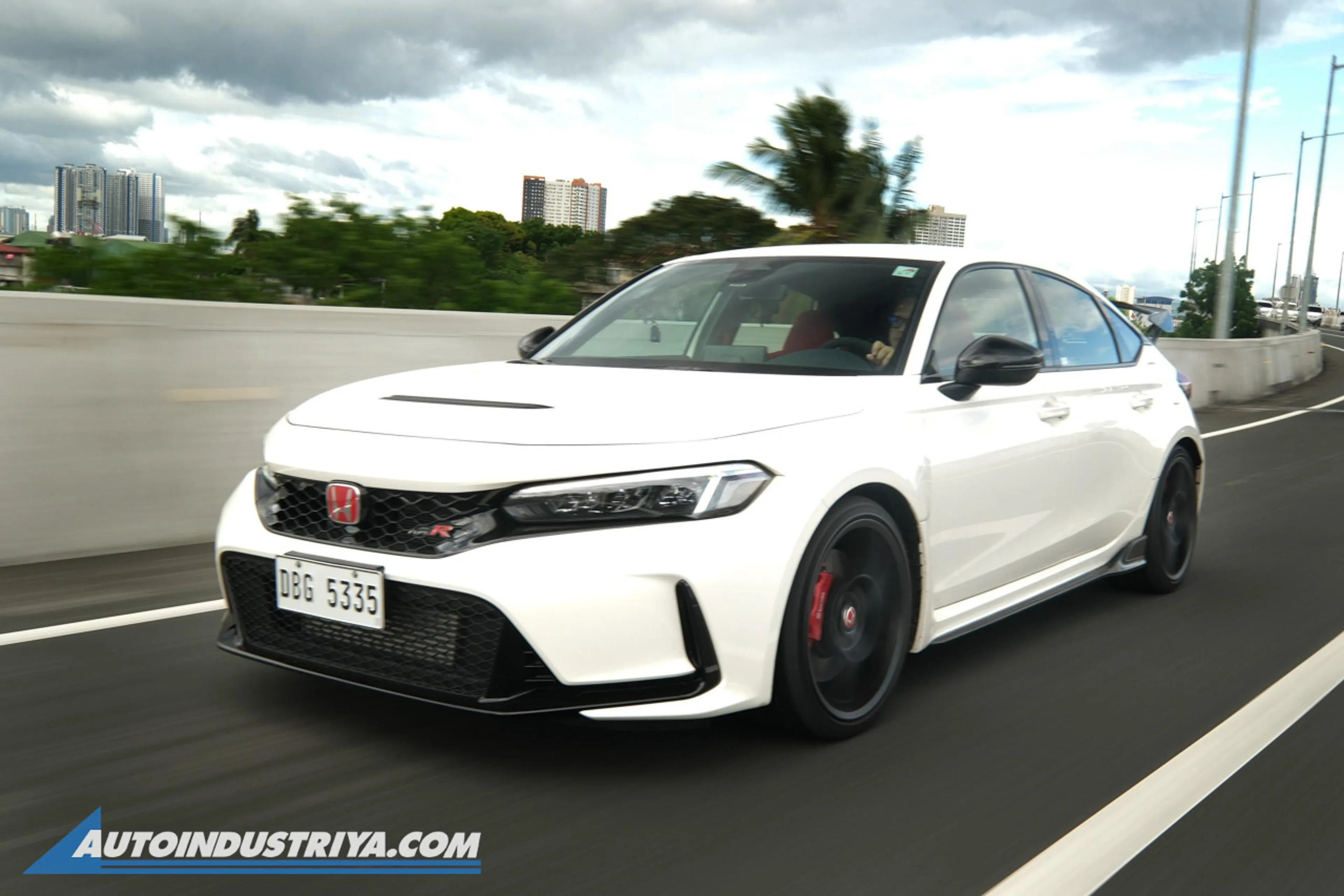
Final Lap: Here's your last chance to get a Honda Civic Type R in PH
The FL5 Honda Civic Type is set to ride off in the Philippine sunset
 Marcus De Guzman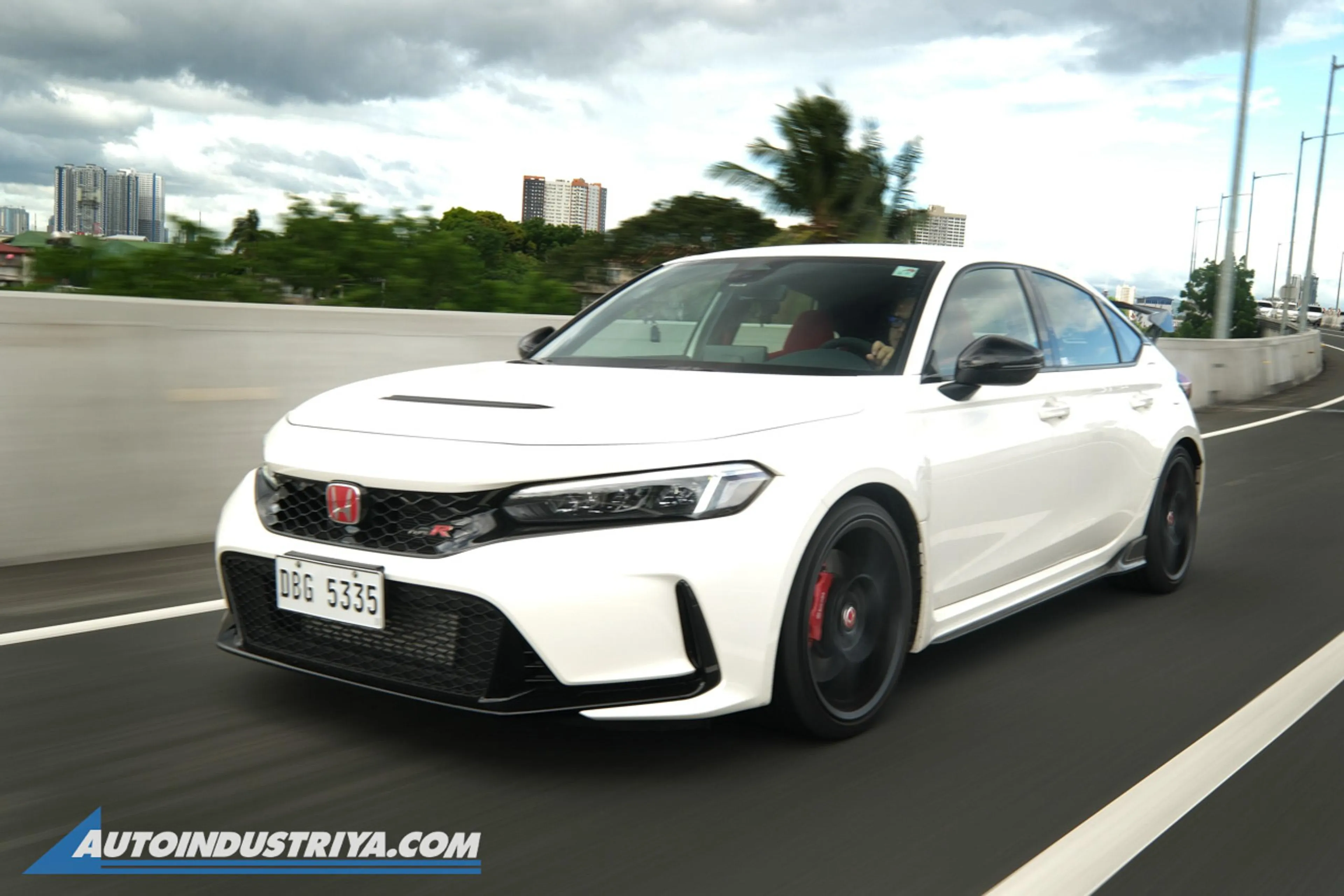
Honda Civic Type R FL5 units included in HCPI steering recall
Honda Cars Philippines has a steering gearbox recall that involves the FL5 Civic Type R
Jamil Lacuna