
Battery Drain: Why is my car losing charge?
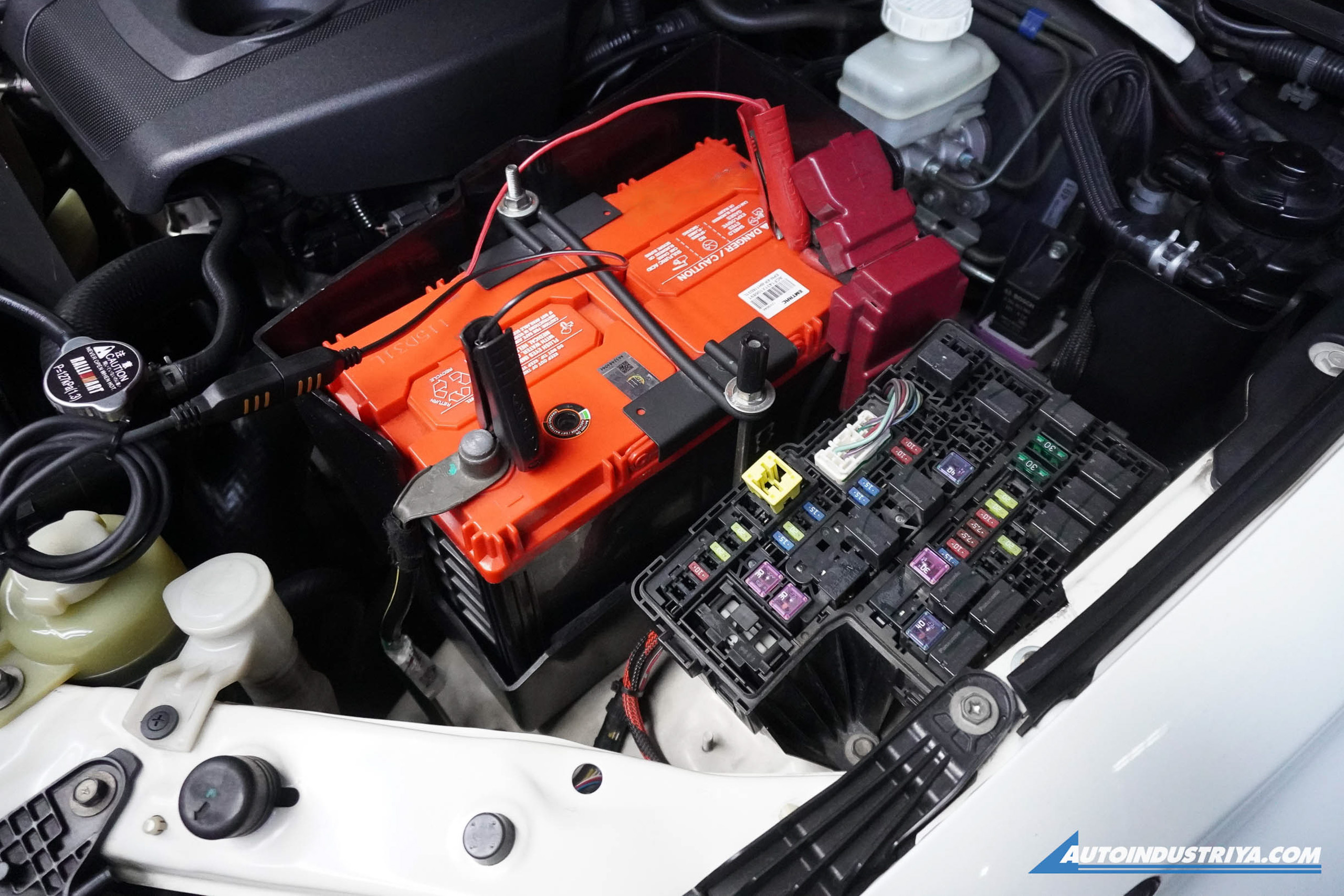
Battery Drain: Why is my car losing charge?
A dead car battery doesn’t always mean battery replacement. Let’s take a look at some of the common causes

Apart from seeing a nearly empty fuel gauge, few things are as frustrating as getting into your car, pressing the start button or turning the key, and nothing happens. Instead, the dashboard warning lights come on, followed by a single click, a rapid series of clicks, or worse, complete silence.
Your battery is dead. Again.
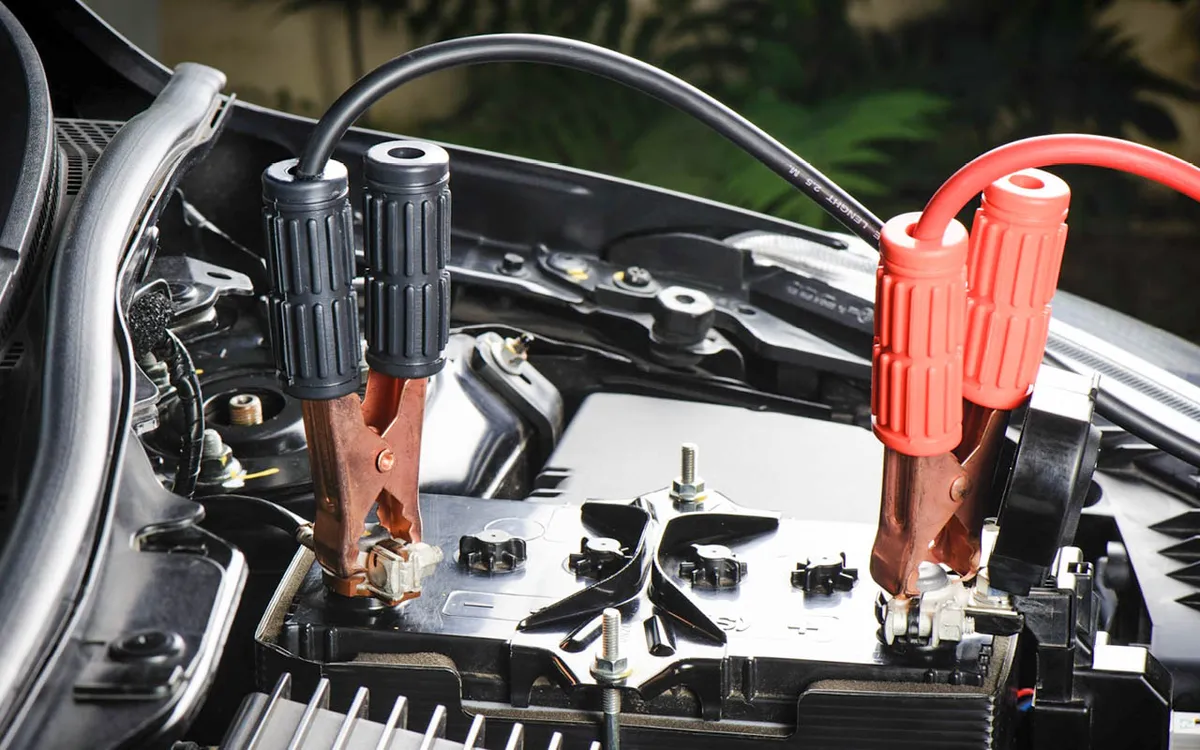
It’s easy to blame the car battery, especially when a quick jump-start gets the car up and running. But if the same problem keeps coming back, replacing the battery over and over may only be treating the symptom, not the cause.
From an aging battery to a charging-system problem or an electrical component quietly draining power overnight, here are some of the most common reasons why your car battery keeps losing charge.
1. The battery is old
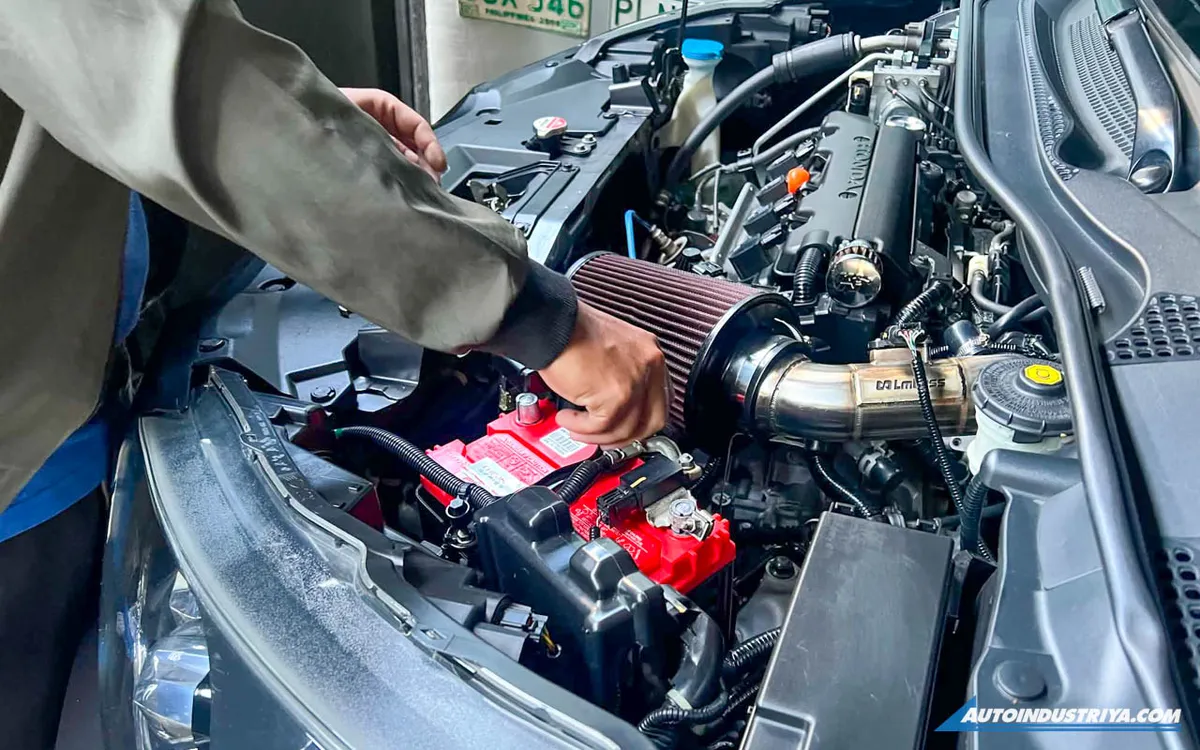
Let’s start with the obvious: the battery may simply be old and due for replacement. Automotive batteries typically last around three to five years, although their actual lifespan can vary depending on climate, driving habits, and how often the vehicle is used.
If your battery is several years old and the engine is cranking noticeably slower than usual, replacement may be all it needs. But if the battery is relatively new, this is where it requires further investigation.
2. Not driving far enough
Just because you’re driving the car regularly doesn’t mean the battery is getting fully recharged. Starting the engine uses a substantial amount of power, and short five- or 10-minute trips may not be enough to replenish it.
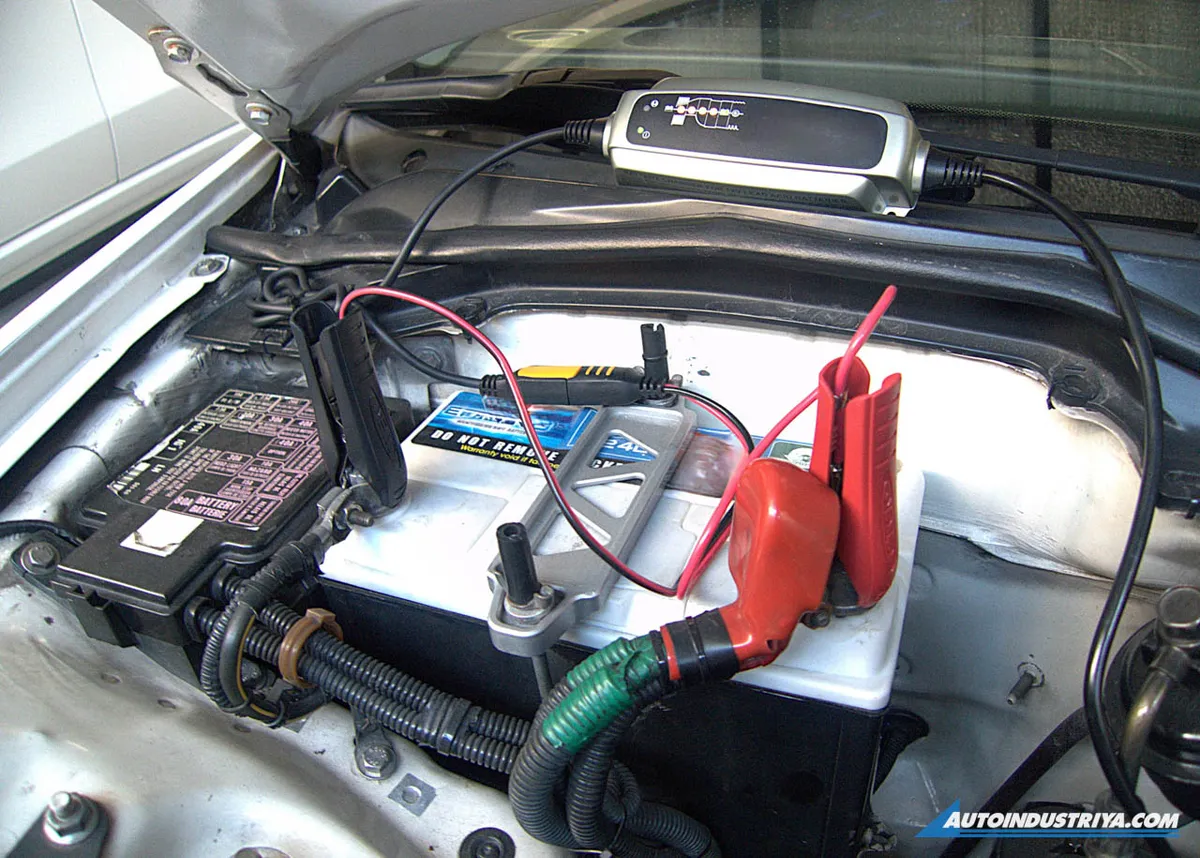
Cars that sit unused for days or weeks can also slowly lose charge as electronic systems continue drawing power. If your vehicle spends more time parked than driven, investing in a battery tender or smart charger can help keep it charged and ready to go. In fact, a car driven a few kilometers once a week can be harder on its battery than one driven on a longer daily commute.
3. Something could be draining it overnight
Modern cars don’t completely shut down. Alarm systems, keyless entry, computers, and other modules continue using small amounts of power after the engine is switched off.
However, a faulty module, dashcam, OBD-II accessory, aftermarket stereo, stuck light, or wiring issue can draw excessive power and slowly drain the battery, a condition known as parasitic drain.
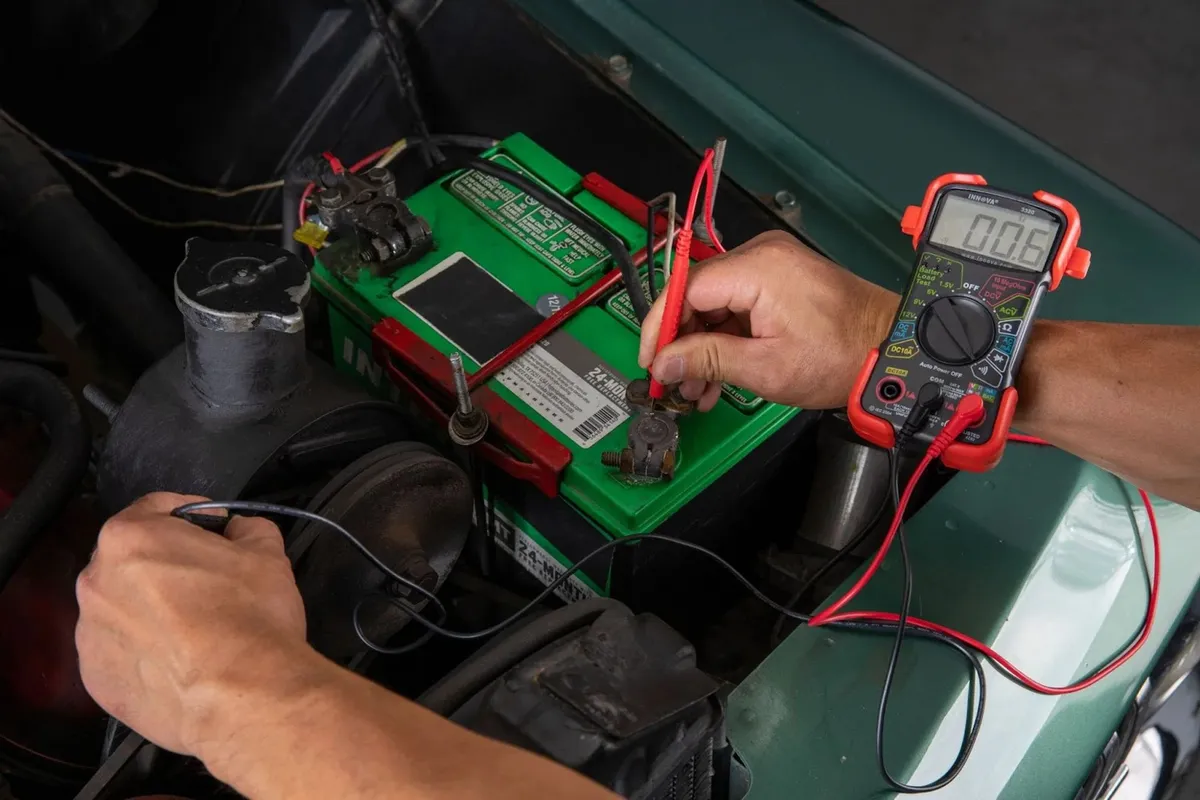
Using a multimeter, an auto electrician can check for excessive current draw caused by a parasitic drain. If the reading remains high after 20–45 minutes, when the car’s systems should have entered sleep mode, an electrical fault may need to be traced.
4. The alternator could be the (expensive) culprit
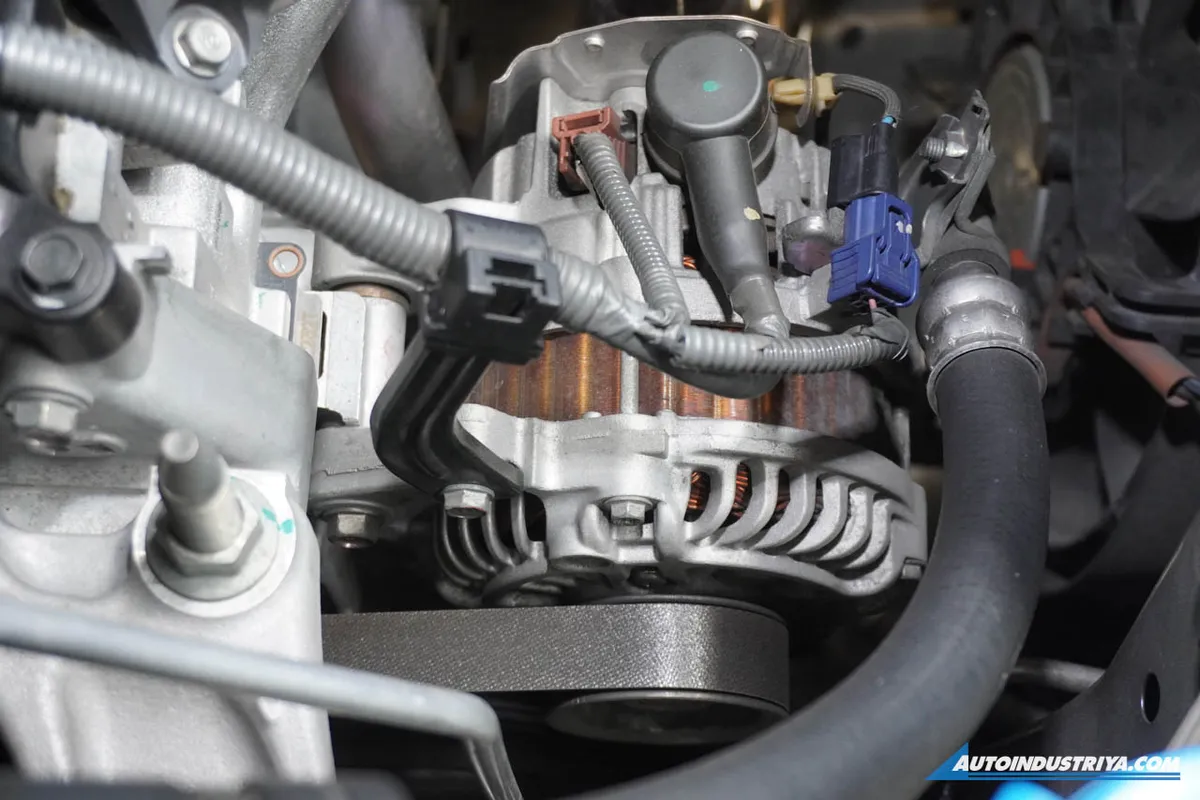
The battery gets the engine started, but the alternator keeps the electrical system running and replenishes the battery while you drive. If it isn’t charging properly, even a brand-new battery will eventually go flat.
Watch for warning signs such as dimming headlights, electrical glitches, a battery or charging-system warning light, or a car that starts after a jump but quickly loses power again.
The culprit isn’t always the alternator itself. A failing voltage regulator, damaged wiring, poor ground connection, or other charging-system fault can produce similar symptoms.
5. Check the battery connections
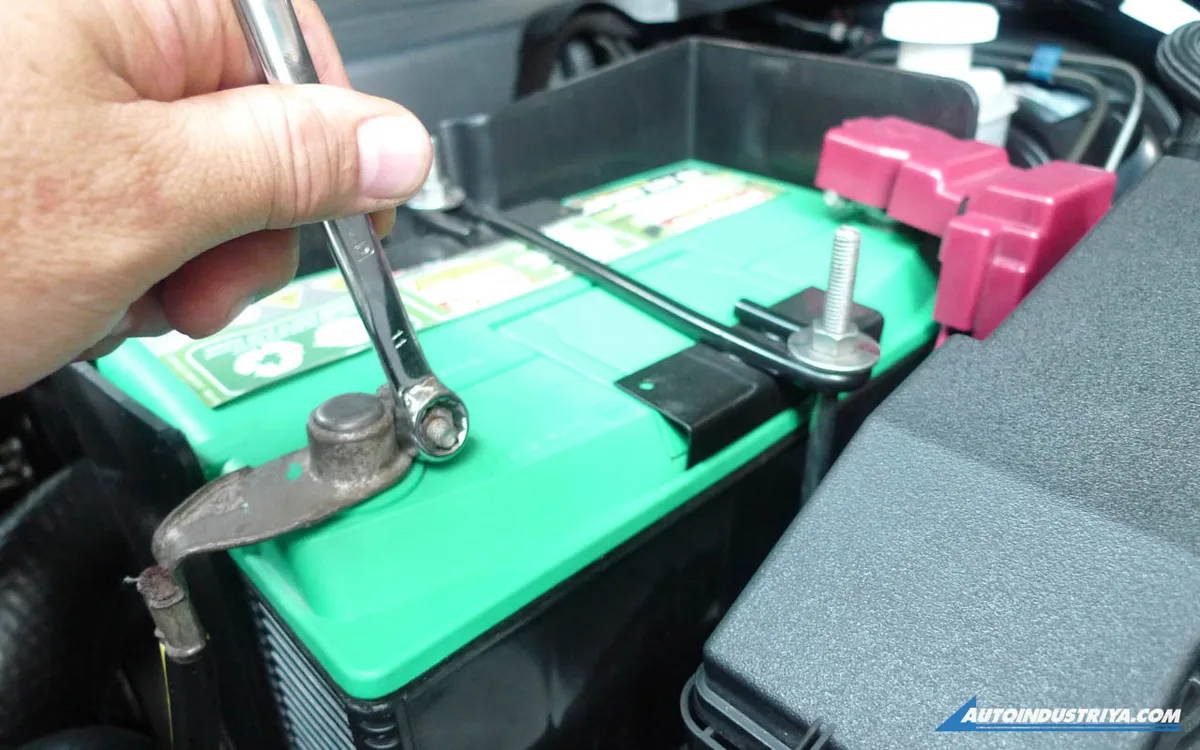
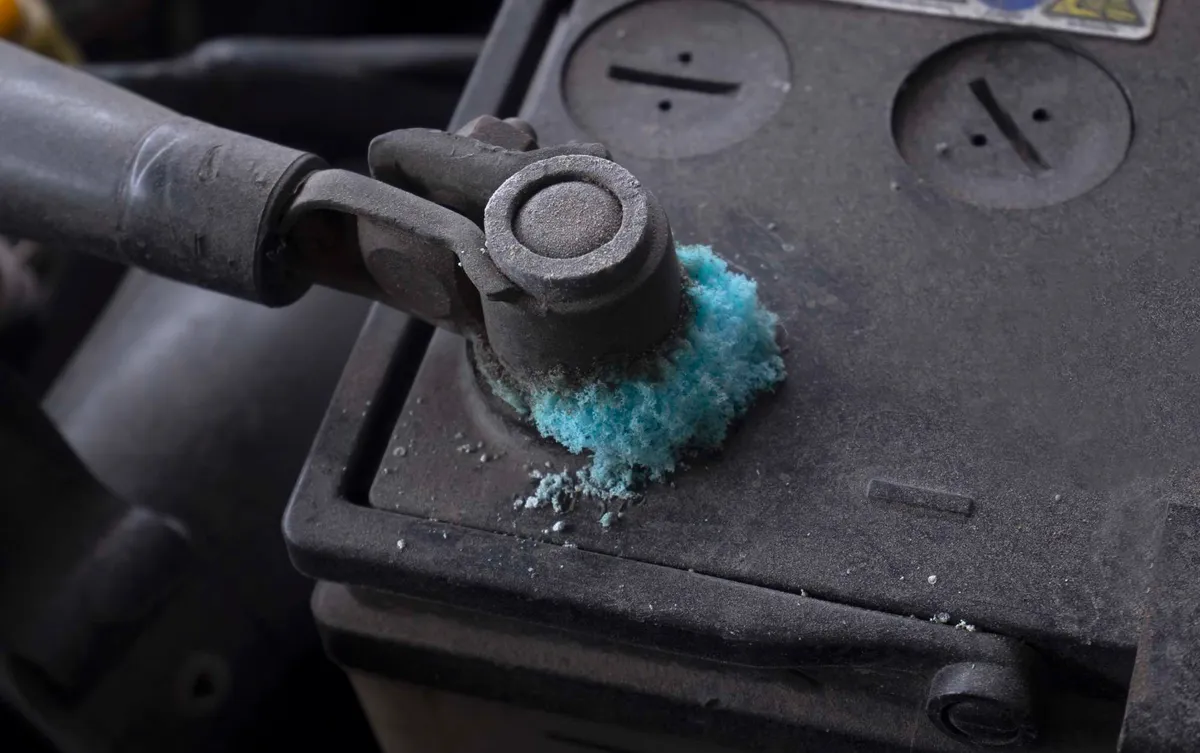
Sometimes, the problem is much simpler. Loose or corroded battery terminals can restrict the flow of electricity and make starting difficult. Look for white, blue, or greenish buildup around the terminals and make sure the connections are clean and secure.
The battery should also be firmly mounted. Excessive vibration can damage it internally and shorten its service life.
So, why does your battery keep losing charge?
If it happened once because you left the lights on, the answer is probably obvious. But if the battery keeps losing charge, buying another one isn’t always the solution.
Start with the basics: Check the battery’s age and condition, inspect the terminals, and have the charging system tested. Consider how often and how far you drive, and look for accessories or electronics that could remain powered while the car is parked.
If the battery is relatively new, the charging system checks out, and it still dies overnight, the next best course of action should be to have it checked for excessive electrical draw.
Because sometimes, the battery isn’t the problem. It’s just the victim.
Related Posts
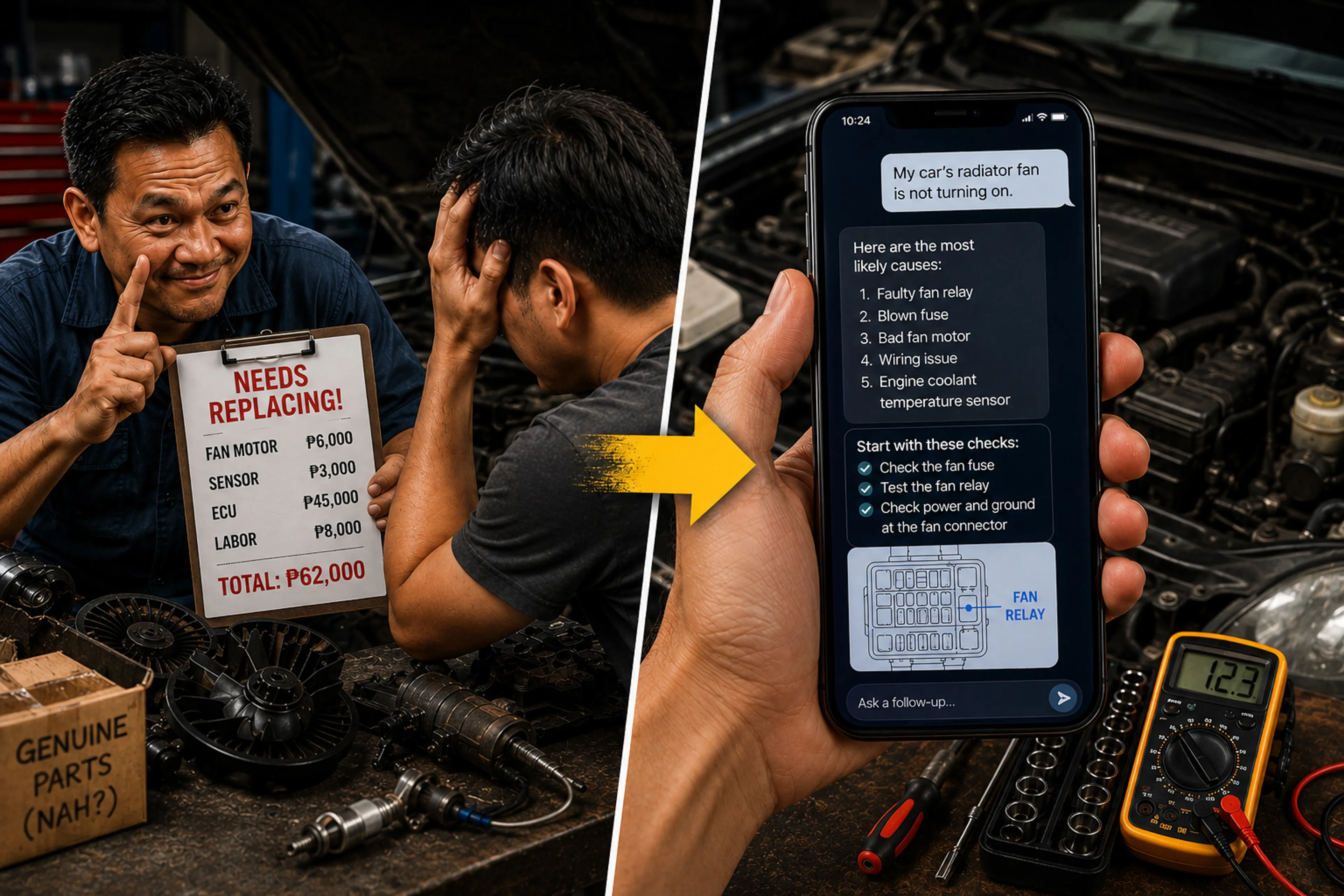
Virtual Car Doctor: Can you use AI to help diagnose your car?
Beat budol mechanics with a little help from AI
 Brando Rosales
Bad Batch: How to tell if you filled up on contaminated diesel
Symptoms and effects of using bad diesel and what to do
 Francis Pallarco
DIY Car Wash: How to avoid damaging your precious car's paint
Here's a rundown of the most commonly practiced improper car washing techniques and habits that can cause permanent paint damage
Francis Pallarco
Car Care: Keep your Vehicle Road-Ready during the Holiday Break
Aside from being merry, it's also the season to perform preventive car maintenance to give our cars a much-needed maintenance check.
Francis Pallarco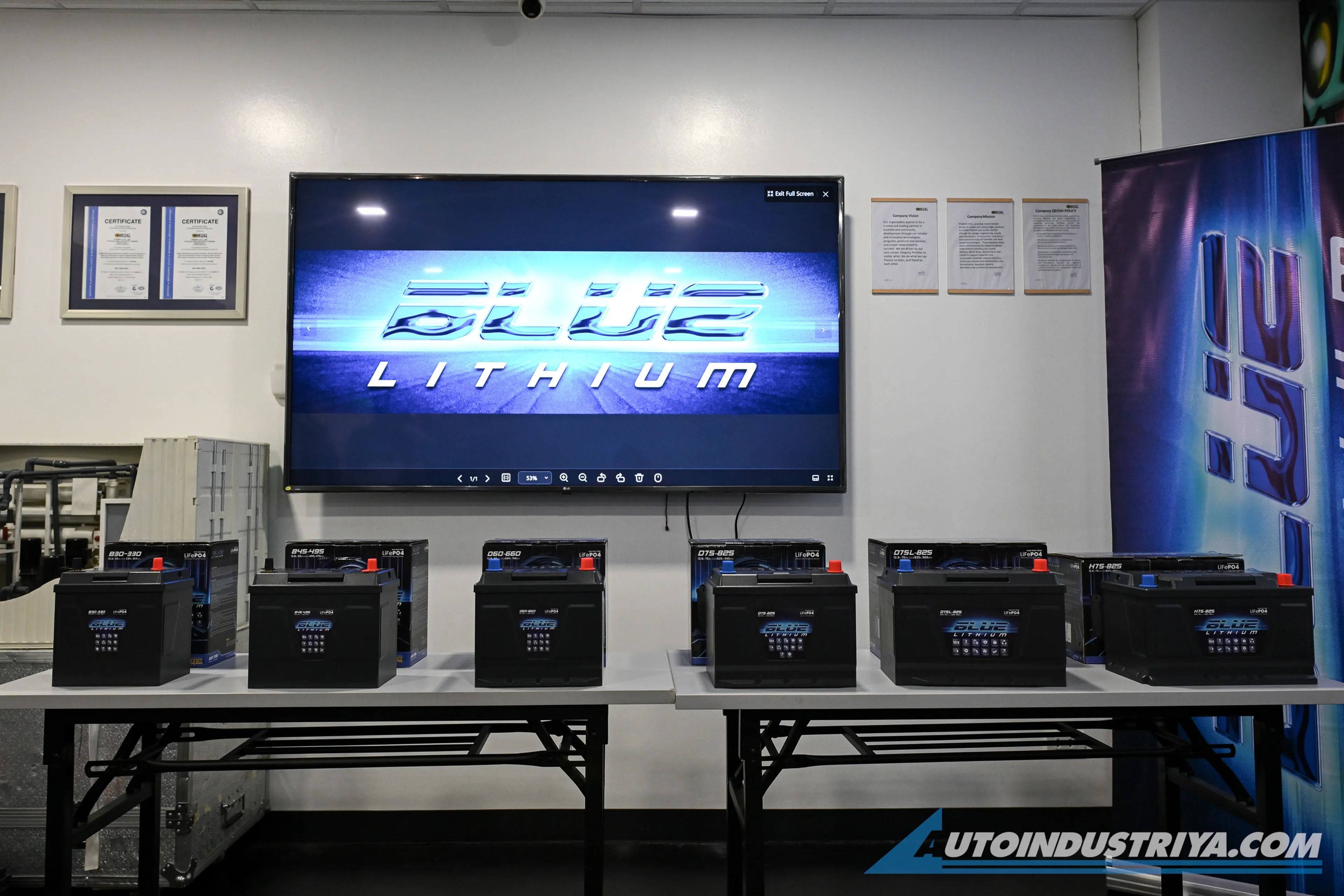
Blue Lithium Automotive Batteries Launched in PH
Promising up to 10 years of service life, advanced LiFePO4 cell technology, and built-in Battery Management Systems, Blue Lithium starter batteries are now available in the Philippines via Power4All's direct-to-user model.
 AutoIndustriya.com
Auto 101: What to check after driving through a storm?
A checklist of things to check on the car after driving over a storm or heavy downpour
Francis Pallarco