
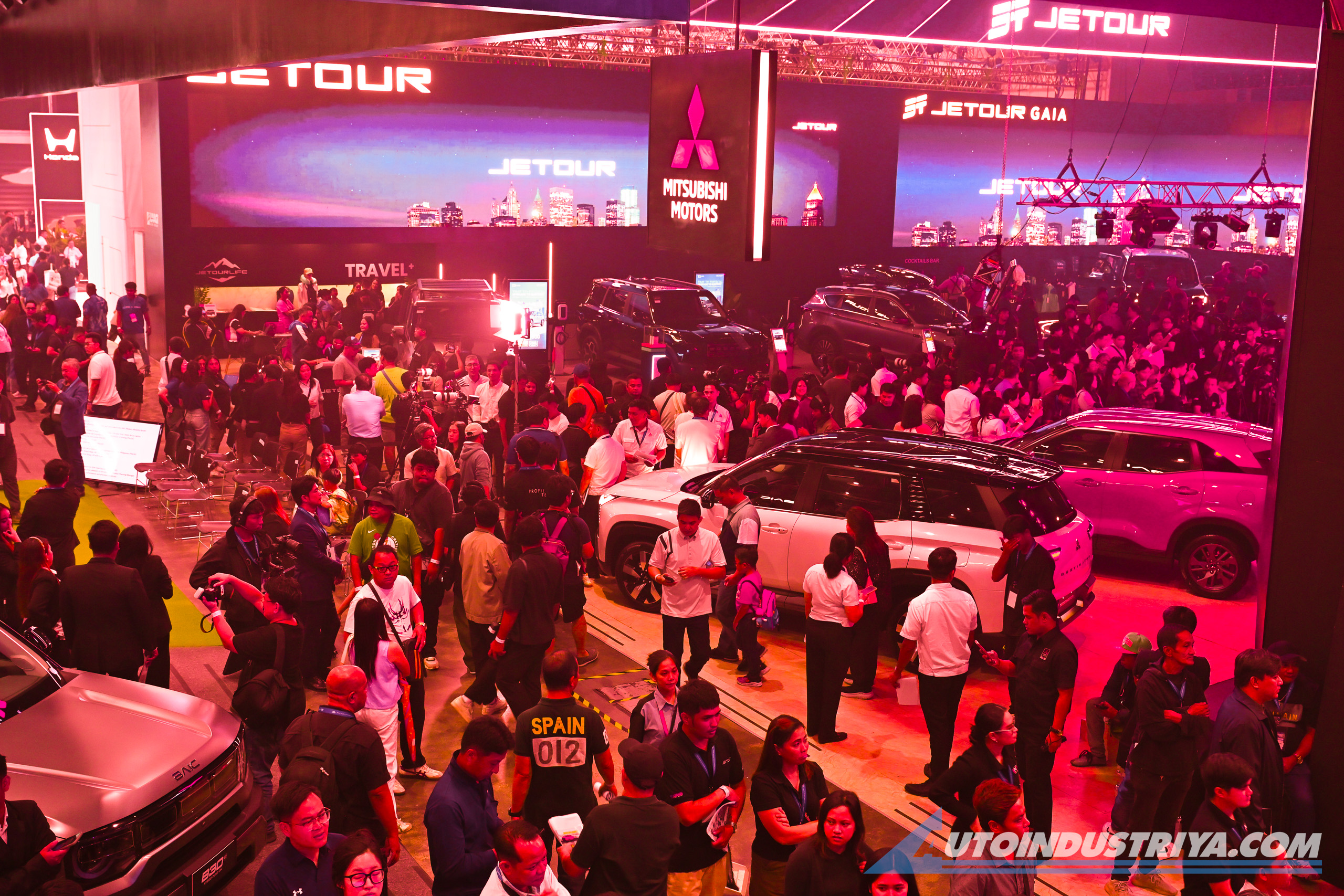

There’s something fascinating about markets. Whether we’re talking about a palengke, talipapa, tiangge, or even just a flea market, it’s always interesting to see how people move around, browse, and buy.
That’s how I feel about auto shows because it’s the same. Unlike dealerships, where customers generally walk in almost ready to buy, an auto show is where customers who are a bit more open-minded (no, not that kind) go to browse, inquire, check, compare, sit in, test drive, and even buy their new automobile.
We can see how the market is really thinking, how it is really behaving, and how things are really changing. And at the Philippine International Motor Show (PIMS) happening now, we can see that tectonic shift much more clearly than at the Manila International Auto Show (MIAS) in April.
What was clear to us during the opening day of the show was the crowds that gathered at the show pavilions of the Chinese auto brands, far more so than the Japanese brands. The crowds at the booths of Toyota, Mitsubishi, Suzuki, Honda, Isuzu, and Subaru appear far more measured than the mob that was happening at Chery, BAIC, Jetour, Omoda (but mostly Jaecoo), MG (Chinese drink more tea than Brits), and Tesla (which are also made in China for the PH market).
At MIAS, we couldn’t make that distinction because there were no Japanese automakers present; it was an almost all-Chinese affair with Kia being the only exception. Actually, at Kia’s PIMS activity, they drew good crowds too, and the story is the same for VinFast. Out of the Japanese brands, we can say Nissan had a good first day, but that was probably because of the preview of the Navara Pro (AKA Frontier Pro), which is also Chinese-made.
This observation flies directly in the face of the long-held belief that Chinese auto brands will never match or surpass Japanese auto supremacy in the Philippines. We can see it as clear as day, but it’s not just about the show; the sales numbers reflect it too.
When we browsed through the April 2026 sales report from the Chamber of Automotive Manufacturers of the Philippines, Incorporated (CAMPI), the industry association behind PIMS and composed largely of the Japanese automotive giants, we can say that never before has this report contained so much red. That’s because every legacy Japanese automaker took a big hit in April 2026 when compared to April 2025.
Suzuki sold 1,399 units; that’s a modest dip of about 14.2%. Isuzu sold 971 units, a more substantial drop of 20.7%. A big 52.8% slice was taken out of Nissan, which sold 689 units versus 1,460 last year. Honda had a huge drop of 62.9% because they only rolled out 472 cars compared to 1,273 last year.
Toyota, the market leader, didn’t take a huge hit in terms of percentages at 13%, but when you realize that 13% “dip” represents a 2,130 unit drop, then it’s very significant. In April, they sold 14,284 units, which is much less than the 16,414 they sold in April 2025.
Even the non-Japanese brands took big hits in April, too. Ford sales dropped by 26% when they sold 1,116 cars in April versus 1,509 from the same month last year. Hyundai also mimicked the story of Nissan and Honda by dropping 59.1% to 341 units versus 833 units in April 2025.
By far the biggest story is Mitsubishi Motors. Personally, I love the brand, but they took a painful hit of 41%, which dropped them from 6,388 units in April 2025 to 3,711 units in April 2026. That drop is a massive blow of 2,677 units.
Now there have been murmurs in the industry for a while that BYD has overtaken Mitsubishi in April as the industry number two behind Toyota in the Philippines. If true, that means it would be the first time in my professional lifetime that Mitsubishi Motors Philippines has dropped from second. The problem is that BYD isn’t reporting the official number to any industry organization, nor are they disclosing it to us in the press. They’re holding it back, but we may have gotten it from an insider familiar with the number being reported to BYD HQ in Shenzhen.
Based on my source (which will likely be denied by BYD), the Chinese auto giant sold 5,760 units in April 2026. If true and verified, that means they truly surpassed Mitsubishi.
Why is this? Why are the legacy automakers struggling against the new wave of Chinese brands in the market? The answer is simple: they were ready with a solution to the problem of 2026.
That problem is the vulnerability of oil prices to conflict.
Regardless of where you stand on the war in the Middle East, it cannot be denied that the conflict has driven oil to new heights that we never thought we’d ever see. That reality has driven a lot of customers to purchase cars they never thought they would have before: hybrid, plug-in hybrid, and full electric. That opens up another glaring problem: the Chinese brands can offer those at attractive prices right now, while the Japanese, American, and Korean brands are behind in either production, development, and/or price.
Of particular interest to motorists are plug-in hybrid electric vehicles (PHEV with series/parallel capability) or range-extender/range extended electric vehicles (REEV or really a series hybrid with plug-in capability). A battery electric vehicle (BEV) is still fairly niche, but it can be great if your lifestyle, your home (not a condo), or your public charging accessibility can accommodate it. Self-charging hybrids will work neatly to reduce fuel bills and consumption, but won’t allow the owner to cover a daily round-trip drive of 50 to 100 kilometers on much cheaper electric power alone. PHEV/REEV is the ideal way to go given the current realities, and the Chinese brands offer that in a great variety of vehicle types and at really attractive prices.
Some would take the view that what is happening right now is temporary, and that once the war ends, fuel prices will go to pre-war normalcy and we’re back to legacy happy days again. There are two problems with that, and the first is that -given what you’ve seen in the news- will the wars actually end in the next week or so? There is no peace deal agreed to yet between the US-Israel and Iran, and the war with Russia on one side and Ukraine-EU is heating up again.
Even if these wars end now, there is no way fuel prices will drop back to what we know them to be at around PHP 50 to 60 per liter (for gas and diesel, respectively) before February 28. Basic economics: oil supply is elastic while oil demand is inelastic. And prices right now are unnaturally and unusually low despite some supply being taken away from world markets because of shipping constraints and damage to production facilities.
The US is releasing some oil from their 714-million barrel strategic petroleum reserves (SPR) to soften the blow (augmenting supply means lowering prices), while China is reducing its own imports to make more oil available for everyone else at a lower price. China can do this because it has the biggest oil reserve in the world at about 1.4-billion barrels. Read up on these things because it’s all fascinating.
Long story short: many experts in the oil industry don’t expect prices to fall. Actually, some even warn of a danger of a spike up to $150 per barrel around August if the war doesn’t end. Imagine the impact on the world, and on us.
Legacy brands have to accelerate their plans for new energy vehicles to insulate their customers for the near and long term. For now, the game is to survive until then. At PIMS, that’s what we saw.
Toyota is positioning to weather the storm, but the prices need to come down for BEVs (PHP 2.99M Hilux BEV?), and they should offer PHEVs. Mitsubishi is in a tough spot - they announced plans to start a plant here to produce hybrids because there is no left-hand drive for the Xforce HEV and Xpander HEV, but time is not on their side, and the PHEV Outlander GT isn’t going to be a solution for many Mitsubishi loyalist customers.
Enthusiast-leaning brands also have to survive. Honda has good cars, but the high margin pricing strategy needs to be thrown away; otherwise, volume will keep dropping. Suzuki did launch a BEV with the eVitara, but the price is quite high given its size. Mazda does have hybrids, but they opted to withdraw from PIMS. Subaru’s case is interesting because they have e-Boxer hybrids (not PHEVs), but have problems getting stocks from Japan.
Isuzu PH is telling us their D-Max BEV is coming soon, but that soon needs to be sooner. Nissan is actually poised to do well if they accelerate their plans for the Navara Pro PHEV and other models, but pricing has to come down a tad for its other models to at least get somewhat closer to the Chinese, as it really moved the pricing brackets down by a lot.
Many of the legacy brands were caught so flat-footed that even the most hardcore naysayers for anything electrified and/or from China are now asking about BYD, MG, Geely, Chery, GAC, Jetour, BAIC, and [insert new brand name here]. All the Chinese brands need to do is sustain this momentum and (for lack of a better term) don’t F it up in after-sales.
More than any other Chinese brand, the pressure will be on BYD. We say that because BYD has become the “legitimizer” for electric and hybrid vehicles from China. They’re the standard bearer or flag bearer, much like what MG did in 2018-2019 and what Geely did in 2020-2023. All the other brands are likewise surfing the wave being created by the ship of BYD; unusually, that’s quite apt because BYD operates its own ships now.
The ICE age is coming to an end for countries that are openly vulnerable to oil shocks. That would be us: the Philippines. All the proof we need is what we’re seeing clearly at the automotive equivalent of a market: the auto show.
Related Posts
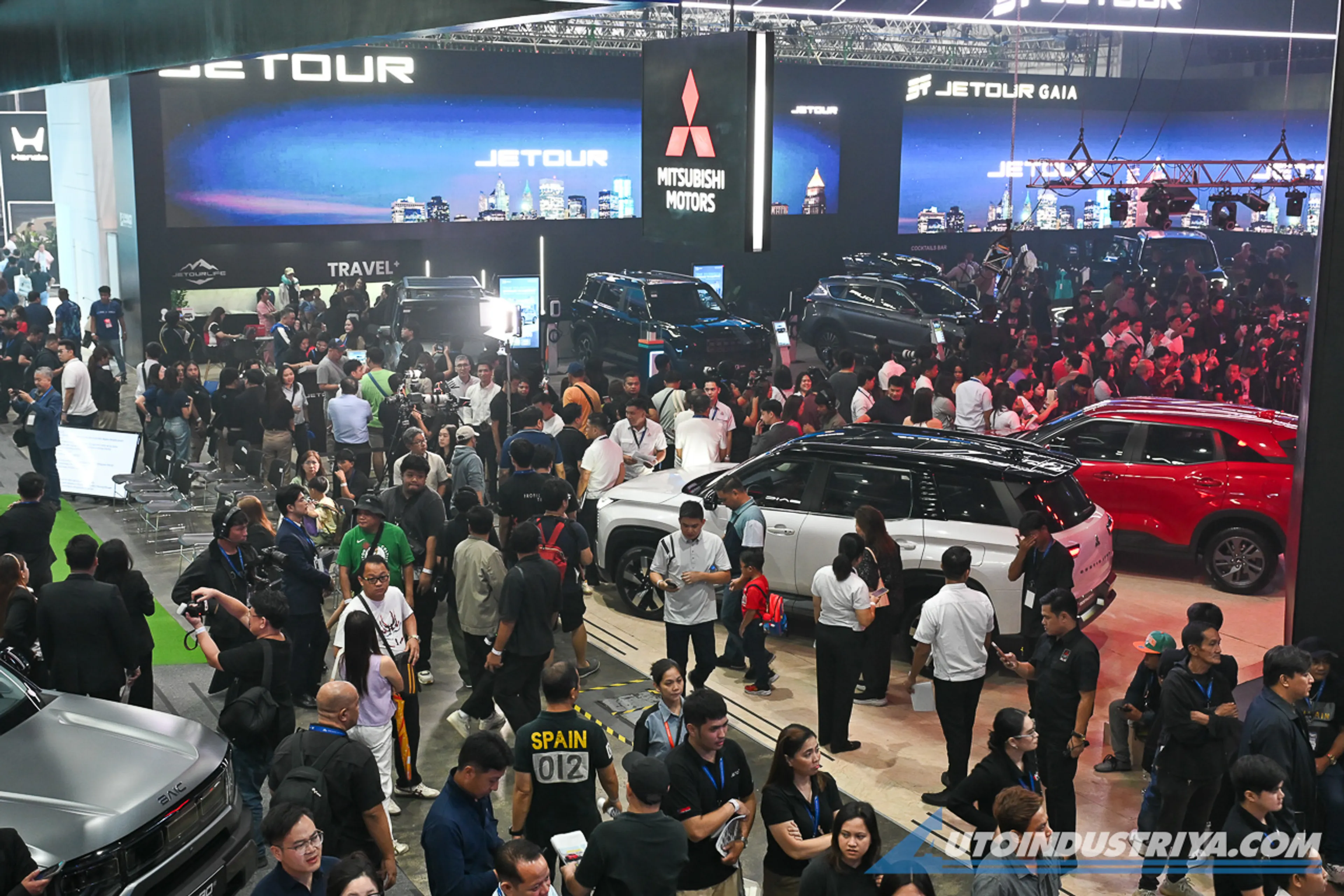
PIMS 2026: 55,544 visitors attended over four-day period
Compared to PIMS 2024, this year's PIMS saw an additional 13,544 visitors
 AutoIndustriya.com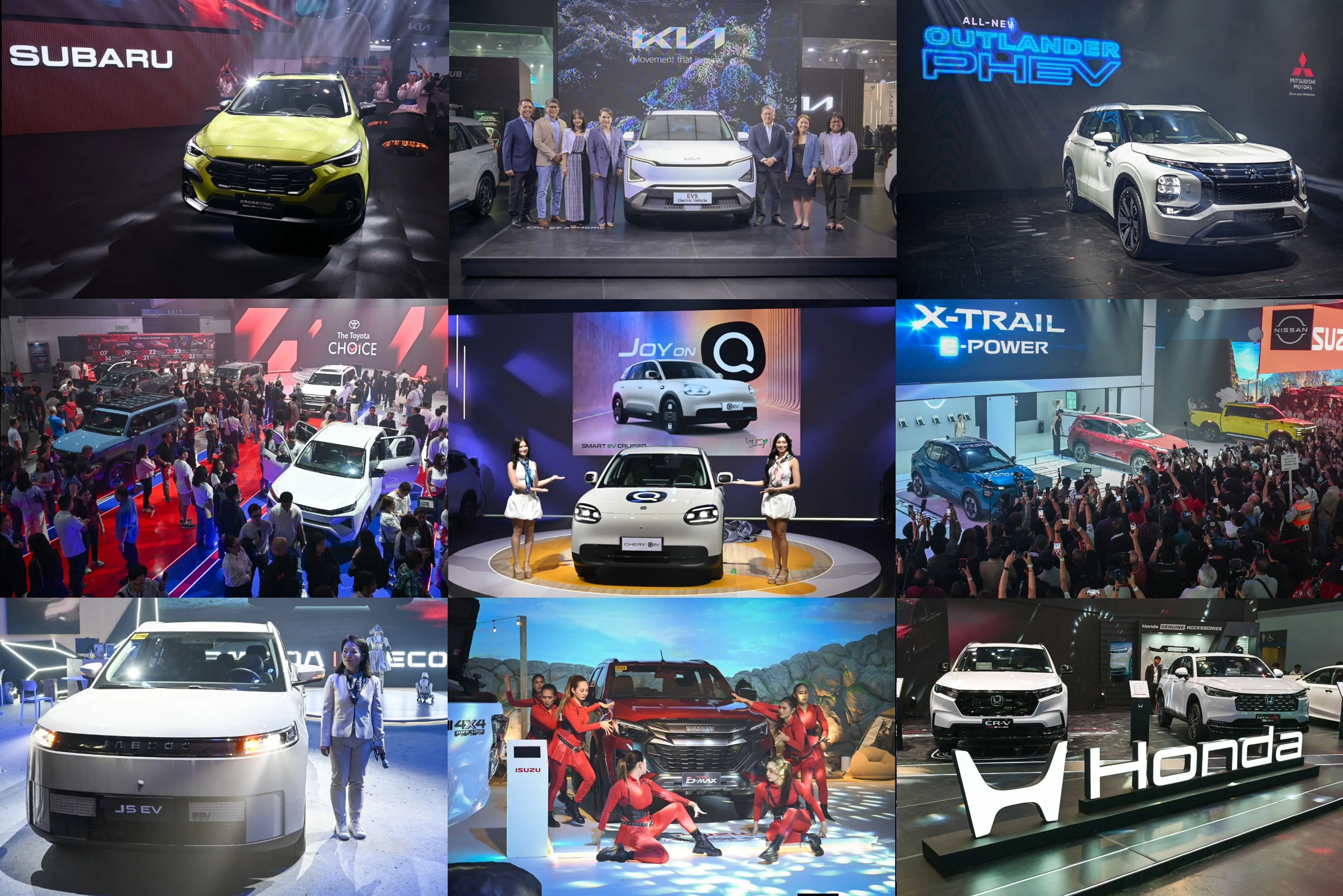
2026 Philippine International Motor Show: Mobility at its most diverse era
2026 Philippine International Motor Show saw 17 participating brands and more than 150 car displays
 Jamil Lacuna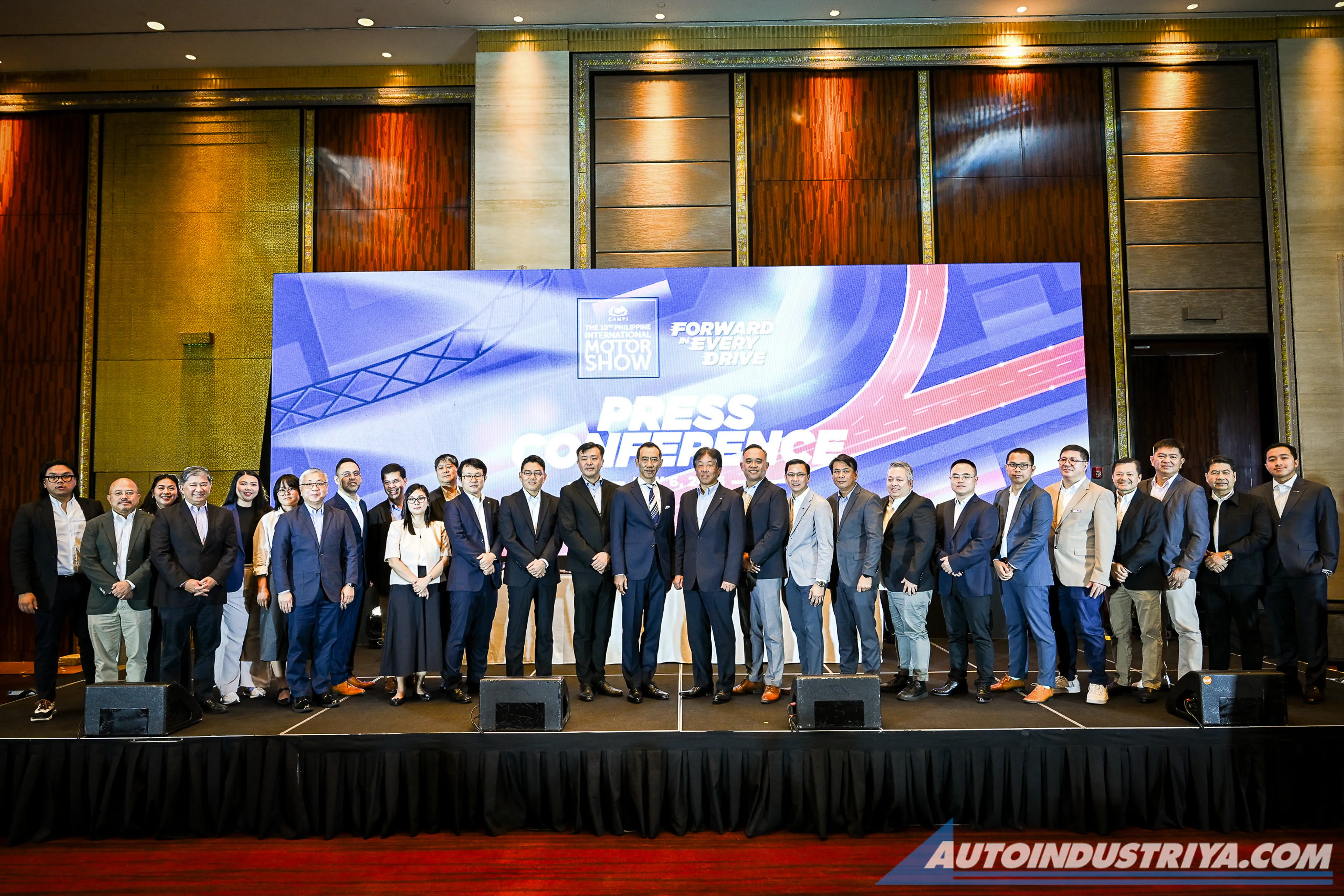
2026 Philippine International Motor Show all set June 4 to 7 with 17 brands participating
A total of 150 cars will be on display at PIMS 2026, with more than 50% expected to be electrified
 Marcus De Guzman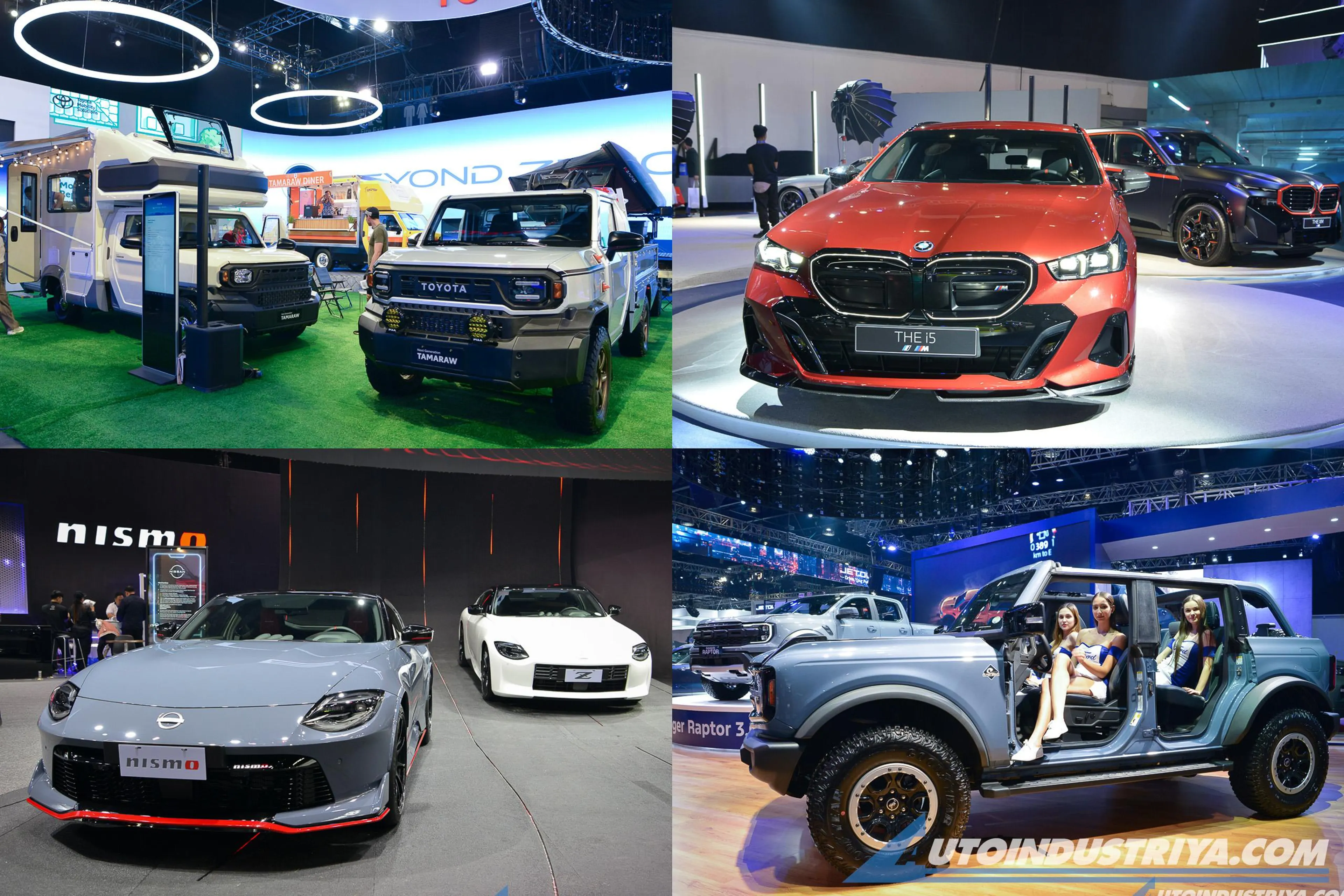
Philippine International Motor Show announced for June 2026
The 10th edition of PIMS will happen at an earlier date next year
Marcus De Guzman
Toyota Choice Ambassadors Ben&Ben to Perform Live at PIMS 2026
Fusing Filipino music with modern mobility, Toyota Choice ambassadors Ben&Ben will treat car show visitors to an exclusive live set on the second day of PIMS 2026.
AutoIndustriya.com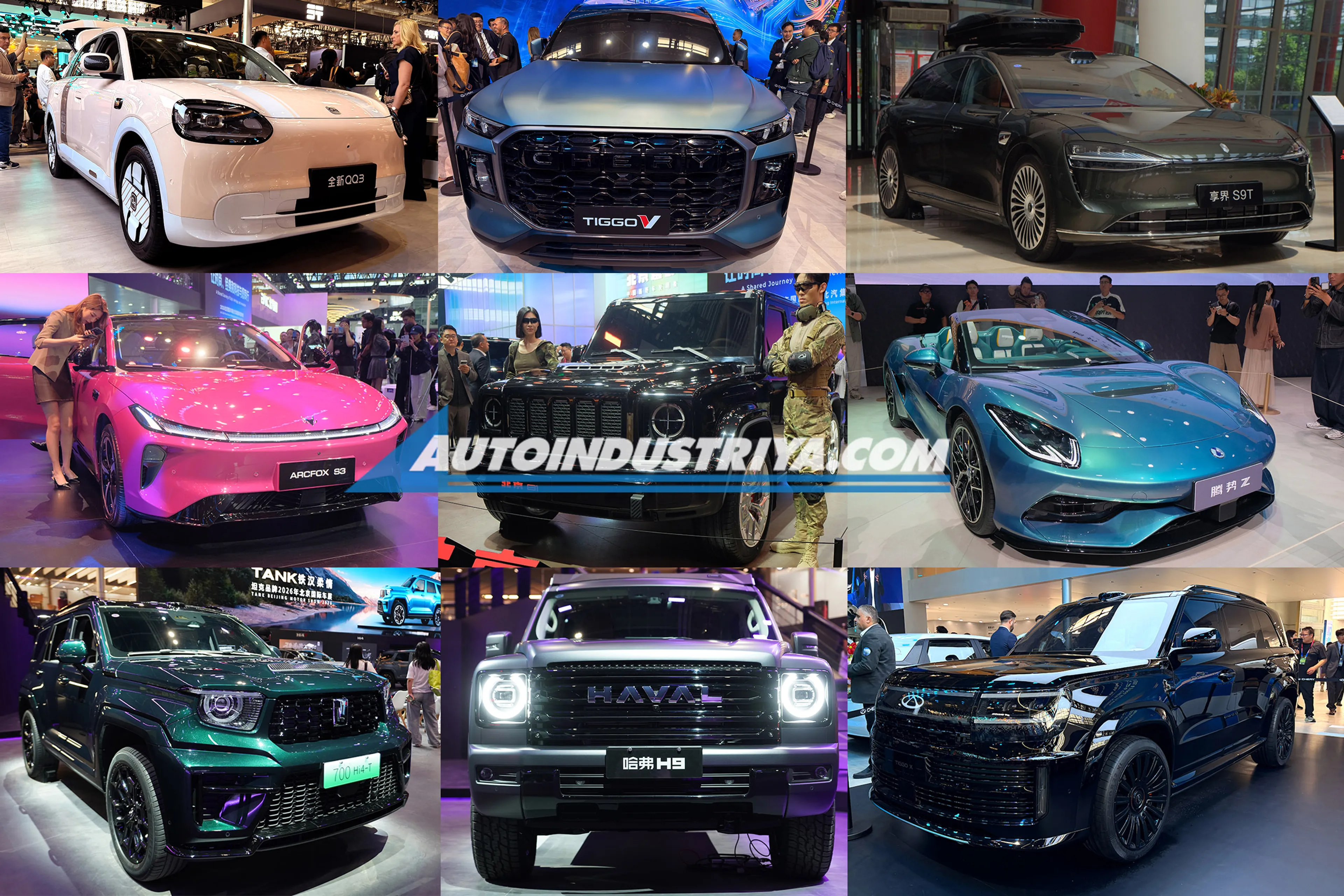
How China’s auto industry is going to win the Philippines (and the world)
A ground-level look at how China can dominate the global auto market (and ours)
 Vince Pornelos