

For decades, Toyota has been trying to perfect the art of electrification through its hybrid technology. But when we’re talking about something that needs a plug, the Japanese auto giant has been taking an extremely measured (read: slow) approach.
Rather than putting all its eggs in the BEV basket, Toyota kept developing HEVs, PHEVs, and even its quest to make hydrogen power viable to not depend so much on China's control on EV battery supplies. While that made sense and kept the company flexible for the needs of the market, the divided approach meant Toyota was slower to establish itself in the pure electric space, as opposed to its dominance in hybrids.
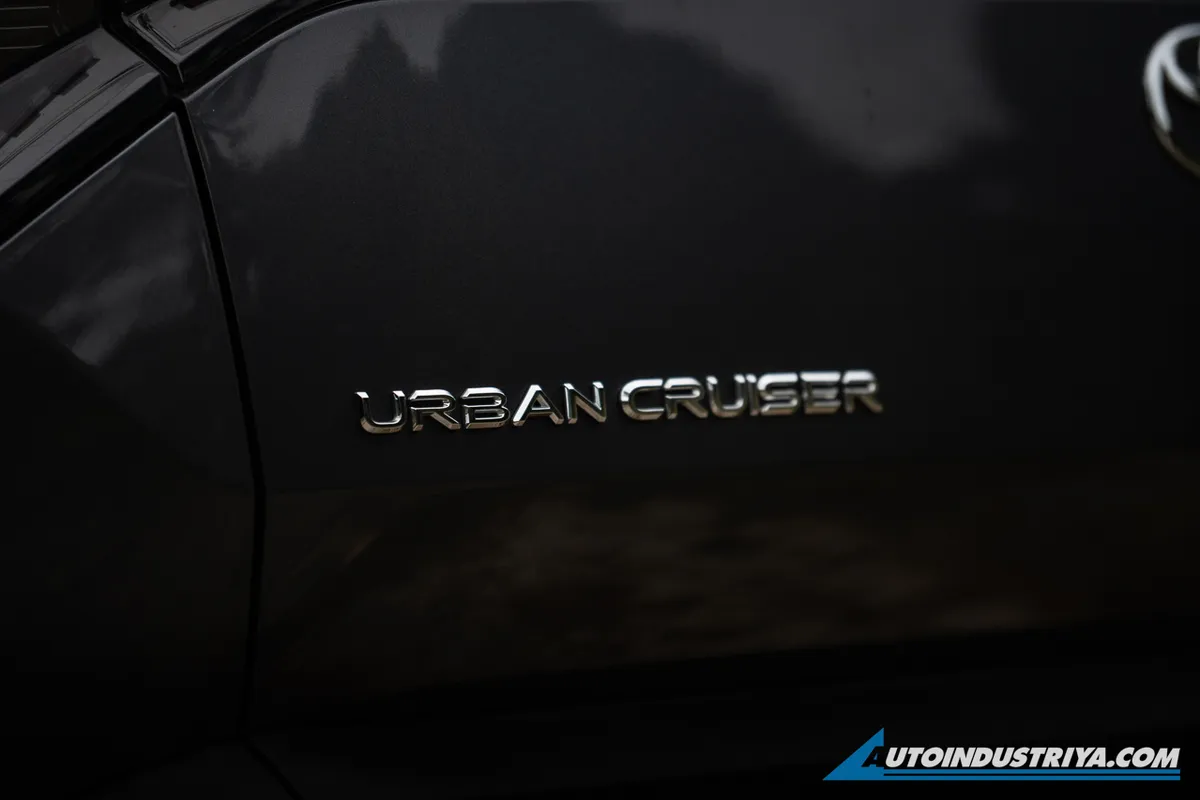
Enter the Urban Cruiser – a small EV that’s meant to fill in that gap. But rather than creating its own EV platform, Toyota leveraged its partnership with Suzuki and put its own badges on the e-Vitara.
Yes, this is a rebadge, but here's the more interesting bit: Toyota has stickered a PHP 2.135 million price tag on this. With that much money, much is expected. Will the Urban Cruiser meet those expectations? And more importantly, will the Toyota experience go beyond the badge?
4 photos
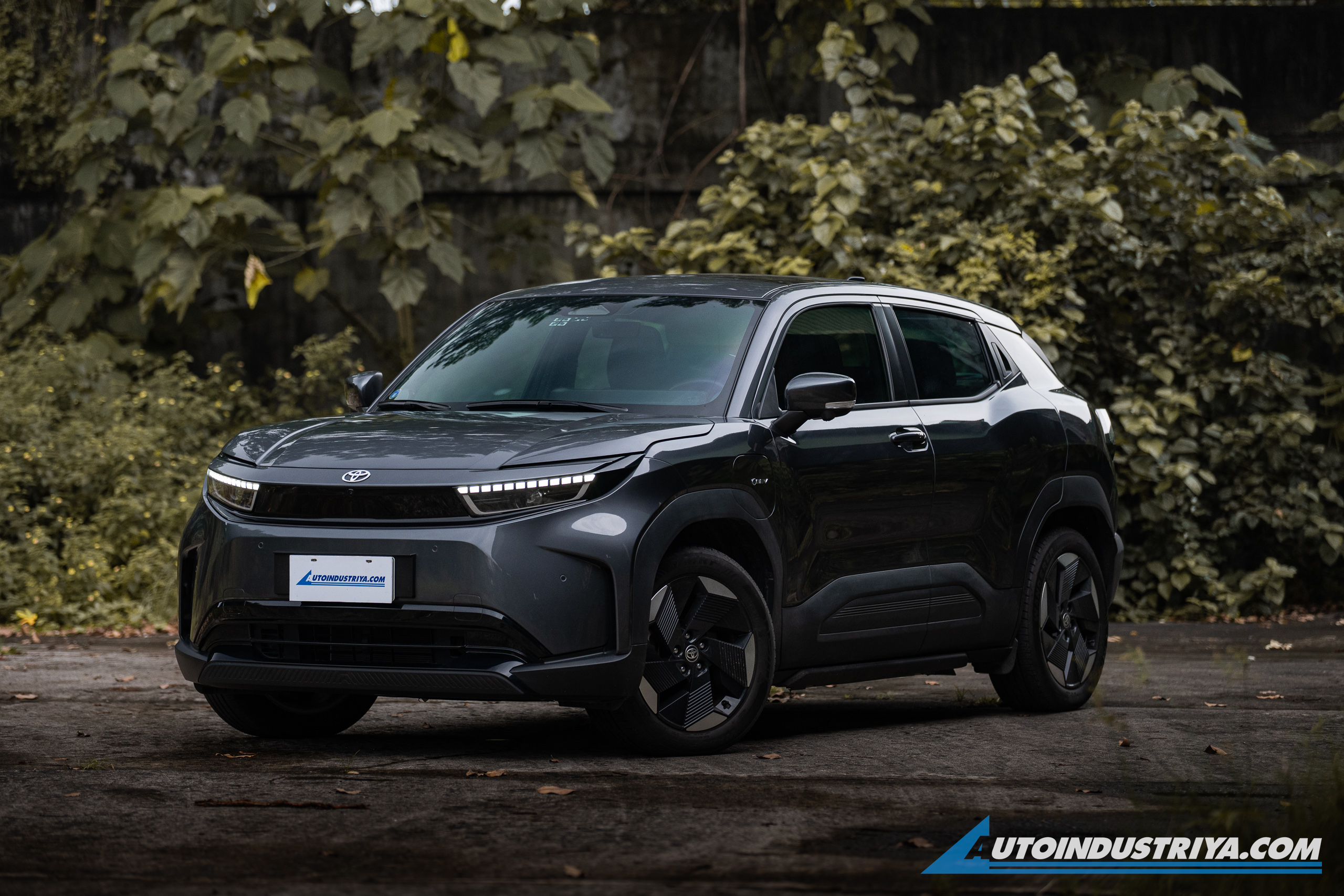
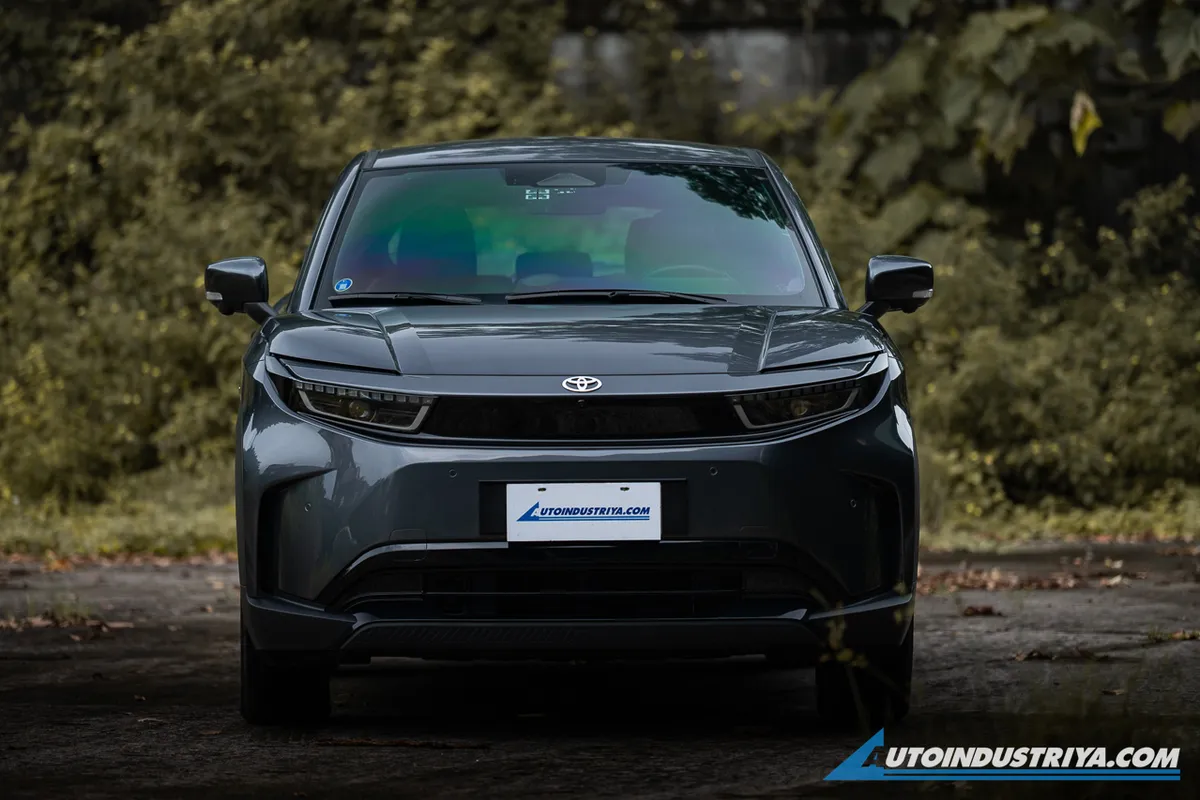
In the looks department, the effort is commendable in making the Urban Cruiser look the part as a descendant of the Toyota family. The front has the hammerhead design that’s similar to the bZ4X, the RAV4, and the Camry, while the side profile and the rear are more or less identical to the e-Vitara, except for the badges.
If the idea here was to make the Urban Cruiser the Raize’s more sophisticated and fully electric sibling, then Toyota has done its job well. However, we did notice that the quality assurance wasn't up to Toyota's normal standards. We say that because the doors don't align perfectly with each other, and the tailgate is a bit out of whack as the center light bar doesn't line up neatly with the taillights by a few millimeters.
3 photos
Inside, Toyota was unable to pull off the trick too. Apart from the T-badge on the steering wheel and the Urban Cruiser graphic on the infotainment screen, the design, the layout, the materials, the feel, and the seating position still reflect its Suzuki character. Even the fonts don't look Toyota.
The interior reminds me of the Suzuki Fronx with its use of contrasting colors, different patterned plastics, and solid fit and finish to elevate the cabin experience. It’s a standard that’s very much acceptable when you’re playing in the field of the Fronx; but when you’re asking north of PHP 2 million, I’m sorry but this just doesn’t cut it Toyota (and Suzuki).
4 photos
It doesn’t help either that the instrument screen, which is mounted with the infotainment touchscreen on a panoramic display, was purposely lowered so the steering wheel won’t obscure the view. Honestly, it’s an issue that could have been solved in pre-production, which makes this product look more half-baked.
That said, the Urban Cruiser’s got its standard features covered – auto climate control, wireless CarPlay and Android Auto, JBL sound system, and wireless charging to offer, along with a sunroof. However, operating the infotainment touchscreen again exposes this vehicle’s shortcomings – it’s slow to respond even when scrolling through the basic menus, and the quality of the 360 camera leaves much to be desired.
3 photos
Space is pretty much what you would expect out of a 4.2-meter long car. The headroom will feel limited because of the high seating position and the low roof, but it should be fine both front and rear for adults under 6 feet tall. The cargo area also looks more limited, as the low roof and the rather high loading height mean you may have to think twice about loading tall items inside.
2 photos
The Urban Cruiser has a single electric motor setup that powers the front wheels, producing 174 PS and 193 Nm of torque. Along with a 61 kWh battery, Toyota claims the Urban Cruiser could reach 475 km on a single charge.
In the days I was driving the Urban Cruiser around Metro Manila, I averaged around 7 km per kWh, which is somewhat close to the expected energy consumption of the vehicle. In some brief expressway drives, I was even reaching 8 km per kWh at one point, but nothing greater than that.
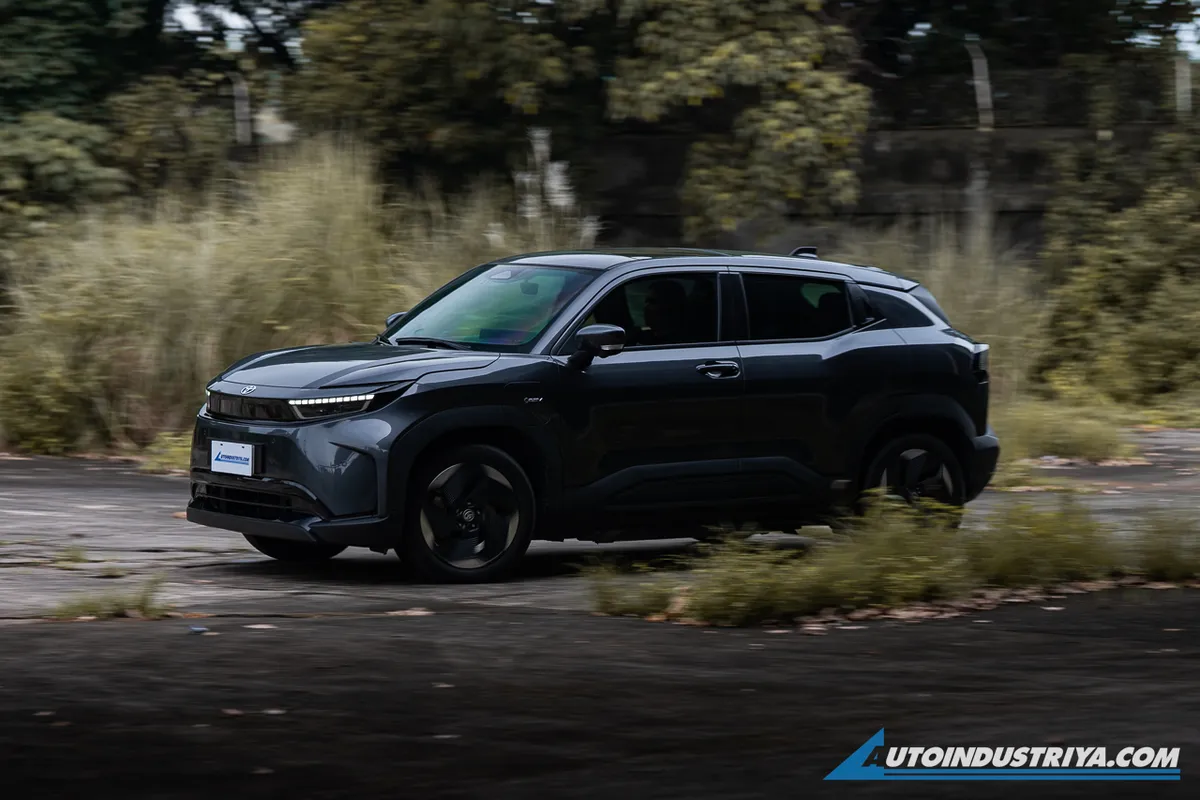
As the name suggests, the Urban Cruiser feels much at home in the urban setting. The high driving position gives great forward visibility, and the tight turning radius combined with the small size makes it very maneuverable through tight parking spaces and city streets. The 180 mm ground clearance also gave me no problems worrying about scraping the underside while driving around town, and the instant response of the electric motor gives it zippy acceleration from a standstill.
But in terms of driving feel, the Urban Cruiser still has that Suzuki character. It’s not bad in its own right. It can deal with potholes and soak up road imperfections, but the rear suspension tends to bottom out quickly when you try to go over humps with a little more enthusiasm. Just to add, the car wasn’t even loaded with passengers then. For an EV that costs more than PHP 2 million, you’re simply left wanting more control and more refinement out of the experience.
Overall, the Toyota Urban Cruiser is an average take in making the switch to EV uncomplicated. You have the backing of the country’s leading brand when it comes to aftersales first and foremost, the size makes it easy to live with in the city, and operating most of its features is kept simple.
I believe simplicity (bordering on mediocrity) should not cost north of PHP 2 million. And that should never be the case while Chinese BEVs offer a better experience, better range, better features, more space, and all for less money. The T-badge is powerful, but much more is needed to objectively sway BEV buyers to the Urban Cruiser’s way. But if you're a loyal Toyota buyer looking for a BEV, then this may be the way to go for you.
Related Posts
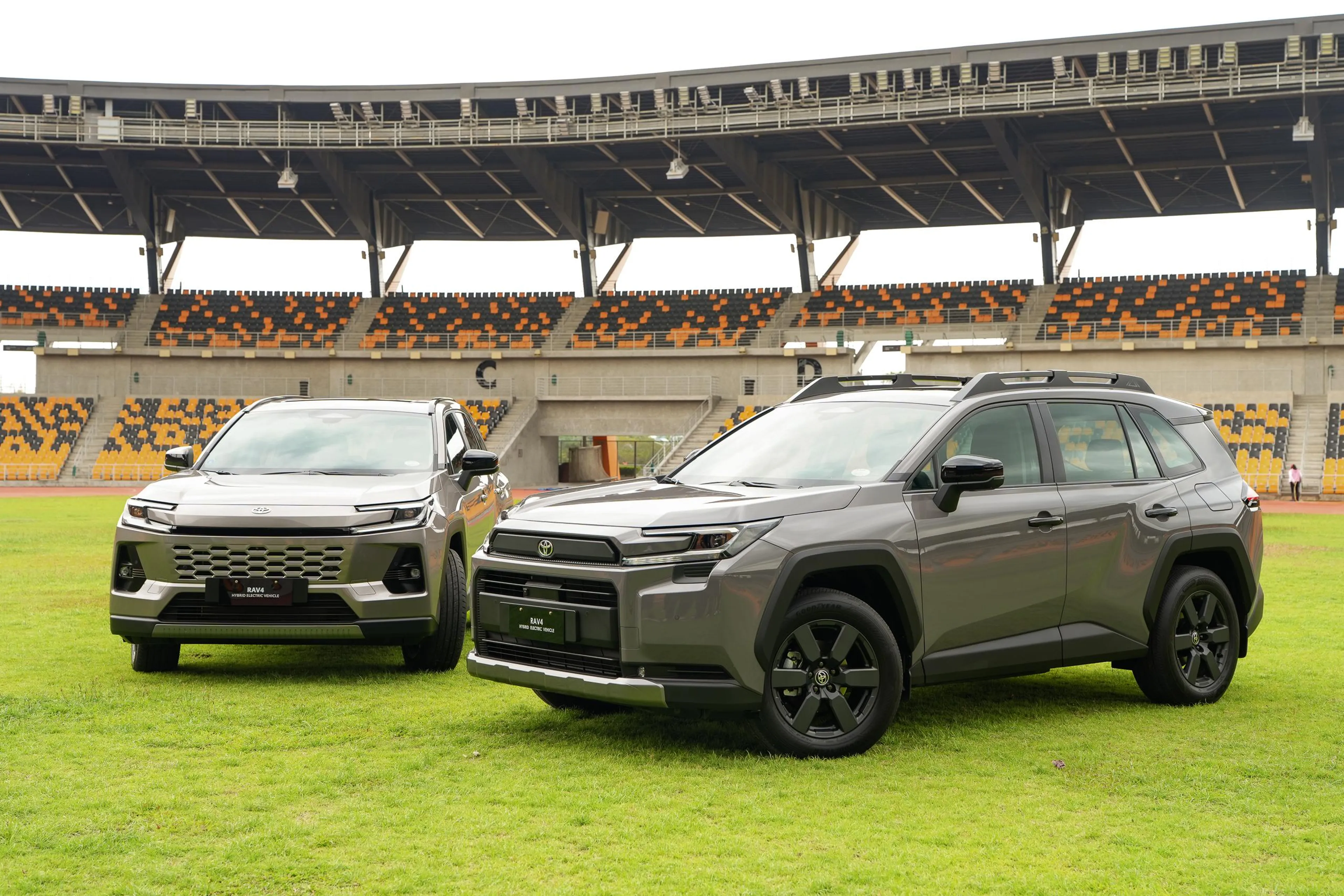
Check out RAV4 HEV, test drive Toyota's BEVs ’til March 29 at Alabang Town Center
Learn more about Toyota’s electrified lineup and get to test drive them from March 25 to March 29
 AutoIndustriya.com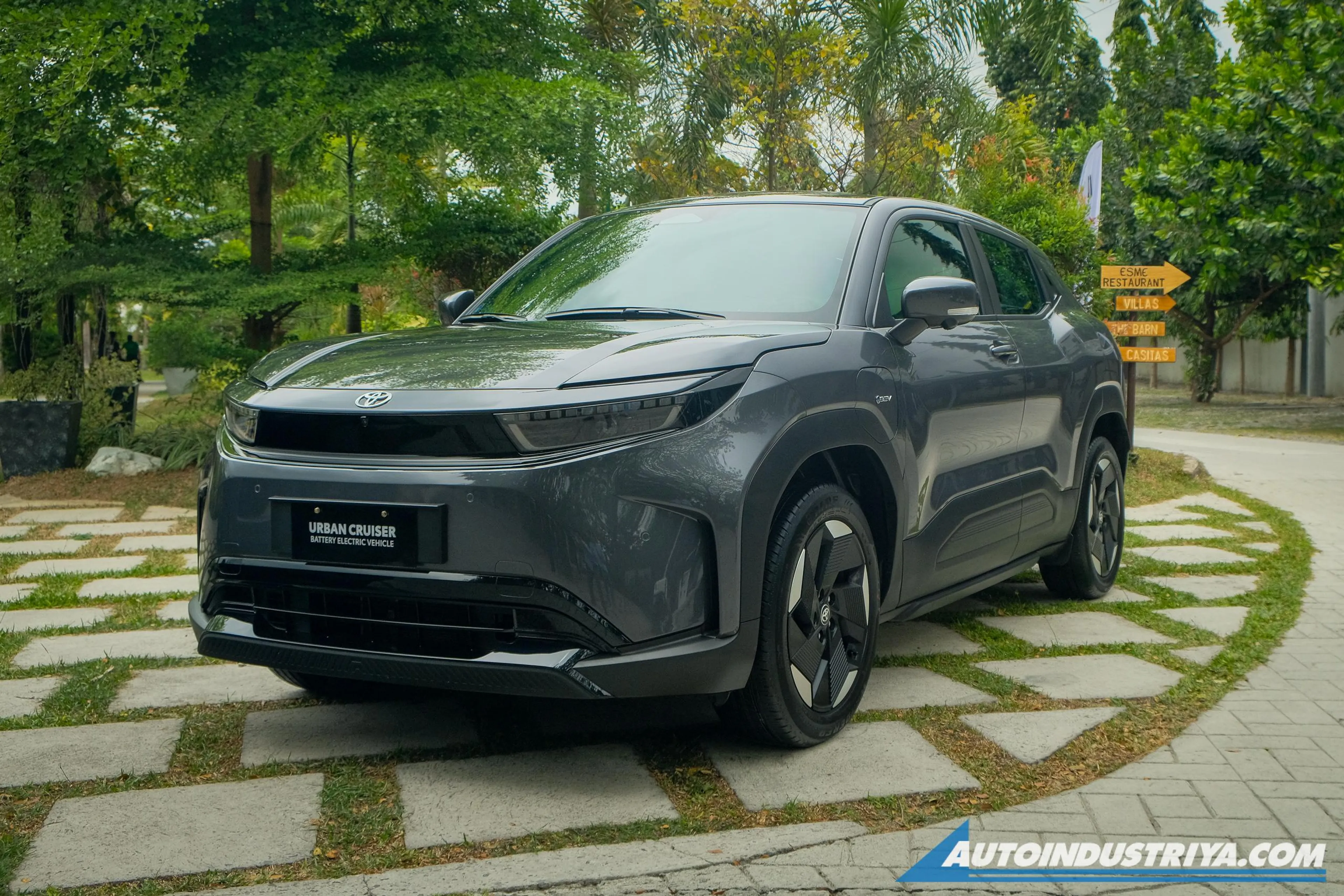
Here are Toyota PH dealerships where you can buy, recharge Urban Cruiser EV
Every purchase of a Toyota Urban Cruiser EV includes two charging systems
 Marcus De Guzman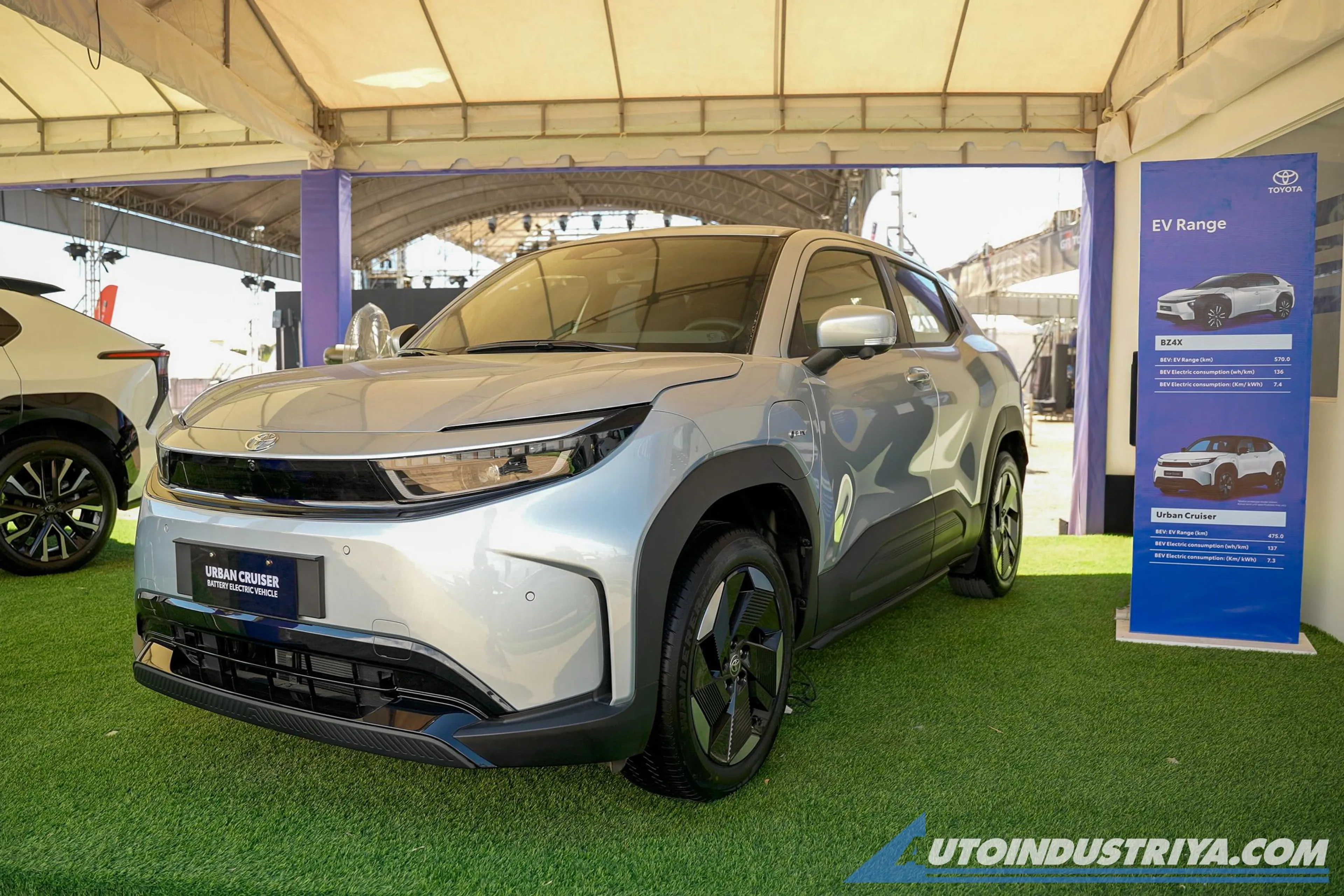
Toyota PH starts retail sales of 2026 Urban Cruiser EV
Toyota Motor Philippines officially commences retail sales of 2026 Urban Cruiser EV
 Jamil Lacuna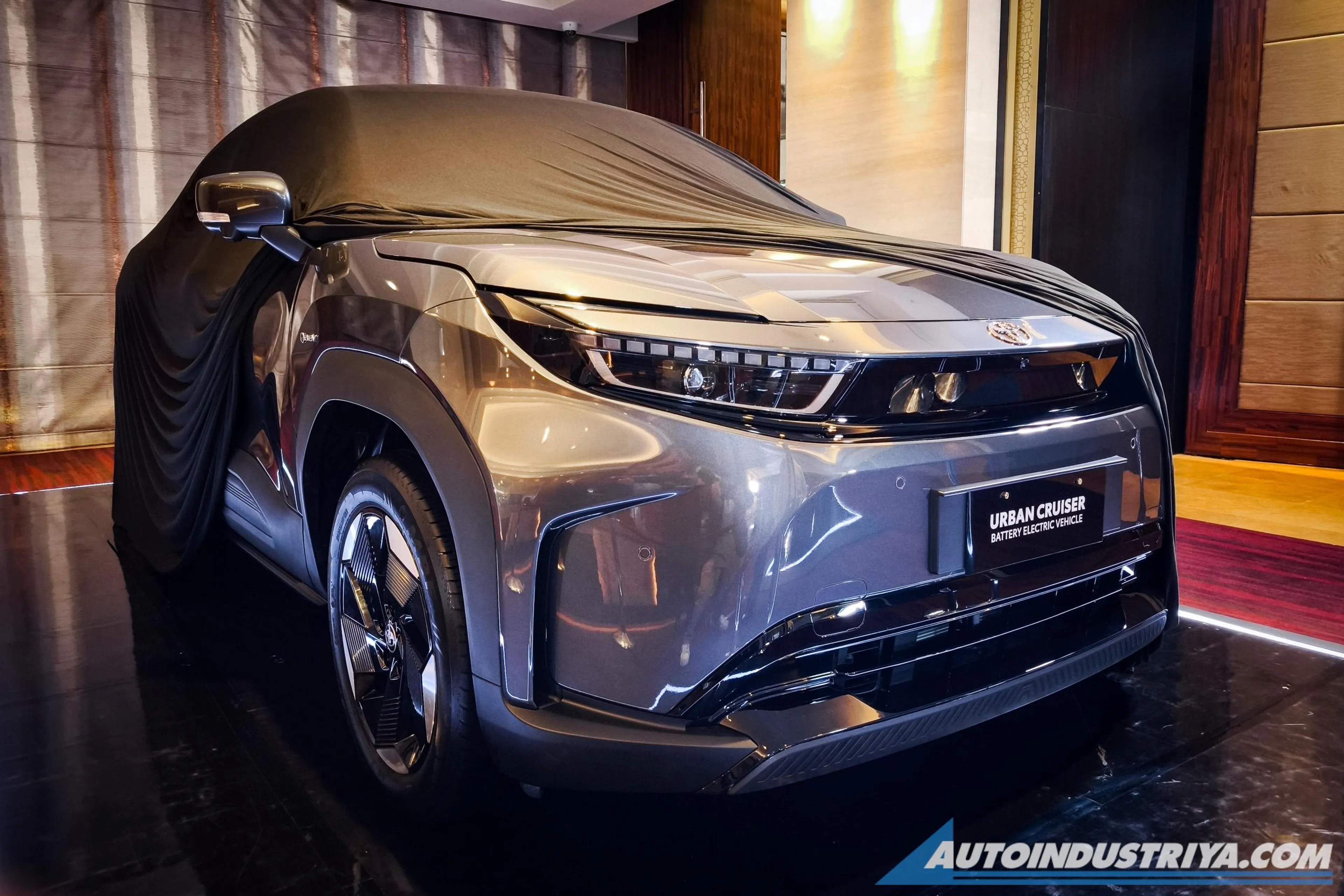
2026 Toyota Urban Cruiser EV launches in PH next month
Toyota's first foray into the mini EV market is coming very soon
Marcus De Guzman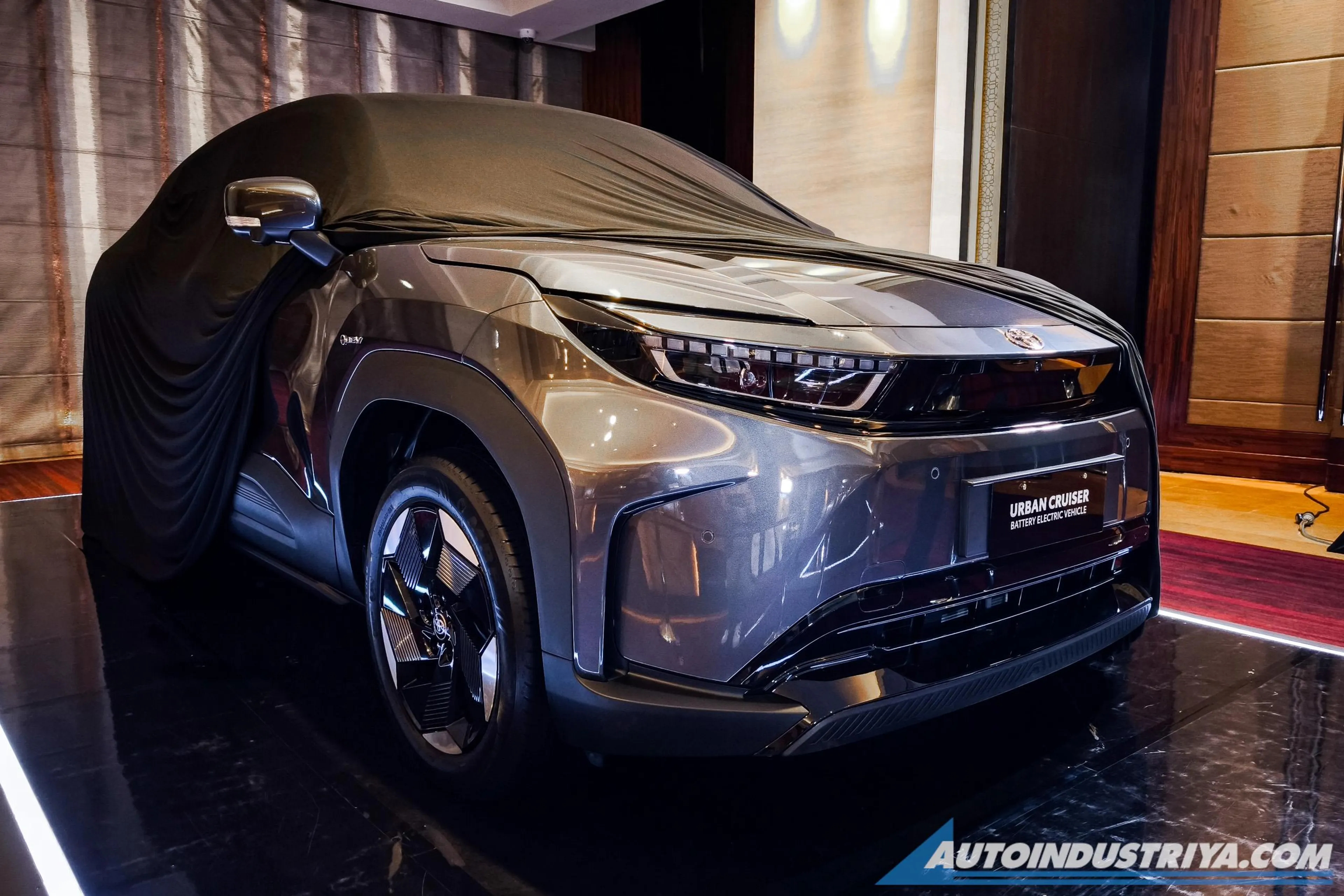
LOOK: Toyota Urban Cruiser EV already in PH
After the bZ4X, Toyota PH's latest EV will be the Suzuki-based Urban Cruiser
Marcus De Guzman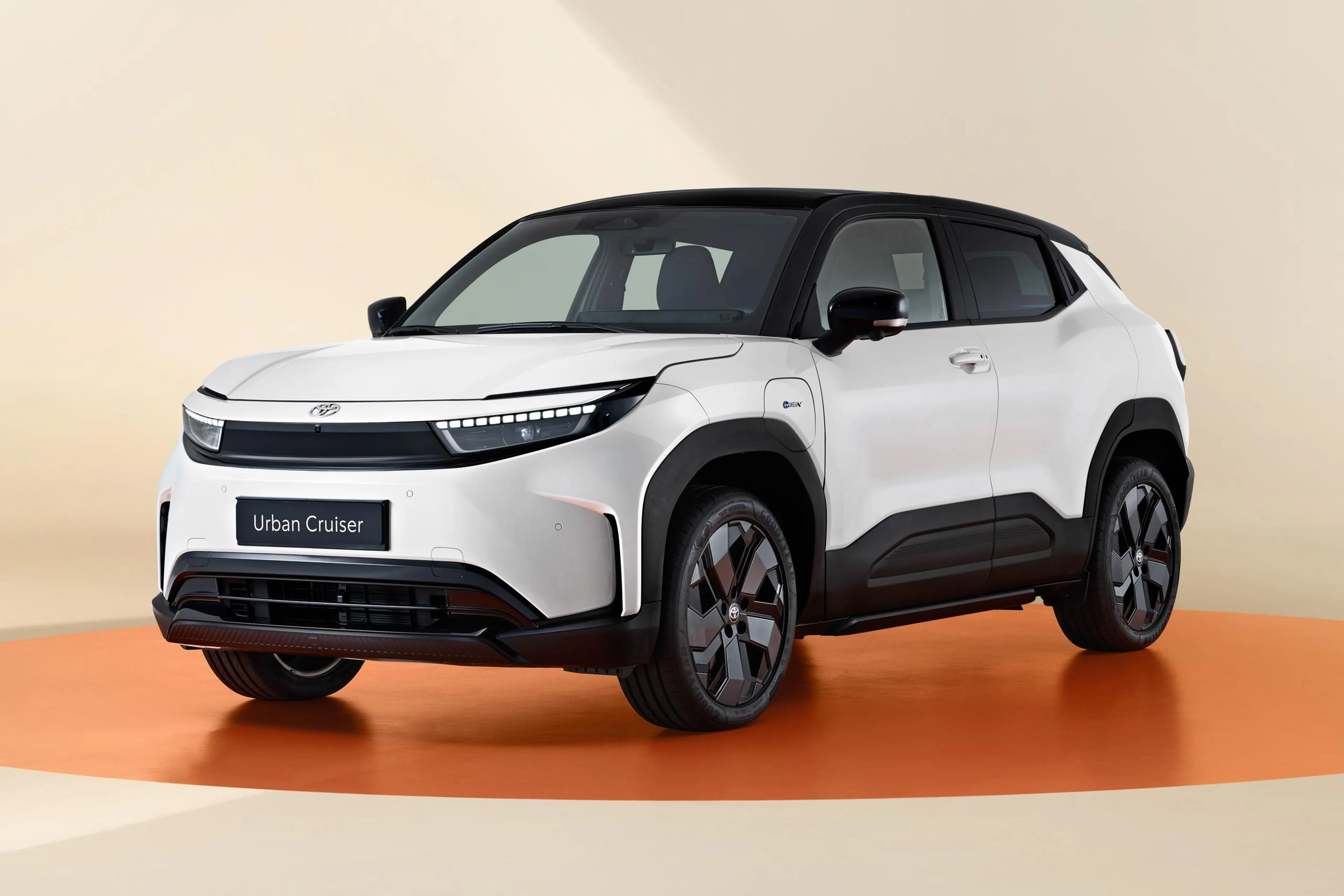
2025 Urban Cruiser: Suzuki eVitara with the Toyota badge
Toyota holds world premiere of all-new Urban Cruiser EV
Jamil Lacuna