
2026 Mazda CX-60 3.3L Skyactiv-G AWD (with AutoExe Suspension)
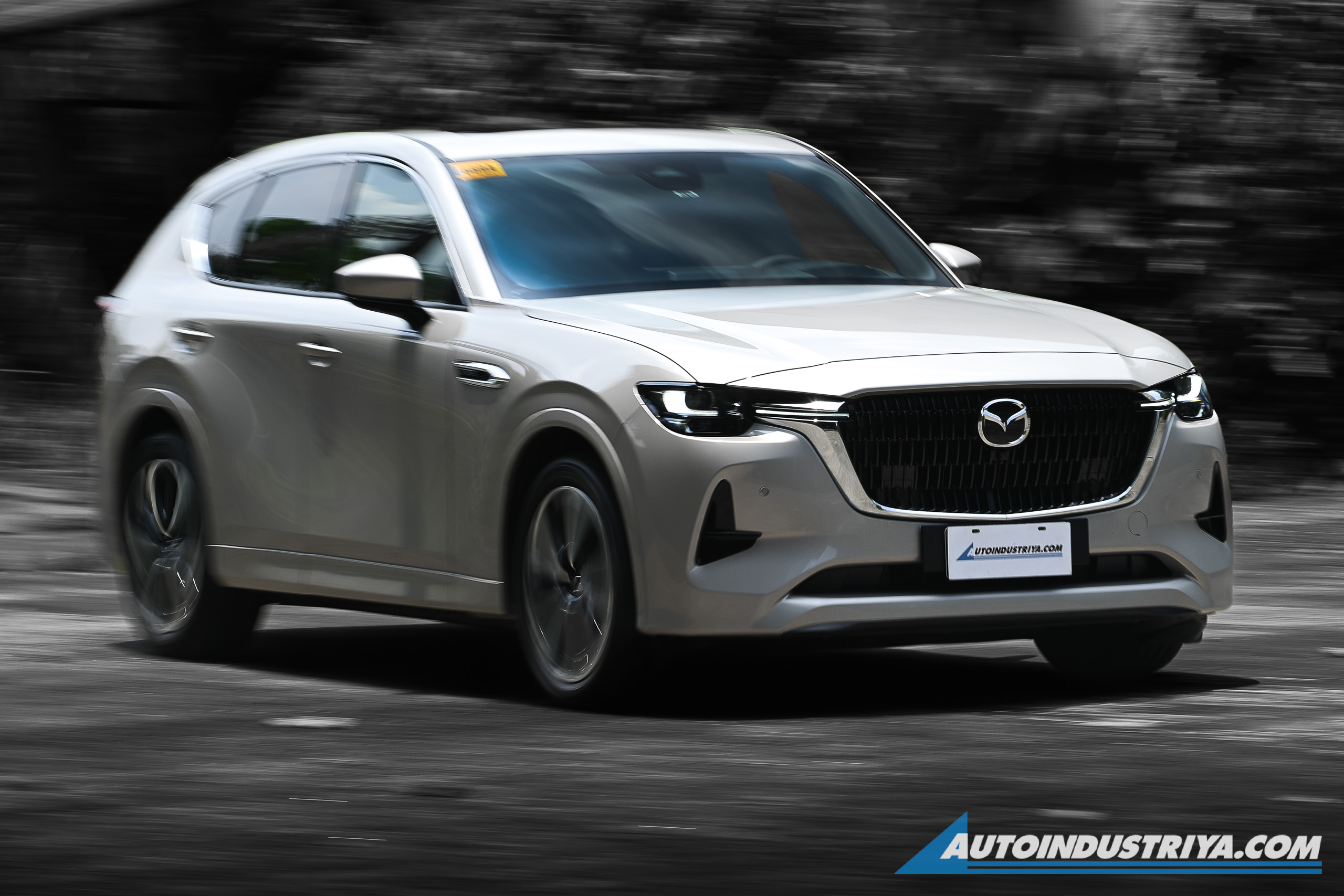
2026 Mazda CX-60 3.3L Skyactiv-G AWD (with AutoExe Suspension)
Small tweak, better experience

A few days ago, my phone got another software update.
At first glance, nothing felt different – icons in the same place, design unchanged, and everything looks familiar. But as I spent more time with it, I began to notice the little improvements. Animations are smoother, the apps respond quicker, and the overall experience feels more polished.
If you wonder why I’m talking about my smartphone in a car review, that’s because it’s essentially the approach that Mazda took to the updated CX-60.
Mazda admittedly said the CX-60 wasn’t fully baked when it first arrived in 2023, and so it had a few rough edges. While the premium cabin, the choice of putting a six-cylinder turbo in front, and the rear-wheel-drive based platform caught people’s attention, the calibration of the drivetrain and suspension were also the subject of much criticism.
I was given the keys to the diesel version of the updated CX-60 late last year, and the improvements were clearly felt behind the wheel when I drove it on an overnight trip to Baguio. This time out, Mazda has given me a longer time to experience the gas version of the CX-60 with an added bonus – the unit is fitted with the AutoExe Street Sports Suspension.
8 photos
If there’s one thing Mazda has consistently gotten right, it’s designing cars that age gracefully. Just look at the ND MX-5. It’s been in the market for more than a decade, but it remains one of the most eye-catching sports cars today.
I have to say the same applies to the CX-60. Mazda left it as it was from three years ago – the signature wing grille, the lights, the wheels, the subtle lines, the cab-rearward proportion, even the wheels. But this updated model does not look dated despite the lack of visual changes.
4 photos
Likewise, the cabin was kept unchanged for the 2026 model year version. It did not really need much fixing after all, as the CX-60’s interior gives the most upmarket feel in its segment with the choice of soft-touch materials, the legit Nappa leather, and the way everything fits together. The beige and black theme looked elegant on the diesel, but the monotone black on this gas version, while more restrained, would be easier to keep clean in the long run.
I have to admit the commander knob to control the infotainment takes some time to get used to, as muscle memory with touchscreens points my fingers usually to the display. But once I got used to it, I can tell why Mazda fans raised pitchforks when the new CX-5 opted for bigger touchscreens in place of this, because clearly it’s less distracting to use.
4 photos
Space is not a problem either, as the CX-60’s size gives proper real estate inside for 5 passengers. Cargo space is still 90 cm long and 110 cm wide with all seats up, while folding the second row expands cargo length to 152 cm.
Mazda’s 3.3-liter, inline-six turbo engines allow you to choose between two distinct characteristics for the CX-60. If you want that full upmarket SUV experience complete with the clatter and the lumpy low-rpm torque, the diesel is the one to get. But if you want a sports car soundtrack combined with buttery smooth power delivery, this gas version is the way to go.
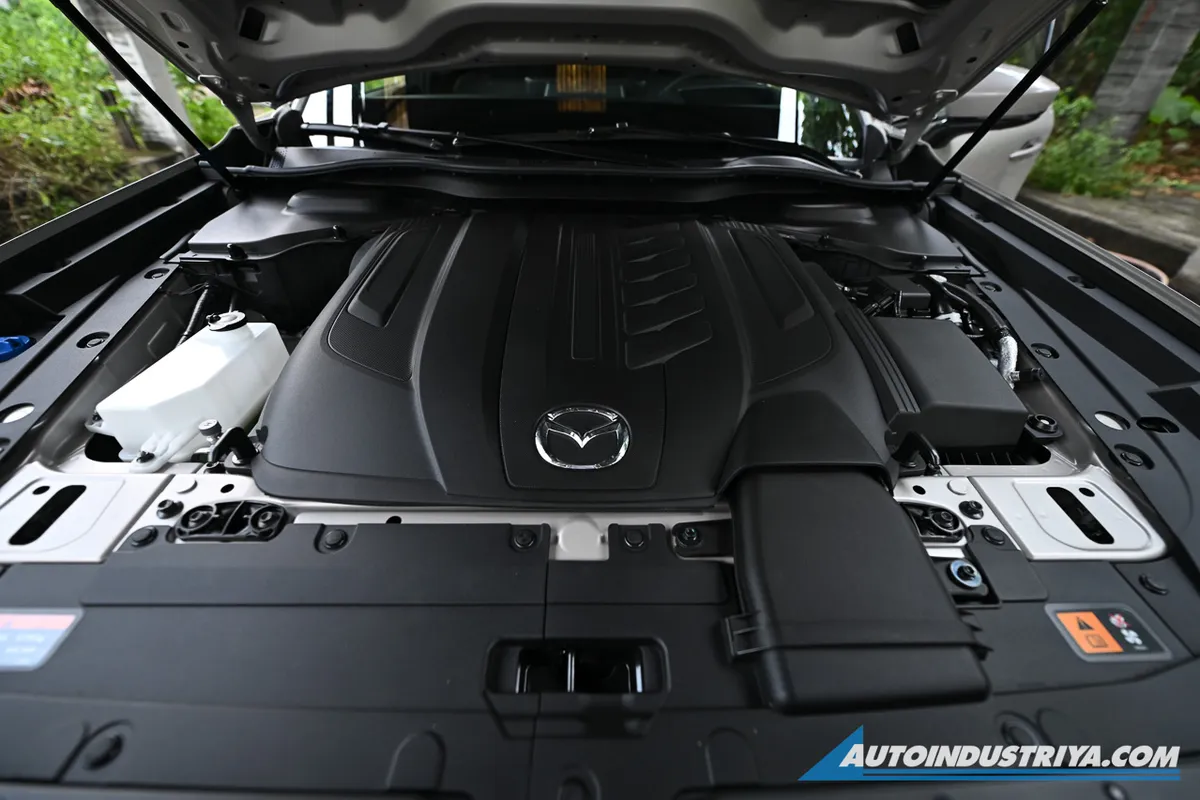
Of course, it’s not without compromises. I found the diesel to be the more fuel efficient one, as I averaged over 18 km/l on a long drive – the gas version only achieved 14.2 km/l, which drops to 7.8 km/l in the city. It’s a given as Mazda’s Turbo HEV here is more mild hybrid than full hybrid. The drivetrain update also feels much smoother here compared to the diesel, but that’s probably because it manages less torque at the lower RPM ranges.
Now, on to the main change – the ride characteristics. The early CX-60s I drove three years ago had a firm ride over small bumps, which translated to a choppy ride at low speeds. It was always trying to react to every imperfection on the road. As you go over bigger dips and expressway expansion joints, the springs and shocks tend to be overwhelmed by the weight of the body. Thus, the suspension oscillations become bigger (the rear even does a double bounce sometimes) and the ride becomes floaty.
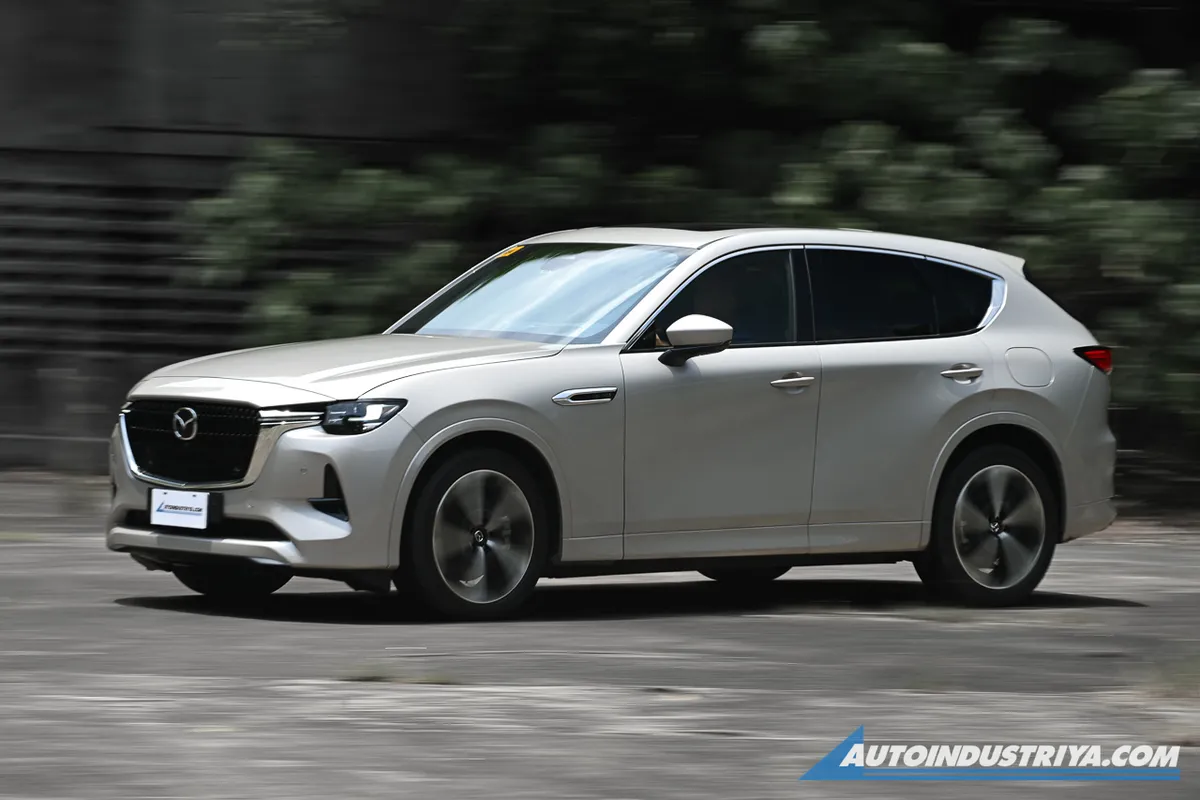
With the AutoExe Suspension Kit installed on the new CX-60, it just offers a more balanced ride overall as the low-speed and high-speed oscillations of the body are much smaller. Body control is much more stable at higher speeds, while the new springs and shocks combination soak up smaller bumps better. Instead of bobbing around after every bump, the CX-60 regains its composure quickly, making it feel more refined and worthy of its premium aspirations, all while retaining its confidence in tackling corners at speed.
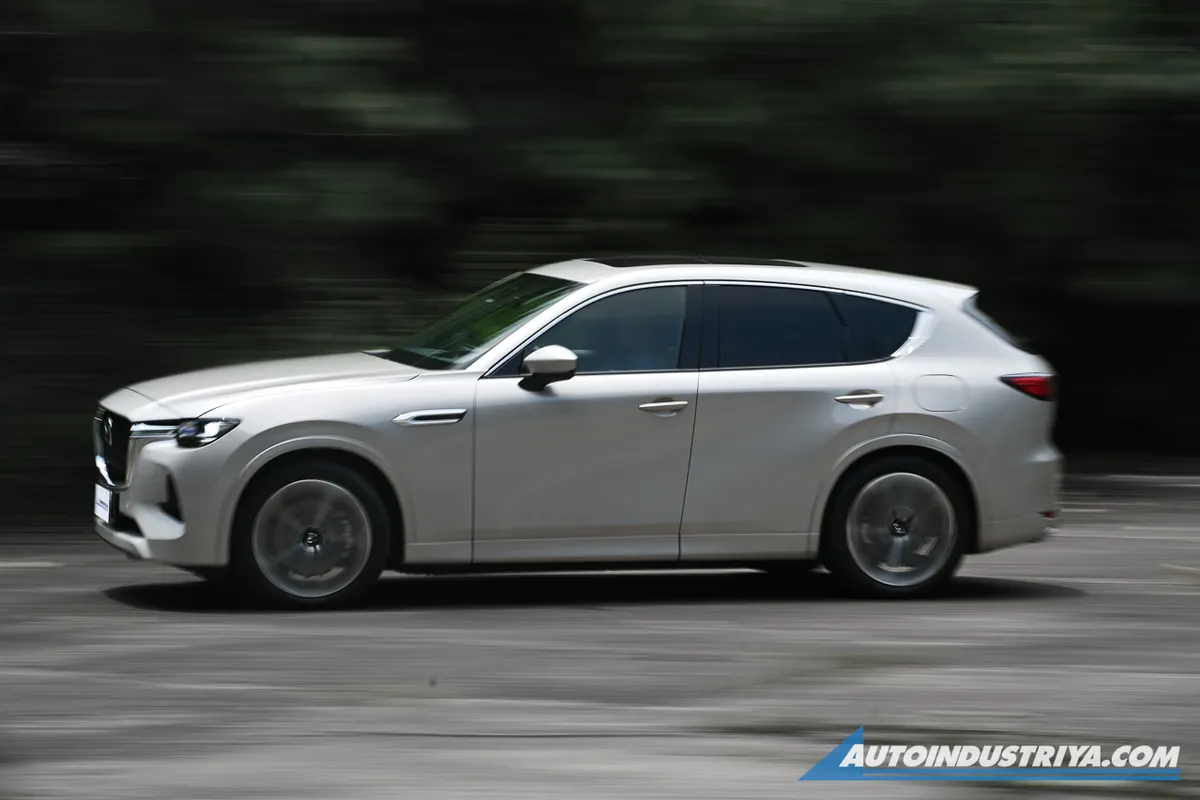
Think of it as the difference between walking on a paved road with a pair of sneakers versus a good pair of running shoes. The surface is the same, but the latter simply filters out the harshness far better. The update already smoothened out the rough edges of the CX-60, but the AutoExe Suspension Kit is like that finer grit of sandpaper you use in the final polishing process to achieve a better finish.
That said, the AutoExe Suspension Kit adds another PHP 153,625 on top of the PHP 2,890,000 price tag of the Mazda CX-60 Skyactiv-G. Whether or not the upgrade is worth it depends on who’s behind the wheel, or who’s paying for it.
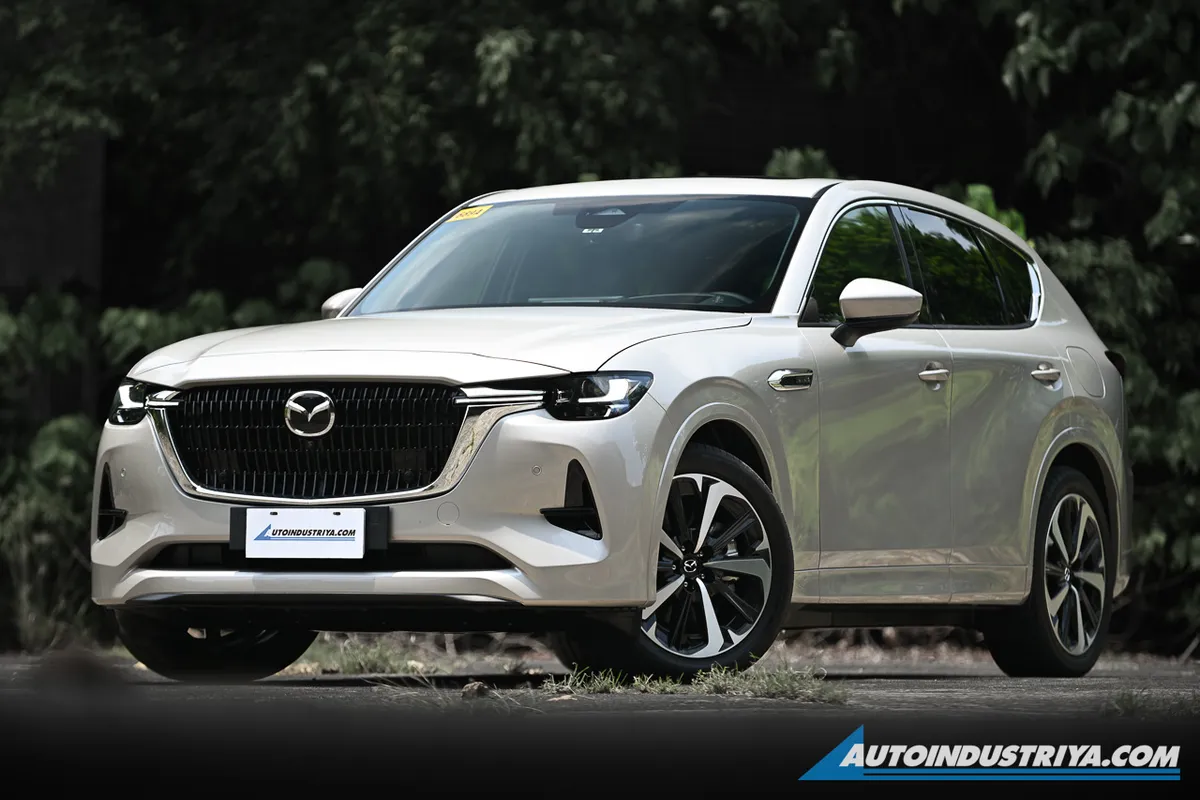
Most buyers will likely be already satisfied with the revised factory setup of the updated CX-60, but for enthusiast owners, the added composure and precision the AutoExe Suspension brings should make the added premium much easier to justify.
In the same way, the CX-60 may not appear to be an ideal choice against feature-rich Chinese vehicles that offer more equipment or better electrification at lower prices, especially for buyers who prioritize those factors. But for those who value the way a car steers, rides, and communicates with its driver, the CX-60 delivers an attractive proposition that numbers alone can’t fully explain.
Related Posts
Mazda PH reveals upgraded & refined 2026 CX-60
2026 Mazda CX-60 gets improved road manners, a smoother transmission, and better NVH
 Marcus De Guzman
Mazda to take the CX-60 rallying in Hokkaido
Mazda wants its cars to be better and has tasked the CX-60 to gather real-world rally data
Marcus De Guzman
Is Mazda PH bringing the CX-60, CX-90 PHEVs?
It looks like the Mazda CX-60 and CX-90 PHEVs are finally arriving in the country
Marcus De Guzman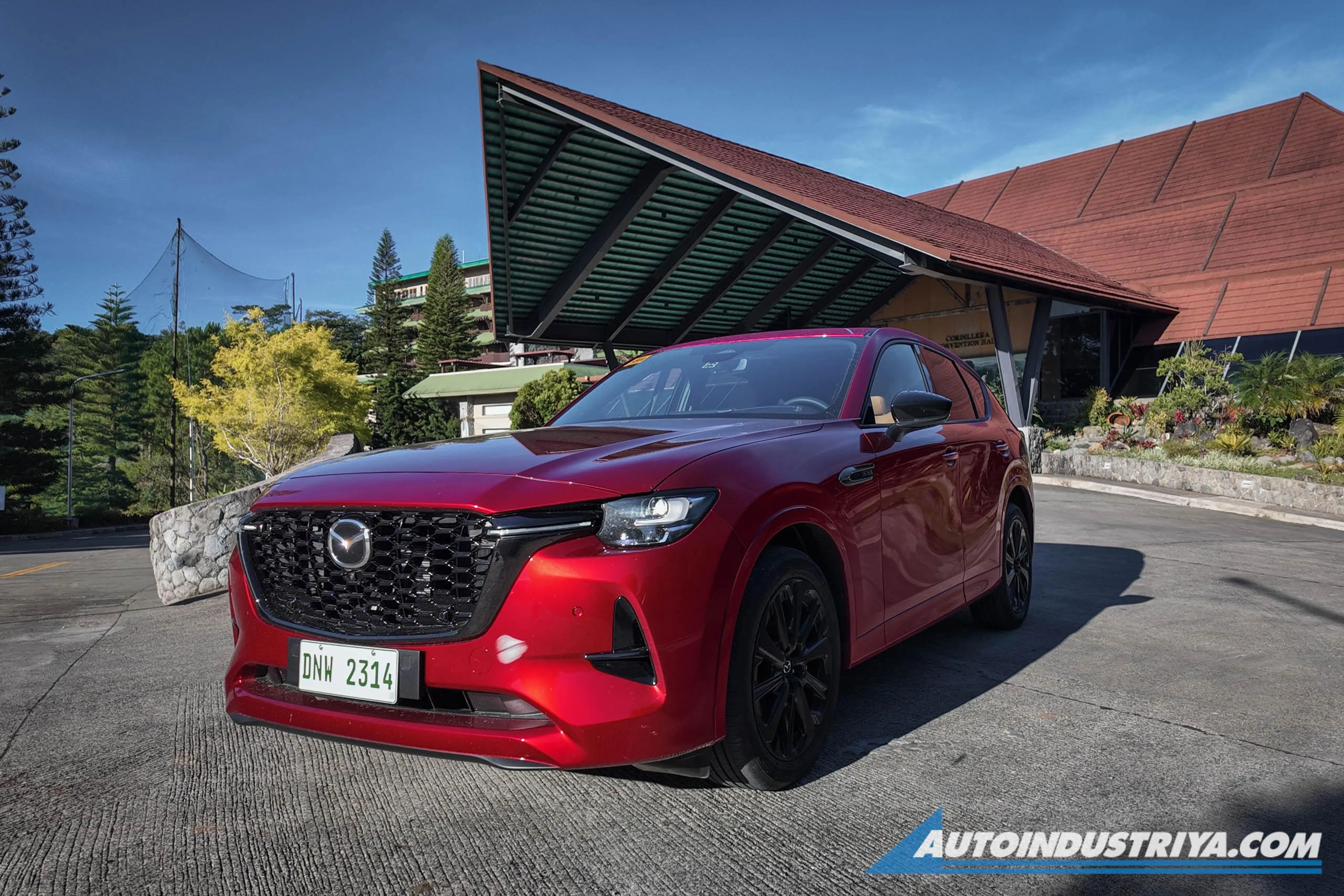
2026 Mazda CX-60 First Drive: When small changes make big differences
Mazda says they've changed the CX-60 but it looks the same. It turns out, the updates aren't skin deep
 Jamil Lacuna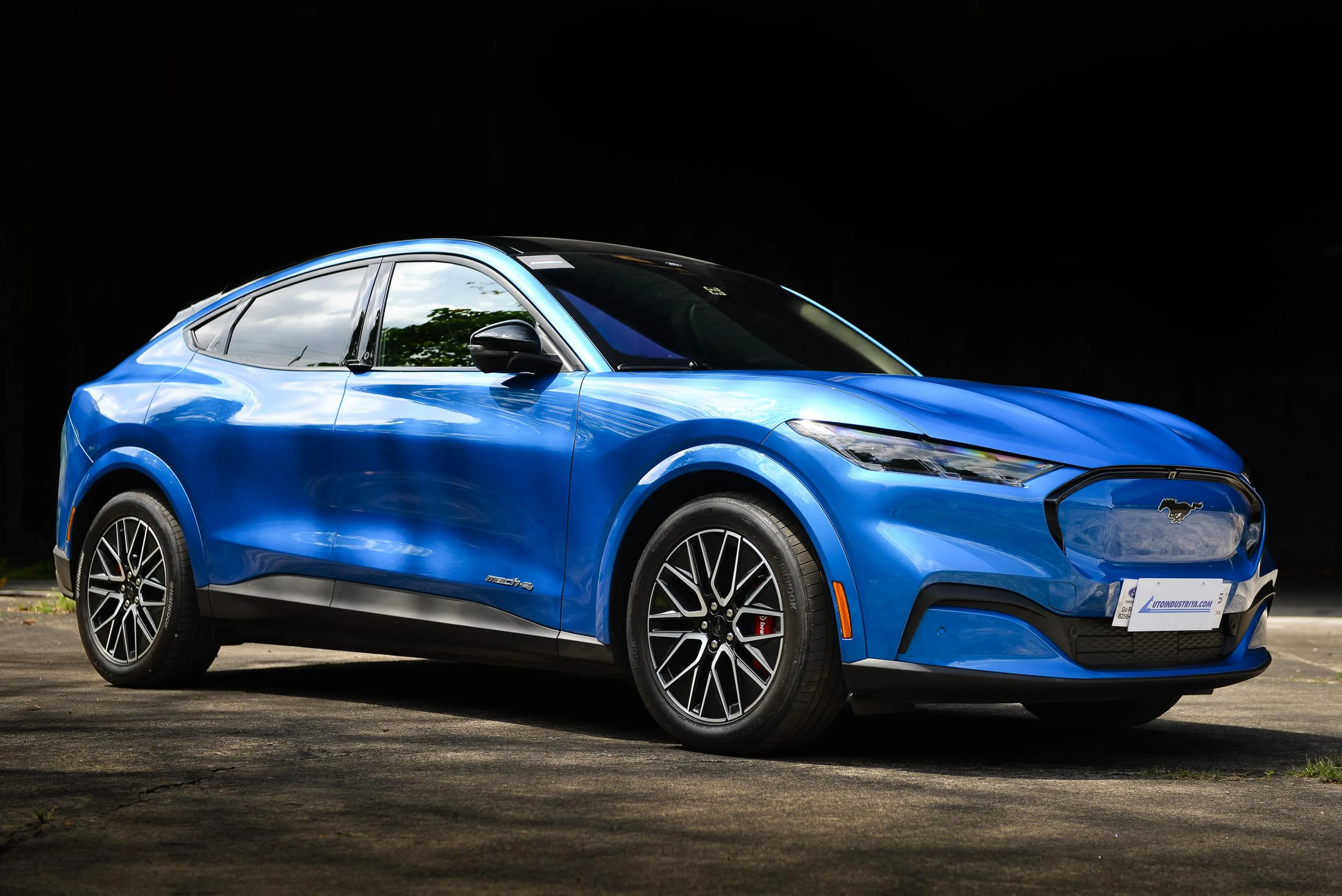
2026 Ford Mustang Mach-E Premium AWD BEV
Ford took a while to launch the Mach-E. Was the wait worth it for this Mustang-branded BEV?
 Vince Pornelos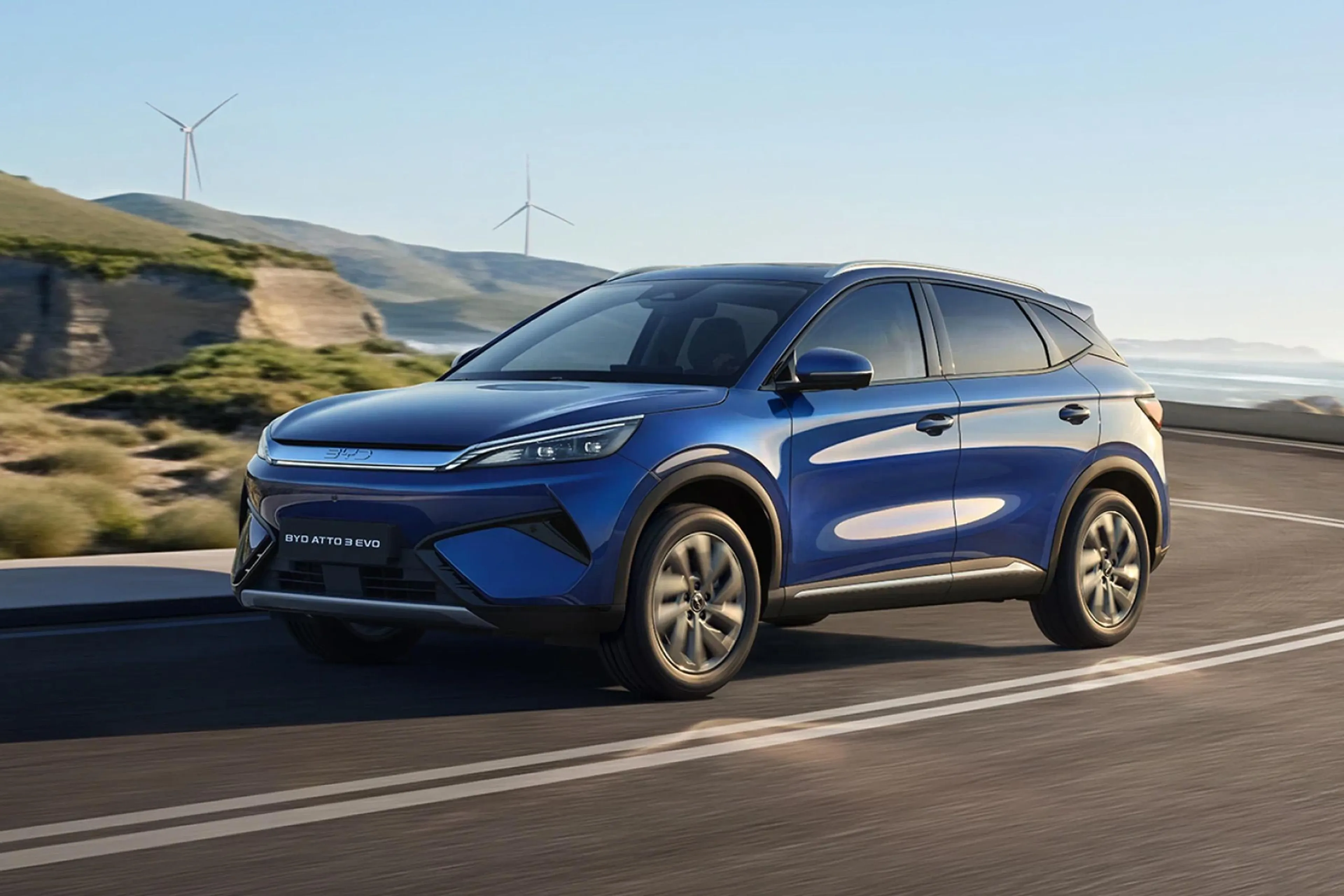
BYD updates Atto 3 with AWD, 800V system, and more power
BYD Atto 3 update changes to rear-wheel-drive with more power, more range, and faster charging
Jamil Lacuna