
WATCH: Bugatti’s 1,800 PS Tourbillon takes on Spain’s scorching hot conditions
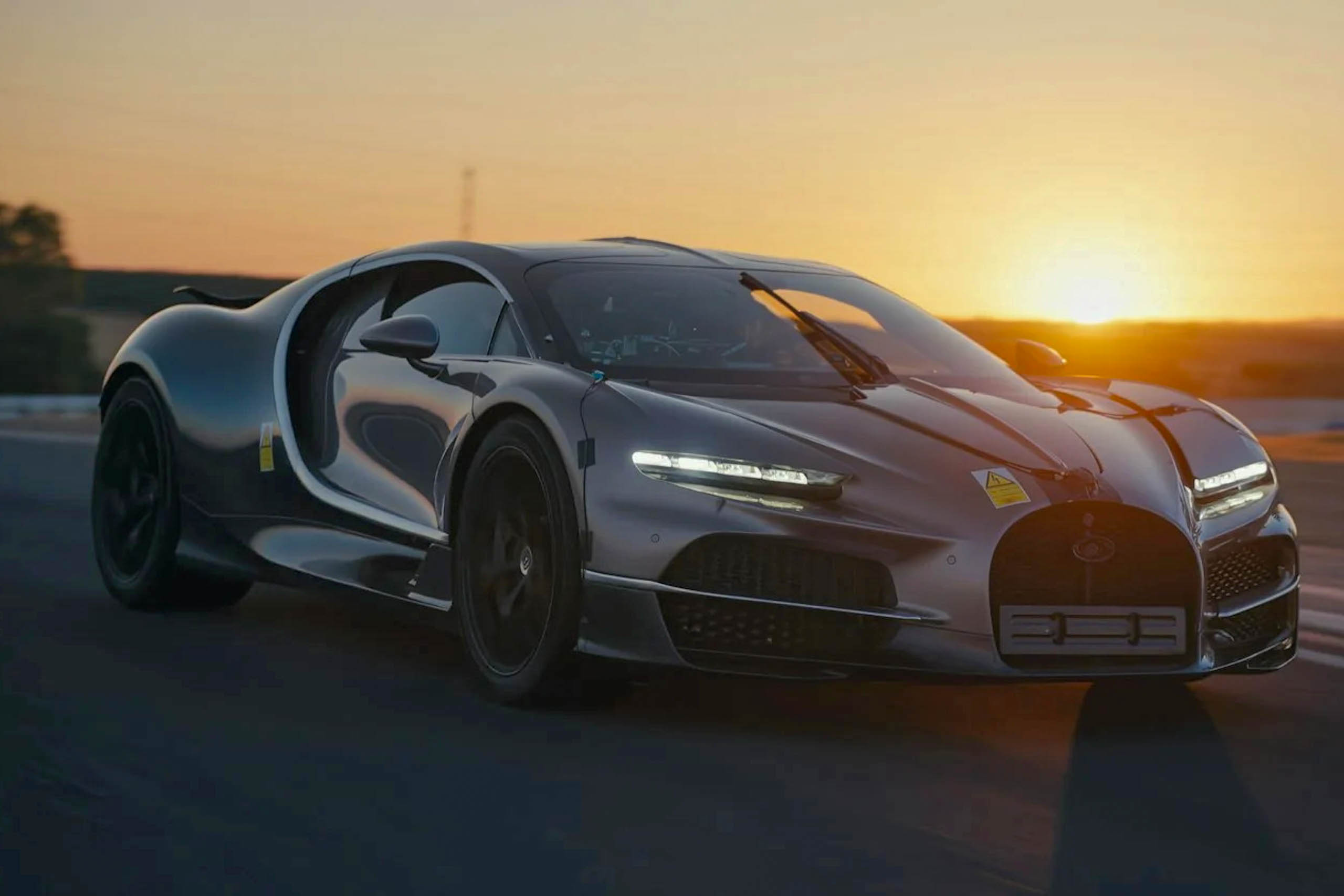
WATCH: Bugatti’s 1,800 PS Tourbillon takes on Spain’s scorching hot conditions
The V16 hybrid hypercar battles soaring temperatures and punishing track sessions as Bugatti enters its final stages of development

Like any production car, even hypercars such as the upcoming Bugatti Tourbillon go through rigorous real-world testing in extreme temperatures before they’re ready for the road.
Packed with cutting-edge technology, the Bugatti Tourbillon is a rolling showcase of automotive excess. But before customers can get behind the wheel of the 1,800-horsepower hypercar, it must prove it can withstand some of the harshest conditions on the planet.
As part of its A New Era documentary series, Bugatti takes viewers to Seville, southern Spain, where engineers are putting the Tourbillon through its paces in temperatures exceeding 104°F (40°C). The goal is to ensure the brand’s next flagship can handle everything from hot-weather road driving to the intense demands of repeated track sessions.
There is plenty at stake. Unlike its W16-powered predecessors, the Tourbillon introduces an all-new naturally aspirated 8.3-liter V16 engine paired with three electric motors and an 800-volt battery pack. Together, the hybrid powertrain produces a staggering 1,800 PS, making thermal management a critical part of the development process.
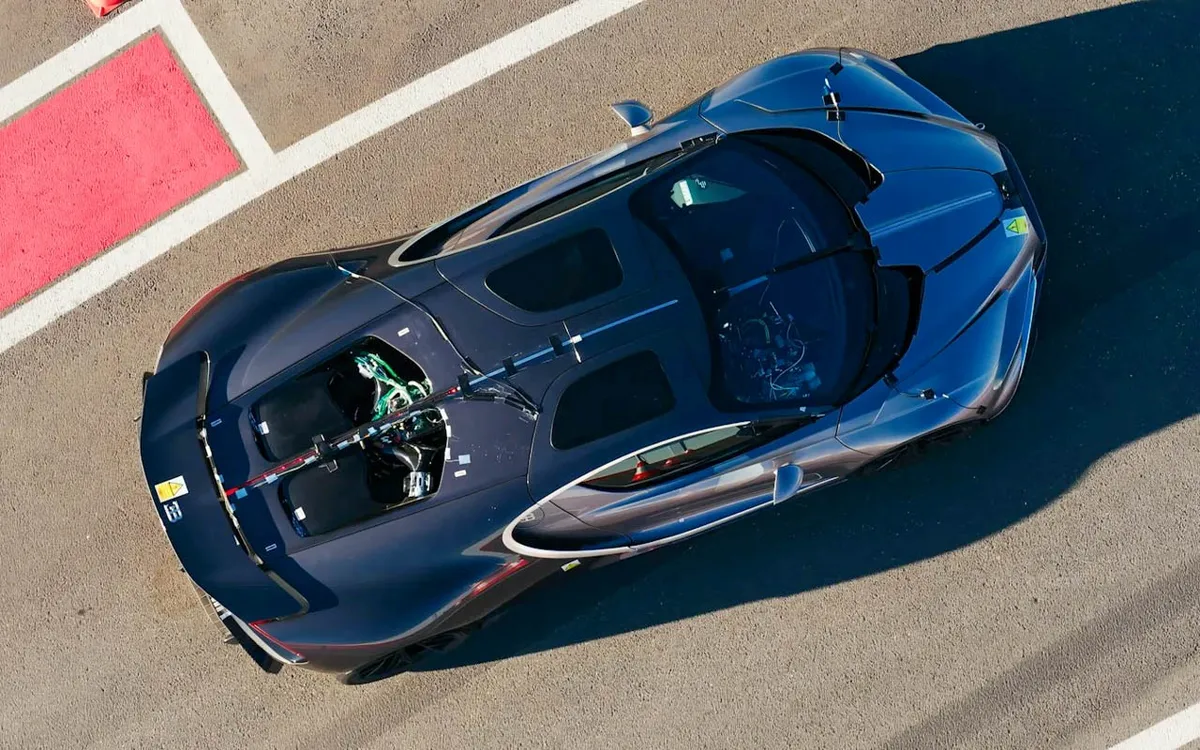
With so much power being generated, keeping temperatures under control is no small feat. Two electric motors drive the front wheels, while the third works alongside the V16 engine at the rear. Under sustained hard driving, the engine, electric motors, battery, brakes, and other components all generate heat that must be carefully managed.
To keep tabs on everything, Bugatti has equipped its prototypes with more than 200 thermocouples. These sensors allow engineers to monitor temperatures throughout the vehicle in real time, helping them identify potential trouble spots and fine-tune the cooling systems before production begins.
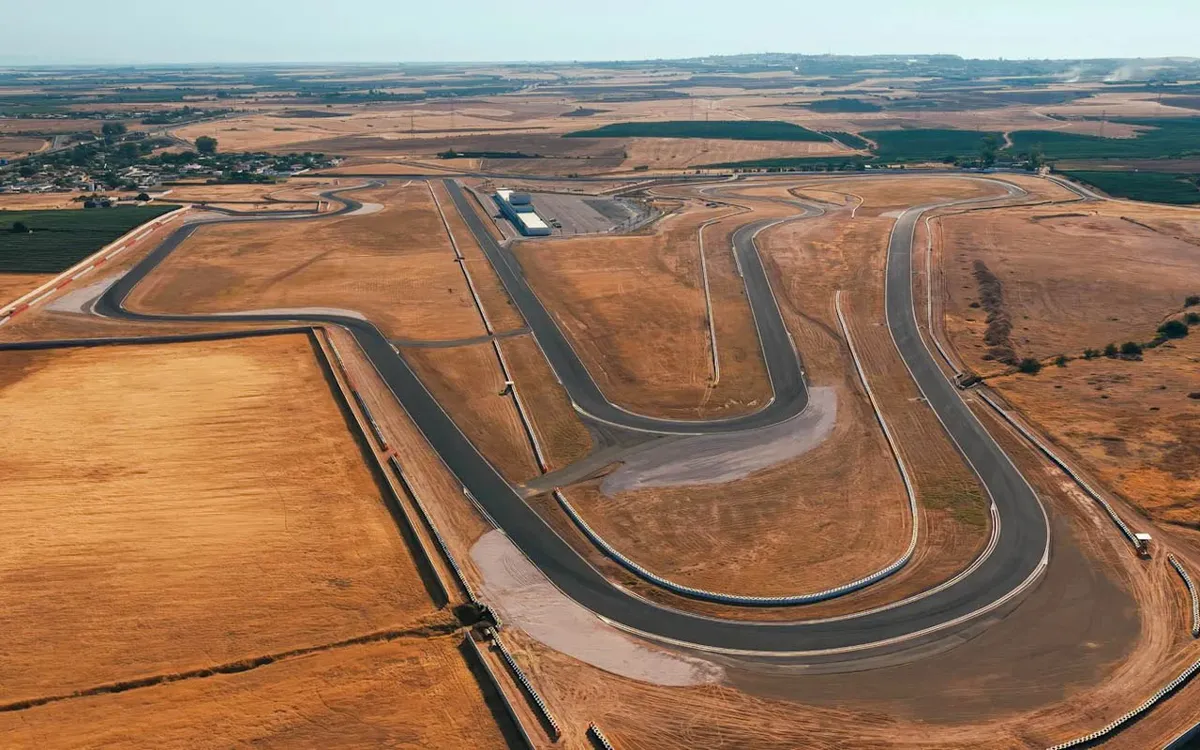
Testing in Spain covers both public roads and the racetrack, with each presenting its own challenges. Road driving simulates the kind of high ambient temperatures owners might encounter in everyday use, including slow-moving traffic. Track sessions, meanwhile, put the entire car under sustained stress, pushing its powertrain, brakes, tires, and cooling systems much harder.
Passenger comfort is also part of the equation. Even with a V16 engine and three electric motors working overtime, the Tourbillon’s climate-control system must keep the cabin comfortable for its occupants.

Of course, extreme heat is only half the battle. Bugatti has also taken the Tourbillon to Arjeplog, Sweden, where temperatures can plunge to -22°F (-30°C). There, engineers focus on cold-weather operation, braking performance, vehicle stability, and traction on low-grip surfaces.
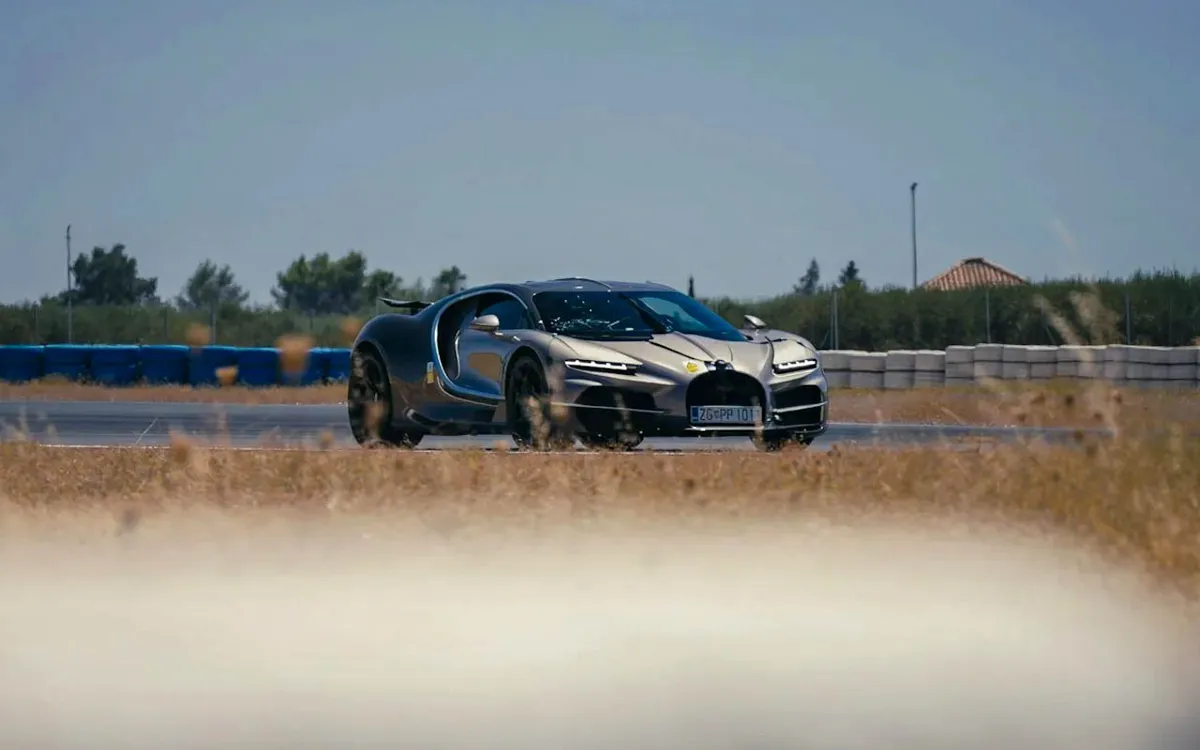
Together, these contrasting environments help Bugatti assess how the Tourbillon performs across a broad range of real-world conditions, complementing the simulations carried out during development.
For a hypercar expected to deliver extraordinary performance, surviving both the scorching Spanish summer and the freezing Swedish winter is just as important as setting impressive numbers on paper.
Related Posts
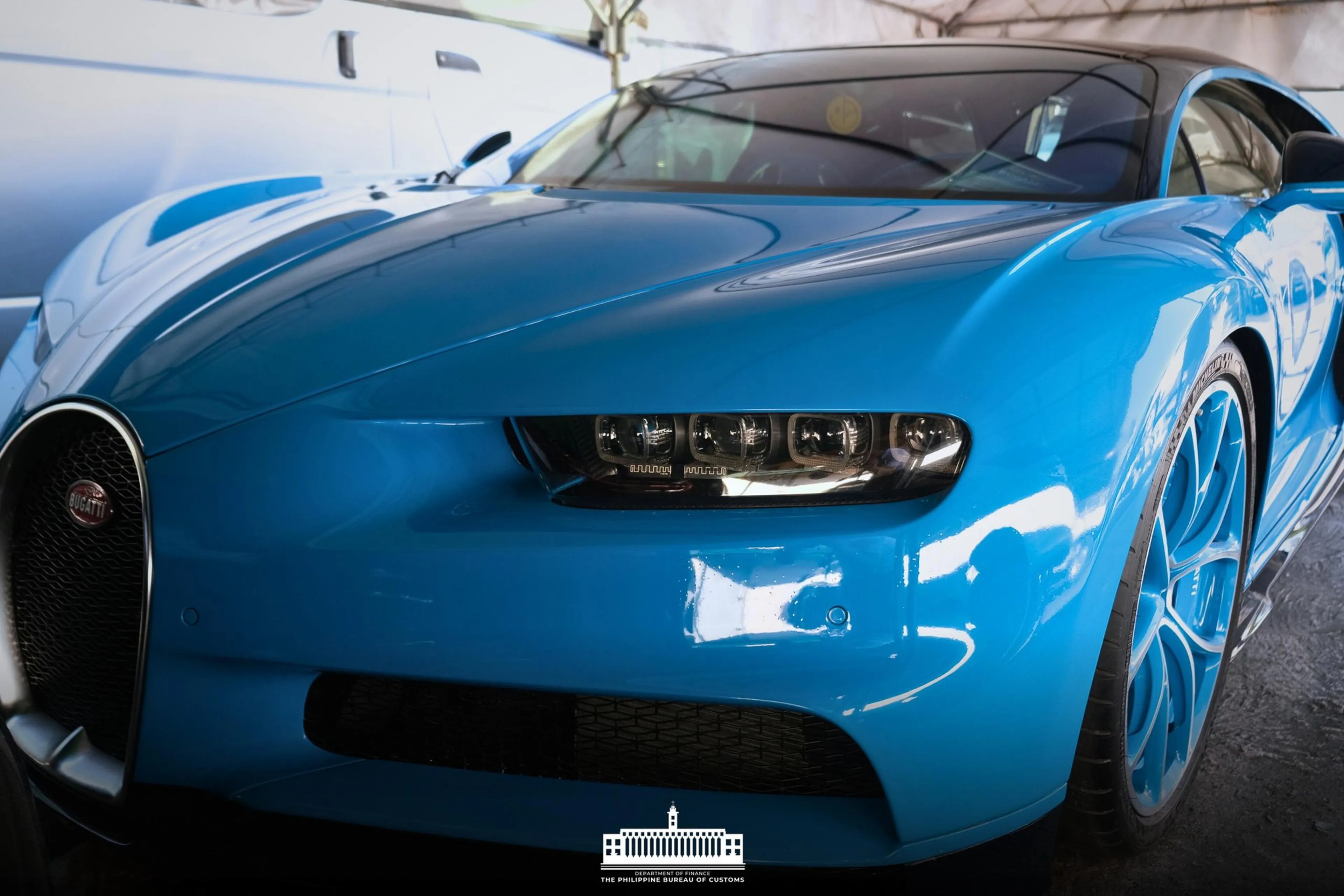
Not April Fool's: BOC has sold the 2 Bugatti Chiron units
After more than two years languishing in BOC's custody, the seized Bugattis have finally been sold
 Marcus De Guzman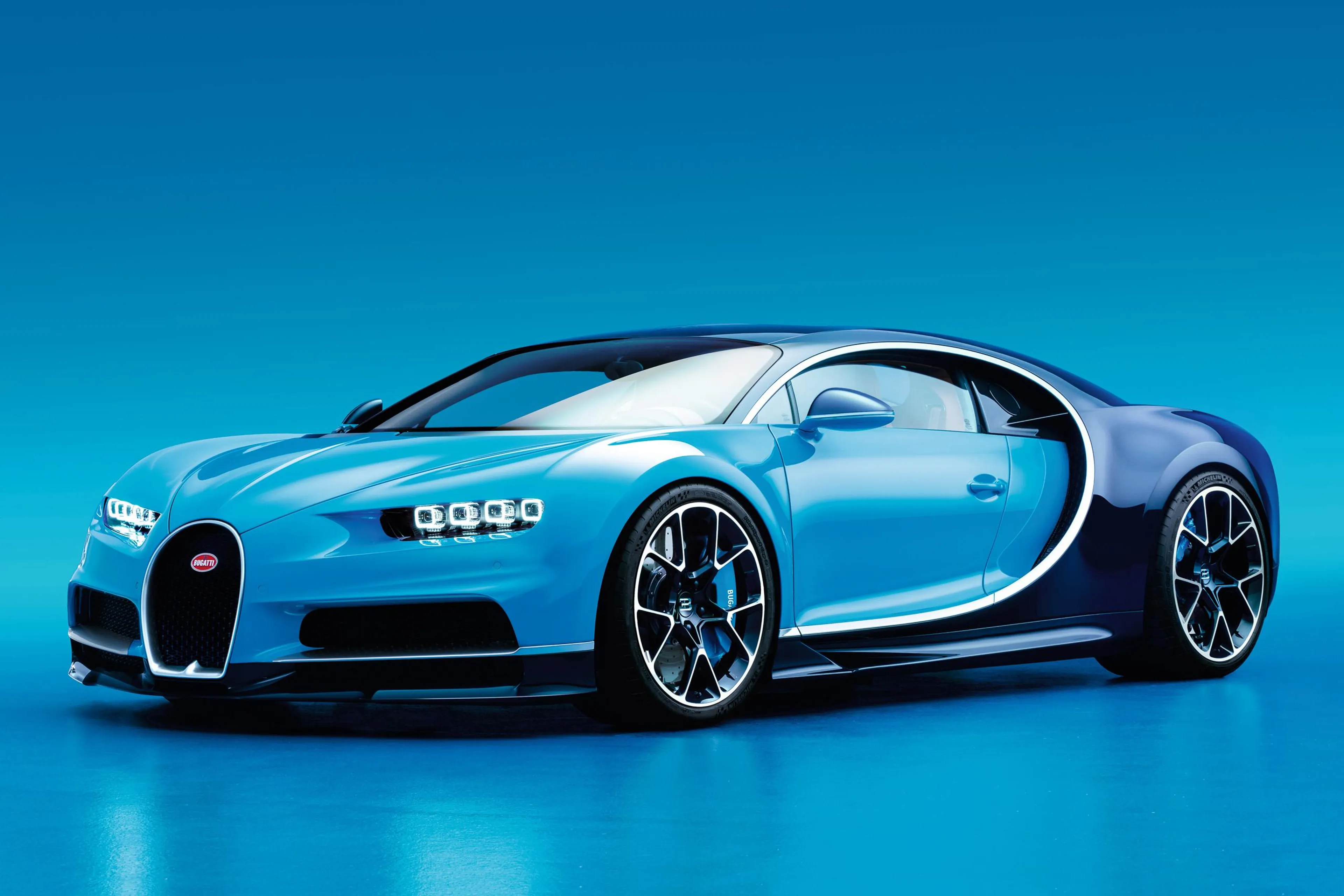
Two units of Bugatti Chiron seized by BOC up for auction
Bureau of Customs to conduct public auction for two Bugatti Chirons seized earlier this year
 Jamil Lacuna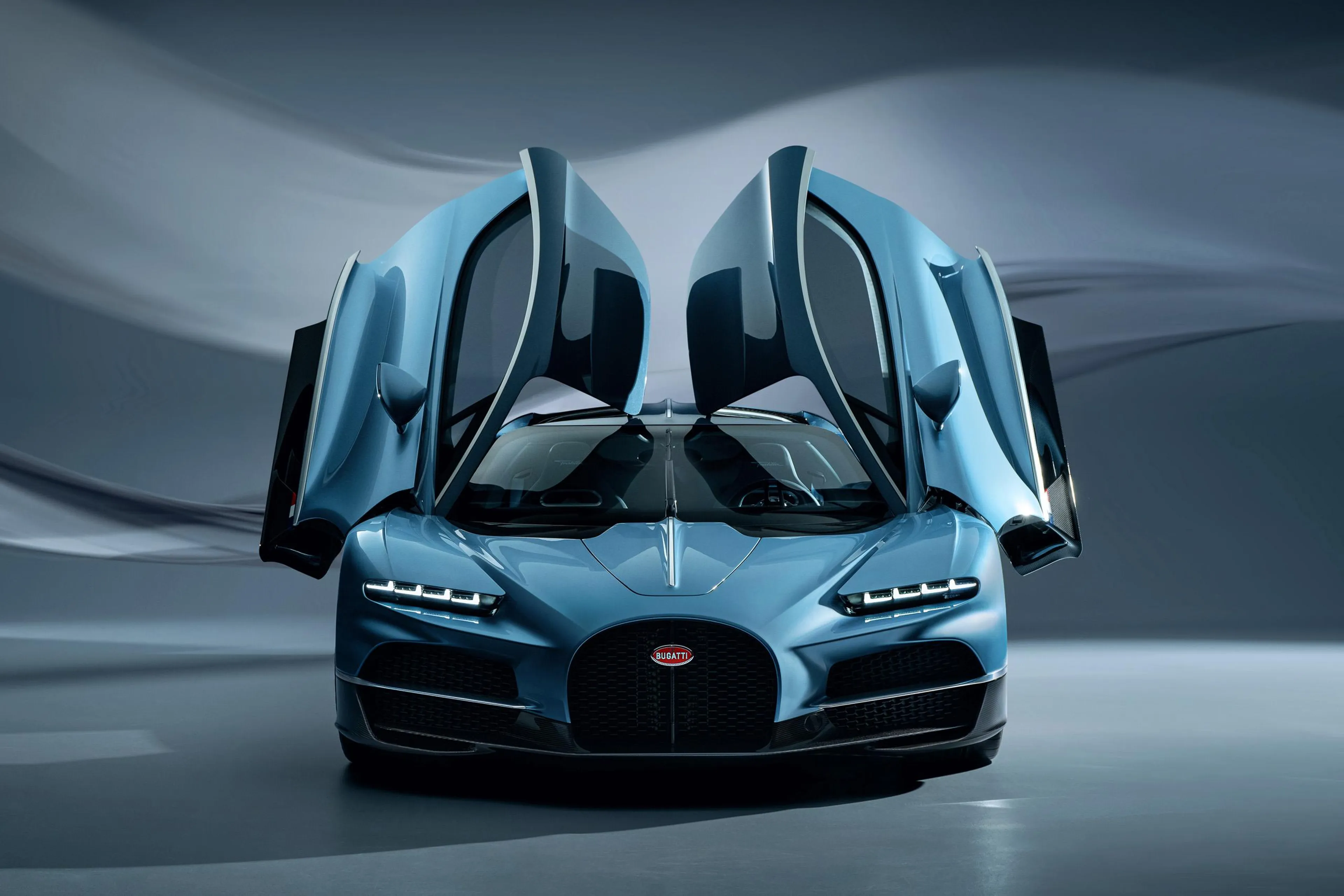
2026 Bugatti Tourbillion is a 445 kph hypercar with V16 Hybrid
2026 Bugatti Tourbillon is the successor to the Chiron
Jamil Lacuna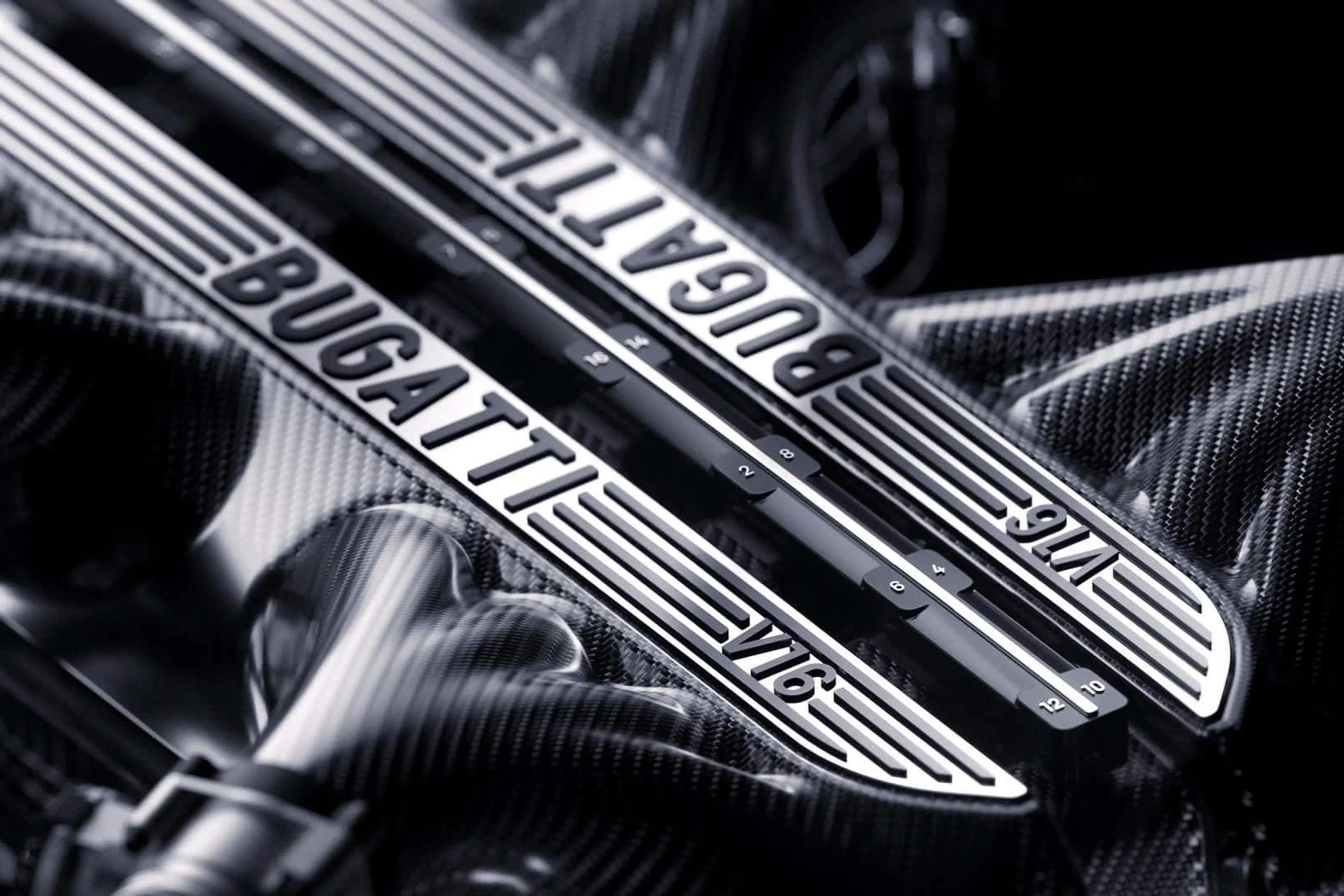
Bugatti to ditch quad turbos for its new V16 hybrid
Bugatti's new V16 won't feature its iconic quad turbo setup
Jamil Lacuna
2024 Mistral: Bugatti's final roadster with legendary W16
2024 Bugatti W16 Mistral has 1,600 PS, and a top speed of over 420 km/h
Jamil Lacuna
This importer is selling a Bugatti Chiron in the PH
Luxury Cars Manila can indent order you a Bugatti Chiron
 AutoIndustriya.com