
JAS Motorsport revives Honda NSX with a 414 PS naturally aspirated V6
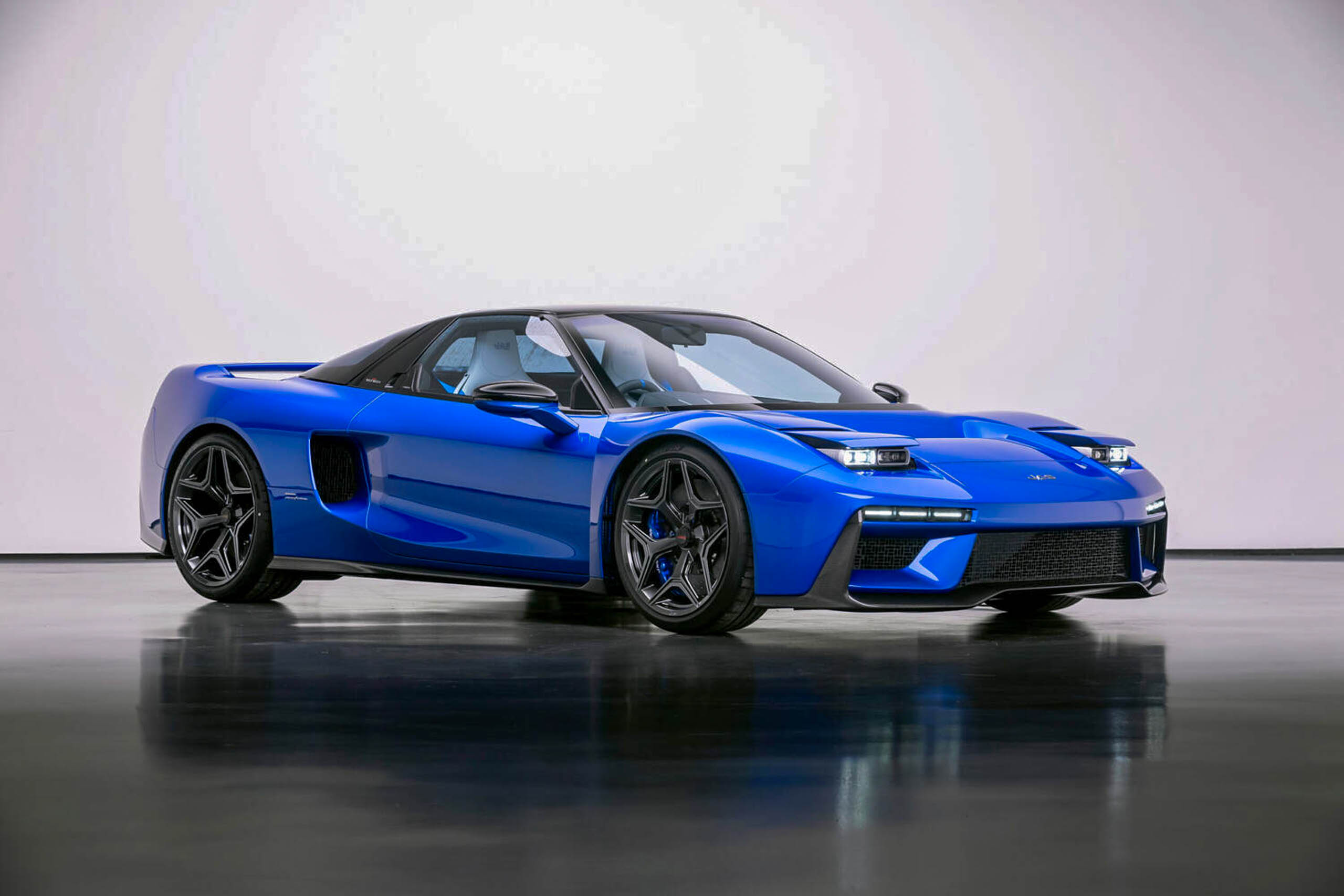
JAS Motorsport revives Honda NSX with a 414 PS naturally aspirated V6
The JAS Tensei transforms the iconic Japanese supercar with carbon fiber body, a high-revving V6, and a six-speed manual

The first-generation Honda NSX proved in 1990 that a supercar could deliver exotic performance without sacrificing everyday usability.
Now, Italian motorsport specialist JAS Motorsport is giving the Japanese icon a second life with the Tensei, a thoroughly re-engineered restomod styled by Pininfarina and powered by a naturally aspirated V6 developed by Judd Power.
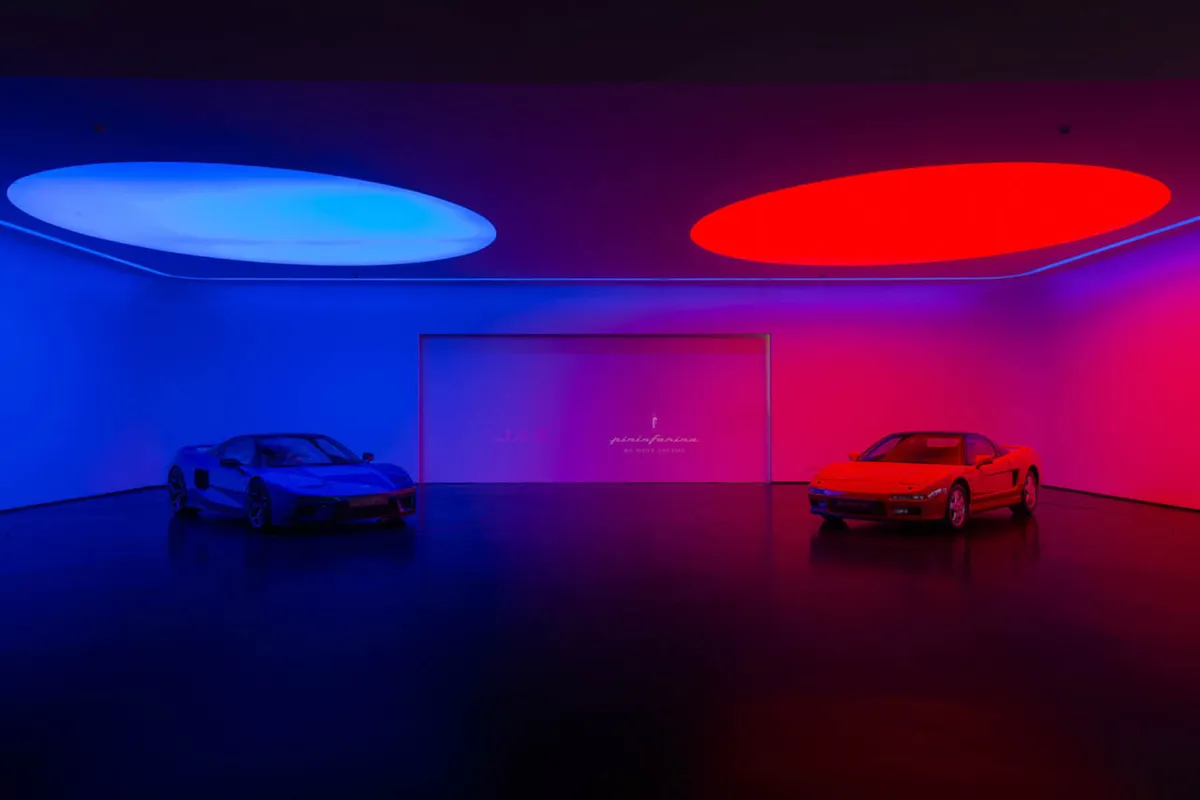
Named after the Japanese word for “rebirth,” the Tensei goes beyond a cosmetic makeover, with JAS reengineering the NSX’s structure, bodywork, suspension, and powertrain. Just 35 examples will be built to order near Milan, Italy.
Pininfarina’s involvement also brings the project full circle, having designed the 1984 Honda HP-X concept that paved the way for the original NSX.
A familiar silhouette with a wider stance
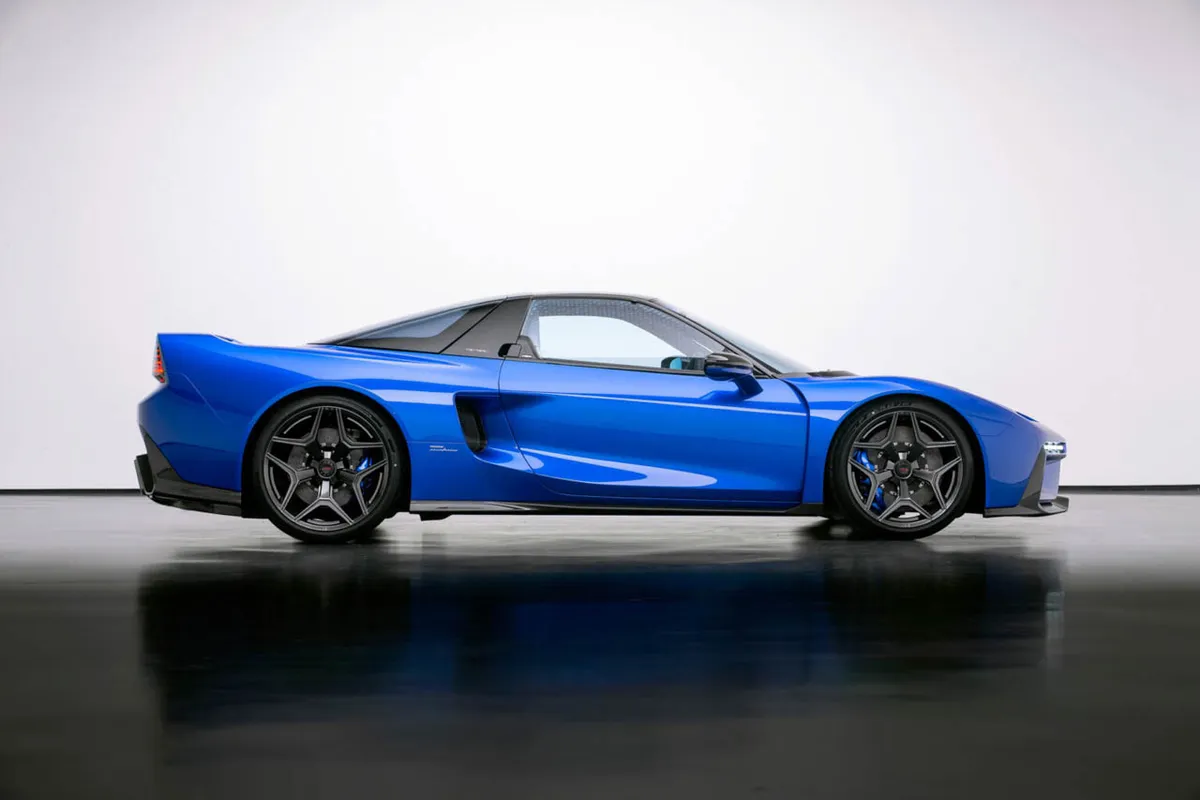
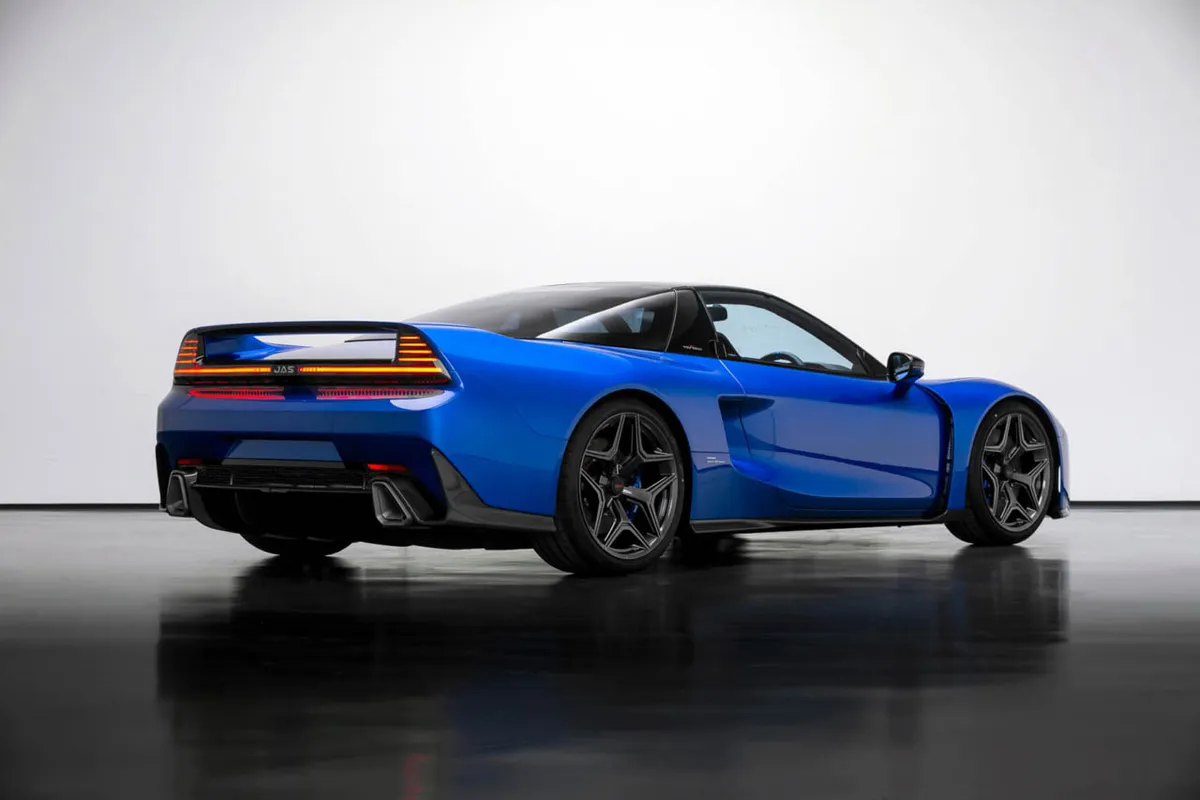
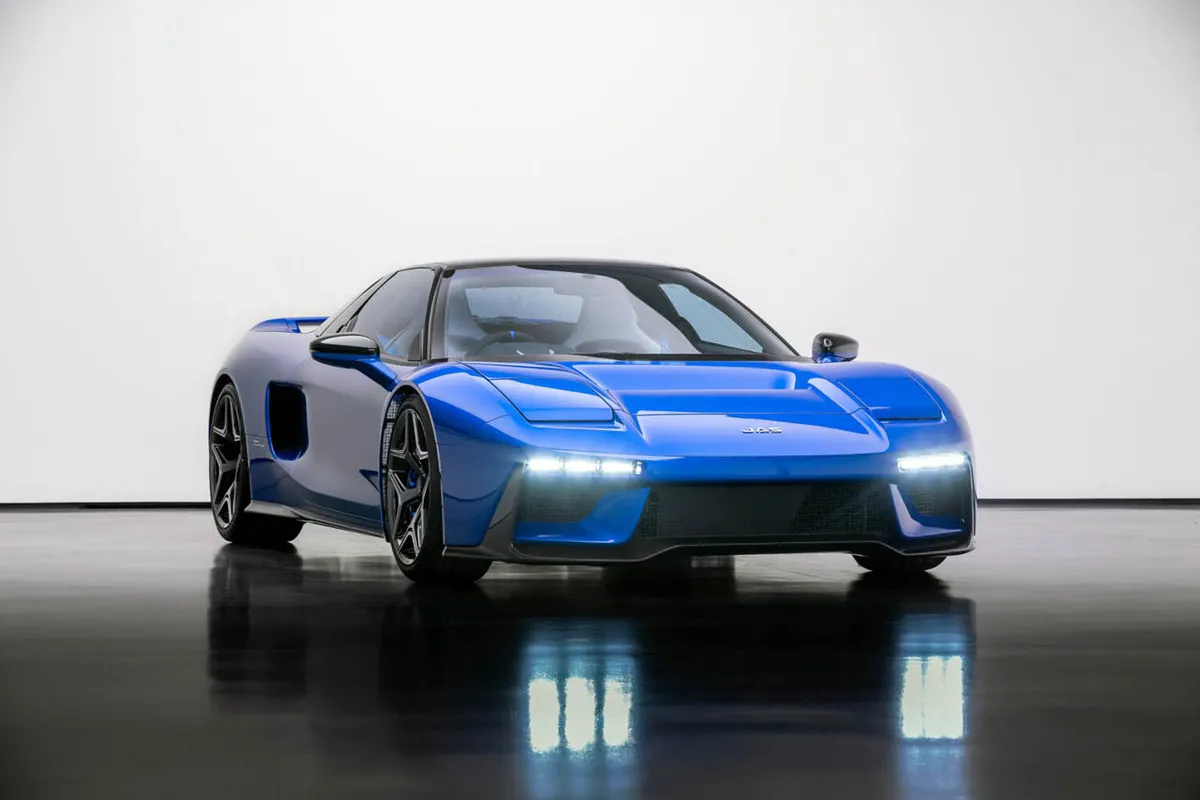
Pininfarina retains the original NSX's signature pop-up headlights, low beltline, and slim glasshouse, but gives the Tensei a more muscular stance. The front track is 170 mm wider and the rear 190 mm wider than the original, while the wheelbase grows by 55 mm.
The body panels are made entirely from autoclave-cured carbon fiber with carbon-Kevlar reinforcement added to key sections of the original aluminium monocoque. Despite the extensive changes, the Tensei has a claimed dry weight of just 1,250 kg.
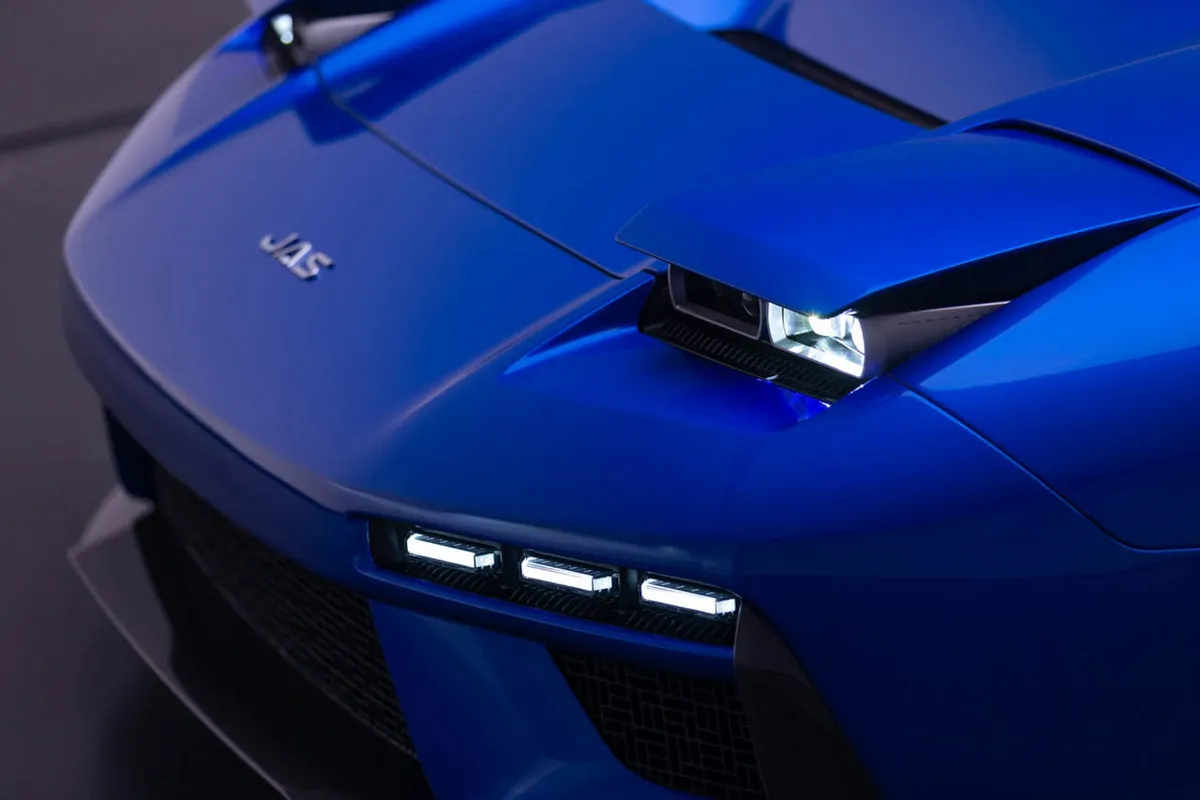
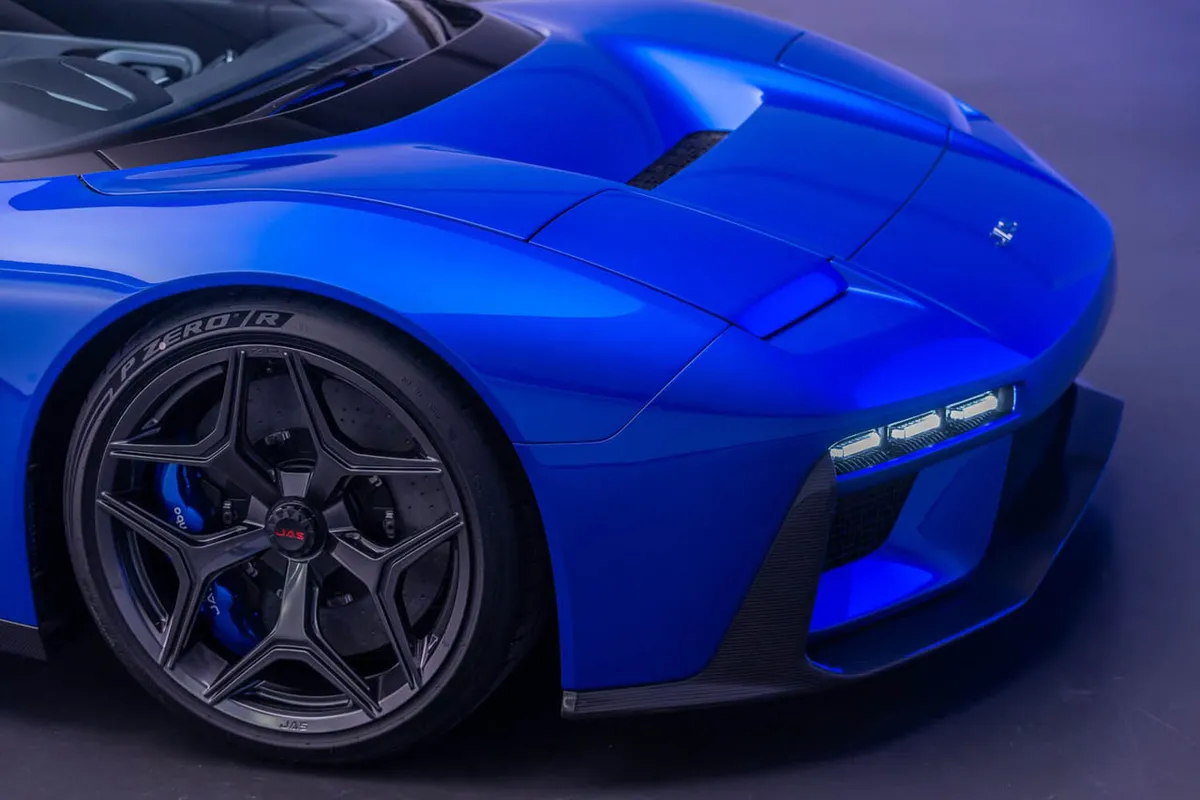
The pop-up headlights now feature LED Matrix lighting and lightweight titanium mechanisms, while a flat underbody and active rear diffuser improve aerodynamic performance.
“Our objective was not simply to update the NSX’s design, but to understand its essence and imagine how it might have evolved today,” said Dimitri Vicedomini, Pininfarina’s head of exterior design.
A Judd-built V6 replaces Honda's VTEC
Under the rear cover sits a heavily reworked version of Honda's C30A V6, with displacement increased from 3.0 to 3.5 liters. Developed by Judd Power, the engine receives new alloy cylinder heads, aggressive camshafts, titanium valves, and individual throttle bodies.
Honda's signature VTEC system gives way to a fixed-timing racing valvetrain, while a dry-sump lubrication system allows the engine to sit 45 mm lower in the chassis.
The result is 414 PS at 8,200 rpm, with an 8,500-rpm redline. Power goes to the rear wheels through a six-speed H-pattern manual gearbox, twin-plate carbon clutch, and mechanical Torsen limited-slip differential.
No turbochargers, hybrid assistance, or paddle shifters here. The Tensei sticks to the high-revving, driver-focused formula that made the original NSX special.
Modern chassis hardware, analog cabin
The suspension has been completely redesigned, featuring billet Ergal 7075 aluminium double wishbones up front, a multi-link rear, and four-way adjustable KW dampers. Brembo carbon-ceramic brakes measure 380 mm at the front and 355 mm at the rear with 19-inch front and 20-inch rear center-lock wheels.
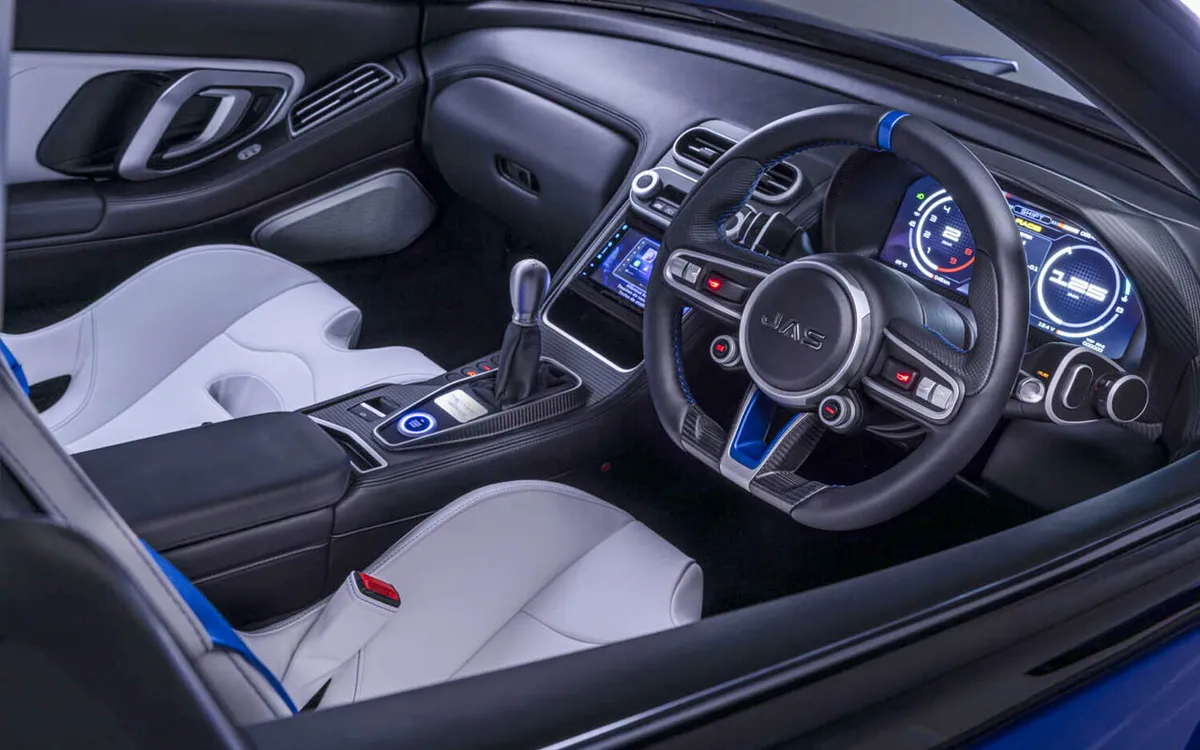
Inside, Pininfarina has resisted the temptation to fill the cabin with oversized touchscreens. The NSX's famously clear sightlines remain a priority, complemented by a large analog tachometer and two compact OLED displays. Carbon fiber Sabelt seats, milled titanium details, and an exposed manual gearshift mechanism complete the purposeful interior.
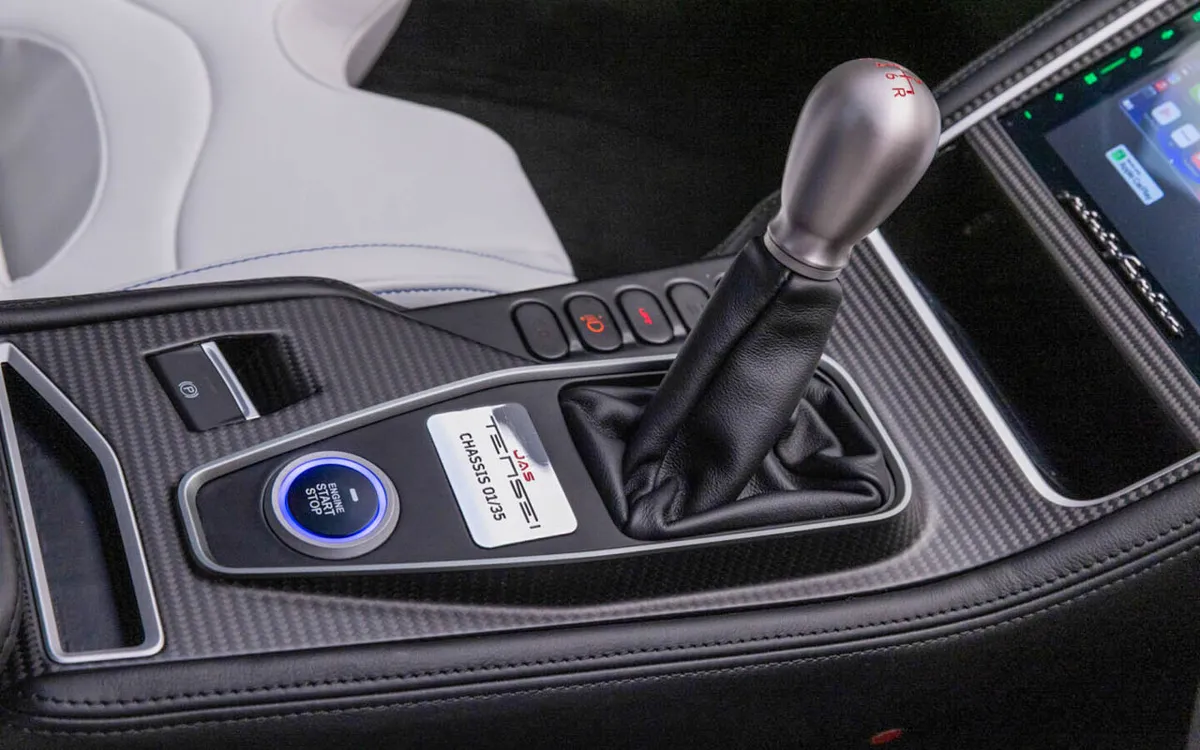
With the Tensei, JAS Motorsport has turned the first-generation NSX into a limited-production analog supercar that blends classic Honda DNA with modern materials and chassis technology.
Its 414 PS output might not sound outrageous by today's standards, but a naturally aspirated V6, six-speed manual, and claimed dry weight of 1,250 kg suggest the Tensei is chasing something increasingly rare: the joy of driving for its own sake.
Related Posts
Did you know Honda once built a V10-powered sports car concept?
The V10-powered Honda/Acura that never came to be
 Marcus De Guzman
Acura launches Honda Heritage Parts Program in the US
Acura recently announced the U.S. launch of the Honda Heritage Parts program
 Francis Pallarco
Honda Heritage Works: Preserving Honda Classics
Honda launches Honda Heritage Works with car restoration programs
Francis Pallarco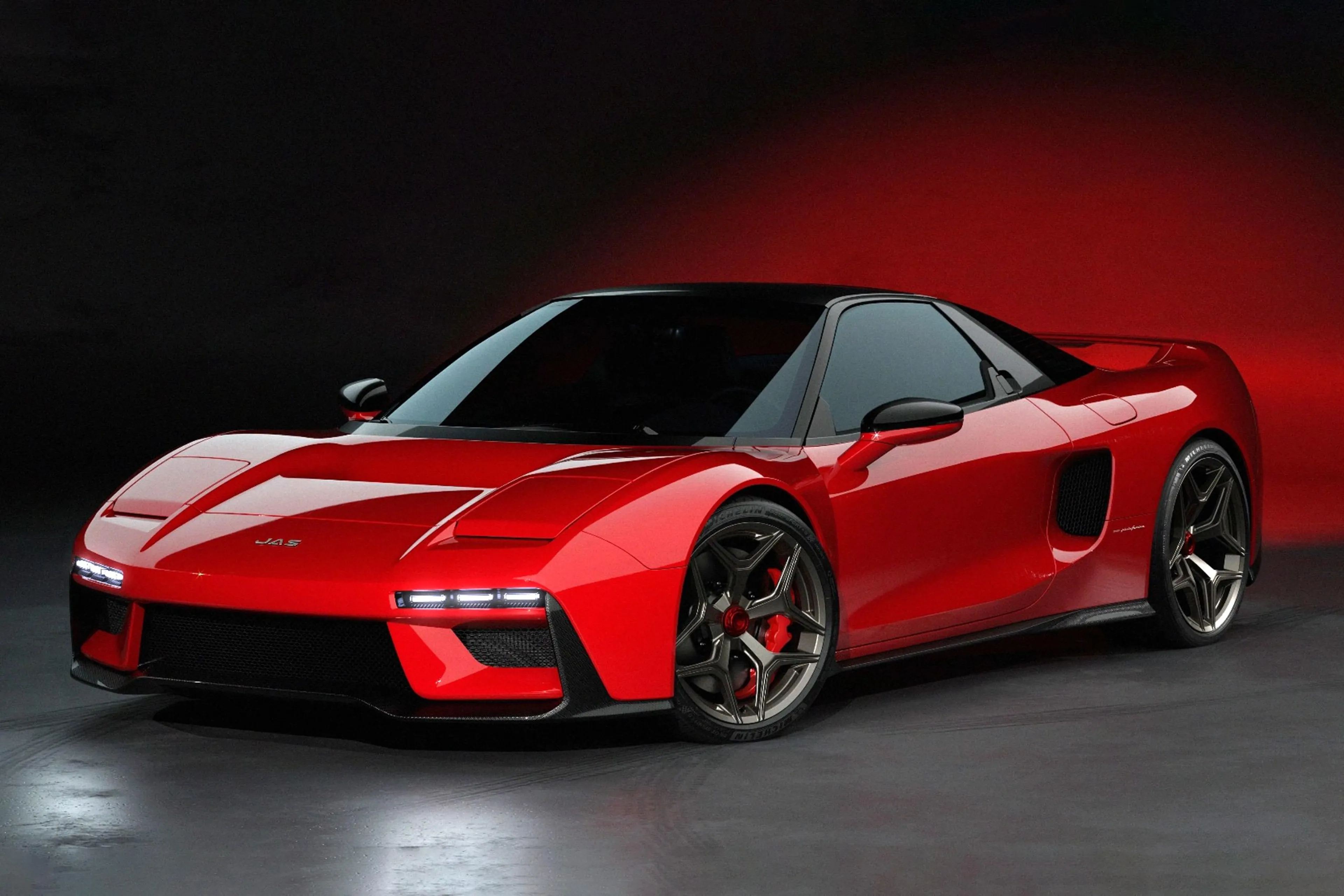
JAS Tensei: Pininfarina reimagines original NSX for the modern day
Pininfarina and JAS Motorsport will unveil the reborn NSX in the first half of 2026
 Jamil Lacuna
Angie King's burnt Honda NSX will be reborn
Angie Mead King will rebuild the Honda NSX that burned down on SLEX
Jamil Lacuna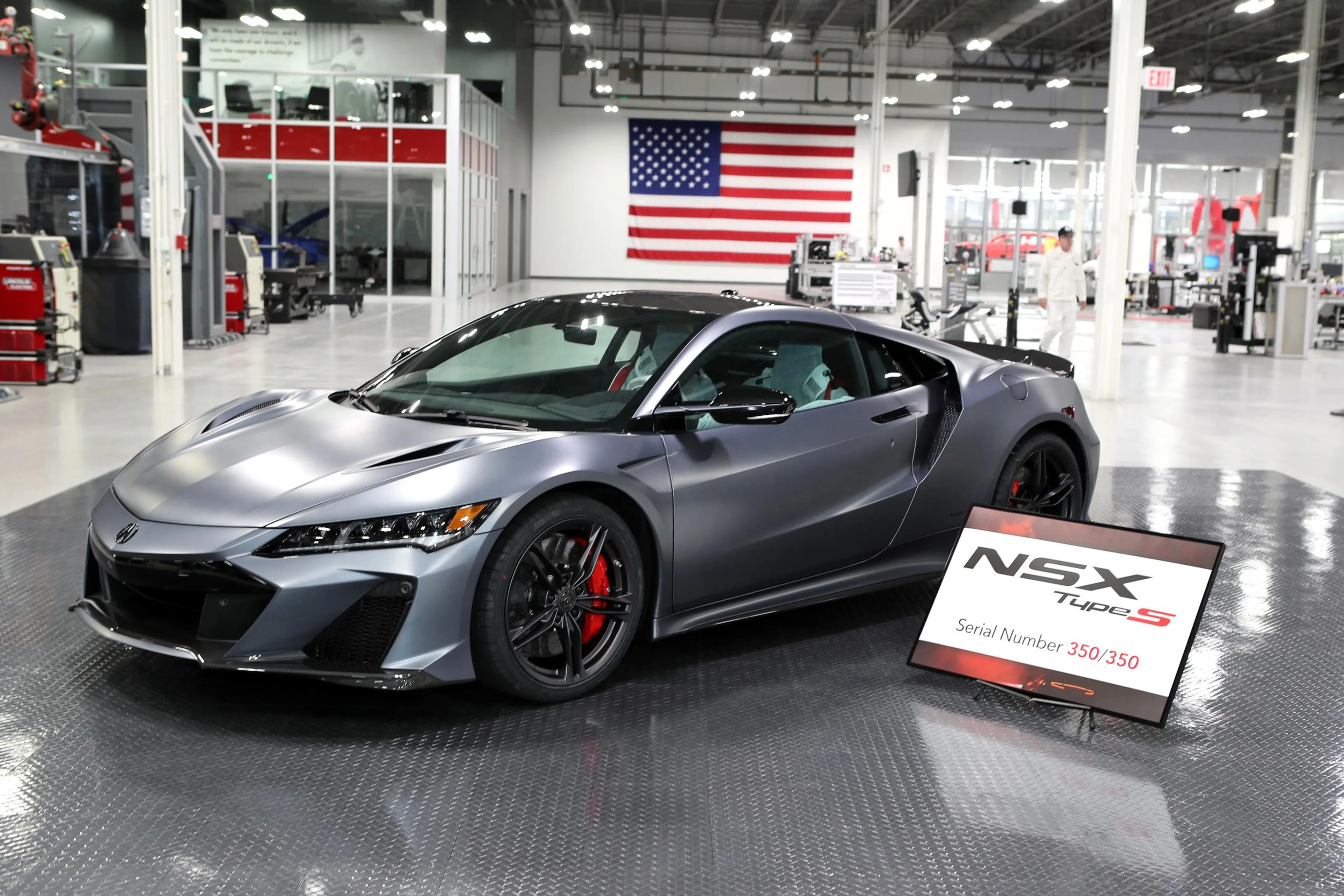
Last Acura NSX Type S officially rolls off factory
Acura NSX Type number 350 marks the end of the hybrid-electric supercar's story
Marcus De Guzman