
Iran closes Strait of Hormuz again, will PH fuel prices skyrocket once more?
Iran closes Strait of Hormuz again, will PH fuel prices skyrocket once more?
Fresh Strait of Hormuz closure puts PH fuel prices on watch

The Philippines remains under a State of National Energy Emergency due to the ongoing conflict involving the United States, Israel, and Iran. With no immediate resolution in sight, fuel prices continue to hover at elevated levels. Now, with tensions escalating, motorists could be looking at another round of sharp pump price increases in the days ahead.
Iran has just announced a renewed closure of the Strait of Hormuz, following recent U.S. strikes, which could send global energy prices, again, to the roof. The narrow waterway is considered one of the world’s most important oil shipping routes, carrying a significant portion of global crude oil and liquefied natural gas supplies.
The latest development comes just months after disruptions in the same shipping lane triggered one of the biggest fuel price shocks seen this year.
Back in March, the Strait of Hormuz crisis pushed global oil markets into panic mode. Brent crude surged past USD 100 per barrel for the first time since 2022, before peaking at around USD 126 per barrel as traders scrambled to price in the risk of a prolonged disruption to one of the world’s busiest oil shipping routes.
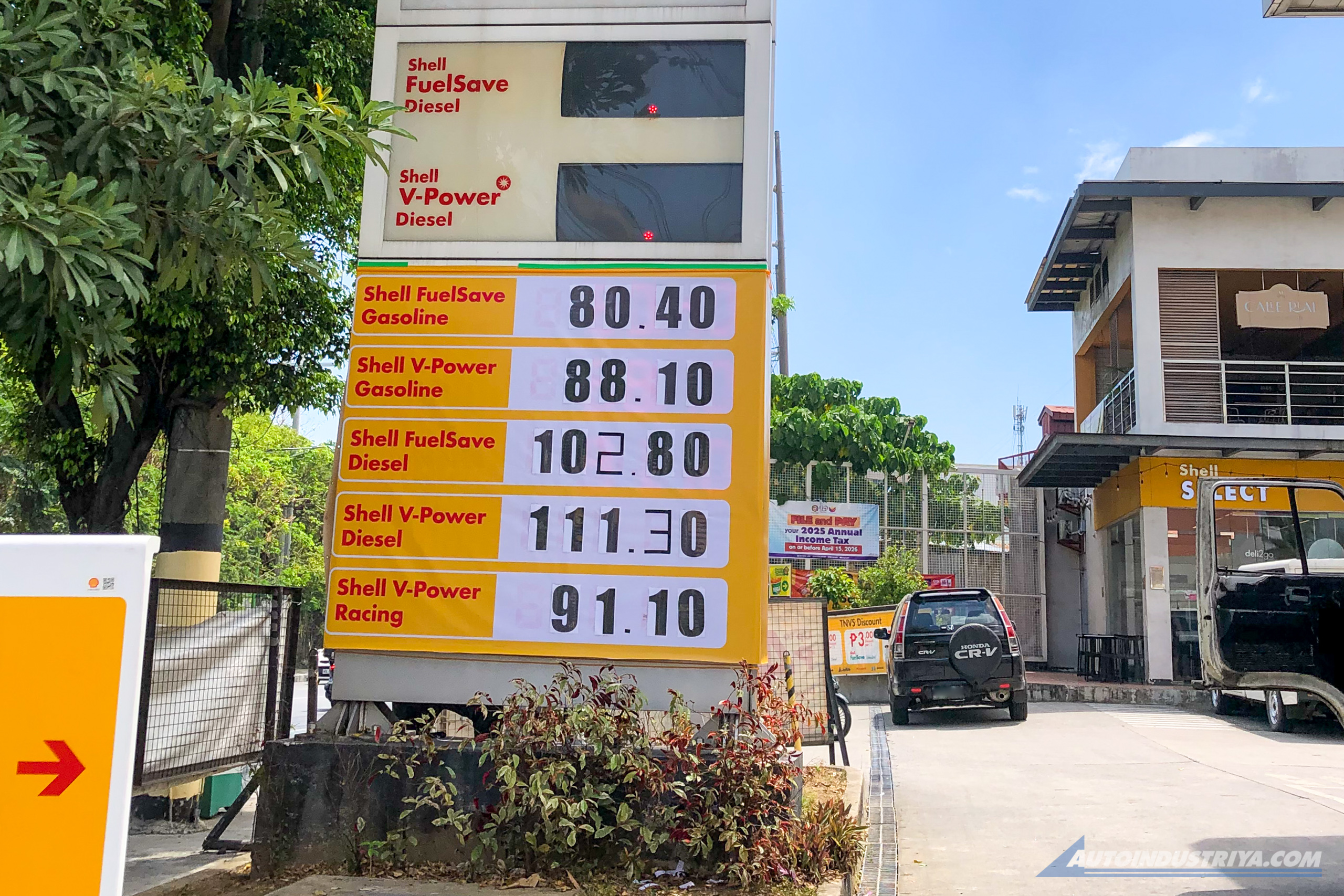
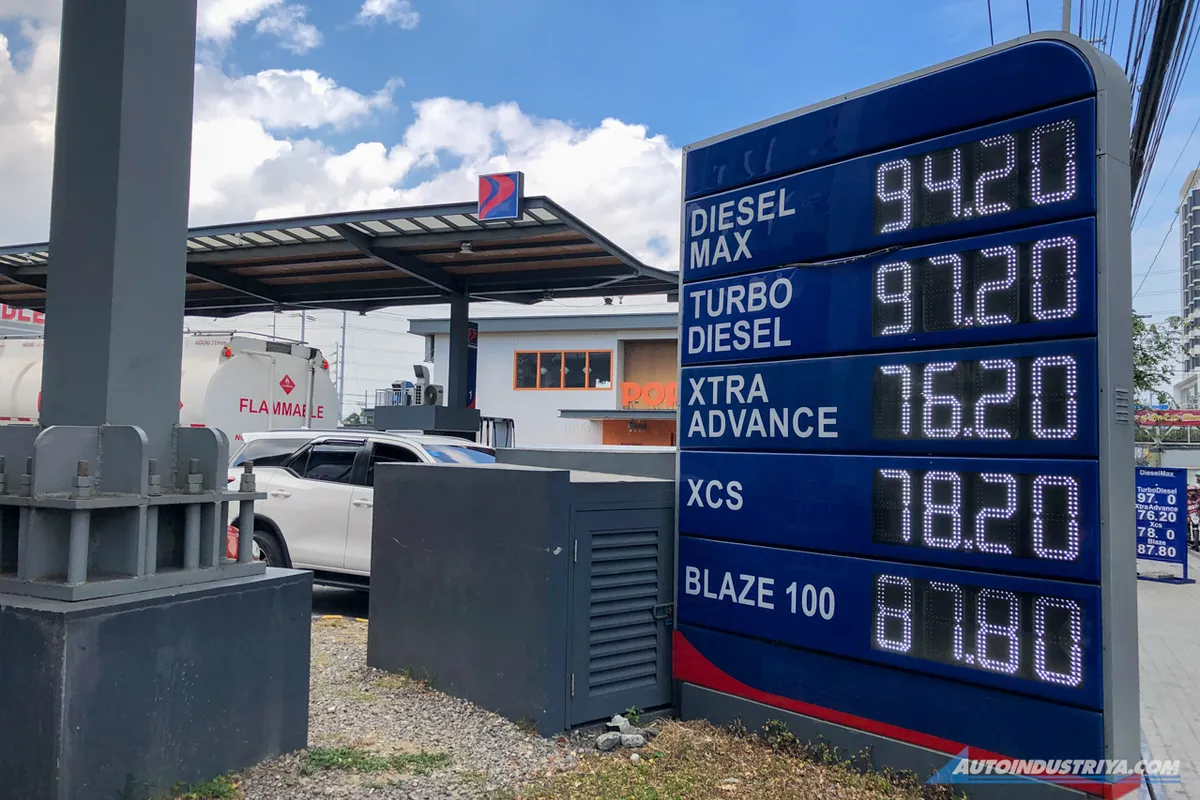
The impact was immediately felt in the Philippines. Diesel prices breached the PHP 100.00/liter mark, with reports suggesting pump prices in some areas nearly reached PHP 150.00/liter. Gasoline prices were likewise at an all-time high.
The situation became serious enough for the government to activate emergency measures, including provisions under the emergency powers law aimed at cushioning the impact of soaring fuel costs.
While the Department of Energy previously stressed that the Philippines does not import oil directly from Iran (most likely due to imposed U.S. sanctions), the country remains heavily dependent on crude oil and petroleum products originating from the Middle East. Any disruption in the Strait of Hormuz affects global supply, which in turn influences local pump prices.
On the other hand, the United States military has disputed Iran’s claims regarding developments in the Strait of Hormuz, with the U.S. Central Command (CENTCOM) saying commercial vessels continue to transit through the strategic waterway.
In a social media post, CENTCOM said, “Commercial ships are continuing to transit in and out of the Strait of Hormuz tonight,’ while also dismissing as false reports by Iranian media that Tehran had attacked a U.S. warship. “No U.S. warships have been struck,” it added.
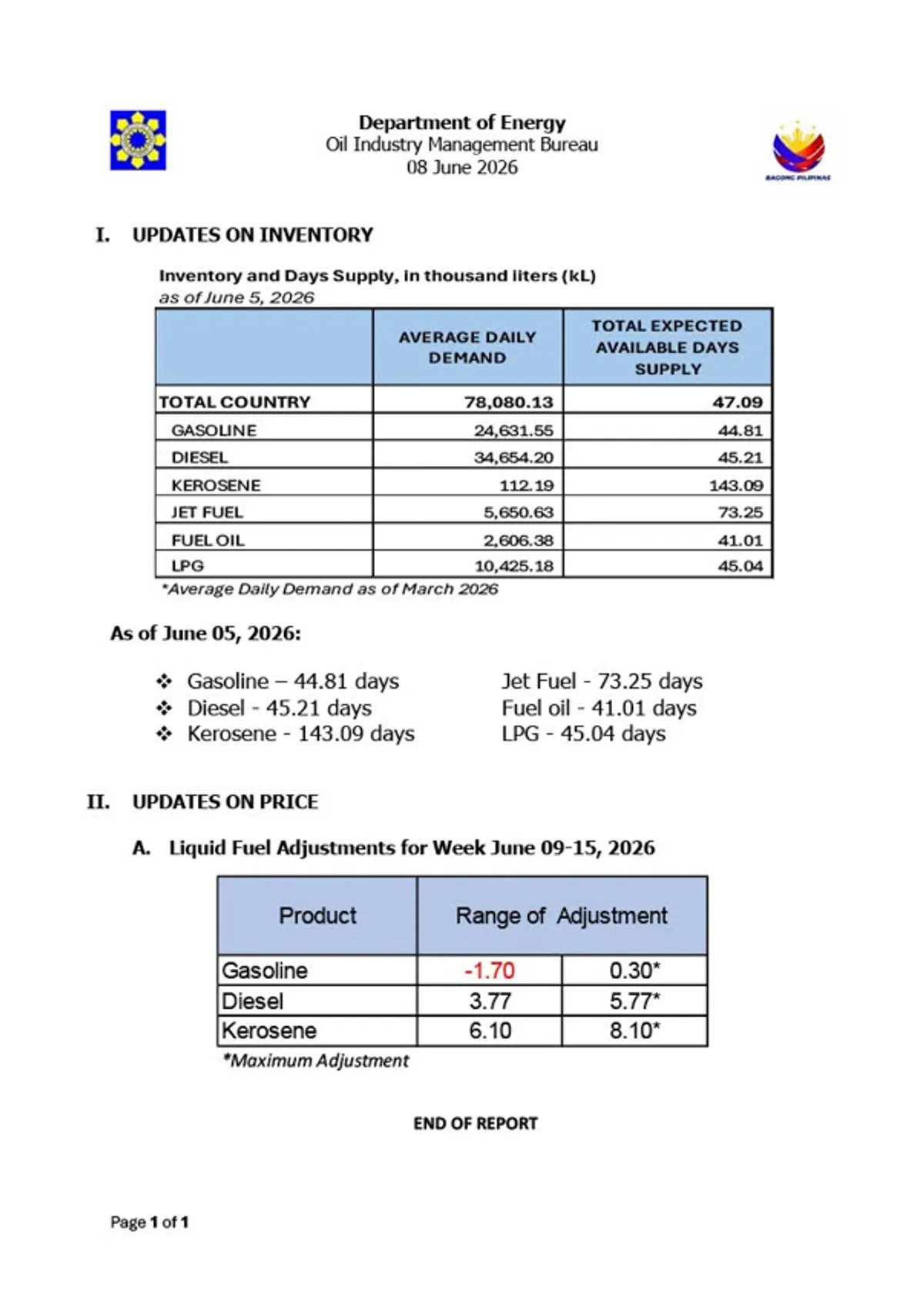
The Energy Department said on June 8 that the country’s fuel inventory has risen to 47 days’ worth of supply, two days higher than the previous estimate, providing a slightly larger buffer against potential disruptions in global oil shipments.
However, with no clear indication of how long the latest Strait of Hormuz closure could last, global markets remain on edge. If the situation drags on and oil supplies are affected, Filipino motorists could once again face the kind of fuel price hikes seen earlier this year.
Related Posts
PBBM: PH gov't looking for alternate sources of oil amid Middle East tensions
The Philippines may soon buy oil from other countries as tensions in the Middle East continue
 Marcus De Guzman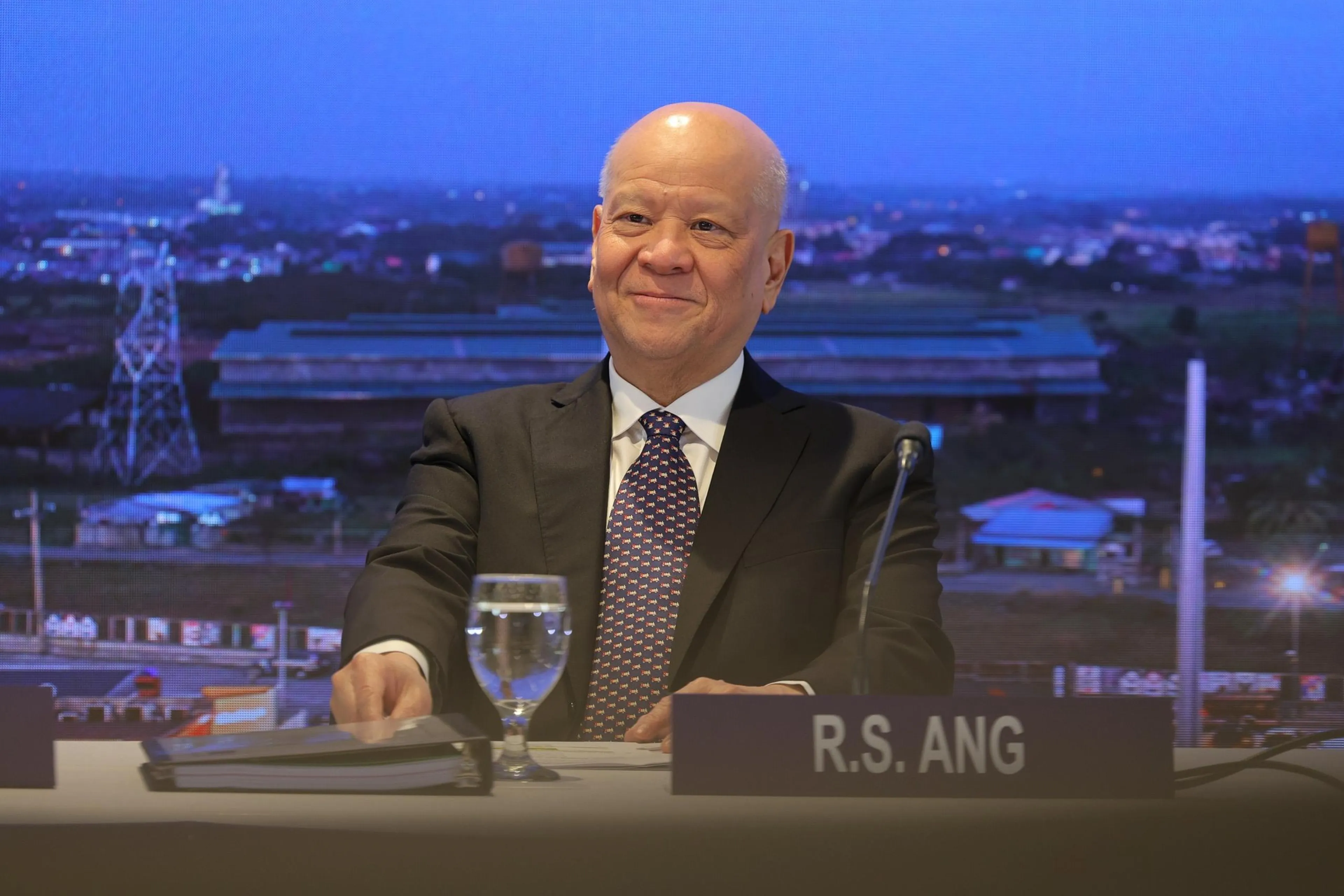
Petron's RSA says fuel crisis not the time to make larger profits
Ramon S. Ang of Petron Corporation says they will do everything they can to help motorists amidst the energy crisis
Marcus De Guzman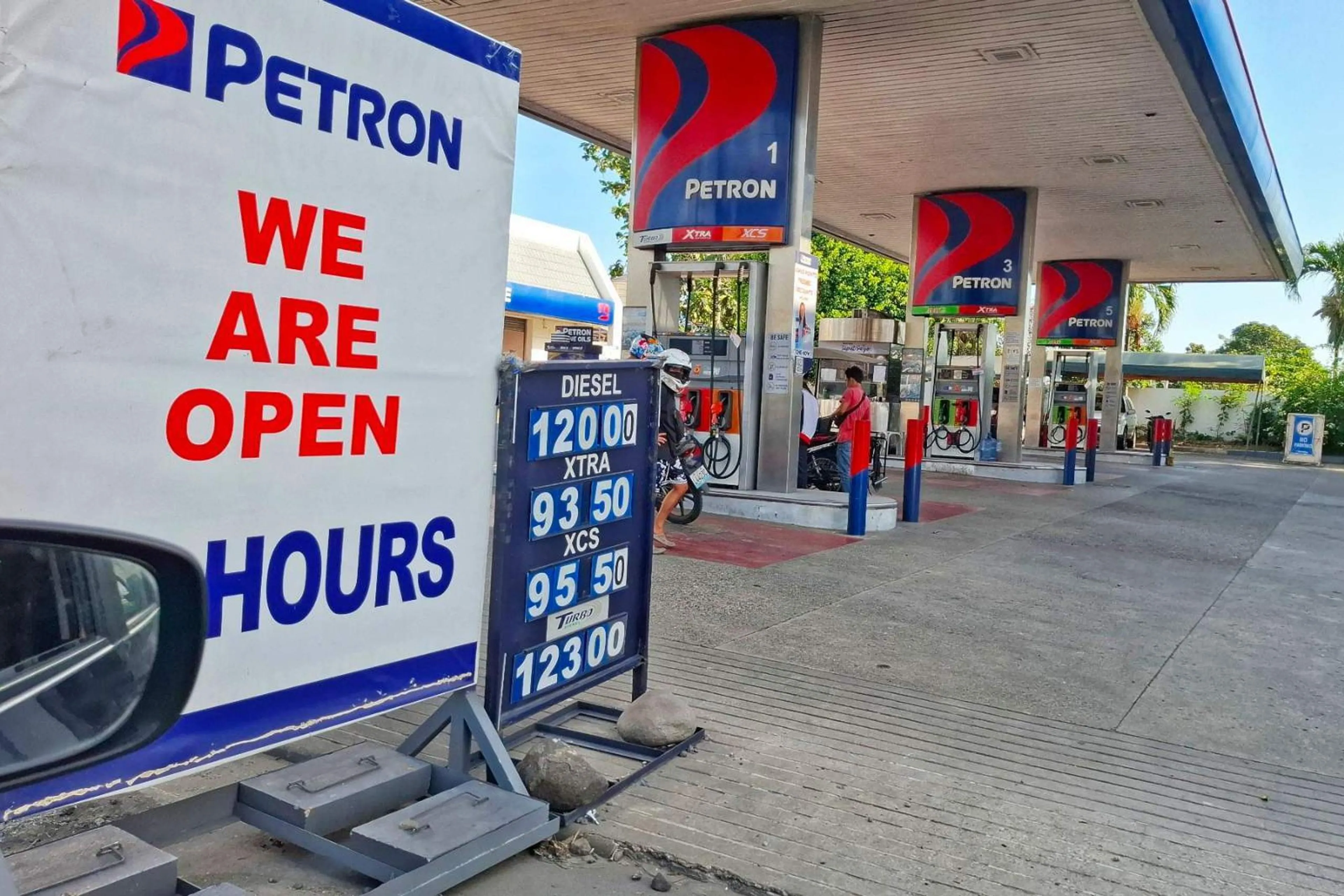
Executive Order No. 110: Ayuda, accelerated EV adoption, and more
The President stresses that it is an emergency for the country's energy sector only
 Brando Rosales
Freight shock: Global tanker shortage pushes up fuel costs for drivers
Oil prices aren't being driven by crude alone, the cost of shipping it has skyrocketed, adding another layer of pressure on fuel prices worldwide. The problem is a growing shortage of oil tankers
 Francis Pallarco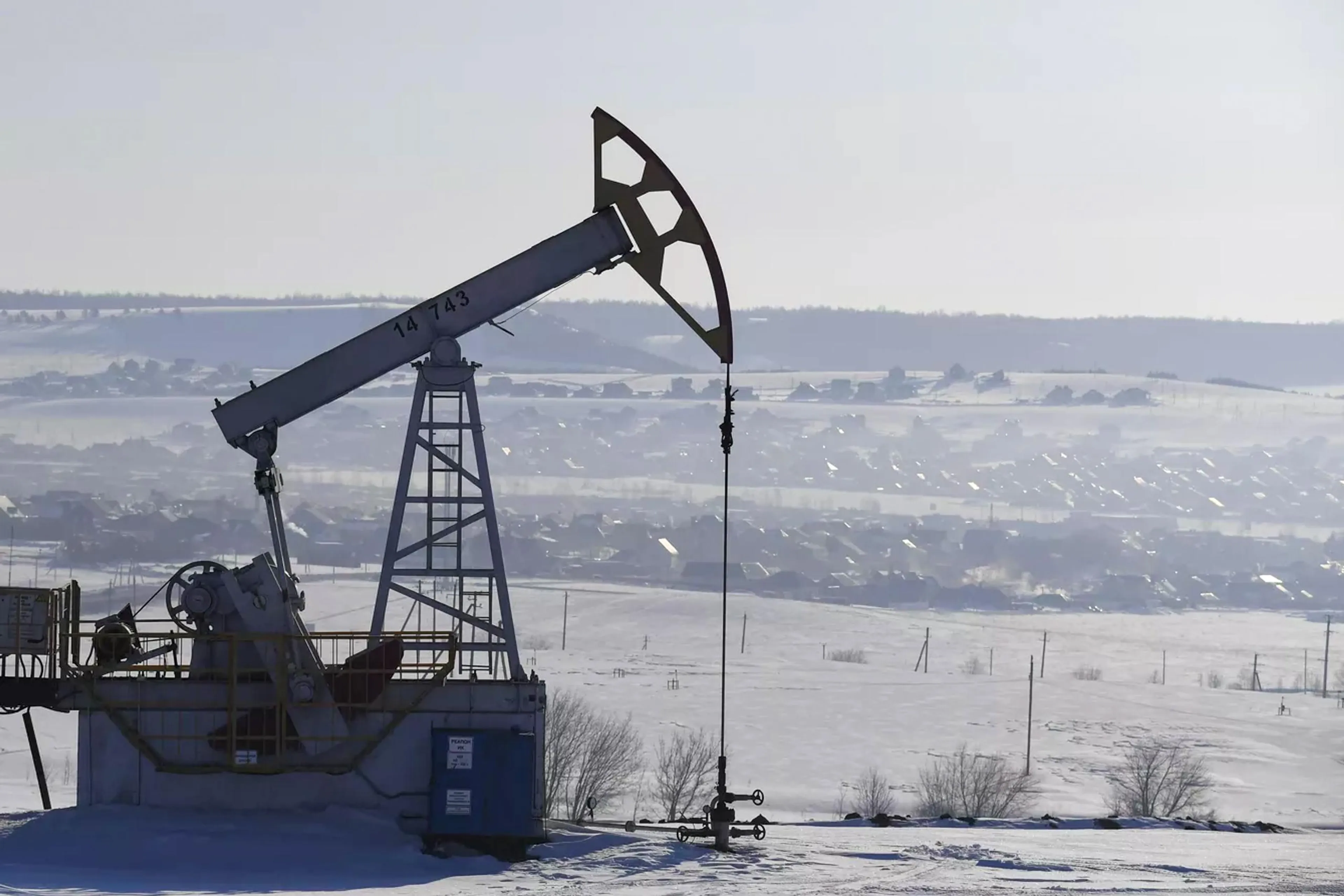
PH gov't considering buying oil from Russia
Might help cushion the impact of Middle East conflict
Brando Rosales
PBBM declares State of National Energy Emergency, authorizes UPLIFT
Unified Package for Livelihoods, Industry, Food, and Transport (UPLIFT) authorized amid energy emergency
Brando Rosales