
Ferrari, BMW join shift to aluminum wiring as copper prices soar
Ferrari, BMW join shift to aluminum wiring as copper prices soar
Ferrari, BMW, and Tesla are ditching copper for aluminum wiring

For almost 200 years, man has used copper as the standard material for automotive wiring. Well, that may soon change as more automakers turn to aluminum to cut weight and lower production costs. Yes, that same aluminum material used in cookware and older iPhone models.
A recent report from Reuters says Ferrari and BMW are the latest manufacturers to use aluminum wiring in their production vehicles, joining Tesla and several Chinese electric vehicle brands that have already made the switch.
The biggest reason is quite straightforward, and that’s because copper has become increasingly expensive as demand rises from industries building power grids, renewable energy projects, and AI data centers. Aluminum, by comparison, is significantly cheaper and much lighter, which makes it an attractive alternative for automakers looking to improve vehicle efficiency while keeping costs in check.
Ferrari first introduced aluminum wiring in the 296 hybrid and is carrying it over to the Luce EV. The Italian automaker said the material can reduce the weight of a vehicle’s wiring harness by as much as 20%. While lower costs are an added benefit, Ferrari claims that the primary reason for the switch is weight reduction.
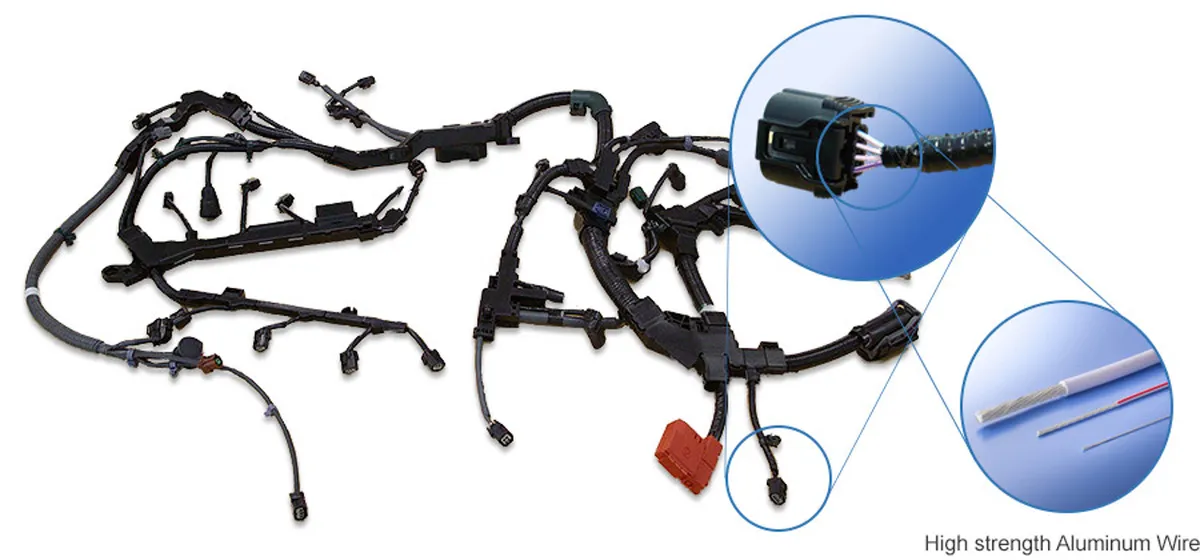
An example of an aluminum wire harness | Photo courtesy of Sumitomo Wiring Systems
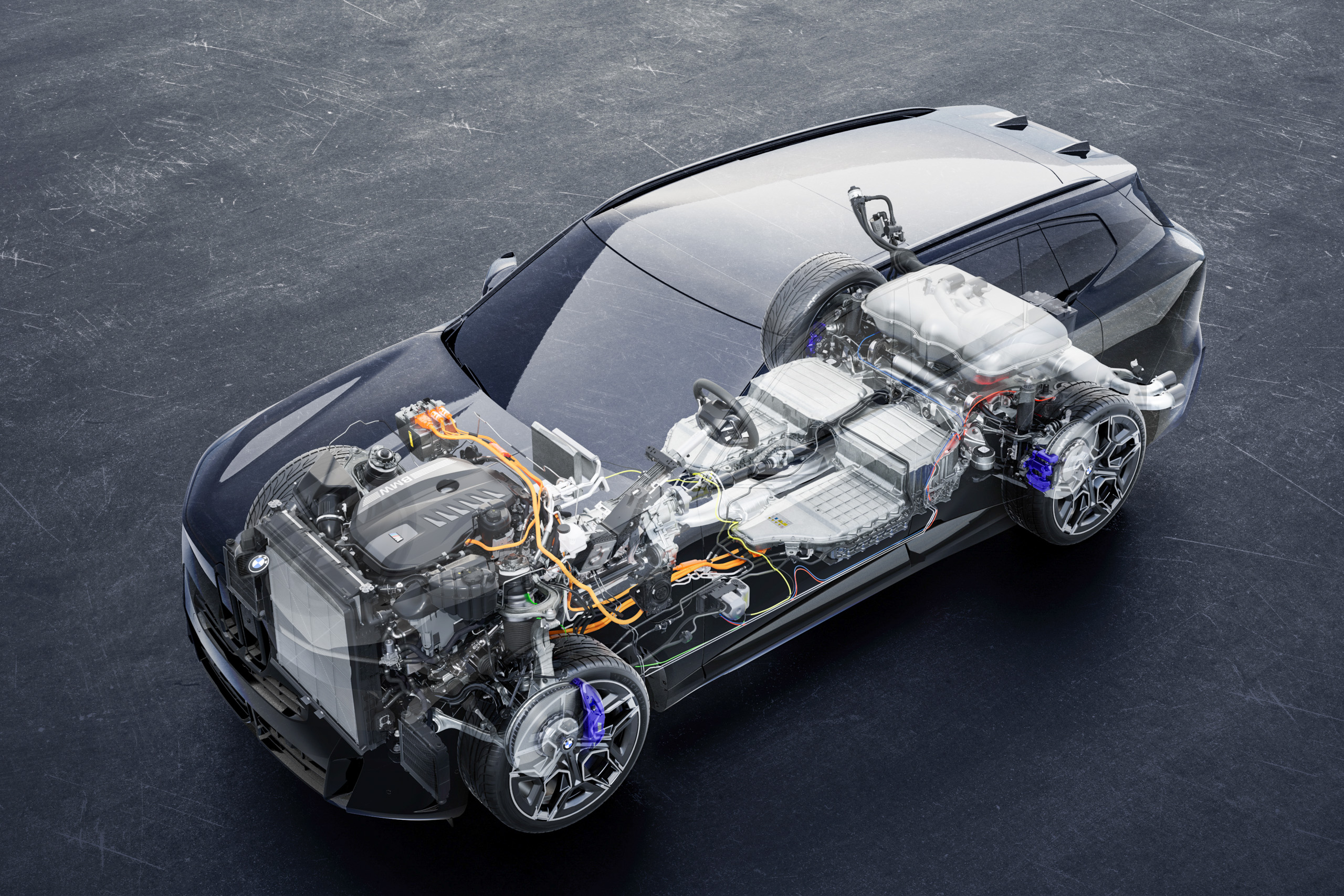
BMW, on the other hand, has been using aluminum conductors since 2011. What began in the 1 Series has gradually expanded across the company’s hybrid and electric models. Today, aluminum is used in both high-voltage and low-voltage wiring in BMW’s latest eDrive systems.
The switch to aluminum is not apples-to-apples and does come with a few trade-offs. Unlike copper, aluminum is not as electrically conductive, so some wires need to be thicker to carry the same amount of current. It is also softer and expands more as temperatures change, requiring specially designed connectors to keep electrical connections secure throughout a vehicle’s service life. Aluminum also forms a thin oxide layer when exposed to air. While that layer protects the metal from further corrosion, it does not conduct electricity well. To address this, automakers use specially engineered alloys, protective coatings, sealed connectors, and other measures to maintain reliable electrical contact.
Despite those challenges, manufacturers see enough pros that outweigh the cons. Aluminum is roughly one-third the density of copper, allowing wiring harnesses to weigh significantly less even when thicker cables are required. The weight savings can improve fuel economy in conventional vehicles and help electric vehicles travel farther on a single charge. Aluminum is also considerably cheaper than copper, making it an attractive option as copper prices continue to climb. With the proper engineering, automakers say aluminum wiring can match the reliability of copper while reducing both weight and production costs.
Even so, the momentum appears to be growing. Reuters reported that Chinese automakers such as XPeng, Xiaomi, and AVATR have already adopted aluminum wiring in some vehicles, helped in part by government policies promoting wider use of the material.
For buyers, the change will likely go unnoticed. Modern vehicles carry far more electronics than older models, from large infotainment screens to cameras, sensors, and advanced driver assistance systems, making wiring both heavier and more expensive. Switching to a lighter, cheaper material like aluminum seems to be a practical way for automakers to keep costs under control.
The bigger question is what happens years down the road. Older cars were generally simpler and easier to repair, while an aluminum wiring harness may require specialized parts and repair methods.
Related Posts
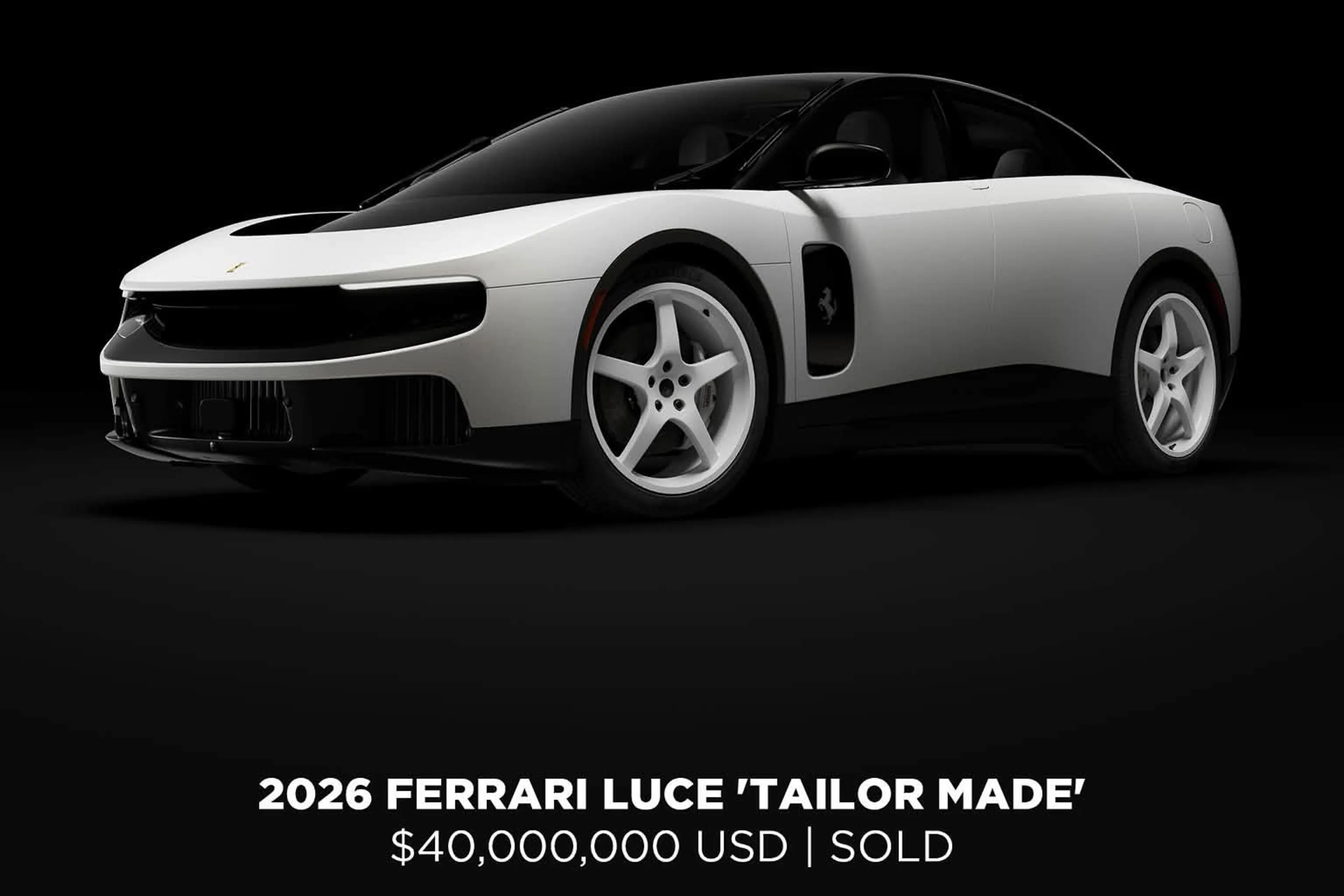
First Ferrari Luce EV Sells for Mind-Blowing $40 Million at Auction
Maranello’s controversial first-ever EV, the Ferrari Luce, shattered expectations at RM Sotheby's Monterey auction by fetching an eye-watering $40 million—with 100% of the proceeds going to charity.
 AutoIndustriya.com
BIMS 2026: Tesla debuts six-seater, long wheelbase Model Y L
The 2026 Tesla Model YL made its regional debut at the Bangkok International Motor Show.
 Francis Pallarco
Ferrari appoints new marketing boss after Luce EV debut
Ferrari names former BMW Italy president and CEO as successor of Enrico Galliera
 Jamil Lacuna
Ferrari Luce: Maranello officially reveals its 1,050 HP electric supercar
Ferrari enters the electric era of supercars with the 1,050 HP Luce
 Marcus De Guzman
Ferrari vs. Mazda: Who owns the "Luce" name?
Ferrari and Mazda dispute over "Luce" name
Francis Pallarco
SPIED: All-new BMW X5 M to trade ICE for EV?
The next-generation X5 M will reportedly be called the G95 and may have four electric motors
Marcus De Guzman